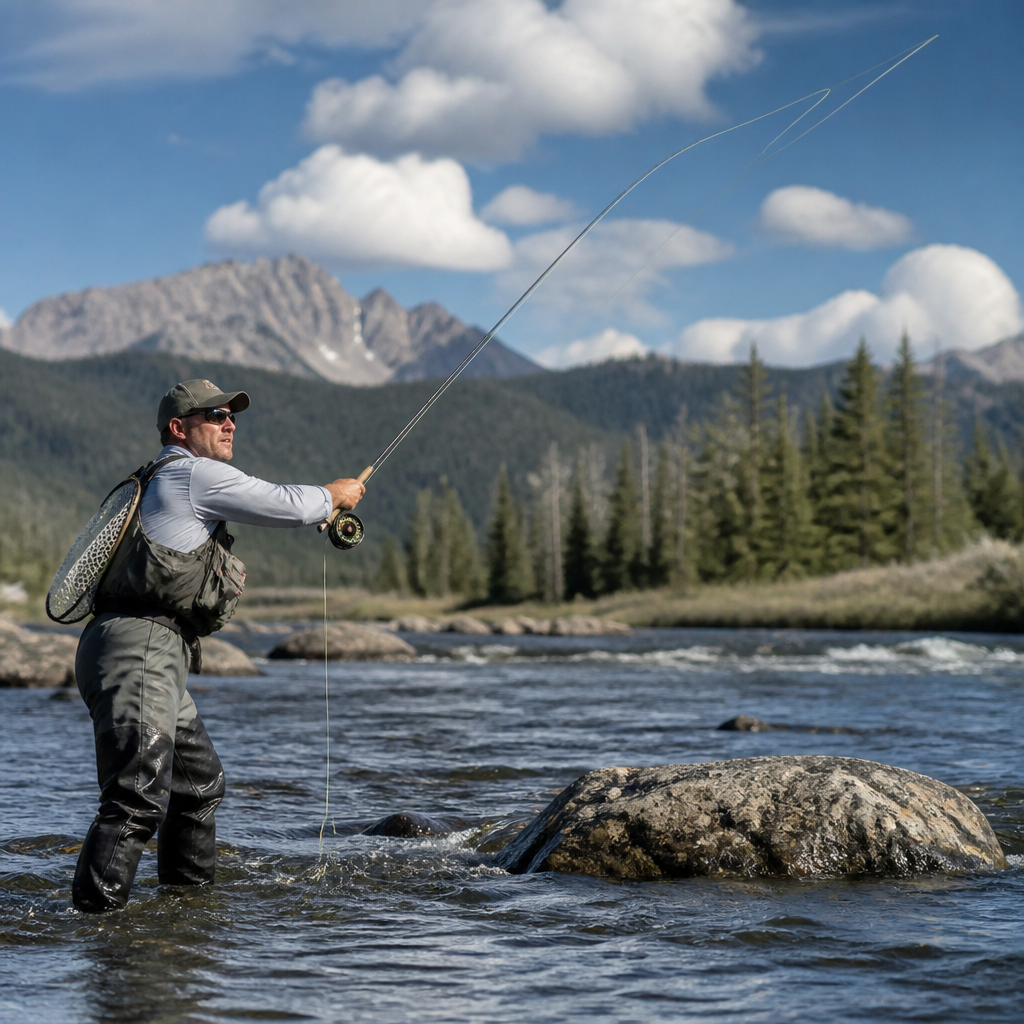
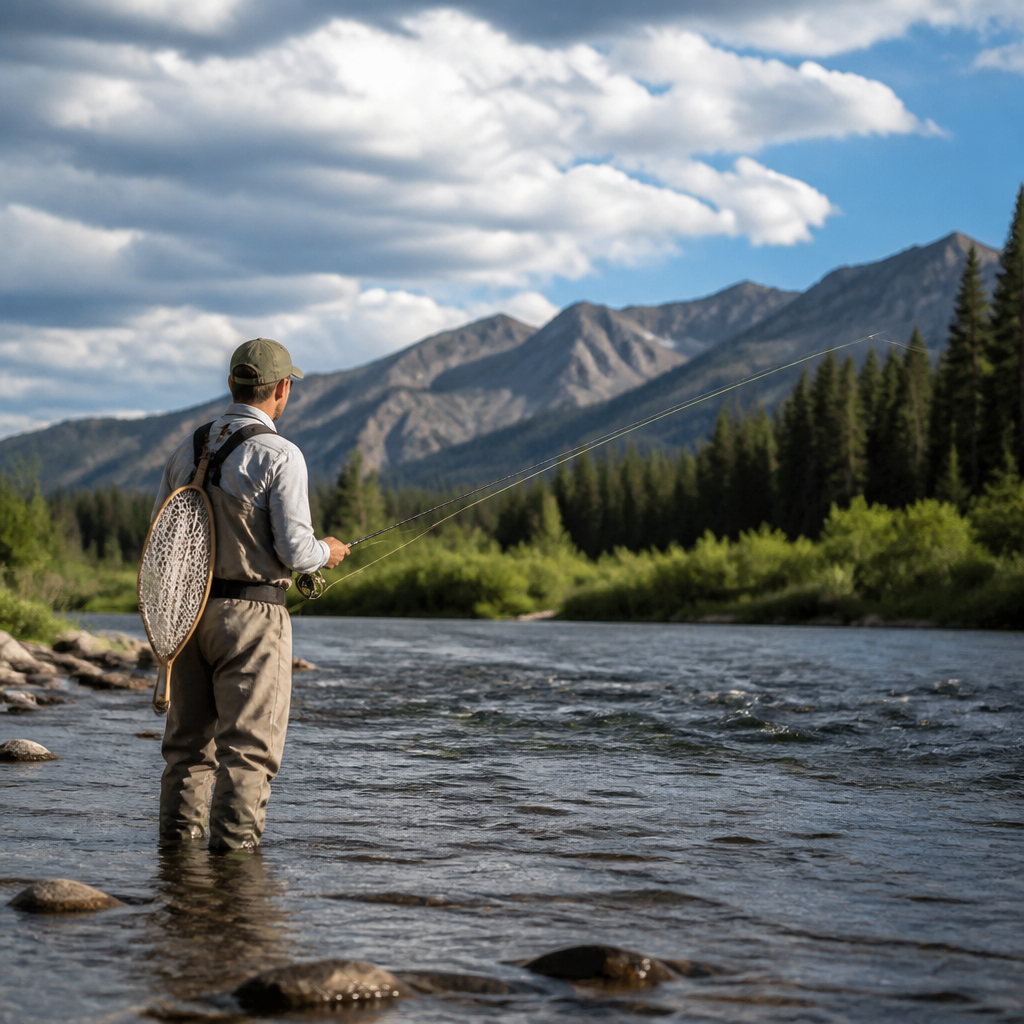
Dry fly fishing in windy conditions tests every part of an angler’s skill, from reading currents to choosing tackle, managing slack, and seeing subtle takes when the surface is broken by chop. Dry fly fishing means presenting an artificial fly that floats on the surface and imitates adult insects, terrestrials, or other prey that trout and grayling expect to find in the film. Windy conditions usually mean sustained breeze, gusts, shifting crosscurrents on the water, and reduced control over casting and drift. That combination matters because many productive trout rivers, spring creeks, freestone streams, and stillwaters fish best during weather that is far from calm. I have had some of my best dry fly sessions in conditions other anglers avoided, especially when wind knocked beetles and ants from bankside grass, masked leader splash, and concentrated feeding fish into seams where drifting food collected.
As a hub within techniques and strategies, this article covers the full framework for dry fly fishing when the wind is working against you and, at times, for you. It explains where fish hold, how wind changes insect behavior, which rods, leaders, and flies improve turnover, and how to cast accurately without exhausting yourself. It also addresses common questions directly: can trout still take dries in a strong wind, what is the best casting angle, should you lengthen or shorten leaders, and when should you abandon the dry and change tactics? The short answer is that dry fly fishing in windy conditions can be excellent if you adapt presentation to the direction and strength of the wind, match the food actually being blown onto the water, and focus on drifts you can control rather than perfect textbook loops.
How Wind Changes Dry Fly Fishing
Wind changes the surface first, but the more important effect is how it redistributes food and fish position. On rivers, gusts push floating insects into foam lines, back eddies, current tongues, and slower margins beside faster runs. On lakes, wind lanes and sheltered bays become conveyor belts of trapped midges, spent mayflies, and terrestrials. Trout respond to that concentration. Instead of rising evenly across a pool, they often feed in short windows where food arrives repeatedly. When I guide anglers in breezy conditions, the biggest improvement usually comes when they stop casting at random risers and start targeting the drift path that keeps receiving food.
Wind also changes hatch behavior. Duns may struggle to leave the surface, caddis can skitter unpredictably, and land insects such as hoppers, beetles, and flying ants become more relevant than delicate mayfly imitations. This is why a windy day is often a poor time to insist on tiny, flush-floating patterns with long, fragile leaders. Fish are less likely to inspect a fly for several seconds in broken water. They are more likely to react to silhouette, size, and believable movement. In practical terms, that often means a higher-floating pattern in sizes 10 through 16, stronger tippet than you would use on a flat calm, and drifts aimed at feeding lanes rather than broad slicks.
Where Trout Hold and Feed When the Surface Is Broken
The best places for dry fly fishing in windy conditions are not always the obvious slow pools. Wind roughens the surface enough to give trout cover, but fish still need efficient access to food. Start with current seams where fast and slow water meet, especially if the wind pushes floating insects into that edge. Look for bubble lines below overhanging trees, inside bends collecting foam, tailouts with defined feeding lanes, and sheltered pockets along cut banks. On large rivers, side channels can be excellent because they offer enough current to deliver food but less surface disturbance than the main flow.
On stillwaters and reservoirs, fish the windward shore when food is being blown in and the wave action is not too severe for a dry to remain visible. That point matters. Windward banks often receive the highest concentration of naturals, but a sheltered corner just off the main push can be even better because trout can feed there with less effort. Insects gather in these transition zones. I have seen trout cruise a leeward margin all afternoon picking off beetles that crossed from the rough side and collected against reeds. If the water is heavily colored by waves or your fly disappears instantly, move to structure that softens the chop rather than forcing a poor presentation.
Tackle Choices That Improve Control
Rod, line, leader, and fly selection matter more in wind than in calm weather because each part of the system affects turnover and drift. A medium-fast to fast action rod in the 4 to 6 weight range is the most versatile setup for dry fly fishing in windy conditions. A soft 3 weight is pleasant on quiet spring creeks, but in a crosswind it often lacks the line speed needed to turn over a terrestrial or bushy attractor. A 9 foot 5 weight is the standard compromise for rivers because it protects tippet yet generates enough authority to punch controlled loops under gusts.
Use a true-to-weight floating line with a front taper that turns over dries cleanly. Many anglers overline to feel the rod load at short range, but a heavier line can create more sail in strong wind. Leaders are usually better shorter and slightly stouter than your calm-water setup. A 7.5 to 9 foot leader tapered to 4X or 5X is a dependable starting point. With bushy flies or hoppers, 3X is often correct. The goal is not finesse for its own sake. The goal is turnover, drag reduction, and enough strength to land fish quickly. Dress the fly and, when necessary, the final inches of leader with floatant, but keep paste off the tippet section that should cut through surface chop.
| Condition | Recommended Setup | Why It Works |
|---|---|---|
| Light breeze on small stream | 4 weight rod, 9 foot leader, 5X tippet, size 14 parachute | Balances gentle presentation with enough turnover for modest wind |
| Moderate crosswind on medium river | 5 weight rod, 8.5 foot leader, 4X tippet, high-vis attractor dry | Improves line speed, accuracy, and fly visibility in broken surface |
| Strong gusts with terrestrials | 6 weight rod, 7.5 foot leader, 3X tippet, hopper or beetle pattern | Turns over bulky flies and lands them where wind-blown food collects |
| Choppy stillwater margin | 5 weight rod, weight-forward floater, 9 foot leader, buoyant caddis | Maintains control while keeping the fly visible in wave troughs |
Fly Selection for Windy Conditions
The best dry flies for windy conditions are visible, buoyant, and tied to represent what the wind is actually delivering. If trout are eating mayflies in broken water, parachutes, comparaduns with good silhouette, and CDC patterns treated carefully can all work, but they must remain visible to the angler. If caddis are active, elk hair caddis, X-caddis, and skittering patterns are usually stronger choices because they match the natural movement created by gusts. During summer and early fall, wind often makes terrestrials the first option, not the backup. Foam beetles, hoppers, flying ants, and bushy ants account for many fish because they are exactly what bankside vegetation contributes during breezy weather.
Color and profile matter more than exact imitation once the surface is textured. A black beetle or ant offers strong contrast from below. A tan hopper stands out near grassy banks. A parachute post in pink, orange, or white helps you track the fly without changing what trout see from beneath. Larger flies also earn their place. On difficult days, a size 10 beetle or size 12 hopper often outfishes a size 18 mayfly simply because you can land it accurately and detect refusals sooner. That is not a concession to laziness. It is good tactical fishing. Match the dominant food source where possible, but choose the version that survives wavelets, carries floatant, and remains visible through glare and chop.
Casting Angles and Presentations That Beat the Wind
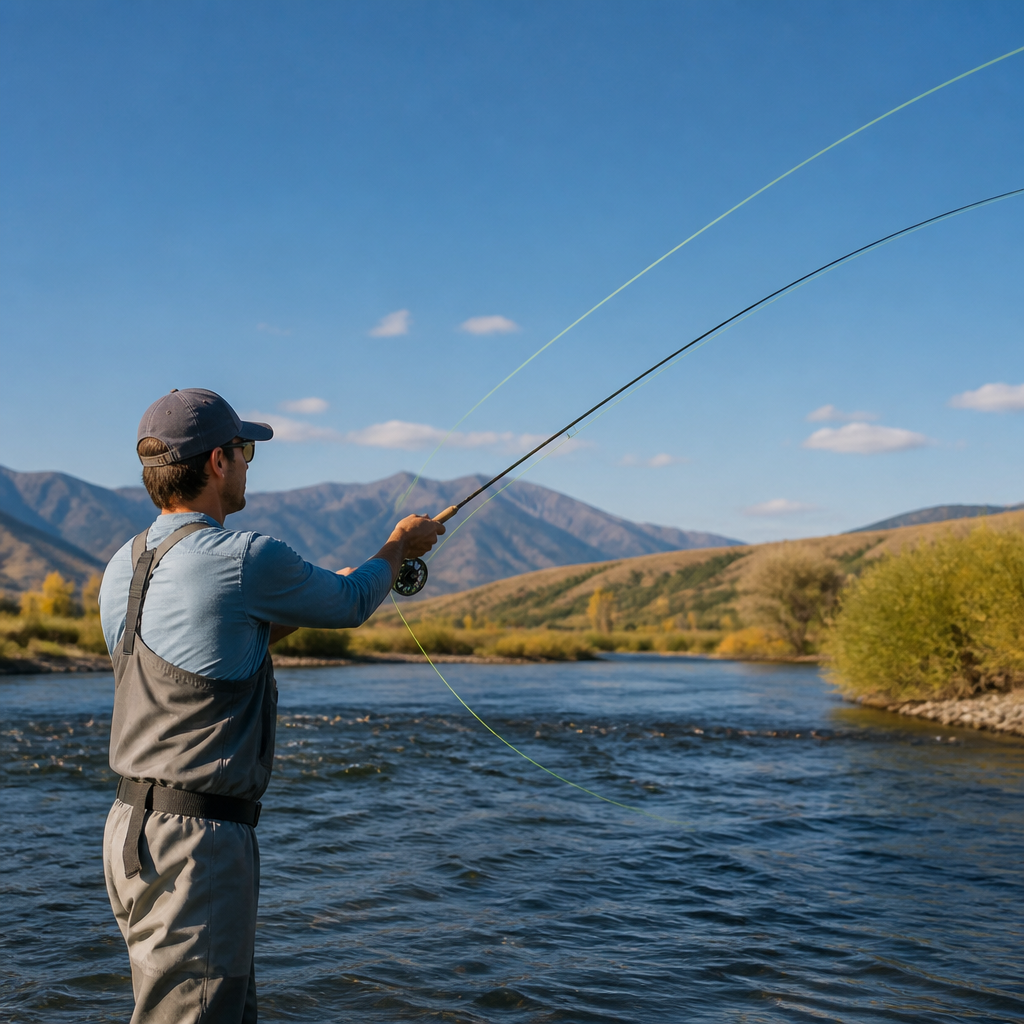
The best cast in wind is the one that creates a manageable drift, not the one that looks prettiest in the air. In a crosswind, keep loops tight, minimize false casting, and present from an angle that lets the wind assist or at least do less harm. For right-handed casters with wind blowing from the rod side, changing shoulders, using a backhand cast, or altering your position to keep the fly downwind of your body improves both safety and turnover. Many anglers struggle because they insist on standing in one place. A two-step reposition upstream or downstream often opens a far simpler angle.
Upstream presentations still matter, especially to selective trout, but they are harder to control in gusts. Quartering upstream is often the sweet spot because it gives some natural drift while allowing the line to land with less slack than a pure upstream cast. Across-and-down presentations can also work when fish are taking skittering caddis or wind-blown terrestrials. On small streams under trees, a low sidearm cast under the wind often beats a high overhead cast that exposes more line to the gust. Reach mends, aerial mends, and stack mends remain useful, but only if they are deliberate. In wind, one clean adjustment is better than repeated corrections that drag the fly instantly.
Line Management, Visibility, and Strike Detection
Most missed fish in windy dry fly fishing are not refusals. They are failures to see or react. Broken surface, glare, and bowing line hide subtle takes. Solve this by reducing the amount of fly line on the water, tracking the leader butt, and choosing flies you can follow at distance. High-visibility posts help, but so does fishing closer. There is no rule that says successful dry fly fishing must happen at forty feet. In fact, many windy-condition fish are best taken inside twenty-five feet, where drag is manageable and strike detection is immediate.
Keep the rod tip low enough to stay connected but high enough to avoid dragging the fly. Strip in slack created by gusts rather than waiting for the drift to end. If currents are conflicting, leading the fly very slightly with the rod tip can preserve a dead drift without moving the imitation unnaturally. When the fly disappears anywhere near a likely lie, lift. Trout often take more confidently in roughened water because the surface gives them cover. I tell anglers to treat uncertain visual cues as probable eats. The cost of one unnecessary lift is small; the cost of repeatedly hesitating on real takes is a poor day.
When to Change Tactics and How This Hub Fits Your Dry Fly System
Dry fly fishing in windy conditions is productive, but it is not mandatory every hour of the day. If you cannot keep the fly visible, if your drifts are instantly dragging, or if trout are bulging just under the surface, switching to an emerger, dry-dropper, or even a small indicator-style dry supporting a nymph is the correct strategic move. Good anglers do not confuse commitment with stubbornness. They read feedback. If fish are refusing high-riding flies, try a lower-floating cripple. If gusts intensify and bankside terrestrials become dominant, stop forcing mayflies and fish a beetle tight to the edge. If wave action on a lake makes dry presentations impossible, move to sheltered structure or wait for an evening lull.
As a hub for the broader dry fly fishing topic, this page links the essential pieces together conceptually: entomology, presentation, river reading, tackle balance, and adaptation under weather pressure. Every specialized article under dry fly fishing should build from these principles. Fly choice matters because food availability changes with wind. Casting style matters because loop shape controls turnover. Fish location matters because wind concentrates both prey and trout. Put those pieces together and windy weather stops being an obstacle and becomes a pattern. Start with a controllable setup, fish the lanes that collect food, choose buoyant visible flies, and adjust angle and distance until your drift works. Then practice those decisions on the water, because nothing sharpens dry fly skill faster than learning to catch rising trout when the wind refuses to cooperate.
Frequently Asked Questions
How does wind change the way you should approach dry fly fishing?
Wind changes almost everything about dry fly fishing because it affects both the angler and the water at the same time. On the casting side, even a moderate breeze can open loops, push the line off target, collapse delicate presentations, and create instant slack in the wrong places. On the water, wind can break up the surface with chop, distort natural drift lanes, and make it much harder to detect subtle rises or inspect how your fly is riding in the film. Fish also respond differently. In some situations, trout and grayling become less wary because broken surface texture gives them cover. In others, they shift feeding lanes, hold tighter to sheltered seams, or focus on food that is blown onto the water, such as terrestrials.
The best approach is to simplify and control variables. Start by studying the wind direction before you rig up. If possible, position yourself so you are casting with the wind or on a slight downwind quarter rather than directly into a hard headwind. Look for protected edges, inside bends, banks lined with trees or reeds, and slower seams where the wind has less direct effect on your drift. Shorten your casting distance and fish closer targets first. In windy conditions, a controlled 20-foot presentation is often far more effective than a struggling 40-foot one. You should also expect to make more frequent adjustments in angle, stance, and shot sequence. In calm weather, you can often fish a wide area from one position. In wind, success usually comes from moving more, selecting specific lanes, and working only the drifts you can actually manage well.
What tackle setup works best for dry fly fishing in windy conditions?
A practical windy-day dry fly setup usually leans slightly more powerful than your ideal calm-water dry fly outfit. That does not mean abandoning finesse, but it does mean choosing tackle that helps you turn over leader, control line, and maintain accuracy. A fast or medium-fast action rod in the 4-weight to 6-weight range is often a smart choice depending on river size, fly size, and target species. Many anglers who normally fish a softer 3-weight in gentle conditions will step up when the wind becomes a serious factor. The extra line speed and better turnover make a noticeable difference.
Your fly line should match the rod cleanly and load it efficiently at short to medium range. A true-to-weight floating line with a front taper that turns over dry flies reliably is generally better than an extremely delicate specialty taper when the breeze is persistent. Leaders also deserve attention. Long, whisper-fine leaders that are lovely on calm days can become frustrating in crosswinds. In windy conditions, many anglers fish slightly shorter leaders with a stronger butt section to transmit energy better. For example, rather than fishing an extra-long technical leader, you may do better with a balanced leader around 9 feet, adjusted based on fly size and water clarity. Tippet selection should still match the fly and the fish, but windy weather often rewards going slightly stronger if it helps turnover and reduces twisting. The goal is not to crash the fly down, but to preserve enough authority in the system that the presentation remains under your control.
Fly choice also matters. More visible dry flies, slightly larger profiles, and patterns with good floatation can be easier to track in broken surface water. High-riding parachutes, comparaduns in the right size, stimulators, beetles, hoppers, and other buoyant attractor or terrestrial patterns can all shine when the wind is active. Good floatant, dry-shake products, and a willingness to change flies once they become waterlogged are part of the tackle system too. In short, the best setup is the one that still lets you present accurately, mend efficiently, and actually see your fly.
What casting adjustments help most when presenting a dry fly in strong or gusty wind?
The biggest improvements usually come from three adjustments: tightening your casting mechanics, lowering unnecessary false casts, and changing trajectory to suit wind direction. Into a headwind, focus on a compact stroke and high line speed. Long, lazy loops get exposed immediately in wind, while crisp, efficient loops cut through it better. Keep false casts to a minimum because each extra cast gives the wind more time to interfere. On the final forward cast, aim slightly lower than you would in calm conditions so the wind does not lift and stall the line before turnover.
With a tailwind, the issue is often different. The wind can accelerate your cast and dump slack unpredictably, so timing matters. You may need to open the loop slightly and adjust your casting plane to keep the fly and leader from kicking awkwardly. In crosswinds, safety and control both become priorities. If the wind is blowing toward your rod side, many anglers switch casting shoulders, change body position, or alter planes to keep the fly away from their face and rod hand. A sidearm cast can be extremely useful because it keeps more line below the strongest wind layer and can drive the cast on a more stable trajectory. That said, there are times when a higher back cast and lower forward cast, or the reverse, is the better solution depending on surrounding cover and gust direction.
Reach casts, pile casts, and aerial mends are still valuable, but they must be used more selectively in wind because they are easier to blow off course. Often, the most effective answer is not a fancy presentation cast but simply getting closer, choosing a better angle, and making one accurate delivery. Good anglers in windy conditions are rarely trying to look graceful. They are trying to stay efficient, safe, and repeatable while preserving enough drift quality to fool surface-feeding fish.
How do you get a natural drag-free drift when wind is constantly creating slack or pulling the fly?
Drag-free drift becomes harder in wind because the air is moving the line while the current is moving the fly, leader, and tippet at different speeds. That mismatch creates instant tension, micro-drag, and unwanted skating. The first step is to accept that perfect drifts may be shorter than usual. Instead of trying to fish a long lane from far away, target smaller feeding windows where you can control only the essential part of the drift. Positioning is everything. If you can stand slightly upstream, downstream, or off to one side in a way that reduces the amount of fly line exposed to conflicting currents and wind, your success rate improves dramatically.
Leader and line management become more active in windy weather. Cast only as much line as needed. Excess line is just more material for wind to move. Use controlled slack where it helps, but do not confuse useful slack with disorder. A small reach cast or a deliberate upstream placement of line can buy time, while random belly from a gust usually ruins the presentation. Mending should be quicker and more decisive, but also smaller than many anglers think. Large splashy mends can pull the fly or drown it. Short, timely corrections often work better, especially when paired with thoughtful rod positioning that keeps less line on turbulent water.
It also helps to choose drifts where the wind and current are not fighting each other as severely. Soft seams, foam lanes, current edges behind structure, and sheltered banks often provide more manageable presentations than broad exposed slicks under gusting conditions. If fish are feeding in rougher water, consider flies that can tolerate a tiny bit of movement without looking wrong, such as terrestrials or attractor dries. Not every windy-day fish demands a perfectly dead mayfly drift. Sometimes a lightly animated beetle or hopper is exactly what the conditions suggest. Matching your presentation style to what the wind is naturally doing can be more realistic than battling the environment on every cast.
How can you spot takes and set the hook effectively when the surface is broken by chop?
Detecting takes in windy conditions is one of the most underrated challenges in dry fly fishing. Broken water makes it difficult to distinguish a real rise from random surface disturbance, and your fly can disappear between small wavelets even at short range. That is why visibility matters so much. Choose a fly you can track confidently, whether that means a slightly larger pattern, a parachute post, a more buoyant silhouette, or a dry with a subtle but visible top marker. Purists sometimes resist visible elements, but if you cannot see the fly at all, your reaction time suffers and you miss fish.
Beyond fly visibility, improve your observation angle. If possible, avoid staring straight into glare or directly down a choppy lane from too low a position. A slight move left or right can dramatically improve contrast. Polarized glasses help with subsurface definition and glare reduction, but in rough surface water they are only part of the solution. You still need to watch the drift with intention. Many experienced anglers stop looking only at the fly and instead watch the entire target zone: the bubble line, the shape of the drift, the water just around the fly, and any interruption where a fish might tip up beneath it. In windy chop, takes are often quieter than anglers expect. The fly may simply vanish, pause unnaturally, or appear to dip and reappear. Those are all signals to respond.
Hook-setting should be controlled, not violent. Wind creates tension changes, and a hard strike can easily yank a dry fly away from a fish that only sipped it in rough water. A firm lift with the rod, timed as soon as the disappearance or disturbance is confirmed