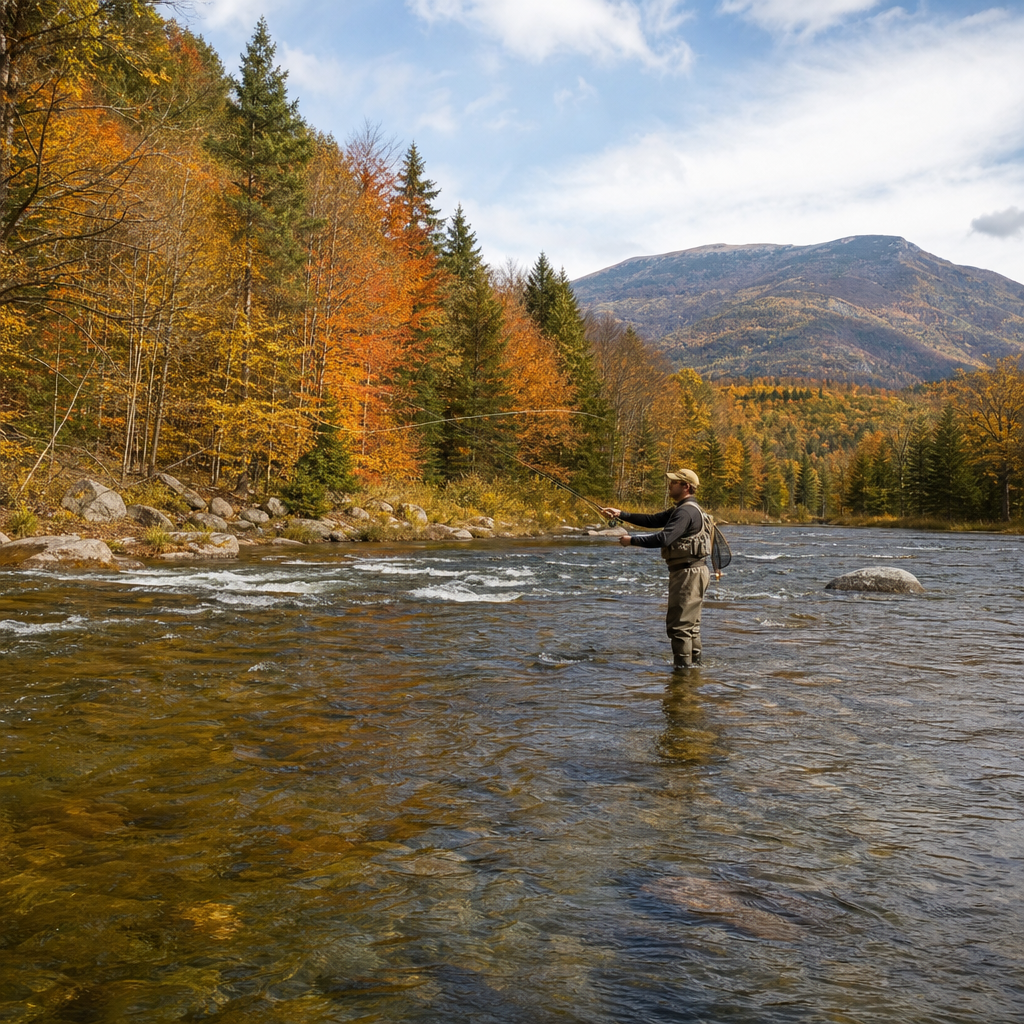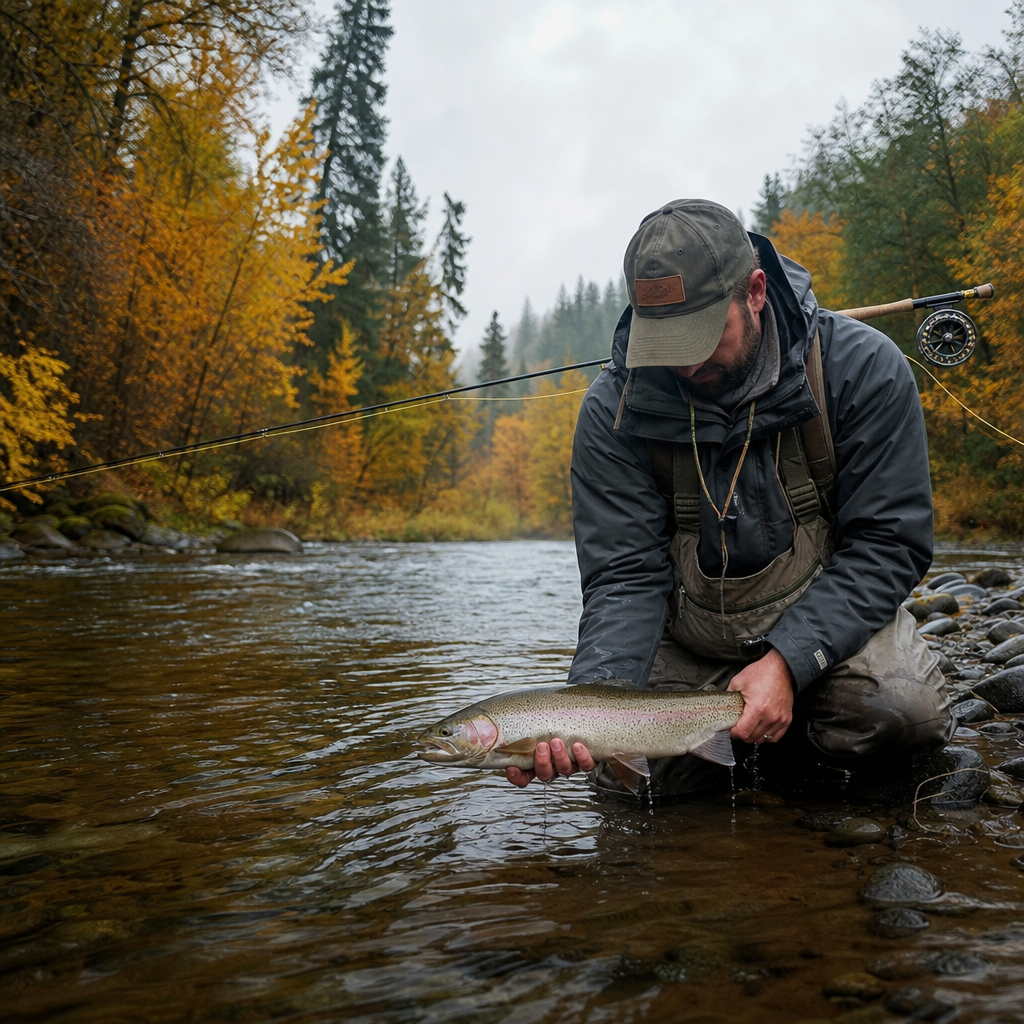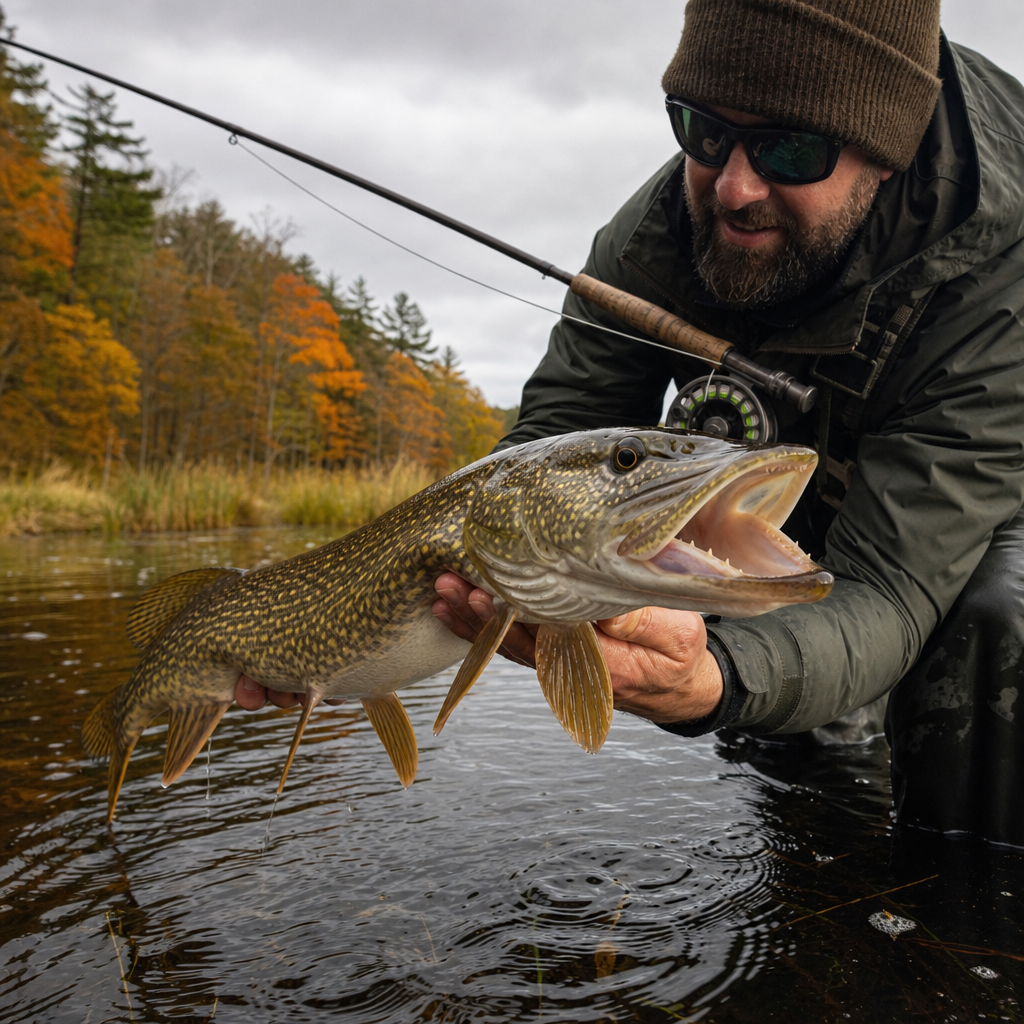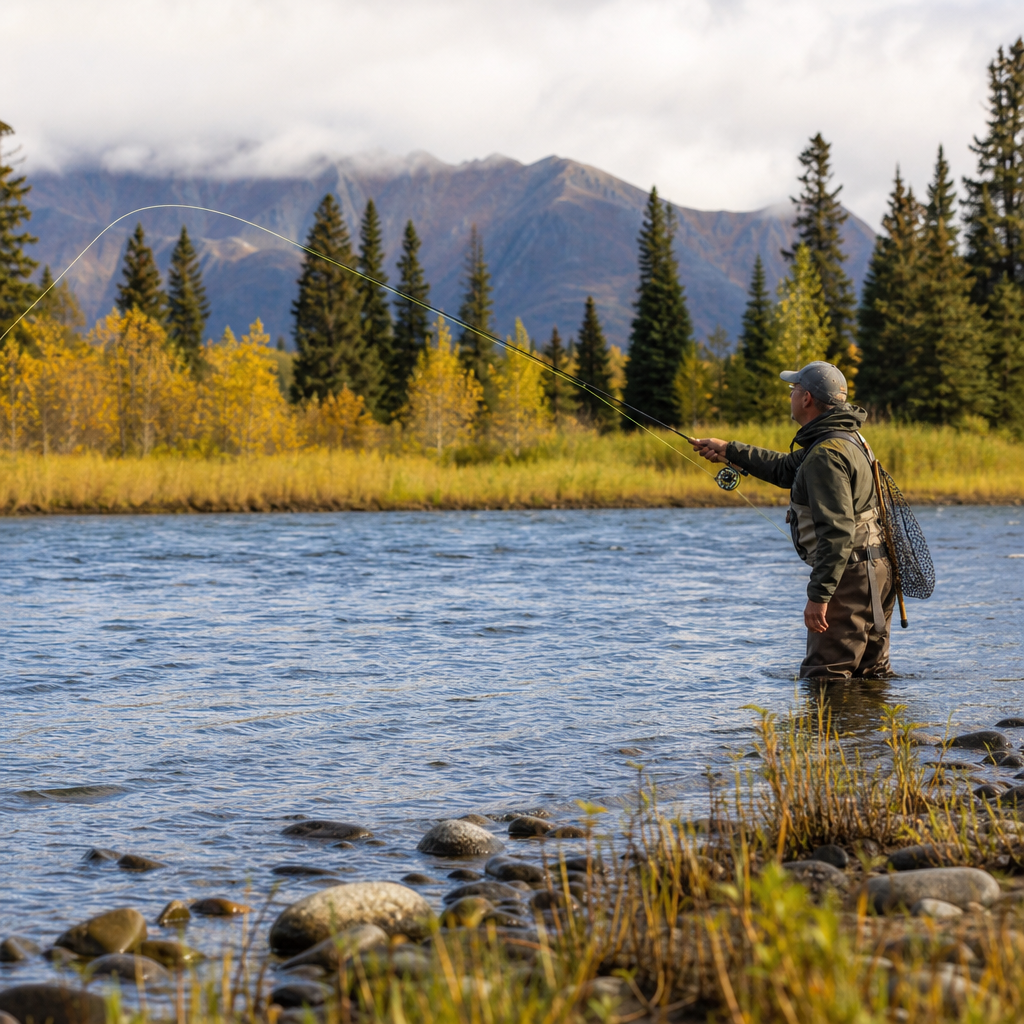
Winter fly fishing for trout rewards anglers who understand how cold water changes fish behavior, insect activity, presentation speed, and fly selection. The best winter fly patterns for trout are not simply smaller versions of summer favorites; they are deliberate imitations of the midges, blue-winged olives, eggs, scuds, sowbugs, baitfish, and stoneflies trout actually feed on when water temperatures drop, currents slow, and metabolism declines. As a hub for winter fly fishing, this guide explains which patterns matter most, when to fish them, how to rig them, and why they work across tailwaters, spring creeks, freestones, and stillwaters.
In winter, trout conserve energy by holding in softer seams, deeper buckets, tailouts with dependable food, and slow inside bends where current delivers meals without forcing them to move far. That single fact should shape every winter fly box. A productive winter fly pattern is one trout can notice, trust, and eat with minimal effort. In practical terms, that usually means small nymphs in sizes 18 through 24, cleanly tied emergers, realistic eggs during spawn-related periods, and compact streamers fished slower than many anglers think necessary. On many rivers I fish from December through February, a size 20 midge pupa below a yarn indicator outfishes larger attractors all afternoon, especially when flows are stable and the sky is bright.
Winter matters because it concentrates opportunity. Crowds thin, fish pod up in predictable lies, and selective feeding often reveals exactly what trout want. It also exposes weaknesses in technique. Drag that might go unnoticed in June ruins a drift in January. Overweight flies plow unnaturally. Thick tippet deadens small patterns. The anglers who succeed in winter usually narrow their fly choices, refine depth control, and match the dominant food source closely. If you want a concise answer, start with midges, BWOs, eggs, scuds or sowbugs, and a few slim streamers. Then adjust size, weight, and color to your river type and the day’s water clarity, temperature, and insect activity.
This winter fly fishing hub is designed to do more than list flies. It gives you a framework for choosing patterns by food source, river type, and presentation method so you can build a practical box rather than carry fifty near-duplicates. The patterns below are proven because they align with winter entomology and trout behavior, and because they cover the most common cold-season feeding scenarios in North America.
What Trout Eat in Winter and Why Fly Choice Changes
Trout do not stop feeding in winter; they become more efficient. In water below roughly 45 degrees Fahrenheit, digestion slows and chase windows shrink, but fish still eat regularly when food is easy to intercept. That is why the best winter fly patterns are usually compact and protein efficient. Midges dominate many winter systems because they hatch year round and drift constantly. Blue-winged olives, especially baetis mayflies, become important on overcast afternoons and during modest warming trends. In fertile tailwaters and spring creeks, scuds and sowbugs can be staple foods every day of the season. In rivers below salmon or trout spawning activity, egg patterns can be unmatched.
River type determines priority. On a tailwater with stable temperatures and rich invertebrate life, I typically begin with a midge larva and a midge pupa, then add a baetis nymph or emerger if fish rise. On limestone and spring-creek water, scuds, sowbugs, and tiny mayflies deserve box space ahead of heavier stonefly attractors. On freestone rivers after a cold snap, larger nymphs often produce less consistently than many anglers expect because drift volume drops and trout slide into sheltered lies. There, a small perdigon-style pattern or zebra midge often becomes the confidence fly.
The practical rule is simple: winter fly selection should mirror the most available natural food, not the biggest meal a trout might theoretically chase. Exceptions exist, especially during low-light streamer windows or egg-focused feeding periods, but consistency comes from matching abundance first.
Best Winter Nymphs: Midges, Baetis, and Small Search Patterns
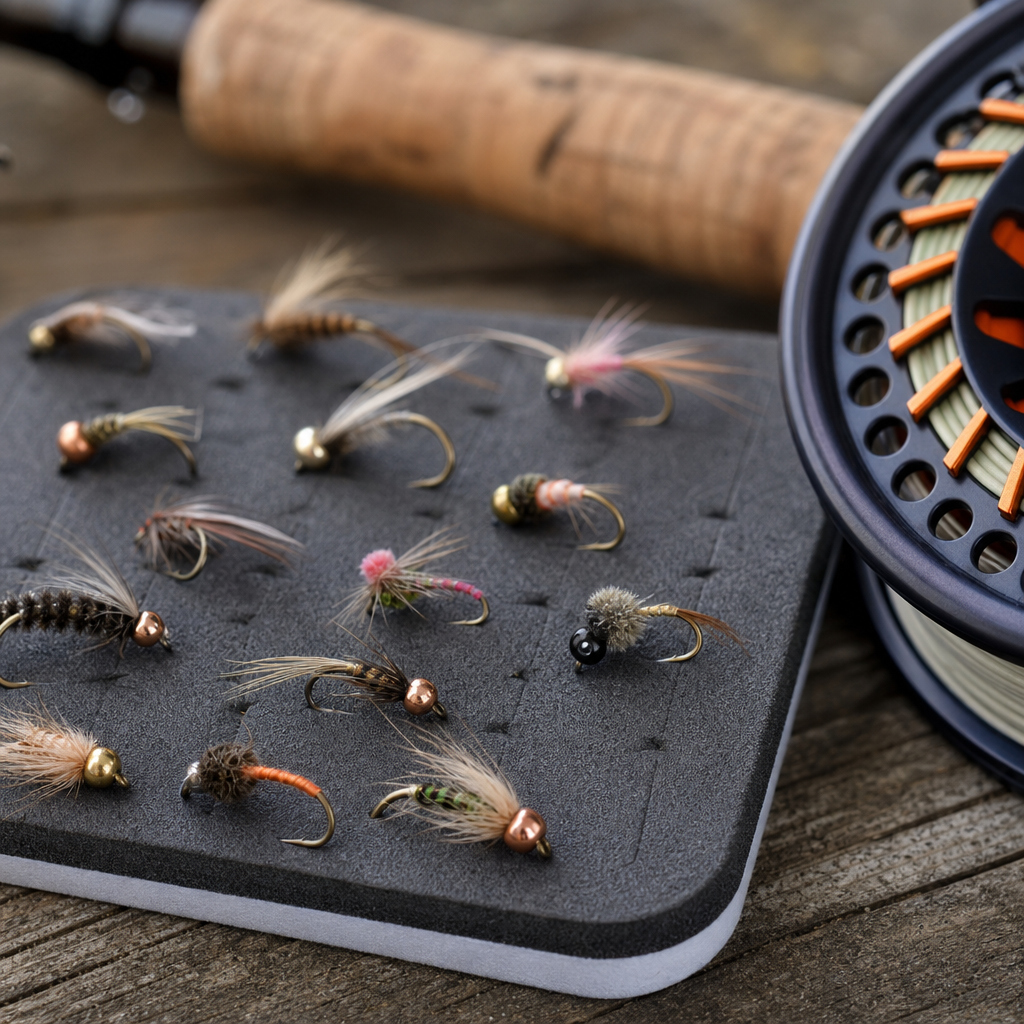
If I could carry only one category of winter trout flies, it would be small nymphs. The most reliable pattern in this group is the Zebra Midge, usually in black, red, olive, or purple with a silver, copper, or gold rib and bead. Sizes 18 to 22 cover most situations. Its effectiveness comes from profile and sink rate: slim enough to imitate midge larvae or pupae, heavy enough to reach trout holding lanes quickly. A simple black Zebra Midge on 6X under a small indicator is one of the highest-percentage winter rigs in fly fishing.
The second essential is the RS2, Rim Chung’s classic emerger. Though often associated with baetis, the RS2 also suggests tiny midges and crippled mayflies. Gray, olive, black, and cream in sizes 18 to 22 are standard. On technical tailwaters, I often fish a tungsten midge above and an unweighted RS2 below, letting the lower fly hover naturally in the film-adjacent drift where winter trout inspect emergers.
For baetis-specific situations, carry slender pheasant tail variations, tiny olive perdigons, and split-case nymphs in sizes 18 to 20. Perdigons are especially useful when winter flows are slightly elevated because they sink fast with little bulk. The key is restraint: an oversized hotspot can help in stained water, but in clear winter flats a subtler olive body and sparse tail usually look more convincing.
| Pattern | Best Sizes | Best Conditions | Primary Imitation |
|---|---|---|---|
| Zebra Midge | 18–22 | Clear tailwaters, deep seams, stable flows | Midge larva/pupa |
| RS2 | 18–22 | Selective trout, gentle currents, light hatches | Emerging midge or baetis |
| Olive Perdigon | 18–20 | Fast depth gain, moderate current, nymph rigs | Baetis nymph |
| Pheasant Tail Variant | 16–20 | Mixed mayfly activity, riffle-to-run drifts | Mayfly nymph |
| Jujubee Midge | 18–22 | Pressured trout, winter tailwaters | Midge pupa |
Other dependable winter nymphs include the Mercury Midge, Top Secret Midge, Black Beauty, Rainbow Warrior in small sizes, and the plain old pheasant tail with sparse fibers. These patterns work because they maintain a narrow silhouette and natural drift. When anglers ask for the best winter nymph for trout, the honest answer is not one fly but a system: one heavier anchor fly, one smaller natural imitation, and constant depth adjustment until the rig ticks bottom occasionally without hanging every cast.
Eggs, Scuds, and Sowbugs for Cold-Season Protein
Egg patterns are among the most misunderstood winter flies. They are not magic everywhere, and they are not ethical everywhere if local regulations restrict fishing near active redds. Used responsibly, however, they are indispensable in many fisheries from Great Lakes tributaries to Western tailwaters below brown trout or rainbow trout spawning activity. Standard colors are pale orange, apricot, peach, and washed-out pink rather than fluorescent chartreuse. In winter, I prefer smaller eggs, often 6 to 8 millimeters, because they look more natural and sink with less splash.
Scuds and sowbugs matter most in weed-rich tailwaters, spring creeks, and limestone systems where crustaceans are available all year. A tan, gray, pink, or olive scud in size 14 to 18 can outfish insects decisively, especially after weed disturbance or fluctuating flows. Sowbugs are usually flatter and slightly more segmented in profile; on rivers like the Bighorn or tailwaters with heavy aquatic vegetation, they are not optional flies. The Ray Charles, Soft Hackle Sowbug, and simple dubbed scud with mono rib all have enduring reputations because they match a constant food source rather than a brief hatch.
The most common mistake with egg and scud patterns is fishing them too large or too bright in clear water. Winter trout get a long look. A muted fly drifting at the correct depth beats a gaudy pattern that announces itself unnaturally. If your river supports crustaceans, include at least three shades and two weights so you can fine-tune sink rate without changing profile.
Dry Flies and Emergers for Winter Hatches
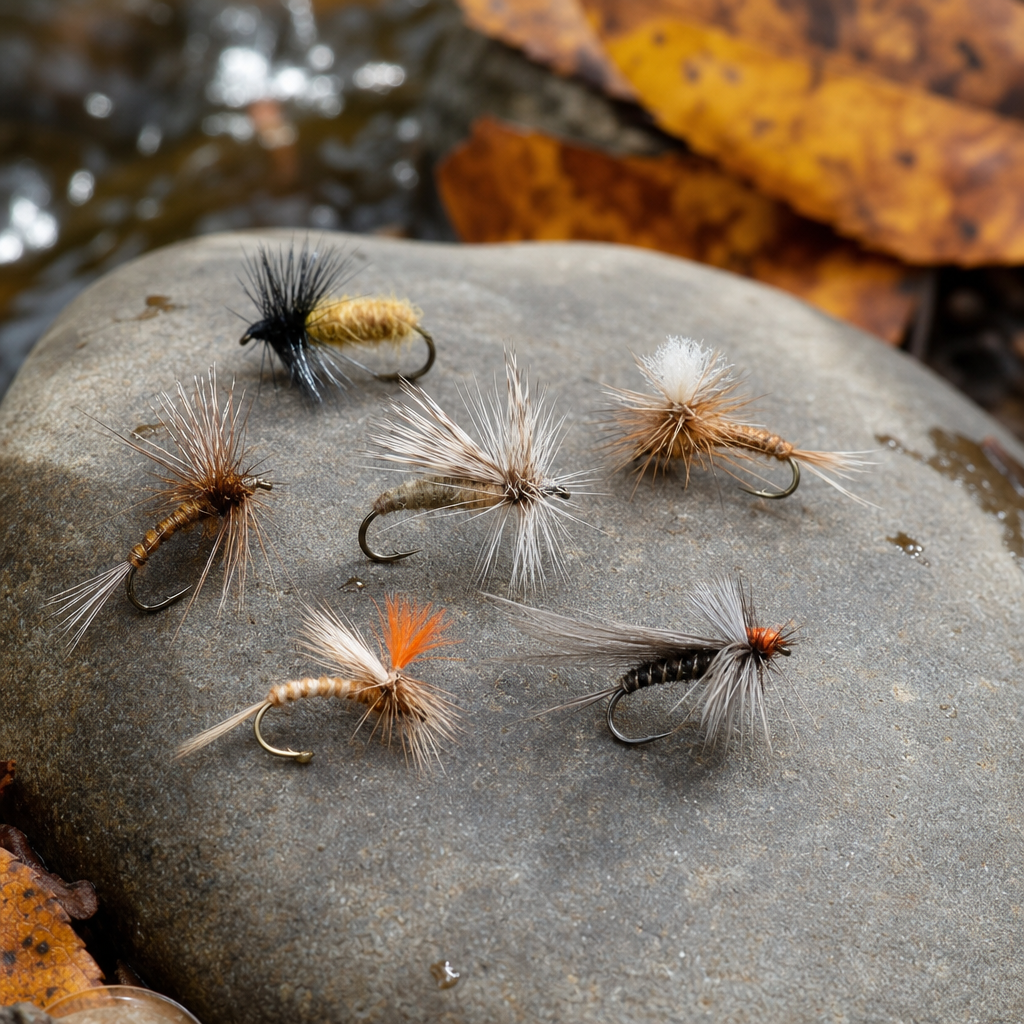
Yes, winter trout rise, and some of the season’s best fishing happens on calm afternoons when midges cluster in back eddies or blue-winged olives trickle off under cloud cover. The best winter dry flies are modest, flush-floating, and easy to see enough without becoming bulky. For midge hatches, carry Griffith’s Gnats in sizes 20 to 24, CDC midge emergers, small parachute midges, and cluster patterns for selective fish keying on mating adults. A Griffith’s Gnat remains famous for a reason: it suggests multiple midges at once, which often matches what trout are actually taking from the surface.
For baetis, winter boxes need Sparkle Duns, Parachute BWOs, CDC duns, and RS2-style emergers fished just below or in the film. Sizes 18 to 22 are typical. On technical rivers, trout often refuse high-riding duns but eat emergers confidently because vulnerable insects are easier prey. I have watched pods of rainbows ignore perfect dry drifts, then eat an olive emerger suspended twelve inches below the surface every third cast.
Presentation is everything. Winter surface feeders usually sit in slower current tongues where tiny drag becomes obvious. Long leaders, fine tippet, and reach casts matter more than fly variety once you are in the right size and color range. If fish are bulging but not fully breaking the surface, stop changing dries and switch to an emerger first.
Winter Streamers: When Bigger Flies Still Win
Small flies dominate winter, but streamers still earn a place in any serious winter fly box for trout. Their role is narrower: low-light periods, warming trends, off-color water, pre-spawn aggression, and rivers with strong baitfish populations. The mistake many anglers make is stripping too fast. In 38-degree water, a trout may move only inches to inspect a streamer unless the fish is actively predatory. Slow swings, short strips, and long pauses consistently outperform aggressive retrieves in true winter conditions.
Choose compact patterns that sink and breathe without excessive bulk. A size 6 to 10 Woolly Bugger in black or olive, a Sculpzilla, a thin Zonker, a Mini Dungeon, or a small articulated sculpin can all be excellent. In tailouts and deep ledges, I like weighted streamers paired with a short leader and a tight-line presentation that keeps the fly near bottom and moving just enough to suggest life. In softer bankside water, an unweighted or lightly weighted streamer can hover naturally on the pause, which often triggers the eat.
Color should reflect light and water clarity. Black creates a strong silhouette at dawn, dusk, or under cloud cover. Olive and natural sculpin shades excel in clear rivers. White can be strong where juvenile trout, chubs, or shad are present. If fish follow but refuse, reduce size before changing color. In winter, profile and pace usually matter more than flash.
How to Build a Winter Fly Box and Fish It Effectively
A smart winter fly box is compact, not encyclopedic. Build it around five groups: midges, baetis, eggs, scuds or sowbugs, and streamers. For most trout fisheries, that means black and red Zebra Midges, RS2s in gray and olive, olive perdigons or sparse pheasant tails, pale eggs, tan and pink scuds, and two or three small streamers in black, olive, and white. Duplicate confidence patterns in multiple bead sizes because winter success often depends on precise depth more than precise pattern.
Rigging matters as much as fly choice. For indicator nymphing, use the lightest indicator that remains visible, enough split shot to touch the strike zone, and 5X or 6X tippet for natural drift. For euro nymphing, slim tungsten flies excel because they maintain contact in cold, controlled currents. For dries and emergers, longer leaders and soft landings are essential. For streamers, shorten leader length to improve turnover and depth control.
Finally, let conditions guide the sequence. Start subsurface in the warmest part of the day with midges or scuds. Watch for rises and cloud cover that suggest baetis activity. Add eggs only where they are biologically relevant. Turn to streamers during low light or when a weather shift increases fish aggression. Winter fly fishing is rarely about constant change; it is about making informed, efficient adjustments based on what trout can feed on easily.
The best winter fly patterns for trout are the ones that reflect winter reality: small food, slow water, selective fish, and short feeding windows. Build your cold-season strategy around midges, baetis nymphs and emergers, realistic eggs, dependable scuds or sowbugs, and a few compact streamers. Match size before color, depth before pattern changes, and presentation before blame. Those priorities consistently turn quiet winter days into productive ones.
As a hub for winter fly fishing, this guide gives you the core system needed to choose flies with purpose rather than guess. If you organize your box by food source, fish the slowest productive water carefully, and adapt your rig to depth and clarity, you will catch more trout all winter. Use this page as your starting point, then apply it on your home river and refine your confidence patterns one cold day at a time.
Frequently Asked Questions
What are the best winter fly patterns for trout when water temperatures are cold?
The best winter fly patterns for trout usually match the food sources that remain consistently available in cold water rather than the larger, more varied menu trout see in warmer months. In most winter fisheries, that means midges, blue-winged olive nymphs and emergers, scuds, sowbugs, egg patterns, small stonefly nymphs, and occasional baitfish streamers. Midges are often the most dependable choice because they hatch year-round and make up a major share of a trout’s winter diet. Zebra Midges, Griffith’s Gnats, and midge pupae in small sizes are staple producers when fish are feeding subtly in slow seams and tailouts. Blue-winged olive patterns also become especially important on overcast or relatively mild winter days, when trout may key in on nymphs, emergers, or duns just below or on the surface.
Subsurface food sources tend to dominate in winter because trout want to conserve energy and often feed deep, where currents are softer and food drifts directly to them. That is why scud and sowbug patterns are so effective on spring creeks and tailwaters, while egg flies shine anywhere trout are feeding behind spawning fish or opportunistically taking high-calorie morsels. Small stonefly nymphs are another smart addition, especially in freestone rivers where they remain a natural part of the drift even in the coldest months. If trout are willing to chase, a compact streamer such as a Woolly Bugger, Sculpin pattern, or small baitfish imitation can move larger fish that want a substantial meal. Overall, the best winter box is built around realistic, small-profile flies that match what trout can easily eat without burning much energy.
Why do smaller and more natural-looking flies usually work better in winter?
Smaller and more natural-looking flies tend to outperform in winter because trout metabolism slows dramatically as water temperatures drop. Fish are still feeding, but they are far less willing to move far for a meal or inspect something that looks oversized, fast, or unnatural. In cold water, trout often hold in slower runs, deep pools, and soft edges where they can conserve energy, and they expect food to drift right to them. A tiny midge larva, a sparse baetis nymph, or a subtle scud pattern fits that winter feeding equation much better than a bulky attractor with lots of flash and movement. The more realistic the profile, size, and drift, the more likely the fish is to commit.
Winter water is also frequently low and clear, which makes trout more cautious and better able to examine a fly. That is another reason why slim, restrained patterns in sizes that closely imitate natural insects often produce more takes. It is not that trout will never eat a bigger fly in winter, but the default approach should be finesse, not excess. Thin bodies, muted colors, and a clean silhouette matter. Natural shades such as black, olive, gray, cream, tan, pink, and rusty brown often align well with winter food sources. Anglers who downsize tippet appropriately and focus on dead-drift precision usually see better results than those relying on aggressive presentations or large, flashy flies intended for warmer, more active fish.
Are egg patterns really effective in winter, and when should you fish them?
Yes, egg patterns can be extremely effective in winter, and in many rivers they are among the highest-percentage flies you can fish. Trout are opportunistic, and eggs represent a calorie-rich food source that requires very little effort to eat. During and after spawning activity from trout, salmon, or other species, loose eggs drift through the system and become an important part of the food chain. Even when active spawning is not taking place directly in front of you, trout often remember that eggs are available seasonally and continue to respond to them. In cold conditions, when fish want maximum nutrition for minimum movement, a well-presented egg can be hard for them to ignore.
The best time to fish egg patterns is when you know spawning activity is happening upstream or recently occurred, especially in tailwaters, Great Lakes tributaries, and rivers with mixed trout populations. They are particularly effective in deeper runs below redd areas, along current seams, and in slots where trout stack up behind spawning fish. Natural colors such as pale orange, peach, cream, or washed-out pink usually outperform overly bright tones when fish are pressured or water is clear. The key is not just choosing an egg fly, but presenting it naturally near the bottom with enough weight to stay in the feeding lane. Many anglers pair an egg with a smaller midge or baetis dropper, which covers both the obvious calorie source and the smaller insects trout are also eating. That combination is often one of the best winter setups available.
Should you fish nymphs, dries, or streamers for trout in winter?
Nymphs are generally the most reliable winter choice because most trout feed below the surface during cold weather. Midges, blue-winged olive nymphs and emergers, scuds, sowbugs, eggs, and small stoneflies all drift subsurface, and trout usually hold deep enough that a well-controlled nymph rig offers the most consistent access to feeding fish. If you only carried one winter strategy, it would be a nymph box built around small, natural patterns and a setup designed to achieve a slow, drag-free drift near the bottom. Indicator nymphing, tight-line tactics, and short controlled drifts through soft seams and troughs are all highly effective when matched to water type and fish behavior.
That said, winter dry-fly fishing can be surprisingly good during midge and blue-winged olive hatches. On milder afternoons, especially under cloud cover or stable weather, trout may rise steadily to emergers and adults in slow glides and tailouts. When that happens, a Griffith’s Gnat, midge cluster, parachute BWO, or delicate emerger can provide some of the most technical and rewarding fishing of the season. Streamers have a place too, especially for larger trout willing to eat one substantial meal instead of many tiny ones. The key in winter is to fish them slower and more deliberately than you would in fall or spring. Short strips, pauses, and deep presentations usually beat fast, aggressive retrieves. So while nymphs are the winter default, the smartest anglers stay alert for hatch activity and remain willing to switch to dries or small streamers when conditions suggest it.
How should you present winter fly patterns to catch more trout?
Presentation is often even more important than pattern choice in winter because trout are less willing to chase and more selective about what they eat. The first priority is depth. In cold water, trout commonly hold near the bottom in softer current where they can conserve energy, so your flies need to reach that zone and stay there long enough to be noticed. Whether you are fishing midges, eggs, scuds, or baetis nymphs, the most productive drift is usually slow, controlled, and close to the streambed without constantly snagging. Adding or subtracting split shot, adjusting your indicator, or changing the angle of your drift can make a bigger difference than changing flies every few minutes.
Speed matters just as much as depth. Winter trout expect food to drift naturally, not race past them. A dead drift with minimal drag is usually the standard, especially in gentle seams, eddies, and tailouts. In many cases, shorter drifts through likely holding water are more effective than long casts because they allow better line control and a more natural presentation. If you are streamer fishing, slow everything down. If you are dry-fly fishing to midges or BWOs, focus on precise placement and a clean float over rising fish. It also pays to target the right water: deep pools, slow runs, inside seams, spring-influenced current, and transitional buckets are classic winter lies. Put simply, catching more trout in winter comes from combining the right fly with the right depth, the right speed, and the right piece of low-effort holding water.