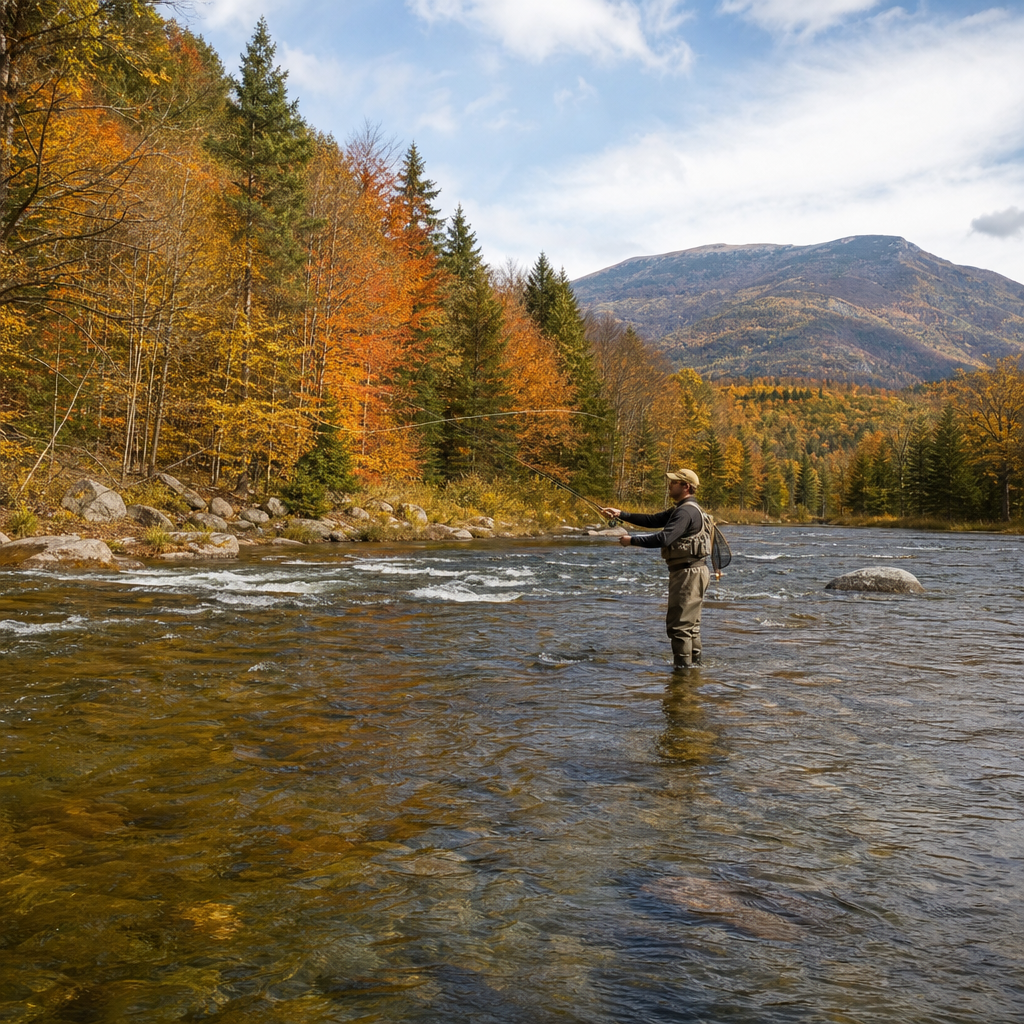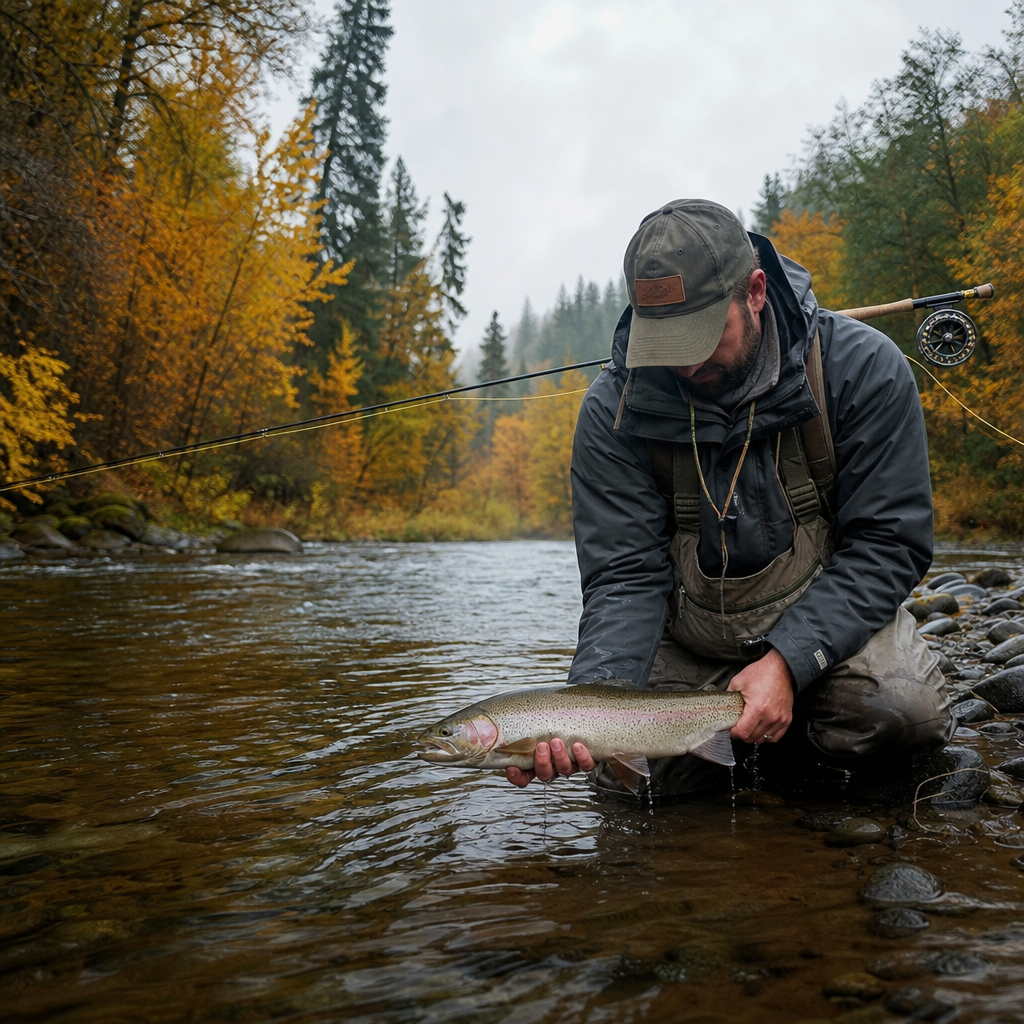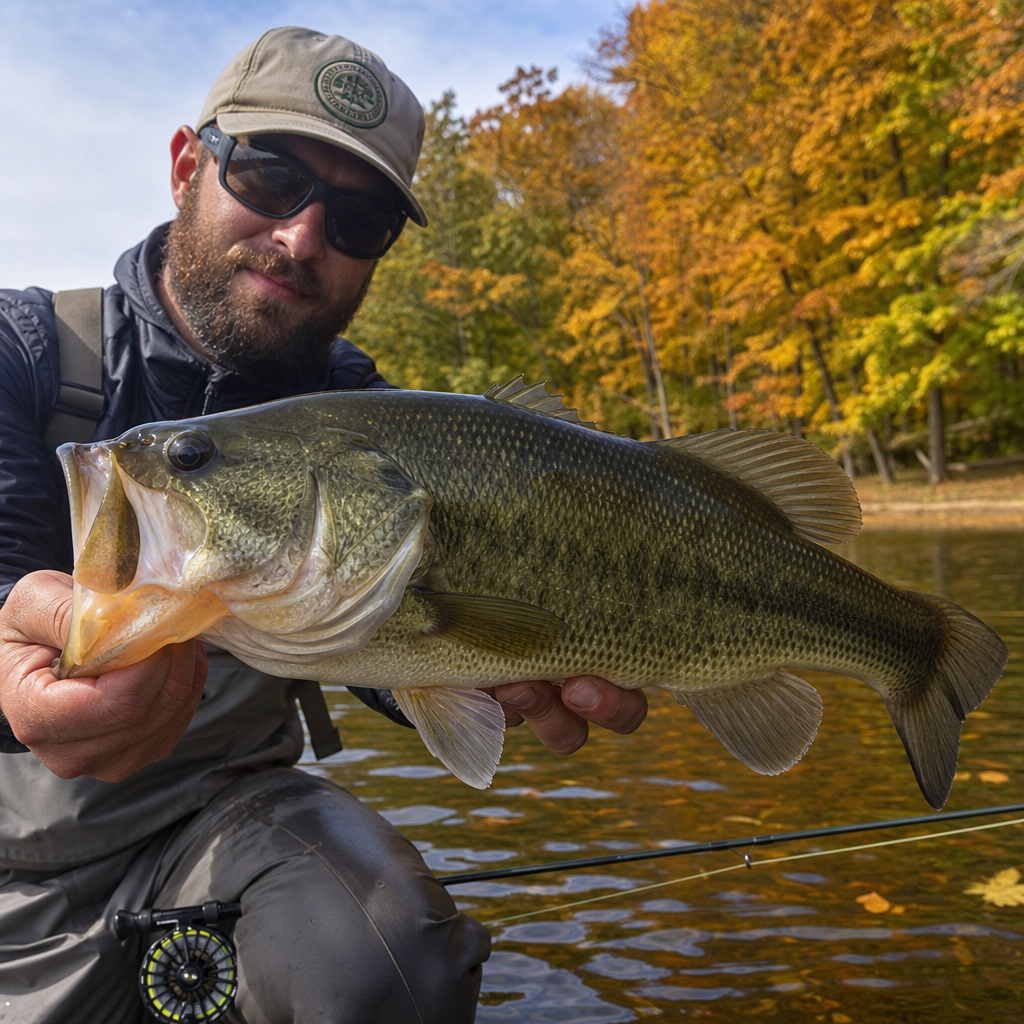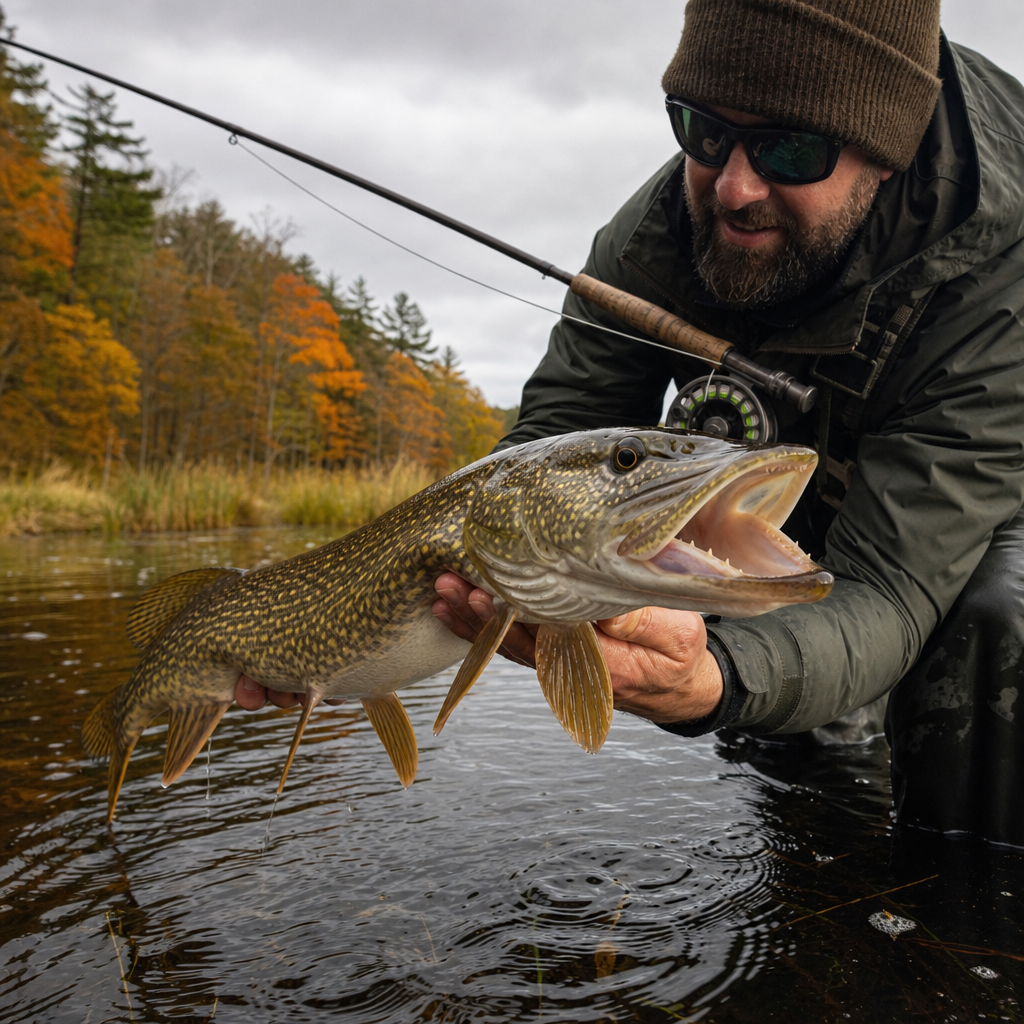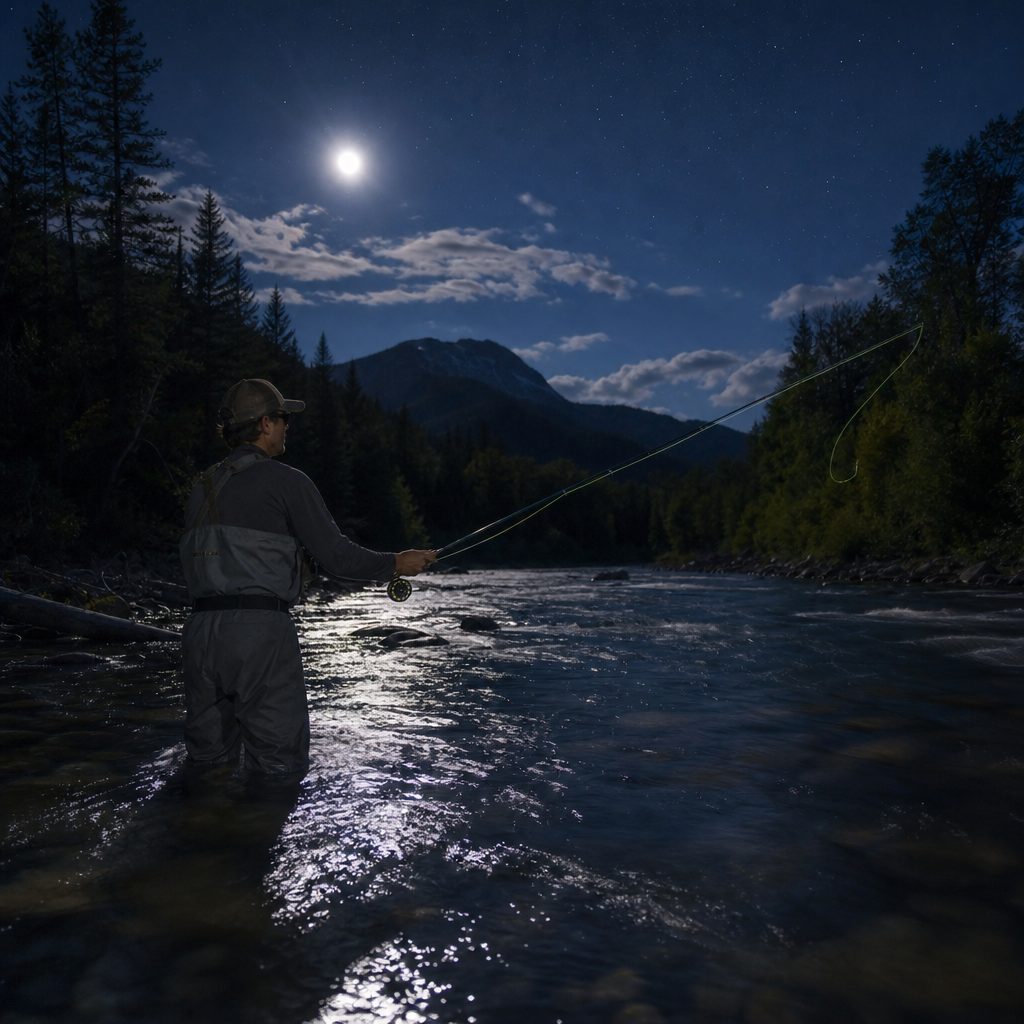
Fly fishing during late night demands a different mindset than daylight angling, because fish feed by sound, silhouette, current position, and confidence more than by close visual inspection. In practical terms, late-night fly fishing usually means the period from full darkness through the small hours, often with the most productive windows around moonrise, moonset, and the first stable hours after evening insect activity fades. As a hub page for time-of-day fly fishing, this guide explains how late-night tactics, gear, safety, fly choice, and water reading fit together, while also showing when night sessions outperform dawn, midday, and evening approaches. I have fished rivers, spring creeks, and warmwater banks after dark for trout, bass, and migratory fish, and the pattern is consistent: anglers who simplify presentation, control their wading, and commit to a narrow strike zone catch more fish than anglers who simply stay out later with daytime methods. That is why late-night fly fishing matters. It extends productive hours during summer heat, targets larger and less cautious fish, and opens water that may be crowded before sunset. Understanding this time-of-day pattern gives anglers a complete framework for planning conditions-based trips all season long.
Why Late Night Changes Fish Behavior
Late night alters the food web and the way fish use water. In bright daylight, trout and bass often hold under cover, slide into oxygen-rich seams, and inspect flies closely. After dark, many fish leave security water and move into slower shelves, inside bends, weed edges, and tailout transitions where food drifts predictably. Larger brown trout are the classic example. Radio-tagging work and decades of guide logs show that mature browns commonly shift from daytime hiding lies to shallow feeding lanes at night, especially in summer and early fall. Smallmouth bass do the same around banks, rock bars, and current breaks, using vibration and profile to find prey. The practical lesson is simple: at night, fish frequently relocate, and anglers must stop casting only to obvious daytime holding water.
Vision still matters at night, but contrast matters more than detail. A trout may not study every hackle fiber, yet it can absolutely track a skating caddis silhouette against the surface or detect the push of a stripped streamer. Lateral line input becomes critical, which is why broad flies, waking patterns, and flies that displace water often produce decisive takes. Current speed also changes your margin for error. In darkness, fish often choose softer lies adjacent to structure so they can intercept food with less effort. That means your best targets are usually water you might step past in daylight: soft banks under overhanging grass, the inside seam below a riffle, or a shallow bucket beside a submerged log.
Best Conditions and Best Waters for Night Sessions
The best late-night conditions are rarely random. Warm summer nights are prime because water temperatures stabilize, insect life remains active, and larger fish feel secure in darkness. On trout streams, look for water temperatures below species stress limits; for wild trout, many anglers use 68 degrees Fahrenheit as a caution point and 70 degrees as a hard stop, though exact limits vary by strain and watershed guidance. On hot days, fishing after sunset can reduce handling stress if nighttime temperatures allow the river to recover. Moon phase influences your approach but does not decide success by itself. Bright moonlight can improve your footing and help fish silhouette prey, while darker nights can push predators shallower. Cloud cover often compresses activity into specific windows and can make surface fishing stronger.
Water type matters even more than moon phase. Medium rivers with defined seams, bank cover, and wadable edges are ideal because you can map them before dark and return to known lanes after sunset. Spring creeks can be technical but rewarding during spinner falls or midge activity. Freestones with pocket water are riskier at night unless you know every step. Stillwaters offer excellent late-night fishing for bass, carp, and trout cruising shoals, but they require orientation discipline because landmarks disappear quickly. If you are building a time-of-day strategy for the broader season, treat late night as strongest on hot-weather trout rivers, summer smallmouth stretches, tailwaters with stable flows, and lake edges where baitfish move shallow.
Techniques That Consistently Work After Dark
Successful late-night fly fishing is built on repeatable angles, short target lists, and controlled drifts. I reduce each run to three or four casts at most productive lanes instead of covering every inch. For trout, the core methods are dead-drifting large terrestrials or mouse patterns tight to banks, swinging soft-hackles through tailouts, and stripping streamers across shallow shelves. For bass, use broad-profile streamers, deer-hair divers, and poppers with deliberate pauses. At night, speed control matters more than fly variety. A mouse that wakes steadily along a grass edge will often outfish a technically perfect dry fly because it gives fish a larger target and a longer tracking window.
Hooking fish in darkness depends on resisting the urge to strike too early. Night takes often begin as a boil, push, or heavy stop. With surface flies, wait until you feel weight or hear the second sound before lifting. With streamers, use a firm strip-set and keep the rod low until the fish is connected. Casting should be compact. Open loops, shortened leaders, and consistent line management outperform long, delicate presentations. I also recommend fishing slightly across and down more often than straight upstream at night. That angle maintains contact, improves swing control, and helps you detect soft grabs without relying entirely on sight.
| Target | Primary Night Technique | Typical Fly Type | Best Water |
|---|---|---|---|
| Brown trout | Bank-focused dead drift or wake | Mouse, large hopper, foam stonefly | Undercut banks, soft edges, tailouts |
| Rainbow trout | Swing through transition seams | Soft-hackle, leech, small streamer | Riffle tails, current tongues |
| Smallmouth bass | Slow strip with pauses | Diver, baitfish streamer, popper | Rock bars, bank shade, eddies |
| Carp in lakes | Shallow cruising intercept | Dark nymph, leech | Warm flats, weed edges |
Fly Selection, Leaders, and Tippet for Darkness
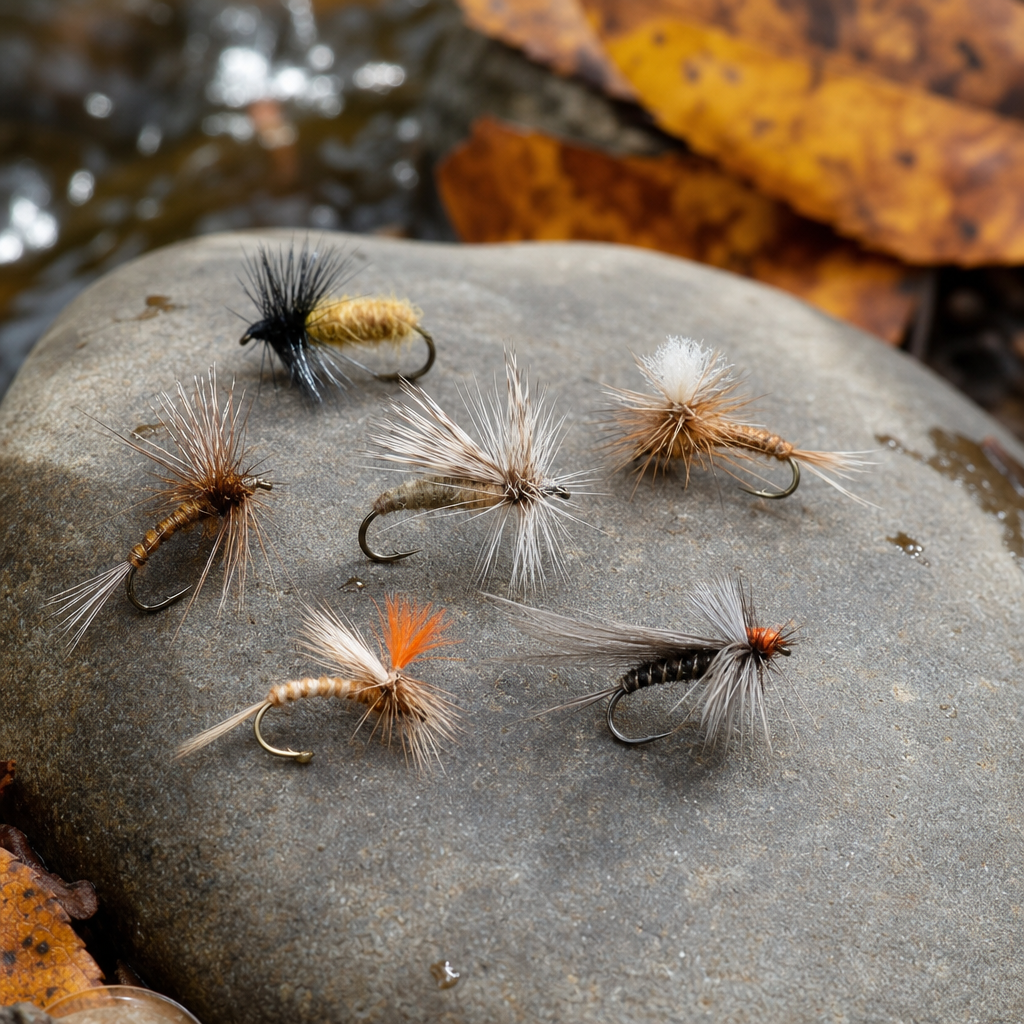
Late-night fly selection works best when you think in profile, buoyancy, and water displacement. For trout, I rely on mice, large black woolly buggers, articulated streamers, deer-hair bugs, and sparse soft-hackles. Black is a standard recommendation because it silhouettes strongly against the night sky, but dark olive, purple, and natural tan also catch fish, especially under moonlight or in slightly stained water. Foam patterns are valuable because they float reliably when you cannot monitor drift visually. For bass, larger heads and materials that push water help fish locate the fly. Rattles are uncommon in fly patterns, but rubber legs, spun deer hair, and broad rabbit strips create strong movement cues.
Leader systems should be shorter and more direct than many anglers use in daylight. For large dries, mice, and bass bugs, a 7.5-foot leader tapered to 0X through 2X turns over better than a 12-foot technical leader. For streamers, many anglers fish a short butt section and straight fluorocarbon or nylon tippet to improve contact. The exact material depends on the presentation: nylon floats better for surface work, while fluorocarbon sinks faster and resists abrasion on subsurface swings. Heavy tippet is not just about landing fish quickly. It helps drive hooks home when you cannot see the take clearly, reduces break-offs around wood and rock, and shortens fight time, which is especially important in warm conditions.
Rods, Reels, Lines, and Essential Night Gear
The best late-night rod and line setup is the one you can control without visual feedback. For trout, a 5-weight or 6-weight with a crisp but not overly fast action handles mice, larger dries, and small streamers. For streamer-heavy night fishing, many anglers move to a 6-weight or 7-weight to manage bigger flies and sink tips. Bass anglers are usually best served with a 6-weight through 8-weight depending on fly size and wind. Floating lines cover most surface and near-surface work, while a short sink-tip line is ideal for swinging streamers through defined current lanes. Complex multi-density heads can be effective, but they add line-management problems in darkness unless you practice with them extensively.
Reels matter less for drag performance than for balance and dependable line pickup. What matters more is everything around the cast. A headlamp with red and white modes is essential, but it should stay off while fishing except during knots, landing, or emergencies. Constant white light destroys your night vision, announces your position, and can spook fish in clear shallows. I carry a primary light, a backup light, and spare batteries every trip. Wading boots with secure traction are nonnegotiable. Depending on local rules and river bottom composition, felt, sticky rubber, or studs may be the best option. Add forceps on a zinger, line nippers attached to a fixed point, a compact landing net, and a waterproof phone case. At night, every tool must live in the same place every time.
Safety, Wading, and Trip Planning
Night fly fishing is productive, but it has no tolerance for casual planning. The safest approach is to scout the water in daylight, identify entry and exit points, and memorize hazards such as deep slots, fences, soft banks, and slippery ledges. I mark parking, access paths, and backup exits on an offline map before leaving service. Weather deserves extra attention because rising water, thunderstorms, and fog are much harder to judge after dark. On tailwaters, know release schedules and how quickly flows reach your section. Many dangerous situations at night begin with anglers underestimating current changes they would notice immediately in daylight.
Wading discipline is the difference between a good trip and a rescue. Move less than you think you need to. Fish from the bank whenever the lie allows it. Use a wading staff in unfamiliar or pushy water. Shuffle, plant, and test each step rather than pivoting quickly. Keep your stripping area clear, because a loose line around boots or branches becomes a serious problem when you cannot see it well. If you fish with a partner, agree on light signals, casting positions, and meeting points. If you fish alone, leave a float plan with your route and return time. Late-night sessions reward caution. There is no fish worth crossing a fast channel you would hesitate to cross at noon.
How Late Night Fits the Bigger Time-of-Day Strategy
As the hub page for time-of-day fly fishing, late night should be understood in relation to dawn, midday, and evening, not as an isolated tactic. Dawn often excels because water is coolest and fish may still be feeding from overnight activity. Midday becomes more technical, especially in clear water, where longer leaders, finer tippet, and precise hatch matching matter. Evening is the classic rise window driven by hatches, spinner falls, and fading light. Late night takes over when visible surface activity ends but predators continue hunting structure, banks, and transitions. In other words, evening often rewards observation, while late night rewards preparation and commitment.
The most effective anglers build a time-of-day plan around conditions. During a summer heat wave, for example, skip bright afternoon trout fishing, arrive before dusk, observe the last hatch, then fish mice and streamers through midnight. On a tailwater during stable generation, start with evening caddis, switch to soft-hackle swings once rises fade, and finish with a bank-focused streamer pass. On a smallmouth river, spend daylight scouting shoals and current breaks, then return at night to fish divers along the same edges. This progression is what makes late night such an important subtopic within seasons and conditions. It is not simply fishing later. It is a distinct period with its own fish positioning, risk profile, and gear logic.
Fly fishing during late night rewards anglers who simplify, plan carefully, and trust the ways fish behave in darkness. The key takeaways are straightforward. Fish often move from daytime cover into softer feeding lanes at night. Productive presentations emphasize silhouette, movement, and steady contact rather than delicate visual imitation. Shorter leaders, heavier tippet, reliable surface patterns, and controlled streamer swings consistently outperform technical daytime rigs. The best locations are waters you already know, especially summer trout rivers, stable tailwaters, and warmwater banks with defined structure. Just as important, safety is part of the method: scout by day, limit wading, carry redundant lights, and build every trip around clear access and exit plans.
Used properly, late-night fly fishing can turn difficult summer conditions into your most consistent window for larger fish. It also completes a full time-of-day framework, helping you decide when dawn, midday, evening, or full darkness gives you the best advantage. If you want better results, start small: choose one familiar stretch, map three target lies before sunset, rig a short leader with a confidence fly, and fish slowly for two focused hours after dark. That disciplined approach will teach you more than a dozen random night sessions, and it will make every other time-of-day decision on the water sharper.
Frequently Asked Questions
What makes late-night fly fishing different from fishing at dusk or during daylight hours?
Late-night fly fishing is different because the entire feeding equation changes once full darkness sets in. During the day, trout and other game fish often inspect a fly visually, keying in on color, profile, size, and natural drift with much more precision. At night, especially from full darkness into the small hours, fish rely less on close visual scrutiny and more on vibration, silhouette, water displacement, current position, and the confidence to move into feeding lanes they may avoid under bright conditions. That means your presentation does not have to imitate every insect detail perfectly, but it does need to be deliberate, controlled, and easy for fish to detect.
Dusk is often transitional, with visible rises, lingering insect activity, and enough light for fish to still feed partly by sight. True late-night fishing begins after that period, when surface clues become scarce and anglers must trust structure, timing, and feel. Productive windows often center on moonrise, moonset, or the stable hours after evening hatches taper off, because fish settle into predictable holding and feeding behavior. In practical terms, that means nighttime anglers spend less time “matching the hatch” in the classic sense and more time covering banks, seams, tailouts, and soft edges where fish can ambush prey by silhouette or sound. It is a more tactile, intuitive style of fly fishing, and success often comes from slowing down, simplifying decisions, and fishing with confidence rather than constantly changing flies.
What are the best fly patterns and presentation techniques for late-night fly fishing?
The best late-night patterns are usually those that create a strong silhouette, push a little water, or remain easy for fish to locate in darkness. Large dry flies, waking patterns, mouse imitations, baitfish streamers, and bigger terrestrials often outperform tiny technical imitations at night because fish are not studying them closely. Dark-colored flies are especially effective in many situations because they form a cleaner silhouette against the night sky when viewed from below. Black, dark brown, deep olive, and similarly bold profiles are consistent producers on the surface and subsurface. If fish are keyed on post-hatch feeding, larger attractor dries or soft-hackled patterns can also be productive, but most anglers do best by choosing flies they can fish confidently and repeatedly in likely water.
Presentation matters even more than pattern selection. At night, short to moderate casts are usually better than hero casts because they improve accuracy, line control, hook-setting ability, and angler safety. Focus on fishing close to structure: undercut banks, grassy edges, current seams, submerged timber, tailout shelves, and shallow transition lanes where bigger fish often patrol after dark. For surface flies, dead drifts can work, but subtle skates, wakes, twitches, or slow swings often help fish track the fly through vibration and outline. For streamers, think broadside movement, controlled swings, and steady strips rather than frantic retrieves. Keep contact with the fly, fish methodically, and repeat productive drifts from several angles. Night fish often reward persistence in a small zone more than constant movement to new water.
What gear should I bring for fly fishing during late night, and how should I set it up?
Your late-night gear should emphasize simplicity, control, and safety. Start with a rod you cast comfortably and confidently, usually one that can handle larger flies and slightly heavier tippet without fuss. Many anglers prefer a medium-fast to fast-action rod in a versatile line weight that turns over mouse patterns, bulky dries, or streamers efficiently. A weight-forward floating line covers a surprising amount of nighttime fishing, especially for waking flies, surface work, and shallow presentations. If you plan to fish deeper runs with streamers, a sink-tip can be valuable, but in many late-night situations a floating line is easier to manage in the dark and less prone to snagging unseen structure.
Leader and tippet setups are usually simpler and stronger than technical daytime systems. Shorter leaders are easier to turn over with wind-resistant flies and easier to control in darkness. Heavier tippet also helps land fish quickly and pull free from structure when visibility is limited. Keep your rigging streamlined: a small, dependable fly selection, pre-rigged leaders, nippers, forceps, spare tippet, and a landing net should be readily accessible. A headlamp is essential, but use it sparingly and preserve your night vision whenever possible. Red-light modes are often helpful for knot tying and gear checks. In addition, wear solid wading boots, carry a wading staff if conditions call for it, and use a pack layout you can navigate by feel. The best nighttime setup is not the most complicated one; it is the one that lets you fish efficiently without searching for gear in the dark.
When is the most productive time to fish late at night, and how do moon and current affect success?
The most productive late-night periods are often not random; they tend to cluster around changes in light level, fish confidence, and feeding rhythm. Full darkness can be productive on its own, but many experienced anglers pay close attention to moonrise, moonset, cloud cover, and the stable hours that follow the fade of evening insect activity. These windows can concentrate movement because fish feel secure enough to leave daytime holding lies and slide into shallower, more aggressive feeding water. Rather than expecting nonstop action all night, it is smarter to think in terms of feeding windows and stay mentally ready for short bursts of high-quality opportunity.
Current becomes a major factor because fish often position where they can intercept food with minimal effort when visibility is low. Soft edges beside stronger flow, inside seams, tailouts, drop-offs, and bank-side lanes are classic nighttime feeding routes. Fish use these places because they provide an efficient balance of security, current delivery, and ambush potential. Moon conditions can influence how far fish roam and how confidently they rise or chase, but there is no universal rule that “brighter is always better” or “darker is always better.” On some waters, a little moonlight improves silhouette feeding and helps fish track surface flies; on others, darker conditions encourage bigger fish to move shallower. The key is to log patterns on your home water and fish proven structures thoroughly during transition periods rather than wandering without a plan.
How can I stay safe and fish effectively when visibility is limited during late-night fly fishing?
Safety is one of the most important parts of successful late-night fly fishing, because poor footing, unfamiliar water, and limited visibility can turn a simple outing into a dangerous one. The best approach is to fish water you already know from daylight scouting. Learn access points, wading routes, bank contours, current speed, and hazard areas before you ever step into them after dark. Avoid aggressive wading whenever possible. Many excellent night anglers do their best work from the bank, from shallow edges, or by making controlled moves in only the safest sections. If the river is pushy, off-color, or unfamiliar, scale back your plan. No fish is worth a nighttime fall in heavy current.
To fish effectively, reduce complexity. Organize your pack so every tool has a fixed location. Tie on confidence flies before dark if possible. Keep casts shorter, eliminate unnecessary false casting, and move slowly enough to stay oriented. Use your headlamp only when needed, because constant bright light can reduce your night vision and sometimes disturb the water around you. Let your ears and your feel for current guide you as much as your eyes. In practical terms, that means listening for seams, sensing line tension, and mentally mapping where your fly should be at each stage of the drift or swing. If you combine cautious movement, familiar water, simple gear management, and disciplined presentations, you will not only stay safer, but you will also fish better and with much more confidence through the most productive late-night hours.