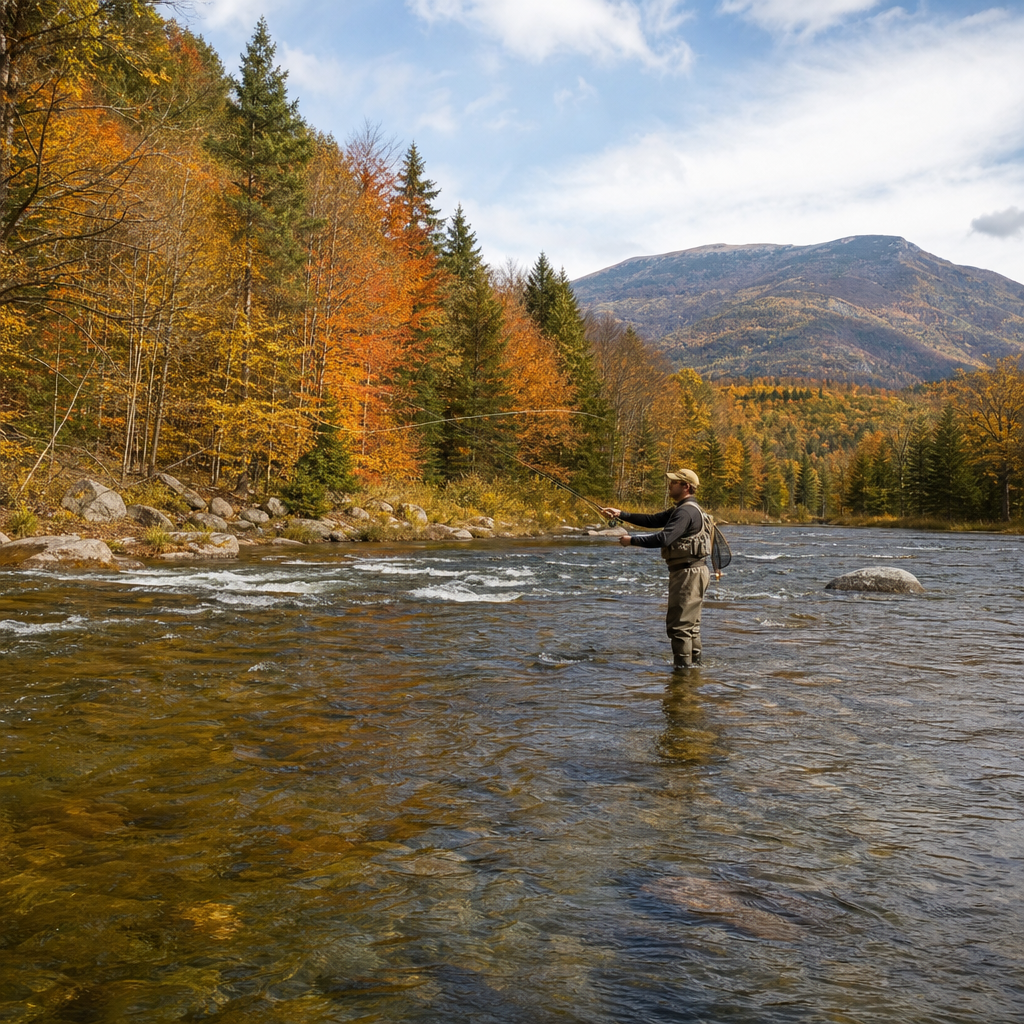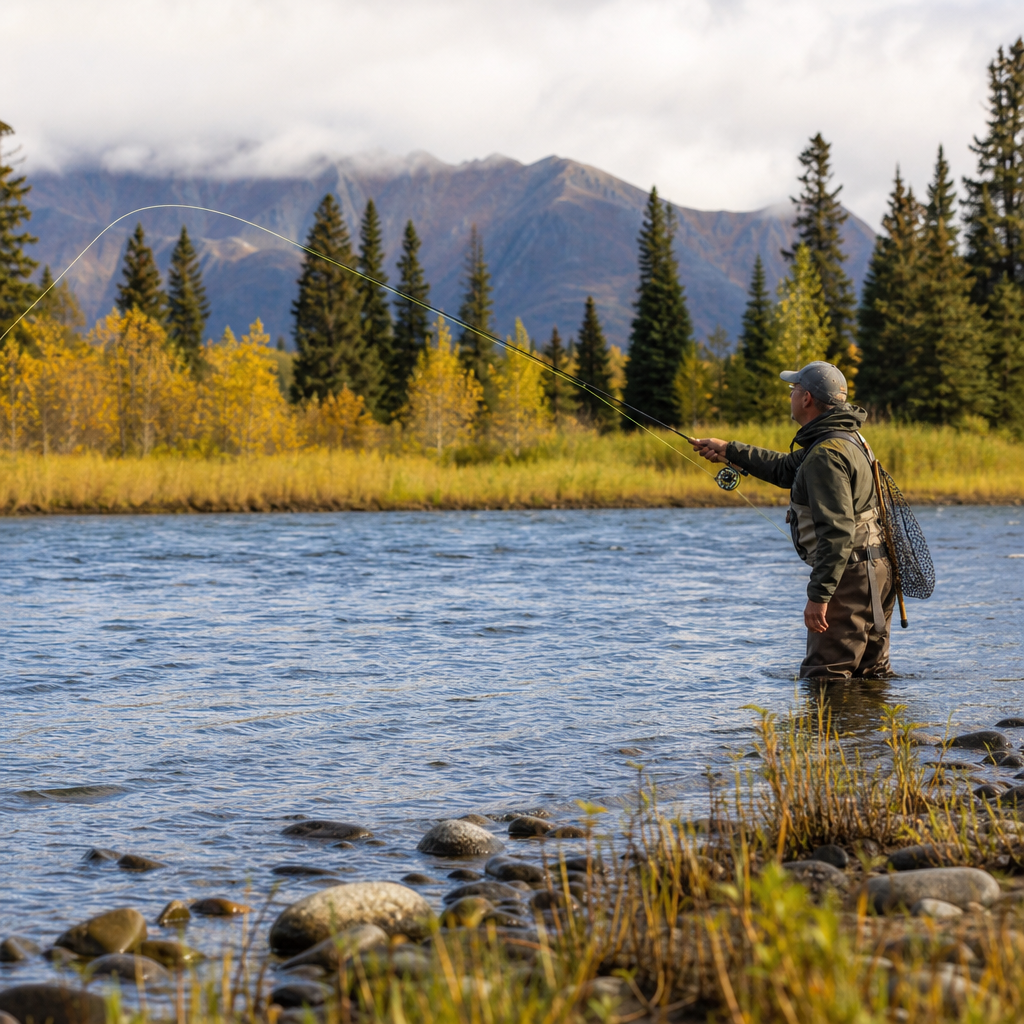
Summer fly fishing gear determines whether a long day on the water feels focused and productive or turns into a grind of heat, glare, dehydration, and insect pressure. In practical terms, staying comfortable means controlling body temperature, protecting skin, managing moisture, and carrying the right equipment without adding unnecessary weight. Summer fly fishing itself spans several distinct conditions: cold tailwaters at dawn, freestone rivers warming by noon, stillwater lakes under direct sun, and saltwater flats where reflected heat can be harsher than the air temperature suggests. Because of that range, anglers need a system, not a random collection of tackle and clothing.
I have learned this the hard way across drift boats, walk-and-wade trout streams, bass ponds, and midsummer carp flats. The gear that works in April can become miserable in July. Heavy waders, dark shirts, cotton socks, and overloaded packs trap heat and sap concentration. Comfort matters because discomfort changes decisions. It shortens your day, reduces casting accuracy, discourages careful wading, and can push you toward avoidable safety mistakes. It also affects fish handling. An angler who is overheated and rushed is more likely to fight fish too long or skip recovery steps during warm-water conditions.
Good summer fly fishing gear solves four problems at once. First, it limits heat gain through breathable fabrics, sun-blocking coverage, and smart ventilation. Second, it maintains hydration and energy through easy water access and compact food storage. Third, it reduces environmental stressors such as UV exposure, biting insects, slippery footing, and sudden thunderstorms. Fourth, it keeps your fly fishing setup efficient, so you can change leaders, flies, and tactics quickly when hatches, flows, or light conditions change. This hub article covers those fundamentals comprehensively, giving you a practical framework for dressing, packing, and fishing comfortably through the hottest part of the season.
Summer conditions also reshape tackle choices. Low, clear water often demands longer leaders, finer tippet, and stealthier presentations. Warmwater species may require heavier flies, larger water capacity, and different timing. Early starts and late finishes can expose you to cool mornings, then brutal midday heat. For that reason, the best gear list is modular. Each item should earn space by addressing a real need: sun protection, cooling, traction, hydration, fish care, or storm readiness. If you are building a reliable summer fly fishing kit, start with clothing, then footwear, then carry systems, then accessories. That order reflects what most affects comfort first and casting performance second.
Dress for Heat, Sun, and Constant Moisture
The foundation of summer fly fishing comfort is technical clothing that covers skin while releasing heat. A long-sleeve hooded sun shirt made from lightweight polyester or nylon blends is more effective than a short-sleeve shirt plus sunscreen alone. Look for UPF-rated fabrics, loose cuffs, and a cut that allows airflow across the shoulders and under the arms. In my experience, light colors such as pale blue, gray, or sand run noticeably cooler in direct sun than dark olive or black. Modern fabrics from brands like Simms, Patagonia, Orvis, and Huk dry quickly after splashes and continue breathing when you are hiking between runs.
A broad-brim hat or structured cap paired with a neck gaiter is equally important. On rivers with strong reflected light, a cap alone leaves ears, neck, and jawline exposed. A gaiter made from a thin cooling fabric can reduce sunburn, block wind on boat runs, and limit insect bites around dusk. Polarized sunglasses are not optional; they protect eyes from hooks, improve contrast, and let you read current seams and bottom contours. Copper or amber lenses work well on many trout streams, while gray excels in bright open water. Glass lenses resist scratching better, but high-quality polycarbonate saves weight and often feels better in all-day heat.
Lower-body comfort depends on water temperature and fishing style. In truly hot conditions, wet wading is usually the most comfortable option. Quick-dry pants are better than shorts for many anglers because they protect from sun, brush, and insects without trapping much heat. If you wet wade, use neoprene or gravel-guard socks with wading boots to reduce abrasion and keep grit out. If regulations, water temperature, or terrain require waders, choose the lightest breathable model you trust and wear a minimal base layer underneath. Summer is when poor fit becomes obvious. Tight waders restrict movement and hold heat; oversized waders bunch at the knees and ankles, causing fatigue and poor footing.
Socks are often overlooked but make a major difference. Cotton holds moisture and increases blister risk. Merino blends and technical synthetic socks move sweat away from the skin and cushion pressure points without becoming swampy. If you are hiking to high-country streams, bring a dry backup pair in a waterproof pouch. That small change can salvage the second half of the day.
Choose Footwear and Carry Systems That Reduce Fatigue
Summer often means more walking, more wet wading, and more scrambling over slick rocks at low flows. Your boots should match that reality. Support matters even when conditions feel casual. Lightweight wading boots with strong drainage ports, secure ankle support, and non-corrosive hardware are worth the investment because they reduce leg fatigue over uneven terrain. Felt soles still grip extremely well on many algae-coated rocks, but some states restrict them because of invasive species concerns. Rubber soles paired with tungsten studs offer strong versatility across mixed trails, boat ramps, mud banks, and cobble. The right answer depends on your local regulations and riverbed composition.
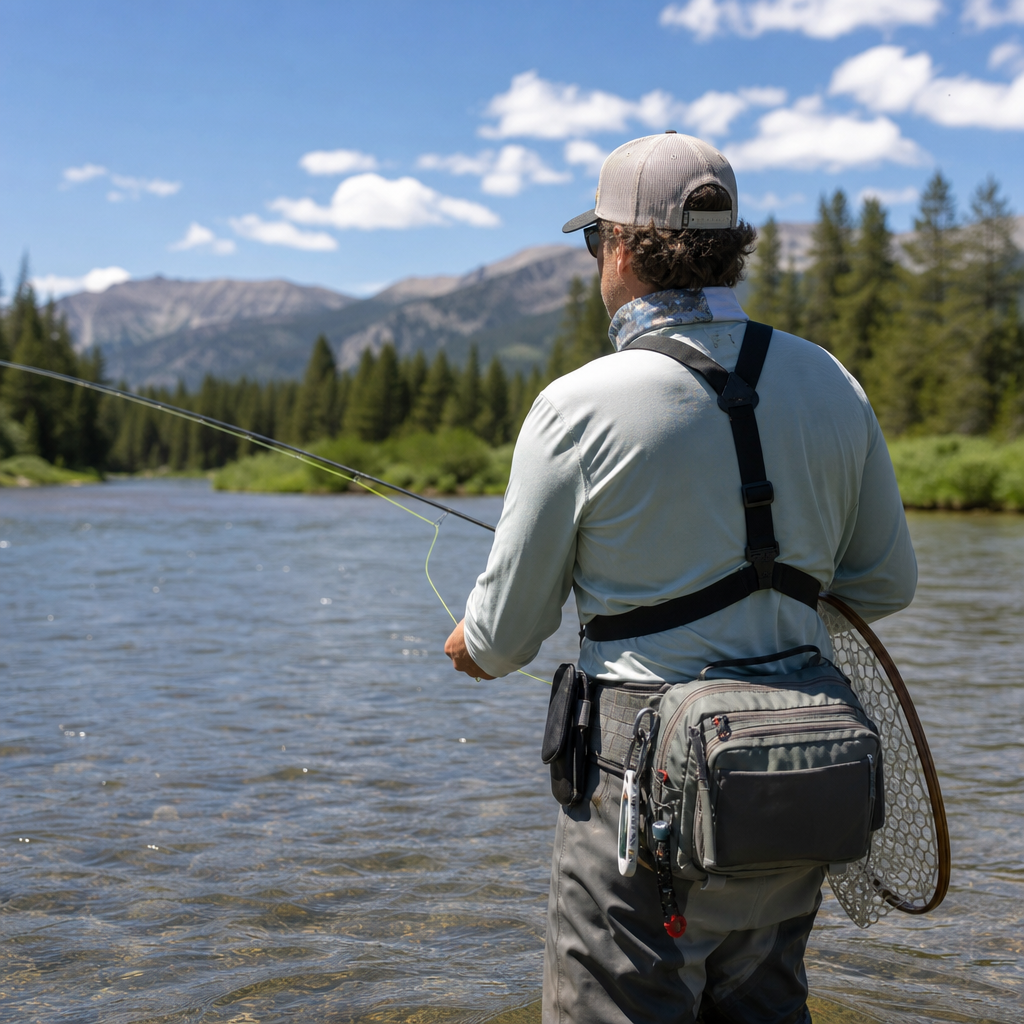
Carry systems affect comfort as much as footwear because they determine heat buildup across your back and shoulders. In summer, many anglers are happier with a chest pack, waist pack, or sling than a full backpack. The best choice depends on how much water, camera gear, and rain protection you need. A waist pack keeps the back mostly open for ventilation, which is valuable on humid rivers. A sling gives fast access to boxes and tippet but can create a hot shoulder if overloaded. Minimalist chest packs keep essentials close and cast-friendly, especially when paired with a hydration-compatible lumbar pack for longer walks.
Efficient organization matters because repeated rummaging in heat wastes energy and attention. I recommend one box for dries and terrestrials, one for nymphs, and one for streamers or warmwater flies, rather than a single overstuffed box. Keep hemostats, nippers, floatant, indicators, split shot, and tippet on exterior docking points or dedicated pockets. A landing net with a lightweight composite frame is easier on the back than a heavy wood model during long summer wades, and rubber net bags are gentler on fish, especially when water temperatures are elevated and handling time should be short.
Hydration, Food, and Heat Management Essentials
The fastest way to ruin a summer fly fishing day is to underestimate water needs. In hot weather, most anglers should carry more than they think they need, especially at altitude where dry air masks fluid loss. A hydration bladder or insulated water bottle should be reachable without fully unpacking your bag. Easy access matters because anglers sip more consistently when they do not have to stop and dig. Electrolyte tablets or mixes help replace sodium and potassium lost through sweat, particularly on all-day float trips or hikes into stillwaters where there is little shade.
Food should be compact, stable in heat, and easy to eat one-handed. Nuts, jerky, bars that do not melt easily, dried fruit, and tortillas with nut butter hold up better than chocolate-heavy snacks. Small, frequent intake keeps energy more stable than a single large lunch. Cooling towels, bandanas soaked in stream water, and brief shade breaks are simple tools that work. So does timing. In many fisheries, the smartest summer comfort strategy is to fish dawn, rest or relocate during peak afternoon heat, then return for evening spinner falls, hopper windows, bass topwater, or low-light carp activity.
Watch for early signs of heat stress: headache, dizziness, irritability, chills despite heat, nausea, and a sudden drop in concentration. Those symptoms are not something to push through. Move to shade, cool down, drink fluids, and stop if needed. On boat trips, a lightweight sun umbrella or bimini can create meaningful relief. On foot, route planning helps. Parking near access points with tree cover, knowing where side channels offer cooler wet-wading stretches, and setting turnaround times in advance are practical habits that experienced anglers use.
| Summer condition | Gear priority | Why it improves comfort |
|---|---|---|
| High UV, open water | UPF hooded shirt, gaiter, polarized glasses | Reduces sun exposure, glare, and eye strain during long casts |
| Wet wading on rocky streams | Quick-dry pants, neoprene socks, studded boots | Protects skin, improves traction, and limits abrasion |
| Long hikes to alpine or backcountry water | Waist pack, hydration bladder, spare socks | Cuts weight, improves airflow, and prevents blister buildup |
| Hot drift-boat or lake days | Insulated bottle, cooling towel, fingerless sun gloves | Supports hydration and reduces heat absorbed through exposed skin |
| Afternoon thunderstorm risk | Packable rain shell, dry bag, phone in waterproof case | Keeps core temperature stable and protects safety gear |
Tackle Adjustments for Summer Fly Fishing Conditions
Comfort is not only physical; it also comes from using tackle suited to summer water. When flows drop and clarity increases, trout often become more selective. Longer leaders in the 9- to 12-foot range, finer tippet such as 5X or 6X, and drag-free presentations become more important. On spring creeks or heavily pressured tailwaters, fluorocarbon tippet can help subsurface presentations because of its abrasion resistance and lower visibility underwater, though nylon still excels for dry flies because it floats better and is often more forgiving. The point is efficiency: gear matched to conditions reduces frustration and false casting in the heat.
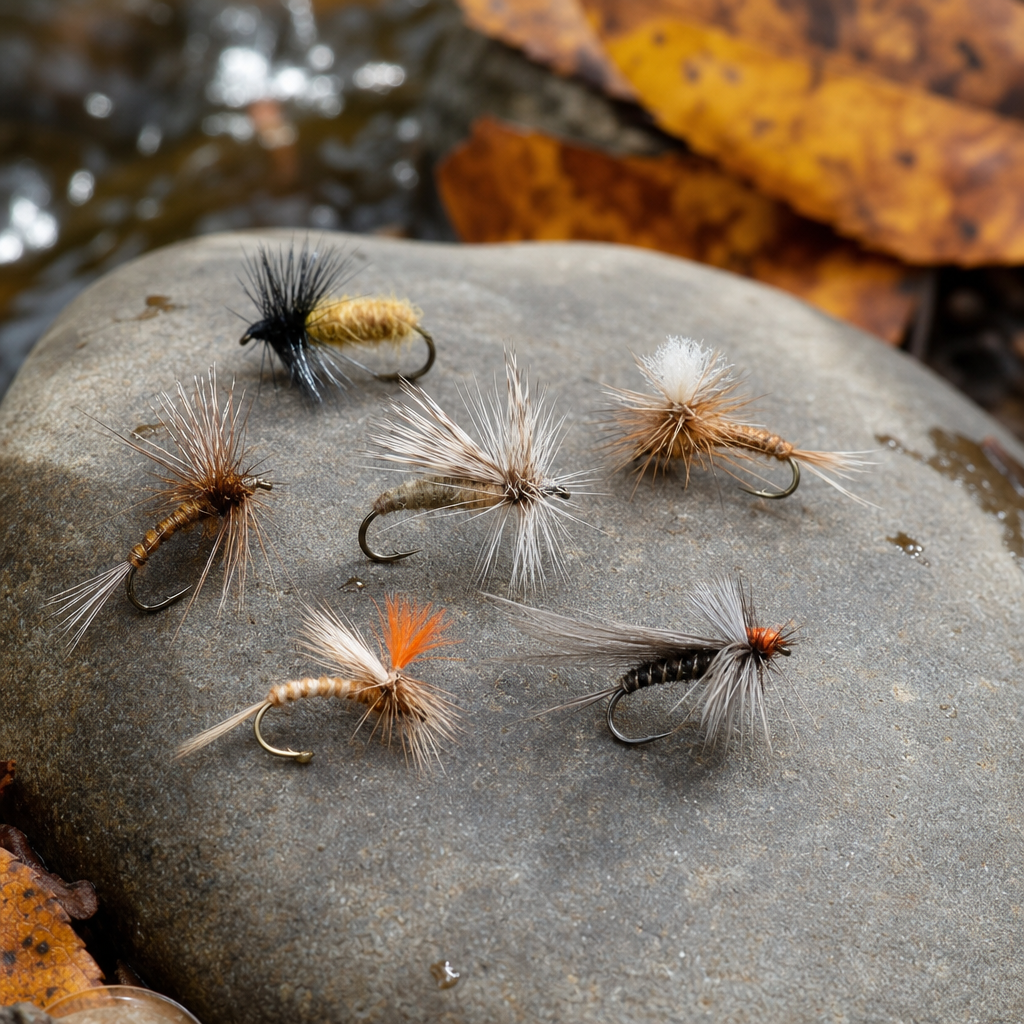
Fly selection shifts too. Summer is prime time for terrestrials, including hoppers, beetles, ants, and cicadas in the right years. It is also a season of Trico, PMD, caddis, and nocturnal stonefly opportunities depending on region. Warmwater anglers may lean on poppers, divers, baitfish patterns, crayfish, and damselfly imitations. Keeping these categories organized lets you adapt without emptying your pack on a gravel bar. Leaders pre-rigged on foam spools save time when changing from dry-dropper to streamer or from trout to bass. If you fish multiple species in one day, carry separate tippet wallets and a spare reel or spool rather than rebuilding everything streamside.
Rod and line choices can also support comfort. A fast 5-weight may cover much summer trout fishing, but a lighter 3- or 4-weight can make short-range dry-fly work easier and less tiring on small streams. Conversely, bass bugs, carp flies, or windy hopper water often justify a 6- or 7-weight that turns over larger patterns with fewer false casts. Tropical or warmwater fly lines matter in very hot climates because standard coldwater lines can become limp and sticky. Stretching line before fishing, cleaning it regularly, and dressing ferrules lightly all reduce small annoyances that become bigger under heat and fatigue.
Protection, Safety, and Fish Care in Warm Weather
Summer comfort and summer safety are inseparable. Sunscreen should be broad-spectrum and water resistant, applied to hands, nose, cheeks, ears, and any gaps left by clothing. Many anglers miss the backs of the hands, which are constantly exposed while stripping line, rowing, or paddling. Fingerless sun gloves solve that problem and reduce line cuts. Insect repellent is often necessary around stillwaters, marshes, and evening hatches, but use it carefully around flies, tippet, and fly line because some formulations can damage materials or contaminate scents on your hands. Apply away from tackle, let it dry, and consider treating clothing with permethrin in advance rather than spraying at the water’s edge.
Storm preparedness is another summer requirement. Afternoon lightning can develop quickly, especially in mountain regions. A compact rain shell is not just about staying dry; wet wind after a thunderstorm can chill you faster than many people expect. More importantly, you need a plan to leave exposed water early. If thunder is audible, get off the river, lake, or flat. No fish is worth a graphite rod raised under a storm cell.
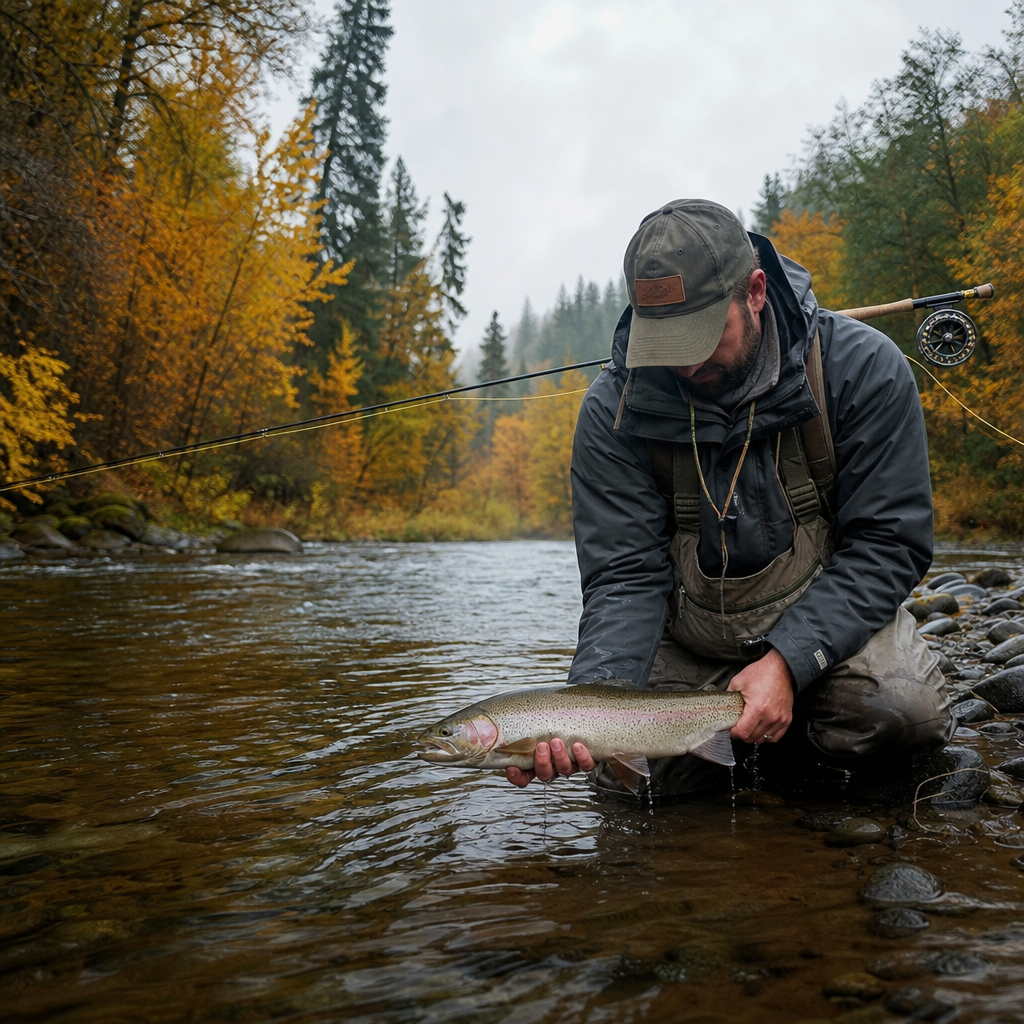
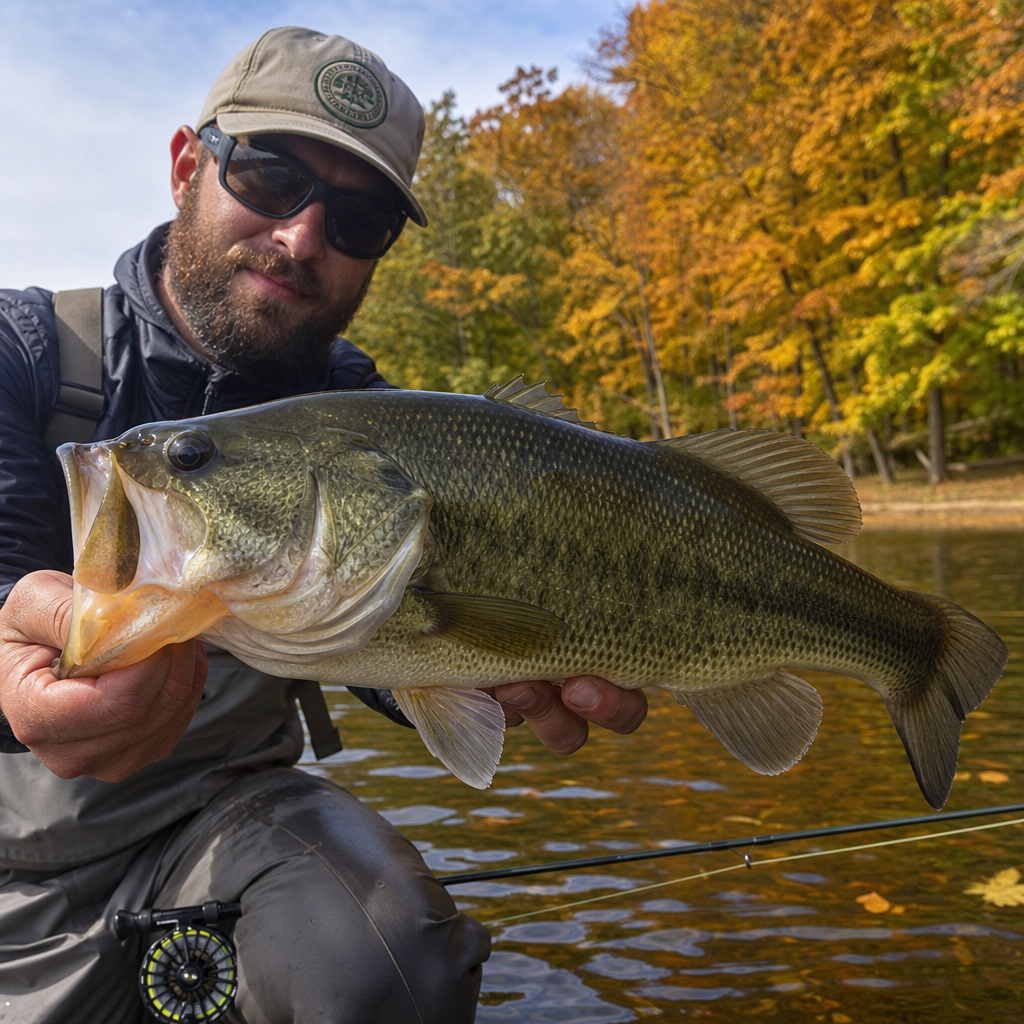
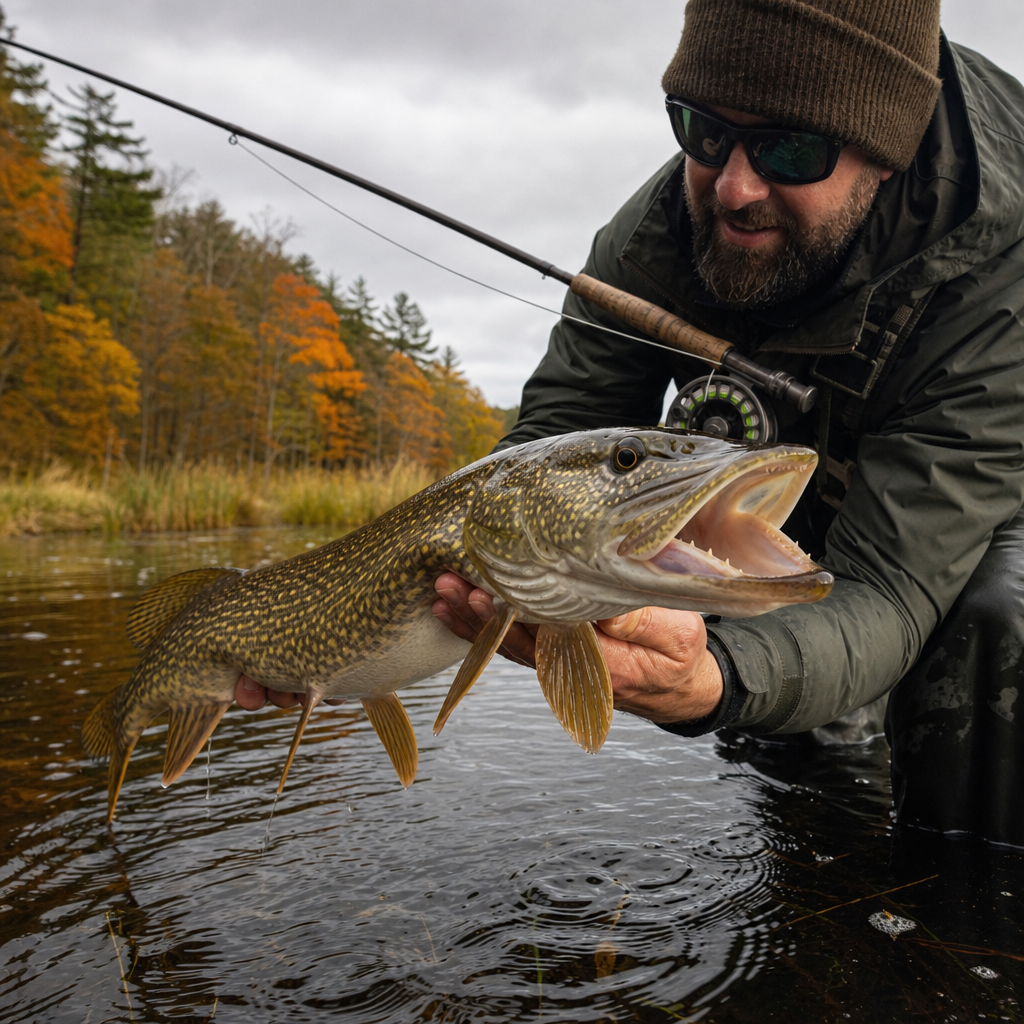
Fish care deserves special attention in summer because water temperature directly affects dissolved oxygen and fish recovery. Trout become increasingly stressed as water warms into the upper sixties, and many fisheries agencies encourage anglers to carry a thermometer and stop targeting trout when temperatures approach 68 degrees Fahrenheit or local guidance thresholds. Fight fish quickly, keep them in the water, use barbless hooks where appropriate, and avoid extended photo sessions. Warmwater species like bass and carp generally tolerate heat better than trout, but they still benefit from efficient landing and release. Staying comfortable as an angler should never come at the expense of the resource.
Build a Reliable Summer Kit and Refine It by Fishery
The most effective summer fly fishing gear setup is compact, breathable, and specific to the water you fish most. Start with a UPF hooded shirt, quick-dry pants, polarized sunglasses, a cap or brimmed hat, and footwear designed for wet traction. Add a carry system that lets you reach water, tippet, and tools without stopping. Pack an insulated bottle or hydration bladder, a small rain shell, sunscreen, and a thermometer. Then refine your tackle around species and conditions: longer leaders and terrestrials for low clear trout rivers, sturdier rods and warmwater flies for bass ponds, or heat-stable lines for flats and reservoirs.
If you treat this page as your summer fly fishing hub, the central lesson is simple: comfort is a system of clothing, hydration, movement, and smart tackle choices. Every item should help you stay cool, protected, organized, and responsive to changing water. Build your kit before the hottest part of the season, test it on short outings, and adjust ruthlessly. The reward is more time on the water, better decision-making, and safer fishing for both you and the fish. Review your current setup, remove what adds weight without solving a problem, and upgrade the few pieces that truly matter.
Frequently Asked Questions
What clothing works best for staying cool and protected while fly fishing in summer?
The best summer fly fishing clothing balances cooling, sun protection, and moisture management. In most cases, that starts with a lightweight long-sleeve sun shirt made from breathable, quick-drying fabric with built-in UPF protection. Long sleeves may seem counterintuitive in hot weather, but they usually keep anglers more comfortable than short sleeves because they reduce direct sun exposure and help sweat evaporate more efficiently. A hooded sun shirt is especially useful on open rivers, lakes, and flats where reflected light intensifies heat and UV exposure.
For the lower body, lightweight nylon or polyester fishing pants are often the most practical choice. They protect against sun, brush, and insects without holding moisture the way heavy cotton does. Some anglers prefer shorts in extreme heat, but pants generally offer better all-day comfort when conditions include biting insects, streamside vegetation, or strong sun. If you wet wade, choose pants or shorts that dry quickly and avoid fabrics that become heavy when soaked.
A wide-brim hat or ventilated cap, neck gaiter, and quality polarized sunglasses are also core summer comfort items. Together, they reduce facial sun exposure, cut glare, and make it easier to see structure, current seams, and fish. The key principle is simple: wear light-colored, breathable layers that block UV, dry fast, and move with you. Summer comfort is rarely about wearing less; it is usually about wearing smarter.
Do I need waders in summer, or is wet wading the better option?
That depends on the water temperature, river type, and how your day is structured. In true summer conditions, wet wading is often the most comfortable approach, especially on freestone rivers, small streams, and warm-weather trout or warmwater fisheries. It reduces heat buildup, improves mobility, and eliminates the clammy feeling that can come from wearing waders under a hot sun. A wet wading setup usually includes quick-dry shorts or pants, neoprene or gravel-guard socks, and sturdy wading boots or specialized wet wading shoes with proper traction and support.
However, summer does not always mean warm water. Tailwaters, spring creeks, and high-elevation rivers can remain cold enough that standing in them for hours becomes uncomfortable or even distracting. Early mornings can also be chilly, particularly when launching a drift boat or fishing before sunrise. In those situations, lightweight breathable waders may still be the better choice, especially if you expect long periods in cold water rather than constant movement along the bank.
The practical answer is to match your system to the fishery instead of the calendar. If the water is cool but the air is hot, some anglers split the difference by wet wading later in the day and starting with an extra layer in the morning. Comfort comes from reducing unnecessary insulation without underdressing for the water itself. Always think about water temperature first, air temperature second, and terrain third.
What gear helps most with hydration, sun exposure, and general heat management on the water?
Hydration and heat management are where small gear decisions make a major difference over a full day. The most important item is enough water, carried in a way that makes drinking easy and frequent. Many anglers feel worse in summer not because they forgot water entirely, but because they packed too little or made it inconvenient to access. A hydration bladder, insulated bottle, or compact sling with dedicated bottle storage encourages steady intake. For longer outings, adding electrolyte tablets or a low-sugar electrolyte mix can help replace what is lost through sweat.
Sun protection is the next major category. High-quality polarized sunglasses are essential not only for comfort but also for eye safety and better visibility. A broad-brim hat or sun cap with a cape, a neck gaiter, and reef-safe or water-resistant sunscreen for exposed skin all contribute to lasting comfort. Reapplying sunscreen matters just as much as putting it on in the first place, especially on hands, ears, nose, and the backs of legs if wet wading.
For active cooling, lightweight UPF layers, moisture-wicking fabrics, and strategic shade breaks are often more effective than trying to dress minimally. Some anglers also carry a small cooling towel, especially for lake fishing, flats fishing, or long walks without much cover. The general rule is to prevent overheating before it starts. Once you are dehydrated, sunburned, and fatigued, fishing focus and decision-making drop quickly. Good summer gear should make cooling, drinking, and protecting yourself nearly automatic.
How should I handle bugs and insects without making my summer setup bulky or uncomfortable?
Insect pressure can be one of the biggest comfort problems in summer, especially around stillwater, slow side channels, meadow streams, and shaded banks near dawn or dusk. The goal is to build a simple system that protects you without adding unnecessary weight. Start with clothing coverage: lightweight long sleeves, full-length pants, socks that seal the ankle area, and a neck gaiter already reduce the amount of exposed skin. This approach is often more comfortable than relying entirely on sprays, particularly over a long day.
Repellent still matters, though, especially when mosquitoes, black flies, or biting midges are heavy. Apply it selectively to exposed areas, hat brims, cuffs, and around ankles if needed, while being careful around fly lines, leaders, and technical clothing finishes. Some anglers prefer lotion or pump sprays over aerosols for better control. In severe bug conditions, a simple head net can be worth carrying even if you use it only during rigging, lunch breaks, or evening hatches. It weighs almost nothing and can completely change your tolerance for certain fisheries.
Comfort also improves when you think about timing and location. If bugs are unbearable in stagnant backwaters, move to breezier channels or open banks. If evening fishing is productive but insect-heavy, plan ahead with extra repellent, long layers, and a clean place to store food and drinks. Summer fly fishing gear should account for insect pressure the same way it accounts for sun and heat: proactively, not after you are already distracted and miserable.
What should I carry in summer without overpacking and making myself hotter or more fatigued?
The most effective summer loadout is compact, intentional, and built around comfort as much as fishing performance. Start with the essentials: flies, tippet, leaders, nippers, forceps, floatant if needed, a small net, polarized sunglasses, sun protection, water, and a few safety items such as a whistle, phone, and basic first-aid supplies. Add insect repellent, a spare leader or tippet spool, and one lightweight insulating or rain layer if changing weather is possible. Beyond that, every item should justify its weight.
In hot weather, overpacking creates two problems. First, heavier packs trap heat against your back and shoulders. Second, extra gear slows movement, makes wading more tiring, and turns simple adjustments into constant rummaging. That is why many anglers prefer a minimalist sling, chest pack, or lumbar pack in summer rather than a large vest or overloaded backpack. The best pack is the one that carries water securely, keeps critical items accessible, and stays stable while wading.
Think in terms of condition-specific needs. A short walk-in session on a cold tailwater at dawn may justify a light shell and an extra layer. A midday lake outing under direct sun may call for more water, more sunscreen, and fewer fly boxes. A productive summer system is not about carrying everything that might help; it is about carrying the few things that reliably preserve energy, protect your body, and let you stay focused on fishing longer.