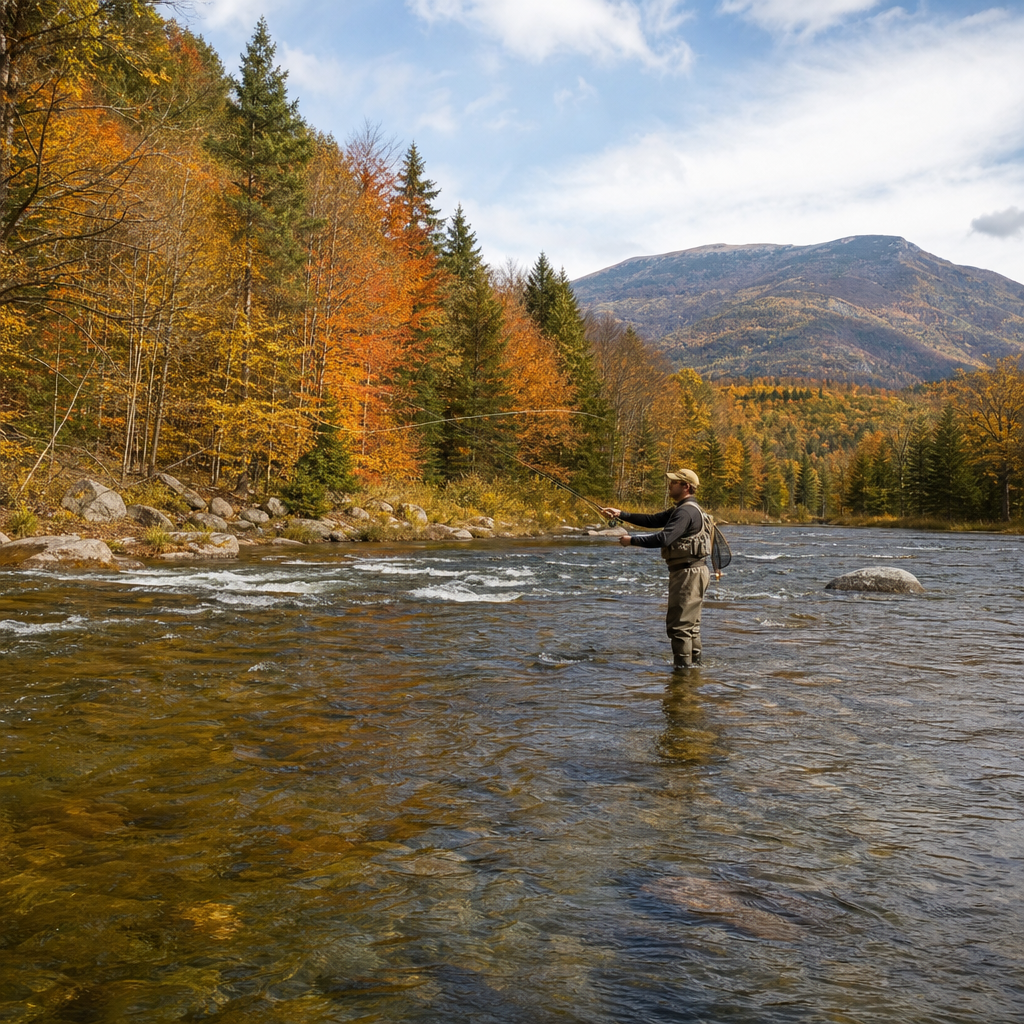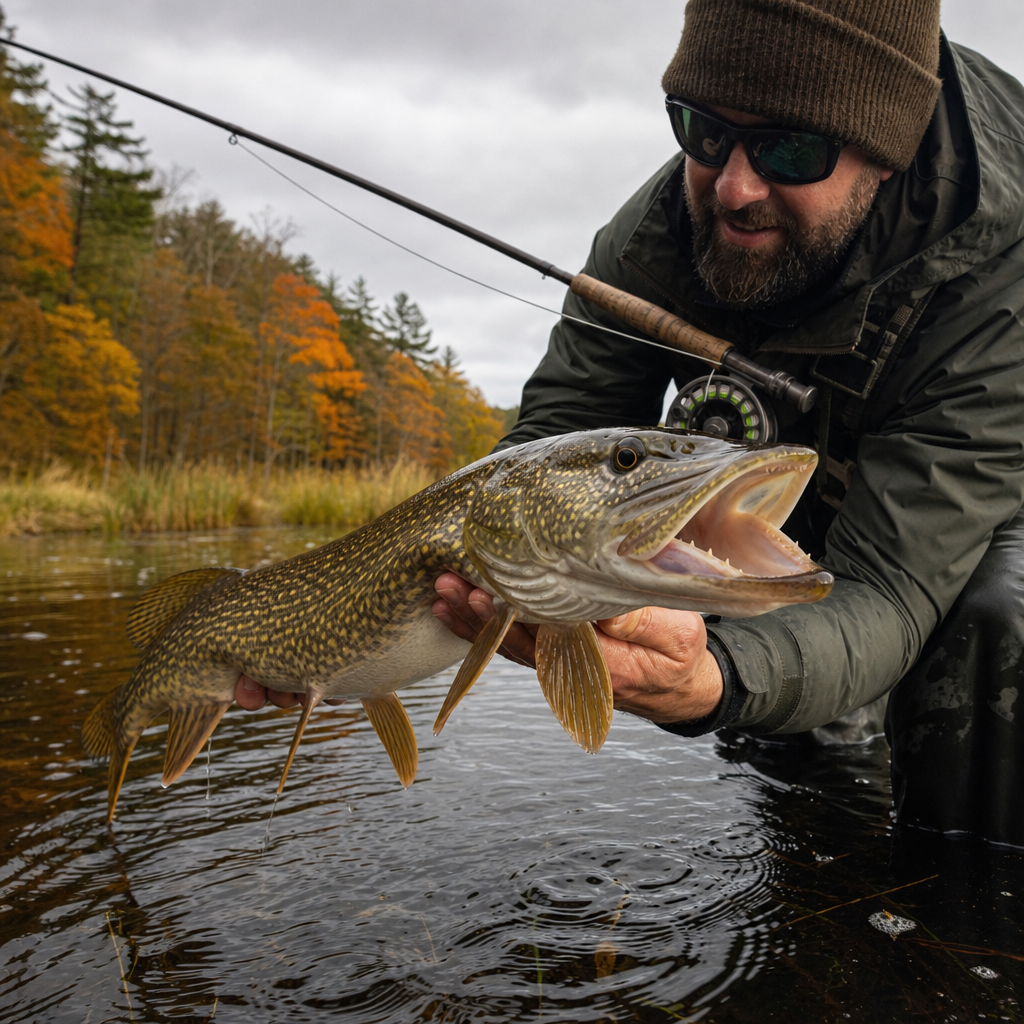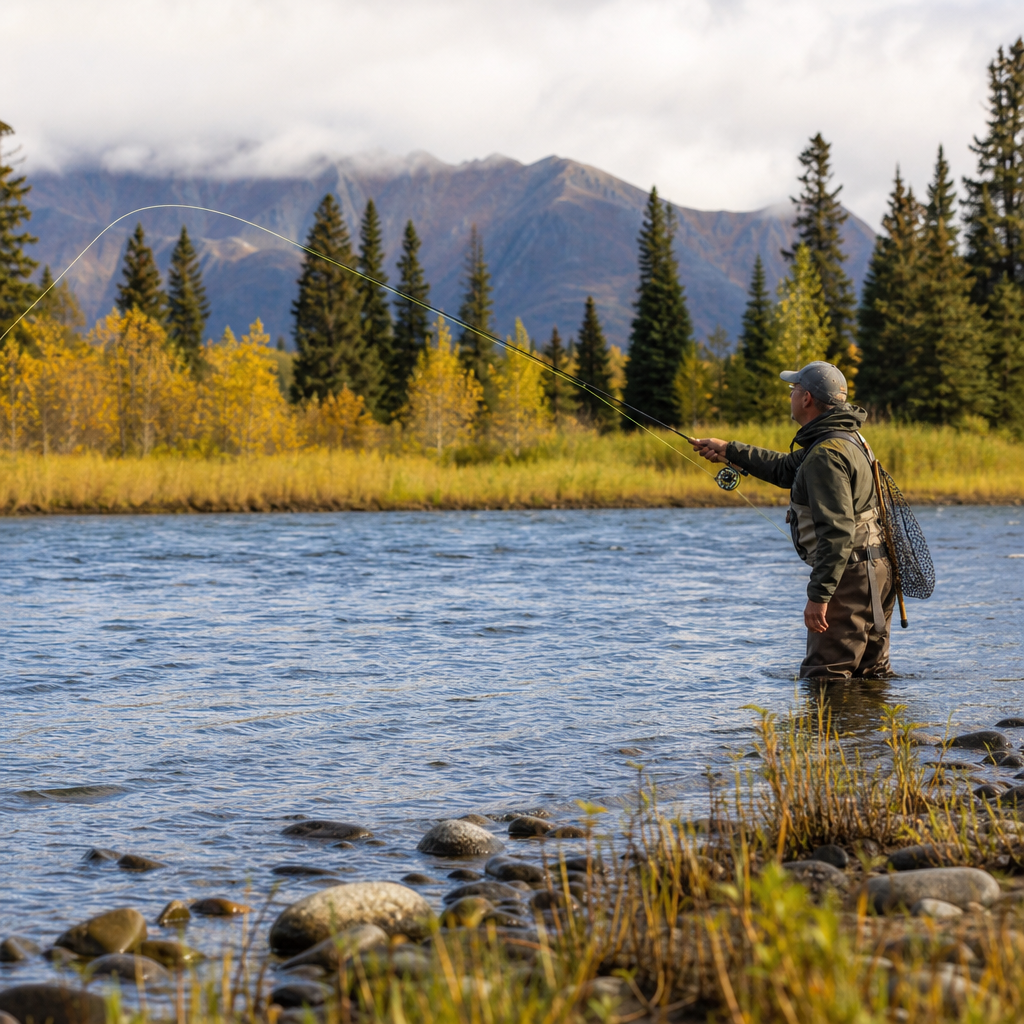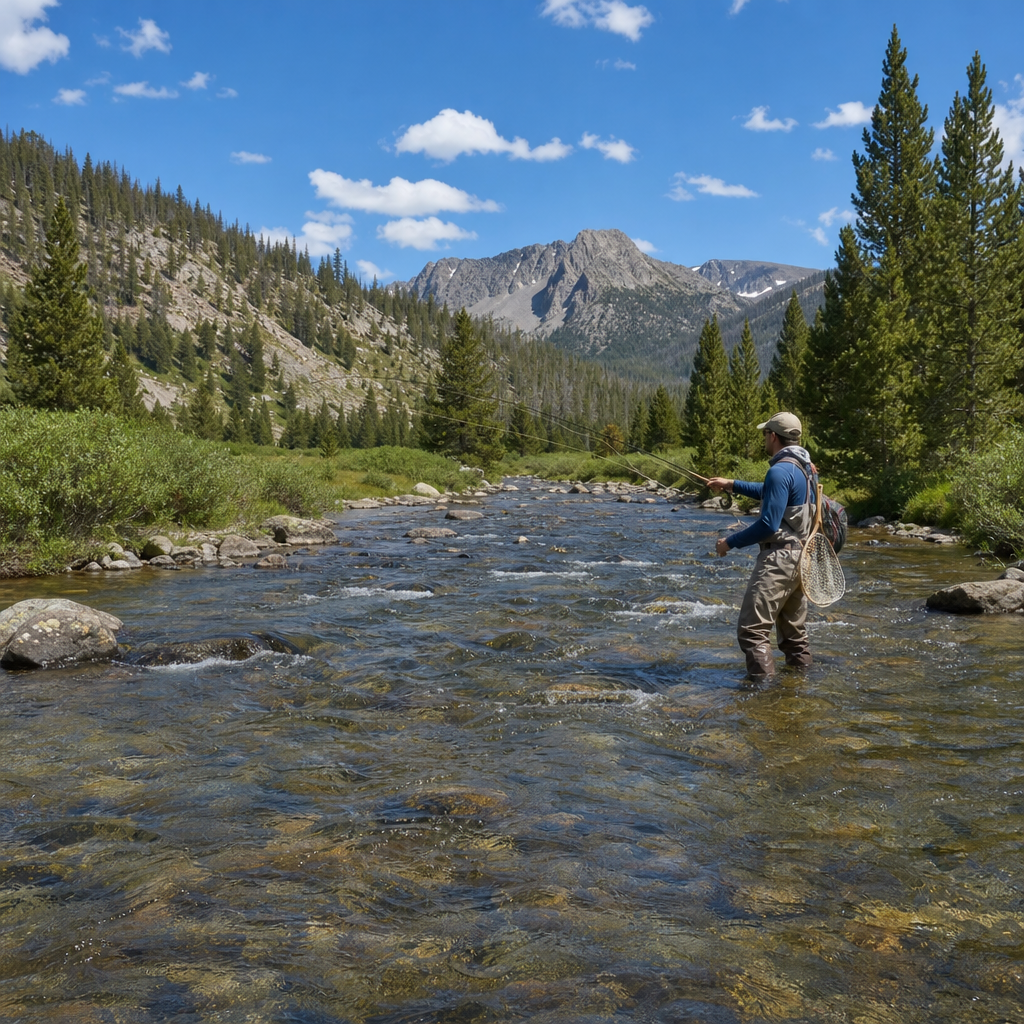
Summer fly fishing in high altitude streams is a distinct game of cold water, thin air, short feeding windows, and trout that react quickly to light, temperature, and current changes. In this setting, “high altitude” usually means freestone creeks, meadow streams, and pocketwater above roughly 6,000 feet, where summer snowmelt fades, nights stay cool, insect hatches remain compressed, and fish often feed most confidently during narrow bands of the day. I have spent many midsummer days on Rocky Mountain and Sierra headwaters, and the pattern is remarkably consistent: anglers who treat these waters like lowland rivers usually rush, cast too much line, and miss the best hour; anglers who understand seasonal timing, stream structure, and oxygen dynamics catch fish steadily even when flows are skinny and the sun is bright. That is why summer fly fishing here matters. These streams offer accessible wild trout, beautiful terrain, and technical lessons that improve your fishing everywhere else. They also demand precision. Water temperatures can swing ten degrees between dawn and afternoon. A creek that looks fishless at noon can come alive under cloud cover with caddis, pale morning duns, or terrestrials. Brook trout may rise all day in shaded trickles, while larger brown and cutthroat trout slide under banks, plunge pools, and foam seams until light softens. As a hub for summer fly fishing, this guide explains where trout hold, when they feed, which flies earn confidence, how to adjust tactics through the day, and what ethical decisions protect fragile high-country fisheries during the warmest weeks.
How summer conditions shape high altitude streams
Summer begins differently in every mountain range, but the defining shift is the drop from runoff turbulence into wadable, clearer flows. Once snowmelt recedes, stream channels become readable. You can identify pocketwater lanes, undercut banks, tailouts, plunge pools, and meadow bends without guessing. This is the first big advantage of summer fly fishing in high altitude streams: structure becomes visible, and visible structure concentrates trout. In freestone creeks, trout hold where current delivers food without forcing them to spend excess energy. That usually means the soft edge beside a boulder, the cushion in front of a rock, the knee-deep slot entering a pool, or the shaded seam under overhanging grass.
Water temperature is the controlling variable many anglers underestimate. Trout are coldwater fish, and dissolved oxygen declines as water warms. At elevation, cold nights often reset the system, so dawn temperatures can be ideal even during hot weather. By midafternoon, especially in low-gradient meadow reaches or drought years, smaller streams may warm enough to reduce feeding activity and increase stress on fish. I carry a stream thermometer every summer, and it changes decisions more than any fly box. If temperatures push into the upper sixties Fahrenheit, fishing quality usually drops, and fish handling should become minimal or stop altogether. In contrast, a shaded tributary running five degrees cooler can fish beautifully.
Clarity also evolves through summer. Early in the season, lingering melt can tint water and make larger attractor dries, weighted nymphs, and tighter presentations productive. Later, as flows shrink and visibility increases, trout inspect offerings longer. Long leaders, lighter tippet, and drag-free drifts matter more. This is why the same creek can reward a buoyant Chubby Chernobyl in late June and demand a size 18 parachute ant or unweighted pheasant tail in August. Summer does not simplify mountain fishing; it narrows the margin for error while making fish location more logical.
Best times of day and seasonal windows
The best time for summer fly fishing in high altitude streams is usually early morning through late morning, then again in the evening, but that answer needs context. In steep, oxygen-rich pocketwater, fish may feed opportunistically much longer because cold inflows and broken current moderate heat and visibility. In meadow streams with exposed banks, the prime window can be brief: first light until the sun hits the water, a hatch period around midday, and the final hour before dark. The practical lesson is to build your day around changing conditions rather than fish continuously with the same expectations.
Early summer often rewards subsurface tactics because runoff remnants still dislodge nymphs, and trout remain comfortable moving in fuller current. As insect life stabilizes, surface fishing improves. Mid summer is the classic dry-fly period, with caddis, mayflies, stonefly leftovers, hoppers, beetles, ants, and inchworms all in play depending on elevation and vegetation. Late summer can become more technical as flows drop, fish see pressure, and terrestrial patterns dominate warm afternoons. Monsoon clouds in parts of the Rockies can reset an entire day, lowering light, bumping humidity, and triggering strong surface feeding.
Weather swings create outsized opportunities. A breezy afternoon can knock beetles and ants into the water. A brief rain may increase terrestrial drift, mute angler visibility, and stimulate caddis activity. Cold nights after a heat wave often improve morning action immediately. Conversely, bluebird skies after heavy weekend pressure can make trout retreat to depth and cover. In practice, the anglers who fish best in summer are not just matching bugs; they are matching the hour. They know when to nymph a plunge pool, when to high-stick a seam, when to wait for risers in a meadow bend, and when to leave a warming creek for a colder tributary.
Reading water and locating trout efficiently
If you want consistent success, learn where trout can hold comfortably in bright, low summer flows. In high altitude streams, that usually means places combining food, cover, and manageable current. The most reliable lies are plunge pools below cascades, slots beside midstream rocks, undercut banks in meadow reaches, woody cover along bends, and the tongues of deeper runs where current funnels drifting insects. Small trout often spread widely, but better fish rarely do. They choose the strongest shelter with the easiest feeding lane.
In pocketwater, fish the shortest, most obvious targets first. A ten-inch cushion in front of a refrigerator-sized boulder may hold the best trout in a fifty-yard stretch. In meadow water, slow down and scan before casting. Rising fish may station along a cutbank just inches from grass, especially where shade reaches the edge. One common mistake I see is anglers wading too close in clear water. On many headwater creeks, kneeling twenty feet back and making a short cast catches more trout than stepping into the run. Stealth matters more than distance.
Depth is relative at altitude. A pool that looks only waist deep can be a major refuge when the rest of the creek is ankle deep. Likewise, six inches of broken, oxygenated current over dark cobble can hold aggressive brook trout all afternoon. Watch for foam lines, converging currents, and bubbles that linger. They reveal feeding lanes better than surface glare does. Polarized glasses help, but current behavior tells the fuller story. Every cast should answer a location question: where can a trout hold without fighting current, stay hidden from predators, and intercept drifting food with minimal movement?
Core summer fly patterns and rigging choices
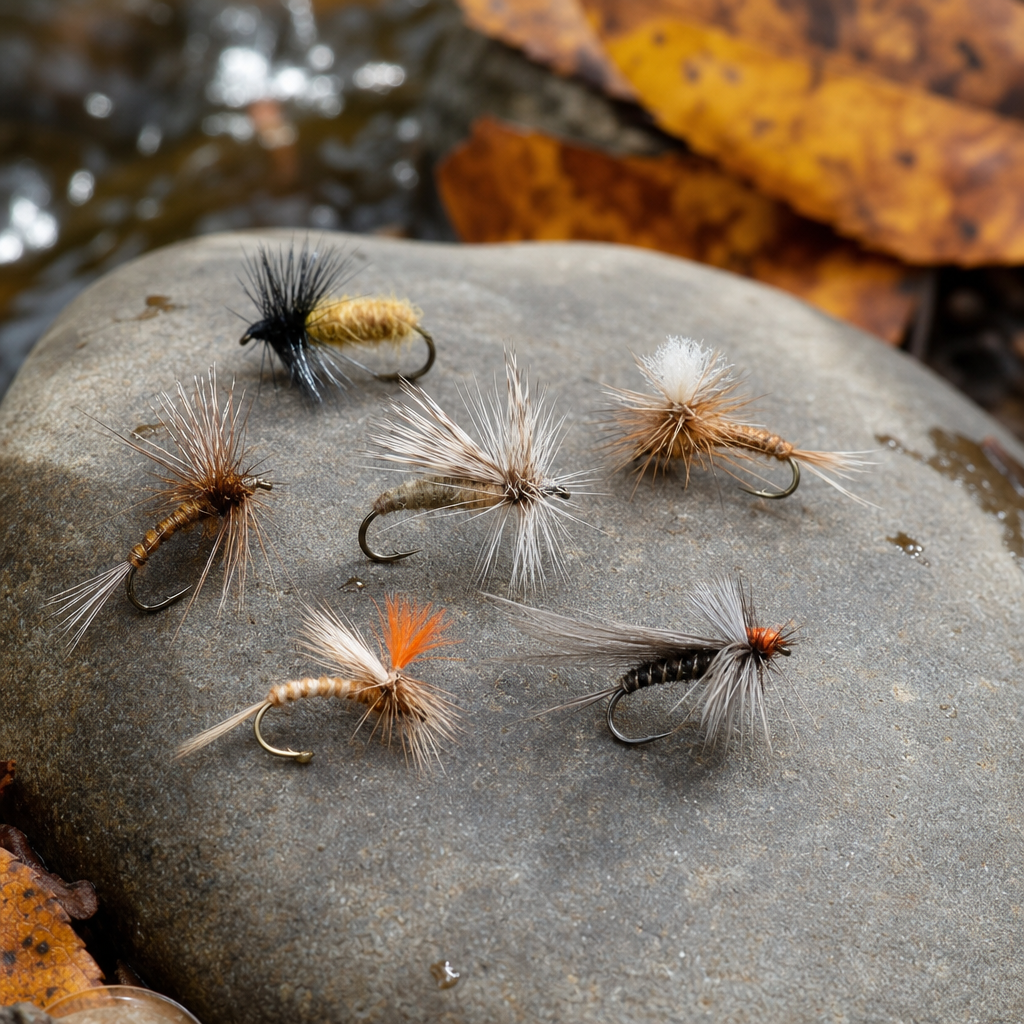
The most effective summer fly selection for high altitude streams is compact and practical. You do not need dozens of boxes, but you do need patterns covering attractor dries, mayflies, caddis, terrestrials, and a lean nymph set. My confidence flies include a Chubby Chernobyl, Stimulator, Elk Hair Caddis, Parachute Adams, Purple Haze, beetle, foam ant, and small hopper for the surface; below, I rely on pheasant tails, hare’s ears, perdigons, zebra midges, and soft hackles. In many streams, a single dry-dropper rig solves the day until conditions clearly favor pure dry-fly fishing.
| Condition | Recommended setup | Why it works |
|---|---|---|
| Higher early-summer flows | Foam attractor with tungsten nymph | Suspends weight and covers visible pocketwater quickly |
| Clear midday meadow water | Small parachute dry with light tippet | Improves drag-free presentation to selective risers |
| Windy afternoon banks | Beetle or ant tight to grass | Matches common terrestrials blown into the stream |
| Evening caddis activity | Elk Hair Caddis or soft hackle swung below rises | Imitates adults and emergers during low-light feeding |
Leader choice should follow water size and clarity. On tiny brushy creeks, a 7.5-foot leader tapered to 4X may be perfect because turnover matters more than invisibility. On open meadow streams in August, 9 to 12 feet ending in 5X or 6X often produces better drifts. Rod choice is similarly situational. A 7.5-foot to 8.5-foot 3-weight excels in tight quarters, while a 9-foot 4-weight handles mixed dry-dropper work and wind more effectively. These are not fashion choices. They affect line control, hook placement, and how safely you land fish in current.
Tactics that convert follows and refusals into eats
Presentation separates average days from excellent ones. In high altitude streams, the first drift over a trout is often the best drift you will get. Start close, target the nearest likely lie, and keep line off conflicting currents. For dry flies, that means landing with slack built in through a reach cast, tuck of the wrist, or simple leader pile. For nymphs, it means leading the flies at the speed of the current during a short-line drift rather than lobbing long casts that immediately drag.
Dry-dropper fishing is especially effective because it searches two feeding zones at once. In rough pocketwater, fish a buoyant dry large enough to track easily and suspend a nymph twelve to twenty-four inches below. In smoother water, shorten everything: smaller dry, lighter dropper, longer leader, finer tippet. If trout repeatedly inspect the dry and refuse, switch from attractor to natural profile. If they flash at the dropper but do not connect, adjust depth first, then weight, then pattern.
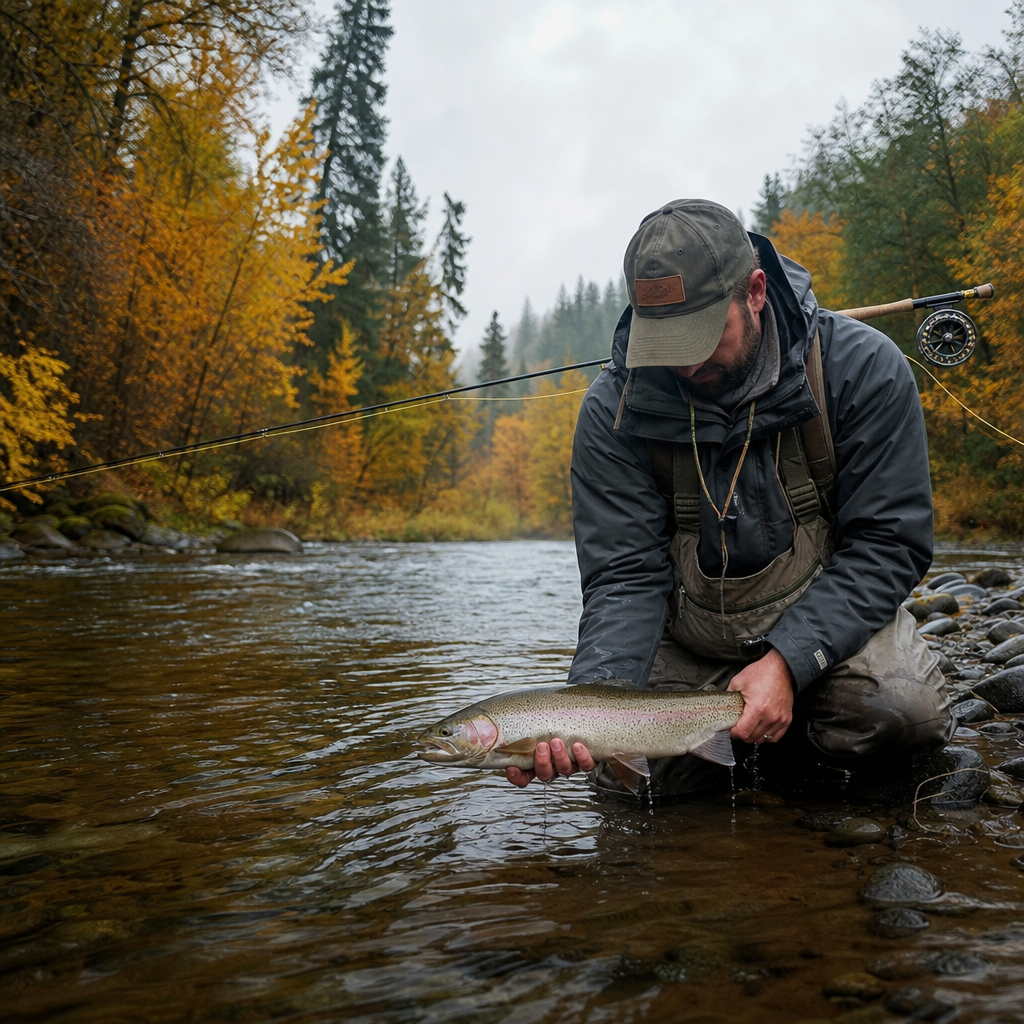
Hooking and landing trout in small streams also requires discipline. Set with a quick lift, not a violent strike, especially on short drifts. Keep fish out of downstream fast water where they can use current to throw the hook. Use barbless hooks or pinch barbs for faster releases. On warm afternoons, that matters. Fish recover better when the fight is short, hands are wet, and the trout never leaves the water longer than a few seconds. Good summer tactics include knowing when not to cast. If a fish is tucked under a root in skinny, sunlit water, one sloppy false cast can shut down the whole bend.
Safety, ethics, and fish care in summer
Summer fly fishing in high altitude streams comes with hazards that deserve the same attention as fly choice. Afternoon thunderstorms build quickly, and exposed ridges, open meadows, and graphite rods are a dangerous combination. Plan routes that let you descend fast. Start early, track clouds, and leave immediately if thunder is close. Cold water can also mislead anglers into underestimating sun exposure and dehydration. At altitude, dry air and exertion drain you faster than you expect. Carry more water than a short map distance suggests, and treat backcountry sources reliably with filtration, ultraviolet purification, or chemical treatment.
Ethics become especially important during drought or heat. Many states and agencies issue voluntary or mandatory afternoon fishing closures when water temperatures rise. Follow them. Responsible anglers do not justify one more hour because a stream is remote. Fish handling standards are straightforward: use tackle strong enough to land fish quickly, keep trout in the water, avoid squeezing, and skip hero shots when temperatures are elevated. Felt-free soles may be required in some places to reduce invasive spread, and cleaning gear between watersheds is simply standard practice now.
Finally, respect habitat beyond the channel. Alpine and subalpine banks erode easily, informal trails widen fast, and spawning tributaries can be damaged by careless crossings even in summer. Camp away from water, pack out tippet and refuse, and close gates if you cross grazing allotments. The greatest benefit of these streams is that many still feel wild. They stay that way only if anglers treat access, fish, and surrounding land as part of the same resource. If you want to improve at summer fly fishing, keep notes on temperature, time, hatch, and productive water types, then apply those lessons on your next trip. High altitude trout reward observation, restraint, and timing more than brute effort, and that is exactly what makes them worth pursuing.
Frequently Asked Questions
What makes summer fly fishing in high altitude streams different from fishing lower-elevation rivers?
Summer fly fishing in high altitude streams is different because the environment compresses nearly everything that matters to trout behavior. Water is colder, oxygen levels are usually strong, daily temperature swings are sharper, and fish often feed in shorter, more predictable windows. Above roughly 6,000 feet, many streams are still recovering from runoff in early summer, and by midsummer they settle into clearer, more stable conditions with cool nights and relatively modest daytime warming. That creates a situation where trout may not feed evenly all day long. Instead, they often respond quickly to sunlight, water temperature, insect activity, and changes in current speed.
Another major difference is stream structure. High altitude water often means freestone creeks, meadow channels, plunge pools, and tight pocketwater rather than broad, uniform runs. Trout in these places tend to hold close to current seams, undercut banks, boulders, cutbanks, and plunge pool cushions. Because the water is smaller and clearer, fish are also more sensitive to disturbance. Wading too aggressively, approaching from the wrong angle, or casting a shadow across a short run can shut down an entire section.
Thin air and mountain weather also shape the experience. Anglers tire faster hiking and climbing, storms can build quickly, and bright high-elevation sun can make trout more cautious by late morning. On many summer days, the best fishing happens in narrow bands: early morning if terrestrials or small mayflies are active, late morning into midday if a hatch develops, or evening when direct sun leaves the water and trout move more confidently into feeding lanes. Success at altitude usually comes from reading short-lived opportunities well, covering water efficiently, and adjusting quickly as light, temperature, and insect activity shift.
What time of day is usually best for trout in high altitude streams during summer?
There is no single perfect hour every day, but in summer, the best fishing in high altitude streams commonly centers around transition periods rather than a long all-day bite. Early morning can be excellent when nights have stayed cool and trout are willing to slide into softer feeding lies before the sun gets high. In meadow water and smaller freestone streams, that first window may bring subtle dry-fly activity, especially where caddis, small mayflies, or overnight terrestrials are in play. On the other hand, if the water is still very cold from lingering snowmelt, the bite may improve later in the morning once temperatures rise just enough to increase insect activity and trout metabolism.
Late morning through early afternoon is often productive when the stream reaches a comfortable temperature band and compressed summer hatches begin. This is especially true on clear mountain days when trout switch from opportunistic subsurface feeding to more visible surface behavior for a short period. Pocketwater can stay fishable through brighter light because broken current gives trout security, while open meadow stretches often fish better before the sun is directly overhead or after it drops behind ridges and timber.
Evening is frequently one of the most dependable periods, especially after warm, bright afternoons. As direct light softens and stream temperatures stabilize, trout often leave heavier cover and feed with more confidence in riffle tails, edges, and foam seams. If you only have a few hours to fish, focus on the first and last good light, then let water temperature, cloud cover, and insect activity tell you whether midday deserves more attention. In high altitude summer fishing, timing matters because feeding windows can be brief, but when you hit them right, action can be surprisingly concentrated.
What flies work best in summer on high altitude streams?
The best summer fly selection for high altitude streams is usually simple, compact, and highly practical. These fisheries rarely demand giant fly boxes full of hyper-specific patterns. Instead, they reward anglers who cover the core categories well: attractor dries, small mayfly and caddis imitations, terrestrials, and a short list of nymphs that suggest common mountain food sources. In fast freestone water and pocketwater, attractor dries such as parachute-style patterns, small stimulators, and high-floating general-purpose dries are excellent searching tools because they are easy to see and they trigger aggressive strikes from opportunistic trout. In calmer meadow water, smaller and more natural profiles often matter more.
Terrestrials become especially important in midsummer. Ants, beetles, and small hoppers can be extremely effective once runoff fades and streamside vegetation fills in. High altitude trout are often willing to eat a terrestrial with confidence, particularly during breezy afternoons or whenever the hatch activity is sparse. For subsurface fishing, a compact lineup of pheasant tail nymphs, hare’s ear patterns, midge larvae, small caddis larvae, and attractor-style beadheads will handle most situations. In pocketwater, a dry-dropper rig is often one of the most efficient ways to fish because it combines visibility, coverage, and the ability to present a nymph naturally through short feeding lanes.
Match size before obsessing over exact pattern. Many summer mountain insects run small, and downsizing can solve refusals quickly in clear water. Keep your boxes weighted toward sizes that fit local mayflies, caddis, and terrestrials, and be ready to shift between buoyant searching flies and subtler imitations when trout become selective. In high altitude streams, presentation still outranks pattern choice most of the time, but a well-chosen fly that suits the water type and season can turn brief feeding windows into steady action.
How should I approach and fish clear, small high altitude streams without spooking trout?
Stealth is one of the biggest keys to success on small, clear mountain streams. Trout in these waters often have limited holding areas, and because the channels are narrow, your body position, movement, and line placement affect fish almost immediately. Start by slowing down. Approach from downstream whenever possible, keep a low profile, and avoid standing on exposed rocks or skylining yourself against the horizon. In open meadow sections, trout may see you from farther away than you think, especially in flat water with direct sunlight. In broken pocketwater, you can get closer, but fish still react quickly to heavy wading and sloppy false casting.
Read the current before stepping in. Many high altitude streams are small enough that one careless wade can push fish out of the best lanes or muddy a short run you could have fished from the bank. Fish the near water first, then work upstream methodically. Focus on likely holding water such as plunge pool tails, current cushions in front of and behind rocks, undercut sod banks, shaded seams, and transitions where fast water softens just enough for trout to feed efficiently. In pocketwater, short accurate casts and quick drifts matter more than distance. In meadow water, longer leaders, finer tippet, and careful drag-free drifts become more important.
Keep false casts to a minimum and think in terms of first-shot success. Trout in small streams often give you one excellent chance before they become suspicious. If you are fishing dries, land them softly and avoid lining fish. If you are fishing nymphs, use just enough weight to stay natural without constantly hanging bottom in tiny slots. The best anglers on high altitude streams do not overpower the water. They move carefully, read small details, and treat each pocket, seam, or bend as a separate opportunity. That patient, precise approach consistently catches more trout than covering water too fast.
What safety and preparation tips matter most for summer fly fishing at high altitude?
Preparation matters more in the mountains because high altitude adds physical stress and weather risk to what might otherwise feel like a casual summer fishing day. The first priority is understanding that thin air changes your energy level, hydration needs, and pace. Even experienced anglers can feel the effects of altitude while hiking to remote creeks or scrambling along steep banks. Drink more water than you think you need, eat regularly, and give yourself time to acclimate if you are arriving from lower elevation. Fatigue can affect decision-making just as much as it affects casting.
Weather is the next major factor. Summer afternoons in mountain country often bring fast-building thunderstorms, sudden wind, sharp temperature drops, and lightning. Plan your day so you know where the trail is, where you can exit the stream quickly, and how long it takes to return to your vehicle. If thunder starts to build, get off the water and away from exposed ridges, open meadows, and isolated trees. A fly rod is not something you want in your hand during an electrical storm. Layering is also essential, because mornings can be cold, midday sun can be intense, and evening temperatures may fall quickly once the light leaves the valley.
Finally, protect yourself from the environmental factors that are easy to underestimate. High-elevation sun is strong, so use quality eye protection, sunscreen, and clothing that shields your skin. Carry the basic essentials: water, snacks, a rain layer, a simple first-aid kit, extra tippet and flies, and a way to navigate if trails are faint or cell service disappears. If the stream is remote, tell someone your plan. The goal is to fish hard and enjoy the day, but the best high altitude anglers balance enthusiasm with caution. Good judgment keeps a memorable mountain trip from becoming an avoidable problem.