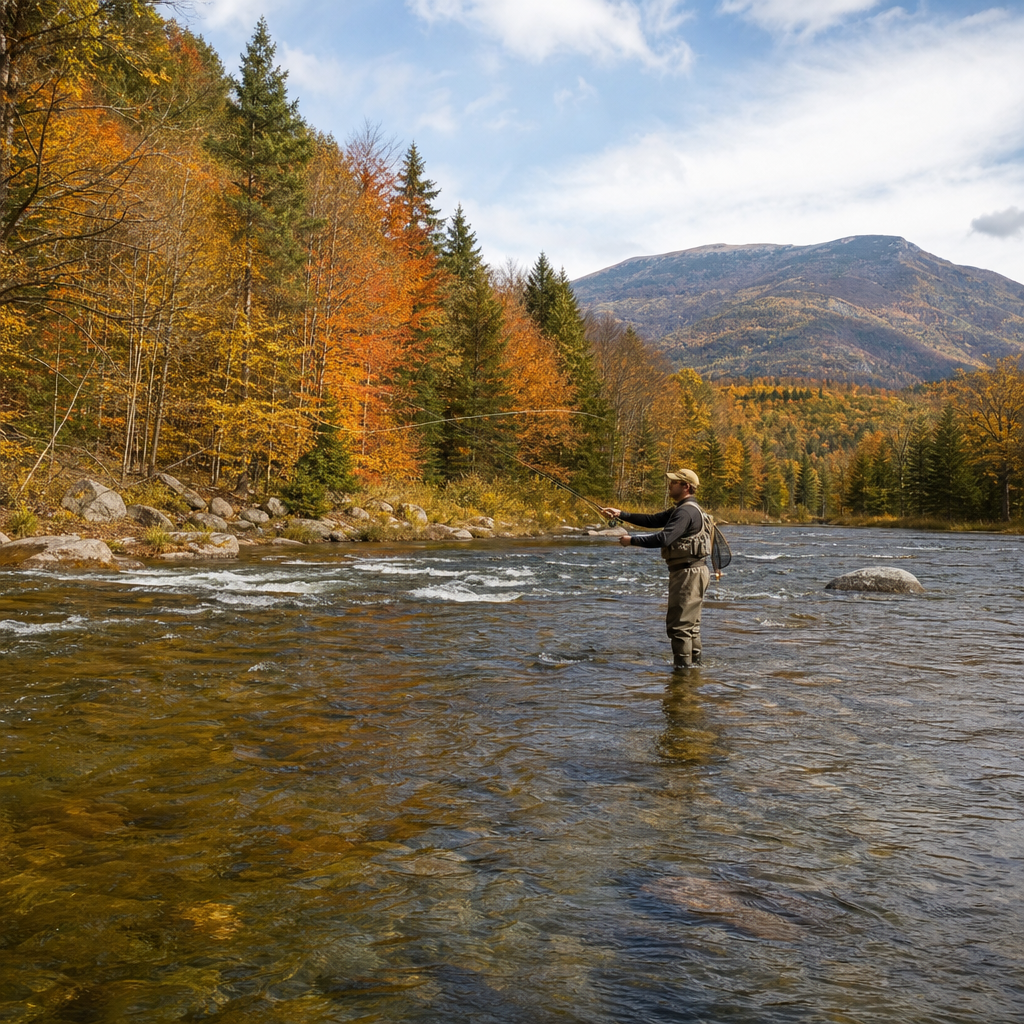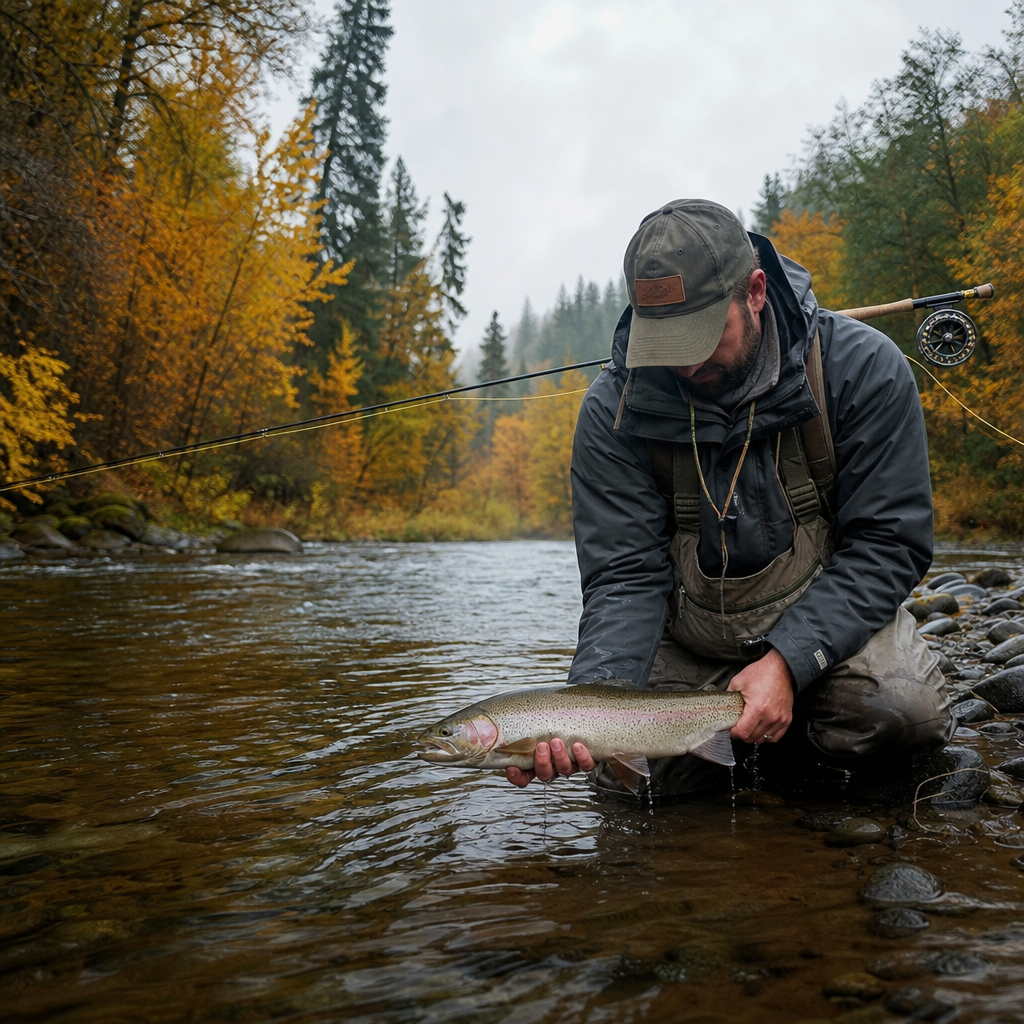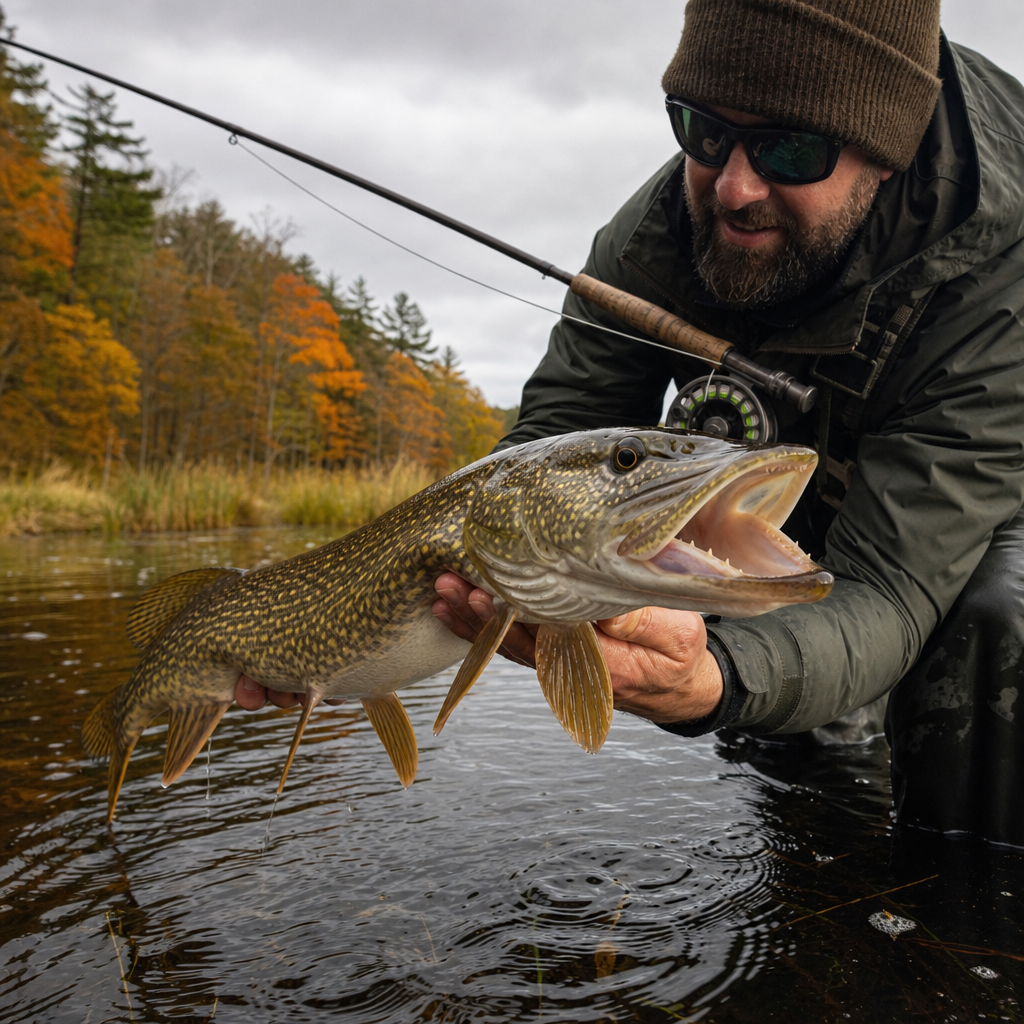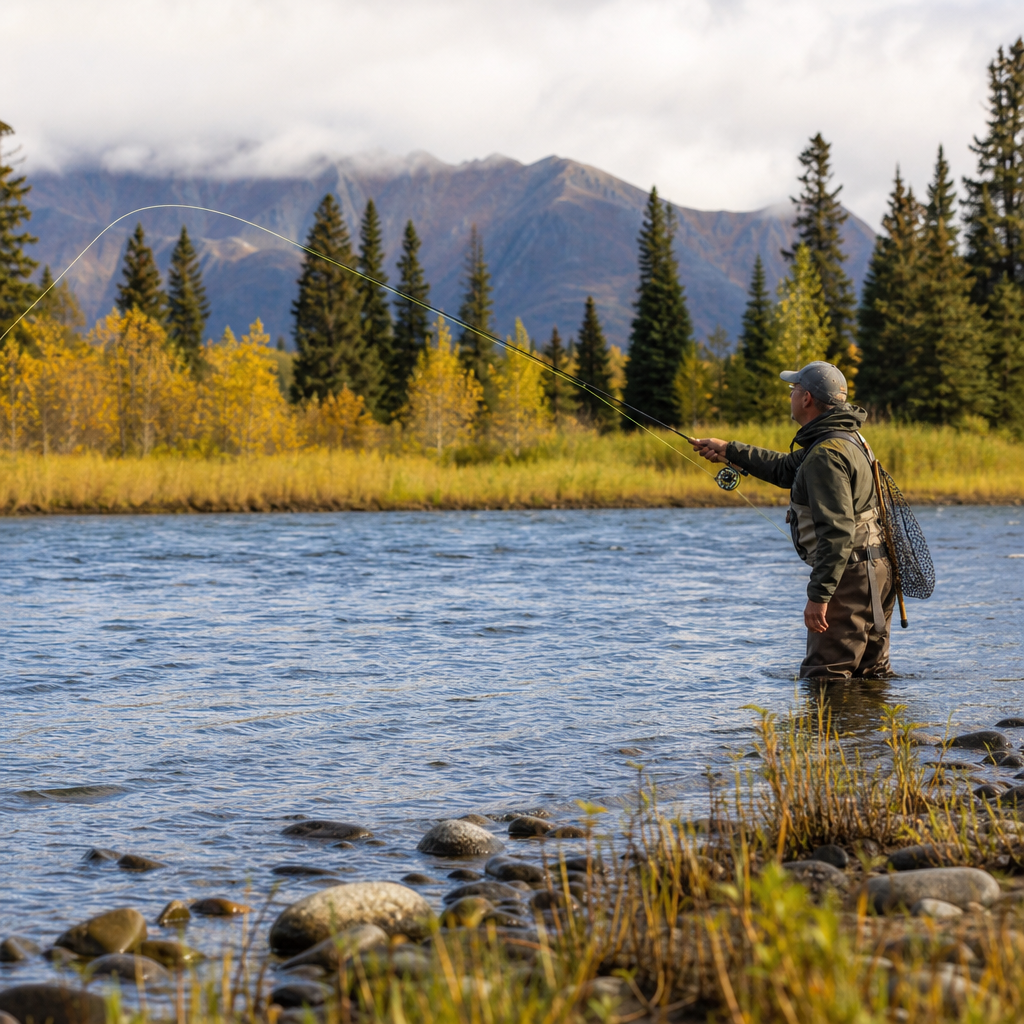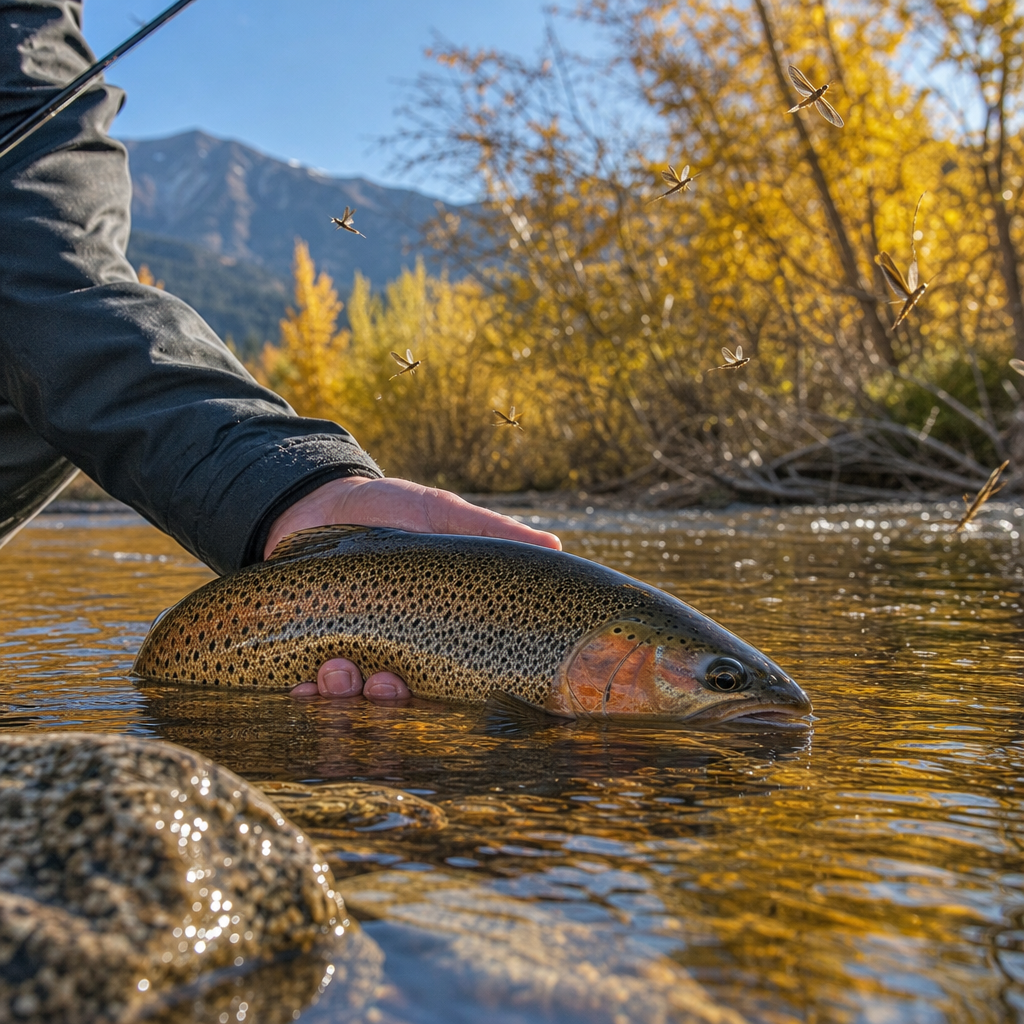
Fall hatches reward anglers who understand how cooling water, shorter days, and shifting insect behavior change trout feeding from late summer complacency into focused autumn opportunity. In fly fishing, a hatch is the synchronized emergence of aquatic insects from nymph or larval stages into duns, emergers, and spinners, while seasonal hatches describes the predictable calendar of bugs that appear under specific water temperatures, flows, and daylight conditions. As a sub-pillar within seasons and conditions, this guide to fall hatches explains which insects matter most, how trout position during autumn feeding windows, what fly patterns consistently match those insects, and how to build strategies that adapt to rivers, spring creeks, and tailwaters. I have planned many September through November trips around these exact variables, and the difference between a mediocre day and a memorable one usually comes down to reading hatch timing correctly. Fall matters because it compresses prime feeding into shorter but often more intense periods, overlaps with brown trout aggression before spawning, and combines technical dry-fly moments with excellent nymphing and streamer fishing. Anglers searching for seasonal hatches need a hub that connects entomology, presentation, and water conditions into one practical system.
What makes fall hatches different
Fall hatches are defined less by sheer volume than by timing, selectivity, and contrast between cold mornings and productive afternoons. Water temperatures often begin the day in the high 40s to low 50s Fahrenheit, then rise enough by midday to trigger insect activity, especially mayflies and caddis. On many freestone rivers, lower clear flows concentrate trout in defined lies, making feeding behavior easier to observe but also making poor presentations more costly. In my experience, the angler who starts with a thermometer, watches for shucks on rocks, and waits for the first meaningful emergence often outfishes the angler who changes flies every ten minutes. Trout in fall frequently key on emergers just below the film before they rise confidently to duns. That is why dry-dropper rigs, soft hackles, and unweighted emergers are central to autumn strategy. Wind also matters more than many anglers realize because spinner falls and terrestrial drift can spike feeding unexpectedly on otherwise quiet days.
Core fall insects every angler should know
The backbone of seasonal hatches in fall is a manageable group of insects that appear across much of North America, with local variations in size and timing. Blue-winged olives, usually baetis species in sizes 18 to 22, are the most important broad-coverage mayflies of autumn. They hatch best under overcast skies, stable flows, and cool conditions, and they often create the most technical dry-fly fishing of the season. Mahogany duns, commonly size 14 to 18 depending on region, are another key mayfly, especially on Eastern rivers and fertile tailwaters. Caddis remain relevant into fall, including tan and olive species, and in some fisheries October caddis become major events. Midges gain importance as temperatures drop, particularly on tailwaters and spring creeks, where they can sustain surface feeding even when larger insects are absent. Terrestrials do not disappear immediately; ants and beetles can remain effective through early fall afternoons. Finally, many rivers see significant fall baitfish movement and sculpin activity, which is why streamer fishing belongs in any complete discussion of autumn hatch strategy, even though streamers imitate forage rather than insects.
Best fly patterns for seasonal hatches in fall
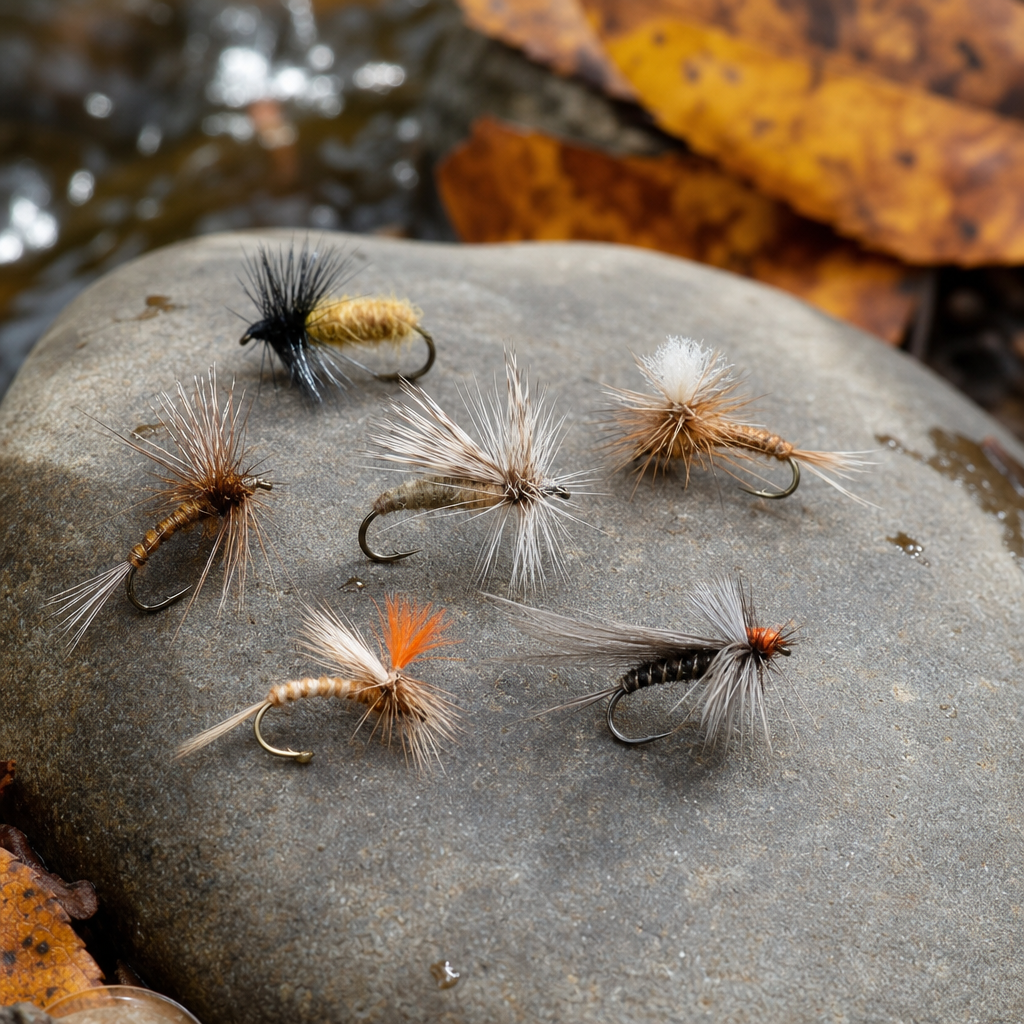
A practical fall fly box should cover each stage of the hatch rather than only adult imitations. For blue-winged olives, I rely on a baetis pheasant tail, a slim RS2, a CDC emerger, and a parachute BWO. For mahogany duns, a soft hackle nymph, a comparadun, and a rusty spinner handle most situations. During caddis activity, an X-Caddis, an elk hair caddis, and a pupa pattern with a sparse antron shuck are dependable. For midge situations, zebra midges, thread midges, and Griffith’s Gnats belong in every box. October caddis calls for larger patterns such as size 8 to 12 stimulators, pupa imitations, and heavily weighted larvae near banks and wood. I also carry small ant and beetle patterns until hard frost. When trout refuse obvious dries, the solution is often not a different species imitation but a stage change: switch from dun to emerger, add split shot to reach feeding depth, or fish a soft hackle on the swing to imitate ascent.
| Fall Hatch | Typical Size | Prime Conditions | Reliable Patterns |
|---|---|---|---|
| Blue-winged olives | 18–22 | Cloud cover, light rain, midday warming | RS2, BWO emerger, parachute BWO |
| Mahogany duns | 14–18 | Stable flows, cool afternoons | Comparadun, soft hackle, rusty spinner |
| Caddis | 14–18 | Afternoon activity, riffles, windy banks | X-Caddis, pupa, elk hair caddis |
| Midges | 20–26 | Tailwaters, spring creeks, calm slicks | Zebra midge, thread midge, Griffith’s Gnat |
| October caddis | 8–12 | Bank structure, evening movement | Stimulator, pupa, larva |
How trout feed during autumn hatch windows
Trout behavior in fall is more patterned than many anglers think. Before a hatch, fish often hold deeper in moderate current where they can intercept nymphs drifting loose before emergence. As insect activity begins, they slide into softer seams, tails of pools, and current cushions where emergers collect. During full surface feeding, rise forms become your best diagnostic tool: splashy takes can suggest caddis, while deliberate sips usually point to mayflies or midges. Browns may also show territorial aggression in fall, especially larger fish near structure, undercut banks, or transitions from riffles to pools. That aggression makes streamers productive early and late in the day, while hatch fishing peaks later. I have seen trout ignore perfectly matched adults for an hour while feeding steadily six inches down on ascending baetis. If fish are bulging but not breaking the surface, fish an emerger in the film. If rises stop abruptly, look for spinner falls in softer water downstream. The most efficient anglers treat trout positions as dynamic and adjust angle, depth, and fly stage before they assume the hatch is over.
River, tailwater, and spring creek strategies
Different water types reshape seasonal hatches dramatically. Freestone rivers are driven by weather and daily temperature swings, so timing is everything. On these rivers, afternoons usually outperform mornings, and hatch intensity can spike after a cloudy front or light drizzle. Tailwaters are more stable because dam releases moderate temperature and flow, which often extends baetis and midge activity deep into late fall. On technical tailwaters such as the South Platte, Delaware, or Missouri, fine tippet, exact drift, and small emergers matter more than broad searching patterns. Spring creeks demand the most precision because insects are abundant, trout see constant pressure, and flat water exposes flaws in drag-free presentation. On waters like Pennsylvania limestone streams or the Henry’s Fork’s slower reaches, long leaders, downstream slack, and selective pattern changes become essential. Small streams are different again: hatches may be lighter, but trout are opportunistic, so a single attractor dry with a baetis dropper can cover water efficiently. Knowing your water type keeps the term fall hatches from becoming too generic to be useful.
Presentation tactics that consistently work
Matching the hatch in fall means little without controlled presentation. Start with leader length appropriate to water type: 9 feet is enough for pocket water, while 12 to 15 feet may be necessary on spring creeks and slick tailouts. Tippet usually ranges from 3X for October caddis or streamers down to 6X or 7X for tiny midges and BWOs. For dry flies, a reach cast or parachute cast buys immediate slack and preserves a natural drift through feeding lanes. For emergers, grease only the butt and midsection of the leader so the fly sinks into the film naturally. For nymphs, use the lightest weight that still reaches the strike zone; too much split shot kills drift and drags small flies unnaturally. Indicator rigs are efficient in deeper runs, but tight-line approaches often excel when fish hold in short seams and subtle takes matter. Soft hackles are underused in autumn. Cast quartering downstream, let the fly rise at the end of the drift, and be ready for the grab. That simple swing often imitates caddis pupae and baetis ascending more convincingly than a dead drift alone.
Reading weather, light, and water conditions
Successful fall hatch fishing is inseparable from environmental cues. Overcast skies are famous for blue-winged olive activity because reduced light encourages prolonged emergence and gives trout confidence to feed in slower water. Light rain can improve fishing dramatically, while bright high-pressure afternoons may suppress surface activity but still support subsurface feeding. Water temperature remains the most useful metric. Many autumn mayflies become active as temperatures approach roughly 50 to 58 degrees Fahrenheit, though local insect populations vary. Sudden cold snaps can delay a hatch by hours, while unseasonably warm stretches may push action later into the evening. Flow changes matter too. On tailwaters, generation schedules can end a dry-fly window quickly by lifting trout off the banks and into heavier current. On freestones, the first bump of color after rain can trigger excellent streamer fishing before hatches resume. Wind is often viewed as a nuisance, yet it can knock terrestrials into the water and concentrate spent insects along foam lines. The best habit is to treat every weather shift as a clue, not a setback.
Common mistakes and how to avoid them
The most common mistake during fall hatches is arriving with only adult dry flies and no plan for emergers or nymphs. Trout feed below the surface far more often than many anglers admit, especially during the first half of an emergence. Another mistake is fishing too early simply because summer conditioned anglers to dawn starts. In fall, the best window often begins late morning and peaks from noon through midafternoon, depending on water temperature. Overplaying visible rises is another trap. If one fish refuses three perfect drifts, move to a fish with a steadier rhythm or change the stage you imitate. Many anglers also ignore tippet diameter; tiny BWOs on 4X rarely land naturally in slow water. Finally, do not overlook ethics around spawning trout. Brown trout become aggressive in fall, but targeting fish actively on redds is poor practice and harms future recruitment. Focus instead on pre-spawn fish in feeding lies, post-hatch transitions, and deeper structure. The anglers who do best in autumn are usually the ones who slow down, observe longer, and make fewer but smarter changes.
Fall hatches bring structure to autumn fly fishing because they connect insect life cycles, trout behavior, and seasonal conditions into patterns you can predict and fish with confidence. The key lessons are straightforward: expect shorter but sharper feeding windows, prioritize blue-winged olives, mahogany duns, caddis, midges, and October caddis, carry patterns for nymph, emerger, adult, and spinner stages, and adjust tactics based on whether you are fishing freestones, tailwaters, or spring creeks. Presentation remains the final separator. A correct fly with poor drift loses to an adequate fly presented naturally at the right depth and angle. Weather and water temperature should guide your schedule more than the calendar alone, and ethical awareness around spawning fish should guide where you wade and cast. As the hub for seasonal hatches within seasons and conditions, this article gives you the framework to understand every related fall hatch topic in greater detail. Use it to build your fly box, plan your next trip, and approach autumn water with a system instead of guesswork. Then get on the river, watch carefully, and let the hatch tell you what to do.
Frequently Asked Questions
What makes fall hatches different from spring and summer hatches?
Fall hatches are shaped by cooling water temperatures, shorter days, and a noticeable shift in trout behavior. In spring, many hatches build around warming water and increasing insect activity after winter, while summer often brings long feeding windows, terrestrials, and fish that can become selective during low, clear flows. Autumn is different because trout begin feeding with more purpose. As water temperatures drop into comfortable ranges, oxygen levels improve, and many fish become more willing to hold in feeding lanes and capitalize on concentrated insect activity.
Another major difference is that fall often features fewer but more important hatches. Instead of broad seasonal abundance, anglers usually key in on a narrower set of insects such as Blue-Winged Olives, Mahogany Duns, caddis, midges, and in some waters October Caddis or fall slate drakes. These hatches can be extremely dependable when conditions line up, especially on cloudy, damp, or cool afternoons. Because bug diversity may appear smaller than in late spring, fly selection becomes more about matching the dominant hatch stage correctly rather than carrying endless variation.
Trout also respond differently in autumn because they are influenced by pre-winter feeding instincts and, in some fisheries, spawning behavior. Brown trout in particular may become more aggressive, territorial, or opportunistic. That means anglers can succeed not only with precise dry-fly imitations, but also with emergers, soft hackles, and small streamers that suggest vulnerable insects or larger food items. In practical terms, fall hatches reward observation. If you can identify whether trout are taking duns off the surface, emergers in the film, or nymphs just below, you can often enjoy some of the most technical and rewarding fishing of the year.
Which fly patterns are most effective for matching common fall hatches?
The most effective fall fly box is usually compact, but carefully chosen. For surface activity, Blue-Winged Olive patterns are essential in sizes commonly ranging from 16 to 22, depending on the river. Parachute BWO, Comparadun BWO, Sparkle Dun, and CDC-based mayfly dries are all reliable choices. If you encounter Mahogany Duns, having rust-brown or dark mahogany mayfly patterns in roughly sizes 14 to 18 can be extremely useful. On caddis-rich waters, carry elk hair caddis, X-Caddis, and low-riding cripple patterns in tan, olive, or orange-brown shades to cover adults and vulnerable emergers.
Emergers are often the true difference-makers in fall. Trout frequently feed just under the surface film during cool-weather hatches, especially when duns struggle to escape or when overcast conditions prolong emergence. Patterns such as RS2s, Pheasant Tail emergers, Barr’s Emergers, soft hackles, CDC loop-wing emergers, and unweighted or lightly weighted nymphs can be more effective than high-floating dries. If you are seeing subtle rises, noses barely dimpling the surface, or fish refusing your dun imitation, switching to an emerger is often the right move.
Subsurface patterns matter just as much. Zebra Midges, small Pheasant Tails, Hare’s Ears, Baetis nymphs, caddis pupae, and soft hackles should form the backbone of your fall nymph selection. In rivers where larger autumn insects appear, attractor nymphs or bigger drake-style nymphs may also have a place. And while hatch matching is central, streamer patterns should not be ignored. Autumn browns often react to woolly buggers, sculpin imitations, and smaller articulated streamers, especially early and late in the day. The best strategy is to carry flies that cover all three key stages: nymph, emerger, and adult. That gives you the flexibility to match what trout are actually eating rather than what you hope they are eating.
When is the best time of day to fish fall hatches?
In many fisheries, the best fall hatch activity happens from late morning into the afternoon, when water and air temperatures rise just enough to stimulate insect emergence. Unlike summer, when dawn and dusk may dominate because midday heat suppresses trout activity, autumn often improves as the day develops. Blue-Winged Olive hatches, for example, frequently peak on cool, cloudy afternoons. Midges may show earlier, and caddis can become active later in the day, but as a general rule, anglers should not rush to the river at first light expecting the best dry-fly action during fall.
Weather often matters more than the clock. Overcast skies, light rain, mist, and stable cool conditions can create exceptional hatch windows. Those are classic autumn mayfly conditions, especially for BWOs. Bright sun can reduce surface activity on some rivers, pushing trout deeper or shortening the hatch, although spring creeks and tailwaters may still produce consistent insect movement. Wind can help or hurt, depending on severity. A slight chop may make trout less wary, while heavy gusts can disrupt insect drift and make dry-fly presentations difficult.
The smartest approach is to fish the whole progression. Start by probing likely holding water with small nymphs or midge patterns late in the morning. As the day warms, watch for emerging insects, splashy rises, or subtle head-and-tail takes that signal a shift into the film. Once trout begin feeding on top, rotate into emergers and dries. Then, if the hatch fades, be ready for a spinner fall, a caddis burst, or an evening streamer window. Fall hatches often reward anglers who stay adaptable and pay attention to transitions rather than fixating on a single time block.
How should I adjust my presentation and tactics when trout are feeding selectively during a fall hatch?
Selective trout during fall hatches usually demand a combination of precision, restraint, and close observation. The first adjustment is to identify exactly where in the water column they are feeding. If rises are slow and gentle, fish may be taking emergers in the film. If you see clear head-and-shoulder rises, they may be eating duns. If there are no rises but fish are clearly active, they may be intercepting nymphs just before emergence. Matching the life stage often matters more than matching the insect species perfectly.
Presentation becomes especially important in autumn because water is often lower and clearer than in spring runoff or stained summer flows. Longer leaders, finer tippet, and drag-free drifts are usually critical. Reach casts, stack mends, slack-line casts, and careful positioning can all improve natural presentation. Trout feeding in soft seams or slicks have more time to inspect a fly, so avoid lining fish and take time to approach from downstream or from an angle that protects the drift lane. In many situations, the angler who gets one perfect drift will outfish the angler changing flies every two minutes.
If refusals continue, simplify the problem. First, reduce drag. Second, downsize the fly. Third, switch from a high-floating adult to a low-riding emerger or cripple. Fourth, consider color and silhouette. Fall mayflies are often small and subdued, so flashy patterns can work against you. You can also try trailing a tiny emerger behind a visible dry to cover two feeding levels at once. For subsurface feeders, lighten weight, shorten drifts, or swing a soft hackle at the end of the drift to imitate an ascending insect. Fall hatch fishing often looks technical from the outside, but the underlying strategy is straightforward: observe carefully, present naturally, and let trout tell you which stage they prefer.
What water types and river conditions are best for fishing fall hatches successfully?
The best water for fall hatches is usually water that concentrates food and gives trout a predictable feeding lane without forcing them to expend too much energy. Moderate seams, tailouts, foam lines, gentle riffle corners, spring creek glides, and the soft edges below riffles are all prime areas. During a hatch, trout often slide into slower, more stable lies where they can pick off emergers and adults with minimal effort. This is especially true when insects are small, as they often are in autumn. Flat water can reveal rise forms clearly, but it also increases the need for delicate presentations.
Water temperature and flow are equally important. Cooling temperatures generally improve trout comfort after summer stress, but extremely cold snaps can delay insect activity. Stable flows are usually ideal because they allow insects and trout to settle into predictable rhythms. On freestone streams, slightly lower fall flows can expose structure and make fish easier to locate, though they also make trout more cautious. Tailwaters and spring creeks are often outstanding in fall because consistent temperatures support dependable midge and mayfly activity even as surrounding conditions cool.
Pay special attention to weather-driven condition changes. A cloudy day on a riffle-to-run transition can come alive with BWOs, while a sunny afternoon may push the better action into shaded banks, deeper slots, or subsurface feeding lanes. After a minor bump in flow, trout may feed more confidently if visibility remains good. In addition, spawning considerations matter in autumn, particularly with brown trout. Avoid targeting fish on redds or disturbing spawning areas, and instead focus on feeding fish in adjacent runs, buckets, and seams. The most productive fall hatch