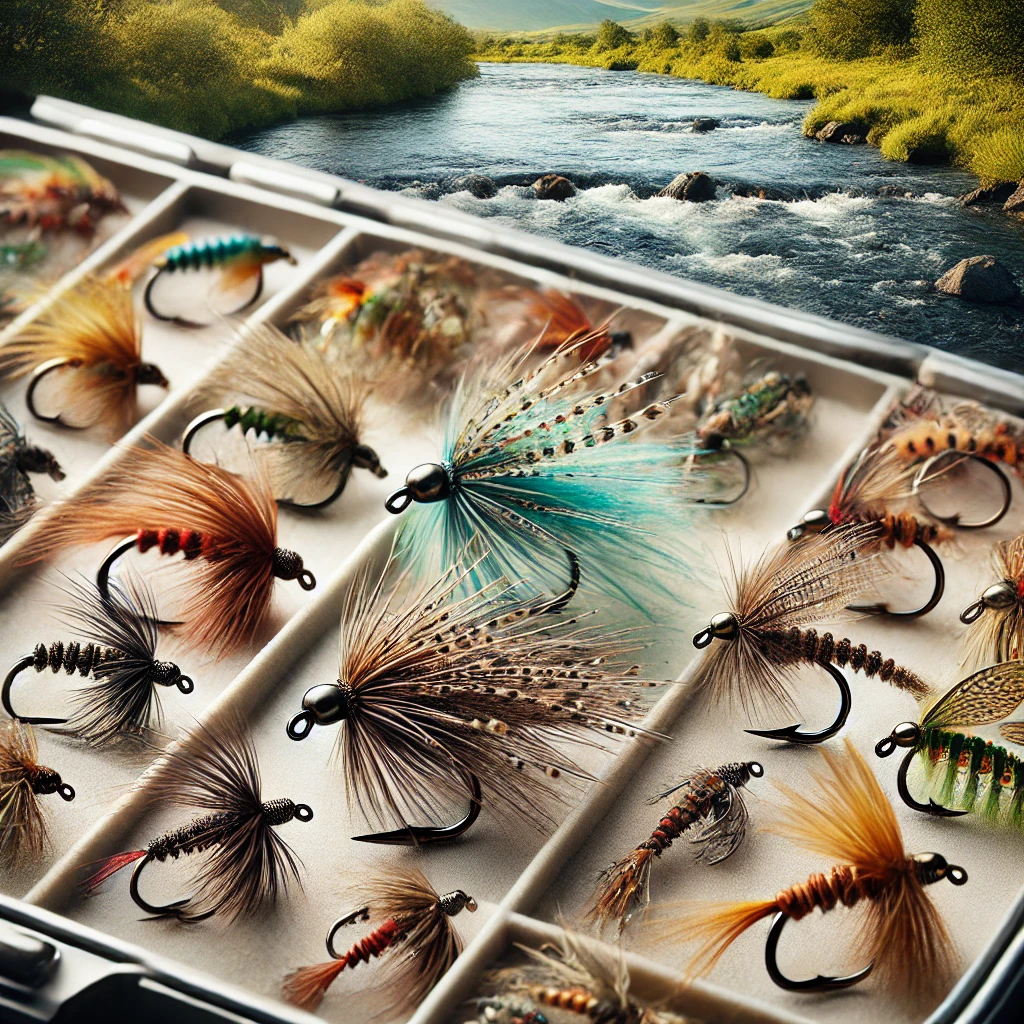
Salmon fly fishing is an art form that melds patience with skill, resulting in an extremely rewarding outdoor experience. One of the most critical elements of this sport is the creation of traditional salmon flies, which are not just tools but also an expression of creativity and craftsmanship. Tying traditional salmon flies is an intricate process that dates back to the 19th century and has been passed down through generations of anglers. These flies, such as the classic Jock Scott or Green Highlander, are characterized by their vibrant colors, complex patterns, and meticulous construction. Whether you are a seasoned angler or a novice, understanding the nuances of traditional salmon fly tying can greatly enhance your fishing experience. This article delves into the essential techniques for tying traditional salmon flies, covering the necessary materials, step-by-step processes, and some of the most iconic patterns.
Materials and Tools
Before you begin to tie traditional salmon flies, it’s essential to gather the necessary materials and tools. The quality of your materials can significantly impact the effectiveness of your flies. Basic materials include hooks (typically in sizes 2 to 8), silk or thread for wrapping, feathers, fur, tinsel, and other decorative elements. The most commonly used feathers come from birds like peacocks, ducks, and pheasants. These feathers provide the vibrant colors and textures that are hallmarks of traditional salmon flies. Additionally, you will need tying tools such as a vise to hold the hook, scissors, hackle pliers, a bobbin for threading, and a whip finish tool for securing the final knot. Investing in high-quality tools and materials can make the process smoother and enhance the durability and attractiveness of your flies.
The Body
Constructing the body of a traditional salmon fly involves a series of steps that must be executed with precision. Start by placing the hook in the vise, ensuring it is securely held in place. Begin with a base layer of silk thread wrapped tightly around the hook shank, creating a strong foundation. The body can then be built up using a variety of materials, including silk floss for a smooth finish, or tinsel for a touch of sparkle. Segment the body by wrapping ribbing material, such as fine wire or tinsel, in even spirals from the base to the head of the hook. This not only adds durability but also enhances the fly’s aesthetic appeal. Some traditional patterns involve the use of dubbing, which is a technique of applying fur or synthetic fibers to create a textured body. The key is to keep everything tight and uniform, ensuring the fly maintains a streamlined profile when in the water.
The Wings
The wings of a traditional salmon fly are arguably the most distinctive feature, often crafted from exotic feathers. Select feathers that are symmetrical and vibrant, as these will form the primary visual attraction of your fly. Peacock herl, turkey tail, goose shoulder, and golden pheasant tippet are popular choices. To tie the wings, take two matching feathers and align them so that they curve away from each other, creating a lifelike imitation of natural insect wings. Secure them to the hook with a few tight wraps of thread, taking care to maintain their alignment and natural curvature. For added realism, you can incorporate secondary wing elements, such as jungle cock eyes or strips of colored tinsel. Building the wings requires a steady hand and careful attention to detail, as any misalignment can compromise the fly’s effectiveness.
The Hackle
Hackle refers to the feathers wound around the head or collar of the fly, giving it a lively appearance in the water. Choose hackle feathers that are of the correct length and stiffness, typically sourced from roosters. The hackle should be proportional to the size of the hook and the overall design of the fly. Start by selecting a hackle feather and stripping away the fluffy base fibers. Attach the hackle to the hook near the head, and, using hackle pliers, wrap the feather around the hook, ensuring each wrap lies neatly against the previous one. This creates a dense and even collar that mimics the legs and movement of an aquatic insect. The hackle should extend just beyond the bend of the hook, providing an enticing action that can provoke a strike from a salmon. Once the hackle is in place, secure it with several firm wraps of thread and trim any excess.
The Head
The head of the traditional salmon fly is the final touch and serves to secure all the materials in place. After completing the wings and hackle, build up a smooth, tapered head using your thread. This involves wrapping the thread in tight, even turns to create a neat and professional finish. Some anglers choose to add a tiny bit of varnish or head cement to the thread, providing extra durability and a glossy finish. The head should be kept relatively small and not overpower the rest of the fly. Once the head is formed, use a whip finish tool to tie off the thread securely. This technique involves making a series of overlapping loops that lock the thread in place, ensuring it won’t unravel. Trim any excess thread and make any final adjustments to ensure the fly’s proportions are balanced. The completed fly should exhibit a cohesive look, with each element harmoniously integrated.
Conclusion
Tying traditional salmon flies is more than just a preparatory step for a fishing trip; it is a revered practice that connects you with a rich heritage of angling tradition. Each fly you tie is a testament to your skill and patience, reflecting the time-honored techniques passed down through generations. From selecting high-quality materials to mastering the intricate steps of construction, creating these flies requires dedication and attention to detail. The resulting flies are not just functional fishing tools but are also miniature works of art, each with its own unique charm. Whether you’re replicating classic patterns like the Jock Scott or creating your own variations, the process of tying traditional salmon flies can be a deeply satisfying and meditative experience. As you cast your meticulously crafted fly into the water, you become part of a legacy that celebrates both the artistry and the effectiveness of this timeless craft.