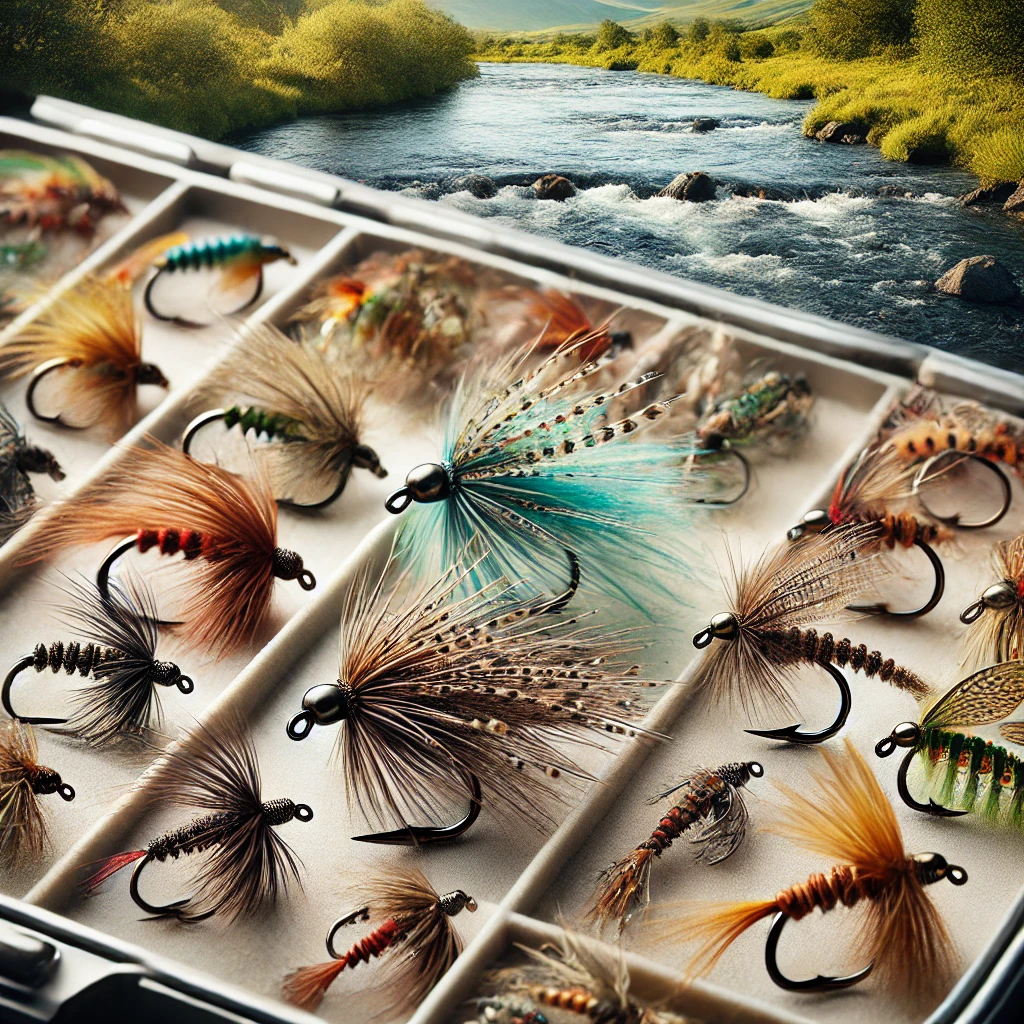
Fly fishing is an age-old craft that combines the tranquility of nature with the thrill of the catch. Enthusiasts know the importance of having a diverse collection of fly patterns to match the ever-changing conditions on the water. Among the various types of flies, streamers hold a special place due to their ability to mimic baitfish, leeches, and other prey that larger fish find irresistible. Tying streamers allows anglers to personalize their lures to suit their local waters and target species, making the art both practical and deeply satisfying.
In the realm of fly tying, streamers are known for their versatility and effectiveness. Whether targeting trout, bass, or even saltwater species, a well-tied streamer can make all the difference. Streamers are designed to represent a moving prey item—thus, the key elements of successful streamer designs often include dynamic motion, appropriate size, and reflective materials that catch the fish’s attention.
This comprehensive guide will delve into the intricacies of tying streamers, from essential materials and tools to advanced techniques. Whether you’re a novice or an experienced fly tyer, you’ll find valuable insights to enhance your fly tying skills and improve your success on the water.
Necessary Materials and Tools
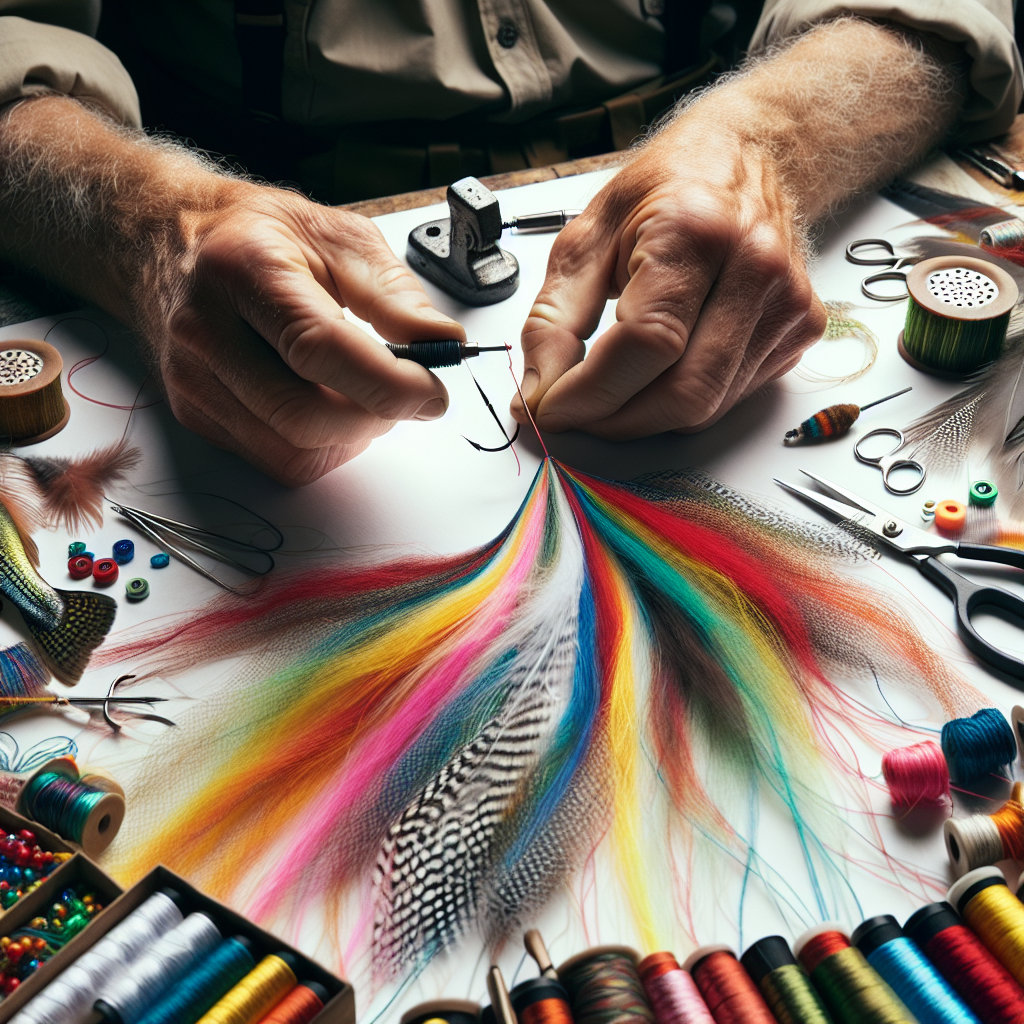
Before diving into the actual tying process, it’s vital to gather all the necessary materials and tools. Streamer tying requires a specific set of tools and materials that distinguish it from other types of fly tying.
- Vise: A good vise holds the hook securely. A rotary vise can be particularly helpful for advanced techniques.
- Threads: Strong, durable threads in various colors and thicknesses to match your patterns.
- Hooks: Depending on your target species, the size and shape of the hooks will vary.
- Bucktail: Natural or synthetic bucktail for creating lifelike tails and bodies.
- Chenille & Tinsel: For adding shimmer and bulk to the fly.
- Eyes: Dumbbell eyes, bead eyes, or painted eyes to create a more realistic look.
- Feathers and hackle: For adding motion and profile to the fly.
- Epoxy or head cement: To ensure durability and finish of the fly.
- Scissors & Bodkin: High-precision tools for careful trimming and final touches.
Using quality materials ensures that the flies you tie are both effective in attracting fish and durable enough to withstand repeated casting and strikes from aggressive fish.
Basic Streamer Tying Techniques
The foundation of a well-tied streamer lies in mastering the basic techniques. Each step in the tying process, from securing the hook to adding the final details, plays a critical role in the fly’s overall effectiveness and durability.
Step-by-Step Guide:
- Hook Placement: Secure the hook in the vise so it is steady and easily accessible.
- Thread Base: Start by wrapping a thread base from the eye down the shank to the bend of the hook. This foundation helps materials adhere better.
- Tail Attachment: Attach a thin slice of bucktail or marabou to create the fly’s tail, ensuring it is proportionate to the hook size.
- Body Building: Use chenille or tinsel to build up the body of the fly. Wrap it evenly along the hook shank, ensuring to cover the thread base.
- Wing and Throat: Add a wing using feathers or synthetic material. This should extend to the end of the tail. Optionally, attach a throat hackle to add more profile.
- Eyes and Head: Attach eyes using epoxy or secure bead eyes with thread wraps. Form the head using thread, and finish with a whip finish.
- Final Touches: Apply head cement to secure all the materials and threads in place.
Practicing these fundamental steps will allow you to tie a variety of effective streamer patterns. As you become more comfortable with these techniques, you can start exploring more advanced methods and materials.

Advanced Techniques and Customization
Once you have a handle on the basics, advancing your skills involves experimenting with various materials and incorporating more complex tying techniques. This not only makes your flies more effective but also ensures they stand out in a way that commercially made flies cannot.
Tips for Customizing Streamers:
- Blending Materials: Combining natural and synthetic materials can provide the best of both worlds – natural movement and enhanced durability.
- Use of UV Resin: UV resin is an excellent material for finishing heads and affixing eyes. It hardens quickly under UV light and can add a glossy finish.
- Articulated Streamers: For larger fish, consider tying articulated streamers with multiple sections connected by wire or braid. These offer unrivaled movement and mimic large prey more convincingly.
- Color Variations: Experiment with different color schemes to match local baitfish or to create a triggering effect that elicits strikes.
- Weighted Options: Adding weight to your streamers with lead wraps, bead heads, or dumbbell eyes helps to get the fly deeper in the water column, targeting fish that are not surface feeding.
Customization is where your creativity can truly shine. Tying flies that are tailored to specific fishing conditions and fish behavior can significantly improve your catch rate.
Popular Streamer Patterns
While creating your patterns is rewarding, studying and tying well-known streamer patterns can provide an excellent foundation and inspiration. Here are a few patterns that are staples in many angler’s fly boxes:
- Woolly Bugger: Versatile and effective, this is one of the most well-known and successful streamer patterns.
- Clouser Minnow: Perfect for both fresh and saltwater, this pattern is known for its simplicity and effectiveness.
- Zonker: Utilizes rabbit strips for lifelike movement, making it effective for a variety of fish species.
- Muddler Minnow: Resembles a wide range of prey items and is highly effective, especially in fast currents.
- Lefty’s Deceiver: Created by famed fly tyer Lefty Kreh, this pattern is especially effective for larger predatory fish.
By mastering these classic patterns, you can gain a deeper understanding of what makes a streamer successful. From there, you can start tweaking and developing your patterns with confidence.
Understanding Fish Behavior
Successful fly fishers know that understanding fish behavior is just as critical as having the right fly. Different fish species have varied feeding habits, which should be considered when tying streamers. Observe the following:
- Seasonal Changes: Fish behavior changes with the seasons. For example, in colder months, fish tend to be less aggressive, and smaller, subtle streamers might be more effective.
- Water Clarity: In clear water, more natural and subdued patterns work best, whereas brightly colored flies are excellent for stained or murky waters.
- Prey Availability: Match the hatch by tying streamers that resemble the fish’s natural prey available during different times of the year.
- Strike Zones: Different fish species have preferred strike zones. Knowing whether your target is likely to strike near the surface, mid-water column, or bottom will inform the type of streamer and presentation technique used. Observing the behavior of fish, their environment, and their prey can provide valuable insights that take your fly tying and fishing effectiveness to a new level.
Conclusion
Tying streamers is an art that combines creativity, knowledge of fish behavior, and skillful technique. By mastering basic and advanced tying techniques, experimenting with materials, and understanding the factors that influence fish activity, you can create incredibly effective patterns tailored to your fishing needs. Streamers offer the versatility and movement needed to entice larger predatory fish, providing an exhilarating experience that every fly fisher should experience. Whether you are preparing for a fishing trip or simply enjoying a quiet evening at your tying bench, taking the time to create beautiful streamers can be as rewarding as the catch itself.
So gather your materials, secure your vise, and start tying. With practice and experimentation, the streamers you tie will not only be effective at drawing strikes but also a testament to your skill and dedication as a fly fisher.