Fly fishing is a sport deeply rooted in both tradition and technique, and understanding the lifecycle of aquatic insects is crucial for success. Among the various stages of a fly’s lifecycle that anglers need to comprehend, the emerger stage stands out for its unique importance. Emergers are flies that represent insects in transition from aquatic nymphs to airborne adults. They are neither fully underwater nor entirely on the surface, making them incredibly enticing to fish that lurk below the water’s surface looking for an easy meal.
But why are emerger patterns so critical in fly fishing? The answer lies in the simple fact that most fish, particularly trout, are highly opportunistic feeders. They target various stages of an insect’s life, and the emergent stage presents an easy opportunity for them to catch prey that is less mobile and therefore less likely to escape. Unlike the nymph or the adult fly, the emerger is stuck in a sort of limbo, providing the perfect target.
Whether you’re a novice or an experienced angler, incorporating emerger patterns into your fly collection can substantially increase your chances of hooking more fish. This article delves into the world of emerger fly patterns, shedding light on their types, how to tie them, and strategies for using them effectively on the water.
The Life Cycle of Aquatic Insects
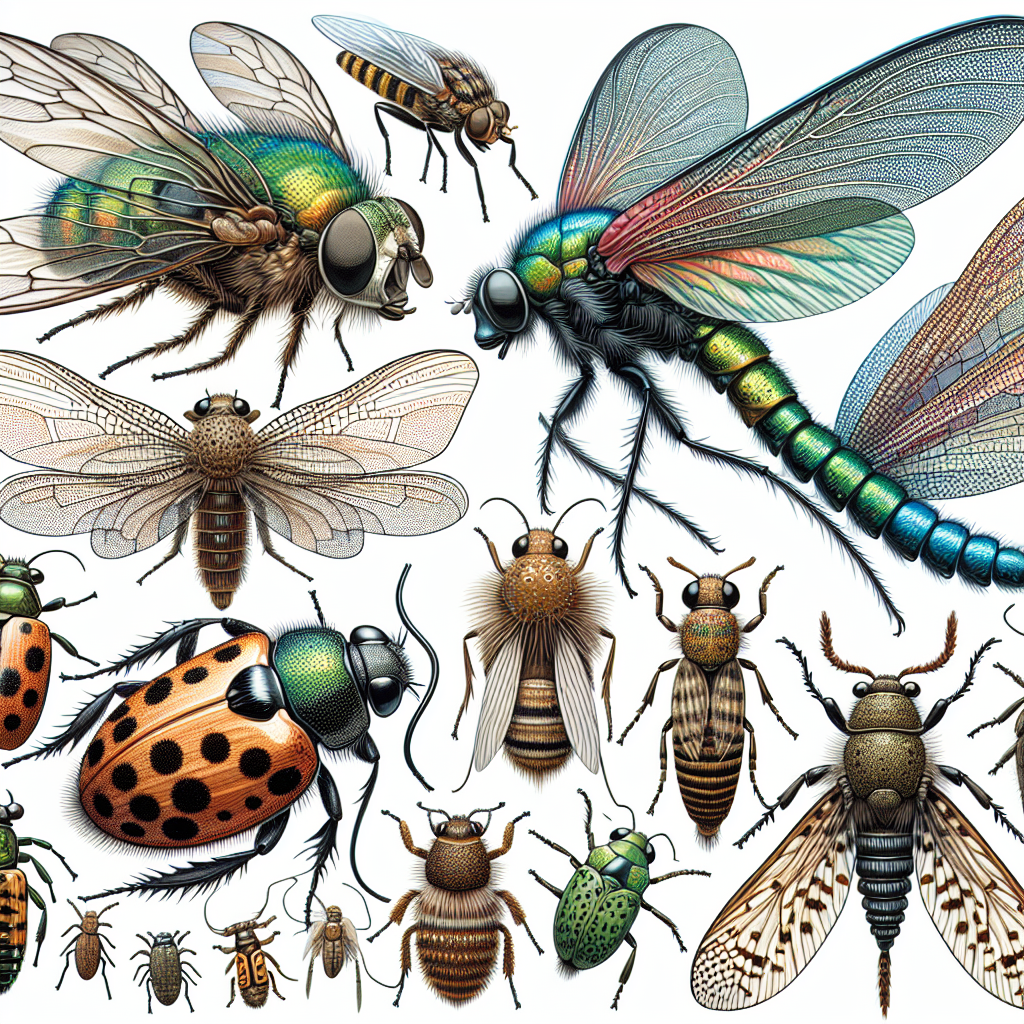
To fully appreciate the role of emergers in fly fishing, it’s beneficial to first understand the lifecycle of aquatic insects, particularly those that are most commonly imitated by fly patterns. The lifecycles generally consist of three stages: nymph, emerger, and adult.
Nymphs are found underwater, clinging to rocks, vegetation, and other submerged surfaces. In this stage, they are still growing and feeding, making them a favorite target for fish. Fly patterns that mimic nymphs are designed to look like small underwater insects.
As nymphs mature, they rise to the surface and transform into adult insects. This transitional phase is what creates the “emerger.” During this journey, the insect struggles to break free from its nymphal shuck and emerge as a fully-fledged adult. This is a vulnerable moment for the insect and a prime feeding time for fish.
After successfully emerging, the insect becomes an adult, often seen skating on the water’s surface or taking flight. Adult fly patterns mimic these fully developed insects. However, it’s the transition stage, the emerger phase, that offers the best of both worlds for fish: easy prey that is high in nutritional value.
Types of Emerger Patterns
Emerger patterns can be broadly classified into several types based on their design and the specific stage they represent. Some popular types include:
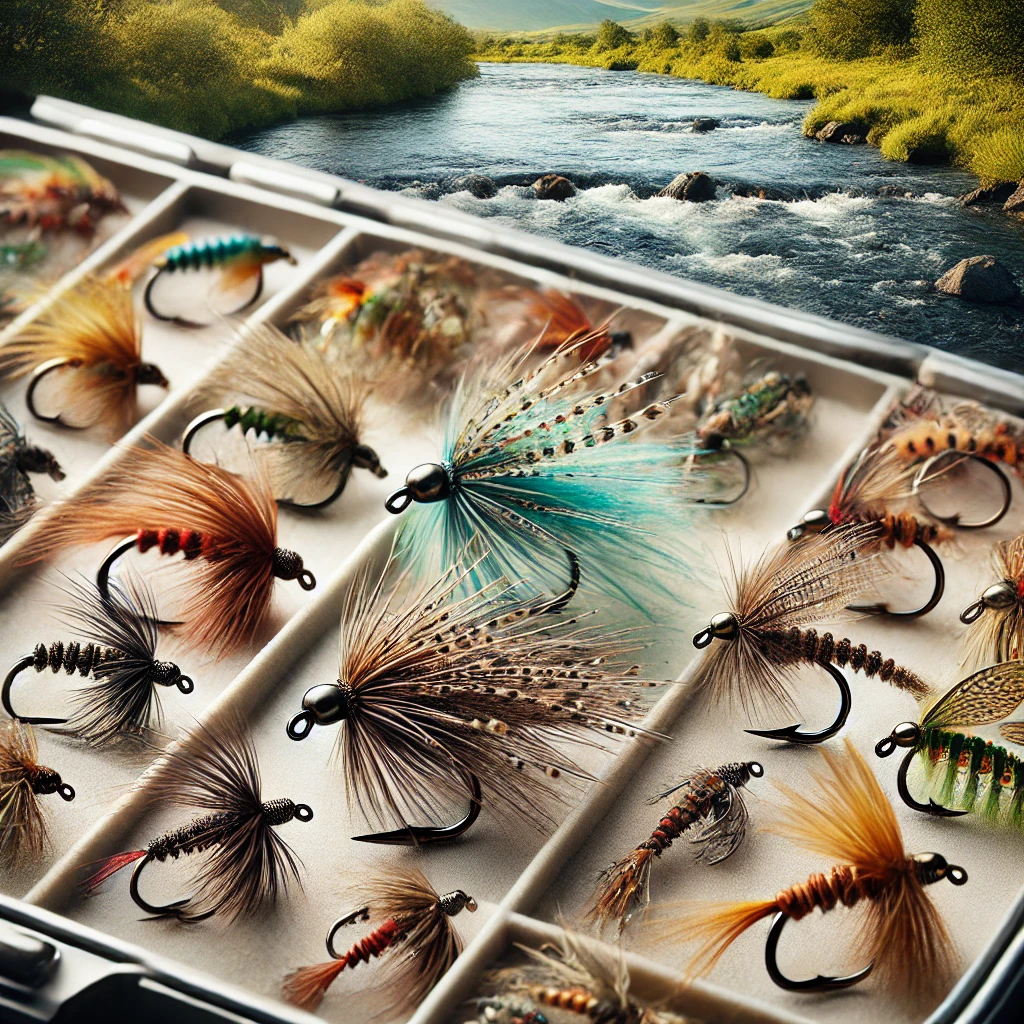
- Soft Hackle Emergers: This pattern utilizes soft hackle feathers that move enticingly in the water, mimicking the emergent nymph’s struggling movements.
- Trailing Shuck Emergers: These flies sport a trailing shuck, which is a small tuft of material that imitates the nymphal skin that the insect is shedding during emergence.
- Parachute Emergers: Often resembling traditional dry flies but with the addition of a submerged or partially submerged abdomen, making them equally effective in both dry and wet fly situations.
- Bubble Back Emergers: These patterns feature a bubble-like addition on their back, representing trapped air that real emergers use to ascend to the surface.
Each type has its own specific use and effectiveness, and knowing when to use which pattern can be the difference between a successful outing and a fishless day. Soft hackle emergers, for instance, are effective in faster waters where the movement can attract more attention, whereas trailing shuck emergers are often used in still waters where insects can get stuck during the emergence process.

Tying Emerger Patterns
Tying your own emerger patterns can be a rewarding experience, providing both a sense of accomplishment and a deeper understanding of fly design. Basic materials often include:
- Hook: Typically, emerger patterns use curved hooks (e.g., size 16-20) to mimic the natural curve of an emerging insect.
- Thread: Fine thread in colors that match the natural insect.
- Body: Made from dubbing materials that can match the emerging nymph’s color and texture.
- Wing/Post: Materials like white foam or poly yarn to imitate the emerging wings.
- Hackle: Soft hackle feathers to provide a lifelike movement.
Here is a simple guide to tie a Soft Hackle Emerger:
- Start the thread on the curved hook and wrap it to mid-shank.
- Add a small amount of dubbing to create a slender, segmented body.
- Tie in a soft hackle feather at the mid-shank and wrap it around the hook 2-3 times.
- Trim any excess hackle and finish with a small whip finish or a few half hitches.
- Add a drop of head cement to secure the thread.
And there you have it, a basic Soft Hackle Emerger that can be a game-changer in your fly box. Experiment with different materials and sizes to match the local hatch.
Fishing Techniques and Strategies
Once you have your emerger patterns ready, it’s time to put them to use. Fishing emergers effectively requires a blend of technique and observation.
Identify Rising Fish: The first step is to spot fish that are actively feeding on emergers. Look for subtle rises where fish break the water’s surface gently, suggesting they are targeting insects just below or at the surface.
Presentation: Presentation is key when fishing emerger patterns. Since these insects are in a vulnerable state, a delicate and natural presentation will yield the best results. Cast upstream and let your fly drift naturally with the current.
Floating Line and Leader: Using a floating line and a long leader (9-12 feet) helps in maintaining a natural drift. Emergers should be presented with minimal drag; any unnatural movement can deter fish.
Indicator Use: While some anglers prefer to fish emergers without an indicator, a small strike indicator can help detect subtle takes. Just ensure it doesn’t hinder the natural movement of your fly.
Always be open to changing your approach based on the behavior of the fish and the specific conditions of the fishing spot. Conditions can change, and so should your tactics.
Tips from Experienced Anglers
Learning from experienced anglers can significantly shorten your learning curve. Here are some tips and tricks from seasoned fly fishermen:
Match the Hatch: Pay attention to the insects around you. Matching the size, color, and shape of natural emergers can be crucial in fooling fish.
Carry a Variety of Patterns: Fish can be picky, and what works one day might not work the next. Carry a variety of emerger patterns to cover different scenarios.
Time of Day: Emerger activity often peaks during specific times of the day, usually early morning and late evening. Be prepared to fish these windows for the best results.
Observe and Adapt: Spend time observing the water and fish behavior before casting. This will help you adapt your technique and pattern choice more effectively.
Practice Casting: Accurate casting is crucial, especially when trying to place your emerger in front of a feeding fish. Practice in different conditions to improve your skill.
Implementing these tips can make a significant difference in your fly fishing success, turning more strikes into landed fish.
Conclusion
Mastering the use of emerger fly patterns is an essential skill for any serious fly fisherman. Understanding the significance of this life stage, knowing how to tie effective patterns, and employing the right fishing techniques can drastically improve your success rate on the water.
Remember, fishing is as much about observation and adaptation as it is about skill and equipment. Pay attention to the behavior of the fish and the insects, and don’t be afraid to switch things up if what you’re doing isn’t working.
Whether you’re tying a simple Soft Hackle Emerger or a more complex Parachute Emerger, the effort you put into understanding and using these patterns will pay off in the long run. The next time you’re out on the water, with a well-stocked fly box of emergers and a keen eye for subtle rises, you’ll be better equipped to make the most of this vital stage in fly fishing.
Happy fishing, and tight lines!