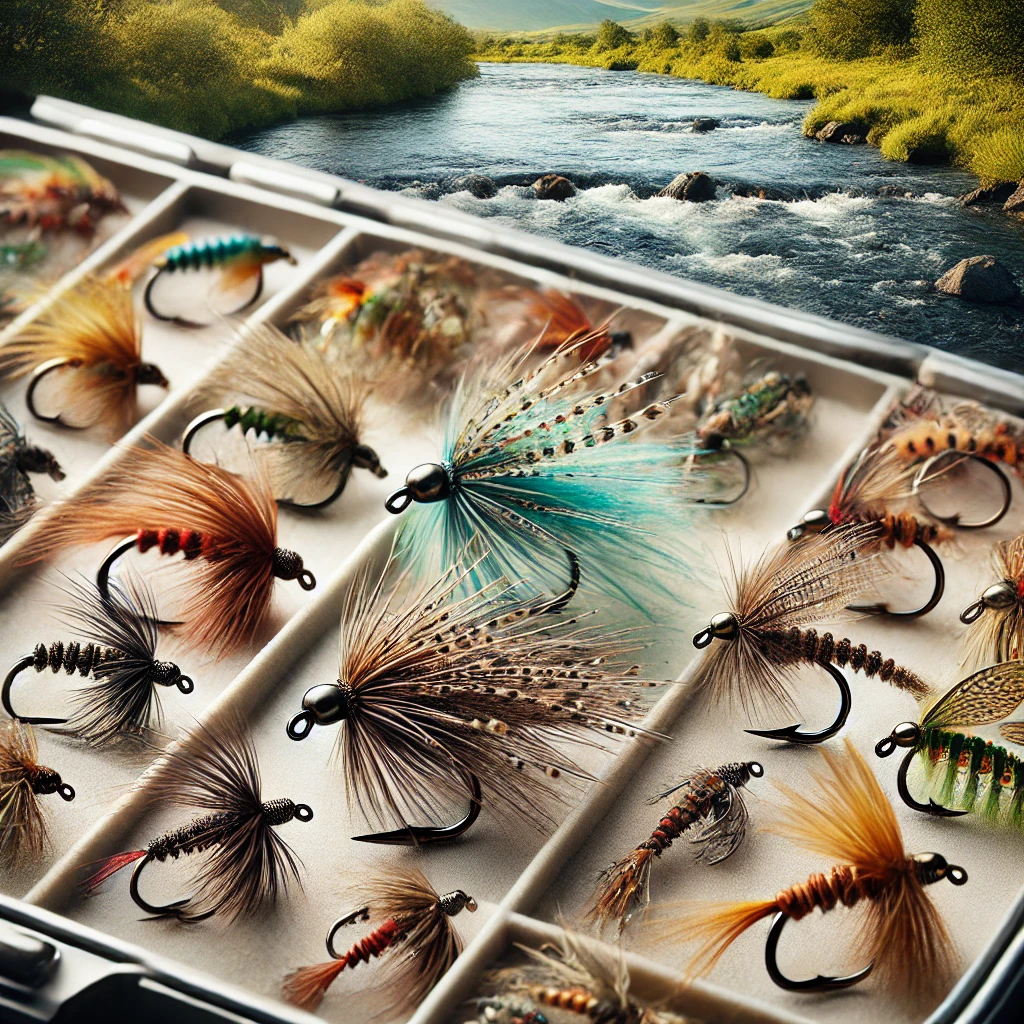
Streamer fishing is a dynamic and thrilling aspect of fly fishing, offering a dazzling array of fly patterns designed to imitate baitfish. Baitfish imitations, or streamers, mimic the natural prey of predatory fish, making them an essential tool in any fly fisher’s arsenal. Understanding the types of baitfish imitations available and how to tie them can significantly enhance your fishing success.
Introduction to Streamers
Streamers are a category of flies that are designed to mimic small fish or other aquatic animals. Unlike dry flies that float on the surface or nymphs that drift with the current underwater, streamers are actively retrieved to simulate the movement of prey. This style of fly fishing can trigger aggressive strikes from larger fish, such as trout, bass, and pike.
The concept of using streamers originates from the natural predation habits of fish. Larger fish are consistently on the lookout for easy meals, which typically include smaller fish, minnows, and other baitfish. By presenting a well-crafted streamer that closely resembles these natural prey items, anglers can entice predatory fish into striking.
In this article, we will explore some of the most effective streamer patterns and provide a guide on how to tie them. Whether you are a seasoned fly fisher or just getting started, mastering baitfish imitations can undoubtedly elevate your fishing experience.
Popular Streamer Patterns
When it comes to streamers, there are countless patterns to choose from. However, a few have stood the test of time and proven their effectiveness across various fishing conditions. Here are some of the most popular streamer patterns:
The Woolly Bugger
The Woolly Bugger is arguably one of the most versatile and effective streamer patterns ever created. Its simple yet lifelike design makes it a reliable choice for imitating a wide range of baitfish and aquatic creatures. The Woolly Bugger can be tied in various colors and sizes, allowing anglers to match the local prey species accurately.
The Clouser Minnow
The Clouser Minnow, created by Bob Clouser, is another staple in the world of streamer fishing. This pattern features a weighted head, which helps it sink quickly and swim with a lifelike action. The Clouser Minnow is particularly effective for targeting deeper waters and can be tied in numerous color combinations to match different baitfish species.
The Muddler Minnow
The Muddler Minnow is a classic pattern known for its buoyant deer hair head, which gives it a unique swimming action. This pattern is especially effective in fast-moving waters and can represent various prey, including sculpins and small minnows. The Muddler Minnow’s distinctive silhouette makes it an attractive target for predatory fish.
Tying the Woolly Bugger
Tying your own streamers can be a rewarding experience that allows you to customize patterns to suit local fishing conditions. Here’s a step-by-step guide to tying the Woolly Bugger:
Materials Needed
- Hook: Streamer hook, size 4-10
- Thread: Black or olive
- Tail: Marabou feather
- Body: Chenille or dubbing
- Hackle: Saddle hackle feather
- Ribbing: Copper wire (optional)
Steps
- Secure the hook in the vise and start the thread behind the hook eye, wrapping it back to the bend.
- Tie in a marabou feather for the tail, ensuring it is about the length of the hook shank.
- Attach the copper wire (if using) at the base of the tail and leave it hanging for later ribbing.
- Tie in the chenille at the base of the tail and wrap it forward to form the body. Secure it with thread.
- Select a saddle hackle feather and tie it in by the base at the hook bend. Wrap the hackle forward in even turns, creating a palmered hackle effect. Secure the hackle at the hook eye.
- If using copper wire, wrap it forward through the hackle turns to secure them and add durability. Secure the wire at the hook eye.
- Whip finish and trim any excess thread. Apply head cement to ensure durability.

Tying the Clouser Minnow
The Clouser Minnow is another essential pattern for any angler. Here is a tutorial for tying this effective streamer:
Materials Needed
- Hook: Streamer hook, size 2-6
- Thread: White or color to match the fly
- Eyes: Dumbbell eyes
- Underwing: Bucktail
- Overwing: Bucktail
- Flash: Krystal Flash or Flashabou
Steps
- Secure the hook in the vise and start the thread behind the hook eye, wrapping back to the bend.
- Tie in the dumbbell eyes about one-third of the way back from the hook eye, securing them with figure-eight wraps.
- Flip the hook over so it rides hook point up in the water.
- Select a small clump of bucktail for the underwing and tie it in just behind the dumbbell eyes. Trim any excess.
- Add a few strands of flash material on top of the underwing, securing them with thread wraps.
- Select another clump of bucktail for the overwing and tie it in on top of the underwing and flash.
- Whip finish and trim any excess thread. Apply head cement to ensure durability.
Matching the Hatch
One of the keys to successful streamer fishing is matching the local baitfish species, a concept known as “matching the hatch.” This involves selecting streamers that closely resemble the size, shape, and color of the prevalent baitfish in the water you are fishing.
Observing the local fish population and speaking with other anglers can provide valuable insights into the types of prey that predatory fish are feeding on. By customizing your streamer patterns to mimic these prey items, you can increase your chances of attracting strikes.
Fishing Techniques for Streamers
Fishing streamers requires a different approach than nymphing or dry fly fishing. Here are some essential techniques to keep in mind:
Retrieve Speed
Varying the speed of your retrieve can make a significant difference in enticing fish to strike. Experiment with slow, steady retrieves and quick, erratic strips to see what triggers the most reaction.
Depth Control
Streamers can be fished at various depths, depending on the weight of the fly and the type of line you are using. Using sinking lines or adding weight to your leader can help you reach deeper water where predatory fish often lurk.
Covering Water
Streamer fishing is an active pursuit that often involves covering a lot of water. Cast your streamer across different sections of the river or lake, varying your retrieve pattern and speed to find where the fish are holding.
Conclusion
Baitfish imitations, or streamers, are an indispensable tool for any fly fisher. By mastering popular patterns like the Woolly Bugger and Clouser Minnow, and learning how to tie and fish them effectively, you can significantly enhance your chances of success on the water. Remember to observe the local baitfish, match your patterns accordingly, and experiment with different retrieves and depths to find what works best in your fishing environment. Happy fishing!