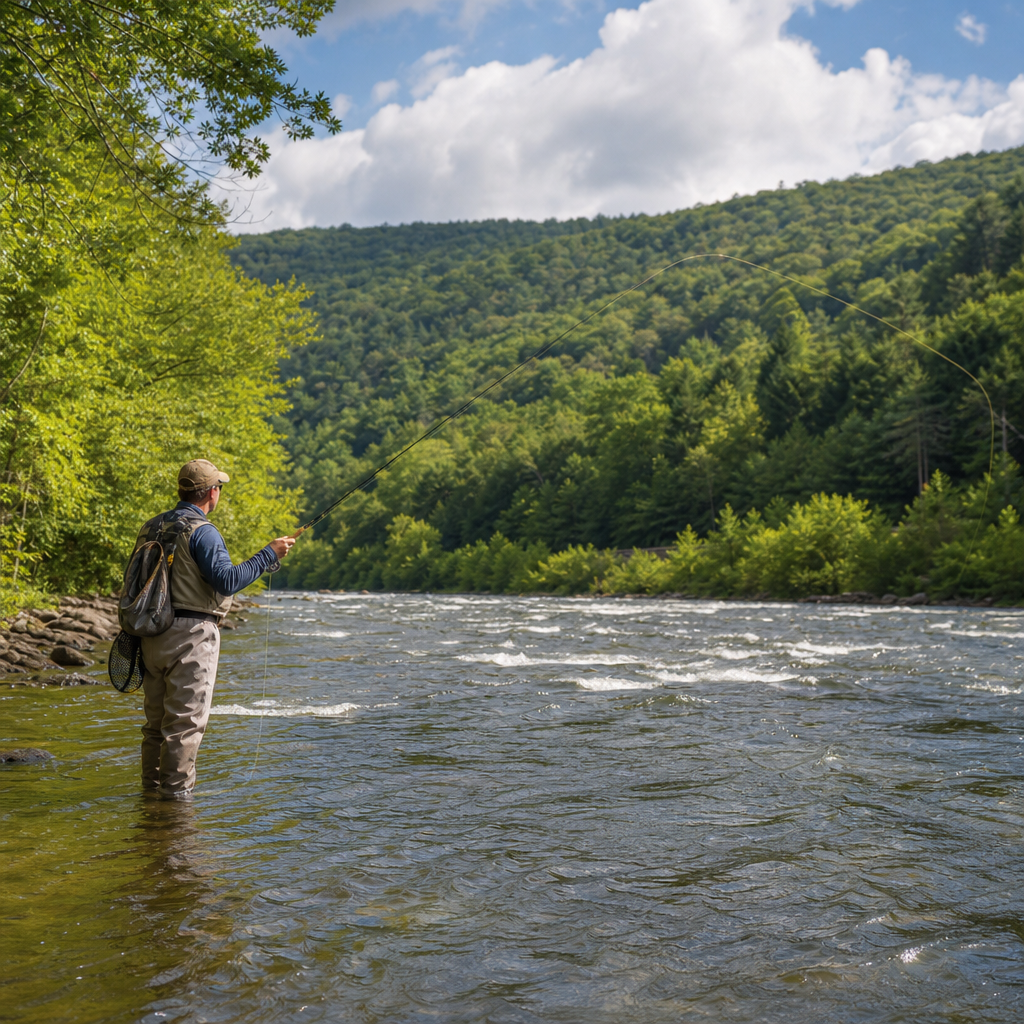
Pennsylvania’s best fly fishing locations span limestone spring creeks, freestone mountain rivers, tailwaters, and Great Lakes tributaries, making the state one of North America’s most complete freshwater destinations for trout, bass, steelhead, and migratory salmon. For anglers planning a fly fishing destinations shortlist, Pennsylvania matters because it offers unusual geographic range within a single state: cold Appalachian headwaters in the center, fertile spring-fed valleys in the south, broad warmwater rivers in the west, and Lake Erie tributaries in the northwest. I have fished these waters across caddis blizzards, sulphur evenings, and steelhead runs, and the state consistently rewards anglers who match their approach to water type rather than chasing a single famous name.
Understanding Pennsylvania fly fishing starts with a few core terms. A freestone stream is rainfall and snowmelt driven, often variable in temperature and flow, with pocket water, plunge pools, and classic riffle-run sequences. A limestone stream is spring influenced, chemically fertile, and often more stable, which supports dense aquatic insect life and selective trout. A tailwater flows below a dam, where controlled releases can moderate temperature and create year-round fisheries. Tributary fishing around Lake Erie is different again, built around runs of steelhead and salmon moving in from the lake. Because these systems behave differently, they demand different flies, leaders, and expectations.
This guide serves as a North America hub within fly fishing destinations because Pennsylvania connects to broader continental patterns. If you are comparing Eastern trout states, looking for steelhead alternatives to New York or Ohio, or planning a mixed-species road trip that includes smallmouth bass and wild brook trout, Pennsylvania belongs in the conversation. It is also unusually accessible. The Pennsylvania Fish and Boat Commission maintains extensive public access, cooperative nursery waters, delayed harvest zones, and Class A Wild Trout waters. Add proximity to major metro areas such as Pittsburgh, Philadelphia, Baltimore, Washington, and New York, and you have a destination that works for weekend anglers and traveling fly fishers alike.
The best locations are not simply the most famous rivers. The real value lies in choosing water that fits season, skill level, and target species. Spring Creek can humble experienced anglers with technical dry-fly fishing, while Penns Creek may deliver a more spacious and varied experience during major hatches. The Little Juniata gives reliable trout fishing over long reaches, and the Delaware system offers large-river scale with strong wild fish. Erie tributaries create one of the East’s top steelhead scenes, while the Susquehanna and Allegheny open the door to excellent smallmouth bass on a fly rod. Taken together, these fisheries make Pennsylvania not just a great trout state, but one of the most versatile fly fishing destinations in North America.
Central Pennsylvania limestone and freestone classics
Central Pennsylvania is the heart of the state’s fly fishing identity, and if you only fish one region, make it this one. Spring Creek near State College is the benchmark limestone stream. It stays relatively stable through much of the year, supports dense populations of brown trout, and produces hatches that reward exact presentation. Midges, Blue-Winged Olives, cress bugs, scuds, sulphurs, and Tricos all matter here. On calm days, fish may inspect a fly for several feet before refusing, so slack-line casts, long leaders, and precise drift control are essential. The famous Fisherman’s Paradise section is a useful starting point, but other public reaches often spread pressure better and fish just as well.
Penns Creek is different in mood and mechanics. It is larger, wilder, and more freestone in character, with a legendary Green Drake emergence that draws anglers from across the East. During the drake hatch, fish can move with startling confidence, yet the river is no one-hatch wonder. March Browns, sulphurs, caddis, and terrestrial patterns all have their moment, and the stream’s varied structure supports both wading and floating opportunities depending on section and flow. The tunnel area and stretches through Poe Paddy are iconic, but success on Penns often comes from covering water intelligently, reading seams along boulders, and fishing the fading light when larger browns slide out.
The Little Juniata River, usually called the Little J, rounds out the central trio. It is one of the best all-around wild brown trout rivers in the state because it combines long public access, relatively forgiving casting lanes in many sections, and a healthy population structure. Sulphurs are the headline hatch, but caddis, BWOs, Isonychia, and terrestrials can fish well through long periods. The Little J also handles moderate fishing pressure better than many technical streams because it has enough length and habitat diversity to let anglers spread out. If someone asks me where to start in Pennsylvania trout country, I often suggest the Little J first, Spring Creek second, and Penns when they are ready for a bigger, more atmospheric challenge.
Big river trout on the Delaware system
The Delaware River system offers Pennsylvania anglers something few Eastern destinations can match: a true big-river trout experience with substantial wild fish, strong hatches, and enough water to absorb serious exploration. The upper main stem, the West Branch, and the East Branch are often discussed in New York terms, but from a fly fishing destinations perspective they are inseparable from Pennsylvania planning. Anglers staying in the Poconos or northeastern part of the state regularly fish the Delaware as a centerpiece trip. These waters are heavily influenced by dam releases and weather patterns, so understanding flow, water temperature, and drift-boat logistics is part of fishing them well.
The West Branch Delaware is the best known technical dry-fly fishery in the system. Cold releases from Cannonsville Reservoir help maintain trout habitat through summer, and long riffles, flats, and bankside lies create classic mayfly water. Sulphurs, March Browns, caddis, olives, and summer spinners all matter. Trout can be highly leader shy, especially during low clear periods, and many anglers fish 12- to 15-foot leaders with fine tippet. The reward is real size. It is a river where twenty-inch fish are plausible, not mythical, and where patient anglers who observe rise forms and insect timing often outperform those who cast constantly.
The main stem Delaware below Hancock is broader and more migratory in feel, with long drifts, changing channels, and a blend of trout opportunity that often improves for anglers with a boat. Wading exists, but this is fundamentally a float river. For traveling anglers, the Delaware is ideal when you want a destination that feels expansive rather than intimate. Guide services in the region have refined drift-boat dry-fly fishing to a high level, and that matters because boat positioning on a broad current seam can be the difference between a dozen quality shots and a frustrating day of reach casts into bad angles. Pennsylvania anglers willing to invest in local expertise often unlock the system much faster.
Northwest Pennsylvania steelhead and migratory runs
When people ask where to fly fish for steelhead in Pennsylvania, the direct answer is Lake Erie’s tributaries. Elk Creek, Walnut Creek, Twenty Mile Creek, and several smaller systems host annual runs that make the northwest corner a major fall, winter, and spring destination. Fish enter on rain events and stage in pools, riffles, and softer walking-speed runs. Compared with many trout streams, presentations are more about depth, drift, and lane control than exact hatch matching. Egg patterns, nymphs, sucker spawn, stoneflies, and streamers all produce, and water color often dictates success as much as fly choice.
Elk Creek is the region’s headline fishery because of its length, public access, and ability to spread anglers across many miles. In prime conditions, steelhead may hold from lower reaches well into upper sections. Walnut Creek is more compact and famous for easy access, which also means concentrated crowds. Twenty Mile Creek can fish beautifully, especially for anglers willing to hike and adapt to changing flow. The best strategy is not loyalty to one stream but mobility. I have seen anglers spend all morning forcing a crowded muddy creek while another tributary fifteen minutes away had ideal green water and fresh fish. Checking stream gauges, rainfall, and tributary reports before first light is part of the game.
| Location | Primary Species | Best Seasons | Why It Stands Out |
|---|---|---|---|
| Spring Creek | Wild brown trout | Spring, summer, fall | Technical limestone hatches and stable flows |
| Penns Creek | Brown trout, some brook trout | Late spring through fall | Green Drake hatch and classic freestone structure |
| Little Juniata | Wild brown trout | Spring through fall | Long public access and reliable all-around fishing |
| Delaware System | Wild brown and rainbow trout | Spring through early fall | Big-river dry-fly fishing with trophy potential |
| Erie Tributaries | Steelhead, salmon | Fall, winter, spring | Strong migratory runs and accessible public water |
| Susquehanna and Allegheny | Smallmouth bass | Late spring through early fall | Excellent warmwater fly fishing on scenic rivers |
Timing matters more here than anywhere else in the state. Fall rains pull fish in, winter can offer excellent fishing with less pressure, and spring often brings another strong push of chrome-bright steelhead. Water levels can rise or drop dramatically, changing access and safety in hours. A short, powerful two-hand rod or a 7-weight single hand setup works well, though many anglers still fish 9-foot 6-weights when conditions are moderate. Dense crowds are the tradeoff for accessibility, so weekdays, poor-weather windows, and upstream walks often provide the best experience.
Warmwater standouts: Susquehanna, Allegheny, and Youghiogheny
Pennsylvania’s best fly fishing locations are not limited to trout. The Susquehanna River is one of the East’s signature smallmouth bass rivers, especially around middle-river sections with broad ledges, grass beds, and current breaks that reward streamer and popper fishing. From late May through September, crayfish patterns, baitfish streamers, and deer-hair bugs can produce fast action. Water temperature, forage, and current speed matter more than hatch charts. On overcast summer mornings, I often look first for broken riffle water near boulder edges, where aggressive bass pin minnows and strike moving flies with little hesitation.
The Allegheny River in western Pennsylvania adds a different smallmouth profile, with long pools, islands, and productive summer floats. It also offers musky potential in some reaches, which makes it attractive for anglers who want a mixed warmwater trip. The Youghiogheny, particularly lower sections, can produce strong smallmouth fishing as well, though flows and boating conditions require attention. Warmwater fly fishing here is practical and underrated. A 6- or 7-weight rod, floating line, a handful of Clouser Minnows, game changers, craw patterns, and topwater bugs can cover most situations. If your North America fly fishing plans usually focus on trout, Pennsylvania’s bass rivers are the reminder that a destination can be elite in more than one category.
These rivers also broaden the season. Summer afternoons that make trout streams warm and stressful can be prime for bass. That flexibility is valuable for visiting anglers. Instead of forcing midday trout fishing in July, you can fish a cool limestone morning, take a break, then float warmwater in the evening. From a trip-planning standpoint, few states offer that kind of same-day species diversity without long drives between fisheries.
Wild brook trout, mountain streams, and practical trip planning
For anglers who define quality by wildness rather than fish size, Pennsylvania’s mountain streams are a major draw. The state has thousands of miles of trout water, and many Class A Wild Trout streams in the Appalachians hold native brook trout or mixed wild trout populations. Streams in north-central and northeastern forests, including portions of Kettle Creek drainage, Loyalsock tributaries, and remote state forest waters, deliver the intimate side of Pennsylvania fly fishing. These fisheries are usually about short casts, stealth, and rough-terrain walking. A 3-weight, bushy attractors, small beadhead nymphs, and tolerance for rhododendron tangles go further than perfect hatch matching.
Practical planning improves every Pennsylvania trip. Start with Pennsylvania Fish and Boat Commission regulations, stocking schedules, and Class A listings. Then check USGS gauges, water temperatures, and local fly shop reports. For hatches, central Pennsylvania peaks around late spring into early summer, with sulphurs usually a safe anchor period and Green Drakes more localized and time sensitive. On the Delaware, release schedules and thermal conditions deserve close attention. On Erie tributaries, rainfall and turbidity can matter more than anything in your fly box. Wading safety is nonnegotiable across all regions; felt restrictions, studded boots, staffs, and conservative judgment are often smarter than bravado.
Pennsylvania’s best fly fishing locations ultimately succeed because they give anglers options without sacrificing quality. You can chase technical limestone trout, float a major wild-trout river, swing into steelhead, hunt native brookies in mountain shade, or throw deer-hair bugs to bronzebacks on broad summer flows. Few destinations in North America offer that range with such dense public access and such a strong supporting culture of guides, fly shops, conservation groups, and hatch-driven local knowledge. If you are building a fly fishing destinations list, put Pennsylvania near the top, then use this hub to choose the region and species that fit your season. Pick one river, study its flows and insects, and fish it with intention; the state will give you plenty of reasons to come back.
Frequently Asked Questions
What makes Pennsylvania one of the best fly fishing destinations in the United States?
Pennsylvania stands out because very few states offer such a complete range of fishable water within such a manageable geographic area. Anglers can move from limestone spring creeks with stable flows and dense insect life, to rugged freestone mountain streams full of pocket water, to productive tailwaters with dependable temperatures, and then all the way to Great Lakes tributaries that host runs of steelhead and salmon. That diversity gives fly fishers the chance to target wild and stocked trout, smallmouth bass, carp, steelhead, and migratory salmon without leaving the state.
Another major reason Pennsylvania earns its reputation is the strength of its aquatic ecosystems in key regions. Famous spring creeks and fertile valley waters support excellent hatches, including mayflies, caddis, and midges, while mountain streams provide classic dry-fly and nymphing opportunities in scenic forest settings. On larger rivers, anglers can swing streamers, fish indicator rigs, or target warmwater species during summer. In practical terms, Pennsylvania works for almost every style of fly fisher: technical trout anglers, beginners looking for accessible stocked waters, and destination-focused anglers chasing seasonal steelhead all have legitimate options here.
Which Pennsylvania waters are most popular for trout fly fishing?
Several rivers and creeks consistently rise to the top for trout anglers, and each offers a different experience. Penns Creek is widely respected for its combination of wild trout, strong hatches, and large-scale, classic fly water. Spring Creek is known for rich insect life and technical fishing that rewards precise presentations. Letort Spring Run remains iconic among spring creek enthusiasts because of its clear water, selective trout, and historic place in American fly fishing. Fishing Creek in the central part of the state also deserves attention for its beauty, varied water, and strong trout potential.
Other notable trout destinations include Pine Creek and Kettle Creek for anglers who enjoy more freestone character, as well as the Little Juniata River, which has become a favorite for anglers seeking quality brown trout water with excellent hatch activity. Tailwaters below dams can also be highly productive because they often maintain trout-friendly conditions when smaller streams warm up. The best choice depends on what kind of fishing you want: spring creeks for technical precision, freestones for more varied structure and seasonal movement, and larger rivers for broader hatches and streamer opportunities. Pennsylvania’s strength is that it does not force anglers into one style of trout fishing; it offers many.
When is the best time of year to fly fish in Pennsylvania?
The answer depends on species and water type, but Pennsylvania offers meaningful fly fishing through much of the year. Spring is a premier season for trout because water temperatures are favorable, flows are often healthy, and insect activity builds steadily. This is the period many anglers plan around, especially for mayfly hatches on well-known rivers and spring creeks. Late spring into early summer can be especially productive on limestone waters, where stable conditions and abundant bug life create excellent dry-fly fishing.
Summer can still be very good, especially on tailwaters, colder spring-fed systems, and higher-elevation streams, though anglers need to pay close attention to water temperatures and fish handling. Warmwater species such as smallmouth bass become a major draw during hotter months, particularly on larger rivers. Fall is another standout season, with cooler water, active trout, and some of the year’s best streamer fishing. It is also the prime window for steelhead in the Lake Erie tributaries, often extending into winter depending on flows and weather. Winter fishing remains possible on certain spring creeks and tailwaters, where stable temperatures and midge activity can keep trout feeding. In short, there is no single best season for everyone; Pennsylvania is valuable because it offers different peak opportunities across the calendar.
Where should beginners go fly fishing in Pennsylvania?
Beginners should look for waters that combine easier access, straightforward wading, and healthy fish populations rather than starting on the state’s most technical spring creeks. Many stocked trout streams and delayed-harvest or special regulation areas provide a more forgiving introduction because fish numbers can be good and the learning curve is less steep. Parks, public access stretches, and streams with ample roadside pull-offs can make a big difference for newer anglers who are still learning how to read water, cast efficiently, and manage gear.
For those who specifically want trout, beginner-friendly stretches on medium-sized creeks or stocked sections of larger streams are often better than legendary technical waters where trout are highly selective. If the goal is simply to build confidence, smallmouth bass rivers in warmer months can also be excellent because bass are often more willing than educated trout to chase streamers and poppers. Hiring a local guide is one of the smartest shortcuts in Pennsylvania because the state’s variety can be overwhelming at first. A guide can help a beginner understand seasonal patterns, access rules, wading safety, and fly selection while putting them on water that matches their skill level. That kind of local insight often saves time, avoids frustration, and makes a first Pennsylvania trip far more successful.
What should anglers know about access, regulations, and planning a Pennsylvania fly fishing trip?
Planning matters in Pennsylvania because the state’s fishing opportunities are broad, but access and regulations can vary significantly from one water to another. Anglers should always review Pennsylvania Fish and Boat Commission rules before a trip, paying attention to season dates, approved trout waters, catch-and-release sections, tackle restrictions, and delayed-harvest areas. Some streams are managed under special regulations that can dramatically affect what methods are allowed and what fish may be kept. On top of that, stocking schedules can influence where crowds gather and where fishing may be best at a given time.
Access is another important consideration. Pennsylvania has a strong amount of public fishing water, including state forest lands, parks, and easements, but not every attractive stretch is open to the public. Anglers should verify boundaries, respect private property, and use official maps or local fly shop guidance when exploring unfamiliar streams. Seasonal conditions also matter: spring rains can raise flows quickly on freestone rivers, summer heat can stress trout on marginal waters, and autumn steelhead trips depend heavily on tributary flow levels. Good trip planning usually includes checking stream gauges, weather forecasts, hatch reports, and local shop updates. If you are traveling from out of state, it is smart to build flexibility into your itinerary so you can switch between spring creeks, tailwaters, freestones, or Lake Erie tributaries depending on conditions. That adaptability is one of the biggest advantages of fishing Pennsylvania.