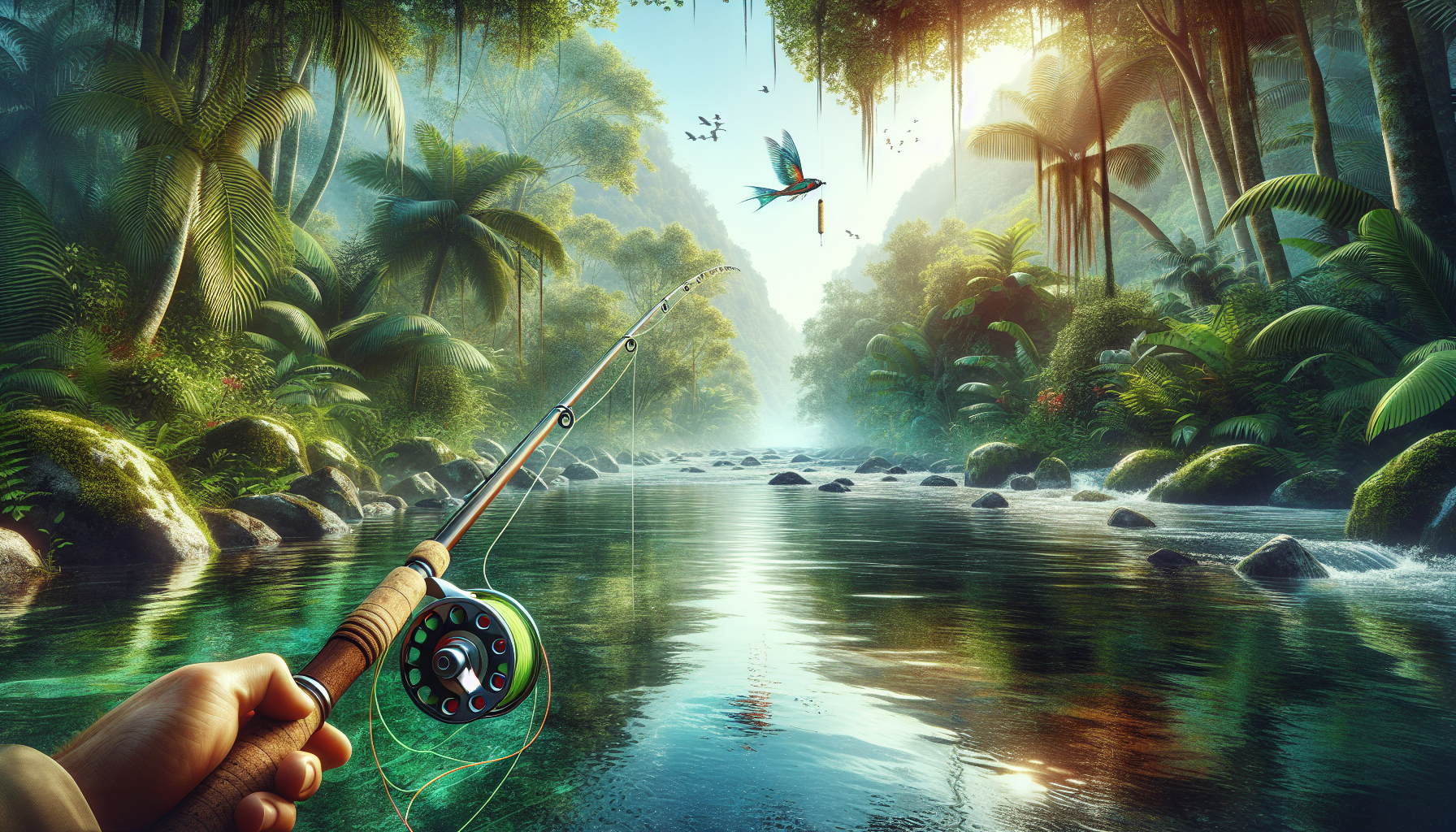
Jungle fly fishing combines technical angling, remote travel, and tropical ecology in a way few other fishing styles can match. In practical terms, it means targeting freshwater or brackish species with a fly rod in rainforest environments, often from dugout canoes, skiffs, or on foot along mangrove edges, jungle rivers, oxbow lagoons, and floodplains. As a hub within the broader Fly Fishing Destinations topic, this guide to adventure fly fishing explains what makes tropical locations different, how to prepare, what gear works, which species to expect, and how to fish responsibly when weather, wildlife, and logistics are part of the challenge.
From experience planning and fishing tropical trips, the biggest mistake travelers make is treating jungle water like a warmer version of trout country. It is not. Heat changes fish behavior. Humidity destroys poorly stored gear. Dense canopy limits casting angles. Seasonal rain can turn a clear creek into a fast, sediment-heavy torrent overnight. In many destinations, including the Amazon basin, Central American tarpon lagoons, and Southeast Asian snakehead waters, the journey to the fishing is part of the equation, and poor preparation can cost you days on the water.
Why does jungle fly fishing matter to traveling anglers? Because some of the world’s most explosive, visual, and species-diverse fly fishing happens in tropical ecosystems. Peacock bass crashing bait in flooded timber, giant tarpon rolling in mangrove channels, arapaima surfacing in blackwater lakes, pacu eating fruit beneath overhanging trees, and snakehead ambushing streamers in weedy backwaters all demand specialized tactics. For anglers researching fly fishing destinations, tropical locations also open the door to true expedition travel, where destination quality depends not just on fish numbers but on access, guides, local communities, conservation, and timing.
Adventure fly fishing in jungle regions also rewards anglers who understand the broader system rather than focusing only on a single pattern or rod weight. Water level, dissolved oxygen, insect activity, tidal movement, fruit drop, baitfish location, and shade lines all influence success. A useful definition is this: jungle fly fishing is destination-driven fly angling in tropical, heavily vegetated environments where logistics, climate, and habitat complexity are as important as casting skill. Once you understand that, every destination decision becomes clearer, from packing tropical fly lines to choosing a lodge, outfitter, or liveaboard operation that can adapt when conditions change.
What Makes Jungle Fly Fishing Different from Other Fly Fishing Destinations
Jungle fisheries are defined by complexity. In mountain trout systems, anglers often read riffles, seams, and insect hatches. In tropical jungle environments, you may be reading submerged timber, bait showers, oxygen-rich inflows, flooded grass, tide pushes, or the brief feeding windows created by cloud cover. Fish are frequently structure-oriented and opportunistic. They hit hard, run into cover, and punish weak hooks, soft split rings, poor knots, and rods with limited lifting power.
The climate changes tackle management as much as fish behavior. Heat softens some fly boxes, weakens adhesives, and degrades leaders left in direct sun. Afternoon storms arrive fast. Wading can be limited by mud, hidden roots, stingrays, caiman habitat, or simply a lack of bank access. Boats are often essential, but unlike technical flats skiffs, many jungle craft are built for transport first and fishing second. That means casting space can be tight, so accuracy and compact loops matter more than elegant long-distance casting.
The other defining factor is unpredictability. On a jungle trip, the best plan is rarely a rigid plan. Good outfitters build mobility into each day, shifting between lagoons, channels, tributaries, and main river edges based on current water levels and fish movement. This is why destination research matters. When comparing fly fishing destinations for adventure travel, ask not just what species are available, but how operators respond when rivers rise, when a lagoon drops out, or when a migration shifts by two weeks.
Best Tropical Locations for Adventure Fly Fishing
The Amazon remains the benchmark for many anglers because it offers scale, diversity, and truly wild settings. Brazil’s Rio Negro system is famous for peacock bass, especially in lower-water windows when fish concentrate around structure and beaches. In Bolivia, secure indigenous territories and protected headwaters have made golden dorado and mixed-species expeditions increasingly relevant to anglers seeking river-based jungle experiences. Colombia also continues to grow as a destination for peacock bass, payara, bicuda, and other predatory species in less pressured systems.
Central America deserves equal attention. Costa Rica and Nicaragua offer tarpon in jungle lagoons and river mouths where short, accurate casts to rolling fish can produce spectacular eats. Belize is usually discussed as a saltwater flats destination, but its mangrove creeks and inland lagoons create crossover opportunities where jungle conditions influence tackle and presentation. In Mexico’s southern systems, especially near mangrove estuaries and jungle-fringed rivers, adventurous anglers can combine inshore species with tropical freshwater exploration.
In Southeast Asia, Thailand, Malaysia, and Indonesia provide jungle fly fishing opportunities for snakehead, mahseer in some regions, and mixed freshwater species. Papua New Guinea stands apart for black bass and barramundi in remote river and lagoon systems, where popper fishing can be brutally physical. Northern Australia’s tropical rivers, while not always thought of as jungle in the classic Amazon sense, share many of the same challenges: heat, monsoonal flows, crocodile-aware boat fishing, and powerful fish around timber and mangroves.
| Region | Primary Species | Best Conditions | Main Challenge |
|---|---|---|---|
| Amazon Basin | Peacock bass, arapaima, payara, pacu | Falling or stable low water | Rapid water-level changes |
| Central America | Tarpon, snook, jungle-associated inshore species | Tidal movement and bait concentration | Heat, humidity, tight casting lanes |
| Southeast Asia | Snakehead, mahseer in select waters | Warm stable weather and active surface feeding | Weed cover and explosive short-strike behavior |
| Papua New Guinea | Black bass, barramundi | Moving water around timber and creek mouths | Abrasion and brute fish strength |
Gear, Fly Selection, and Travel Setup for Jungle Conditions
For most tropical adventure fly fishing, I advise anglers to bring at least two rigged outfits. An 8-weight covers many general situations, including smaller peacock bass, snook, juvenile tarpon, and aggressive river predators. A 9- or 10-weight is the workhorse for larger peacocks, adult tarpon in confined water, black bass, and heavy flies with oversized hooks. For arapaima or truly giant tarpon scenarios, 11- and 12-weight rods are standard. Fast-action rods help punch compact loops into wind and lift line quickly off warm, sticky water.
Lines matter more in the tropics than many anglers expect. Use true tropical cores from manufacturers such as Scientific Anglers, RIO, or Airflo. Coldwater lines become limp and unmanageable in jungle heat. Floating lines cover poppers, gurglers, and shallow baitfish work, while intermediate lines are excellent for mangrove channels and subsurface streamer presentations. Sink tips are useful where fish hold beside timber or in deeper cuts, but full sinking lines can be difficult to manage in snag-heavy environments.
Fly selection should be simple and durable. For peacock bass, large deceivers, hollow-style baitfish, and foam-headed divers in orange, chartreuse, black, white, and fire-tiger variants consistently produce. For tarpon, bunny strip patterns, toad-style flies, and compact baitfish imitations tied on strong hooks outperform delicate patterns. For snakehead, weed-resistant surface bugs and frog profiles are essential. Every jungle box should include heavy mono, fluorocarbon where appropriate, quality split-ring pliers if fishing hybrid setups, corrosion resistance, and hook files. A failed point after one fish can cost the next opportunity.
How to Read Tropical Water and Find Fish Efficiently
The fastest way to improve results is to stop searching for textbook-looking water and start searching for active feeding conditions. In blackwater systems, look for areas where bait gets trapped against timber, sand points, or shoreline indentations. In floodplain lakes, wind can push food and oxygen into one bank and make it fish dramatically better than the opposite side. In tidal jungle systems, creek mouths, drains, and bends that funnel current are high-percentage zones for tarpon and snook.
Shade is a major factor. In tropical heat, predators often position where overhead cover, fallen trees, or cut banks reduce light and ambush prey. Early and late in the day, surface activity can be intense, especially around fruiting trees, bait schools, or oxygen-rich inflows. Midday is not always dead, but fish frequently shift tighter to cover or slightly deeper. This is when an intermediate line, a slower retrieve, or repeated casts to the same target can turn follows into eats.
Listen as much as you look. Jungle water often gives away fish through sound: peacock bass detonations, rolling tarpon, arapaima gulps, bait flicking under pressure, or even fruit dropping near pacu. Local guides are invaluable because they connect these signals to seasonal behavior. When a guide says a lagoon is “too still,” they usually mean more than surface calm; they are reading oxygen, bait presence, and the absence of predator movement built from years on that water.
Presentation Tactics for Peacock Bass, Tarpon, Snakehead, and Other Tropical Species
Peacock bass reward pace, accuracy, and commitment. Most takes come near structure, so place the fly tight to wood, grass edges, or shaded banks, then strip with speed and intent. If a fish boils and misses, do not stop immediately. Many peacocks return and crush a fleeing fly. Use stout hooks and strip-set hard; trout-style lifting loses fish. In very warm water or under bright sun, a pause beside cover can also trigger fish that follow without fully committing.
Tarpon in jungle lagoons are a different game. Rolling fish create urgency, but blind rushing rarely works. Lead the fish, keep the cast compact, and present the fly where it can sink naturally into the lane. Then use short, deliberate strips. In tannic water, profile often matters more than exact color. Black and purple, brown and orange, and natural white patterns all have their place depending on light. Once a tarpon eats, clear line fast, bow on jumps, and expect nearby timber to become an immediate problem.
Snakehead and similar air-breathing tropical predators are often visual targets. They may sit in weed pockets, patrol pads, or guard fry balls. Surface flies excel, but patience is critical. A fish can inspect, swirl, and only then commit. If you strip too early, you pull the fly away. If you strike too early, you miss entirely. Wait until weight comes tight, then drive the hook. Across species, one jungle principle holds: the best presentations are usually the simplest ones delivered accurately under pressure.
Safety, Conservation, and Choosing a Reliable Outfitter
Adventure fly fishing should feel wild, not reckless. Before booking, evaluate operators on four points: access, medical planning, local legitimacy, and fish handling standards. Ask whether guides carry satellite communication devices such as Garmin inReach, whether first-aid kits are on every boat, how transfers work in flood conditions, and what the emergency evacuation plan looks like. In remote tropical locations, those details matter more than lodge marketing photos.
Conservation quality is equally important. The best jungle fisheries are protected by indigenous management, science-based catch-and-release practices, and limited angling pressure. Ask outfitters about hook policies, fight-time expectations for large fish, fish photography rules, and whether they support local communities through employment or access agreements. Serious operations will have clear answers. They will also be transparent about seasonal risk. Any outfitter promising perfect fishing regardless of water level is not being honest.
On the personal side, tropical safety means hydration, sun protection, and infection prevention. Wear long sleeves, a broad-brimmed hat, and quality sunglasses. Pack waterproof wound care, because small cuts can deteriorate fast in humid environments. Respect wildlife and local instructions around caiman, crocodiles, insects, snakes, and river travel. The payoff for doing this well is enormous: jungle fly fishing delivers some of the most memorable moments in all fly fishing destinations, especially for anglers willing to prepare thoroughly and fish with discipline. If you are building an adventure fly fishing shortlist, start with seasonality, species, and outfitter quality, then explore the related destination guides in this sub-pillar to match your skill level, travel tolerance, and target fish.
Jungle fly fishing rewards preparation, adaptability, and respect for the environment more than hero casting or oversized gear alone. The core lessons are straightforward: choose tropical locations based on season and water conditions, bring heat-appropriate tackle, fish high-percentage structure with disciplined presentations, and book with outfitters who understand both safety and conservation. Whether your goal is peacock bass in the Amazon, tarpon in Central American lagoons, snakehead in Southeast Asia, or black bass in Papua New Guinea, success comes from matching tactics to the system rather than forcing familiar habits onto unfamiliar water.
As a hub for adventure fly fishing within Fly Fishing Destinations, this page should help you frame the right questions before you travel and connect your planning to species-specific and region-specific research. The main benefit of doing that work is simple: you spend less time improvising avoidable problems and more time fishing confidently in extraordinary places. Use this guide as your starting point, then move deeper into destination pages, outfitter comparisons, and seasonal planning resources to build a jungle trip that is both realistic and unforgettable.
Frequently Asked Questions
What makes jungle fly fishing different from other fly fishing destinations?
Jungle fly fishing stands apart because it combines demanding angling with the realities of tropical travel, dense vegetation, changing water conditions, and highly reactive fish species. Unlike many trout streams or open flats, jungle environments are rarely simple or predictable. Anglers often fish narrow channels, tannin-stained rivers, oxbow lagoons, flooded forests, mangrove shorelines, and brackish estuaries where visibility, casting space, and fish behavior can shift hour by hour. In many cases, you are not just reading current and structure; you are also adjusting to tides, rain cycles, heat, insect activity, and seasonal flooding that can completely reshape where fish feed and hold.
Another major difference is the technical nature of presentation. Tropical species often strike with speed and violence, but they can also be selective about retrieve, fly profile, and how a fly lands near timber, undercut banks, root systems, or shaded current seams. Short, accurate casts usually matter more than long hero casts. Heavy cover, aggressive fish, and abrasive environments also place greater stress on tackle. Leaders, knots, hooks, and drag systems need to hold up against wood, rocks, mangrove roots, and powerful runs in confined water.
There is also a strong expedition element to jungle fly fishing. Access may involve boats, local guides, long transfers, or walking remote banks in humid conditions. Safety and logistics are a bigger part of the experience than in many mainstream fisheries. Weatherproof gear, hydration, sun protection, first-aid supplies, and respect for wildlife are not optional extras; they are core parts of fishing effectively and comfortably. That combination of technical casting, species diversity, ecological complexity, and real adventure is what makes jungle fly fishing so distinctive within tropical fly fishing destinations.
What species can you target in tropical jungle environments with a fly rod?
Tropical jungle fisheries can support an impressive range of freshwater and brackish species, and the exact mix depends on the region. In South America, anglers often pursue peacock bass, payara, bicuda, wolf fish, arawana, and various catfish in jungle rivers, lagoons, and flooded timber. In Central America and coastal tropical zones, snook, tarpon, jacks, and snapper may be available where jungle rivers meet estuaries and mangrove systems. In other parts of the world, species may include barramundi, jungle perch, mahseer, pacu, or other strong, structure-oriented fish adapted to warm, oxygen-variable waters.
What these fish often have in common is aggression, speed, and a close relationship to cover. Many jungle species use shade lines, submerged timber, root masses, current breaks, and bait-rich pockets as ambush zones. That means fly anglers need to think less like they are covering broad open water and more like they are hunting specific lies with efficient, repeated casts. Some fish crush large streamers near structure, while others respond better to baitfish patterns, poppers, divers, deceivers, or compact flies stripped at very specific speeds.
It is also important to understand that jungle destinations can be mixed fisheries. In a single day, you may fish freshwater upstream in the morning, probe flooded edges at midday, and then move toward brackish mangroves on a falling tide. That variety is part of the appeal, but it also means fly selection and tackle planning should be versatile. A well-prepared angler researches the regional species list, asks local outfitters about seasonal windows, and builds a system that can handle both explosive topwater takes and deep, hard-fighting fish around cover.
What gear and fly tackle work best for jungle fly fishing in tropical locations?
The best jungle fly fishing tackle balances power, durability, and versatility. For most tropical freshwater and light brackish applications, anglers commonly carry rods in the 7-weight through 10-weight range, depending on the target species and the size of flies being cast. An 8-weight is often the all-around workhorse because it can handle warmwater predators, larger baitfish patterns, and windy conditions without becoming overly specialized. Heavier rods may be needed for big flies, strong fish, or mangrove and estuary species that can make fast, punishing runs.
Reels should have smooth, sealed drags and enough backing capacity for fish that surge into current or open channels. In jungle environments, reels are exposed to heat, humidity, grit, mud, rain, and sometimes brackish water, so toughness matters. Fly lines should match the water being covered: floating lines are excellent for banks, poppers, and shallow cover; intermediate lines are useful in mangroves and slow channels; and sinking or sink-tip lines help get flies down in deeper runs or heavy current. Tropical-rated fly lines are especially important because standard coldwater lines can become limp or sticky in hot conditions.
Leaders and terminal tackle deserve extra attention. Jungle fish often live around abrasive structure, so short, strong leaders and shock tippets are common. Sharp, corrosion-resistant hooks are critical, especially when fish strike hard and fast. Productive fly patterns usually include streamers, baitfish imitations, poppers, divers, and bulky profiles that push water or trigger reaction strikes. Color choices should reflect local forage and water clarity, but black, chartreuse, olive, white, yellow, and fire-tiger style combinations are often effective in stained or low-light jungle water.
Beyond rod-and-reel gear, practical equipment can make or break the trip. High-quality pliers, waterproof packs, stripping guards, polarized sunglasses, quick-dry sun clothing, waterproof phone or camera protection, and reliable footwear all matter. In many tropical settings, the best tackle setup is not just the one that catches fish; it is the one that still functions after rain, mud, humidity, and repeated encounters with wood, sand, and rough boat travel.
How should you prepare for the climate, travel, and safety challenges of a jungle fly fishing trip?
Preparation for jungle fly fishing should begin well before the first cast. Tropical environments can be physically demanding, with high humidity, intense sun, sudden rain, slippery footing, biting insects, and long travel days. Good preparation starts with clothing and personal systems. Lightweight, long-sleeve sun shirts, breathable pants, neck gaiters, wide-brim hats, and dependable rain gear help regulate temperature and protect skin. Hydration is just as important as clothing. Anglers should expect to drink more water than usual and keep electrolytes on hand, especially during full days on exposed skiffs, canoes, or riverbanks.
Travel logistics also deserve close attention. Remote jungle fishing often involves strict baggage limits, transfer windows, charter boats, or local transport schedules. Rod tubes, fly storage, waterproof duffels, and clearly organized tackle save frustration in the field. It is smart to pack critical items such as medications, sunglasses, one fly setup, and essential fishing accessories in carry-on luggage whenever possible. If the destination is truly remote, replacements may not be easy to find. Confirm passport validity, vaccinations, travel insurance, and any regional health recommendations well in advance.
Safety in tropical fisheries is about awareness more than fear. Listen carefully to guides regarding currents, weather, wildlife, and local navigation. Jungle rivers and estuaries can contain hazards ranging from submerged timber and unstable banks to stingrays, crocodilians, snakes, insects, and sharp mangrove roots. Wear footwear suited to wet, uneven terrain, keep hands clear of places you cannot see, and avoid rushing when stepping in or out of boats. Basic first-aid supplies, waterproof communication plans, and a simple routine for checking cuts, hooks, and gear after each session go a long way.
Finally, the best preparation is mental flexibility. Tropical fishing is rarely sterile or controlled. Rain may move fish. Water levels may rise. A plan may change because a guide sees bait in a different creek or better tide flow along another mangrove edge. Anglers who stay adaptable, trust local knowledge, and treat the trip as both a fishing challenge and a wilderness experience usually get the most out of jungle destinations.
What are the most effective strategies for finding and catching fish in jungle rivers, lagoons, and mangroves?
The most effective jungle fly fishing strategy is to focus on structure, timing, and presentation rather than covering water randomly. In tropical systems, fish often relate tightly to ambush points such as laydowns, root tangles, undercut banks, fallen palms, shade pockets, creek mouths, flooded grass lines, and current seams. Start by identifying places where food is naturally concentrated and where fish can hold with minimal effort. In rivers, that might mean eddies below timber, inside bends, and transitions between fast and slow water. In lagoons, look for bait movement, drop-offs, weed edges, and submerged wood. In mangroves, pay close attention to tidal flow, points, drains, and shaded pockets where predators wait for prey to sweep past.
Presentation is usually the deciding factor. Accurate casts placed close to cover are often more important than distance. A fly that lands too far from the bank, root line, or logjam may be ignored entirely. Retrieve speed matters as well. Some species want a fast, erratic strip that triggers a chase response, while others respond best to a pause, twitch