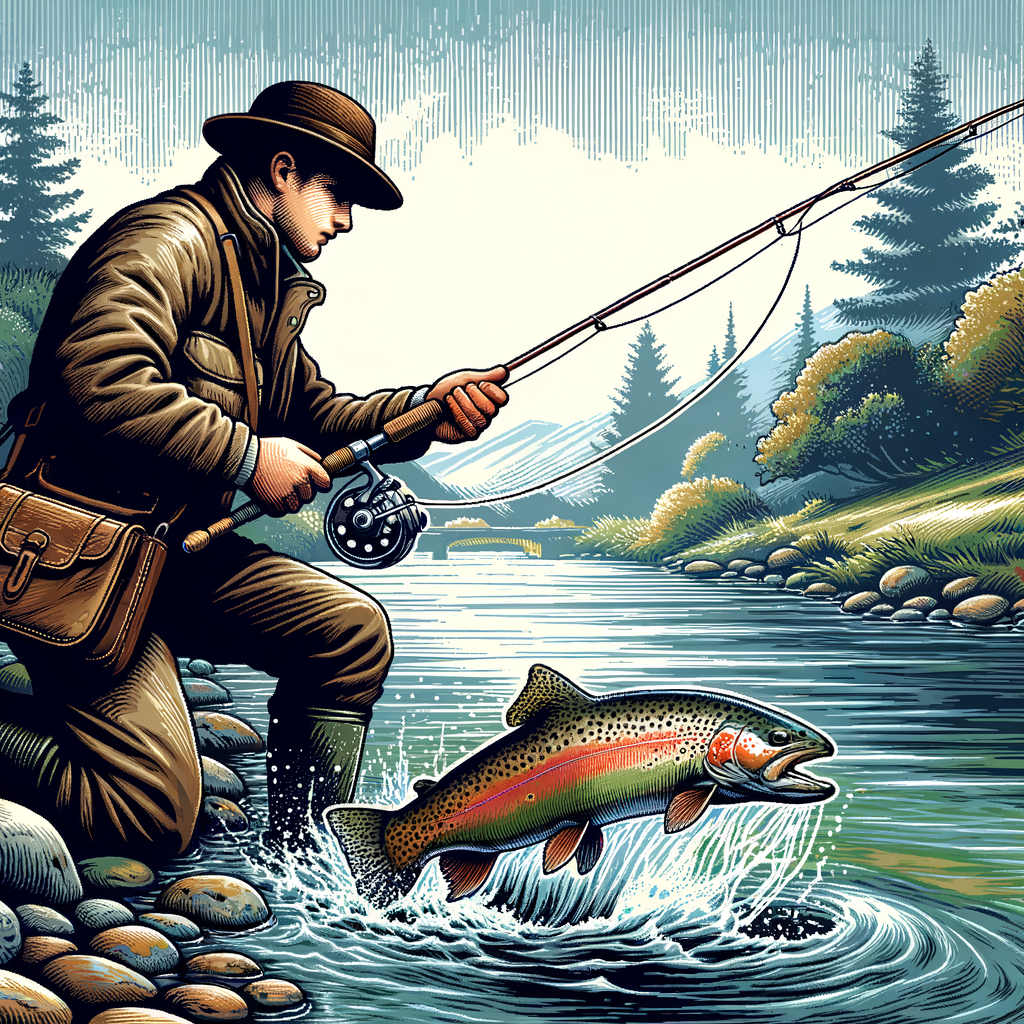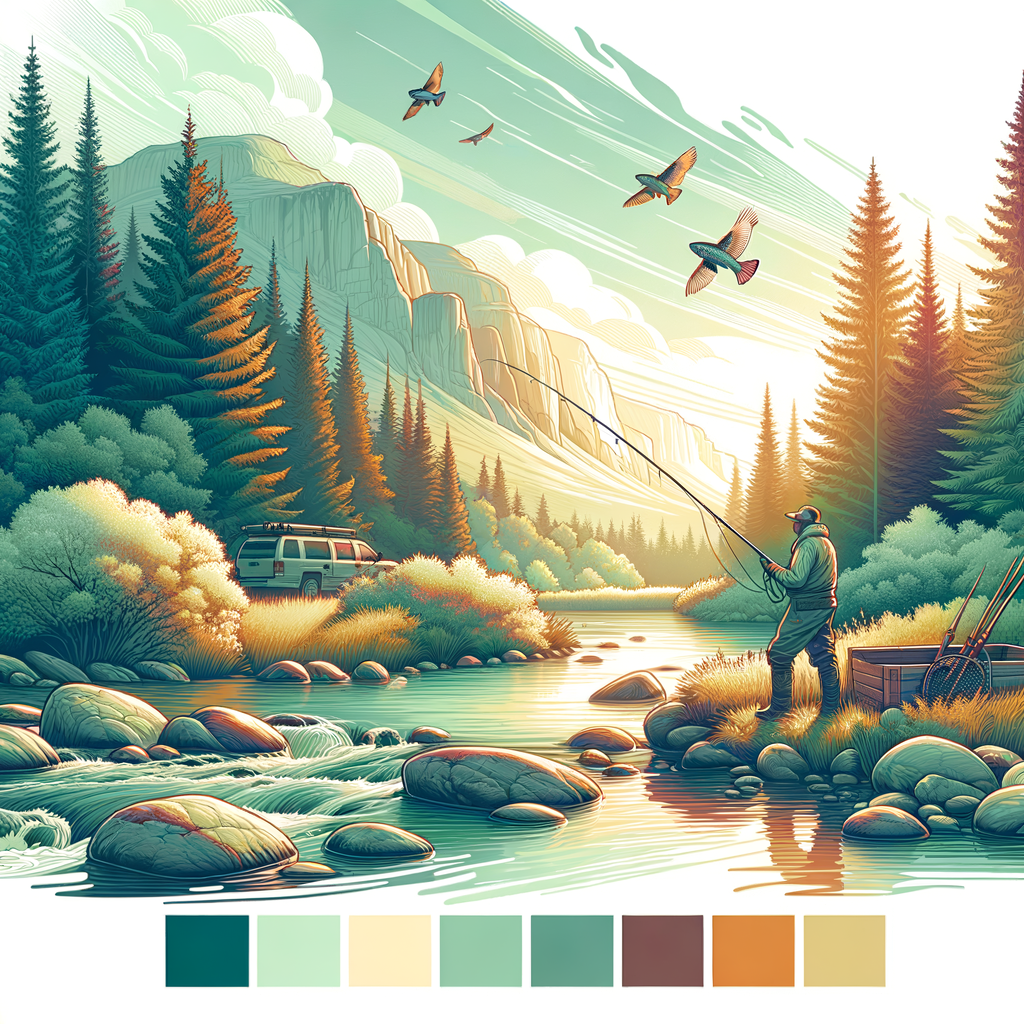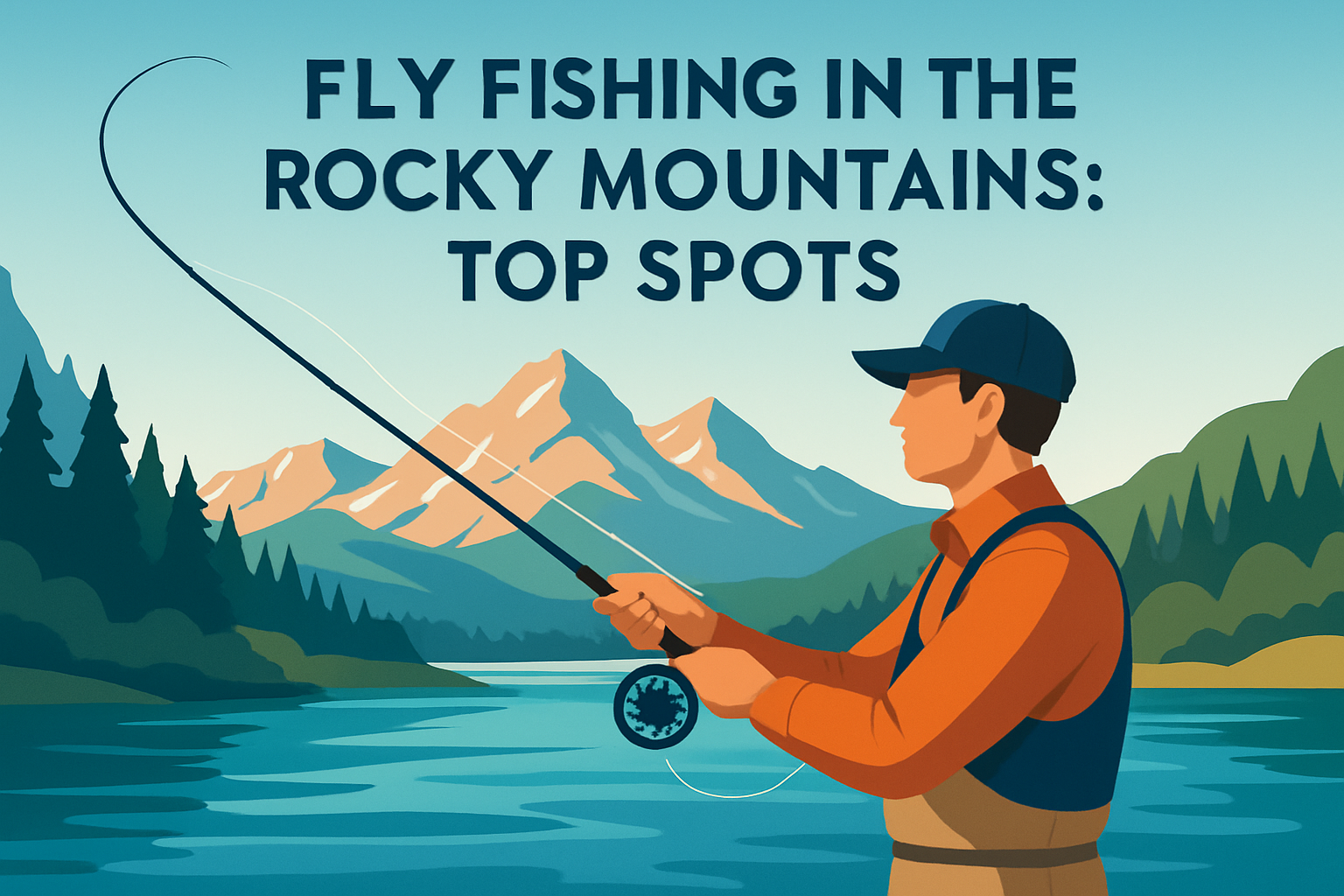
Fly fishing in the Rocky Mountains combines cold, oxygen-rich water, prolific insect hatches, and dramatic public landscapes into one of North America’s most rewarding angling experiences. The phrase “Rocky Mountains” spans a huge corridor from northern New Mexico through Colorado, Wyoming, Idaho, Montana, and into Canada, but for fly fishers, the core appeal is remarkably consistent: clear freestone rivers, spring creeks, alpine lakes, and trout species that respond to well-presented dry flies, nymphs, and streamers. Understanding the region means understanding its fish and water. Freestone rivers are drainage systems fed primarily by snowmelt and rain, often changing quickly with runoff and weather. Tailwaters flow below dams, where releases stabilize temperature and often support dense insect populations and year-round fishing. Spring creeks rise from groundwater, staying relatively constant and producing technical but exceptional trout habitat.
Why does this matter to anglers planning a Rocky Mountain trip? Because success here depends on matching destination to season, skill level, and target species. A beginner looking for forgiving water may thrive on a broad riffle with eager cutthroat trout, while an experienced caster may prefer a selective rainbow in a spring creek slick. The Rockies also matter because they hold some of the most storied trout fisheries on the continent: names like the Madison, Snake, Fryingpan, Green, and South Platte are tied to angling history, guide culture, and conservation battles over flow, access, and habitat protection. In economic terms, trout fishing drives billions in spending across the American West, supporting outfitters, guides, lodges, fly shops, and rural communities. In practical terms, the region offers a rare mix of access and variety, with thousands of miles of public water reachable from mountain towns, highways, and trailheads.
The best Rocky Mountain fly fishing spots are not simply the most famous rivers. They are waters that reliably offer habitat quality, insect diversity, public access, and a realistic fit for different anglers. Elevation influences all of it. Snowpack determines runoff timing. Water law affects access. Local hatches, from blue-winged olives and pale morning duns to salmonflies and midges, shape when and how fish feed. Choosing top spots therefore requires more than a postcard view; it requires looking at fish populations, seasonal windows, wading conditions, and the methods that work on the water. The destinations below stand out because they consistently deliver memorable fishing while representing the full range of what Rocky Mountain angling can be: wild, technical, scenic, productive, and deeply tied to mountain ecology.
Madison River, Montana
The Madison River is one of the defining trout fisheries of the Rockies and a benchmark for productive western fly fishing. Flowing from Yellowstone National Park through the broad Madison Valley, it supports healthy populations of wild rainbow and brown trout, with famous sections such as the “50-Mile Riffle” between Quake Lake and Ennis. This stretch is celebrated for pocket water, riffles, and seam-rich currents that give wading anglers endless targets. The river’s structure makes it productive with nymph rigs in many months, while streamer fishing can move larger browns during lower light and shoulder seasons. In summer, caddis, mayflies, and terrestrial patterns keep dry-fly anglers engaged, especially around banks and softer inside edges.
What makes the Madison special is consistency. Even when flows rise, the river often remains fishable with the right approach, and the combination of public access sites and guide infrastructure makes trip planning relatively straightforward. Towns like Ennis have strong fly-shop support, including hatch reports, shuttle services, and local maps. Real-world expectations matter here: this is not a secret stream where fish have never seen a fly. It is a high-profile river, and presentation counts. Short drifts through broken water can outperform long elegant casts. Rubber-legged stonefly nymphs, perdigons, and caddis pupae are staples, while streamers in olive, black, and white produce during aggressive feeding windows. For anglers who want classic Montana scenery with serious trout numbers, the Madison remains a top-tier choice.
South Platte River, Colorado
Colorado’s South Platte River system offers some of the most varied trout fishing in the Rockies, from high-country meadow water to internationally known tailwaters. The most famous technical reaches lie near Deckers and Cheesman Canyon, where clear water and heavy angling pressure create demanding conditions and highly educated trout. These fish often key on tiny midges, blue-winged olives, and small mayfly nymphs, making fine tippet and careful wading essential. Yet the South Platte is not only a place for experts. Other sections, including broader public stretches and tributaries, can be approachable for intermediate anglers who want strong numbers of brown and rainbow trout.
The South Platte stands out because it shows how management and hydrology shape a fishery. Tailwater influence below reservoirs moderates temperature and boosts aquatic insect life, which can support trout densities measured in thousands of fish per mile on certain sections. Anglers often fish two-fly nymph setups under indicators, but dry-dropper rigs and streamer tactics also have a place, particularly during runoff edges and fall. Cheesman Canyon, for example, rewards fitness as much as casting skill, since access involves hiking and navigating steep terrain. Deckers, by contrast, offers easier entry and heavy local use. The river teaches an important Rocky Mountain lesson: the best spot is not always the easiest. It may be the stretch that matches water clarity, hatch timing, and your willingness to downsize flies and improve drift control.
Snake River, Wyoming and Idaho
The Snake River system delivers two very different but equally iconic Rocky Mountain experiences. In Wyoming’s Jackson Hole area, the Snake is a broad scenic river framed by the Tetons, known for float fishing, cutthroat trout, and excellent summertime dry-fly opportunities. Bank structure, side channels, and grassy edges make it ideal for foam patterns, attractor dries, and droppers. Native Snake River fine-spotted cutthroat often rise willingly, and the visual nature of the fishing draws anglers who value surface takes as much as numbers. By contrast, sections of the South Fork Snake in Idaho are larger, more powerful, and famous for giant hatches, productive riffles, and outstanding float-based angling for cutthroat, browns, and mountain whitefish.
| River | State | Best Season | Main Species | Typical Tactics |
|---|---|---|---|---|
| Madison | Montana | June to October | Rainbow, brown | Nymphs, streamers, caddis dries |
| South Platte | Colorado | Year-round, best spring and fall | Rainbow, brown | Small nymphs, midges, technical dry flies |
| Snake | Wyoming/Idaho | July to September | Cutthroat, brown | Float fishing, hopper-dropper, streamers |
| Green | Wyoming | Late summer to fall | Brown, rainbow, cutthroat | Dry-dropper, streamer, nymphing |
For visiting anglers, the Snake’s biggest decision is whether to wade or float. Floating with a guide can transform the day, especially on bigger sections where productive water is spread out and boat positioning matters. On the Wyoming Snake, wind can become a major factor by afternoon, so morning sessions are often more comfortable and effective. Hatches vary by reach, but stoneflies, caddis, and terrestrials are central to summer strategy. In Idaho, the South Fork’s reputation for salmonflies and golden stones is well deserved, though post-hatch fishing with smaller attractors can be just as effective. If your ideal Rocky Mountain trip means casting dries to native trout under big western skies, the Snake belongs near the top of the list.
Green River, Wyoming
The upper Green River near Pinedale, Wyoming, is an outstanding choice for anglers who want a blend of strong trout fishing and classic high-country scenery without the celebrity pressure of some better-known rivers. Flowing through sage flats, cottonwood bottoms, and mountain backdrops below the Wind River Range, the Green supports brown trout, rainbow trout, and native Colorado River cutthroat in connected watersheds. The fishery shines in late summer and fall, when flows stabilize, water clears, and trout feed actively on terrestrials, mayflies, and baitfish. Wade anglers can find broad riffles and cutbanks, while float anglers cover longer productive stretches.
What makes the Green especially appealing is balance. It can produce very good numbers without feeling crowded everywhere, and its varied water allows multiple tactics across a single day. Morning nymphing through riffles with stonefly nymphs and pheasant tails can transition into afternoon dry-dropper fishing along grassy banks, followed by evening streamer swings near structure. Local weather, however, is a serious variable. Afternoon thunderstorms, cold fronts, and sudden temperature drops can quickly alter insect activity and fish position. Anglers who watch river gauges, carry layers, and stay flexible generally do best. Compared with highly technical tailwaters, the Green often feels more intuitive and exploratory, which is exactly why many traveling fly fishers return.
Fryingpan River, Colorado
The Fryingpan River below Ruedi Reservoir is a legendary Colorado tailwater that regularly appears on lists of the West’s most productive trout streams, and for good reason. Its cold, nutrient-rich releases support dense populations of aquatic insects, especially midges, mysis shrimp, and blue-winged olive mayflies, which in turn grow large, healthy trout. Rainbow and brown trout here are not merely abundant; many are substantial fish that have seen heavy pressure and demand precise presentations. The stretch near the toilet bowl is famous, but productive water extends well downstream, including runs and riffles where sight fishing and indicator nymphing can both excel.
The Fryingpan is a place where preparation pays off. Standard western attractors often take a back seat to tiny patterns in sizes 20 to 24, realistic mysis imitations, and exact depth control. Long leaders, light tippet, and dead-drift accuracy are common requirements. At the same time, hatches of blue-winged olives can produce superb dry-fly action, especially on overcast days. One reason the Fryingpan ranks among top Rocky Mountain spots is that it offers genuine trophy potential in a relatively compact and accessible river corridor. Basalt provides lodging and services nearby, while the greater Roaring Fork Valley adds destination value. Anglers willing to fish carefully, observe feeding behavior, and adapt rigs often leave with a sharper skill set than when they arrived.
Yellowstone Region Waters, Montana and Wyoming
No discussion of Rocky Mountain fly fishing is complete without the Yellowstone region, where multiple top-class fisheries exist within reach of one another. Inside Yellowstone National Park, the Lamar River, Slough Creek, and Soda Butte Creek are famous for cutthroat trout in meadow settings that reward stealth and dry-fly finesse. Outside the park, the Yellowstone River itself is the longest undammed river in the lower 48 states and offers vast freestone fishing for wild cutthroat, rainbows, and browns. The Gallatin and Firehole add still more options, from fast pocket water to warm, geyser-influenced currents with unusual insect timing.
The strength of the Yellowstone region is diversity within a single travel base. Staying in towns such as Livingston, Gardiner, or West Yellowstone gives anglers access to dramatically different fisheries depending on weather, runoff, and hatch reports. During summer, terrestrial fishing with hoppers and ants can be excellent, especially on meadow creeks where cutthroat patrol undercut banks. On the Yellowstone River, float trips allow coverage of long riffles, side channels, and bank structure that would be impossible to sample on foot. Wildlife and regulations also shape the experience. Bears are a real consideration in some valleys, barbless hooks may be required in certain waters, and seasonal closures can protect spawning fish or temperature-stressed trout. The reward for navigating those details is access to one of the richest fly-fishing landscapes anywhere in the Rockies.
How to Choose the Right Spot and Season
Selecting among these top Rocky Mountain fisheries starts with honesty about skill level, timing, and the kind of day you want on the water. If you value technical challenge and large trout, tailwaters like the Fryingpan and sections of the South Platte are excellent bets. If visible rises, forgiving presentations, and scenic floating matter more, the Snake and meadow waters near Yellowstone may suit you better. Runoff is the major seasonal force across the region. In many freestone rivers, snowmelt peaks from late May through June, sometimes extending into early July depending on snowpack. Tailwaters often remain clearer during that period, which is why they become prime choices when freestones are high and off-color.
Gear should reflect destination. A 9-foot 5-weight handles many Rocky Mountain situations, but a 6-weight helps on windy float rivers and with larger streamers. Carry long leaders for technical spring-creek and tailwater fishing, plus stout tippet for bankside browns in fast current. Polarized glasses are essential for spotting depth changes and fish movement, while felt alternatives with studs can improve traction where regulations allow. Most important, use local intelligence. Daily fly-shop reports, USGS gauge data, state wildlife regulations, and guide advice often matter more than generic travel articles. Conditions in the Rockies shift quickly, and the best spot this week may not be the best spot next week. Planning around real water conditions is what turns a scenic trip into a productive one.
Fly fishing in the Rocky Mountains rewards anglers with an unmatched combination of wild trout, public access, and unforgettable landscapes, but the best experience comes from choosing waters that fit both season and skill. The Madison offers classic Montana productivity, the South Platte sharpens technical technique, the Snake delivers iconic dry-fly visuals, the Green provides flexible high-country adventure, the Fryingpan tests precision on large trout, and the Yellowstone region opens a whole network of legendary waters. Each spot stands out for a different reason, yet all reflect the same core truth: Rocky Mountain fisheries are shaped by snowmelt, insect life, conservation, and careful angling.
The main benefit of knowing these top spots is not simply catching more fish, though that matters. It is fishing with purpose. When you understand whether a river is a freestone, tailwater, or spring creek, when hatches occur, and how local conditions affect trout behavior, every decision improves. You pack smarter, book guides more strategically, and spend less time guessing on the bank. If you are planning a western fly-fishing trip, start by narrowing your season, target species, and preferred style, then connect with a reputable local shop or guide to confirm current conditions. The Rockies offer extraordinary water; choose the right river, and the trip can become the standard by which you judge every future season.
Frequently Asked Questions
1. What are the best fly fishing spots in the Rocky Mountains?
The best fly fishing spots in the Rocky Mountains depend on the kind of water you enjoy, the trout species you want to target, and how much solitude or access you want. That said, a handful of places come up again and again because they consistently offer great fishing, beautiful scenery, and the kind of cold, oxygen-rich water trout need to thrive.
In Colorado, the South Platte River is one of the most talked-about fisheries in the region. It has multiple productive stretches, from meadow-style sections to technical tailwaters, and it is known for strong trout numbers and selective fish. The Arkansas River is another standout, especially for anglers who like classic freestone fishing with pocket water, riffles, and long productive runs. The Colorado River, Fryingpan River, and Roaring Fork River also deserve attention, each offering a different experience, from larger river systems to highly productive insect-driven trout water.
In Wyoming, the North Platte River is a major destination, especially for anglers looking for quality trout and varied water. The Snake River, especially in western Wyoming, combines scenic float-fishing opportunities with classic cutthroat water. Smaller streams in the Wind River and Bighorn-adjacent areas can also be excellent if you want less pressure and a more exploratory day on the water.
Montana is packed with famous names, and for good reason. The Madison River is one of the top fly fishing rivers in the Rockies, known for its strong trout population, wade and float opportunities, and long season of productivity. The Yellowstone River is legendary for its scale and wild character, while the Gallatin, Jefferson, and Missouri each bring different strengths. The Missouri, though more tailwater in character, is especially famous for steady hatches and technical dry-fly fishing. Montana also offers countless smaller tributaries and alpine streams that can fish incredibly well during the right part of the season.
Idaho is a serious contender for some of the best fly fishing in the entire Rocky Mountain corridor. The Henry’s Fork is famous for technical dry-fly fishing and exceptional hatches. The South Fork of the Snake River is one of the great Western float-fishing rivers, with healthy trout numbers, varied structure, and excellent dry-fly action at the right times. Silver Creek is another classic, especially if you enjoy spring creek fishing where presentation matters and trout can be extremely observant.
If you are looking for alpine lakes, high-country creeks, and less crowded water, many Rocky Mountain areas in Colorado, Wyoming, Idaho, and Montana offer backcountry options that can be phenomenal. These fisheries may not always produce the largest trout, but they often make up for it with willing fish, stunning surroundings, and a sense of remoteness that is hard to beat.
So, the “top spots” usually include rivers like the Madison, South Platte, Henry’s Fork, Arkansas, Yellowstone, North Platte, and South Fork Snake, but the truth is that the Rocky Mountains are full of excellent water. A famous river might give you confidence and strong access, while a small unnamed tributary can sometimes give you the most memorable day of the trip.
2. What makes fly fishing in the Rocky Mountains so special compared to other regions?
Fly fishing in the Rocky Mountains stands out because it brings together nearly everything anglers want in one broad region: healthy trout habitat, varied water types, reliable insect life, beautiful public land access, and a strong tradition of fly fishing culture. It is not just about catching fish. It is about the full experience of moving through mountain valleys, watching weather shift over peaks, and fishing water that often looks as good as it performs.
One of the biggest reasons the Rockies are so productive is the water itself. Many fisheries here are cold and well oxygenated, which helps support trout through long seasons. Freestone rivers tumble out of the mountains with riffles, runs, plunge pools, and boulder gardens that create ideal holding water. Spring creeks offer a very different style, with steady temperatures, weed beds, and often highly educated trout. Alpine lakes and small mountain streams add another layer, giving anglers access to fish in places that feel wild and remote.
The insect life is another major part of the appeal. Rocky Mountain trout often feed heavily on seasonal hatches of mayflies, caddis, stoneflies, midges, terrestrials, and more. Because of that, fly fishers have genuine chances to target rising fish with dry flies, fish nymphs under changing conditions, or turn to streamers when they want to move larger trout. In many places, success comes from reading water, understanding bug activity, and making a solid presentation, which gives the fishing a satisfying depth that keeps people coming back year after year.
The diversity is hard to overstate. Within one trip, you can fish a broad river in a valley one day, a narrow freestone stream the next, and an alpine lake after that. You might see brown trout, rainbow trout, cutthroat trout, brook trout, or mountain whitefish depending on the drainage and the state. Some rivers are ideal for beginners because there is lots of access and plenty of fish. Others are technical and reward precision, patience, and local knowledge.
Another reason the Rockies are special is the amount of public land and access in many areas. While access always needs to be checked carefully and rules vary by state and water type, the broader Rocky Mountain region offers many opportunities to wade, hike, or float through landscapes that still feel open and undeveloped. That sense of space matters. You are not just fishing a river corridor. You are often immersed in a much larger ecosystem of forests, meadows, canyons, and mountain backdrops.
There is also a cultural side to it. Fly fishing in the Rockies has a long identity tied to trout conservation, hatch-matching, guiding traditions, river towns, and local fly shops that are often incredibly helpful. In many places, a quick conversation with a local shop can completely improve your day by helping you understand water levels, current insect activity, productive flies, and access points.
Put simply, the Rocky Mountains are special because they offer both quality and variety. You can chase technical dry-fly fishing, cover pocket water with attractor dries, drift nymphs through deep runs, or strip streamers along undercut banks, all within a region defined by trout-friendly water and unforgettable scenery.
3. When is the best time of year to fly fish in the Rocky Mountains?
The best time of year to fly fish in the Rocky Mountains depends on where you are going, what kind of water you plan to fish, and what style of fishing you enjoy most. Because the Rockies cover such a large area, conditions can vary dramatically by elevation, snowpack, runoff timing, and whether you are fishing a freestone river, spring creek, tailwater, or alpine lake. Even so, there are some broad seasonal patterns that can help you plan a great trip.
Spring can be excellent, especially before runoff peaks. Early spring often brings midge activity, blue-winged olives, and improving fish activity as water temperatures begin to rise. Tailwaters and spring creeks can fish especially well during this period because they are more stable than freestone rivers. In lower-elevation areas, this can be a very productive time to fish nymphs and small dries. The challenge is that spring conditions can change quickly, and as snowmelt builds, many freestone rivers become high, fast, and off-color.
Runoff is one of the most important factors in Rocky Mountain fly fishing. In many places, late spring into early summer brings powerful snowmelt that can make rivers difficult or unsafe to fish. The exact timing changes every year based on snowpack and weather. In some years, runoff peaks early; in others, it drags on. This is why local reports matter so much. During runoff, anglers often shift to tailwaters, spring creeks, small tributaries, lakes, or sections of rivers less affected by snowmelt.
Summer is a prime season, especially after runoff drops and rivers begin to clear. This is when many of the classic Rocky Mountain experiences come alive. You can see strong hatches, active trout, and excellent dry-fly opportunities. Stoneflies, caddis, pale morning duns, green drakes in some waters, and terrestrial patterns like hoppers can all become important. Summer is also when high-country creeks and alpine lakes become more accessible after snow recedes. If you want variety, mobility, and the full mountain experience, mid- to late summer is often hard to beat.
Late summer is especially popular because terrestrial fishing can be outstanding. Hopper-dropper setups, beetles, ants, and attractor dries can all be productive, particularly on freestone rivers and meadow streams. Fish are often willing to look up, and conditions are generally easier to read than during runoff. The tradeoff is that some rivers see heavy angling pressure during the peak travel season, and hot weather in lower elevations can create afternoon stress on trout. In warmer periods, early starts and careful fish handling become especially important.
Fall is a favorite season for many experienced anglers. Water temperatures are often ideal, summer crowds begin to thin, and trout become aggressive ahead of winter. Brown trout in particular can be more territorial and responsive to streamers in the fall, though spawning fish should always be treated with care and left undisturbed. Fall may also bring excellent mayfly activity, including blue-winged olives, along with clear conditions and beautiful scenery. In many Rocky Mountain states, September and October can be absolutely outstanding.
Winter can still be productive, especially on tailwaters and lower-elevation stretches that remain fishable. Midges often dominate, and the fishing can be technical, but there are definitely opportunities for anglers willing to deal with cold temperatures and shorter days. The advantage is lighter pressure and often very clear, quiet conditions.
If you want the simplest answer, many anglers target the post-runoff summer period and the early fall window. Those seasons offer a balance of fish activity, access, scenery, and hatch potential. But if you are flexible and match your destination to current water conditions, the Rocky Mountains can offer worthwhile fly fishing in every season.
4. What flies, techniques, and gear work best in Rocky Mountain waters?
Success in the Rocky Mountains usually comes from being adaptable. The region contains freestone rivers, technical spring creeks, tailwaters, beaver ponds, meadow streams, and alpine lakes, so there is no single setup that covers every condition perfectly. Still, there are proven patterns, techniques, and gear choices that work across a wide range of Rocky Mountain fisheries.
For rods, a 9-foot 5-weight is the all-around standard for much of the region. It handles dry flies, nymph rigs, and small streamers well enough to cover most trout fishing situations. If you spend a lot of time on smaller streams or alpine creeks, a lighter 3-weight or 4-weight can be a lot of fun and make short casts easier. If you plan to throw larger streamers, deal with wind, or fish bigger rivers from a boat, a 6-weight can be very useful.
Floating lines cover the majority of Rocky Mountain trout fishing. You can do a lot with a standard weight-forward floating line, especially if you carry leaders and tippet in a range of sizes. For dry-fly fishing, longer leaders are often helpful, especially on clear spring creeks or heavily pressured rivers. For nymphing, split shot, strike indicators, and tungsten flies can help get you down in faster water. For streamers, a sink-tip can help in certain situations, but many anglers still fish smaller streamers effectively on floating lines with weighted patterns.
As for flies, the Rocky Mountains reward anglers who carry both hatch-specific and general searching patterns. Dry flies should include parachute Adams, elk hair caddis, stimulators, hoppers, ants, beetles, PMDs, blue-winged olive patterns, and stonefly imitations. In some famous hatch windows, green drakes, salmonflies, golden stone patterns, or more exact mayfly imitations can be critical depending on the river.
Nymphs are essential in the Rockies, even when dry-fly fishing gets most of the attention. Reliable choices include pheasant tails, hare’s ears, zebra midges, perdigons, prince nymphs, caddis pupae, RS2s, stonefly nymphs, and various mayfly nymphs. In fast freestone water, attractor-style nymphs and heavier patterns often produce well. In clear technical water, smaller and more natural-looking flies may be the better choice.
Streamers can be especially effective when targeting larger trout, during lower-light periods, in off-color water, or in the fall. Woolly buggers, sculpin patterns, leech imitations, and baitfish-style streamers all have a place. They are particularly useful in deeper banks, cutouts, under structure, and during times when trout are less focused on surface insects.
Technique matters just as much as fly selection. On freestone rivers, reading water is critical. Trout often hold in seams, pocket water, behind rocks, at the head or tail of pools, and along current transitions. On spring creeks and technical tailwaters, stealth becomes much more important. Longer casts, finer tippet, drag-free drifts, and precise presentations can make the difference. In pocket water, by contrast, a short accurate cast and quick drift through likely holding water may be all you need.
Dry-dropper rigs are extremely effective across the Rocky Mountains, especially in summer. A buoyant dry fly like a stimulator or hopper can serve as both an attractor and a strike indicator, while a nymph suspended below covers subsurface feeders. Euro nymphing can also be very productive in certain rivers, particularly where trout hold deep and currents are complex.
Waders are useful much of the year, though wet wading can be comfortable in summer on some rivers. Good boots with solid traction matter because Rocky Mountain streams often have slick cobble, uneven bottoms, and strong currents. Polarized sunglasses are almost mandatory for reading water, spotting fish, and protecting your eyes. Forceps, nippers, floatant, strike indicators, split shot, a thermometer, and a small but well-organized fly selection go a long way.
The most important thing to remember is that Rocky Mountain trout often reward presentation over obsession. Yes, matching the hatch matters. Yes, carrying local confidence flies helps. But a well-drifted, believable fly in the right part of the water will usually outperform a perfect fly presented poorly.
5. How should beginners plan a fly fishing trip to the Rocky Mountains?
For beginners, planning a fly fishing trip to the Rocky Mountains is best done by keeping things simple at first. The region is huge, and it is easy to get overwhelmed by famous river names, hatch charts, gear options, and changing conditions. The smartest approach is to choose one base area, fish a manageable number of waters, and build your trip around current conditions rather than trying to sample everything.
Start by deciding what kind of trip you want. If you want easy access, nearby lodging, fly shops, and the option to hire a guide, look at established trout towns in Colorado, Montana, Idaho, or Wyoming. These areas often give you access to multiple rivers within a short drive, which is a big advantage if water conditions shift. If your priority is scenery and solitude, a more remote valley or high-country destination may be better, but that usually requires more preparation and comfort with travel logistics.
One of the best things a beginner can do is book at least one guided day early in the trip. A good guide can shorten the learning curve dramatically. They will help with reading water, rigging, fly choice, casting adjustments, and understanding how trout are positioned in that specific river system. Even if you spend the rest of the trip fishing on your own, that first guided day can give you enough knowledge to fish the area much more confidently.
Timing matters a lot. Before booking, check runoff windows, typical seasonal conditions, and water access. A river that is famous in July may be nearly unfishable in late May or early June during heavy snowmelt. Likewise, a high-country creek that sounds perfect on paper may still be snowed in early in the season. Calling a local fly shop is one of the easiest ways to avoid these mistakes. They can often tell you what is fishing well right now, what techniques are working, and whether you should bring waders, prepare for hoppers, or expect technical dry-fly conditions.
Beginners should also focus on forgiving water types. Smaller freestone streams, medium-sized riffle-run rivers, and well-populated trout water are often easier places to learn than highly technical spring creeks with ultra-selective fish. You want water where trout are present in obvious holding lies and where a decent drift has a fair chance of being rewarded. There is nothing wrong with fishing famous water, but not every famous river is beginner-friendly in every section.
In terms of gear, keep it practical. A 5-weight outfit, breathable waders, wading boots, polarized glasses, and a compact fly box with basic dries, nymphs, and a few streamers will handle most beginner situations. Add leaders, tippet, floatant, indicators, split shot, and simple tools like nippers and forceps. Do not overpack flies at the expense of learning presentation, knot tying, and line control. Those skills matter more than carrying hundreds of patterns.
Safety and fish care should be part of the plan from the beginning. Mountain weather changes quickly, water can be stronger than it looks, and lightning is a real concern in summer afternoons. Start conservatively when wading. If a crossing feels questionable, it probably is. Handle trout with wet hands, keep them in the water as much as possible, and avoid overplaying fish, especially during warm-weather periods when stress can be high.
It also helps to have realistic expectations. A Rocky Mountain trip does not need to mean nonstop dry-fly eats from large wild trout to be successful. Some days will be technical. Some rivers will teach more than they give. But even for beginners, the region offers a real chance to learn quickly because the water is varied, trout habitat is strong, and opportunities are everywhere.
If you plan carefully, stay flexible, and use local knowledge, a Rocky Mountain fly fishing trip can be one of the best introductions to trout fishing anywhere. Pick a season with stable conditions, choose an area with multiple options, get updated reports, and focus on enjoying the process. The combination of clear water, active trout, and dramatic landscapes makes it a memorable place to start and an even better place to keep returning to.