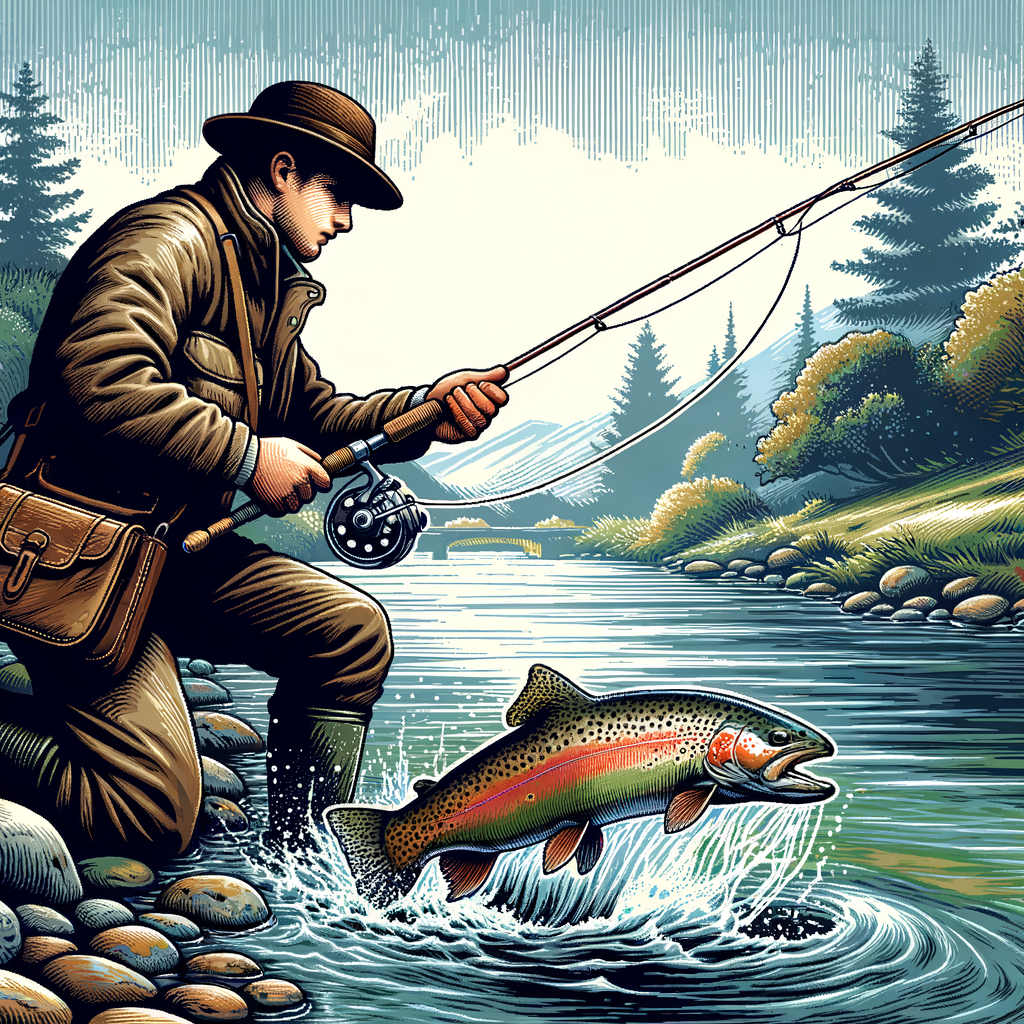
Fly fishing in the Appalachian Mountains blends technical skill, local knowledge, and deep respect for one of America’s richest cold-water fisheries. Stretching from Georgia to Maine, the Appalachians contain thousands of miles of trout streams, from high-elevation brook trout trickles to larger tailwaters filled with wild and stocked rainbows and browns. In this region, fly fishing means using lightweight rods, specialized line, and artificial flies to imitate the insects, baitfish, and terrestrial food sources trout eat throughout the year. Success depends on reading moving water, matching seasonal hatches, and presenting a fly naturally in currents that can change within a few yards.
The Appalachian range matters to anglers because it offers unusual variety within a single geographic system. In Great Smoky Mountains National Park, fast pocket water demands short casts, quick drifts, and stealth. In western North Carolina’s delayed-harvest rivers, anglers may fish nymphs under indicators one day and dry flies to rising trout the next. In East Tennessee and southwest Virginia, tailwaters below dams such as the South Holston and Watauga create stable flows and prolific aquatic insect populations that support larger trout and technical fishing. Each watershed asks for different techniques, yet the underlying principles of current, temperature, insect life, and presentation remain consistent.
For beginners, the region is attractive because many mountain streams are accessible and forgiving in terms of casting distance. For experienced anglers, Appalachia offers complexity: selective fish during sulphur hatches, low clear summer flows, and weather swings that affect water temperature and oxygen levels. Native Southern Appalachian brook trout add another dimension. These brightly colored fish often inhabit small, shaded headwaters where a ten-inch trout is a prized catch because reaching it requires hiking, careful approach, and precise casts under rhododendron tunnels.
Understanding fly fishing in the Appalachians also means understanding conservation. Brook trout populations have been reduced in some waters by warming temperatures, sedimentation, and competition from nonnative species. Catch-and-release regulations, barbless hooks on some streams, and delayed-harvest programs help protect fish and expand opportunity. Agencies such as the Tennessee Wildlife Resources Agency, North Carolina Wildlife Resources Commission, and Virginia Department of Wildlife Resources manage stockings, habitat projects, and access points that shape where and how people fish. Learning the techniques is important, but learning the waters and the rules is what turns occasional success into a reliable mountain strategy.
Choosing Gear for Appalachian Conditions
The best all-around setup for Appalachian fly fishing is usually a 9-foot 4- or 5-weight rod paired with a floating line. That combination handles dry flies, indicator nymph rigs, and small streamers across the broadest range of mountain water. On tight headwater creeks, many anglers prefer shorter rods from 7 feet 6 inches to 8 feet 6 inches in a 2- or 3-weight because they are easier to maneuver under overhanging branches. On larger tailwaters, a 9-foot 5-weight remains standard, though some anglers step up to a 6-weight for heavier indicator rigs or windy days. Reels matter less for drag in most trout scenarios than for balancing the rod and storing line, but a smooth disc drag is useful when fishing larger rivers with stronger browns.
Leaders and tippet should match both fly size and water clarity. A 7.5-foot 4X leader is practical in bushy small streams where casts are short and turnover matters. In clearer pools or on larger rivers, a 9-foot leader tapering to 5X is a safer starting point. During technical dry-fly fishing on smooth water, anglers often extend to 12 feet and 6X. Fluorocarbon tippet sinks faster and resists abrasion, making it a common choice for nymphing, while nylon is often preferred for dry flies because it floats better. Polarized glasses are essential for reading depth, identifying seams, and spotting submerged rocks. Felt soles were once common for slick Appalachian streams, but many states restrict them because they can transfer invasive organisms; modern rubber soles with metal studs offer excellent traction.
Reading Mountain Water and Finding Trout
Appalachian trout do not use every part of a stream equally. They hold where food arrives consistently, current is manageable, and cover provides protection from predators. In pocket water, this often means the soft edges beside boulders, plunge pools below ledges, and small cushions of slower water in front of rocks. In riffle-run-pool systems, trout may feed in riffles during low-light periods and then shift to deeper runs or undercut banks once the sun reaches the water. In freestone rivers, current seams are especially important because they deliver drifting insects while allowing fish to conserve energy.
Season and water temperature heavily influence location. Trout are most active in water roughly between 50 and 65 degrees Fahrenheit. In spring, fish may spread through riffles and runs because temperatures are comfortable and hatches are frequent. In midsummer, wild trout often move toward shaded tributaries, higher elevations, spring seeps, or oxygen-rich broken water. A stream thermometer is one of the most valuable tools an angler can carry; once temperatures approach 68 degrees, fishing can stress trout, especially in the afternoon. In fall, browns become more aggressive ahead of spawning, and streamer fishing improves in deeper banks and tailouts. During winter, slower presentations in softer water usually outperform fast, flashy tactics.
| Water Type | Typical Trout Position | Best Presentation | Useful Fly Patterns |
|---|---|---|---|
| High-elevation pocket water | Behind rocks, plunge pools, under cut banks | Short upstream casts with quick drifts | Parachute Adams, Elk Hair Caddis, beadhead pheasant tail |
| Freestone runs | Current seams, riffle edges, deeper slots | Indicator nymphing or tight-line nymphing | Prince nymph, hare’s ear, stonefly nymph |
| Tailwater flats | Gentle shelves, weed edges, feeding lanes | Long leaders, fine tippet, drag-free drifts | Sulphurs, zebra midges, sowbugs, small streamers |
| Undercut banks and woody cover | Ambush points for larger browns | Strip streamers across structure | Woolly Bugger, sculpin patterns, Zonkers |
Core Techniques: Dry Flies, Nymphs, and Streamers
Dry-fly fishing is often the image people associate with mountain trout, and Appalachia offers excellent opportunities for it. In spring and early summer, mayflies such as Quill Gordons, Blue-winged Olives, March Browns, Light Cahills, and sulphurs can bring fish to the surface. Caddis hatches are common as well, especially in riffled water. The key is not just selecting the right pattern but landing it with minimal drag. Because Appalachian currents are complex, a cast that looks accurate can still fail if the fly line lands across multiple speeds of water. Reach casts, aerial mends, and immediate line control after the fly lands are crucial. In tiny streams, a simple bow-and-arrow cast often places a dry under overhanging cover where brook trout are waiting.
Nymphing is the most consistent technique across the region because trout feed below the surface most of the time. A basic two-fly rig might include a heavier attractor nymph, such as a size 12 or 14 stonefly, above a smaller dropper like a size 16 pheasant tail or zebra midge. Strike indicators help maintain depth and reveal subtle takes, particularly in mixed currents. On smaller streams, many anglers skip the indicator and use high-stick or tight-line methods, keeping as much fly line off the water as possible to reduce drag. Split shot placement matters: too close to the fly and the drift looks unnatural; too far away and the flies may not reach feeding depth quickly enough. Adjust often. Appalachian rivers change pocket by pocket, and a six-inch depth difference can determine whether fish see the fly.
Streamer fishing targets predatory behavior rather than hatch matching. This is especially effective for brown trout in higher water, stained conditions, or autumn. Patterns like Woolly Buggers, sculpin imitations, and articulated streamers can move larger fish that ignore small dries. Retrieve speed should reflect water temperature and fish mood. In cold water, slow strips with long pauses often work best. After rain, when streams gain color but remain fishable, aggressive cross-current streamer swings can trigger reaction strikes near structure. On tailwaters, anglers sometimes dead-drift small streamers like baitfish before adding short strips at the end of the drift. This hybrid approach is useful where trout feed on both aquatic insects and minnows.
Seasonal Strategy Across the Appalachian Year
Spring is prime time in much of the Appalachians. Snowmelt and rain can raise freestone rivers, but stable periods produce strong hatches and active trout. In March and April, anglers in the Smokies often rely on Quill Gordon dries, nymphs, and small black caddis patterns. Farther north in Virginia and Pennsylvania, Hendricksons and Blue-winged Olives become important. This is also the season to prospect with attractor dries such as a Stimulator in faster water, especially when no obvious hatch is occurring. Because flows can change quickly, wading cautiously is as important as fly selection.
Summer brings lower, clearer water and increased importance of timing. Early mornings and the last two hours of daylight usually fish best, especially on unshaded freestone streams. Terrestrial fishing becomes a major advantage. Foam beetles, ants, and inchworm patterns are highly effective when overhanging vegetation drops insects into the water. In the Great Smokies, a dry-dropper setup with a small terrestrial and a beadhead nymph below it can cover both surface and subsurface feeding. Tailwaters remain productive through summer because dam releases maintain cooler temperatures, though anglers must monitor generation schedules from operators such as the Tennessee Valley Authority to avoid dangerous water rises.
Fall is the season many experienced anglers wait for. Browns become territorial and more willing to chase streamers, brook trout color up brilliantly, and daytime temperatures are comfortable. Low clear flows can still demand stealth, but fish often feed more aggressively than they did in midsummer. Avoid targeting trout actively on redds, the cleaned gravel nests used for spawning. Instead, focus on pre-spawn holding water nearby. Winter fishing is slower but can be excellent on tailwaters with stable temperatures and dense midge or blue-winged olive activity. Midday is generally best. Smaller flies, longer drifts, and patience pay off when metabolism drops.
Access, Safety, and Conservation on Appalachian Streams
Good fly fishing in the Appalachians begins before the first cast with route planning, regulation checks, and realistic safety decisions. Many mountain streams lie within national parks, national forests, state game lands, and public easements, but access rules vary. Some delayed-harvest sections allow only artificial lures for part of the year, then open to harvest later. Catch-and-release regulations, seasonal closures, and tackle restrictions differ not only by state but sometimes by individual stream section. Checking current agency maps and regulations is essential because stocking schedules and special management designations can change annually.
Mountain safety is often underestimated. Slick rocks, fast pocket water, and sudden rain can turn a routine outing hazardous. A wading staff reduces falls in boulder gardens. On tailwaters, generation releases can raise water levels rapidly; anglers should note warning sirens, rise rates, and exit paths before stepping in. In remote brook trout headwaters, cell service may be poor, so carrying a map, water, first-aid supplies, and a charged satellite communicator is smart. Wildlife awareness matters as well. Black bears are common in portions of the southern Appalachians, and summer thunderstorms can build quickly on exposed ridges.
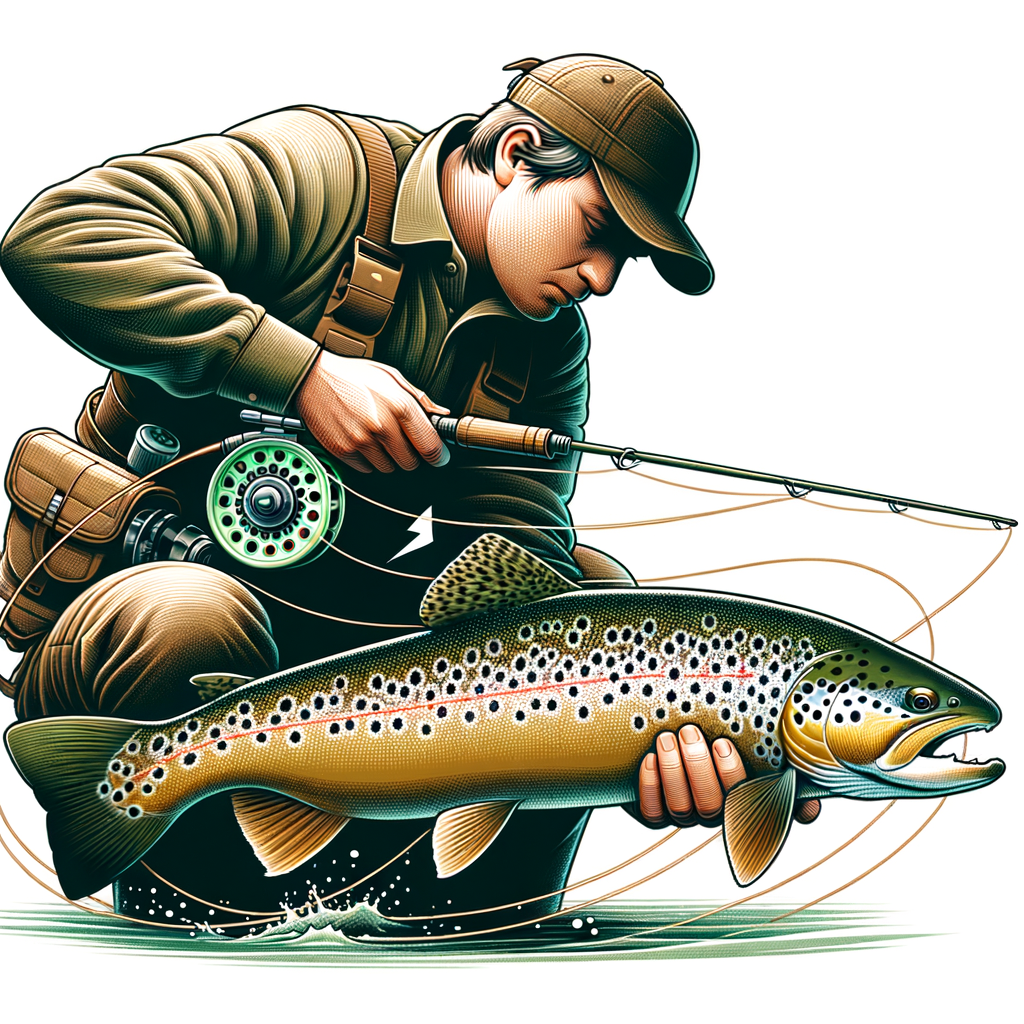
Conservation practices protect the fishery that makes the region special. Wet hands before handling trout, keep fish in the water as much as possible, and use rubber landing nets to reduce slime loss. During warm weather, shorten fights and avoid fishing when temperatures are too high. Clean boots and gear between watersheds to prevent spreading didymo, New Zealand mudsnails, and other invasive organisms. Support local conservation groups such as Trout Unlimited chapters, many of which lead stream restoration, tree planting, and acid-deposition recovery projects. The most successful Appalachian anglers do more than catch trout; they help maintain cold, clean water so the next season is as good as the last. Start by learning one stream well, tracking conditions, and practicing with intention every trip.
Frequently Asked Questions
1. What makes fly fishing in the Appalachian Mountains different from fishing in other trout regions?
Fly fishing in the Appalachian Mountains stands out because this region is incredibly diverse, both in its water and in the way anglers have to approach it. The Appalachian range stretches a very long distance, from Georgia all the way to Maine, and that means fly fishers can find everything from tiny, steep mountain headwaters to broad, cold tailwaters below dams. In one stream, you may be crouching beside rhododendron-lined banks trying to drift a dry fly through a plunge pool for native brook trout. A few hours away, you could be standing in a larger river casting nymph rigs or streamers to brown and rainbow trout in deep runs and riffles. That kind of variety is one of the biggest reasons the Appalachians are so special.
Another thing that makes the region different is how important local knowledge is. Appalachian trout streams often look small and simple at first glance, but they can be highly technical. Water levels change quickly after rain. Streams can run clear and low during dry stretches, making trout extremely cautious. Many creeks are covered by dense tree canopy, which limits casting room and forces anglers to use short, accurate presentations instead of long elegant casts. In these conditions, success usually depends less on distance and more on stealth, positioning, line control, and reading small current seams.
The fish themselves also add to the uniqueness. The Appalachians are home to native brook trout in many higher elevation streams, and these fish are a major draw. Catching a wild Southern Appalachian brook trout in a cold, shaded mountain creek is a very different experience from fishing a larger Western river. These fish often live in pocket water, plunge pools, and tight runs. They are beautiful, aggressive for their size, and closely tied to clean, cold habitat. In other parts of the region, anglers target wild rainbow and brown trout, along with stocked fish in certain rivers and delayed-harvest waters. That mix means an angler has to understand not just fly fishing techniques, but also the kind of trout present in each stream and how they behave.
Seasonal conditions are another major factor. Appalachian hatches can be excellent, but the region often rewards anglers who think beyond matching one perfect insect. Trout here feed on mayflies, caddis, stoneflies, midges, terrestrials like ants and beetles, and small baitfish. In spring, streams may be full and cold, and nymphing is often productive. In summer, shade, water temperature, and terrestrial insects become much more important. In fall, brown trout may get aggressive, and streamer fishing can be a strong option. In winter, success often comes from slowing down, fishing deeper, and focusing on the warmest part of the day. The changing nature of these mountain waters means adaptability is a huge part of the game.
Finally, fly fishing in the Appalachians has a strong connection to conservation and tradition. These streams are not just places to catch fish. They are fragile ecosystems that depend on healthy forests, cold water, stable flows, and careful stewardship. Many anglers who fish the region feel a deep respect for the history of these waters and the responsibility to protect them. That means practicing good catch-and-release habits where appropriate, handling fish gently, avoiding pressure on stressed trout during warm water periods, and respecting public and private access. In short, what makes Appalachian fly fishing different is the combination of technical fishing, varied trout water, native fish, tight casting conditions, changing seasons, and a strong sense of place.
2. What gear works best for fly fishing in Appalachian trout streams?
The best gear for fly fishing in Appalachian trout streams depends on the size of the water you plan to fish, but in general, lighter and more versatile setups are ideal. A lot of anglers do very well with a 3-weight, 4-weight, or 5-weight fly rod. For small high-elevation brook trout streams, a shorter rod in the 6.5- to 8-foot range can be very useful because it is easier to maneuver under overhanging branches and through tight mountain cover. On medium-sized streams and rivers, an 8.5- to 9-foot 4-weight or 5-weight gives you more reach for mending line, controlling drifts, and handling larger fish.
Your fly line matters just as much as the rod. A weight-forward floating line is the standard choice and is the most practical for Appalachian fishing because it handles dry flies, indicator nymph rigs, dry-dropper setups, and many shallow streamer presentations. In small stream situations, where casts are short and accuracy matters more than distance, a simple floating line is hard to beat. Leaders should match the kind of water and flies you are fishing. On tiny clear streams, a 7.5-foot or 9-foot leader tapering to 5X or 6X often works well for dry flies and light nymphs. On larger rivers or with heavier nymphs and streamers, 3X or 4X tippet may be a better fit.
Waders and boots can be important, especially in spring, fall, and winter when mountain water stays very cold. Breathable waders are the most flexible option because they can be layered underneath in cold weather and still remain comfortable in cool conditions. Good wading boots with solid traction are especially important in the Appalachians because many streams have slick rocks, uneven bottoms, and strong pocket water currents. Some anglers prefer felt soles where legal, while others use rubber soles with studs for better grip on rough and rocky terrain. No matter what you choose, stable footing is a big deal in mountain streams.
When it comes to flies, a well-rounded Appalachian fly box should include a little bit of everything. Dry flies such as Elk Hair Caddis, Parachute Adams, Blue-Winged Olives, stimulators, and small attractor patterns are consistently useful. Nymphs are essential, and patterns like Pheasant Tails, Hare’s Ears, Prince Nymphs, Zebra Midges, and stonefly imitations cover a lot of situations. For summer fishing, terrestrial patterns like foam ants, beetles, and hoppers can be excellent, especially when trout are looking up in low clear water. Streamers such as Woolly Buggers, Sculpzillas, and small baitfish patterns are valuable for bigger trout, stained water, or aggressive fall fish.
Beyond the basics, a few small accessories make a big difference. Polarized sunglasses help you cut glare and see current seams, rocks, and sometimes fish. A compact landing net makes fish handling easier and safer. Forceps, nippers, floatant, split shot, strike indicators, and a small fly box are all useful. In tight mountain terrain, many anglers prefer a sling pack or chest pack instead of a large vest, since it is easier to move through brush and climb over rocks. If you fish remote areas, it also makes sense to carry water, a map or phone with offline navigation, and a light rain jacket because weather can change quickly in the mountains.
The most important point is that gear should match the water, not just the fish. Appalachian fly fishing often rewards simplicity, mobility, and control. You usually do not need a lot of specialized equipment to get started. A lightweight rod, floating line, a handful of proven flies, safe wading gear, and a stealthy approach will take you a long way in these mountain streams.
3. What are the most effective fly fishing techniques for trout in the Appalachian Mountains?
The most effective techniques in the Appalachian Mountains are usually dry fly fishing, nymphing, dry-dropper fishing, and streamer fishing, but the key is knowing when and where each one works best. Because these streams vary so much, there is no single technique that always wins. Instead, good anglers adapt to stream size, water temperature, season, light conditions, and trout behavior.
Dry fly fishing is one of the most enjoyable and productive methods in many Appalachian streams, especially in smaller mountain creeks where trout are used to food dropping into the water from above. High-elevation brook trout streams are famous for aggressive takes on attractor dries. In these waters, trout often have very little time to inspect a fly because currents are fast and feeding windows are short. A well-placed cast with a small stimulator, Elk Hair Caddis, Parachute Adams, or terrestrial pattern can produce quick strikes. The biggest keys are short drifts, accurate placement, and keeping drag to a minimum. On small streams, anglers often fish upstream, targeting plunge pools, current seams, undercut banks, and pockets behind rocks.
Nymphing is probably the most dependable all-around technique in the region, especially in cooler water or on larger streams where trout spend much of their time feeding below the surface. Trout in the Appalachians eat a wide range of aquatic insects, and nymphs imitate this natural food very well. You can use a strike indicator setup, tight-line approach, or just a small amount of yarn or sighter material depending on the water. In pocket water, short-line nymphing can be extremely effective because it keeps more line off conflicting currents and allows the flies to sink fast. The goal is a natural drift near the bottom without too much drag. Even small adjustments in weight, tippet length, and casting angle can make a big difference.
Dry-dropper fishing is especially effective in Appalachian streams because it combines visibility, versatility, and efficiency. A buoyant dry fly acts as both an attractor and a strike indicator, while a nymph suspended below it covers fish feeding deeper. This setup shines in riffles, pocket water, and moderate runs, where trout may move between feeding on surface insects and subsurface nymphs. In summer, a foam terrestrial or stimulator with a small beadhead dropper can be deadly. It is a smart choice when you are not sure exactly where fish are feeding or when you want to cover a lot of water quickly.
Streamer fishing becomes more important in larger rivers, during higher or stained water, and in the fall when bigger trout can turn aggressive. Brown trout especially may react strongly to a stripped or swung streamer that suggests a sculpin, small trout, or other baitfish. This is a good tactic when insect activity is low or when you are specifically targeting larger fish rather than numbers. In mountain water, streamer retrieves often work best when varied. Sometimes short strips trigger a response. Other times a dead drift followed by a twitch is more effective. Depth is important here too, so adding weight or using a heavier fly may be necessary in deeper runs.
Presentation may matter more than pattern in Appalachian fishing. Many anglers focus heavily on fly choice, but in these streams, a perfect drift and stealthy approach often matter much more. Trout in clear mountain water can be easily spooked by heavy footsteps, sloppy casting, dragging line, or a visible silhouette against the sky. Move slowly, stay low, approach from downstream when possible, and make your first cast count. In smaller streams, the first good drift into a likely lie often has the best chance of success. If you miss that shot or line the fish, the opportunity may be gone.
Reading water is another major technique that separates average anglers from consistently successful ones. In the Appalachians, trout often hold where they can save energy and still get food. That means current seams, soft edges beside fast water, plunge pool tails, log jams, undercut banks, shaded runs, and oxygen-rich riffles are all worth careful attention. In summer, colder inflows, deeper pools, and heavily shaded areas can be especially productive. In spring and fall, trout may use a wider range of water. Learning to break a stream into high-percentage spots is one of the most valuable skills an angler can develop.
In the end, the best technique is usually the one that fits the stream in front of you. On tiny brook trout water, simple dry fly presentations can be all you need. On a larger tailwater, a well-controlled nymph rig may be the top producer. On a cloudy autumn day, streamers may move the biggest fish. The more techniques you become comfortable with, the more prepared you will be for the constantly changing conditions of Appalachian trout fishing.
4. What flies and seasonal strategies should I use throughout the year in the Appalachian Mountains?
Seasonal strategy is a huge part of consistent success in the Appalachian Mountains because trout behavior changes with water temperature, insect activity, stream flow, and available food. If you understand how the seasons affect the fish, you can make much better decisions about where to fish, what flies to use, and how to present them.
In spring, trout are often active and feeding well as water temperatures rise and insect life increases. This can be one of the best times of year to fish the Appalachians. Flows are often higher from rain, so nymphs and larger attractor patterns can be very effective. Pheasant Tails, Hare’s Ears, Prince Nymphs, stonefly nymphs, and soft hackles are all good options. Spring is also the season when many classic hatches start becoming important, including mayflies and caddis in many waters. Dry flies like Parachute Adams, Blue-Winged Olives, and Elk Hair Caddis can be productive when trout begin rising. Because spring weather can change quickly, it is smart to carry a wide range of flies and be ready to switch between nymphs, emergers, and dries.
Summer fishing can still be excellent, especially in higher elevation streams where water remains cold and healthy for trout. This is prime time for small stream brook trout and wild rainbow trout fishing. Terrestrials become especially important in summer. Ants, beetles, inchworm patterns, and small hoppers can all produce very well, particularly when fish are tucked under overhanging vegetation or holding near banks. Early mornings and late evenings are often the best times on lower elevation streams because midday heat can warm the water and stress trout. In very warm conditions, responsible anglers monitor water temperatures and avoid fishing when temps get too high. Summer is also a great time for dry-dropper setups because trout may feed at multiple levels and pocket water gives you many chances at aggressive fish.
Fall is a favorite season for many experienced anglers. Water temperatures often drop back into a comfortable range, trout become more active again, and crowds may thin out. Brown trout can become more territorial and aggressive as spawning season approaches, which makes streamer fishing more effective. Woolly Buggers, sculpin patterns, and other baitfish imitations are excellent choices. Dry fly action can still be very good, especially during mild weather and over midday periods when insect activity picks up. Blue-Winged Olives, small caddis, and attractor dries continue to catch fish. Nymphing remains a reliable option as well, especially in deeper runs and riffles where trout are feeding steadily below the surface.
Winter fishing in the Appalachians can be overlooked, but it can be surprisingly rewarding. Trout still feed in cold water, just usually less aggressively and less often. Midges, small mayflies, and tiny nymphs become more important, and slower presentations are usually needed. Zebra Midges, small Pheasant Tails, soft hackles, and tiny attractor nymphs can all work well. It often pays to fish the warmest part of the day, focus on deeper pools and slower runs, and get your flies down close to the bottom. On tailwaters, winter fishing can be particularly good because water temperatures are more stable than on freestone streams.
No matter the season, matching the overall food type often matters more than matching every little detail. In the Appalachians, a well-presented fly that suggests the right size and behavior usually catches fish. Trout might be keying on small mayflies one day, caddis pupae the next, and ants or beetles after that. Carrying a balanced selection of dries, nymphs, emergers, streamers, and terrestrials gives you options across changing conditions.
It also helps to think seasonally about where fish hold. In cold conditions, trout may stay in softer, deeper water where they do not have to fight current as much. In warm weather, they often seek cooler, oxygen-rich runs, shaded pockets, and tributary inflows. During periods of high water, they may slide closer to the bank or into softer seams. During low clear conditions, they become more cautious, and longer leaders, lighter tippet, and more careful wading can really help. Paying attention to these seasonal shifts is often the difference between randomly casting and fishing with a plan.
5. What are the most important tips for beginners who want to succeed while fly fishing the Appalachians?
For beginners, the most important tip is to keep things simple and focus on the fundamentals. A lot of new anglers think fly fishing success depends on mastering dozens of insect names, carrying hundreds of flies, or making long perfect casts. In the Appalachian Mountains, that is usually not true. Many trout are caught with a small set of reliable flies, short accurate casts, and a quiet approach. If you are just starting out, you will improve faster by learning how to move carefully, read water, control your line, and present a fly naturally than by worrying about having every possible pattern.
One of the best beginner habits is learning to approach water without spooking fish. Appalachian streams are often clear and relatively small, which means trout can be very aware of movement and vibration. Walk softly. Stay low when possible. Avoid stepping into the water if you can reach the target from the bank. Approach from downstream so your line and leader drift toward the fish before they see you. Use the streamside cover to your advantage. Bushes, rocks, and shadows can all help conceal you. A stealthy angler with average casting skill often outperforms a noisy angler with great casting skill.
Another major tip is to fish high-percentage water instead of casting everywhere. Beginners often waste time covering unproductive water while skipping the best holding spots. In mountain streams, focus on places where trout can rest out of heavy current while still having easy access to food. That includes seams where fast and slow water meet, the soft water behind boulders, plunge pools, undercut banks, shaded edges, and riffle tails. On larger rivers, look for transitions in depth, current breaks, and feeding lanes. The more clearly you can identify likely trout lies, the more efficient and successful you will become.
Beginners should also understand the value of a drag-free drift. Whether you are fishing a dry fly or a nymph, trout usually respond best when the fly moves naturally with the current. If your line starts pulling the fly faster than the surrounding water, the drift becomes unnatural and fish may refuse it. Learning simple line mends, using the right amount of weight, and positioning yourself at a good angle can all improve your drift. On small streams, even a short cast with a clean natural float can be more effective than a longer cast with poor line control.
It is also wise for beginners to start with productive and forgiving setups. A dry-dropper rig is often a great choice because it covers surface and subsurface feeding at the same time and helps newer anglers detect strikes. A small attractor dry with a beadhead nymph underneath can work in many Appalachian streams from spring through fall. If fish are rising, switch to a dry fly. If water is deeper or colder, lean more on nymphs. If you are on a small brook trout stream, do not overcomplicate things. A single dry fly may be all you need.
Practice casting, but practice the right kind of casting. In the Appalachians, many presentations are short and precise rather than long and dramatic. Work on roll casts, bow-and-arrow casts for tight brushy areas, and simple overhead casts that land softly. Accuracy and stealth matter more than distance on many mountain streams. Being able to drop a fly beside a rock, under a branch, or at the head of a plunge pool is extremely valuable.
Another big beginner lesson is to pay attention to conditions. Water level, clarity, temperature, weather, and time of day all influence trout behavior. After a rain, streams may be slightly stained and fish may feed more confidently. During low clear water, lighter tippet and more careful approaches are usually needed. In summer, cooler mornings, shaded reaches, and high-elevation streams often fish better. In colder months, the middle of the day may be best. Keeping a simple fishing log can help you notice these patterns over time.
Finally, respect the resource. The Appalachian Mountains hold some of the country’s most treasured cold-water fisheries, including fragile native brook trout streams. Handle fish gently, wet your hands before touching them, keep them in the water as much as possible, and release them quickly if you are practicing catch and release. Be mindful of stream temperatures in summer and avoid stressing trout in dangerously warm water. Follow local regulations, know whether the stream is hatchery-supported, delayed-harvest, or wild-trout managed, and respect private property and access points. Fly fishing in the Appalachians is not just about catching fish. It is about learning the water, improving your skills, and taking care of a mountain fishery that deserves lasting respect.