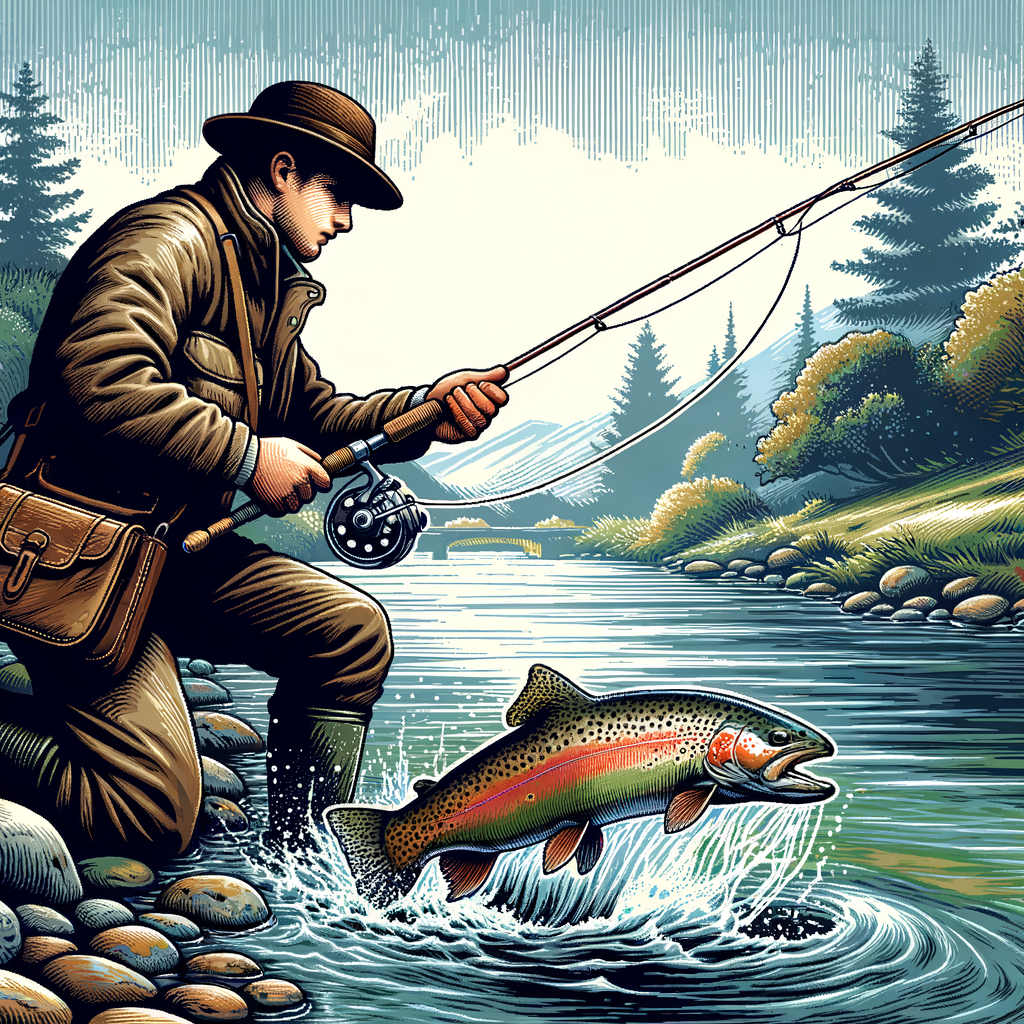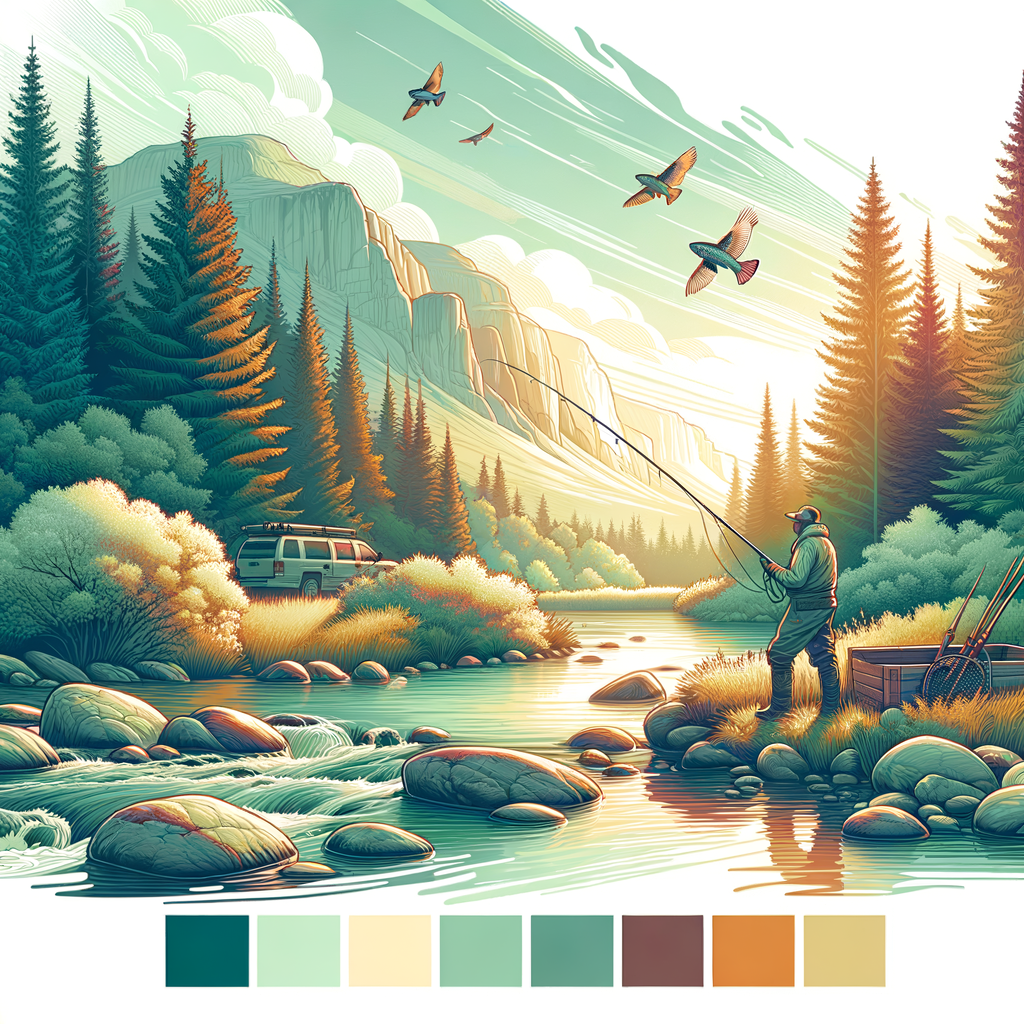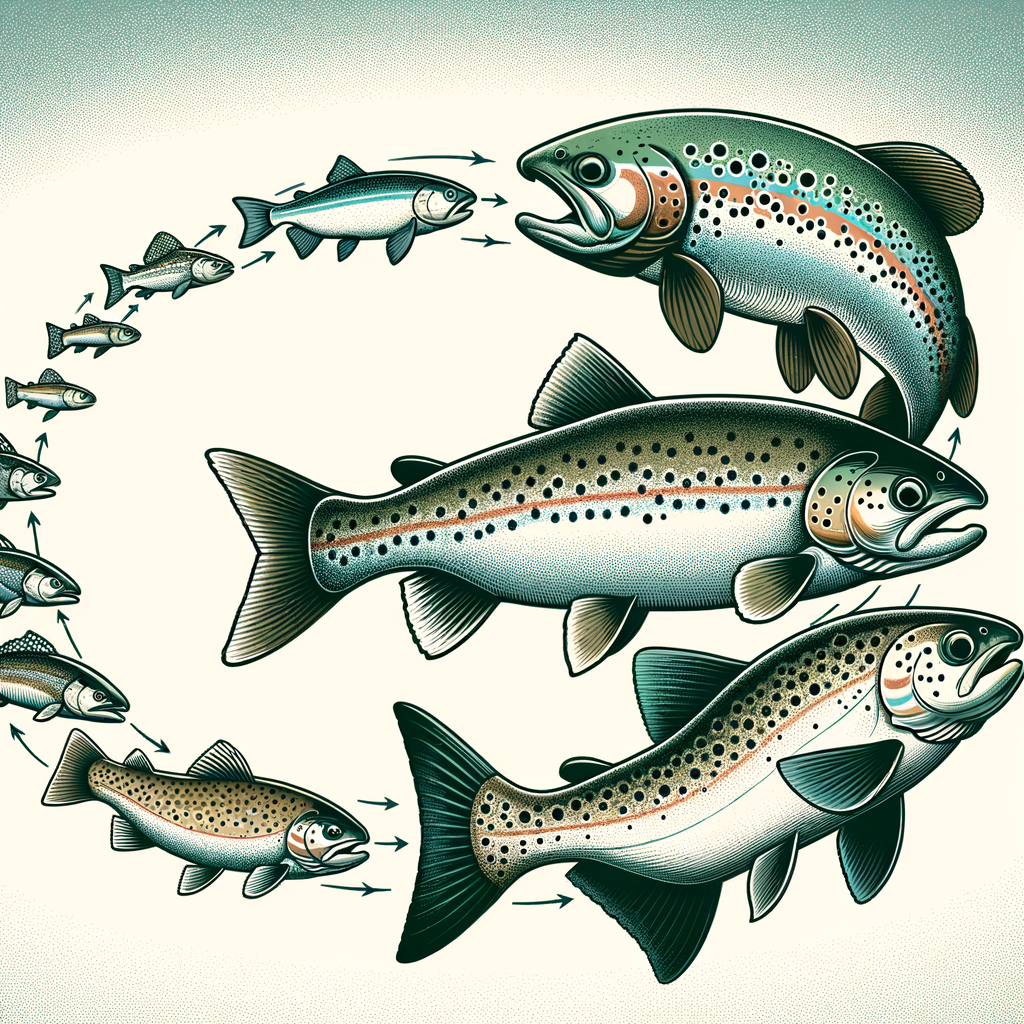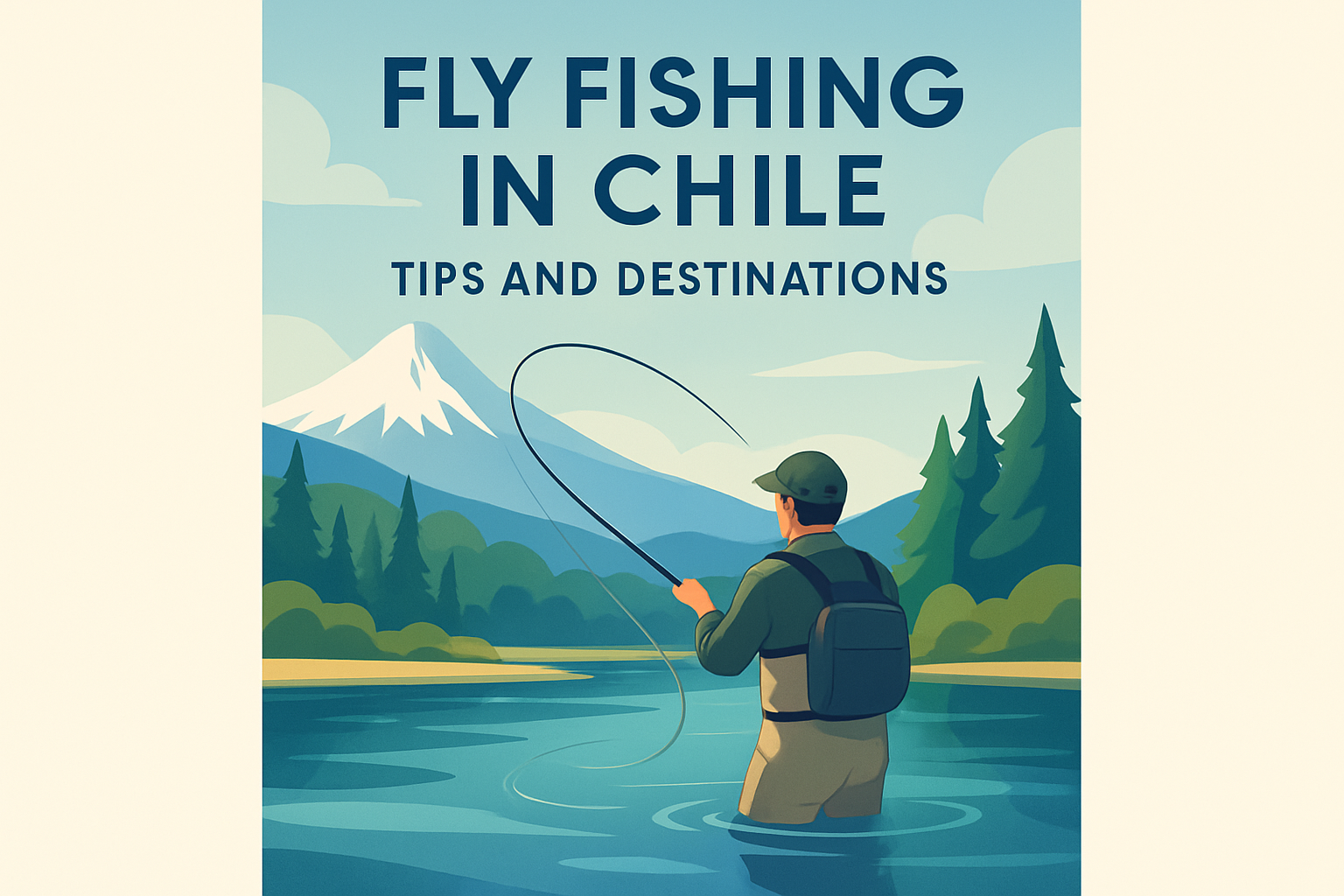
Fly fishing is a time-honored method of angling that involves using a lightweight lure, known as a fly, to catch fish. This technique has gained considerable popularity in various parts of the world, but few places offer the pristine conditions found in Chile. With its diverse range of climates and landscapes, Chile provides exceptional opportunities for both novice and experienced anglers. From the crystal-clear waters of Patagonia to the tranquil lakes of the Chilean Lake District, the nation offers unique fly fishing experiences that are well worth exploring.
For many anglers, the appeal of fly fishing in Chile lies in the possibility of connecting with nature in a profound way. Combining the skill of the angler with the unpredictable behavior of fish, the sport requires patience, precision, and knowledge of the environment. Whether it’s targeting trout in remote rivers or fishing for salmon during their migration, fly fishing in Chile promises memorable encounters and a deep connection with the natural world.
The rising popularity of fly fishing in Chile has not only boosted local economies but also emphasized the need for sustainable practices. These efforts ensure that the ecosystems remain intact for future generations of anglers. Understanding the cultural and environmental significance of this sport is crucial when exploring its potential destinations.
The Best Fly Fishing Spots in Chile
Chile’s geographical diversity provides anglers with ample opportunities to explore varying environments. The country’s iconic landscapes serve as stunning backdrops for exciting fly fishing adventures, ensuring a unique experience for every visitor.
Fly Fishing in Patagonia
Patagonia is undoubtedly one of the world’s top fly fishing destinations. Known for its vast and rugged wilderness, Patagonia offers pristine rivers teeming with trout and salmon. The region’s rivers like the Futaleufú and the Baker River are renowned for their excellent fishing conditions.
For example, the Futaleufú River, famous for its turquoise waters and picturesque surroundings, is a favorite among experienced anglers. Fly fishermen frequent this river to catch rainbow and brown trout, which are abundant in its rapids. Local guides often assist anglers with access points and fishing tactics to maximize the potential catch.
Exploring the Chilean Lake District
North of Patagonia, the Chilean Lake District presents another excellent location for fly fishing. Characterized by glacial lakes and dense forests, this area offers anglers a serene fishing environment. Lakes such as Llanquihue and Todos los Santos are known for producing substantial catches of fish like trout and bass.
Take Lake Llanquihue, for instance. This lake is accessible from the charming town of Puerto Varas, providing anglers with various points to cast their lines. The lake’s calm waters are ideal for beginners to practice their casting technique while hoping to hook into a native brown or rainbow trout.
Seasonal Considerations and Techniques
Understanding the seasonal patterns in Chilean fly fishing can enhance the chances of a successful trip. Chile’s southern hemisphere location means fishing seasons are typically opposite those in the north, providing anglers from different parts of the world an opportunity to fish year-round.
Spring and Summer Fishing
The spring and summer months, from November to February, are considered prime times for fly fishing in Chile. Warmer weather brings out insect hatches, increasing fish activity. During this period, anglers are likely to catch a variety of species, with trout being especially active.
- November to February: Ideal for trout fishing.
- Peak insect hatches, leading to high fish activity.
Using dry flies that mimic local insects can significantly increase hook rates. Experienced anglers may use a technique known as “match the hatch,” where they closely observe local insect life to select the appropriate fly.
Autumn and Winter Fishing
Autumn (March to May) offers another opportunity, as water temperatures begin to cool, driving fish into deeper waters. Salmon fishing often peaks during this time, especially as they migrate up rivers to spawn.
Essential Gear for Fly Fishing in Chile
Equipping yourself with the right gear is crucial when fly fishing in Chile. Selecting appropriate equipment ensures both comfort and efficiency during the fishing adventure.
Choosing the Right Rod and Reel
For most locations in Chile, a 5 to 7-weight rod is appropriate for targeting trout and smaller salmon. Regions with larger and stronger salmon, like the Río Petrohué, may require a 9-weight rod and reel setup to handle the fish’s size and strength.
The reel should also be able to hold the appropriate weight line and backing. Given the diverse fishing environments in Chile, the choice of rod and reel can be as important as the flies used.
Appropriate Clothing and Fly Selection
Given the variable weather conditions in Chile, dressing in layers is advisable. Weather-resistant outerwear, such as waterproof jackets and waders, help protect against rain and cold. Footwear with solid traction will provide sure footing on wet and slippery riverbanks.
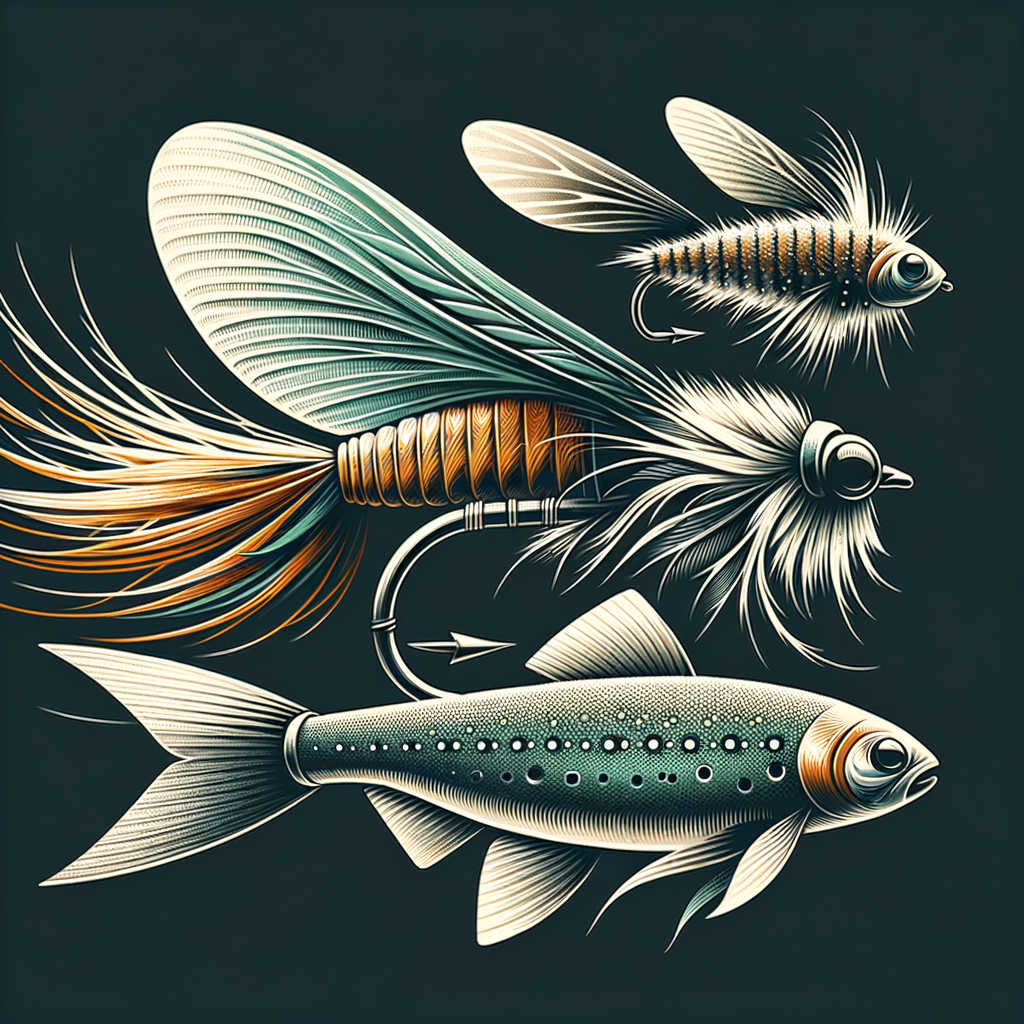
On the fly selection front, a collection of dry, wet, and streamer flies is essential. Patterns mimicking local insects, crustaceans, and baitfish increase the odds of enticing a strike.
Sustainable Fly Fishing Practices
With fly fishing’s growing popularity in Chile, sustainable practices are necessary to protect the delicate ecosystems found there. Practicing catch and release and minimizing environmental disturbance plays a key role in maintaining healthy fish populations.
Catch and Release
By adopting catch and release tactics, anglers help ensure that fish populations remain stable. This practice involves using barbless hooks to minimize harm, wetting hands before handling fish to protect their skin, and quickly returning them to the water.
Local guides often stress the importance of conservation and can provide insights into the best practices for maintaining fish health post-catch.
Responsible Angling
Responsible angling goes beyond just the fish. Anglers should also aim to minimize their environmental footprint. This involves cleaning up after oneself and respecting the local flora and fauna to maintain the pristine landscapes.
Conclusion: Embrace the Fly Fishing Adventure in Chile
Whether you’re a seasoned angler or a beginner eager to hone your skills, fly fishing in Chile offers an unparalleled adventure. With an array of destinations and unique species to target, there’s no shortage of experiences to be had in this angling paradise. From the rushing rivers of Patagonia to the serene lakes in the Chilean Lake District, each venue offers its own unique fishing challenge and spectacular natural beauty.
As you gear up for your Chilean adventure, remember the importance of sustainable practices that will allow future generations to enjoy these spectacular sites. By appreciating the natural environment and ensuring responsible fishing methods are practiced, anglers contribute to preserving these amazing ecosystems.
Now is the time to plan your journey to Chile’s waters. Gather your equipment, learn the local fishing tactics, and set your sights on experiencing what is sure to be a memorable and rewarding fly fishing trip.
Frequently Asked Questions
1. What are the best destinations for fly fishing in Chile?
Chile is a fly fishing paradise with an array of stunning locations offering something for every angler. Some of the top destinations include:
Patagonia: Known for its rugged landscapes and crystal-clear waters, Patagonia is a dream come true for fly fishers. The Futaleufu River is renowned for its abundance of rainbow and brown trout, while the Baker River offers some of the finest salmon fishing in the world. The breathtaking scenery and unspoiled nature add to the experience, making it a top pick for anglers looking for an adventure.
Chilean Lake District: A sought-after destination for those who love tranquil and scenic environments. This area is filled with numerous glacial lakes and rivers teeming with trout. Lago Llanquihue, Chile’s largest lake, provides scenic views and perfect conditions for fly fishing. The area’s diverse ecosystems support a rich variety of fish and provide an excellent backdrop for a peaceful fly fishing outing.
Tierra del Fuego: Bordering Argentina, this remote archipelago offers unique and exceptional fly fishing opportunities. The Rio Grande is famous worldwide for its enormous sea-run brown trout. Anglers can experience solitude while testing their skills against these powerful fish in a stunning and wild setting.
2. What kind of fish can I expect to catch when fly fishing in Chile?
Chile’s varied water bodies are home to a rich array of fish species, making it an ideal destination for fly fishing enthusiasts. Here’s what you can expect to reel in:
Brown and Rainbow Trout: One of the most common catches, these are found in many of Chile’s rivers and lakes, particularly in Patagonia and the Lake District. They present a thrilling challenge for anglers both in terms of skill and patience.
Sea-Run Brown Trout: Particularly plentiful in Tierra del Fuego’s Rio Grande, these fish grow exceptionally large due to their migratory patterns and offer an exhilarating angling experience.
Chinook and Atlantic Salmon: Found in the southern rivers like the Petrohué and Maullín, these fish are massive in size and revered for their fighting spirit. Joining a guided trip can enhance your chances of landing one.
With Chile’s bountiful waters, fly fishermen can gear up for an engaging and satisfying experience.
3. What fly fishing gear should I bring when planning a trip to Chile?
Preparing the right gear for a fly fishing expedition to Chile is essential. Given the varied fishing environments, here’s what you should consider packing:
Rods and Reels: For trout fishing, a 5-7 weight rod with a matching reel is recommended. However, for larger species like salmon or sea-run browns, opt for a 7-9 weight setup. Having different rods can be beneficial depending on the target species and water conditions.
Flies: Stock your fly box with some diverse patterns. Dry flies, nymphs, and streamers should all find a place in your kit. Local favorites include Woolly Buggers, Adams, and Elk Hair Caddis patterns.
Clothing: Dress in layers, as Chile’s weather can be quite unpredictable. Make sure to bring rain gear and waders rated for cold water if fishing in remote or glacial-fed rivers. Sun protection is also a must, so hats, sunglasses, and sunscreen are advisable.
Adequate preparation will not only enhance your fly fishing experience in Chile but also contribute to your safety and comfort.
4. Do I need a fishing license to fly fish in Chile, and how can I obtain one?
Yes, you absolutely need a fishing license to enjoy fly fishing in Chile. The process for obtaining one is straightforward:
Fishing licenses are mandatory to help maintain sustainable fishing standards and preserve aquatic ecosystems. They can be purchased on a daily, weekly, or seasonal basis depending on the duration of your stay and fishing plans.
You can acquire a license through various channels: most major towns with tourist departments or community offices can issue one. Many lodges and guided tour operators also offer them as part of their packages to facilitate your adventure. Some online platforms allow you to purchase licenses in advance; just be sure they are official and recognized by the local authority.
Ensuring you have a valid license before casting your first line cannot be overstated, as it protects the environment and keeps you in compliance with local regulations.
5. When is the best time of year for fly fishing in Chile?
Chile’s climate changes drastically from its northern to southern borders, affecting the optimal fishing seasons across regions:
Patagonia and Tierra del Fuego: These areas have a limited fishing season, generally from November to April, coinciding with the Southern Hemisphere’s summer months. During this time, weather conditions are more favorable, and the fish are active.
Chilean Lake District: While fishing is possible all year round, spring and early summer (October to January) are particularly rewarding times to fish here. Anglers can enjoy active fish and lush surroundings yet avoid the peak tourist crowds.
Understanding the seasonal variations can significantly enhance your chances of success and enjoyment. So, timing your trip to coincide with the peak fishing season will provide better weather, conditions, and overall experience.