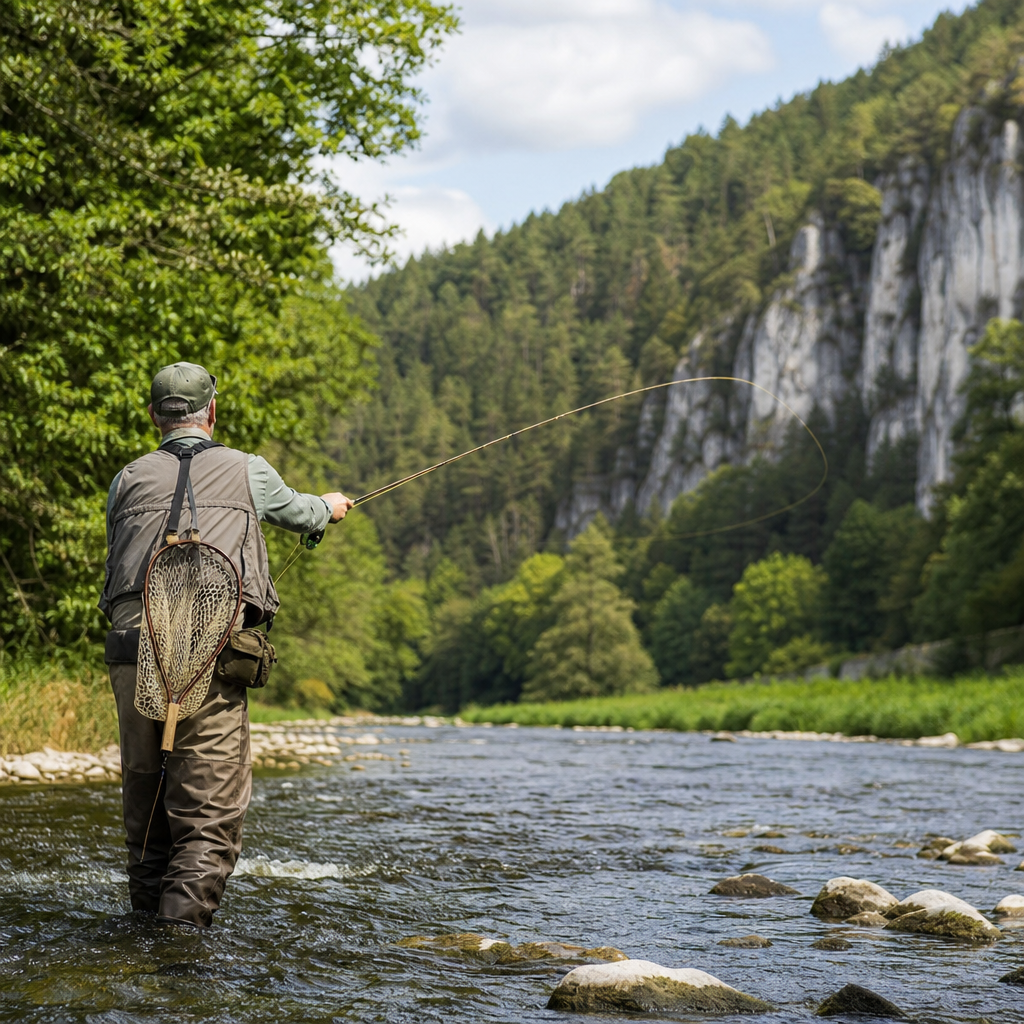
Fly fishing in the Czech Republic combines clear mountain streams, productive tailwaters, and accessible urban rivers in a compact country that rewards both first-time visitors and highly technical anglers. For anglers researching fly fishing destinations in Europe, the Czech Republic deserves a central place because it offers diverse trout, grayling, chub, pike, and stillwater opportunities without the long transfers common in larger countries. The term fly fishing here covers both classic dry-fly and nymph approaches, including the short-line contact style widely associated with Czech competition anglers. Top locations range from South Bohemian freestone rivers to Moravian reservoirs and stretches near Prague where a day trip can still produce quality fish. I have fished and planned trips across several Czech regions, and what stands out is consistency: permits are organized, access is generally good, and local clubs manage water with surprising intensity. That matters for traveling anglers who need reliable logistics as much as scenic water. As a Europe hub page, this guide explains where to fish, what each region is best for, and how the Czech Republic compares with other notable European fly fishing destinations. If you want one country that lets you sample classic limestone rivers, wooded freestones, and stillwaters in a single week, the Czech Republic is one of the smartest choices on the continent.
Why the Czech Republic stands out in Europe
The Czech Republic is not always the first destination international anglers mention when discussing Europe, yet it repeatedly overdelivers. Geography is the first reason. Bohemia and Moravia hold dense networks of fishable rivers, many within two to three hours of major transport hubs. This short-travel advantage is important on a European fly fishing itinerary because it creates more fishing time and less driving fatigue. Compared with the broader alpine systems of Austria or the long valley transfers often required in parts of Slovenia, Czech trips are efficient and affordable.
The second reason is style diversity. A single itinerary can include trout streams under overhanging alders, larger rivers suited to euro-nymphing, lakes with strong rainbow trout programs, and coarse-fish venues where fly anglers target chub or pike. That breadth gives the country a special role within Europe. It can serve as a focused destination on its own or as a flexible stop within a multi-country trip that also includes Poland, Slovakia, Austria, Germany, or Slovenia.
Management also deserves attention. Waters are commonly controlled by angling unions and local organizations, with clear beat descriptions, permit structures, stocking records, and seasonal rules. While anglers should always verify current regulations, the system is more structured than many visitors expect. In practical terms, that means fewer surprises at access points and a better chance of matching technique to water type before you arrive.
Top fly fishing locations in Bohemia
South and West Bohemia provide some of the country’s most attractive trout fishing. The Vltava system is the headline name, especially upper sections and tributaries where cold water, gravel runs, and pocket water support brown trout and grayling. Around Vyšší Brod and in upper South Bohemian reaches, anglers often fish nymphs through riffled seams in the morning, then switch to small dries during afternoon hatches of mayflies, caddis, or midges. On pressured days, fish frequently hold tighter to structure than visitors expect, so accurate first casts matter more than constant fly changes.
The Otava is another top Bohemian river, especially for anglers who value mixed character. Some reaches are broad and smooth enough for long leaders and delicate presentation, while others have enough current variation for heavier nymph rigs. The Otava has historical significance in Czech fly fishing culture and remains one of the country’s classic names. In lower light, larger browns may move from undercut banks, but daytime success usually comes from covering water efficiently rather than camping on one run.
In western regions, the Berounka and selected tributaries are worth attention for anglers open to species variety. While not every stretch is a pure trout stream, these waters can provide excellent sport with chub and other species on small streamers, terrestrials, and nymphs. That broader fishing profile mirrors a practical truth about the Czech Republic: some of the best days are not defined only by trout numbers but by active fish, changing tactics, and reachable water close to towns.
Best rivers and reservoirs in Moravia
Moravia adds another layer to Czech fly fishing, with productive rivers and strong stillwater options. The Dyje is the standout name, especially below reservoirs where cool, stable flows create highly fishable conditions. Tailwater stretches can hold quality brown trout and grayling, and they often reward technical nymphing with thin leaders and controlled drifts. During my own Moravian sessions, the Dyje repeatedly proved that presentation outranks fly pattern once fish have seen pressure. Small tungsten nymphs in natural shades, tight contact, and disciplined line control usually beat larger, more visible setups.
The Svratka and Morava systems also deserve mention, particularly for anglers based in Brno or moving east toward Olomouc and the Slovak border. These rivers are not identical in character, and that is a strength. Some sections favor short-line fishing through pocketed current, while others fish better with indicator rigs or dry-dropper combinations. In warmer periods, non-salmonid species become excellent targets, which is useful when trout activity dips.
Moravian reservoirs and managed lakes broaden the destination further. Stillwaters around the region often receive rainbow trout stocking and can fish well from shore or tube where allowed. For traveling anglers, this creates a valuable backup plan during flood conditions or summer heat on streams. It also makes the Czech Republic more versatile than many river-only European destinations.
What species to expect and where they thrive
Brown trout are the defining wild-feeling species across many Czech rivers, particularly in colder upland waters and quality tailwaters. Grayling remain a major attraction where regulations and habitat support them, and in the right season they can provide some of the most elegant dry-fly fishing in the country. Rainbow trout are more common in managed fisheries and stillwaters, where they offer consistent sport for visiting anglers who want action even if river conditions are difficult.
One underappreciated part of fly fishing in the Czech Republic is how well coarse and predatory species fit a European destination plan. Chub are abundant in many rivers and can be selective on dry flies, especially around overhanging trees in summer. Pike appear in lower, slower systems and reservoirs, where a dedicated streamer setup can produce memorable sessions. Perch and asp are also realistic targets in some waters, particularly for anglers who like to fish larger baitfish patterns.
| Location type | Key species | Best techniques | Best timing |
|---|---|---|---|
| Mountain and upland rivers | Brown trout, grayling | Euro-nymphing, dry fly, dry-dropper | Spring to early autumn |
| Tailwaters | Brown trout, grayling, rainbow trout | Short-line nymphing, small dries, midge patterns | Year-round where legal, strongest in shoulder seasons |
| Managed stillwaters | Rainbow trout, brown trout, pike | Stripped streamers, buzzers, washing-line rigs | Cool months and stable weather |
| Lower mixed rivers | Chub, asp, perch, pike | Terrestrials, small streamers, nymphs | Late spring through early autumn |
This species range is one reason the Czech Republic works so well as a hub within Europe. If mountain trout rivers are blown out, anglers can pivot to tailwaters, stillwaters, or lower mixed fisheries instead of losing the trip.
Techniques, tackle, and seasonal strategy
Czech fly fishing is inseparable from contact nymphing. Internationally, many anglers call it Czech nymphing or place it within the broader euro-nymphing category. In practice, the method relies on a long rod, thin line, direct contact, weighted flies, and careful drift control at short to medium range. Nine-foot-six to eleven-foot rods in two- to four-weight classes are common on trout rivers. Leaders are often purpose-built with a visible sighter, and flies are compact enough to sink quickly without looking unnatural.
Dry-fly fishing is also important, especially on calmer glides, evening rises, and grayling water. Standard European patterns work well: pheasant tails, hare’s ears, caddis pupae, CDC emergers, klinkhåmers, and small parachutes all have places in the box. On stillwaters, intermediate lines and mobile retrieves can outperform static methods, particularly when stocked rainbows cruise drop-offs or wind lanes.
Season shapes location choice. Spring is excellent for rivers because flows are healthy, water temperatures remain cool, and fish feed aggressively after winter. Early summer can be superb, though popular waters receive more pressure. High summer demands flexibility; fish early, late, or higher in the catchment, and consider reservoirs during heat waves. Autumn is often the best period for serious anglers because water cools, crowds thin, and trout regain intensity before spawning closures. Winter can still produce on legal tailwaters and lakes, but conditions vary sharply by region.
Permits, access, guides, and trip planning
Visitors should take permits seriously because the Czech system is organized but not casual. Most waters are managed under regional unions, and anglers generally need both a fishing permit for the specific water type and proof of angling authorization or recognized qualification, depending on current rules. Regulations can change, and some waters have local exceptions for catch limits, methods, hook types, or seasonal closures. The safest approach is to confirm directly with the relevant regional angling body or a reputable local guide before travel.
Guides are particularly valuable on a first trip. They know beat rotations, parking norms, local insect timing, and how individual stretches fish at different flow levels. That local knowledge saves entire days. I have seen strong anglers struggle simply because they approached a Czech river as if it were a freestone in Scotland or a chalkstream in England. The fish were present, but the productive water, depth, and drift angle were different. A day with a guide usually fixes that learning curve fast.
For a Europe-wide itinerary, Prague and Brno are practical bases. Prague offers quick access to Bohemian waters and excellent international connections. Brno works well for Moravian rivers, the Dyje system, and onward travel toward Austria or Slovakia. If this hub is part of a larger Fly Fishing Destinations research journey, useful next comparisons are Slovenia for alpine glamour, Austria for managed premium beats, and Poland for wilder regional variety.
How the Czech Republic compares with other European destinations
Within Europe, the Czech Republic sits in a sweet spot between prestige fisheries and practical fishing value. Slovenia’s Soča basin may be more famous visually, and parts of Austria may offer more polished lodge-style experiences, but the Czech Republic often provides more fishable variety per travel day. It is also usually less expensive than top-name alpine destinations. Compared with England, the Czech Republic offers broader public access traditions in many areas. Compared with Scandinavia, it is easier to cover multiple water types without domestic flights or long road transfers.
The country is especially attractive for anglers who care more about fishing quality than postcard marketing. A Czech river may not always have the turquoise color of a famous alpine stream, yet it can fish harder, more consistently, and with less crowding. That balance makes it a strong hub page within Europe because it appeals to independent travelers, competition-minded nymph anglers, and traditional trout fishers alike.
Fly fishing in the Czech Republic is ultimately about range, efficiency, and substance. You can fish technical trout water in the morning, scout a reservoir in the afternoon, and still sleep in a major city with good transport links. Few European destinations package diversity so compactly. Start by choosing one Bohemian river and one Moravian water, confirm permits early, and build your Europe itinerary from there. The Czech Republic is not just a worthwhile stop on a fly fishing trip; for many anglers, it becomes the destination they return to most.
Frequently Asked Questions
What are the best fly fishing locations in the Czech Republic?
The Czech Republic offers an unusually wide range of fly fishing water for such a compact country, which is one of the main reasons it stands out as a destination in Europe. Among the top areas are the mountain and foothill rivers of South Bohemia, the productive trout and grayling stretches in Moravia, and the well-known tailwaters and managed fisheries that consistently produce quality fishing throughout the season. Anglers looking for classic moving-water experiences often focus on clear streams with riffle-run-pool structure, where trout and grayling respond well to dry flies, nymphs, and small streamers. These waters are especially appealing to technical anglers who enjoy reading pocket water, sight-fishing in clear currents, and adjusting presentation to changing flows.
Another major strength of the Czech Republic is the accessibility of urban and near-urban rivers. In many parts of the country, it is possible to fish productive water without traveling deep into remote terrain. This gives visiting anglers the chance to combine fishing with city-based travel, cultural sightseeing, and short transfers between destinations. Beyond trout streams, there are also lower-gradient rivers and stillwaters that open the door to species such as chub, pike, and other opportunistic fish that take flies readily under the right conditions. In practical terms, the “best” location depends on whether you want small-stream dry fly fishing, technical Euro-style nymphing, larger river grayling water, or mixed-species fishing. The country’s biggest advantage is that all of these options are relatively close together compared with larger European destinations.
What fish species can you target when fly fishing in the Czech Republic?
Fly anglers in the Czech Republic can target a surprisingly diverse mix of species, which adds greatly to the country’s appeal. Trout are a major draw, especially brown trout in rivers and streams where clear water, varied current seams, and healthy insect life create ideal fly fishing conditions. Grayling are another standout species and are highly prized by anglers who enjoy refined presentations, subtle takes, and seasonal dry fly activity. In many rivers, these two species form the core of the classic fly fishing experience, particularly in trout and grayling zones managed for moving-water angling.
Beyond the traditional salmonid focus, the Czech Republic also offers excellent opportunities for fly fishing for chub, which are common, aggressive at times, and often underestimated by visiting anglers. Chub can provide exciting fishing on dry flies, nymphs, and small streamers, especially on slower glides and urban or lowland rivers. Pike are also available in selected stillwaters, backwaters, and slower river sections, making streamer fishing a realistic option for anglers who want a change of pace. Depending on the water, season, and local fishery management, anglers may also encounter rainbow trout in stocked waters and other coarse species that will take flies opportunistically. This diversity means a single trip can include delicate dry fly sessions on clear streams, highly technical subsurface nymphing, and more aggressive predator-focused fishing, all within a relatively small travel radius.
Is the Czech Republic a good destination for beginners as well as experienced fly anglers?
Yes, and that balance is one of the country’s strongest selling points. For beginners, the Czech Republic is approachable because it combines manageable travel logistics with a wide range of waters that are not limited to one highly specialized style of fishing. Newer fly anglers can find accessible rivers with good fish density, straightforward wading in selected stretches, and enough variety to practice core techniques such as dead-drift nymphing, dry fly presentation, and basic streamer retrieves. The country’s compact geography also makes trip planning easier. Instead of committing to long drives between major fisheries, beginners can often sample different types of water in a shorter amount of time, which is ideal for learning.
At the same time, highly experienced anglers will find more than enough technical challenge. The Czech Republic has long been associated with advanced nymphing methods, and many of its rivers reward precise line control, depth management, and careful reading of current seams. Clear water and educated fish can make even productive stretches demanding, particularly during low, bright conditions when presentation becomes critical. Seasonality, insect hatches, flow changes, and local pressure all influence success, so experienced anglers can dive deeply into tactical decision-making. In other words, the Czech Republic works well for both ends of the spectrum: it is accessible enough for first-time destination fly fishers, yet technical and varied enough to keep expert anglers fully engaged.
What fly fishing techniques work best in the Czech Republic?
The most effective techniques depend on the type of water you are fishing, but in general the Czech Republic rewards versatility. Nymphing is central to success on many rivers, especially in runs, seams, and pocket water where trout and grayling hold close to the bottom. European tight-line methods are particularly effective because they allow anglers to maintain direct contact, control drift speed, and adjust depth precisely in varied currents. This is especially useful in the clear, structured rivers that define much of the country’s best fly water. Weighted nymphs, slim profiles, and natural presentations tend to be important, particularly when fish are pressured or conditions are stable and clear.
Dry fly fishing can also be excellent, especially during seasonal hatches and in softer glides, tailouts, and evening feeding windows. Anglers who prefer visual fishing will appreciate how responsive trout, grayling, and even chub can be when insect activity builds. Matching general size and drift often matters more than hyper-complicated pattern selection, although local hatch awareness always helps. Streamer fishing has a place as well, particularly for larger trout, pike, and opportunistic fish in deeper pools, tailwaters, and stillwaters. The key is not to think of the Czech Republic as a one-method destination. It is better understood as a country where dry flies, classic and modern nymphing, and selective streamer fishing all have strong roles. The anglers who do best are usually the ones who adapt to each river section rather than forcing a single style all day.
What should visiting anglers know about planning a fly fishing trip to the Czech Republic?
Planning ahead matters, especially because the Czech Republic’s fishing opportunities are diverse and often managed under specific regional systems. Visitors should research permits, local regulations, seasonal rules, and whether a particular river is public, club-controlled, private, or part of a managed fishery structure. Catch limits, tackle restrictions, species rules, and access expectations can vary by water. This is important not only for legal compliance but also for making sure your trip matches your goals. An angler hoping for wild-stream trout fishing will need a different plan than someone looking for easy access, mixed species, or stocked stillwater options. Working with a local guide, outfitter, or knowledgeable host can save a lot of time and quickly clarify which waters best fit your preferred techniques and target species.
From a travel standpoint, the Czech Republic is especially attractive because distances are relatively short, allowing anglers to build efficient itineraries. You can combine fishing with stays in Prague or other historic cities, then move easily to mountain streams, tailwaters, or quieter regional fisheries. Packing for varied conditions is wise, since flows, weather, and water clarity can change across regions and elevations. Waders, layered clothing, polarized glasses, and a flexible rod setup for nymphing and dry fly work are typically useful. It is also smart to approach the trip with realistic expectations: this is not just a “numbers” destination, but a place where technique, mobility, and observation are rewarded. For anglers researching European fly fishing destinations, that combination of diversity, convenience, and genuinely technical water is what makes the Czech Republic such a compelling choice.