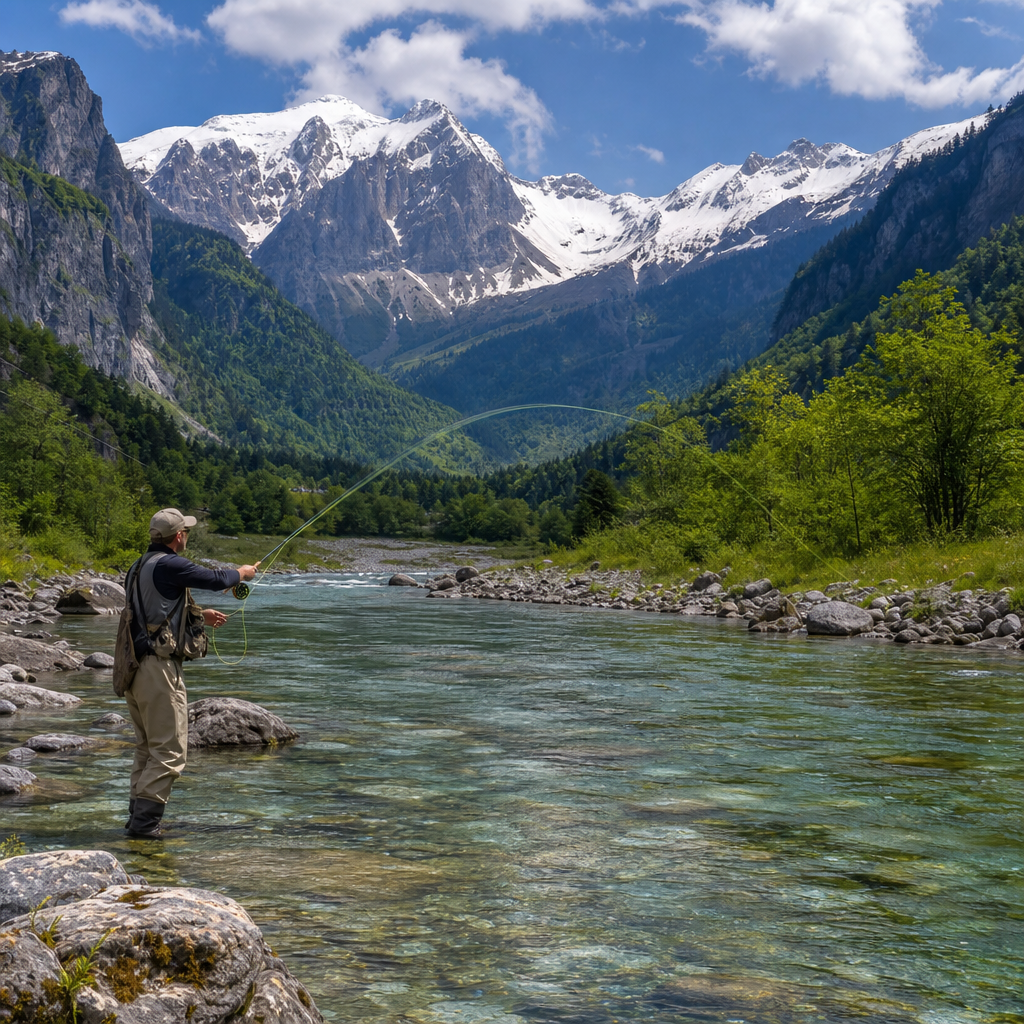
Switzerland offers some of Europe’s most rewarding fly fishing destinations, combining cold alpine water, disciplined fishery management, and dramatic mountain scenery in a compact country that is easy to explore. For anglers planning a European trip, Switzerland stands out because it delivers variety: glacial rivers, spring-fed streams, high-elevation lakes, and large pre-alpine systems all within a few hours of each other. In practical terms, that means a visiting fly fisher can target grayling in one canton, drift nymphs for brown trout in another, and finish the week casting streamers on a deep lake beneath snow-lined peaks.
When I speak about fly fishing in Switzerland, I mean more than simply catching trout in beautiful places. The Swiss approach to water management, licensing, habitat protection, and local angling culture shapes the experience as much as the fish themselves. Rules are often canton-specific, access can be tightly managed, and many waters operate under permit limits that preserve quality. That structure matters because it protects fisheries that might otherwise be pressured by tourism and dense population. It also means successful trip planning requires more preparation than many first-time visitors expect.
As a hub within the broader Europe fly fishing destinations landscape, this guide explains where to go, what species to expect, how Swiss regulations work, when conditions are best, and why certain regions deserve priority. It also helps connect Switzerland to the larger European picture. Compared with Iceland’s short explosive season, Slovenia’s emerald limestone rivers, or Austria’s classic mountain valleys, Switzerland offers a distinctive mix of accessibility, precision management, and technical fishing. Anglers who understand those strengths usually fish better, travel smarter, and appreciate the country far beyond its postcard reputation.
Why Switzerland matters in European fly fishing
Switzerland matters because it concentrates high-quality coldwater fisheries into a small, well-connected geography. In one trip, anglers can fish the upper Rhine system in Graubünden, the Inn watershed near the Engadine, tributaries feeding Lake Geneva, and select alpine lakes that thaw into productive summer windows. Few European destinations offer this density of options alongside reliable infrastructure, safe roads, punctual trains, and established tourism services.
The country is especially appealing to anglers who enjoy technical presentations. Swiss trout and grayling often see clear water, fluctuating light, and varied insect activity, so lazy casting is exposed quickly. Czech-style nymphing, short-line contact techniques, dry-dropper rigs, and precise downstream presentations all have their place. On many rivers, success depends less on sheer fish numbers than on reading current seams, understanding temperature shifts, and matching your approach to strict local conditions.
Another reason Switzerland deserves hub status in a Europe-focused destination strategy is its regional diversity. The German-speaking east offers iconic alpine streams and grayling water. The French-speaking west presents broad lake systems and tributaries with migratory histories. The Italian-influenced south has faster, steeper flows shaped by different weather patterns. For a continent-wide angler comparing destinations, Switzerland is not a single fishery but a network of highly distinct environments that reward careful selection.
Top Swiss fly fishing regions and what makes each one special
Graubünden is the first region many serious anglers should consider. Home to parts of the upper Rhine and Inn systems, it combines classic freestone water with extraordinary mountain backdrops. Brown trout dominate many stretches, but grayling are a major draw on select reaches. Water clarity can be exceptional, especially after stable weather. I have found that early starts matter here; snowmelt, hydropower releases, and afternoon storms can all change conditions quickly. Streams around the Engadine often reward small nymphs, sparse mayfly dries, and careful wading.
Valais deserves equal attention for anglers seeking dramatic valleys and mixed river-lake opportunities. The upper Rhône basin runs through this canton, and while flow control and hydroelectric infrastructure affect some sections, productive water remains. Tributaries can offer more intimate fishing than the main stem. High mountain lakes, accessible after thaw, provide a very different challenge, often involving long walks, wind management, and sight-focused tactics near drop-offs or inlets.
Bernese Oberland is famous for scenery, but its fisheries are more than photographic backdrops. Rivers and lakes around Interlaken and nearby valleys support trout fishing with changing character through the season. In some waters, glacial tint reduces visibility and shifts tactics toward larger attractor nymphs or streamers. In clearer tributaries, delicate dry fly fishing can be excellent during localized hatches. This region works well for anglers traveling with families because base towns offer non-angling activities without sacrificing access.
Ticino, in southern Switzerland, adds another layer to the national picture. Influenced by a milder climate and steeper drainage patterns, its streams can fish differently from the classic northern alpine model. Pocket water, bouldery runs, and fast changes after rain make it attractive to anglers who like active, mobile fishing. It is not always the first canton international visitors choose, but it can be an excellent alternative during periods when other regions are crowded or heavily affected by runoff.
| Region | Primary waters | Key species | Best timing | Main advantage |
|---|---|---|---|---|
| Graubünden | Upper Rhine, Inn tributaries, alpine streams | Brown trout, grayling | June to September | Technical river variety |
| Valais | Rhône basin, tributaries, mountain lakes | Brown trout, rainbow trout, char in some lakes | July to September | River and lake combination |
| Bernese Oberland | Pre-alpine rivers and lakes | Brown trout, stocked trout in some fisheries | Late spring to early autumn | Easy travel logistics |
| Ticino | Fast southern streams and valleys | Brown trout | May to September, weather dependent | Less typical Swiss experience |
Species, hatches, and the techniques that work
Brown trout are the defining species across most Swiss fly fishing destinations. Wild fish are present in many systems, though stocking still plays a role in some waters and lakes. These trout are usually opportunistic but not careless. In clear alpine rivers, they often hold in compact feeding lanes, undercut rocks, and transition seams where fast and moderate currents meet. A pair of lightly weighted nymphs, fished on a tight line with controlled drift, is one of the most dependable methods I use in Swiss rivers from June through early autumn.
Grayling are another signature target, particularly in eastern waters. Their reputation for elegance is well deserved, but anglers should treat them as highly responsive current-feeding fish rather than merely ornamental catches. Grayling often pod in medium-depth runs with stable flow, and they can switch from subsurface feeding to surface rises quickly when mayflies or caddis become available. Small perdigons, pheasant tail variations, and slim emergers consistently produce. During gentle evening activity, CDC dry flies in understated profiles often outperform bushier patterns.
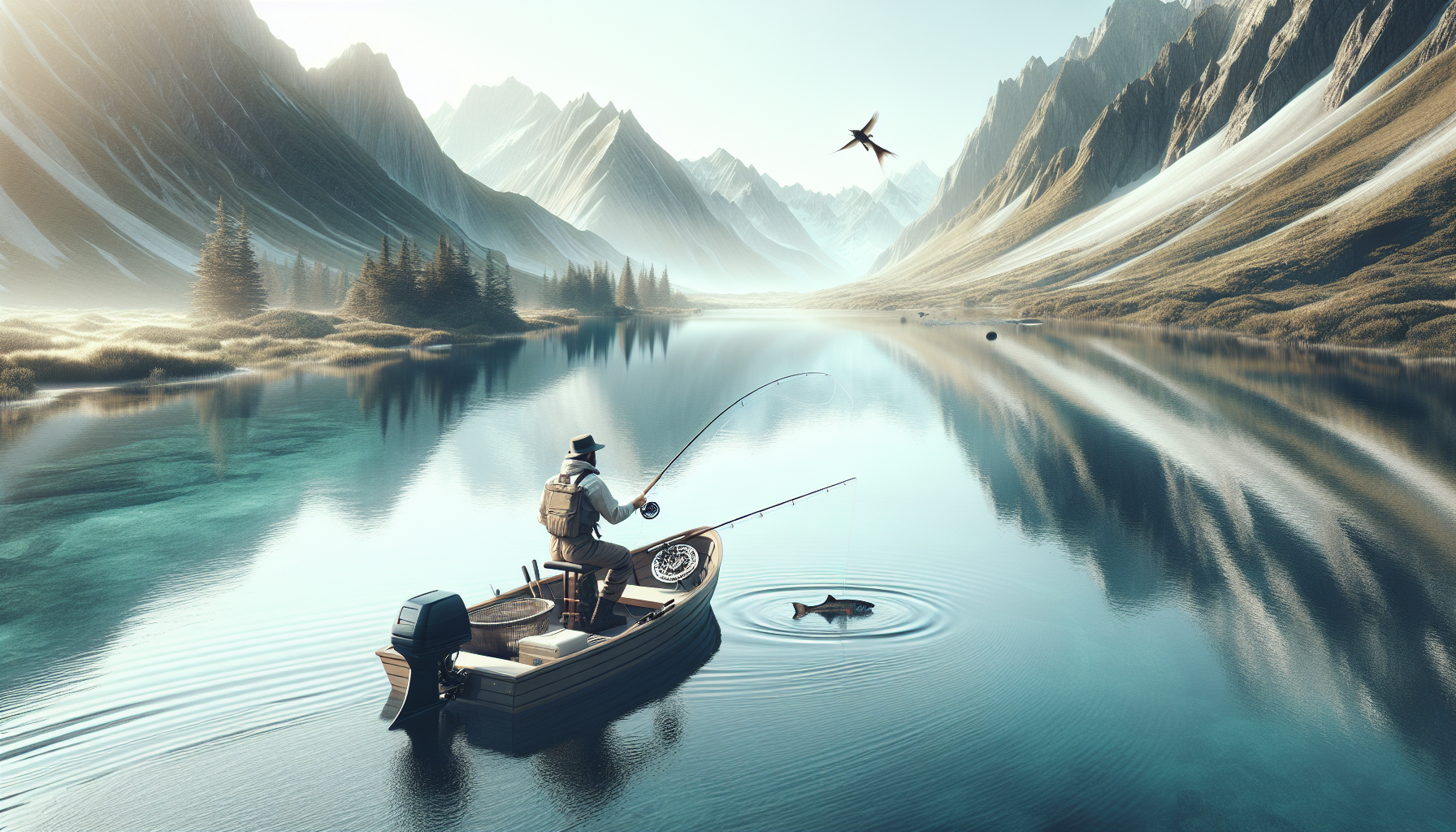
Lake fishing in Switzerland deserves more attention than many traveling anglers give it. Large lakes such as Geneva, Thun, Brienz, and Lucerne support complex fisheries, though some are better known for boat methods than classic fly approaches. Stillwaters and alpine lakes can offer excellent opportunities for trout and char, especially where shoreline structure, inflows, and wind lanes concentrate food. Intermediate lines, balanced leech patterns, chironomid imitations, and small baitfish streamers become relevant tools, particularly outside peak river conditions.
As for hatches, Swiss waters do not follow one simple national calendar. Altitude changes everything. Lower rivers may show useful spring activity early, while high-elevation streams remain locked in snowmelt or even inaccessible. By mid-summer, caddis, mayflies, and terrestrials can all matter, especially during warm stable periods. My best Swiss dry fly sessions have usually come not from massive blanket hatches but from short, concentrated feeding windows where fish responded to accurate presentation more than pattern complexity.
Permits, regulations, and planning a legal trip
The most important planning fact is that Switzerland does not operate under one simple nationwide fly fishing permit. Rules are organized largely at the canton, municipality, club, or water-specific level. In practice, anglers must identify exact waters first, then confirm licensing, season dates, tackle restrictions, harvest rules, and whether catch and release is allowed or limited. This surprises many visitors who assume a single national license will cover a multi-region trip.
Permit systems vary. Some waters issue daily cards through tourist offices, tackle shops, hotels, or online platforms. Others cap access tightly, especially on desirable rivers. A few premium stretches are guide-oriented or controlled by local associations. Regulations may specify allowed methods, hook types, minimum sizes, bag limits, and no-kill sections. Because Swiss enforcement is serious, guessing is a poor strategy. Always carry printed or digital proof of permission and review local rules before entering the water.
Travelers should also note the competence certificate requirement that can apply in some circumstances, particularly for residents or those purchasing certain longer-term licenses. Short-term visitor arrangements may differ by canton, so checking official cantonal fishery authorities is essential. Conservation standards are taken seriously, and fisheries managers balance public access with ecological pressure, hydropower realities, and habitat restoration priorities.
For trip planning, I recommend building an itinerary around confirmed permits rather than choosing scenic towns first. Start with target species and season, shortlist two or three cantons, then verify access points, regulations, and backup waters. Guides are particularly valuable in Switzerland not because the fishing is impossible without one, but because they solve the regulatory puzzle, monitor daily flow changes, and know which sections are genuinely worth the permit price.
Best times to fish and how conditions shape success
The best overall Swiss fly fishing season usually runs from late spring into early autumn, but timing depends heavily on elevation and snowpack. June can be excellent in lower and moderate elevations, yet still difficult in high alpine drainages if melt is strong. July and August open many mountain systems and lakes, though afternoon storms, tourist traffic, and warmer lowland temperatures become factors. September is often outstanding, with steadier flows, thinning crowds, and fish feeding hard before seasonal decline.
Runoff is the condition that most often frustrates visitors. A river that looks perfect on a map may be milky and pushy in reality because of glacier influence, recent rain, or dam release. This is why flexible planning matters so much in Switzerland. If one valley is blown out, another watershed at a different elevation or geology may still be fishable. Spring creeks, tailwater-like controlled sections, or lakes can save a trip that would otherwise be lost to color and volume.
Weather also influences insect activity in ways anglers sometimes underestimate. Bright bluebird afternoons in crystal water can make fish selective and spooky. Cloud cover, moderate warmth, and stable pressure often fish better than postcard perfection. In my experience, the first and last hours of light frequently produce the most consistent action on pressured Swiss waters, especially when trout slide from cover into softer feeding lanes.
How Switzerland fits into a broader Europe fly fishing itinerary
As a Europe sub-pillar hub, Switzerland works best when positioned according to an angler’s broader goals. If the priority is iconic sight fishing on turquoise limestone rivers, Slovenia may rank higher. If the goal is Atlantic salmon, look to Norway or Scotland. If a traveler wants a multi-country alpine trout circuit, however, Switzerland becomes extremely valuable because it connects naturally with Austria, northern Italy, France, and southern Germany.
That geographical position makes Switzerland an excellent anchor stop on a European fly fishing tour. For example, an angler could begin in Bavaria on smaller freestone streams, continue into eastern Switzerland for grayling and alpine river trout, then cross into Austria or northern Italy as runoff patterns change. Rail and road links are strong, airports are efficient, and lodging standards are dependable even in smaller resort towns.
Cost is the main tradeoff. Switzerland is expensive by European angling standards. Licenses, accommodation, meals, and transport often exceed neighboring countries. Yet the value proposition is stronger than critics suggest. You are paying for exceptional infrastructure, public order, water access systems that are generally well maintained, and fisheries that benefit from disciplined management. For anglers with limited vacation time, those efficiencies can justify the budget.
Switzerland also serves as a useful benchmark when researching other Europe fly fishing destinations. It teaches anglers to think in terms of watershed character, local regulation, runoff timing, and technical method selection rather than simply chasing famous river names. That mindset improves trip planning everywhere else on the continent.
Switzerland’s fly fishing destinations reward anglers who prepare carefully and fish thoughtfully. The country offers far more than scenic alpine postcards: it provides a dense network of rivers, tributaries, and lakes shaped by rigorous management, regional diversity, and highly technical fishing. From Graubünden’s grayling water to Valais mountain lakes, from Bernese access-friendly valleys to Ticino’s faster southern streams, each area adds something distinct to the European angling map.
The core lesson is simple. Switzerland is not the cheapest or easiest destination in Europe, but it is one of the most complete. You can find wild trout, selective grayling, varied water types, strong infrastructure, and realistic multi-region travel options inside one small country. Success depends on timing snowmelt, understanding local permits, and matching tactics to clear, often demanding water.
If you are building a Europe fly fishing plan, put Switzerland near the top of your shortlist and use this hub as your starting point for deeper regional research. Choose your canton, confirm your permits, and fish it with precision.
Frequently Asked Questions
What makes Switzerland such a special destination for fly fishing?
Switzerland stands out because it compresses an extraordinary range of fly fishing environments into a relatively small, highly accessible country. In a single trip, anglers can move between glacial rivers with fast, cold flows, crystal-clear spring creeks, deep alpine lakes, and larger pre-alpine systems that support different species and techniques. That variety is matched by dramatic scenery: snow-capped peaks, steep valleys, forested banks, and turquoise water create an experience that is as visually rewarding as it is technically interesting. For traveling anglers, Switzerland also benefits from excellent infrastructure, making it realistic to fish multiple regions without long, exhausting transfers.
Another major advantage is the country’s strong fishery management culture. Many waters are carefully regulated, and local authorities often take a disciplined approach to stocking, harvest, seasonal closures, and habitat protection. While regulations can feel strict compared with some destinations, they help preserve water quality and fish populations. This means anglers often encounter healthy, well-managed fisheries where presentation, observation, and local knowledge matter. In practical terms, Switzerland appeals to fly fishers who enjoy both adventure and refinement: it offers wild alpine character, but also dependable access, organized permit systems, and a high standard of travel comfort.
Which fish species can fly anglers expect to target in Switzerland?
Switzerland offers a diverse mix of cold-water species, which is one of the reasons it attracts visiting fly fishers from across Europe and beyond. Brown trout are among the most common and widely sought-after fish, found in rivers, streams, and lakes across the country. Depending on the water, anglers may encounter everything from beautifully marked wild fish in smaller mountain streams to larger, more selective trout in clearer, slower systems. Grayling are another prized species, especially in suitable river systems where clean, oxygen-rich current and stable habitat allow them to thrive. Their subtle takes and elegant appearance make them a favorite among technical nymph anglers and dry fly specialists alike.
In addition to brown trout and grayling, some waters hold rainbow trout, lake trout, char, and other salmonids depending on region and management practices. High-elevation lakes can provide opportunities for char or trout in uniquely scenic settings, while larger lakes and connected systems may hold fish that require a more strategic approach from shore or boat. The exact mix of species varies significantly by canton and watershed, so anglers should always research specific destinations rather than assuming one national pattern. That regional variation is part of Switzerland’s appeal: each valley and water type can feel like a distinct fishery, with its own seasonal rhythms, fly hatches, and tactical demands.
When is the best time of year to go fly fishing in Switzerland?
The best time depends on the type of water you want to fish and the species you hope to target, but broadly speaking, late spring through early autumn is the most productive and practical period for fly fishing in Switzerland. As winter recedes, lower-elevation rivers and streams begin to fish more consistently, though snowmelt can strongly affect clarity and flow. Early summer often brings active insect life and longer days, but in glacially influenced systems, runoff can make some rivers milky and difficult to fish during peak melt periods. This is why timing matters so much in Switzerland: one valley may be challenging because of snowmelt, while another nearby water can be clear and productive.
Mid to late summer is often ideal for exploring high-elevation streams and alpine lakes that are inaccessible or frozen earlier in the year. Warmer weather opens up mountain terrain and expands your options considerably. Early autumn is also highly attractive, particularly for anglers who prefer more stable conditions, fewer crowds in some regions, and fish that are feeding with purpose before winter. However, seasons and legal openings vary by species and by canton, and certain waters close to protect spawning fish or sensitive habitats. The smartest approach is to build your trip around specific fisheries and check current local regulations well in advance, rather than relying on a single nationwide season assumption.
Do you need permits or special planning to fly fish in Switzerland?
Yes, and careful planning is essential. Switzerland does not operate as a one-rule-fits-all destination for anglers. Fishing regulations are often managed at the cantonal or local level, which means permit requirements, allowed methods, harvest rules, and open seasons can differ significantly from one area to another. Some waters require a day permit that can be purchased relatively easily, while others have limited access, controlled quotas, or additional local rules. In certain places, anglers may need to demonstrate familiarity with regulations, respect tackle restrictions, or adhere to species-specific protections. For visiting fly fishers, this makes advance research one of the most important parts of trip preparation.
Beyond permits, it is also wise to plan for logistics, access, and technique. Some rivers are easy to reach by road or train, while others involve hiking and mountain travel. Water conditions can change quickly depending on weather, snowpack, and hydroelectric influence in some systems. Because Switzerland’s fisheries are well managed and often technical, anglers benefit from knowing not only where they are legally allowed to fish, but also what style of fishing is best suited to each destination. Hiring a local guide for at least part of the trip can be extremely valuable, especially if you want to navigate regional rules efficiently, discover productive water, and better understand local hatches, fish behavior, and etiquette.
What type of fly fishing gear works best for Switzerland’s rivers and alpine waters?
A versatile trout setup is ideal for most Swiss fly fishing, but the right gear depends on the waters you plan to fish. For small to medium rivers and streams, a 3- to 5-weight rod is often an excellent choice, offering enough delicacy for dry flies and light nymphing while still providing control in current. If you plan to fish larger rivers, windy lakes, or heavier nymph rigs, a 5- or 6-weight may be the better all-around tool. Floating lines cover the majority of situations, especially in rivers, though lake anglers may also benefit from intermediate or specialty lines depending on depth, retrieve style, and target species. Because many Swiss waters are clear and fish can be selective, leaders, tippet selection, and presentation matter as much as rod choice.
It is also important to prepare for changing mountain conditions. Polarized sunglasses, quality wading boots with good grip, layered clothing, and waterproof outerwear are especially useful in alpine environments where weather can shift quickly. Fly selection should include proven trout and grayling patterns: dry flies to match mayflies, caddis, and terrestrials; nymphs in both natural and attractor styles; and a few streamers for larger fish or deeper water. In glacial or fast-flowing systems, weighted nymphs and tight-line techniques can be highly effective, while spring-fed or slower waters may demand finer leaders and more delicate casting. The best strategy is to pack for flexibility, because Switzerland rewards anglers who can adapt quickly to different elevations, flows, and fish behavior over the course of a single trip.