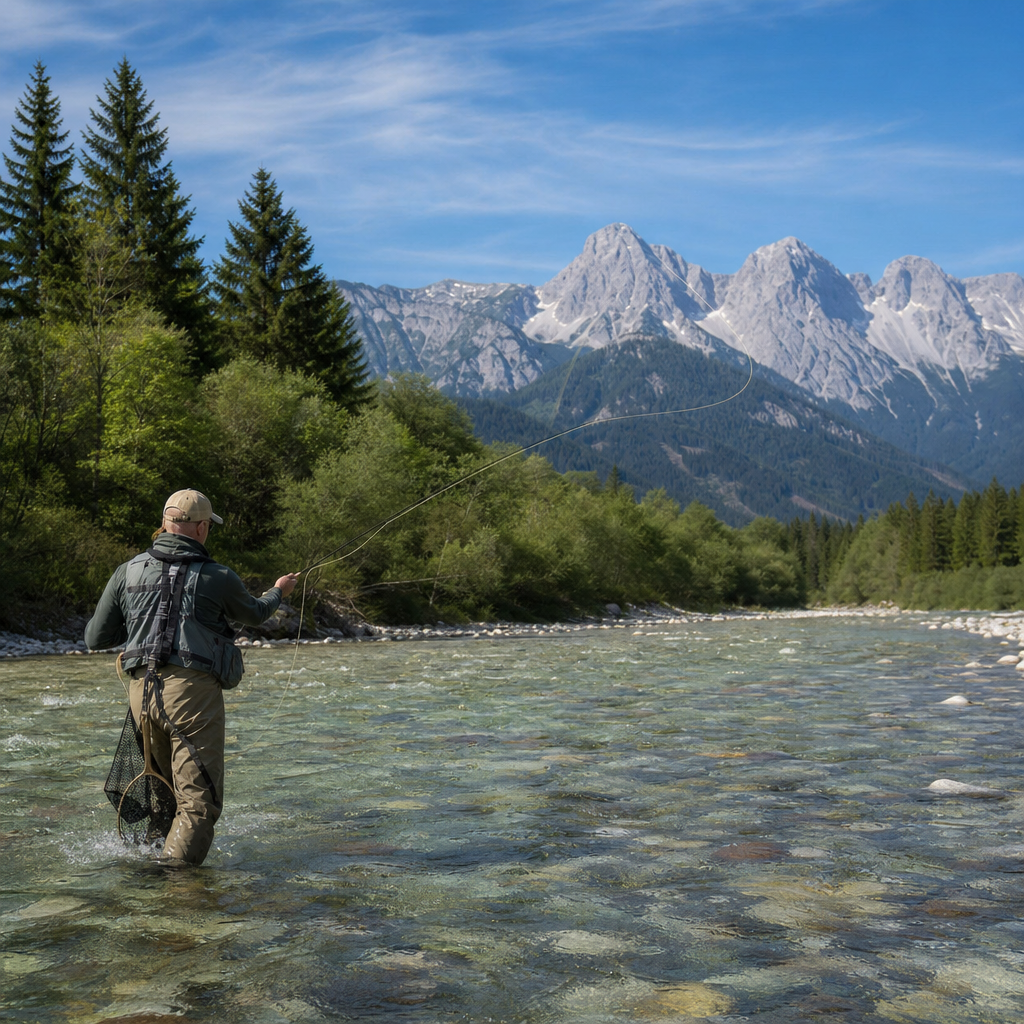
Fly fishing in Austria combines alpine scenery, disciplined water management, and remarkably diverse trout and grayling fisheries, making it one of the strongest anchors for any serious Europe-focused fly fishing destination guide. Austria sits at the center of the continent’s freshwater culture, linking the cold limestone rivers of the Alps with broader Central European angling traditions, so understanding Austrian waters helps anglers plan not only a single trip but an entire fly fishing Europe itinerary. In practical terms, fly fishing in Austria means targeting species such as brown trout, rainbow trout, brook trout, grayling, and, in selected waters, huchen, using methods adapted to clear currents, seasonal insect hatches, and highly regulated access. I have fished Austrian beats where every seam looked fishy and every refusal taught a lesson, and the main takeaway is always the same: success depends less on luck than on matching river type, season, and presentation. This matters because Austria offers exceptional quality, yet it also demands preparation. Permits are water specific, catch-and-release rules vary, guiding is often worth the cost, and local etiquette is taken seriously. For anglers researching Europe, Austria serves as a benchmark destination: accessible, scenic, technically rewarding, and representative of the continent’s best managed river fisheries.
Why Austria stands out within Europe
Austria is not simply another attractive trout destination in Europe; it is a model of how geography and management shape premium fly fishing. The country’s fisheries are defined by alpine snowmelt, spring creeks, glacial influence, hydropower control, and private lease systems that limit pressure on many beats. Compared with larger, more open-access systems in parts of Scandinavia or the Balkans, Austrian waters are often tightly managed and segmented. That structure can frustrate first-time visitors, but it also protects fish quality and habitat condition. On many rivers, stocking policies, beat rotation, bag limits, and fly-only rules are used with precision rather than as broad slogans.
The result is variety within a compact area. In Tyrol, Salzburg, Styria, Upper Austria, and Carinthia, anglers can move from freestone pocket water to broad grayling runs within a few hours. The Traun system is famous for technical nymphing and dry-fly fishing over selective trout and grayling. The Mur and Drau corridors open larger options. Mountain streams near Innsbruck or Zell am See offer intimate presentations under overhanging cover, while meadow rivers closer to the Danube basin reward longer leaders, finer tippets, and exact drift control. For a Europe hub page, this range is important: Austria introduces many of the core river types anglers will encounter across the continent, but in a relatively concentrated geography.
Austria also stands out for infrastructure. Lodges, guide services, tackle shops, train connections, and airport access through Vienna, Salzburg, Innsbruck, and Munich make logistics simpler than in many remote fisheries. English is commonly spoken in tourism-facing areas, though local guidance is still valuable when interpreting regulations and beat maps. If you want one European destination that reliably combines fish quality, scenery, and professionalism, Austria belongs near the top of the list.
Premier fly fishing spots in Austria
The best fly fishing spots in Austria are not defined only by famous names; they are defined by the type of experience you want. The Salzkammergut region, especially around the Traun, remains the classic reference point. The Upper Traun near Bad Aussee and related waters around Hallstatt and Bad Ischl have long been associated with clear flows, prolific hatches, and educated fish. These sections are ideal for anglers who enjoy reading smooth glides, fishing dry-dropper systems, and adapting quickly between emerger, nymph, and dry patterns. On calm evenings, sipping trout and grayling can make a river that looks generous feel brutally selective.
Tyrol offers a different rhythm. Around the Lech, Inn tributaries, and smaller alpine streams, the emphasis is often on stealth, accurate short casts, and quick line control in structured current. Some water is classic freestone, with plunge pools, boulders, and oxygen-rich runs where pocket-water tactics excel. Other sections are more regulated and demand a cleaner dead drift. These rivers suit anglers who like active fishing and covering water. In western Austria, weather shifts and runoff timing can change conditions fast, so local advice matters as much as fly choice.
Styria deserves more attention than it gets in broad Europe roundups. The Mur system and surrounding tributaries can provide excellent grayling water, especially where gravel structure, moderate depth, and stable summer flows align. Carinthia, with parts of the Drau and Gail drainage, adds another dimension, offering larger valley rivers and scenic mountain settings. Some beats here are strong options for anglers who want less famous, but still high-quality, water. Around Salzburg province, fisheries near Bischofshofen, the Salzach tributaries, and smaller managed streams create combinations suitable for mixed-skill groups.
| Region | Notable Waters | Primary Species | Best Approach | Typical Challenge |
|---|---|---|---|---|
| Salzkammergut | Traun system | Brown trout, rainbow trout, grayling | Euro nymphing, dry fly, emerger fishing | Selective fish in clear glides |
| Tyrol | Lech and alpine tributaries | Brown trout, rainbow trout, brook trout | Short-line nymphing, pocket-water dry fly | Fast current and changing runoff |
| Styria | Mur tributaries | Grayling, brown trout | Indicator nymphing, dry-dropper | Complex gravel runs and shifting depth |
| Carinthia | Drau and Gail areas | Brown trout, grayling, occasional larger predators | Czech-style nymphing, streamer work | Larger water and access planning |
For anglers building a wider fly fishing Europe plan, these Austrian regions connect naturally with nearby Slovenia, Germany, northern Italy, and the Czech Republic. That is one reason Austria works so well as a sub-pillar hub: it delivers excellent fishing on its own while serving as a strategic base for broader continental travel.
Core techniques that work on Austrian rivers
The most reliable fly fishing techniques in Austria are Euro nymphing, dry fly fishing during hatch windows, small streamer fishing in higher or colored water, and careful presentation with long leaders in clear conditions. If an angler asks what single method catches the most fish across Austria, the answer is contact nymphing with compact weighted patterns. On many rivers I have fished there, especially those with moderate depth and broken current, tight-line methods outperformed indicators because they maintained direct control, reduced drag, and kept flies near the bottom through short, precise drifts. Patterns such as perdigons, jig nymphs with tungsten beads, and slim pheasant tail variations are dependable starting points.
That said, Austria is too hatch rich to treat nymphing as the only answer. Mayflies, caddis, and stoneflies drive memorable surface action, particularly from late spring through early autumn depending on elevation and river type. Grayling often respond well to delicate dry flies in sizes 14 to 20, while trout may key on emergers just below the film when they ignore high-floating patterns. CDC emergers, comparaduns, elk hair caddis, and parachute mayfly imitations all earn space in the box. On flatter water, a reach cast and slack management matter more than heroic distance. Fish see badly presented flies long before they inspect pattern details.
Streamers are situational but important. After rain, during shoulder seasons, or when targeting larger trout in deeper banks and cut structure, a lightly weighted streamer on a short sink tip can move fish that would not commit to small flies. Huchen fishing is a specialized subject in its own right, usually pursued in colder months with heavy gear, larger streamers, and local guidance on designated waters. It is not beginner fishing, but it is one of Central Europe’s most distinctive challenges.
Gear selection should reflect water size. A 9-foot 4-weight or 5-weight covers much of Austrian trout and grayling fishing, while a dedicated Euro nymph rod around 10 to 11 feet in 2-weight to 4-weight class is highly effective on technical rivers. Leaders should range from compact nymph setups to 12-foot or longer dry-fly leaders tapered for clear-water finesse. Wading staffs, studded boots where permitted, and polarized glasses are practical, not optional, on slick limestone and alpine rock.
Seasons, regulations, and trip planning
The best time for fly fishing in Austria usually runs from late spring through early autumn, but the ideal week depends on elevation, snowpack, and target species. In lower and spring-fed systems, April and May can fish well if flows are stable and regulations allow access. In higher alpine catchments, runoff may delay prime conditions until June or even early July. Summer brings dependable terrestrial opportunities on smaller streams and classic evening dry-fly sessions on larger rivers. Early autumn often offers the best balance of water clarity, active fish, and lighter tourist traffic, though spawning protections may restrict access on some waters.
Regulations are a defining part of Austrian angling. There is no single national permit that covers everything in a simple way for visitors. Instead, many waters operate through clubs, private leaseholders, hotels, guides, or local associations, each with its own rules on daily rod limits, catch-and-release, kill quotas, hook types, and fishing hours. Some beats require barbless hooks, some mandate fly only, and some permit limited harvest. Read every rule before stepping in. Austrian fisheries enforcement can be strict, and rightly so.
Planning logistics carefully improves both compliance and success. Book day tickets in advance for famous water, especially around the Traun and high-demand Tyrolean beats. Ask whether a guide is included, required, or simply recommended. Good guides in Austria do more than row clients to fish; they translate river behavior, explain local etiquette, identify safe wading routes, and adapt techniques to water-specific fish behavior. On difficult beats, a guided first day often shortens the learning curve dramatically and can save money by preventing wasted permit days.
For international travelers, pack with weather volatility in mind. Alpine mornings can be near freezing, afternoons can turn hot, and thunderstorms can alter both safety and water level quickly. Carry layered clothing, rain protection, a compact fly selection with local staples, and copies of permits in both digital and printed form. If Austria is one stop within a larger Europe fly fishing circuit, build buffer days into your itinerary. Weather and river conditions do not honor tight connections.
How Austria fits into a broader Europe fly fishing strategy
As a Europe hub within the fly fishing destinations topic, Austria should be viewed as both a standalone goal and a strategic center for regional exploration. Anglers comparing European options often ask whether they should choose Austria, Slovenia, Bosnia, Spain, Iceland, or Scandinavia. The practical answer is that Austria offers one of the continent’s best combinations of accessibility, consistency, and technical variety. Slovenia may offer more famous emerald water, Bosnia may offer lower costs, and Scandinavia may deliver larger wilderness scale, but Austria is exceptionally balanced. It is efficient to travel, rich in managed water, and suitable for anglers who want high standards rather than uncertainty.
It also teaches transferable skills. If you learn to approach Austrian grayling with fine tippet and controlled slack, you will be better prepared for selective fish in Germany or the Czech Republic. If you master short-line nymphing in Tyrolean pocket water, many rivers in northern Italy and Slovenia become easier to read. If you learn how permits, private beats, and local customs work in Austria, much of mainland Europe feels less opaque. That educational value is one reason experienced anglers return. Austria is not merely productive; it makes you sharper.
The smartest way to use this page is as a planning base. Start with Austria if you want polished infrastructure, strong trout and grayling fishing, and a realistic entry point into European freshwater culture. Then branch outward by river type, season, and travel radius. Few destinations reward that structured approach more clearly.
Fly fishing in Austria deserves its reputation because it combines beautiful water with disciplined fisheries management and a level of technical depth that keeps skilled anglers engaged. The essentials are straightforward: choose region by river style, match your season to elevation and flow, prioritize presentation over fly excess, and treat regulations as part of the fishing rather than an obstacle around it. Austria’s premier spots, from the Traun to Tyrolean alpine streams and Styrian grayling water, each offer distinct lessons, but all reward preparation and precise technique. For anyone researching fly fishing Europe, Austria is more than a single destination. It is a practical benchmark for what great continental trout and grayling fishing looks like when access, habitat, and angling culture align. Use this hub as your starting point, narrow your target waters, and plan a trip with enough flexibility to follow conditions. If Europe is on your list, put Austria near the top and build the rest of your fly fishing itinerary from there.
Frequently Asked Questions
What makes Austria such a premier fly fishing destination in Europe?
Austria stands out because it brings together several qualities that serious fly anglers rarely find in one country: exceptionally clear alpine water, rigorous fishery management, a strong angling culture, and a surprising range of rivers and stillwaters within relatively short travel distances. Many of Austria’s best-known fisheries are fed by snowmelt, springs, and limestone systems, which creates cold, oxygen-rich water ideal for trout and grayling. This supports healthy populations of wild fish and, in many regions, produces stable insect life that rewards technical dry-fly and nymph fishing.
Another major advantage is consistency. Austria is not just scenic; it is well organized. Beats are often carefully managed, access is regulated, and catch rules are clearly defined. For visiting anglers, that means less guesswork and a better chance of fishing productive water that has not been overpressured. In addition, Austria’s central location makes it especially important for anyone planning a broader European fly fishing journey. Understanding Austrian river types, permit systems, and fishing etiquette provides a useful foundation for exploring neighboring countries, because Austria sits at the crossroads of Alpine and Central European freshwater traditions. In practical terms, it is one of the best places in Europe to combine destination-quality fishing with dependable infrastructure, strong conservation standards, and a genuinely refined fly fishing experience.
Which rivers and regions in Austria are considered the best for fly fishing?
Several Austrian fisheries deserve top billing, but the best choice depends on the species you want to target and the style of fishing you prefer. The Traun system, especially in Upper Austria and the Salzkammergut region, is widely respected for its grayling and trout fishing. These waters are classic Austrian fly fishing rivers: clear, elegant, and technical, often demanding precise presentation and careful wading. The Ybbs is another highly regarded trout river, known for beautiful pocket water and strong populations of fish in a mountain setting. The Enns and its tributaries also have an excellent reputation, particularly for anglers looking for a mix of larger river structure, trout water, and productive grayling stretches.
In western Austria, Tirol and Salzburg offer outstanding alpine streams and medium-sized rivers where brown trout, rainbow trout, and grayling can all be part of the experience. Carinthia, in the south, is notable for its visually stunning waters and a mix of rivers and lakes that can provide both classic river fly fishing and stillwater opportunities. The Gurk, Gail, and Drava-connected systems are often mentioned by traveling anglers seeking variety. Meanwhile, fisheries connected to the Danube basin can offer broader water profiles and a different feel than the compact Alpine streams many visitors first imagine. The real strength of Austria is that premier water is not limited to one famous river. Instead, the country offers a network of high-quality fisheries ranging from intimate mountain streams to larger, highly managed trout and grayling rivers, allowing anglers to tailor a trip around technique, season, and scenery.
What species can you expect to catch when fly fishing in Austria?
The core fly fishing species in Austria are brown trout, rainbow trout, brook trout in selected waters, and grayling, with grayling being especially important to Austria’s reputation among European river anglers. Brown trout are the signature fish in many wild and semi-wild waters, often thriving in the cold, structured rivers and freestone tributaries of the Alps. They can range from beautifully marked fish in smaller streams to larger, selective trout in wider spring-fed or limestone rivers. Rainbow trout are also common in many fisheries, particularly in managed beats, and they often provide strong sport with aggressive takes and energetic runs.
Grayling are a major reason many experienced anglers are drawn to Austria in the first place. In the right rivers, they can be abundant, technically challenging, and highly rewarding on dry flies and nymphs. Their presence often signals clean, well-managed water, and Austria has long been associated with quality grayling fishing compared with many other European destinations. Depending on the fishery, anglers may also encounter char in alpine waters, lake trout in certain stillwater systems, and occasional specialty species in larger waters. It is important to note that species composition varies significantly by region, elevation, and management approach. Some beats emphasize wild trout, while others are known for a balanced mixed fishery. Before booking, anglers should review the fishery description closely, because Austria is not a one-species destination; it is a technically rich, multi-species fly fishing country built around trout and grayling excellence.
What fly fishing techniques work best on Austrian rivers and streams?
Austrian fly fishing is often defined by precision rather than sheer distance or heavy water tactics. On many rivers, the most productive methods are dry-fly fishing, Euro-style nymphing, and short- to medium-range presentation work that matches the clarity and structure of alpine water. Because many Austrian fisheries are remarkably clear, fish can become selective, especially on heavily managed or well-known beats. That means drag-free drifts, careful positioning, long leaders, and subtle fly selection matter a great deal. Insect hatches can be excellent, and when trout or grayling are rising, traditional dry-fly fishing can be the highlight of the trip. Mayflies, caddis, stoneflies, and small olives are all relevant depending on river type and season.
Nymphing is often the most versatile and consistently effective approach, especially when water levels are higher or fish are holding deeper in runs, seams, and pockets. Modern European nymphing techniques are particularly well suited to Austrian rivers because they allow close control, sensitive strike detection, and excellent depth management in fast, broken currents. On smaller mountain streams, short-line presentations with attractor dries or dry-dropper rigs can be very effective. On larger rivers, anglers may need to adjust to softer takes, thinner tippets, and more technical feeding lanes. Streamer fishing has its place as well, especially for larger trout in deeper pools or during periods of low surface activity, but it is typically more situational than the bread-and-butter dry-fly and nymph game. Overall, success in Austria comes from reading current carefully, adapting to water clarity and fish behavior, and treating each beat as a technical fishery rather than assuming fish will respond to generic presentations.
What should visiting anglers know about permits, seasons, and planning a fly fishing trip in Austria?
Planning is essential in Austria because many of the country’s best fisheries are regulated on a beat-by-beat basis rather than as open-access public water in the way some travelers may expect. In most cases, anglers need to secure permission for a specific fishery, often for a specific day or stretch. These beats may be controlled by lodges, clubs, landowners, or specialist outfitters, and availability on premier water can be limited during prime months. Rules may include daily bag limits, catch-and-release requirements, fly-only restrictions, hook regulations, seasonal closures, and limitations on the number of anglers allowed per section. As a result, booking in advance is strongly recommended, especially if you are targeting a well-known trout or grayling river during the main season.
Season timing varies by region and elevation, but late spring through early autumn is generally the main fly fishing window. Early season can bring strong flows from snowmelt in some alpine catchments, while summer often offers stable conditions, visible hatches, and excellent dry-fly opportunities. Early autumn is particularly attractive for many experienced anglers because water can be lower and clearer, fish are feeding well, and the crowds may thin out. Visitors should also pay close attention to local licensing requirements, which may differ by province and fishery. Hiring a guide, even for a day, can be a smart investment because Austrian systems are highly structured and local knowledge helps with access, regulations, fly selection, and presentation style. Finally, anglers planning a broader European itinerary should think of Austria as more than a standalone destination. It is an ideal anchor country for understanding how managed Central European fisheries operate, and a well-planned Austrian trip often becomes the template for successful fly fishing travel across the rest of the region.