Washington State’s top fly fishing locations offer an unusual concentration of water types in one region: glacier-fed rivers, spring creeks, alpine lakes, basalt canyons, tidal estuaries, and broad dry-side tailwaters. For anglers building a North America fly fishing destinations list, Washington deserves hub status because it compresses remarkable variety into manageable driving distances. In practical terms, that means you can swing for steelhead on the Olympic Peninsula, sight-cast to trout on a desert river, and target sea-run cutthroat along Puget Sound within the same trip. Fly fishing here is not one fishery but a network of distinct ecosystems, each with its own timing, access rules, and effective techniques.
When I map destinations for serious anglers, I define a location by five factors: target species, seasonal window, water type, access model, and conservation constraints. Washington scores high in all five. Native redband rainbow trout dominate some eastern rivers, while coastal systems support salmon, steelhead, and cutthroat. Lakes range from walk-in alpine waters to chironomid-rich stillwaters. Access may come through public boat launches, state wildlife areas, national forest roads, or guided float-only stretches. Regulations also matter more here than in many states. Selective gear rules, wild steelhead protections, hatchery retention distinctions, and seasonal closures shape where and how you fish. Understanding those details is the difference between a memorable trip and a wasted day.
This article serves as a North America hub by showing how Washington fits into the continent’s broader fly fishing map. Western Canada is famous for bull trout and big freestones, Montana for summer hatches, Alaska for salmon abundance, and the U.S. Rockies for trout density. Washington stands apart because it bridges coastal and interior fishing styles. You get Pacific anadromous fisheries and inland trout destinations in one state, plus enough public land and road access to support both DIY travel and guided itineraries. If you want a foundational guide to the state’s best waters, start with the rivers and lakes below, then branch into region-specific planning.
Olympic Peninsula Rivers for Steelhead and Salmon
The Olympic Peninsula is the first place many traveling anglers think of when they hear Washington fly fishing, and for good reason. Rivers like the Hoh, Sol Duc, Bogachiel, Queets, and Calawah have become shorthand for classic Pacific Northwest steelheading. These systems drain one of the wettest temperate rainforests in North America, producing broad winter flows, heavy woody structure, and long gravel glides ideal for swung flies. The headline species is steelhead, especially winter fish, but salmon runs also shape the food web and influence resident trout and char behavior. If your goal is iconic Washington fishing with mist, moss, and chrome-bright fish, this region delivers it.
From experience, the Peninsula rewards anglers who understand water level trends more than hatch charts. A perfect swing run on the Sol Duc can become unfishable after a rain pulse, while a dropping Hoh often turns on quickly if clarity improves from glacial green to fishable visibility. Skagit heads, sink tips, and intruder-style flies dominate for winter steelhead, though traditional marabou patterns still produce. On lower, clearer days, smaller profile flies and lighter tips matter. Guides rely heavily on USGS gauges before launch, and visiting anglers should do the same. Floating with an experienced rower often opens water that bank anglers cannot safely cover.
There are tradeoffs. Wild steelhead protections are central to the Peninsula’s identity, and regulations change in response to run strength and conservation needs. Some rivers face emergency closures, and some stretches fish better from a drift boat than on foot. Crowding can become intense during prime winter windows. Still, in a continental context, few places match the Peninsula’s combination of scenery, fish quality, and cultural weight. For many anglers, one properly timed week on these rivers is enough to understand why Washington belongs near the top of any North America fly fishing destinations shortlist.
Yakima River: Washington’s Premier Trout Stream
If one river best answers the question, “Where should a trout angler start in Washington?” it is the Yakima. Flowing east of the Cascades through canyon country, the Yakima is the state’s best-known blue-ribbon trout fishery and one of the most reliable dry-fly rivers in the Pacific Northwest. Its trout are primarily wild rainbow trout with some cutthroat influence, and while average fish are not oversized by Western standards, the river’s productivity, length, and public access make it exceptional. The famous drift from Easton through Cle Elum and down the canyon toward Roza provides a long menu of riffles, buckets, seams, and grassy banks.
The Yakima matters because it offers consistency across techniques and seasons. In spring, skwala stones, blue-winged olives, and March browns bring fish to the surface. Summer adds pale morning duns, caddis, and terrestrial fishing, especially hoppers tight to banks. Fall often means blue-winged olives, October caddis, and streamer opportunities under lower light. I have found that first-time visitors do best by simplifying the river into three categories: indicator nymphing deeper slots, dry-dropper rigs along shelves and banks, and single-dry presentations during visible hatch activity. The river can humble anglers who cast beautifully but drift poorly; drag-free presentation is the real currency here.
Infrastructure is another advantage. The Yakima Canyon has established launch sites, roadside access, and a mature guide network. Shops in Cle Elum and Ellensburg provide current hatch updates, while public campgrounds and straightforward road logistics make multi-day trips easy. Compared with famous trout rivers in Montana or Idaho, the Yakima can feel underappreciated nationally, yet it regularly produces the kind of technical but forgiving fishing that helps anglers improve fast. For a North America destination hub, this is Washington’s benchmark trout river and the most versatile place to recommend broadly.
Upper Columbia Basin and Dry-Side Stillwaters
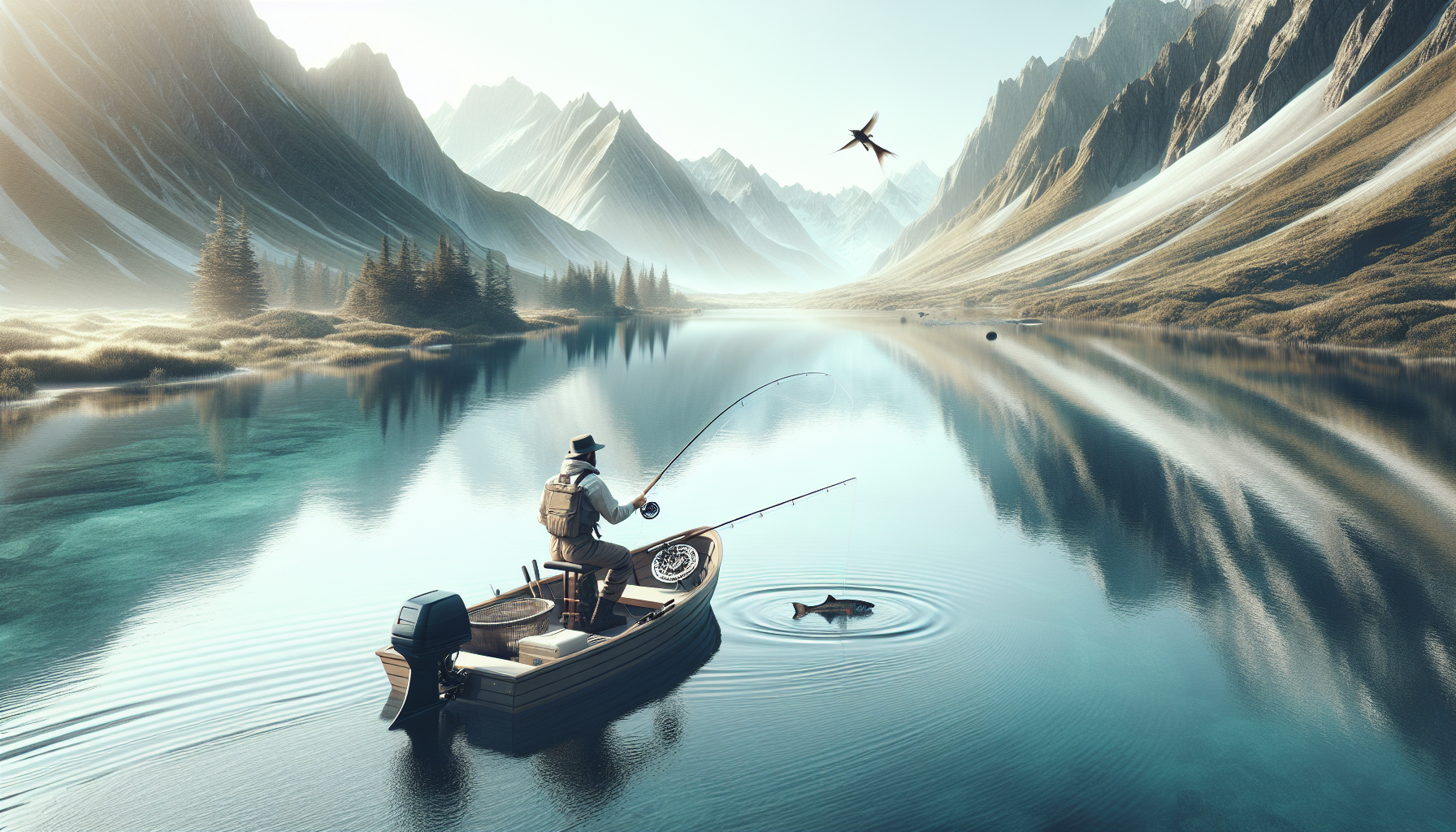
Eastern Washington’s stillwaters are among the most underrated fly fishing destinations in North America. Lakes around the Columbia Basin, the Lenice and Nunnally chain near the Seep Lakes Wildlife Area, and selective fisheries such as Dry Falls Lake have built a loyal following because they produce high trout numbers, long seasons, and technical stillwater opportunities. Unlike river fishing, where water speed helps cover minor mistakes, lake fly fishing exposes weak depth control immediately. Success often depends on matching chironomid pupa size, counting down balanced leeches to exact feeding levels, or retrieving damsel nymphs through weed edges at the right pace.
These waters shine in spring and again in fall, when temperatures favor active fish and hatches intensify. Productive species include rainbow trout, brown trout in some systems, and triploid fish in selected waters managed for quality opportunity. Dry Falls, in particular, is known for strong chironomid fishing from anchored boats and float tubes. Lenice has a deserved reputation for selective trout that reward precise presentations. In my own planning, I tell traveling anglers to treat these fisheries like stillwater laboratories: bring multiple lines, including floating, intermediate, and type III or type V sinking options, plus a thermometer and a disciplined approach to depth changes.
| Location | Primary Species | Best Window | Effective Methods | Access Notes |
|---|---|---|---|---|
| Yakima River | Wild rainbow trout | Spring through fall | Dry flies, nymphs, streamers | Excellent boat and roadside access |
| Olympic Peninsula Rivers | Steelhead, salmon | Late fall through spring | Spey swinging, indicator tactics | Drift boat access often best |
| Dry Falls Lake | Rainbow trout | Spring, fall | Chironomids, leeches, damsels | Boat and tube friendly selective fishery |
| Methow River | Rainbow trout, steelhead | Summer to fall | Dry-dropper, nymphs, swing flies | Seasonal rules require close review |
| Puget Sound Beaches | Sea-run cutthroat | Spring through fall | Baitfish strips, surface patterns | Shore access varies by beach and tide |
What makes these lakes important in a hub article is their complement to moving water. When rivers blow out, stillwaters may remain fishable. When summer heat slows some trout streams, higher-elevation or deeper lakes still produce. They are also ideal for anglers expanding beyond river habits. Learning to fish indicators over shoals, hang flies under a stationary presentation, or retrieve boobies and balanced patterns on a measured countdown builds skills transferable across the West. Washington’s dry-side stillwaters are not a backup plan; they are core destinations in their own right.
Methow, Okanogan, and Northeast Washington Trout Water
North-central and northeast Washington broaden the state’s identity beyond the famous names. The Methow River system, including tributaries and nearby waters, gives anglers a mix of trout and, in season and under regulation, steelhead opportunity. The river flows through a wide valley framed by big mountain country, and it often fishes best with a practical, mobile approach rather than romantic overcommitment to one hatch. Summer brings attractor dry-fly fishing, terrestrials, and pocket-water prospecting; fall can be excellent for larger trout and migrating fish where seasons allow. The Methow feels less polished than the Yakima, but that is part of its appeal.
Farther east, northeast Washington is lake country. Ferry, Stevens, and Pend Oreille county waters include numerous productive stillwaters, many with public launches and camp access. Some are put-and-take fisheries, while others hold enough carryover fish to reward careful seasonal timing. This part of the state suits anglers who want flexibility: fish a lake in the morning midge hatch, move to a small stream in the afternoon, and finish on a larger river reach if conditions line up. It is also a strong family travel region because good fishing often overlaps with easier camping and shorter carry distances than alpine destinations require.
One nuance matters here: regulations and seasonal openings can be highly specific. The Methow and connected waters have changed over time because of salmon and steelhead management needs, and lake rules may differ on bait, motors, or retention. The Washington Department of Fish and Wildlife publishes the rule set that should govern every trip decision. Anglers who assume broad Western norms can make expensive mistakes. Done right, though, this region offers lower pressure, strong scenery, and a more exploratory style of Washington fly fishing than the marquee waters farther west.
Puget Sound Beaches and Sea-Run Cutthroat
One of Washington’s most distinctive fisheries happens where many inland anglers least expect it: along beaches, tide rips, and estuary margins of Puget Sound. Sea-run cutthroat trout are not giant fish, but they are accessible, aggressive, and available in beautiful saltwater settings close to major population centers. This fishery is unique in North America because it combines trout tackle with beach structure, baitfish movement, and tidal planning. A six-weight, clear intermediate line, and sparse patterns that imitate sand lance, juvenile salmon, or sculpins are often enough. The thrill comes from stalking moving water along shore rather than drifting a river.
I advise visiting anglers to think like a shoreline predator. Focus on current seams around points, creek mouths, eelgrass edges, and drop-offs that concentrate bait. Tide timing is critical. Moving water generally matters more than absolute high or low tide, though local structure can create exceptions. Overcast days can extend aggressive feeding, but bright conditions do not shut the fish down if bait is present. Surface patterns such as gurglers can be deadly during active periods. This is also one of the few Washington fisheries where a spontaneous half-day mission can be genuinely productive without a boat.
Sea-run cutthroat deserve more national attention because they showcase Washington’s ecological diversity. They are also a conservation-sensitive resource. Proper fish handling, barbless hooks where required, and awareness of salmonid regulations are part of responsible participation. For a North America destinations hub, Puget Sound adds a category many states simply do not have: urban-adjacent saltwater fly fishing for native trout in a marine environment.
Alpine Lakes and Destination Planning Across Washington
Washington’s alpine lakes complete the map. High-country waters in the Cascades and other mountain ranges offer short-season fishing for trout in extraordinary settings, including brook trout, cutthroat, rainbow trout, and golden trout in selected stocked or managed waters. These trips are less about maximum numbers and more about access commitment, timing snowmelt, and matching your hike to your fishing goal. Some lakes are simple day hikes; others require backpacks and route planning. In midsummer, beetles, ants, small leeches, and callibaetis patterns can all matter, and a lightweight rod becomes a practical travel tool rather than a novelty.
The smartest way to plan Washington fly fishing is by choosing a seasonal theme. Winter favors coastal steelhead where open and in condition. Spring opens the door to stillwaters, early Yakima hatches, and improving beach fishing. Summer expands options dramatically with the Yakima, Methow country, northeast lakes, and alpine openings. Fall brings terrestrial leftovers, lake turnover opportunities, and some of the year’s most pleasant weather east of the Cascades. This seasonal structure is what makes Washington a true hub within North America: no single destination defines it, and there is almost always a credible Plan B.
The main takeaway is simple. Washington State’s top fly fishing locations are not just famous names on a map; they are specialized fisheries that reward informed travel. Start with the Olympic Peninsula for steelhead, the Yakima for trout, the Columbia Basin for stillwaters, the Methow and northeast for exploration, and Puget Sound for sea-run cutthroat. Add alpine lakes when conditions align. Check current regulations, watch flows and weather, and match your trip to the season. Do that, and Washington will earn a permanent place in your North America fly fishing rotation. Use this hub as your starting point, then build your next destination around the water that fits how you love to fish.
Frequently Asked Questions
What makes Washington State one of the best fly fishing destinations in North America?
Washington stands out because very few places offer so many distinct fly fishing environments within relatively short travel distances. In one trip, anglers can move from glacier-fed rivers on the west side to clear spring-influenced trout water, high alpine lakes, broad tailwaters east of the Cascades, and even tidal estuaries where sea-run fish create entirely different opportunities. That range matters because it supports a wide mix of species, techniques, and fishing experiences. You are not limited to one style of angling. A visitor can spend one day swinging flies for steelhead on the Olympic Peninsula, another day dry-fly fishing for trout in central Washington, and then finish the trip exploring stillwater or salt-influenced water.
Another major advantage is seasonal flexibility. When one watershed is blown out by rain or snowmelt, another area may still be fishable. Western Washington’s rivers often feel wild, weather-driven, and dynamic, while much of eastern Washington offers drier conditions, more consistent hatches, and easier wading during key trout periods. For anglers building a serious North America fly fishing destinations list, Washington earns “hub” status because it compresses diversity, quality, and accessibility into a single state. That means less time spent on long transfers between fisheries and more time fishing water that genuinely feels different from one destination to the next.
Which regions in Washington are best known for different types of fly fishing?
Washington is best understood by region, because each part of the state offers a distinct character. The Olympic Peninsula is the best-known area for classic anadromous fishing, especially for steelhead and salmon in rain-fed river systems. These rivers are often larger, moodier, and heavily influenced by weather, which makes them ideal for anglers who enjoy swinging flies, covering water, and pursuing fish with a strong wild-river identity. This region appeals to anglers looking for iconic Pacific Northwest scenery and a more rugged, seasonal experience.
Central Washington is often the trout centerpiece. Rivers such as the Yakima are widely recognized for dependable trout fishing, diverse insect activity, and a broad range of water that suits both floating and wading anglers. The area also includes famous stillwaters and productive canyon systems that create excellent opportunities for dry flies, nymphing, and streamer fishing. In the northeast and in mountain regions, anglers find alpine lakes and smaller waters that can provide exceptional summer fishing for trout in scenic settings. Meanwhile, the dry side of the state features tailwaters and desert-influenced rivers where stable flows and strong bug life can support technical, rewarding trout fishing. Puget Sound and nearby estuarine environments add yet another layer for anglers interested in sea-run cutthroat and migratory species. Taken together, these regions make Washington less like a single fishery and more like several high-quality destinations packed into one state.
When is the best time of year to fly fish in Washington State?
The best time depends on the species and water type you want to focus on, which is one of the reasons Washington is so compelling. Spring often brings strong trout fishing in many lower-elevation rivers and lakes, although runoff and rain can affect conditions differently depending on the side of the Cascades. Western rivers may rise and color up with weather events, while parts of central and eastern Washington can begin offering more stable trout opportunities. Summer opens up some of the broadest access of the year, especially in alpine lakes, freestone trout water at higher elevations, and many east-side fisheries where dry-fly fishing becomes a major draw.
Late summer into fall is frequently a favorite period for many anglers because trout fishing can remain excellent, terrestrial patterns often produce well, and steelhead opportunities improve in select systems. Fall also brings beautiful conditions, fewer crowds in some places, and a good balance between trout and anadromous options. Winter is more specialized but highly meaningful in Washington, particularly for anglers pursuing steelhead in coastal rivers. That said, winter fishing is often demanding and weather dependent. In practical terms, Washington rewards anglers who match their trip timing to a target experience rather than asking for one blanket “best” season. If you want dry flies and trout variety, late spring through fall is a strong window. If your dream is classic Pacific Northwest steelhead water, the colder months and transitional seasons deserve the most attention.
What species can fly anglers target in Washington, and how does that affect location choice?
Washington offers an impressive species list, and that variety strongly shapes where anglers choose to fish. Trout are a major draw, including rainbow trout, cutthroat trout, and in some waters brown trout or brook trout. These fish are found in rivers, spring creeks, lakes, reservoirs, and alpine settings, which makes Washington especially attractive to anglers who enjoy changing techniques and scenery. On the anadromous side, steelhead are one of the state’s signature species and a primary reason many traveling anglers put Washington on their list. Salmon species also create seasonal opportunities, though the exact runs and regulations vary significantly by watershed and year.
Sea-run cutthroat add another uniquely Pacific Northwest dimension, especially in estuarine and nearshore environments around Puget Sound. For anglers who appreciate sight-fishing, delicate presentations, and unconventional salt-influenced fly fishing, these fish can be a memorable target. In stillwaters and some inland systems, anglers may also find productive fisheries for larger trout that feed aggressively during insect hatches or on baitfish patterns. Because the target species differ so much in habitat and behavior, choosing a location in Washington is really about choosing an experience. If you want technical dry-fly trout fishing, central and eastern waters may be ideal. If you want migratory fish and the possibility of a truly powerful grab, coastal and peninsula systems become the focus. Species goals and preferred techniques should come first, because Washington has enough diversity to support almost any fly fishing style.
How should anglers plan a Washington fly fishing trip to make the most of the state’s variety?
The smartest way to plan a Washington fly fishing trip is to avoid treating the state as one uniform destination. Start by deciding whether your trip is trout-focused, steelhead-focused, or designed as a mixed itinerary. That decision helps narrow down geography, timing, gear, and travel pace. For a trout-centered trip, many anglers base themselves in central or eastern Washington, where they can sample a productive river, add a lake day, and possibly explore smaller tributaries or nearby fisheries without excessive driving. For a steelhead-oriented trip, the Olympic Peninsula or other western river systems usually make more sense, but anglers should build flexibility into the schedule because river conditions can shift quickly with rain.
It also helps to think in terms of water types rather than only famous river names. Washington’s strength is not just a handful of marquee fisheries; it is the way tailwaters, freestones, lakes, canyons, and estuaries can be combined into one broader angling experience. Bring or plan for gear that matches that diversity, including trout setups for dry flies and nymphs, as well as heavier rods if you intend to target steelhead or salmon where regulations allow. Always check current regulations carefully, because Washington’s rules can be specific by river, species, season, and even section of water. Finally, leave room for adaptation. Weather, flows, and hatch activity can all influence the best plan. Anglers who approach Washington with a flexible, regional mindset usually get the most out of the trip, because the state rewards curiosity and mobility as much as it rewards technical skill.