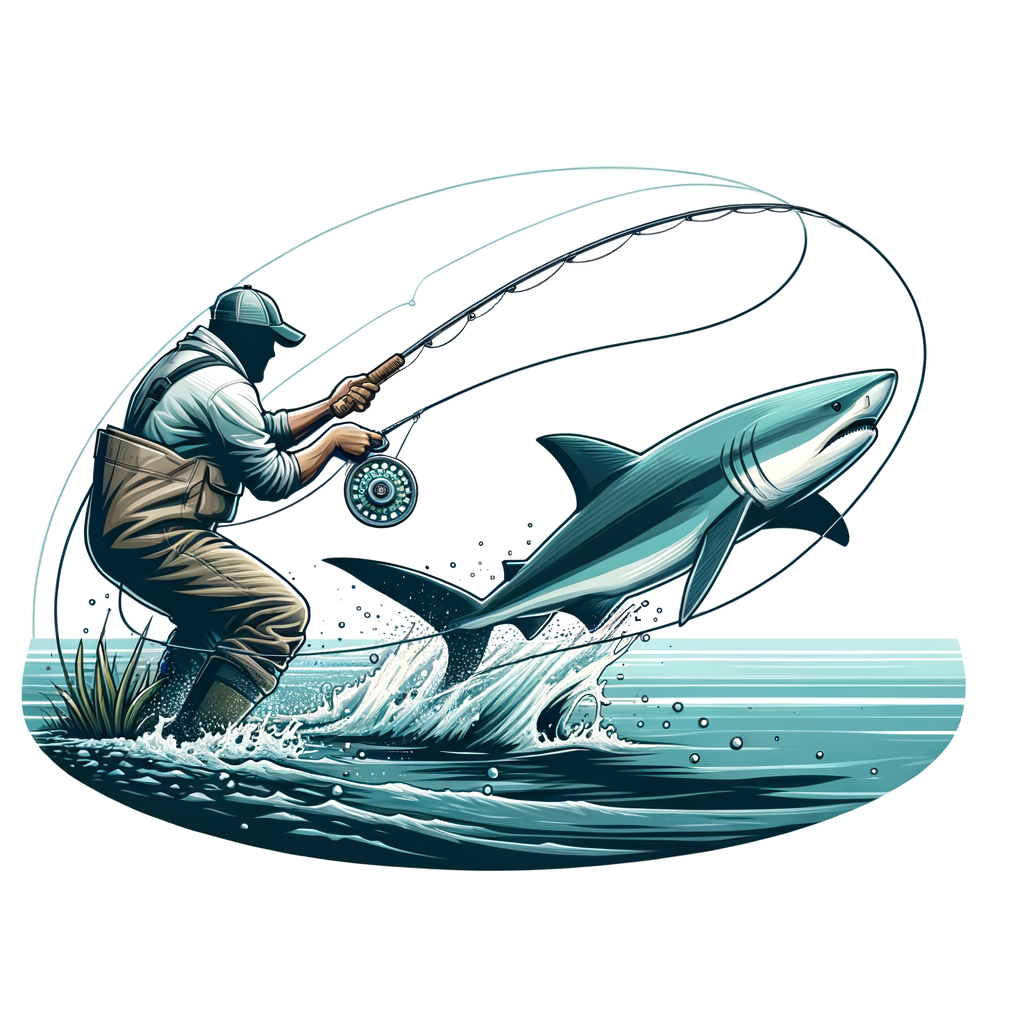
Fly fishing, a serene and skillful way to catch fish in freshwater settings, is known for its immersive experience that blends patience with a connection to nature. Yet, fly fishing for sharks—a concept that seems to embody daring and adventure—pushes the boundaries of traditional fly fishing. When we think of sharks, images of the ocean’s most formidable predators come to mind, not typically paired with the delicate artistry of fly fishing. However, the thrill of landing a shark on a fly is an adrenaline-fueled challenge that combines strategy, athleticism, and respect for these powerful creatures. The concept, although it sounds like something out of an adventurous tale, holds real possibilities for the experienced angler seeking a thrilling departure from traditional catches.
The pursuit of sharks with a fly rod demands a particular set of techniques and an emphasis on safety, given the powerful force of these creatures and the challenges posed by open water environments. Despite the inherent risks, fly fishing for sharks can be a safe and rewarding endeavor with proper preparation and knowledge. It requires understanding the habits of shark species suitable for fly fishing, the selection of specialized gear, and adopting safe practices to ensure the well-being of both angler and fish. Here, we will explore the techniques and safety measures necessary for those willing to take on the exhilarating challenge of fly fishing for sharks while underlining the importance of respectful interaction with these fascinating marine predators.
Understanding Sharks Suitable for Fly Fishing
Sharks are exceedingly diverse, with over 500 known species ranging in size, habitat, and behavior. When it comes to fly fishing, not all sharks are suitable targets. Anglers typically pursue species that can reside in shallower waters and are more likely to engage with fly-fishing techniques. Popular species include the blacktip shark, lemon shark, and bonnethead shark. Their predilection for shallow waters where fly-fishing can occur makes them apt subjects.
Blacktip sharks, for instance, are fast, agile, and found in coastal waters. Known for their acrobatic leaps and sharp reflexes, they provide a sporty challenge. Lemon sharks are more docile but nonetheless make for a formidable catch due to their sizable girth and strength. Meanwhile, bonnethead sharks present a unique challenge given their smaller size and the precision required to attract them. Assessing the species helps in tailoring the approach and expectations for a fishing expedition.
Essential Gear for Shark Fly Fishing
Fly fishing for sharks requires a specialized set of gear to tackle the unique power and resilience of these creatures. A robust fly rod, typically with a 12-weight line, is recommended to withstand the force and fight of a shark. The reel must have a significant capacity to hold ample line, often around 300 yards, since sharks are known for long, running fights. The drag system needs to be durable, smooth, and capable of applying substantial pressure to tire the fish.
Shark flies, crafted to resemble their natural prey such as baitfish or squid, must be both sizeable and durable to endure the violent strikes of a shark. Use hook materials that resist corrosion, given the saltwater environment. Leaders should be made from abrasion-resistant materials, typically steel wire, to prevent bite-offs given a shark’s sharp teeth.
Proper protective gear is also necessary. While the idea of catching sharks seems hazardous, bringing them to the boat or shore safely demands gloves and, at times, a landing net designed to handle the size and strength of a shark.
Techniques for Successful Shark Fly Fishing
The art of casting into unknown territory takes on new meaning when fly fishing for sharks. Understanding shark behavior is paramount. Sharks are drawn to areas rich in baitfish and other marine life, often frequenting shallower flats, drop-offs, and channels. This knowledge aids in positioning oneself strategically in shark-populated waters. Anglers often employ chumming—a technique involving dispersing smaller bits of fish into the water to lure sharks within casting range.
Once in proximity, maintaining low profiles and limiting abrupt movements helps in avoiding startling these sensitive creatures. Presentation matters substantially; the fly should be cast in a manner that mimics the natural movement of prey. Employing strips to animate the fly and induce interest are critical to capture a shark’s attention. Timing the strip set crucially determines whether the hook embeds in the shark’s tough skin or if it merely grazes past.
Fighting a shark on a fly rod involves a battle of wills. Sharks are tireless, and their initial runs are vigorous. Maintaining pressure without allowing slack is critical. Strategic use of the rod’s arc and lifting under tension aids in tiring the shark. Anglers must remain patient and resilient throughout the struggle, guiding the shark until it can be brought to the side of the boat. Experience and skill mesh here, as does understanding the limits of the equipment to ensure a successful and responsible catch-and-release practice.
Safety Measures in Shark Fly Fishing
Engaging with these apex predators necessitates adherence to safety protocols. Anglers must prioritize personal and environmental safety by employing an approach attentive to both the power of the shark and the aquatic surroundings. Never fish alone—having a partner during shark fly fishing provides an additional layer of security and assistance in case of emergency.
When bringing a shark to the boat or shore, anglers should avoid lifting a shark entirely from the water. Sharks need water to breathe, and minimizing air exposure is safest for their well-being. If removing the hook, use long-handled pliers or a de-hooking tool to maintain a safe distance. Protective gloves are crucial to prevent injury during close contact, especially if attempting the popular practice of tagging for research purposes.
Water conditions also play a pivotal role in safety. Staying aware of currents, tides, and potential hazards—like other marine wildlife or boat traffic—contributes to a secure environment. Following local regulations and guidelines on shark fishing is not only legal compliance but fosters sustainable fishing practices. Maintaining respect for shark populations aligns with preserving their ecological roles and ensures continued opportunities for future generations of anglers.
Respect and Conservation
The ethical consideration of conservation through catch-and-release practices reflects respect and admiration for sharks’ ecological value. Sharks are critical to maintaining marine ecosystem balance, controlling prey populations, and contributing to ocean health. Engage in responsible fly fishing by minimizing handling time and avoiding harm. Use barbless hooks if possible, and focus on swift releases after catches to maximize the shark’s survival chances. Participation in tagging and recording through scientific programs helps in fostering conservation efforts.
Promoting awareness about the importance of sharks can also extend beyond individual practices. Educating fellow anglers and the wider community about the significance of preserving these magnificent creatures can influence attitudes towards marine conservation. Raising awareness supports efforts to combat negative misconceptions about sharks and fosters the growth of sustainable practices amongst angling communities.
Conclusion
Fly fishing for sharks encapsulates the blending of advanced angling skills with deep respect for nature. By understanding which species are suitable, utilizing the right equipment, employing the correct techniques, and prioritizing safety, anglers embrace both the thrill and responsibility of this unique form of fishing. The pursuit involves carefully choreographed interactions, balancing the thrill of sport with humane treatment and conservation of the marine giants that rule our oceans.
Preserving respect for these apex predators ensures the sustainability of both the ecosystems they inhabit and the fishing practices they inspire. As practitioners of fly fishing for sharks propagate their knowledge and experience, they become advocates for these vital creatures. In every cast, strip, and release lies an opportunity to champion the cause of conservation. The role of an angler thus stretches beyond the reach of their line, leaving a positive impact on the oceans they cherish.
Engaging in fly fishing for sharks becomes more than the capturing of an exhilarating moment. It embodies a journey entrenched in respect, responsibility, and a profound connection with the formidable force of nature. In this endeavor, the excitement of the sport aligns seamlessly with conserving the natural world, exemplifying a harmony that defines a true angler’s spirit.
Frequently Asked Questions
1. What exactly is fly fishing for sharks, and how does it differ from traditional fly fishing?
Fly fishing for sharks is essentially an adventurous twist on the classic fly fishing technique, adapted for the thrill of targeting shark species in saltwater environments. Traditional fly fishing often involves casting lightweight flies to catch freshwater species like trout or bass, aiming for a precise and stealthy approach. In contrast, fly fishing for sharks requires heavier gear, stronger line, and specialized flies that mimic the prey of shark species such as mullet or small fish. Unlike the often serene settings of lakes and rivers, shark fly fishing takes you into the realm of saltwater flats or near-shore ocean waters. This pursuit demands not only skill and patience but also an understanding of shark behavior, as well as safety precautions given the size and strength of these predators.
2. What type of gear and techniques are best suited for fly fishing for sharks?
When fly fishing for sharks, one must upgrade from the standard freshwater fly fishing gear. You’ll need a sturdy 10-weight to 12-weight fly rod capable of handling the power of a shark’s pull. The fly reel should have a strong drag system and be capable of holding ample backing line, as sharks can spool a substantial amount of line during their run. Fly lines should be floating or intermediate, with a long, heavy leader of at least 80 to 100 pounds to withstand the shark’s teeth and abrasive skin. Flies are generally larger, mimicking the prey species appropriate for the specific shark you’re targeting. Techniques include spotting sharks in the shallows or near the shore and casting ahead of their path with quick, erratic strips to entice a bite. Given the physical challenge of battling a shark, honing your casting distance and accuracy is crucial for success.
3. What safety measures should I consider while fly fishing for sharks?
Safety is paramount when fly fishing for sharks, due to the potential danger from both the environment and the fish themselves. Firstly, never fish alone; having a buddy can be crucial in case of an emergency. It’s imperative to be aware of tidal patterns and weather conditions to prevent getting trapped by rising waters or caught in rough seas. Always keep a safe distance when handling a hooked shark—first-timers should ideally have a professional guide to assist. Use a long hook extractor to dislodge the fly without putting your hands near the shark’s mouth. Wearing gloves with grip can protect your hands from line burns and accidental scrapes against shark skin. Finally, ensure your vessel is in good condition and properly equipped with safety gear such as life jackets and communication tools to call for help if needed.
4. Where are the best locations to pursue fly fishing for sharks, and what species are most commonly caught?
Fly fishing for sharks can be best experienced in locations where shallow water meets the ocean, commonly referred to as flats. These environments provide clear-water settings ideal for spotting and targeting sharks. Popular regions include the coastal areas of Florida, where blacktip and lemon sharks are prevalent, and the shallow bays of the Texas coast. The Bahamas are renowned for bonefishing, but they present thrilling opportunities for catching lemon sharks on a fly. Another hotspot is the South Pacific islands, offering a pristine setting for targeting several shark species. Typically, blacktip sharks, lemon sharks, hammerhead sharks, and even the occasional bull shark are prime targets for fly anglers due to their presence in inshore waters and aggressive feeding habits. Understanding the local shark species’ behaviors and feeding windows is critical for increasing your chances of success.
5. What are some ecological and ethical considerations to keep in mind while fly fishing for sharks?
Responsible and ethical practices are essential in fly fishing for sharks, to ensure that both the fish and their habitat are protected. Practicing catch and release is crucial for shark conservation, given many species are threatened by overfishing and environmental changes. Use barbless hooks to reduce injury to the shark and ensure quick, efficient handling to minimize stress. It’s also vital to avoid over-fishing in areas, respecting local regulations and limits to preserve the ecosystem balance. Education about the ecological roles sharks play in marine environments can further promote conservation awareness among the angling community. Finally, continuing to educate and pass on responsible fishing etiquette ensures that future generations can enjoy the thrilling pursuit of sharks on a fly while contributing to the long-term health of these fascinating marine predators.