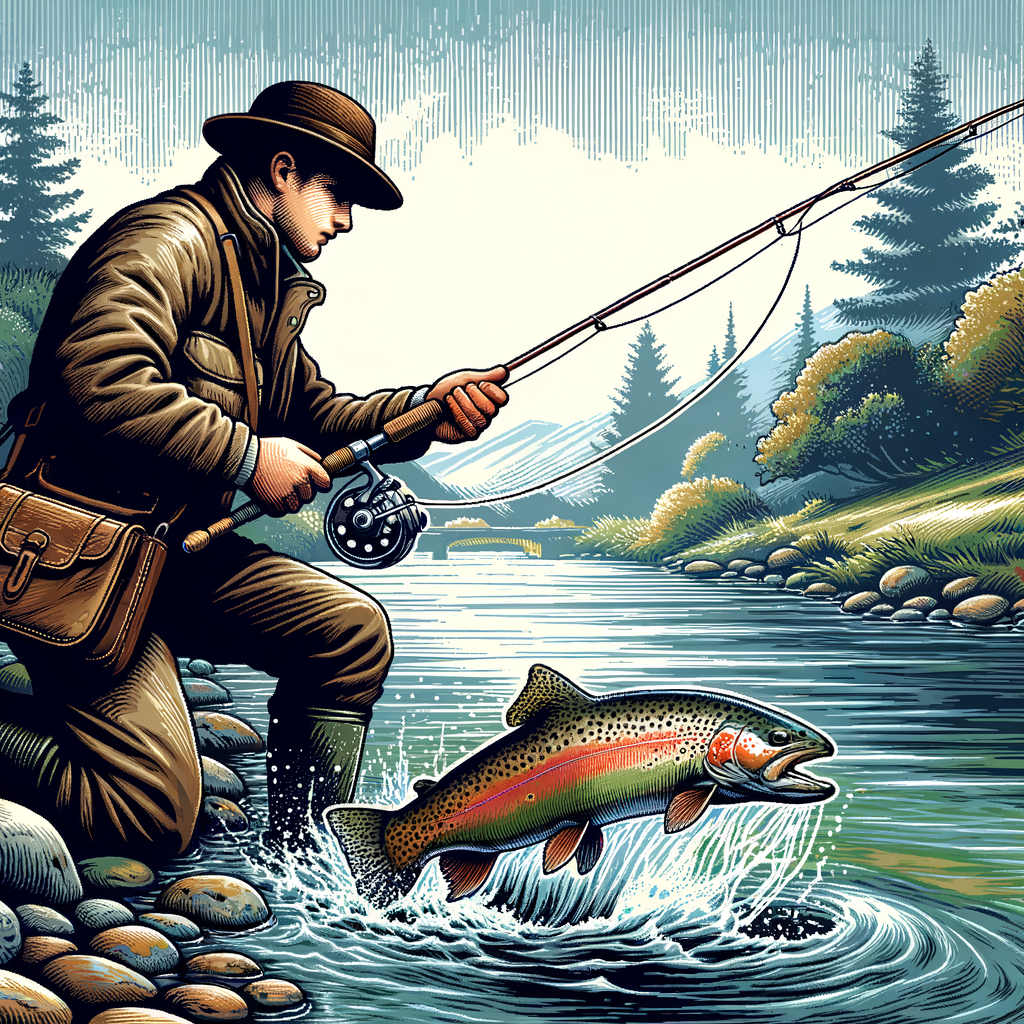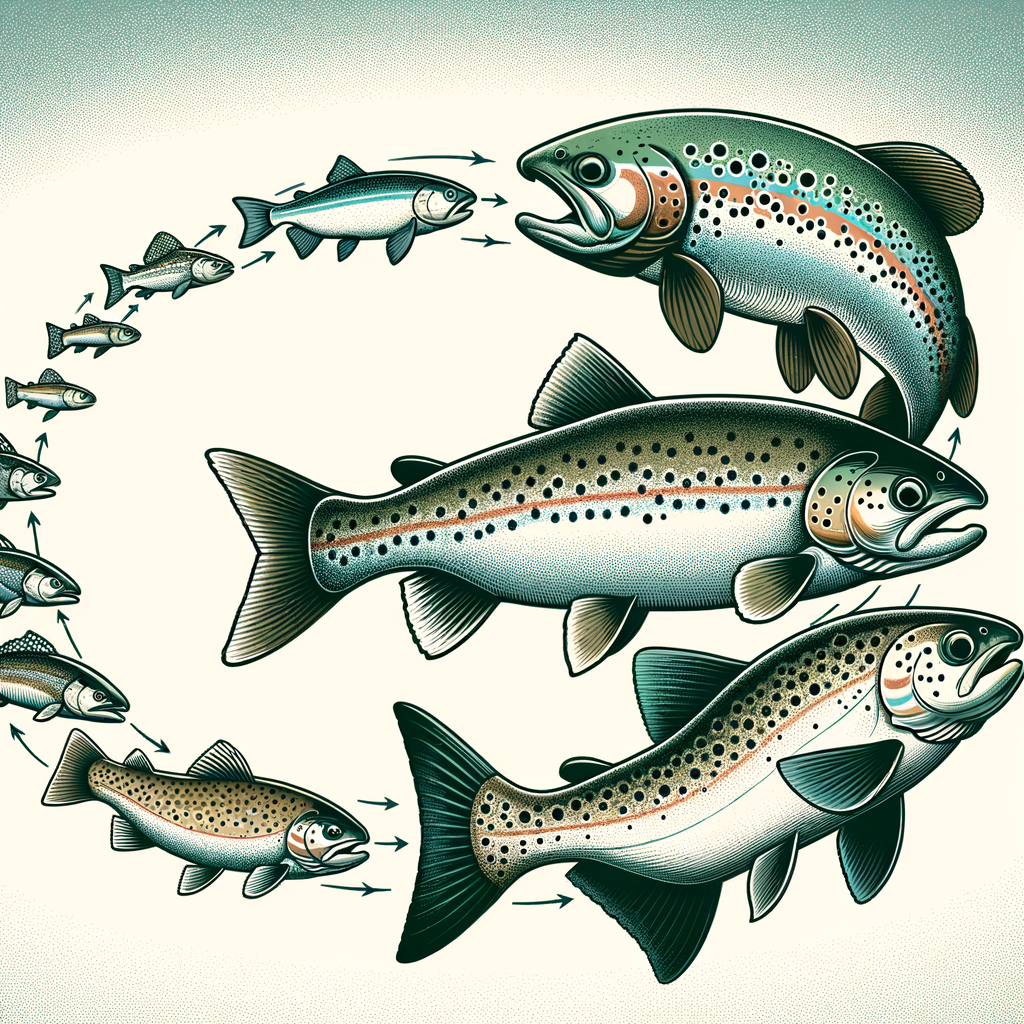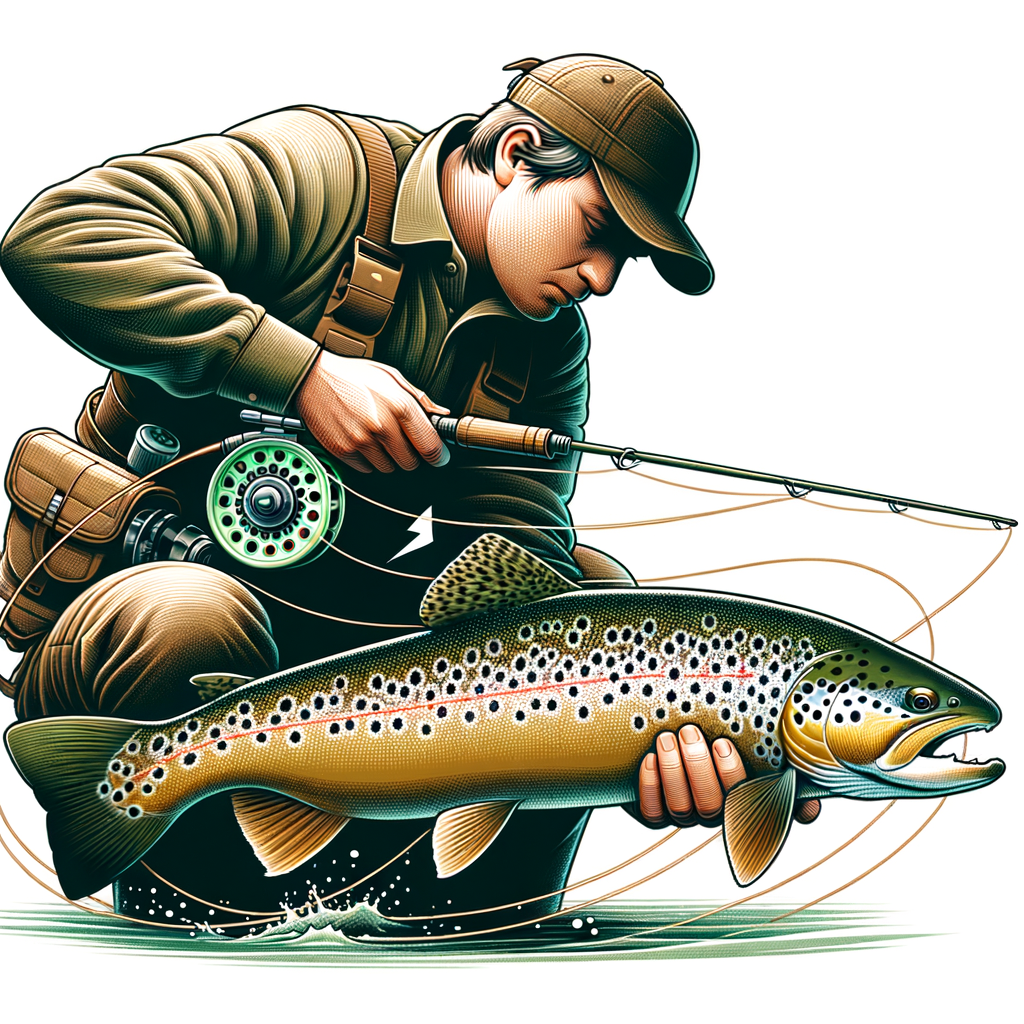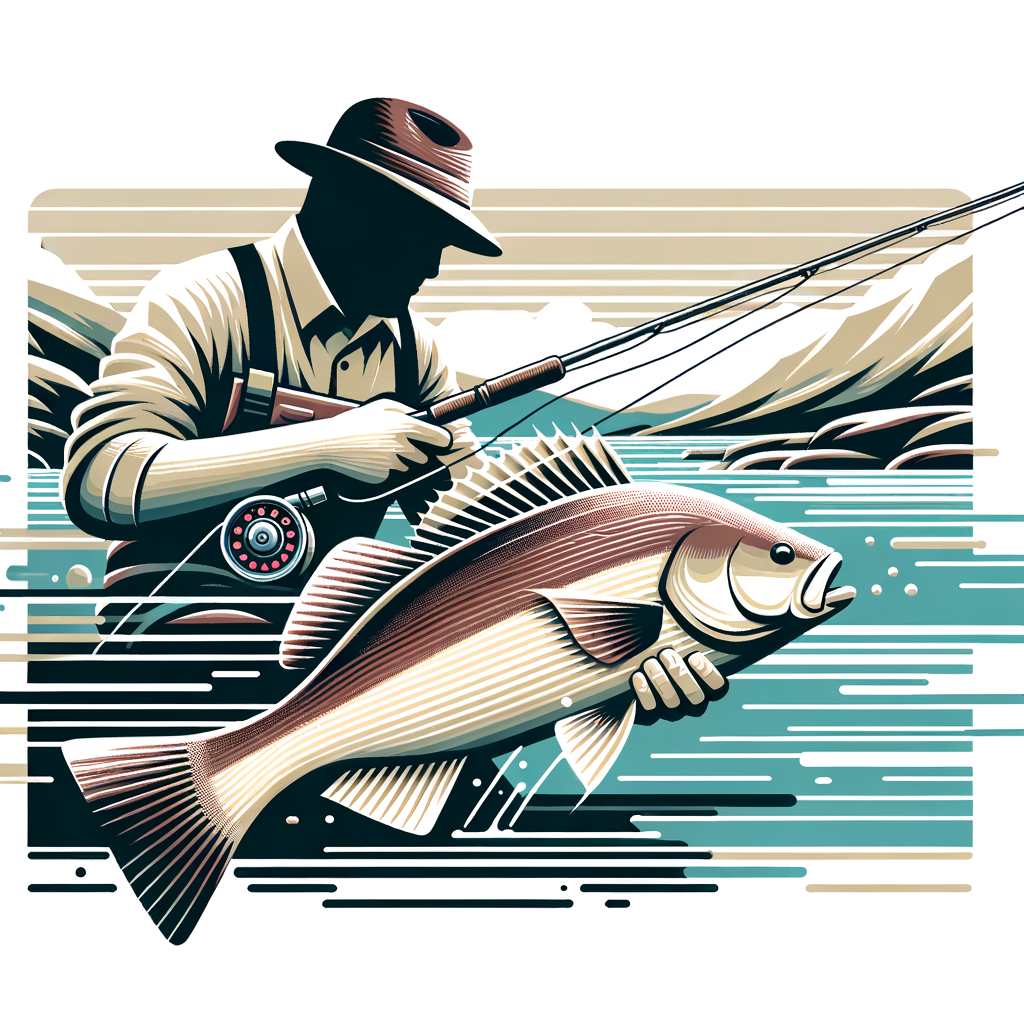
Fly fishing, a unique and captivating form of angling, is not only about the catch but also the experience. While trout and salmon often steal the spotlight in fly fishing, other species like the sheepshead present a unique challenge and an equally rewarding experience for anglers willing to try something different. Known for their strong fighting spirit and distinctive set of teeth resembling a sheep’s, sheepshead are the perfect target for fly fishers who thrive on challenges. What makes fly fishing for sheepshead both exciting and rewarding is the combination of technique, stealth, and the right equipment—making every successful catch feel like a true achievement. Whether you’re an experienced angler looking to diversify your fishing skills or a novice hoping to try your hand at something new, understanding the art and technique of fly fishing for sheepshead can enhance your fishing adventures remarkably.
Sheepshead, primarily found in the coastal waters of the Atlantic Ocean from New England to Brazil, and the Gulf of Mexico, are both a fun and challenging catch due to their cleverness and love for feeding in tight, structure-filled environments. Unlike fly fishing for more predictable species, chasing after sheepshead requires patience, precision, and a good understanding of their behaviors and habitat preferences. This informational guide dives deeply into various aspects of fly fishing for sheepshead, offering tips and tricks that will equip you with the necessary knowledge and skills. From selecting the right gear and fly patterns to mastering casting techniques and locating ideal fishing spots, we’ll explore all the essentials to prepare you for your next angling adventure. Embrace the pursuit and redefine your fly fishing experiences.
Essential Gear for Fly Fishing Sheepshead
When fly fishing for sheepshead, having the right gear can significantly improve your chances of success. Begin with selecting a suitable fly rod—an 8-weight rod is generally the go-to choice for sheepshead. This provides appropriate strength to handle the fish’s powerful fight while maintaining sufficient sensitivity for detecting light bites. Pair this rod with a high-quality reel that has a smooth drag system, which helps prevent line breakage during the fish’s strong runs. Ensure the reel is durable and can tolerate saltwater conditions to prolong its lifespan.
Fly line choice is particularly crucial for sheepshead. Opt for a floating line, which allows for better presentation of your fly and keeps it visible above the structure where sheepshead are typically found. However, if conditions are breezy or require longer casting distances, consider a weight-forward taper to enhance casting performance. Backing is another consideration; spool at least 200 yards of backing to provide adequate run room.
The leader and tippet selection is a pivotal step often underestimated. A 9-foot fluorocarbon leader tapered down to 12 to 20 pounds is robust enough to withstand the abrasion against sharp barnacles and rocks, yet subtle enough not to spook wary sheepshead. Use a tippet appropriately strong for the surrounding environment, typically around 15 pounds, which minimizes break-offs while maintaining stealth.
Selecting the Right Fly Patterns
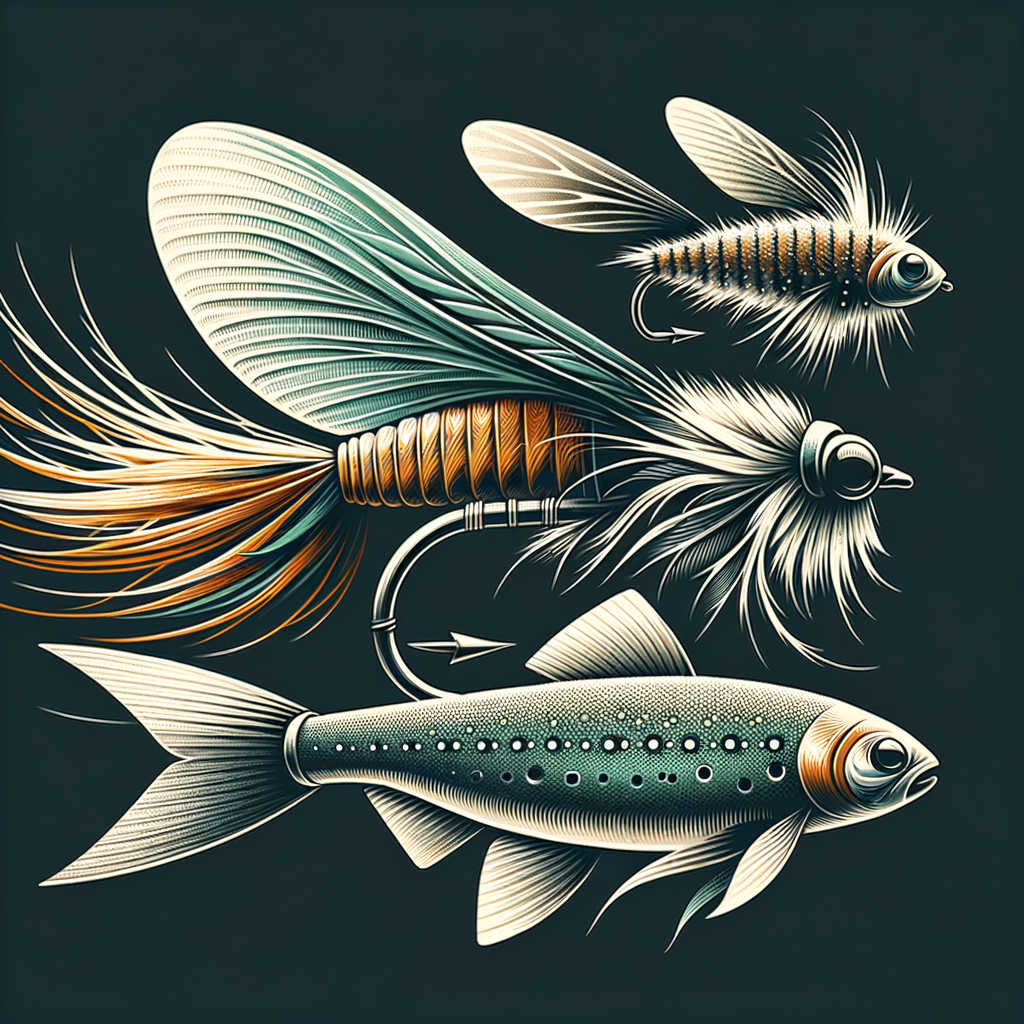
For sheepshead fly fishing, choosing the right fly patterns can make a significant difference. Sheepshead mainly feed on crustaceans such as shrimp, crabs, and shellfish, so mimicking these prey items is crucial. Popular and effective patterns include crab flies, such as the Merkin or Raghead Crab. These flies’ realistic movement and appearance can tempt even the most cautious sheepshead.
Shrimp imitations are also incredibly effective, particularly in environments where shrimp are a natural food source. Patterns like the EP Shrimp or Crazy Charlie can imitate the appearance and erratic motion of shrimp, luring sheepshead to strike. It is important to match the size and color of these flies to the natural prey found in the target fishing area.
When selecting fly materials, opt for those that provide lifelike motion in the water, such as marabou or rubber legs. Additionally, adding a weight element to your flies using bead chains or dumbbell eyes helps them sink to the bottom quickly, where sheepshead feed. The key is to ensure that the fly is enticing yet subtle to avoid spooking these clever fish. Vary your selection and be prepared to switch flies if initial attempts are unsuccessful.
Mastering the Technique
Sheepshead require a delicate approach, and therefore mastering your casting and presentation techniques is essential. Begin by observing the environment; patience and silence are vital as sheepshead are easily spooked by sudden movements and shadow casting. Assess the current and wind conditions, positioning yourself so that your casts approach the fish naturally with the flow.
When casting, strive for a gentle, accurate presentation, allowing the fly to land softly on the water. Avoid slapping the water’s surface, which can alarm sheepshead. Accurate placement of your fly near structures like pilings, jetties, or oyster beds is more likely to yield success. These are common feeding grounds for sheepshead.
Once your fly is in position, practice a slow, steady strip retrieve. Imitate natural prey movements, varying your retrieve to trigger reactionary strikes. Focus on subtlety, as sheepshead investigations of flies can be tentative. Feeling for the light “take” of a sheepshead’s bite requires concentration; stay alert and be gentle in setting the hook. Patience and persistence are your best allies here, as these fish are notoriously careful and sometimes elusive in pursuing their prey.
Understanding Sheepshead Behavior
To successfully catch sheepshead, developing an understanding of their behavior is crucial. Sheepshead are social fish, often found in schools, and are more active during the warm months when water temperatures rise. They display a unique feeding style, nibbling and scraping food from structures, using their specialized teeth efficiently. Knowing when and where they tend to gather can increase your odds of hooking one.
Tide plays a significant role in sheepshead activity. They feed more actively during incoming or outgoing tides when water movement fosters greater food availability. Thus, targeting them during these windows increases your chances of a successful catch. Early mornings and late afternoons, where light levels are lower, also provide prime conditions for catching them as they are more likely to venture out of their cover spots.
Recognizing feeding signs is vital, as water disturbance or fish breaking the surface could indicate a feeding event. Sheepshead have a knack for perfect camouflage, easily blending with their backgrounds, so water movement can often be a more reliable indicator than sight. Keep your eyes peeled for clues and adjust your tactics to align with their patterns of activity and feeding.
Conclusion
Fly fishing for sheepshead is a challenging yet rewarding pursuit that brings together the finesse of fly fishing and the challenge of targeting a clever, wary species. Armed with the right knowledge about their behavior, habitats, and the appropriate gear, anglers can greatly improve their chances of success. It requires blending observation skills, patience, tactical precision, and effective fly presentations to entice these cautious fish to bite.
The pursuit of sheepshead presents a deeper, more connected form of angling that goes beyond merely catching fish—it’s about embracing the art of stealth, skill, and strategy. Engaging in this unique style of fishing not only enriches one’s fly fishing skills but fosters a deeper appreciation for the aquatic environments these intriguing fish inhabit.
For both seasoned anglers and newcomers alike, mastering the nuances of fly fishing for sheepshead is a journey into the dynamic interplay between angler strategy and the curious, calculating nature of one of the saltwater world’s toughest opponents. Dive into the adventure not just for the catch, but for the story and skill development each fishing trip will undoubtedly deliver.
Frequently Asked Questions
1. What is the best time of year to fly fish for sheepshead?
Sheepshead fishing is heavily influenced by seasonal changes, which makes timing an essential part of the equation. Generally, the best time to fly fish for sheepshead is during the spring and fall months. During these times, sheepshead migrate from offshore waters to inshore areas for spawning, making them more accessible to anglers. In spring, around March to May, the fish travel to estuaries, bays, and coastal marshes to spawn, making them easier to spot. Similarly, in the fall months of September through November, sheepshead return in large numbers to dine on the abundant crustaceans found in these fertile inshore waters.
In colder months, specifically winter, sheepshead tend to gather around structures such as pilings, docks, and jetties where they find both shelter and food. Meanwhile, during the warmer summer months, sheepshead are spread out and more elusive as they frequent deeper waters during the heat of the day. If you’re keen on incorporating tidal knowledge, focus on periods when the tide is changing, as this often stimulates feeding activity.
2. What kind of flies work best for catching sheepshead?
When it comes to fly selection for sheepshead, it’s all about matching the hatch. Sheepshead primarily feed on shellfish such as crabs, shrimp, and barnacles, so your flies should mimic these kinds of prey as closely as possible. Popular patterns include crab imitations like the Merkin Crab and the Low Country Shrimp. These flies should be weighted to ensure they can be bounced along the bottom where sheepshead are typically foraging.
Color can also play a role in success—browns, tans, and olive work well as they mimic natural prey found in sheepshead habitats. Consider the water clarity—if the water is murky, brighter colors or patterns with a bit of flash might help. Fly size matters too, as a size range of 4-8 typically matches the size of natural prey quite effectively.
3. How do you identify a good spot for fly fishing sheepshead?
Finding a productive spot for sheepshead involves a combination of observation and knowledge of their behavior. Look for areas with ample structure as sheepshead are well known for congregating near pilings, oyster beds, jetties, and rocky coastlines. These structures provide both sustenance and shelter, making them a perfect hangout for sheepshead.
Visual spotting is also crucial in this type of fishing. Since sheepshead often feed with their tails up, scanning the water for ‘tailing’ fish can give you a great indication of where to cast. Clear, shallow water is ideal for this sort of sight fishing. Also, use a pair of polarized sunglasses to cut through the glare on the water’s surface for optimal visibility.
4. What fishing gear setup do you recommend for targeting sheepshead with a fly rod?
Fishing for sheepshead with a fly rod requires a setup that’s both versatile and durable. A 6 to 8-weight rod is typically ideal, providing the balance needed to handle the fight without being too cumbersome for delicate presentations. Since you’ll often be dealing with structure and potentially larger fish, having a reliable drag system is crucial.
Your reel should be matched accordingly, with a strong drag system to handle the powerful runs of sheepshead. Since they often dive for cover, it’s helpful to have a reel with a quick retrieve rate. A floating line is generally your best bet, paired with a tapered leader about 9 feet long, ending in a 12 to 16-pound tippet to withstand sheepshead’s strong bite and the abrasive structures they might run towards.
5. What are some effective strategies to successfully hook and land a sheepshead on a fly?
Hooking and landing a sheepshead on a fly requires patience, subtlety, and precise technique. Given their structure-loving nature, the first challenge is positioning your fly close enough to their habitat without spooking them. Short accurate casts are more effective than long ones, allowing you to keep constant tension and greater control over your imitation.
An essential technique is to let your fly sink to the bottom, mimicking the behavior of a crustacean. Once there, adopt a subtle strip and pause retrieve, almost like you’re teasing the fish into taking a bite. Sheepshead bite very subtly, so it’s vital to maintain a keen eye on your line for any small twitches or changes. Once you feel a bite, don’t set the hook too hard. Instead, try a slow strip-strike to ensure a solid hook-set. Maintain steady pressure to avoid giving them an opportunity to escape into any underwater structures.
Overall, persistence, observation, and adaptation to the conditions at hand will significantly improve your chances of a successful catch. Fly fishing for sheepshead may not be the most talked-about pursuit, but its challenge and rewards are well worth the endeavor.