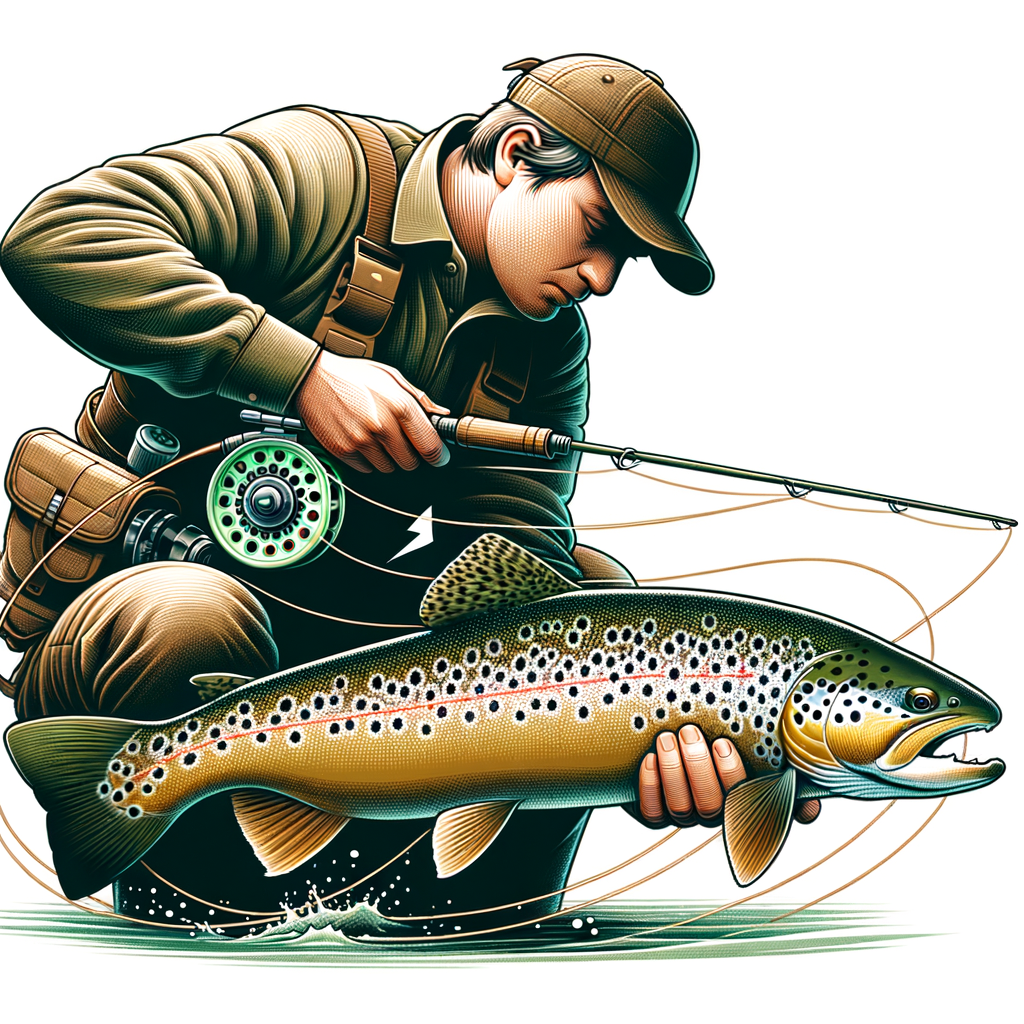
Fly fishing, traditionally associated with trout and salmon, has evolved over the years to include a variety of fish species, expanding both the technique and its geographical boundaries. Among the nontraditional species that have captured the attention of fly anglers is the flounder. Known for their flat bodies and unique camouflage abilities, flounders are typically pursued using conventional bait-fishing methods. However, the art of fly fishing for flounder brings a new level of excitement and challenge to anglers eager to expand their skills. In this article, we delve into the finer details of fly fishing for flounder, examining the unique patterns and strategies required. Our aim is to provide a comprehensive guide that highlights the essentials of targeting flounder effectively through this specialized angling technique.
Recognizing the distinctive behaviors and habitats of flounder is crucial in fly fishing. Unlike traditional trout habitat in fresh, fast-moving streams, flounders inhabit mainly shallow, saltwater regions with soft, sandy, or muddy bottoms. The challenge and allure of fly fishing for flounder come from understanding these habitats and the subtle intricacies of flounder behavior. This introduction outlines the potential and expanding world of fly fishing for flounder, laying the foundation for exploring various techniques, tips, and tactics tailored to angling enthusiasts interested in targeting these elusive flatfish.
In addition to understanding the habitats, one must consider the timing, equipment, and the meticulous selection of flies appropriate for flounder. These factors collectively contribute to an angler’s success. Through this article, we seek to equip both novice and seasoned fly fishers with refined techniques and strategic insights essential for mastering the art of catching flounder using a fly rod. Whether you’re driven by the challenge of catching a different species or simply wish to diversify your fly fishing portfolio, the rewards of targeting flounder through carefully crafted tactics are bountiful, bringing not only the thrill of the catch but also deeper appreciation for the adaptability of fly fishing methods.
Join us as we explore an in-depth analysis of fly fishing for flounder, providing a cohesive understanding that includes essential preparation, fly selection, and effective flow fishing strategies. Embrace this adventure with us, a pursuit that not only bridges traditional methods with modern exploration but also renews the joy of fishing through innovative perspectives and highly rewarding practices. The aim is to inspire more anglers to step out of their comfort zones and embrace the excitement of fly fishing for flounder, expanding their horizons in the angling community.
Patterns and Strategies
Mastering the art of fly fishing for flounder is a multifaceted endeavor requiring an understanding of their behavior, habitats, and a tactical approach to fly selection. Successful flounder fly fishing merges knowledge of marine biology with the subtle art of fly presentation. Let’s dive deeper into the strategies that make this pursuit a rewarding venture for any fly angler.
Understanding Flounder Behavior: Flounders are bottom-dwellers predominantly found in shallow coastal waters. Their flat, pancake-like bodies provide them with remarkable camouflage against sandy or muddy backgrounds, an adaptation that serves them well in evading predators and capturing prey. Recognizing their predatory habits is the first step in effectively targeting them with flies. Flounders are ambush predators that patiently lie hidden until they strike with explosive speed at unsuspecting prey. This behavior suggests that flies mimicking small bottom-dwelling creatures like shrimp, crabs, or baitfish have the potential to incite a response.
Locating Flounder Hotspots: Identifying productive fishing locations is a critical aspect of fly fishing for flounder. Optimal habitats include estuaries, tidal flats, river mouths, and nearshore waters where sandy or muddy substrates prevail. Look for spots with slight depressions, oyster beds, or aquatic vegetation that can serve as flounder hiding spots. Understanding tidal movements, as flounders are often more active during high tide, further enhances the chances of a successful outing.
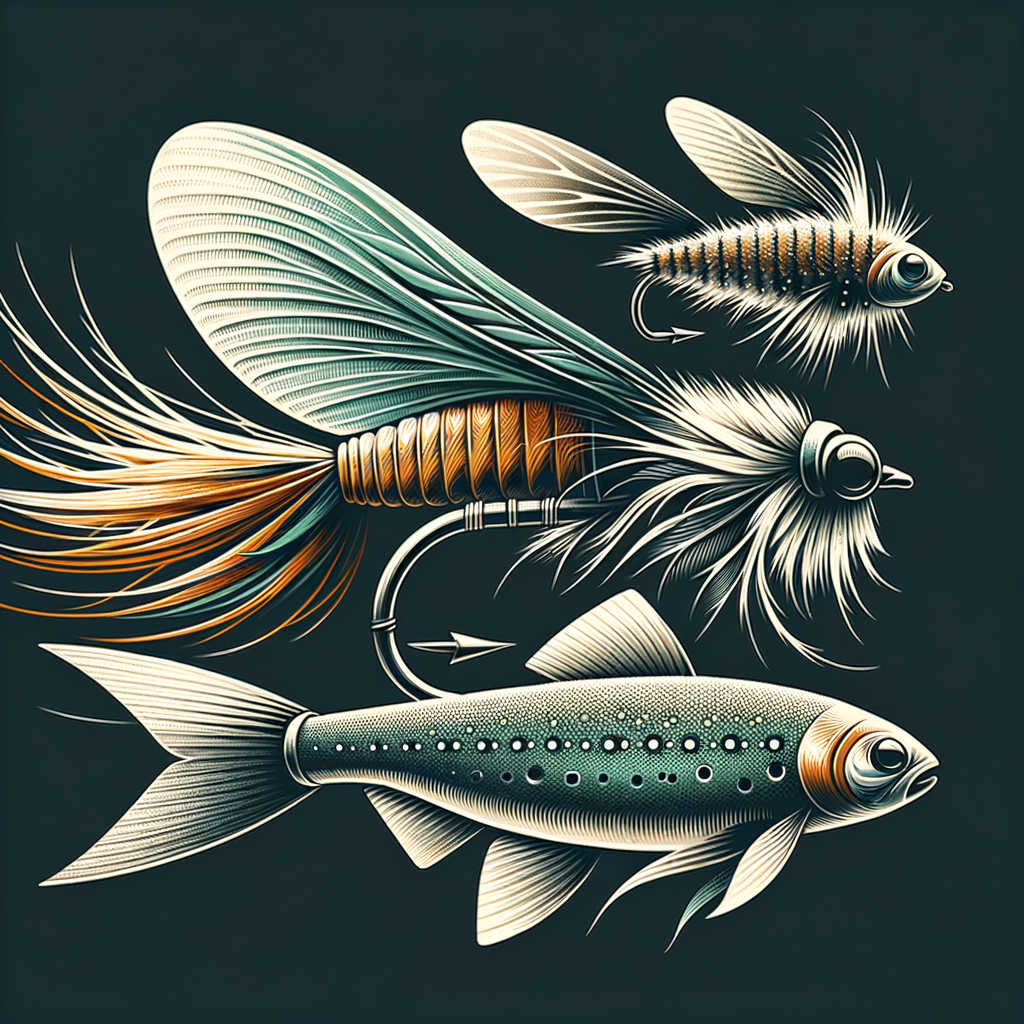
Rigging and Fly Selection: Fly selection is perhaps one of the most crucial elements in flounder fly fishing. The choice of fly should revolve around size, color, and the ability to mimic local prey items. Patterns such as Clouser Minnows, Gotchas, and Crazy Charlies, known for their weighted heads that keep them close to the bottom, are excellent choices. These imitations present an inviting profile and seem realistic enough to trigger the flounder’s strike instinct. Consider using light or neutral tones that adapt easily to the turbid environments flounders frequent. When it comes to fly rigging, intermediate or sinking lines allow your fly to maintain close contact with the seabed, coinciding perfectly with the flounder’s ambush feeding strategy.
Presentation Techniques: Presentation is pivotal in a successful catch. Slow, subtle retrieves that mimic the natural movements of prey are most effective. The angler must capture the delicate art of making a fly look alive by mastering a deft hand-twitching method. Allow the fly to settle on the bottom after every few strips, imitating a crustacean or baitfish’s natural behavior. Additionally, twitching the fly on the pause can be the trigger that prompts a flounder to strike. Ensure a gentle and realistic presentation as an overly aggressive approach may spook the prey.
Adapting to Conditions: Various environmental factors influence the behavior of flounders, such as water temperature, clarity, and tidal conditions. Being observant and adaptable will ensure a rewarding experience. During cooler months, flounders tend to be less active, retreating to deeper waters where warmer conditions prevail. Conversely, as the temperature increases, particularly in late spring and early summer, flounders move to shallower waters. In terms of water clarity, on clear days, subtle colored flies may yield more success, whereas darker flies may prevail in murkier situations.
There is a sense of profound satisfaction that accompanies successful fly fishing for flounder. It is an experience that doesn’t merely hinge on the moment of capture but rather the cumulative knowledge and adaptation of patterns and strategies specific to these skilled predators. As anglers refine their approaches, they forge stronger connections with the marine environment, immersing themselves in the rhythm of the tides and movements of the ocean. Every successful outing serves to fortify one’s resolve and appreciation for this creative pursuit, turning the intricate art of fly fishing into a lifelong passion for mastering the dynamic and elusive flounder.
Conclusion
Fly fishing for flounder represents a fusion of tradition and innovation, offering unique challenges that test an angler’s patience, knowledge, and skill. The strategies and patterns discussed highlight the importance of understanding flounder behavior and habitat, meticulous fly selection, and strategic presentation—critical elements in perfecting this art. By recognizing the intricate dance between predator and prey, fly anglers can enhance their skills, matching legendary stealth with thoughtful technique.
Moreover, the joy of fly fishing for flounder extends beyond the catch itself. It immerses anglers into the dynamic realm of coastal ecosystems, enriching their encounters with marine biodiversity, fostering respect, and honing adaptive strategies essential for successful fishing. Every aspect of this endeavor is an exercise in exploration—of oneself and the environment—harmonizing patience, precision, and intuition.
As we conclude our detailed exploration of fly fishing for flounder, we invite anglers to take decisive strides towards embracing this enticing pursuit. Whether a seasoned fly fisher or a novice ready to broaden your horizons, the thrill of targeting flounder promises experiences that transcend mere angling. Rediscover the art of finesse, and let the subtleties of fly fishing reignite your passion for this timeless practice.
By integrating these approaches into your routine, you will gain not only an enhanced understanding of flounder dynamics but also nurture a rewarding bond with the sport of fly fishing. As you embark on this captivating journey, let this guide serve as both a foundational overview and an invitation to delve deeper into the complexities and wonders of fly fishing for flounder. Welcome the adventure, nurture your curiosity, and cultivate the rich and diverse experiences that this enthralling angling pursuit inspires.
Frequently Asked Questions
1. What makes fly fishing for flounder different from fly fishing for other species like trout or salmon?
Fly fishing for flounder is indeed a unique and exhilarating challenge compared to the traditional pursuit of trout or salmon. While trout and salmon are generally found in freshwater streams and rivers, flounder are marine flatfish known for their bottom-dwelling habits in coastal waters. Their environment demands different techniques and gear. Unlike trout and salmon, which often feed on emergent insects, flounder typically consume small fish and crustaceans found near the seabed. This means that when targeting flounder, anglers need to adjust their fly patterns to mimic these specific prey, often opting for flies that imitate baitfish or small crabs, and employing sink-tips or weighted lines to get their flies down to where flounder feed. Furthermore, fly fishing for flounder requires more knowledge of tidal patterns and underwater topography than riverine fishing, as understanding the movement of tides can greatly impact success rates in saltwater fishing.
2. What are the best fly patterns to use when fly fishing for flounder?
When it comes to fly fishing for flounder, choosing the right fly can make all the difference. Flounders are bottom feeders, primarily preying on small fish, shrimp, and crustaceans. Therefore, some of the best fly patterns are those that imitate these prey items. Popular choices include Clouser Minnows, which are designed to mimic small baitfish, and Crazy Charlies or Gotchas, which resemble shrimp and other invertebrates. The key is to use flies that have a bit of weight so they can sink to the bottom quickly, as flounders are often found hugging the seabed. Also, choosing flies with coloration that matches the local forage species will increase your chances of success. It’s crucial to experiment with various patterns and observe how the flounder responds to adjust your approach accordingly.
3. How should I approach selecting a location for fly fishing for flounder?
Selecting the right location is half the battle when fly fishing for flounder. Flounders prefer sandy or muddy bottoms where they can blend in with the surface to ambush prey. They are typically found in shallow coastal waters, estuaries, and around inshore structures like docks and jetties, especially near tidal flats and river mouths where baitfish are abundant. It’s beneficial to look for locations with varying depths and structures where flounder can easily camouflage themselves. Observing tide schedules is also crucial since flounders move with the tides to hunt for food. Generally, the best times to fish are during incoming and high tides, when the water covers new ground and flounders are more actively feeding.
4. What gear and equipment are recommended for fly fishing for flounder?
Because flounder are found in saltwater environments, having the right gear is essential for a successful outing. Start with a saltwater fly rod – a 7 to 9 weight is usually adequate for handling the conditions and the size of the flounder. A matching reel with a strong drag system is a must, given the potential for challenging conditions and the occasional larger fish. Use a durable fly line, and consider a sinking or sink-tip line to present your fly effectively near the bottom. Leaders should be in the range of 10-15 pounds to counteract flounder’s notorious headshakes and pulls. It’s also beneficial to have a clear tip fly line to avoid spooking fish in clearer waters. Other helpful gear includes polarized sunglasses to spot fish and structures underwater, wading boots for those fishing near shores, and a snug-fit stripping basket to manage your line efficiently.
5. What strategies can increase the success rate in fly fishing for flounder?
The right strategy changes the game in fly fishing for flounder. First, it’s vital to understand flounder behavior and how environmental factors like tides and light levels affect their feeding patterns. It helps to fish on a moving tide, particularly during the incoming tide, when fish are more active and move into shallower waters chasing prey. Incorporate a slow retrieve to mimic injured baitfish or crustaceans – varied retrieves combined with pauses often trigger strikes. Utilizing stealth and patience is key since flounders are easily spooked, and avoid casting shadows over the targeted area. Additionally, observing the water surface for any movements can help identify fish presence. Testing various fly patterns and adapting to what works best during a trip can lead to greater success. Lastly, an intimate knowledge of the fishing area, including underwater structures and tide pools, can significantly increase your catch rate.