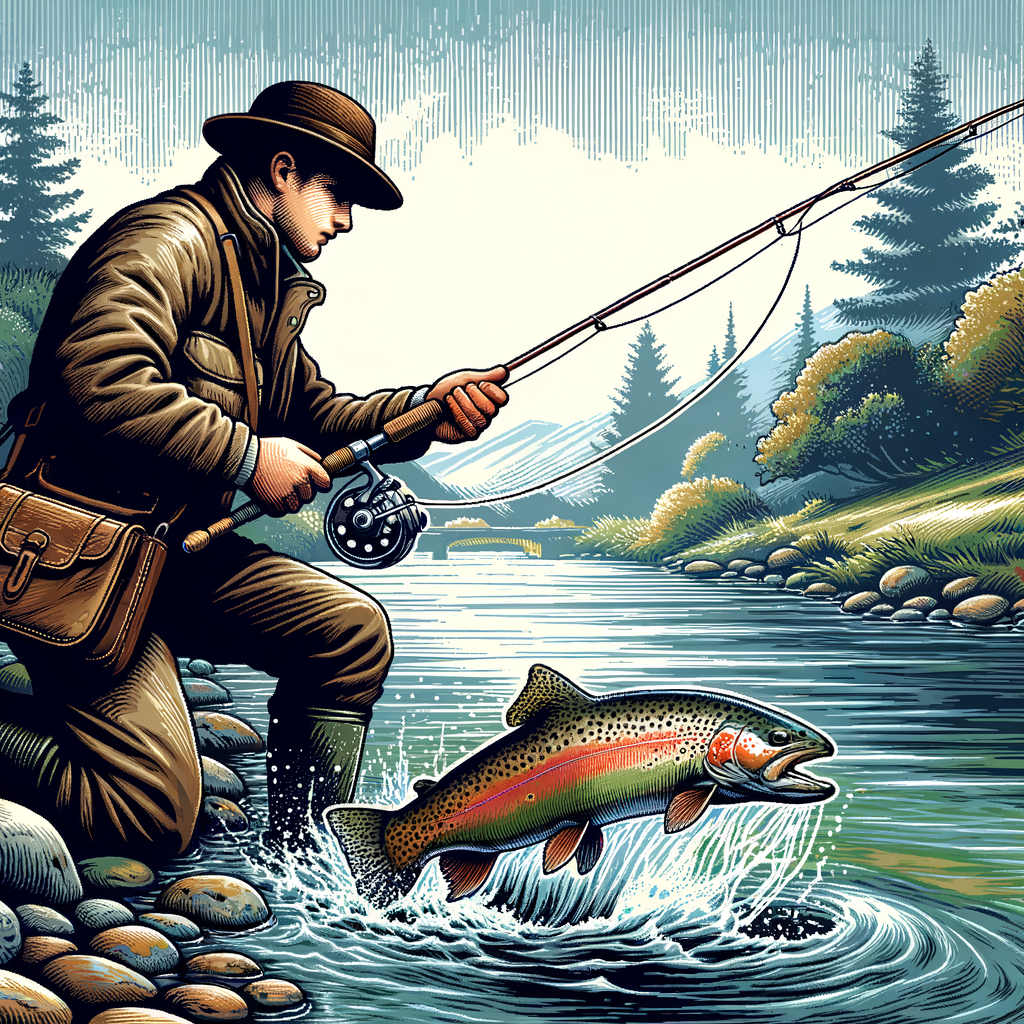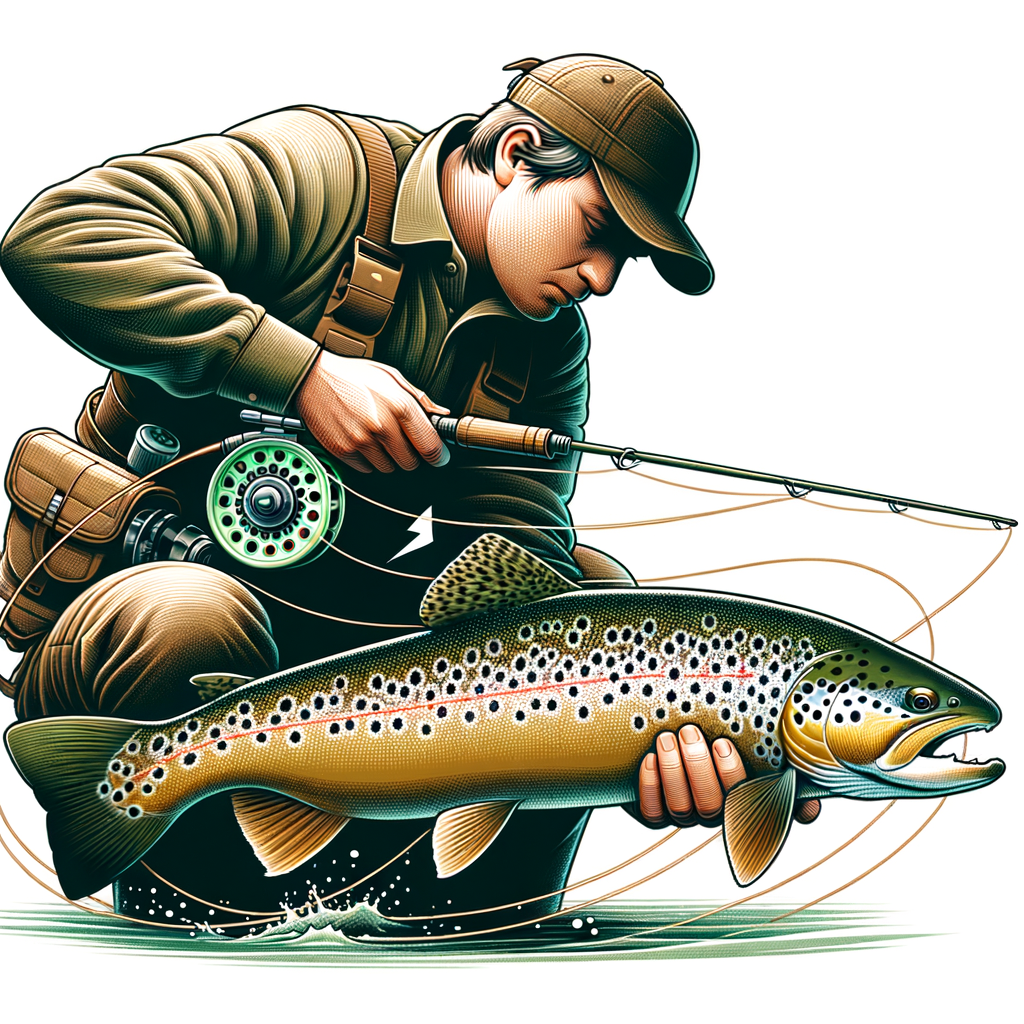
Fly fishing is often associated with tranquil rivers, serene environments, and a slow, methodical approach to catching fish. However, when it comes to fly fishing for bonito, the experience is anything but tranquil. Bonito are small, fast, and voracious predators that bring an exhilarating challenge to the art of fly fishing. These fish, part of the mackerel family, are known for their incredible speed and fighting spirit, which make them a favorite among anglers seeking a thrilling adventure. Found in temperate and tropical oceans, they offer a unique fishing experience that demands both skill and patience. In this article, we will explore the techniques, gear, and strategies required to successfully fly fish for bonito, as well as some of the best locations to target these fast and furious fish. Whether you’re a seasoned angler or a newcomer to the sport, fly fishing for bonito promises an adrenaline-pumping experience that’s unlike any other.
Understanding Bonito
Before diving into the specifics of fly fishing for bonito, it’s essential to understand the nature and behavior of these intriguing fish. Bonito are classified under the genus Sarda and are pelagic, meaning they inhabit the water column of the open sea rather than the bottom. They are schooling fish, often traveling in large numbers, which can create incredible surface activity when they are actively feeding. Bonito are generally found in offshore and nearshore waters, particularly around reefs, islands, and coastal waters where baitfish are abundant. They are recognizable by their sleek, torpedo-shaped bodies, which contribute to their streamlined swimming capabilities. With a steel-blue hue on their backs and silvery sides marked with oblique stripes, they are easily distinguished from other species.
Equipment and Gear
When it comes to fly fishing for bonito, having the right equipment and gear is crucial to your success. The key is to have gear that can handle the speed and strength of these powerful fish. Typically, a 9-foot rod in the 8 to 10 weight range is ideal. This provides the necessary stiffness and power to cast long distances and control a hooked fish effectively. For the reel, a strong drag system is important to prevent the fish from making unmanageable runs. Bonito are notorious for their line-stripping abilities, so a reel with a high line capacity is recommended.
In terms of line, a floating or intermediate sinking fly line is most commonly used, depending on the fishing conditions. A floating line works well for casting surface flies or poppers, while an intermediate line is useful for slightly deeper presentations. Leader and tippet should be strong and abrasion-resistant, with a breaking strength of at least 20 pounds, due to the bonito’s powerful runs and abrasive mouths. Fluorocarbon is a preferred material for leaders and tippets because of its low visibility and durability in saltwater.
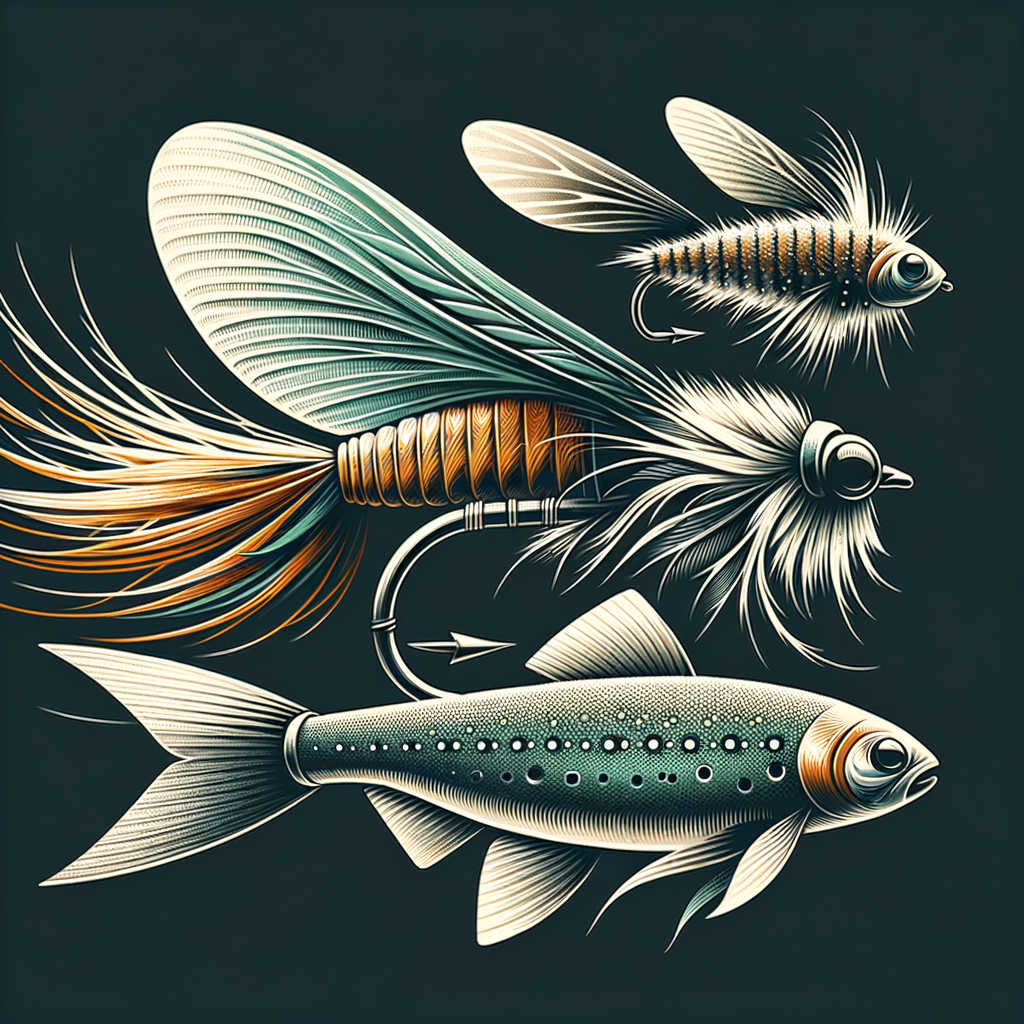
The choice of flies is another critical aspect. Bonito primarily feed on small baitfish, so baitfish-imitating flies such as Clouser Minnows, Deceivers, or anchovy patterns are highly effective. These flies should range from 2 to 4 inches in length and be tied on strong, corrosion-resistant hooks.
Techniques for Success
When pursuing bonito, understanding the correct techniques will vastly enhance your chances of success. Bonito are pelagic feeders and exhibit seasonal migratory patterns often dictated by water temperature and bait availability. Knowing this, it’s imperative to identify and locate schools of baitfish as bonito seldom stray far from their food source. A pair of polarized sunglasses will aid in spotting these schools and any accompanying bonito action, which frequently manifests as frenzied boils on the surface.
Chasing breaking fish is one of the most exhilarating aspects of fly fishing for bonito. It is important to approach these situations carefully, as sudden movements or engine noise can quickly drive the fish down. Once you spot a school, position your boat upwind and drift towards the fish. This way, your casting distance is maximized, and the element of surprise is on your side. When fishing from shore, timing your casts to coincide with the tidal flow can help bring bonito into casting range.
In terms of presentation, a fast retrieve is crucial. Bonito feed aggressively and are drawn to swift, erratic movements that imitate wounded prey. Upon casting, begin an immediate and brisk strip retrieve, ideally varying the speed slightly to simulate a struggling baitfish. Keep a firm hold on the line and be prepared for an explosive strike, as bonito are known to hit flies with considerable force.
Prime Locations
Fly fishing for bonito is an opportunity available in various locations around the world, offering anglers rich and diverse options. Some of the most popular areas for bonito fishing include the warm waters off the coasts of Australia, particularly New South Wales and Queensland, where local condensations of baitfish draw them inshore. The beaches and rocky headlands along these coasts provide ample opportunities for shore-based anglers to target bonito.
In the United States, the California coastline presents numerous chances to encounter bonito, especially during the warmer months. Areas such as San Diego and along the Baja California peninsula are known for significant bonito populations, although the fish can be elusive at times and require exploration to master their habits in these regions.
Other prime locations include the warm Gulf Stream waters off the eastern coast of Florida and the Gulf of Mexico, where bonito mix with other species such as Spanish mackerel and jacks, creating multi-species opportunities. On the opposite side of the Atlantic, the Mediterranean Sea offers its own unique bonito fishing experiences, commonly attracting European anglers looking for a high-adrenaline challenge.
Weather and Environmental Conditions
Understanding the nuances of weather and environmental conditions is a significant element in fly fishing success with bonito. These fish thrive in specific conditions, often spurred into activity by changes in weather or oceanic dynamics. Key factors to monitor include sea temperature, current patterns, and barometric pressure changes, all of which can influence bonito behavior and feeding intensity.
Bonito are particularly responsive to rising seawater temperatures, which stimulate their metabolism and increase their activity levels. Therefore, fishing during the warmer seasons or during times of the year when there is an influx of baits, such as sardines or anchovies, enhances the likelihood of capturing bonito on fly. Furthermore, early mornings and late afternoons often prove productive, as these times align with feeding peaks during low-intensity sunlight hours.
Favorable currents can congregate baitfish and bonito in specific tide rips, eddies, or over submerged structures, offering prime opportunities for fly anglers. Keeping track of the tide tables and planning your fishing sessions accordingly can markedly improve your chances of encountering bonito.
Handling and Conservation
Once a bonito is hooked, the fight is intense and fast-paced, presenting another layer of excitement. These fish are renowned for their powerful runs and acrobatic leaps. Anglers should prepare for a vigorous battle, ensuring rod handling techniques are sound and utilizing the reel’s drag system to full effect. Maintaining a steady pressure on the fish will help tire them more quickly, ensuring a more efficient and humane capture.
Once you’ve landed a bonito, handling should be done with care to ensure their survival upon release. Always wet your hands before touching the fish to prevent removing their protective slime coating. Carefully remove the hook using pliers and minimize air exposure, placing the fish back in the water promptly. Many anglers prefer to support conservation by adopting a catch-and-release approach, promoting sustainable fishing practices and the longevity of fish populations.
Conclusion
Fly fishing for bonito presents an exciting departure from traditional fly fishing experiences. The combination of speed, power, and the unpredictable nature of these fish makes them a desirable target for any angler seeking a high-energy fishing challenge. The techniques and strategies outlined in this article provide a solid framework for targeting bonito effectively. Armed with the right gear and a strategic approach, you’ll be well-prepared to chase these dynamic fish.
Whether fishing from a boat off the coast of California or wading into the surf along Australia’s eastern fringes, the thrill of bonito on the fly is an opportunity to create lasting memories. Considering their responsive nature to environmental stimuli, it becomes increasingly essential to integrate an understanding of fish behavior alongside fishing tactics, ensuring you stay ahead of the curve.
As with all fishing, respecting the species and their habitats is paramount. By practicing catch and release and supporting conservation efforts, anglers can enjoy the pursuit of bonito while ensuring future generations can appreciate these magnificent fish. May your future fishing endeavors be successful and filled with the adrenaline-soaked excitement that only fly fishing for bonito can deliver.
Frequently Asked Questions
What makes fly fishing for bonito so different from traditional fly fishing?
Fly fishing for bonito is a whole different ball game compared to what you’d typically expect. Traditional fly fishing is often associated with peaceful, slow-moving rivers and a calm, almost meditative environment. Think of those picturesque moments where every cast is deliberate and every minute is savored. In contrast, targeting bonito is fast-paced and adrenaline pumping. These fish are incredibly swift and agile, and they charge at your fly with an aggressiveness that’s outright exhilarating. They’re known for their speed and fighting capabilities, making each catch a true test of your reflexes and stamina. So, you go from calm and collected to a full throttle, no holds barred water battle, which offers a unique shift from the norm.
What equipment do I need for fly fishing bonito, and how does it differ from the gear used for other fly fishing?
When gearing up for fly fishing bonito, your equipment needs to match the high-energy nature of the sport. You’re going to need a sturdy, saltwater fly rod, usually something in the 8 to 10 weight range. These rods provide the strength necessary to handle bonito’s speed and strength. Your reel should have a solid drag system; it’s essential because bonito will strip line at an incredible pace. The fly line should be tailored for saltwater fishing too, apt for both casting distance and withstanding the salt’s corrosive nature. As for flies, streamers are typically the go-to because they mimic the small baitfish bonito hunt. Compared to the typical freshwater fly fishing gear, everything here is built for resilience and power to brave saltwater conditions and opposition from the fish.
Where are the best locations to fly fish for bonito?
Bonito prefer the hustle and bustle of ocean currents and are typically found in coastal waters where the bait is plenty. Look for regions with active tidal movements; areas where the tide creates channels or drops off are ideal. East coast locations like along Florida’s coastlines, North Carolina, and New York offer prime opportunities. In the West, the Pacific’s coastal lines in California and Oregon are also great spots. Capri in Italy, and certain waters around New Zealand, are known internationally for bonito fly fishing too. Essentially, any place where the water offers lots of action is likely a spot where bonito thrive. Always check local conditions and fish patterns for the best results.
Why are bonito considered so challenging to catch on a fly, and what are some tips to improve my success rate?
Bonito present a serious challenge primarily due to their speed and aggressive nature. They can be difficult to fool, as they’re well adapted to their fast-paced environment. Their sharp eyesight makes it crucial that your presentations are quick and efficient. Here are some tips to increase your success rate: – Timing your trips to coincide with the prey’s peak activity period can improve chances of action. – Use sharp hooks and make sure your knots are reliable, because when a bonito hits, it hits hard and relentlessly. – Keep your eyes on the prize and always be ready to cast where the action is, since bonito move rapidly and opportunities can be fleeting. – Practice your casting in windy conditions as it’s often a factor in coastal fishing. Adds another layer of complexity, but necessary in honing your skills. – Train your reflexes and arms for endurance, because a successful catch and adequate retrieval require both focus and physical effort.
What type of weather or tidal conditions boost my chances of catching bonito?
Weather and tides play a significant role in determining how successful your fly fishing trip for bonito will be. Bonito are often most active when the tides are moving, whether it’s incoming or outgoing tides; this movement brings in baitfish and sparks grand feeding frenzies. Choppy waters also increase your chances, as bonito tend to be less wary when the surface is disturbed, giving you the cover to cast your fly without spooking them. Overcast conditions and slightly windy days are your allies, as they lessen the water’s clarity and keep the fish less skittish. Always check the forecast and plan around these opportunities to maximize your chances of connecting with these fast movers of the ocean. Pay close attention to tidal charts and weather patterns, as these are crucial indicators of fish activity levels, aligning with the natural feeding tendencies of the bonito.