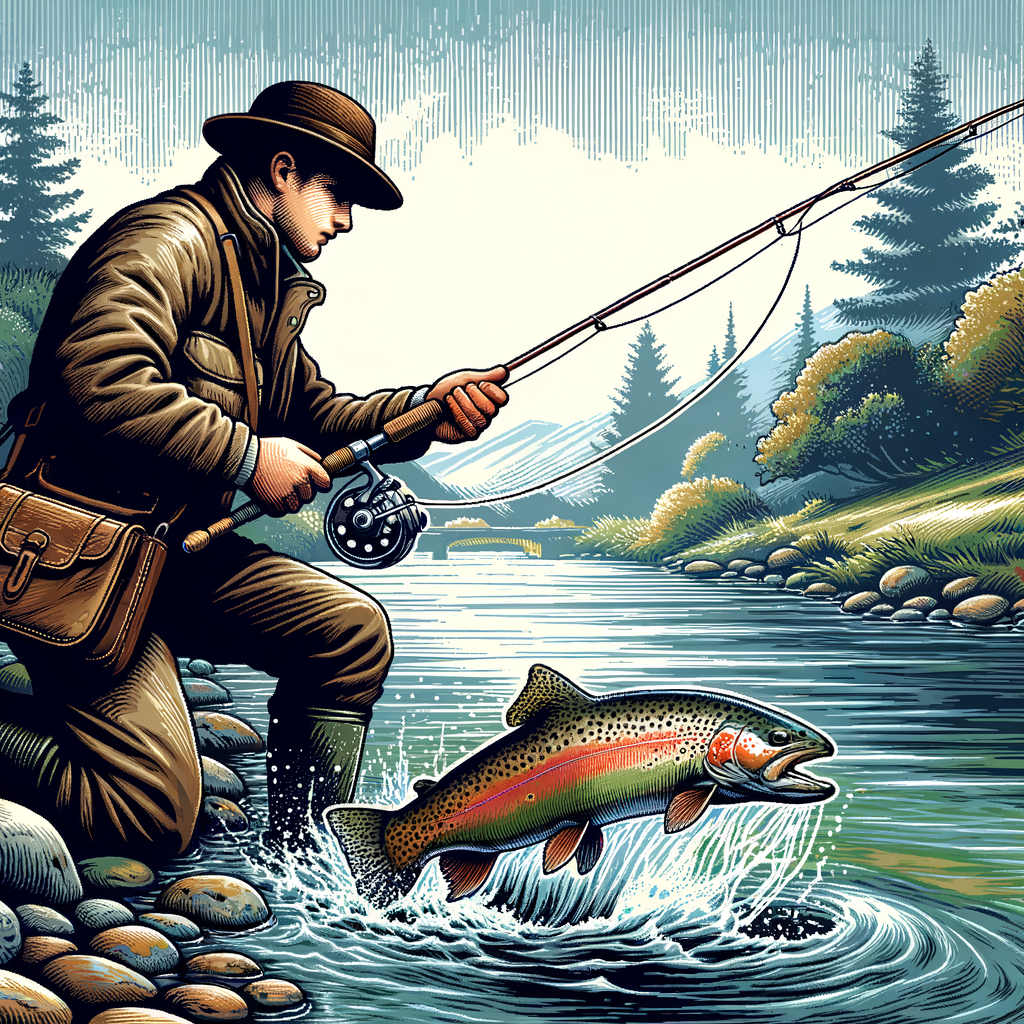
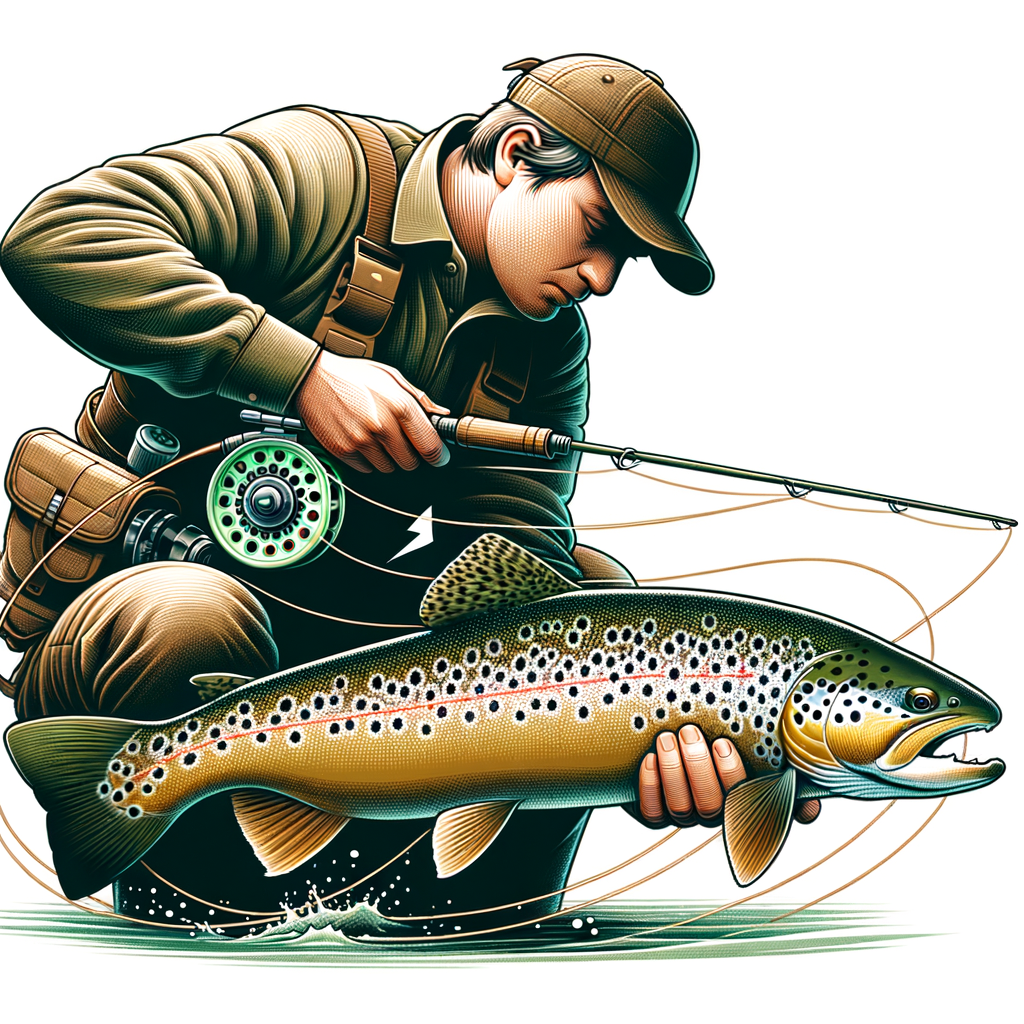
Fly fishing for black drum presents a unique and rewarding challenge for anglers, combining technique, patience, and an understanding of this distinctive fish’s behaviors and habitats. Black drum, a popular target for fly fishermen, are known for their distinctive drumming sound and can be found along the Atlantic coast from Nova Scotia to Florida and along the Gulf of Mexico. While not as sought-after as game fish like tarpon or bonefish, black drum offer an engaging fly fishing experience due to their size, strength, and relative accessibility in various coastal settings. In this article, we will delve into the specifics of fly fishing for black drum, including essential tips and techniques that can enhance your angling experience, providing you with the knowledge to successfully target this species. From understanding their life cycle and preferred habitats to choosing the right fly and perfecting your casting technique, we aim to equip you with the necessary skills and strategies tailored for pursuing black drum. Whether you are an experienced fly fisher eager to expand your horizons or a novice wanting to explore the multifaceted world of fly fishing, these insights into black drum fishing will enrich your understanding and technique. Join us as we navigate the intricate dance of fly fishing with a focus on targeting the intriguing black drum.
Understanding Black Drum
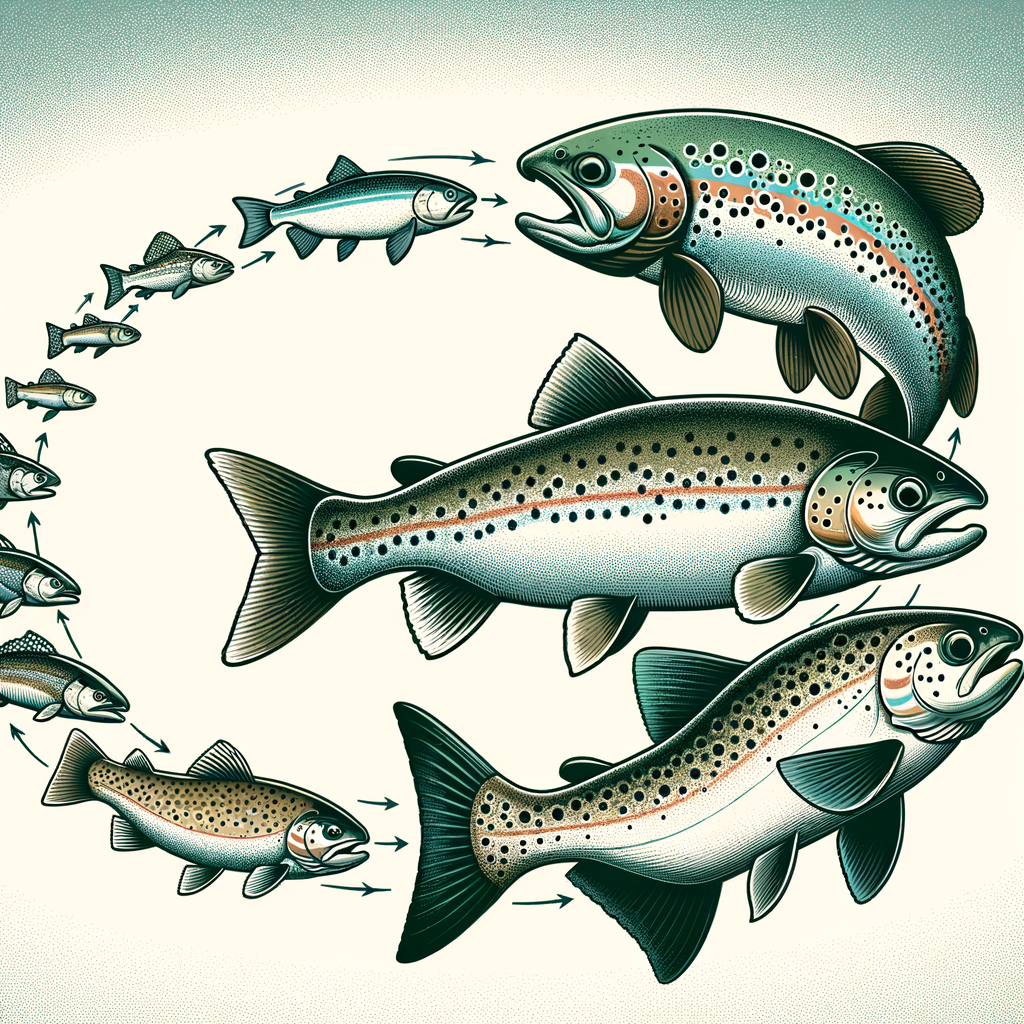
The black drum, a member of the drum family, is a robust and deep-bodied fish that inhabits a range of coastal environments, from brackish estuaries to sandy bottoms in bays and inshore waters. Recognizable by the distinctive “drumming” sound they produce, which results from the beating of their abdominal muscles against the swim bladder, black drums often reach impressive sizes. They can weigh up to 90 pounds, with the record catch boasting a weight approaching 113 pounds. Typically, black drum migrate seasonally, and their behavior is strongly influenced by water temperature and food supply, with spawning occurring in early spring. Younger black drum, known as “puppy drum,” are more frequently found in shallower waters, while larger specimens often dwell in deeper environs. Understanding their lifecycle and behavior is crucial for fly fishers targeting this species, as it informs where they are most likely to be caught at different times of the year. Knowing their preferred habitats and dietary needs, which consist predominantly of crustaceans and mollusks, can help anglers present the most enticing fly. This understanding of black drum behavior and habitats lays the groundwork for selecting the appropriate gear and strategies.
Essential Gear and Tackle
Having the right gear is paramount in successfully fly fishing for black drum. Your choice of fly rod should typically be in the 8 to 10-weight range to handle larger specimens, providing sufficient power and accuracy when casting heavier flies and fighting robust fish. A fast-action rod is often recommended to punch through windy coastal conditions frequently encountered in black drum habitats. The reel should have a good drag system capable of controlling the strong runs and dives black drum are known for. Additionally, use a saltwater-rated reel to withstand the corrosive elements of the marine environment. As for the fly line, an intermediate sinking line or a floating line with a sinking tip can be ideal depending on the depth you are fishing and the specific conditions of your chosen location. Leaders should be stout, often in the 20 to 30-pound test, to resist abrasion against oyster beds and mud flats common in black drum habitats. Moreover, selecting the appropriate fly patterns such as crab, shrimp, or baitfish imitations can make a significant difference, with size selection being contingent upon the prevalent prey in your targeted area. Using these essential gear components and selecting the right tackle not only aids in presentation but ensures durability and performance when engaging with these powerful fish.
Fly Selection and Presentation
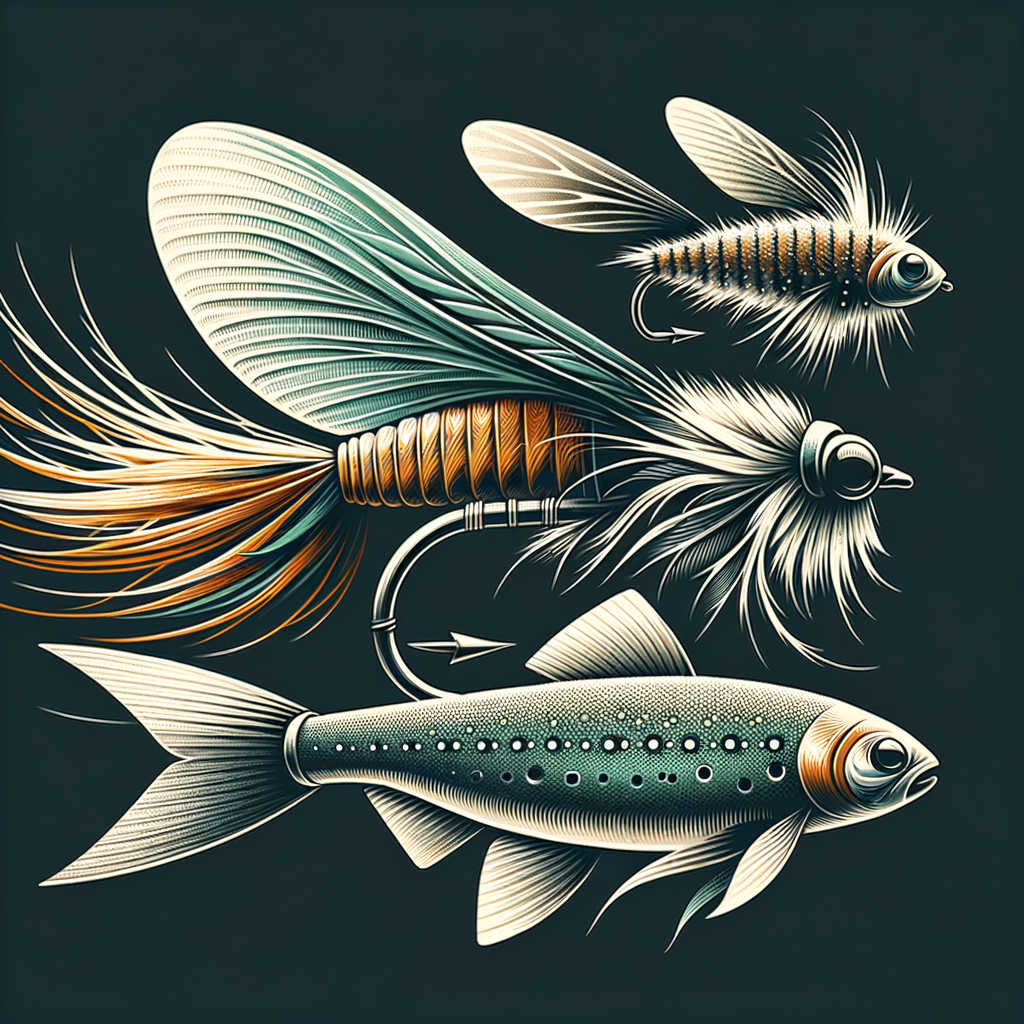
Choosing the right fly and mastering its presentation are critical in fly fishing for black drum. Given that black drum primarily feed on crustaceans, choosing flies that imitate crabs, shrimp, or small baitfish is crucial. Popular patterns include Merkin crabs, EP shrimp, and Clouser Minnows, among others. While color choices can vary, natural hues like brown, olive, and tan often yield results, especially if they match the local environment and typical prey. Fly size should align with the size of the black drum you’re targeting — larger flies for bigger, more mature fish and smaller flies for juvenile “puppy drum.”
When it comes to presentation, the key is to ensure your fly mimics the natural movement of the prey. Cast beyond your visible target, allowing the fly to settle naturally within their line of sight. Black drum are generally bottom feeders, so getting your fly to sink naturally with slight strips or twitches can mimic the hopping or crawling actions of crustaceans. This strategy requires a delicate touch as black drum, often perceived as less aggressive, may require a soft but intentional approach. Additionally, consider the water depth and clarity — in clear water, a more subtle approach may be necessary, while in murkier waters, adding weight to ensure the fly reaches more profound levels quickly can be beneficial. Practice and patience are vital, as presenting your fly accurately and compellingly can determine the success of your fishing endeavor.
Understanding Conditions and Timing
The success of fly fishing for black drum is considerably influenced by environmental conditions and timing your fishing expeditions to align with black drum habits and habitats. Time of day constrains their feeding patterns, with early morning and late afternoon typically being the most productive, especially when water temperatures are milder. During tidal cycles, aim to fish during slack tide or the first few hours of an incoming tide, which tends to stir up food sources and stimulate feeding behavior. Seasonal considerations are significant, as black drum undertake movements driven by spawning needs and temperature shifts. Spawning activity usually starts in early spring, often concentrated around this time; larger gatherings can be observed, offering ample opportunity for anglers. While spring often provides robust action, winter fishing can attract black drum to warmer shallow depths, an advantage for fly fishermen seeking close encounters. The impact of weather, including the influence of cold fronts and significant barometric changes, should not be overlooked as these shifts can lead to increased activity or lethargy in fish. Observing and understanding these varying conditions offer the dual advantage of maximizing productivity and minimizing environmental disturbances, allowing for a proactive, thoughtful approach to fly fishing.
Techniques for Successful Fly Fishing
As with any fly fishing, there are specific techniques that heighten the likelihood of success when pursuing black drum. Sight fishing, where you visually locate the fish in shallow waters before making a cast, is a rewarding technique that enhances the pursuit, pressuring the need for positioning accuracy and presenting a fly without spooking them. Alternatively, blind casting may yield results, especially if black drum’s presence is suspected or known but not directly observable. A stealthy and low-profile approach is crucial in flats fishing where black drums may be warier; approaching with caution and minimizing noise can prevent spooking the fish.
Long casts aren’t always necessary, but accuracy is critical, whether delivering the fly close to a suspected feeding lane or directly ahead of a visible fish. Maintain a steady and smooth retrieve, often varying the speed or interruptions to create a lifelike simulation of a prey’s escape pattern, prompting a response from the fish. Look for telltale signs of feeding such as “tailing” — when their tails break the water’s surface; targeting these visually apparent fish can often provide the most immediate and gratifying results. Practicing these techniques frequently enhances refinement, combining the craft of positioning, presentation, and precision in technique for a comprehensive approach to fly fishing success.
Regulations and Conservation
Respecting local regulations and adhering to conservation guidelines cannot be ignored in the pursuit of responsible angling, especially when targeting species such as the black drum. Black drum populations, while generally stable, benefit from regulations that promote sustainable practices. These regulations frequently include slot limits, daily bag limits, and seasonal restrictions to ensure that populations remain viable for future anglers. Familiarizing oneself with these rules is part of a responsible fly fishing practice, ensuring compliance with both legal mandates and conservation efforts. Catch and release techniques, when practiced correctly, also contribute to sustainability, minimizing harm and stress to fish by using appropriate tackle and handling techniques such as wetting hands before contact, using barbless hooks, and minimizing air exposure. Supporting conservation efforts, including participating in community-led monitoring and data collection projects, helps contribute to ecologically sound practices that strengthen overall management initiatives. Fellow anglers must act as stewards of the waters they fish, safeguarding the environments and species that make fly fishing a cherished and enduring pursuit.
Conclusion
Fly fishing for black drum, while presenting distinct challenges, also offers a rich and fulfilling experience for anglers seeking to engage with one of the more unique inhabitants of coastal waters. The strategies and techniques detailed in this article provide a foundation for effectively targeting black drum, from understanding their behavior and environments to selecting the right gear and mastering fly presentation. By respecting the conditions, timing your ventures appropriately, and employing techniques that enhance your engagement, you bring craft and consideration to your fly fishing pursuits. Ensuring adherence to regulations and promoting conservation efforts contribute to the sustainable practice of this revered sport, enriching the experiences of the current angler and preserving these waters for future generations. As with any fishing endeavor, the learning curve can be steep but immensely rewarding. The pursuit of black drums through fly fishing is as much about the journey and refining of skills as it is about the catch. This endeavor through patience, knowledge, and active engagement with the environment underscores why fly fishing remains a beloved sport — one where the intersection of craft, nature, and enthusiasm lies within every cast. Tackle the waters with respect, and may your next black drum fishing adventure be filled with skillful encounters and rewarding memories.
Frequently Asked Questions
1. What techniques are most effective for fly fishing for black drum?
When it comes to fly fishing for black drum, one of the most effective techniques is sight fishing, which involves carefully scanning the water for signs of black drum presence such as tailing or feeding behavior. Black drum are bottom feeders, so using a fly that imitates crabs or shrimp can be particularly productive. It’s important to cast your fly close to the feeding fish without spooking them. You’ll want to use a slow, deliberate retrieve that mimics the movement of the natural prey. Patience is crucial, as black drum can be wary and selective eaters.
Since black drum are often found in shallow waters over seagrass flats or oyster beds, stay stealthy and avoid making too much noise or disturbance. Try to keep a low profile and use polarized sunglasses to reduce glare and help spot them more easily. When you do locate a fish, position yourself well and be ready to make a quick cast. Once hooked, prepare for a strong fight, as these fish are powerful and can make long runs and strong head shakes.
2. What equipment and gear do I need for fly fishing for black drum?
For fly fishing for black drum, having the right equipment can significantly improve your success. Start with a medium to heavy rod, generally a 7 to 9 weight, which is suitable for handling larger flies and battling strong fish like black drum. A quality saltwater fly reel with a strong drag system is essential to handle their powerful runs. Be sure to use a weight-forward floating line, as you’ll primarily be fishing in shallow waters.
Leaders should be around 10-12 feet in length with a sturdy tippet of 16 to 20 pounds to withstand the abrasion from oyster beds or sharp fish scales. Flies should imitate the black drum’s natural diet, so pack selections of crab and shrimp patterns, such as Clouser Minnows, Del Brown’s Merkin, and Kwan flies. Additionally, neutral or natural colors work best to match the local forage and environment.
3. Where are the best locations to fly fish for black drum?
Black drum are commonly found along the Atlantic coast from Nova Scotia down to Florida, and throughout the Gulf of Mexico. They inhabit inshore waters and prefer environments rich in food resources, including mudflats, seagrass beds, oyster reefs, and estuaries. Look for them in the shallow flats particularly during the cooler months when they migrate through these areas in search of food like crabs, shrimp, and mollusks.
Some prime locations include the Indian River Lagoon and Mosquito Lagoon in Florida, where the presence of clear water and abundant seagrass beds provides ideal habitats for black drum. In Texas, areas like the Laguna Madre offer expansive, shallow waters that attract these fish. The gentle currents and ample food supply make these regions highly productive for anglers seeking black drum on the fly.
4. What are some key challenges when fly fishing for black drum, and how can I overcome them?
One key challenge of fly fishing for black drum is their sometimes finicky nature and tendency to spook easily in shallow waters. Anglers must often contend with their bottom feeding habits, making them less visible compared to other game fish. To overcome this, anglers should hone their skills in spotting subtle signs of black drum, such as mud plumes or tailing fish.
Another challenge is getting the right presentation. Black drum often won’t chase a fly aggressively, so your approach and presentation need to be spot-on. Use a slow, deliberate retrieve and ensure your fly is dropping naturally with the current. Being patient, maintaining your stealthy approach, and perfecting your casting accuracy can significantly increase your chances of success. Also, consider using thinner, lighter leaders if the fish are heavily pressured and wary, but ensure they are strong enough to handle their powerful runs and sharp gills.
5. What time of year is best for fly fishing for black drum?
While black drum can be caught year-round, the best times to fly fish for them tend to be during the cooler months from late fall through early spring. During this time, black drum often school up in shallow waters to feed, making them easier to locate and target. Water temperatures are cooler, and this transition prompts them to migrate towards the warmer shallow flats and estuaries to feed on abundant crustaceans and mollusks.
The precise timing can vary by region, with some locations like Florida’s Atlantic Coast providing opportunities almost all year. But generally, the spawning runs in winter and early spring offer the perfect combination of accessibility and numbers. Understanding the specific patterns and behaviors in your chosen fishing location is crucial to timing your trips effectively, so keep local conditions and migrations in mind.