Stillwater trout anglers eventually face a deceptively simple question: when should you fish chironomid pupa patterns, and when should you switch to bloodworm patterns? Both imitate midge life stages, both catch trout on lakes and reservoirs, and both belong in any serious stillwater fly box. Yet they are not interchangeable. Trout respond to each pattern for different reasons tied to insect development, oxygen levels, bottom composition, light, depth, and presentation. Understanding those differences improves catch rates far more than swapping random colors ever will.
In practical terms, a chironomid is a non-biting midge. The bloodworm is the larval stage, usually bright red because hemoglobin helps it survive in low-oxygen sediment. The pupa is the transforming stage that rises through the water column before hatching into the adult. In stillwaters, trout often feed heavily on both stages because chironomids are abundant, available for long seasons, and present from shallow shoals to deep basins. I have spent many days anchoring over marl flats, timing midge ascents on a slip indicator, and checking throat samples where legal. The consistent lesson is clear: trout key on stage, depth, and movement more than on fly size alone.
This article serves as a hub within fly patterns and tying by explaining not only chironomid pupa versus bloodworm patterns, but also the larger category of stillwater “types of flies” these patterns represent. If you tie or fish stillwater flies, you need to understand how imitative larval patterns differ from ascending pupae, how these compare with nymphs, leeches, scuds, and attractors, and how to build a selection that matches real feeding behavior. Done properly, that knowledge turns a box of patterns into a system.
What chironomid pupa and bloodworm patterns imitate
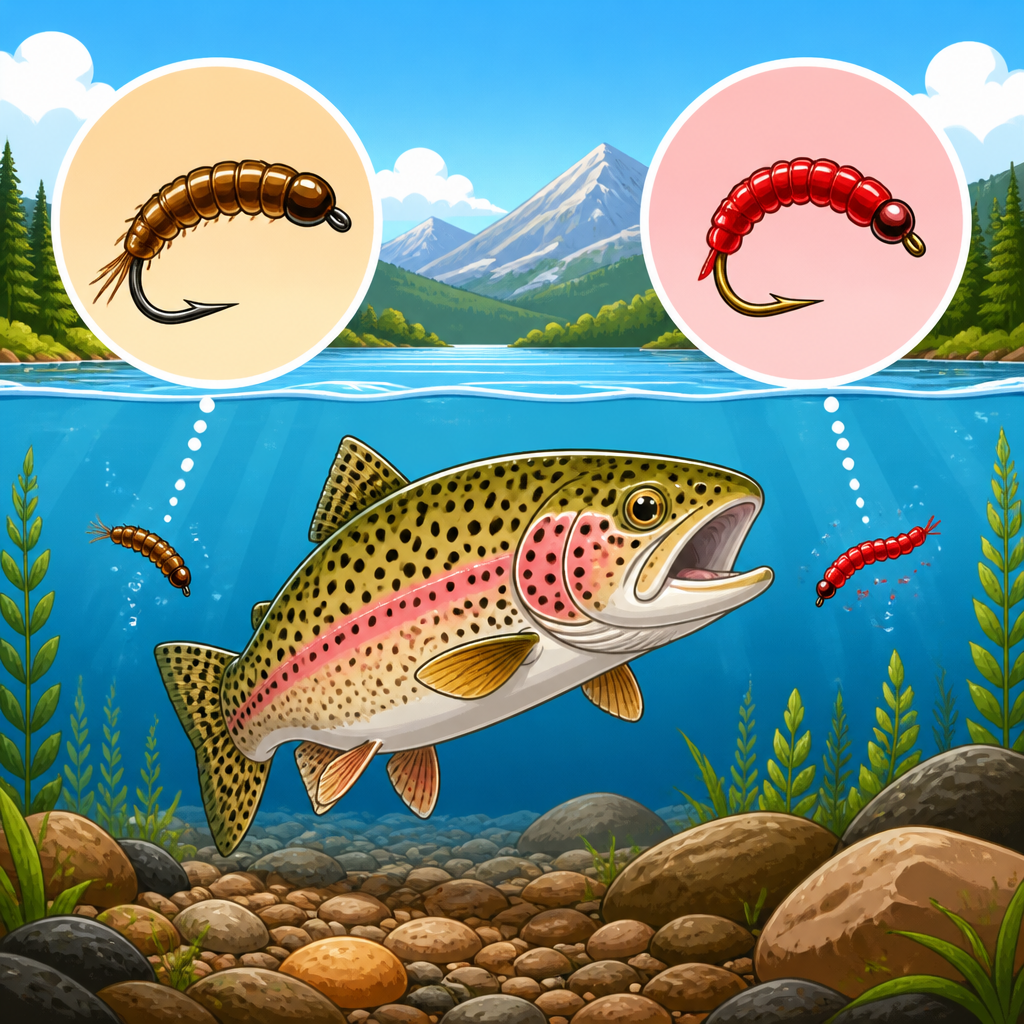
Bloodworm patterns imitate the larval stage of chironomids living in soft bottom sediments. These larvae inhabit mud, silt, and organic weed debris, often in water where dissolved oxygen near the substrate runs lower than in open water. Their red coloration comes from hemoglobin, which is why a slim red larva under an indicator can be deadly in fertile lakes. Good bloodworm patterns are sparse, narrow, and segmented. Common designs include a simple red thread body coated with resin, a rib of fine wire, and a small black or silver bead if extra sink rate is needed. The point is not flash; it is the thin profile and bottom-oriented behavior.
Chironomid pupa patterns imitate the stage after the larva leaves the substrate and begins ascending toward the surface to hatch. This is the classic stillwater suspension game. The naturals often show a dark thorax, gas trapped beneath the shuck, and a tapered abdomen in colors such as black, olive, claret, brown, red, and chrome-green. Effective pupa patterns reflect those traits through slim bodies, ribbing, gill cheeks, white bead heads, holographic tinsel, buzzer ribs, and sparse thorax materials like peacock, seal substitute, or UV dubbing. Well-known examples include the Chromie, Black and Red Chironomid, Ice Cream Cone, Snow Cone, and Micro Leech-style chironomid variants.
The crucial distinction is location in the water column. Bloodworms are usually most effective very near the bottom, often within inches of the substrate. Chironomid pupa patterns are fished suspended at the exact depth trout are intercepting ascending insects, which might be one foot off bottom in cold spring conditions or ten feet under the surface during a concentrated hatch over deeper water. That depth difference defines tackle choices, leader construction, and strike detection.
Where these patterns fit within stillwater fly types
As a hub for stillwater fly types, this page should place chironomid pupa and bloodworm patterns in the broader pattern family. Stillwater trout flies generally fall into forage categories: midge larvae and pupae, mayfly nymphs, damselfly nymphs, dragonfly nymphs, scuds, freshwater shrimp, caddis, leeches, baitfish, and attractor or searching patterns. Each category matches a different feeding mode. Midges reward precision depth control. Damsels and dragonflies reward movement and shoreline timing. Leeches and baitfish often shine when trout are opportunistic or when wind pushes food into lanes.
Among these categories, chironomids are the most consistent producer on many lakes because they hatch in vast numbers across multiple months. A leech can be a confidence fly and a balanced damsel can be spectacular during migration, but if I had to guide a newcomer on a fertile stillwater from ice-off through fall turnover, I would make midge patterns the foundation. Bloodworms cover the larval food source available on or in the bottom. Pupae cover the emergent stage that often creates predictable feeding windows. Together they form the most important “types of flies” for systematic stillwater trout fishing.
That does not mean they replace other patterns. Instead, they anchor a box. A serious stillwater angler usually carries bloodworms in red, maroon, wine, and black-red combinations from size 10 to 18, plus pupa patterns in black, olive, red, claret, chromie, and brown from size 10 to 18. Those are then complemented by balanced leeches, scuds, callibaetis nymphs, boatmen, and damsels. The hub concept matters because trout rarely read our labels. They feed on a menu, and your fly selection should reflect that menu by season and habitat.
How trout decide between larva and pupa
Trout choose bloodworms or pupae based on energy efficiency and availability. When larvae are abundant in bottom sediments, trout can cruise slowly and root out an easy, protein-rich meal. This is common in fertile, weedy lakes, especially during periods without intense surface or subsurface emergence. During a hatch, however, the pupa becomes more vulnerable than the larva. It leaves cover, rises visibly, and often pauses in the film. Trout exploit that vertical movement because ascending insects are concentrated and easier to intercept.
Several lake conditions sharpen that preference. Soft mud bottoms support more bloodworm activity than hard gravel shoals. Calm mornings with visible shucks and midge adults often signal active pupa feeding. Sudden weather changes can suppress surface activity while keeping trout focused lower in the column. Water temperature matters too. Early in the season, I often find trout tight to bottom on bloodworms and dark pupae. As the day warms and the hatch strengthens, the same fish slide upward and begin taking brighter pupa patterns suspended a foot or two above the feeding depth from the morning.
Throat samples, where regulations allow and fish are handled carefully, often settle the debate. If you see thin red larvae and little else, fish bloodworms near bottom. If you find silver, black, or olive pupal shucks with swollen thoraxes, switch immediately to pupae. Electronics help as well. On sonar, trout stacked just off a basin floor during sparse activity often favor larvae. Trout suspended in a distinct band over deep water during active emergence usually point to pupa fishing.
Pattern design, materials, and presentation differences
The best bloodworm patterns are simpler than many anglers think. Thin red thread, vernille, micro tubing, UTC wire, or red floss can all work if the silhouette remains slim. I prefer curved hooks or straight scud hooks in size 12 to 16, with a sparse body and a clear resin coat for durability. Some tiers add a black bead at the head to suggest the darker end of the larva and help it sink, but too much weight can bury the fly in weed debris. Bloodworms should look alive yet vulnerable, not like oversized attractors.
Chironomid pupa patterns allow more variation because real pupae show trapped gases, reflective cuticles, and contrasting thoraxes. Ribbing with silver wire or tinsel gives segmentation and flash. White glass beads, nickel beads, or fluorescent cheeks can imitate gills and gas bubbles. Thread-bodied patterns remain effective because natural pupae are narrow, but a touch of flashabou or pearlescent tinsel often helps fish locate them in stained or deeper water. The main rule is proportionality: overbuilt chironomids stop looking like chironomids.
| Feature | Bloodworm Pattern | Chironomid Pupa Pattern |
|---|---|---|
| Imitated stage | Larva | Pupa |
| Best position | On bottom or inches above it | Suspended at feeding depth |
| Typical profile | Very slim, uniform, segmented | Slim abdomen, thicker thorax |
| Key colors | Red, maroon, wine | Black, olive, red, claret, chrome |
| Most common tactic | Static under indicator or slow hand-twist | Indicator suspension with exact depth control |
| Primary trigger | Easy bottom food | Active emergence and ascent |
Presentation separates average catches from exceptional days. Bloodworms can be suspended under an indicator with the fly just above bottom, retrieved slowly on an intermediate line, or fished on a washing-line setup with minimal movement. Pupae are more exacting. The most reliable method is a slip or fixed indicator, a long leader, and enough weight or a balanced rig to hold the flies at exact depth. Tiny takes are common. If your indicator twitches, tilts, hesitates, or slides unnaturally, lift. Stillwater trout often inhale a pupa and hold motionless.
When to fish each pattern through the season
Seasonality gives structure to fly choice. After ice-off, many productive lakes have cold water, slow insect metabolism, and trout cruising shallow shelves and drop-offs. Bloodworms can be excellent then because trout feed close to bottom where larvae remain available despite limited hatch intensity. Dark red, wine, and black-red combinations in sizes 12 to 16 are staples. As water temperatures climb into the range that stimulates stronger midge activity, pupa patterns become increasingly important, especially during stable weather windows and late morning through afternoon emergence periods.
In late spring and early summer, chironomid pupa fishing often peaks. This is the classic period for anchored presentations over shoals, channels, and basin edges, with flies set precisely according to depth soundings and insect shucks. On many western stillwaters, productive depths range from eight to twenty feet, though hatches certainly occur shallower. During this period, bright Chromies, black-red combinations, and olive or claret pupae frequently outperform bloodworms because trout expect rising insects, not stationary larvae.
Summer complicates things. Warm surface layers, weed growth, and changing oxygen levels can push trout deeper in some lakes, while spring-fed or higher elevation waters remain productive shallower. Bloodworms may return as a key pattern when trout hold near cooler bottom layers, particularly in fertile reservoirs with soft sediments. In fall, turnover and renewed shoreline activity can produce another strong pupa window, though trout may also chase leeches and minnows aggressively. The practical lesson is not to lock into one pattern by calendar alone. Use season as a starting assumption, then confirm with bugs, depth, and fish behavior.
Building a stillwater fly box that covers the hatch
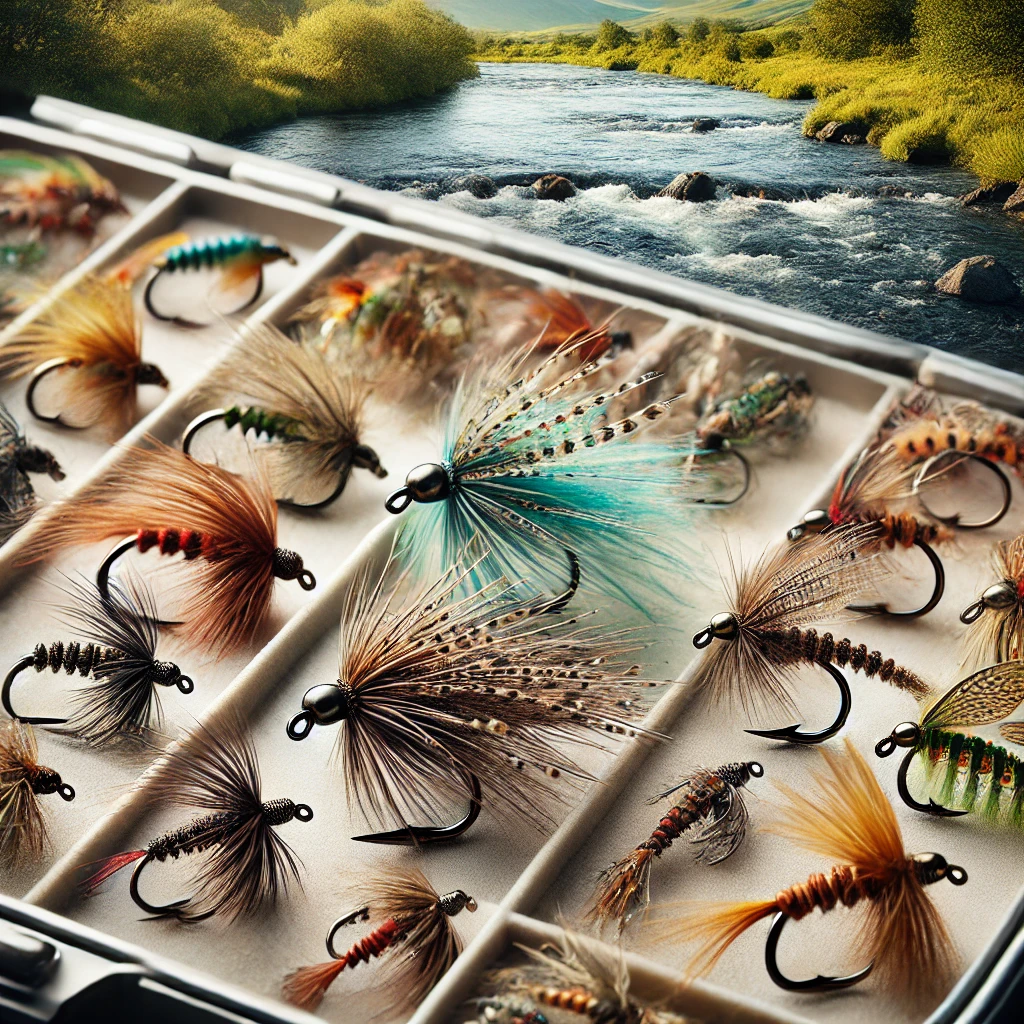
A functional stillwater box should be organized by fly type and stage, not by whatever looked good on the vise. For midge coverage, start with bloodworms in size 10, 12, 14, and 16. Carry bright red, dark maroon, wine, and one black-red version. Add unweighted and lightly weighted options. For pupae, stock black, black-red, olive, claret, brown, and silver-based patterns from size 10 to 18, emphasizing 12 to 16. Include both plain thread-bodied flies and brighter patterns such as Chromies or Ice Cream Cone variations for deep or off-color water.
Then round out the broader stillwater fly types that support this sub-pillar topic. Add balanced leeches in black, brown, and olive; callibaetis nymphs for spring and summer; scuds for weedy lakes; boatmen for late summer; and damsel nymphs for shoreline migrations. This mix matters because some days trout ignore chironomids entirely. However, if your box is weak on larva and pupa patterns, you are underprepared for the most common stillwater feeding behavior of all.
The final edge comes from notes. Record lake, depth, bottom type, water temperature, weather trend, fly color, hook size, and exact suspension depth. Over time, patterns emerge that are more valuable than generic advice. You will see which lakes produce larger bloodworm-fed trout, which basins favor olive pupae over black, and which months call for smaller sizes. Build your box around those records, refine your tying accordingly, and fish each pattern where its natural counterpart actually lives.
Choosing the right pattern with confidence
Chironomid pupa and bloodworm patterns are not rivals so much as complementary tools for reading how trout feed in stillwater. Bloodworms represent bottom-based larval food, especially over soft sediment and during quieter periods. Chironomid pupae represent the emergence stage, often the most vulnerable and concentrated form of the insect. The better you understand that biological shift, the faster you can adjust depth, color, and presentation with purpose instead of guesswork.
For anglers building knowledge of stillwater fly types, this is the category to master first. Learn the life cycle, carry both stages in multiple sizes and colors, and match the pattern to the trout’s feeding lane. If fish are grubbing near bottom, fish bloodworms. If trout are suspended during a hatch, fish pupae. From there, expand into scuds, leeches, damsels, and mayfly nymphs as conditions demand. Review your box, tie the missing stages, and approach your next lake with a system rather than a handful of random flies.
Frequently Asked Questions
What is the main difference between chironomid pupa patterns and bloodworm patterns for stillwater trout?
The biggest difference is the life stage each fly imitates and where that natural food source is found in the water column. Bloodworm patterns imitate the larval stage of midges. These larvae usually live in or on soft lake-bottom sediments, especially mud, silt, and weedy detritus. They are often bright red because of hemoglobin-like pigments that help them survive in low-oxygen environments. Chironomid pupa patterns, by contrast, imitate the transitional stage when the midge leaves the bottom and rises toward the surface to hatch.
That matters because trout feed on these two forms in very different ways. When trout are focused near the lake bed, grubbing through soft-bottom areas or patrolling just above bottom structure, bloodworms can be the better choice. When fish are intercepting ascending insects higher in the water column, especially during active midge emergence windows, chironomid pupa patterns usually outproduce them. In other words, bloodworms are commonly a bottom-oriented food, while chironomid pupae are often a suspended or rising food source.
Presentation reinforces the distinction. Bloodworm patterns are usually most effective fished very close to the substrate with minimal movement, allowing the fly to suggest a natural larva dislodged from the bottom. Chironomid pupae are commonly suspended under an indicator at a precise depth or presented on a long leader so they hang motionless where trout are feeding. Even though both flies represent midges, they are not interchangeable because the trout’s feeding behavior changes with the insect’s stage, position, and availability.
When should I fish bloodworm patterns instead of chironomid pupa patterns?
Fish bloodworm patterns when trout are feeding close to the bottom and conditions suggest larvae are the more available food form. This often happens early in the season, during cold-water periods, or whenever trout are cruising soft-bottom flats, basins, channels, and the edges of weed beds where midge larvae live. If the lake has dark mud, rich organic buildup, or low-oxygen bottom zones, bloodworms often become especially important because those environments support large numbers of red midge larvae.
Bloodworms also make sense when there is no obvious hatch activity. If you are not seeing shucks, pupal movement, surface dimples, or fish suspended at a consistent depth, trout may not be keying on ascending pupae at all. In those situations, a bloodworm presented just off bottom can be the more natural and more visible option. It is often a smart search pattern when fish are present but not actively rising or showing classic chironomid-feeding behavior.
Another good time to switch to bloodworms is when light is low or the bottom is being disturbed by wind, wave action, or fish activity. Larvae can become dislodged from the substrate and become easy targets. A bloodworm can also be a strong change-up after chironomid pupae stop producing, especially if fish marks remain close to bottom on your sonar or if takes become tentative on suspended flies. In practical terms, choose bloodworms when the trout are feeding down, not up.
When are chironomid pupa patterns the better choice on lakes and reservoirs?
Chironomid pupa patterns are at their best during active emergence periods, when midge pupae are leaving the lake bed and rising through the water column. This is one of the most important feeding events in stillwater trout fishing. Trout often suspend at very specific depths and feed selectively on pupae because they are abundant, vulnerable, and concentrated. If you are marking fish off bottom, seeing intermittent rises, noticing adults on the water, or finding pupal shucks, that is a strong signal to fish chironomid pupa patterns.
These patterns shine when depth control matters. In many lakes, trout will hold a foot or two above the main feeding lane and intercept pupae as they ascend. That is why balanced chironomids or slim pupa imitations under an indicator are so effective. If your fly hangs at exactly the level the fish are using, you can outfish more mobile presentations by a wide margin. The trout are not just looking for “a bug”; they are often keyed to a particular size, color tone, gas-bubble sheen, and depth band associated with emerging chironomids.
Chironomid pupae also become the better option when sunlight, warming water, and stable conditions trigger more consistent insect movement. As the hatch develops, trout may ignore bottom-dwelling larvae and focus on ascending pupae because they are easier to capture and more densely available. If you are deciding between the two fly types and you know trout are feeding in open water above bottom, chironomid pupa patterns should usually get the first look.
How do depth, oxygen levels, and bottom composition affect whether trout prefer bloodworms or chironomid pupae?
These factors are central to the decision. Bottom composition tells you where bloodworms are most likely to be abundant. Soft mud, silt, marl, and organic debris hold more midge larvae than clean rock or hard-packed sand. If you are fishing a lake basin with a mucky bottom, especially one with dark sediment and decaying vegetation, bloodworm patterns deserve serious attention. In contrast, chironomid pupae become relevant wherever those same larvae begin their upward migration, which may place feeding trout several feet off bottom or even much higher in the water column.
Oxygen levels also influence where larvae thrive and how trout feed around them. Bloodworms are well adapted to low-oxygen bottom environments, which is one reason they can be common in fertile stillwaters. Trout, however, may not always want to sit directly in the lowest-oxygen layer near the substrate. Instead, they may cruise just above it, picking off larvae that become exposed or drift upward. That is why a bloodworm fished slightly off bottom often outfishes one dragging in the mud. Meanwhile, chironomid pupae are often most vulnerable as they rise into more oxygenated water, where trout can feed efficiently without rooting along the bottom.
Depth complicates things further. In deeper water, emergences can create distinct feeding lanes, and trout may suspend at a precise level to intercept pupae. In shallower flats, bloodworms and pupae may occupy a narrower vertical band, so presentation adjustments become smaller but still crucial. The practical takeaway is simple: soft, fertile bottoms point you toward bloodworms as a baseline food source, while suspended fish and active emergence behavior point you toward chironomid pupae. Read the lake from the bottom up, then match the stage the trout can most easily exploit.
How should I present each pattern, and what signs tell me it is time to switch between them?
Bloodworm patterns are usually best presented slowly, simply, and very close to the lake bed. You can suspend them under an indicator so the fly hangs just above bottom, or fish them on a long leader with minimal retrieve if conditions allow. The key is not to overwork the fly. Natural bloodworms do not dart around like baitfish. A subtle hang, a tiny hand-twist, or no movement at all is often enough. Productive setups commonly place the fly within inches of the substrate, especially over mud or near the edges of weed beds where larvae are likely to be disturbed.
Chironomid pupa patterns demand precise depth control more than animation. Under an indicator, they are often most effective when they hang nearly motionless at the exact level trout are feeding. Balanced patterns can help maintain a natural posture. On a naked setup, a very slow figure-eight or hand-twist retrieve can imitate a pupa’s gradual movement, but the fly should still look restrained and natural. The more selective the fish, the more important it becomes to match size, slim profile, and subtle color details rather than relying on flashy movement.
As for switching, let the fish and the lake tell you. Start thinking bloodworm if sonar marks are glued to bottom, the bottom is soft and fertile, and there is little visible hatch activity. Start thinking chironomid pupa if fish are suspended, rise forms appear, adults or shucks are present, or takes come at a repeatable depth above the substrate. If you are getting follows but no commitment on a bloodworm, the trout may be looking for pupae in the column. If chironomids stop producing and fish slide back down, a bloodworm can reestablish contact. The best stillwater anglers do not treat these as competing patterns so much as sequential tools tied to the midge’s life cycle and the trout’s feeding lane on that day.