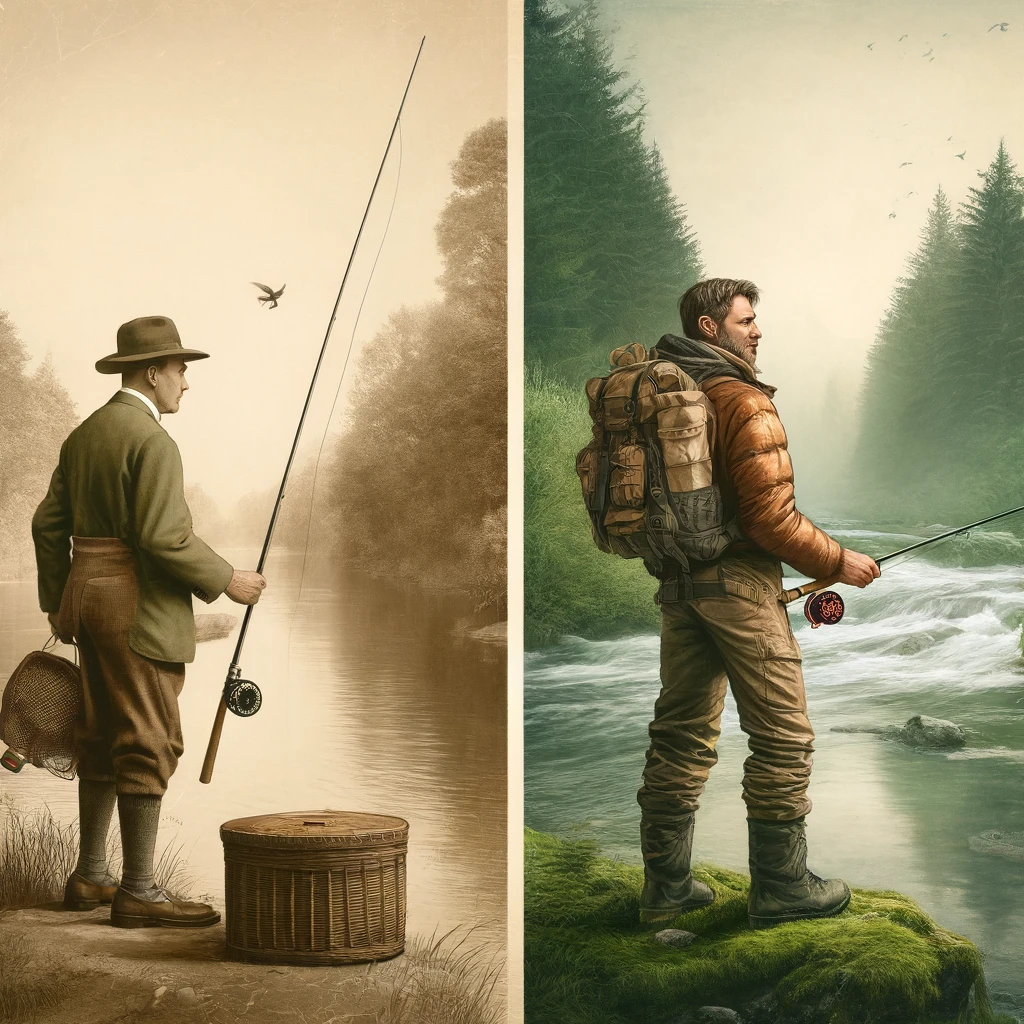
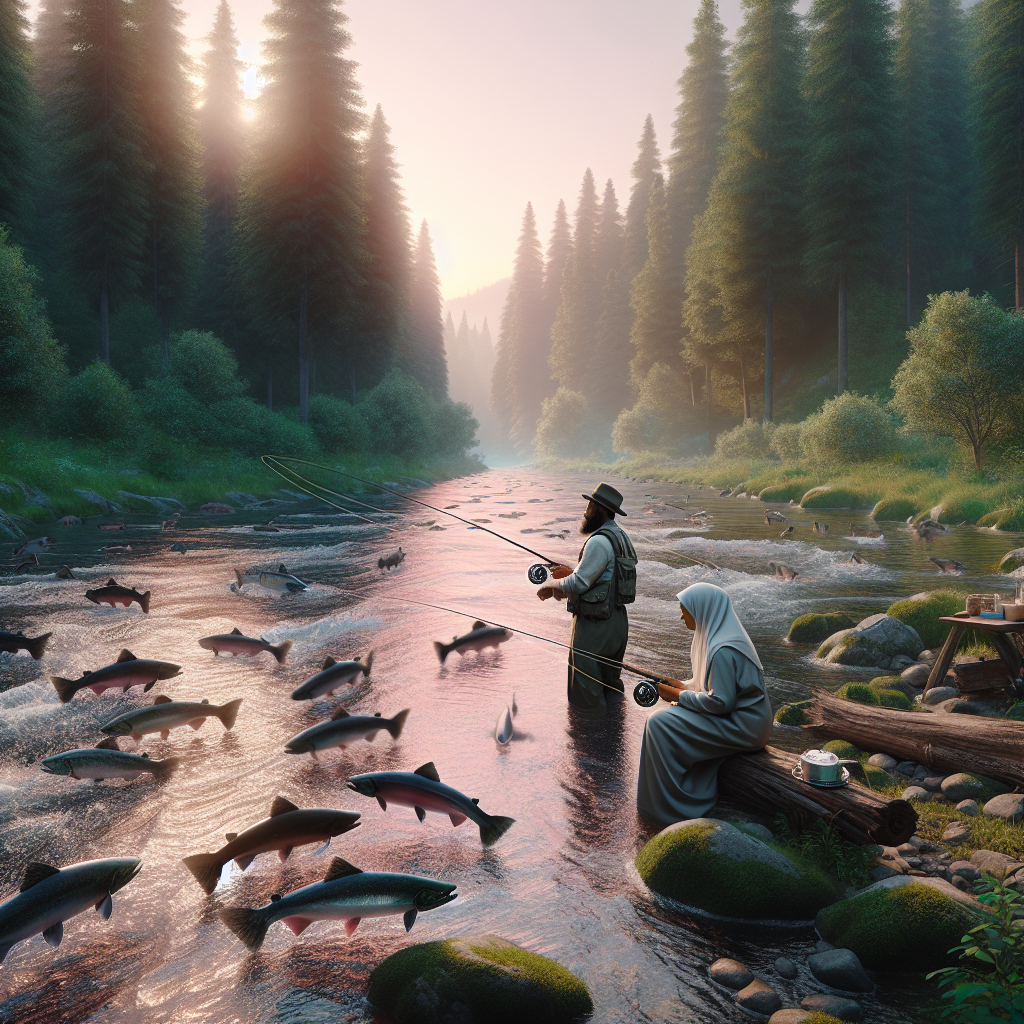
Fly fishing is often introduced through images of trout rising in cold rivers, yet a fly rod is one of the most versatile tools in angling, capable of catching dozens of freshwater and saltwater species. If you are asking what fish you can catch on a fly rod besides trout, the short answer is: far more than most beginners expect, including bass, panfish, pike, carp, salmon, steelhead, bonefish, redfish, striped bass, and even tarpon. That range matters because fly fishing is not defined by one fish species. It is a method built around casting a weighted line and presenting an artificial fly in a way that imitates natural food. Once you understand that principle, the sport opens up dramatically.
In my own guiding, instruction, and warmwater fishing trips, I have found that beginners progress faster when they stop treating trout as the only proper target. Many anglers live nowhere near a famous trout stream, but almost everyone is within reach of bluegill ponds, bass lakes, carp flats, or coastal water that rewards fly presentation. This is why an introduction to fly fishing should start with adaptability. The same core skills—casting, line control, reading water, matching forage, and fighting fish on light tackle—apply across species. The details change, but the foundation does not.
Fly fishing basics begin with a few key terms. A fly rod is designed to cast a thick, weighted fly line rather than the lure itself. A fly reel mainly stores line and, for stronger fish, provides drag pressure. Flies are lightweight artificial patterns tied from feathers, fur, synthetics, and hooks to imitate insects, baitfish, crustaceans, or amphibians. Leaders and tippets connect the fly line to the fly with a thinner, less visible transition. Presentation means how the fly lands, moves, and drifts in relation to current, structure, or fish behavior. Learn those concepts early and every species on this list becomes easier to approach.
For anglers building a fly fishing basics plan, this article works as a hub because it connects species choice to gear, water types, and technique. It also answers a practical beginner question: where should you start if trout are not your focus or not available? The best answer is to choose species that forgive imperfect casts, feed aggressively, and live close to home. From there, you can scale into bigger fish, heavier rods, sinking lines, and more technical presentations. Fly fishing is broad enough to reward a casual pond angler and a dedicated saltwater traveler, and understanding the fish beyond trout is the fastest way to see that clearly.
Why Fly Rods Work for So Many Fish
A fly rod works for many species because fish do not care whether the offering is delivered by spinning tackle, conventional gear, or fly line. They respond to prey, movement, profile, depth, and timing. A fly excels when the food source is small, subtle, buoyant, or better imitated with soft materials than with hard lures. That is why a deer-hair popper can outfish plugs on a summer evening for bass, why a bead-chain shrimp pattern fools redfish on shallow flats, and why a simple nymph catches panfish all afternoon under an indicator.
The other major advantage is precision. With practice, a fly angler can land a small crab pattern six inches ahead of a cruising carp, dead-drift an egg fly along a steelhead seam, or strip a baitfish imitation through a shadow line for striped bass. This control over speed and sink rate is central to fly fishing for non-trout species. Different fly lines—floating, sink-tip, intermediate, and full sinking—let you present flies in topwater, mid-column, or deep structure. Changing line density often matters more than changing the fly itself.
From a beginner perspective, this versatility means you do not need to wait for a mountain stream trip to learn. Local water is enough. A neighborhood pond can teach casting accuracy and retrieve cadence. A river smallmouth float can teach current seams and streamer control. A marsh shoreline can teach spotting fish and making quick shots in wind. Each species sharpens a different fly fishing basic, which is why targeting fish besides trout often makes someone a more complete angler.
Freshwater Species You Can Catch Besides Trout
The easiest freshwater answer is bass. Largemouth bass and smallmouth bass are ideal fly rod targets because they eat streamers, poppers, frogs, and crayfish patterns with conviction. A 6-weight to 8-weight outfit covers most bass fishing. Largemouth often hold near weeds, docks, fallen timber, and lily pads, where floating lines and weedless flies shine. Smallmouth prefer current, rock, and ambush structure, and they are especially responsive to craw patterns and baitfish streamers. In summer, dawn and dusk topwater windows can be spectacular.
Panfish are another excellent entry point. Bluegill, pumpkinseed, crappie, and perch readily eat small dry flies, foam spiders, nymphs, and tiny streamers. Because they are abundant and less selective, they let beginners practice roll casts, mending, hooksets, and fish fighting without much frustration. A 3-weight to 5-weight rod is perfect, but almost any trout outfit works. I often recommend panfish before trout to brand-new casters because feedback is immediate; if the fly lands near cover, fish usually respond.
Carp deserve special attention. For years they were overlooked, yet they are among the most challenging and rewarding freshwater fish on a fly rod. In shallow water, common carp tail like bonefish, inspect flies carefully, and demand accurate presentations. They fight with long, powerful runs that expose weak knots and poor drag settings. Effective carp flies imitate nymphs, crayfish, worms, or small aquatic forage. A 6-weight to 8-weight rod with strong tippet works well. Carp teach stealth, observation, and patience better than almost any other accessible fish.
Pike and muskellunge are also legitimate fly targets. These predators favor large streamers, often tied with flash, synthetic fibers, and articulated hooks to imitate baitfish. Because their teeth can cut monofilament, many anglers use wire or heavy fluorocarbon bite tippets. An 8-weight to 10-weight rod is standard. The fishing is not delicate, but it is technical in its own way: figure-eight boatside moves, weed-edge coverage, and controlling oversized flies in wind all matter. Hookups can be explosive.
Other freshwater possibilities include salmon, steelhead, shad, catfish, gar, and even walleye. Great Lakes steelhead anglers swing intruders, egg patterns, and nymph rigs through cold tributaries. American shad are famous for hard runs on relatively light gear during spring migrations. Channel catfish and carp-like freshwater drum will take craw and baitfish patterns in rivers. The lesson is simple: if a fish feeds on small prey or can be triggered by motion, there is usually a fly approach that works.
Saltwater Species That Thrive on the Fly
Saltwater expands the question dramatically. Bonefish are the classic shallow-water fly target, known for speed, spooky behavior, and visual takes on shrimp and crab patterns. Redfish are equally important, especially along grass flats and marsh edges from Texas to the Carolinas. They feed with their tails up in skinny water, and a well-placed crab, spoon fly, or shrimp imitation can draw instant eats. Both species reward a quiet approach, accurate casting, and careful strip-setting rather than a hard trout-style lift.
Striped bass are among the most practical coastal fly targets in North America. They chase sand eels, bunker, herring, and squid, and they can be caught from beaches, jetties, estuaries, and boats. An 8-weight to 10-weight setup with intermediate or sinking lines is common. The productive patterns are rarely mysterious: Clouser Minnows, Deceivers, Half and Halfs, and sand eel imitations continue to work because they match profile and movement well. Timing the tide is as important as fly choice.
Tarpon, snook, permit, false albacore, and bluefish all belong on the list. Tarpon are famous for size and aerial jumps, often requiring 10-weight to 12-weight tackle, strong knots, and disciplined pressure angles. Snook hold around mangroves, bridges, and dock lights where bait congregates. Permit are notoriously selective and often demand exact crab presentations. False albacore, though small compared with tarpon, are one of the hardest-fighting fish pound for pound and expose weak casting when they feed fast on tiny bait. Fly rods handle all of them effectively when the angler matches gear to conditions.
| Species | Typical Rod Weight | Best Fly Types | Where Beginners Usually Find Them |
|---|---|---|---|
| Bluegill | 3-weight to 5-weight | Foam spiders, nymphs, small poppers | Ponds, farm lakes, park waters |
| Largemouth bass | 6-weight to 8-weight | Poppers, baitfish streamers, frog patterns | Weedy lakes, ponds, reservoirs |
| Carp | 6-weight to 8-weight | Nymphs, crayfish, worm patterns | Shallow lakes, rivers, mud flats |
| Redfish | 7-weight to 9-weight | Shrimp, crab, spoon flies | Marshes, tidal creeks, grass flats |
| Striped bass | 8-weight to 10-weight | Clousers, Deceivers, sand eel flies | Beaches, estuaries, rips |
How to Choose Gear for Different Species
One reason trout dominate beginner conversations is that trout gear is light, widely available, and heavily marketed. But species-driven setup choices are more useful. Rod weight should match fly size, wind resistance, and fish power. A 4-weight is enjoyable for panfish and small stream fish. A 5-weight is the classic all-around starter rod and still a valid choice for many situations. For bass, carp, and light inshore work, a 6-weight or 7-weight often makes more sense. For pike, stripers, redfish in wind, and larger saltwater fish, move into 8-weight and above.
Fly lines matter more than many beginners realize. Most starter kits include a weight-forward floating line, which is ideal for dry flies, indicators, and poppers. However, streamers for bass, stripers, and pike frequently perform better on sink-tip or intermediate lines because they keep the fly in the strike zone longer. Saltwater lines also have stiffer coatings to handle heat. Matching the line to the rod is essential, but matching the line to the presentation is what improves catch rates.
Leaders and tippets vary by target. Delicate dry-fly trout fishing may use long tapered leaders and fine tippet, while bass often respond better to short, stout leaders that turn over big flies. Pike need abrasion resistance near teeth. Carp need enough finesse for clear water but enough strength for sudden runs. In saltwater, corrosion-resistant hooks, sealed drags, and regular rinsing are not optional. Gear that works flawlessly on a river can fail quickly in brine without maintenance.
Best Beginner Species and What They Teach
If your goal is to learn fly fishing basics efficiently, start with species that reward repetition. Bluegill teach casting rhythm, strike detection, and confidence. Bass teach line pickup, accurate casts near cover, and retrieves that change fish behavior. Carp teach spotting, leading a moving fish, and staying calm under pressure. Redfish teach quick decision-making in wind and the importance of fly placement over constant false casting. Striped bass teach line management and reading current around moving bait.
Each one also reveals a common beginner mistake. Panfish show when your fly lands too hard. Bass punish poor hooksets around cover. Carp expose sloppy footwork and bad angles. Redfish punish late casts. Stripers punish weak knots and tangles in stripping baskets. This is why branching beyond trout is not a detour from learning; it is often a better educational path. Different fish force the angler to master transferable fundamentals.
For many new anglers, the smartest first season is local and seasonal. Fish ponds in spring for panfish, rivers in summer for bass, shallow flats in late summer or fall for carp, and estuaries when bait is concentrated. By rotating species with the calendar, you stay active and keep learning. You also avoid the trap of thinking fly fishing only works during insect hatches on perfect trout water.
Core Techniques That Carry Across Species
No matter the target, several techniques matter consistently. First is casting efficiency. Most real fishing casts are short to medium range and made under pressure, often with one or two false casts at most. Second is line control. Mending, stripping, feeding slack, and keeping line off snags determine whether a good cast becomes a good presentation. Third is observation. Watch what fish are eating, how deep they are holding, and how current or wind moves your fly.
Retrieve style is another universal factor. Trout anglers often emphasize dead drifts, but non-trout species frequently respond to motion. Bass may want long pauses after sharp strips. Pike often eat on directional change. Stripers may key on a fast, steady retrieve during a sand eel bite. Carp usually prefer a subtle hop or tiny drag when they tip down to inspect the fly. There is no single correct retrieve; the right answer depends on forage and fish mood.
Hooksetting also changes. With many streamers and saltwater patterns, use a strip-set by pulling line firmly with the line hand while keeping the rod low. Lifting the rod too early can pull the fly away. Fighting technique matters too. Use the reel when fish are strong and runs are long. Keep steady side pressure to turn fish away from structure. Check knots often. These are simple habits, but they separate random success from consistent results.
Conclusion
You can catch far more than trout on a fly rod, and that fact is one of the best reasons to get into fly fishing in the first place. Bass, panfish, carp, pike, salmon, steelhead, redfish, bonefish, striped bass, tarpon, and many other species all respond to fly presentation when gear, flies, and tactics match the situation. The core idea is straightforward: a fly rod is a delivery system for lifelike imitations, and fish of every kind feed on lifelike prey.
As a hub for introduction to fly fishing, the big takeaway is that beginners should think in terms of water, forage, and presentation rather than in terms of trout alone. Start with species available near home, choose a setup that fits the fish you actually pursue, and treat every outing as practice in casting, line control, and observation. That approach builds skill faster and makes the sport more accessible, affordable, and enjoyable.
If you are ready to begin, pick one non-trout species in your area, rig a simple fly setup, and spend a few sessions learning how that fish feeds. You will understand fly fishing basics more quickly, catch more fish, and discover just how broad this method really is.
Frequently Asked Questions
What kinds of fish can you catch on a fly rod besides trout?
You can catch a remarkably wide range of fish on a fly rod besides trout, which is one of the reasons fly fishing is far more versatile than many beginners realize. In freshwater, some of the most common non-trout fly rod targets include largemouth bass, smallmouth bass, bluegill, crappie, perch, pike, musky, carp, salmon, and steelhead. In saltwater, fly anglers regularly pursue redfish, bonefish, striped bass, snook, sea trout, permit, tarpon, false albacore, and many other inshore and nearshore species. Even fish that are not traditionally associated with fly fishing can often be taken on flies if they feed aggressively and spend time in water where a fly can be presented naturally.
The key point is that fly fishing is not limited by species nearly as much as it is shaped by feeding behavior, habitat, and presentation. If a fish eats minnows, insects, crustaceans, or other small prey, there is a good chance it can be caught on a fly. That is why fly rods are effective in mountain streams, warmwater lakes, marshes, surf zones, and tidal flats. While trout are often the gateway species, they are really just one part of a much larger world of fly fishing opportunities.
Are bass and panfish good fish for beginners learning to fly fish?
Yes, bass and panfish are among the best fish for beginners learning to use a fly rod. Bluegill, sunfish, and other panfish are abundant in many ponds and lakes, they often feed aggressively, and they are usually willing to strike simple flies such as poppers, nymphs, and small streamers. That makes them excellent for building casting confidence, learning how to detect strikes, and practicing fish fighting and landing techniques. Because panfish are forgiving, new anglers can focus on fundamentals without needing the highly technical presentations that trout sometimes demand.
Bass are also ideal beginner targets, especially largemouth and smallmouth bass in warmwater lakes and rivers. They readily eat larger, more visible flies and often hold around obvious structure like weed edges, submerged timber, docks, rock ledges, and current seams. A beginner can cover water with streamers, foam bugs, or baitfish patterns and quickly learn how fly selection, retrieve speed, and casting angle influence success. Bass also fight hard enough to make the experience exciting without always requiring the specialized timing and finesse that species like bonefish or permit may demand. For someone asking what fish can you catch on a fly rod besides trout, bass and panfish are usually the most accessible and rewarding place to start.
Do you need different fly rods and gear for species like pike, carp, salmon, or saltwater fish?
In many cases, yes, although you do not need a separate setup for every species right away. Different fish demand different rod weights, reel strength, fly lines, and leaders because they vary so much in size, power, habitat, and the flies used to catch them. For example, a 4- or 5-weight outfit might be perfect for panfish and smaller bass, while pike often call for a 7- to 9-weight rod that can cast large flies and handle powerful runs. Carp are frequently targeted with 5- to 8-weight rods depending on fish size and conditions, while salmon and steelhead anglers often prefer heavier single-hand or two-hand setups for longer casts, larger rivers, and stronger fish.
Saltwater species raise the gear demands even more. Bonefish are commonly pursued with 7- or 8-weight rods, redfish with 8-weights, striped bass with 8- to 10-weights, and tarpon with 10- to 12-weight tackle. Saltwater reels should have strong drag systems and corrosion resistance, and lines are often matched to tropical or coldwater conditions. Even leader materials can change significantly, from light fluorocarbon for spooky flats fish to wire or heavy bite tippet for pike. The good news is that many anglers can cover a lot of ground with just a couple of versatile outfits, such as a 5-weight for lighter freshwater fishing and an 8-weight for larger warmwater and many saltwater situations.
What makes a fish a good candidate for fly fishing?
A fish becomes a good candidate for fly fishing when its feeding habits, environment, and behavior allow an angler to present a fly effectively. Species that feed on insects, baitfish, crayfish, shrimp, crabs, or other small prey are often ideal because flies are designed to imitate exactly those food sources. That is why trout are such a classic target, but the same logic applies to bass chasing minnows, carp rooting for nymph-like food in shallow water, pike ambushing streamers, or redfish hunting shrimp and crabs on grassy flats. The more naturally a fly matches what the fish already wants to eat, the better the odds of success.
Habitat also matters. Fish that patrol shallow water, current seams, weed lines, drop-offs, structure, or shoreline cover are often easier to target on a fly rod because the angler can control depth, drift, and retrieve with precision. Visibility is another factor. Sight fishing to carp, bonefish, redfish, and bass can be especially effective because you can place the fly directly in the fish’s path and adjust presentation in real time. In general, if a species predictably feeds in water where a fly can be delivered and retrieved naturally, it is a strong fly fishing candidate, even if it is not traditionally marketed that way.
If trout are not available nearby, what are the best alternatives for year-round fly fishing?
If trout are not available in your area, the best year-round alternatives usually depend on your local waters, but bass, panfish, carp, and striped bass are some of the most practical and productive options. In many regions, ponds and lakes full of bluegill and largemouth bass offer consistent action from spring through fall, with panfish often remaining active enough for fun winter opportunities in milder climates. Carp can provide excellent sight-fishing and technical challenge in rivers, ponds, and reservoirs, and many fly anglers consider them one of the most underrated freshwater species because they are powerful, selective, and widely available.
In coastal and tidal regions, year-round fly fishing may revolve around species like redfish, sea trout, striped bass, or resident estuary fish, depending on climate and migration patterns. In northern areas, steelhead and salmon can provide seasonal opportunities that extend well beyond traditional trout fishing calendars. The best alternative species are usually the ones that are locally abundant, legally open to target, and active in waters you can access regularly. That is important because consistency builds skill. If you can get on bass in a nearby pond, carp in a city lake, or schoolie stripers in a local estuary, you may improve faster than someone who waits for occasional trout trips. Fly fishing becomes much more approachable when you stop thinking of it as a trout-only sport and start matching your tackle and flies to the fish that actually live close to home.