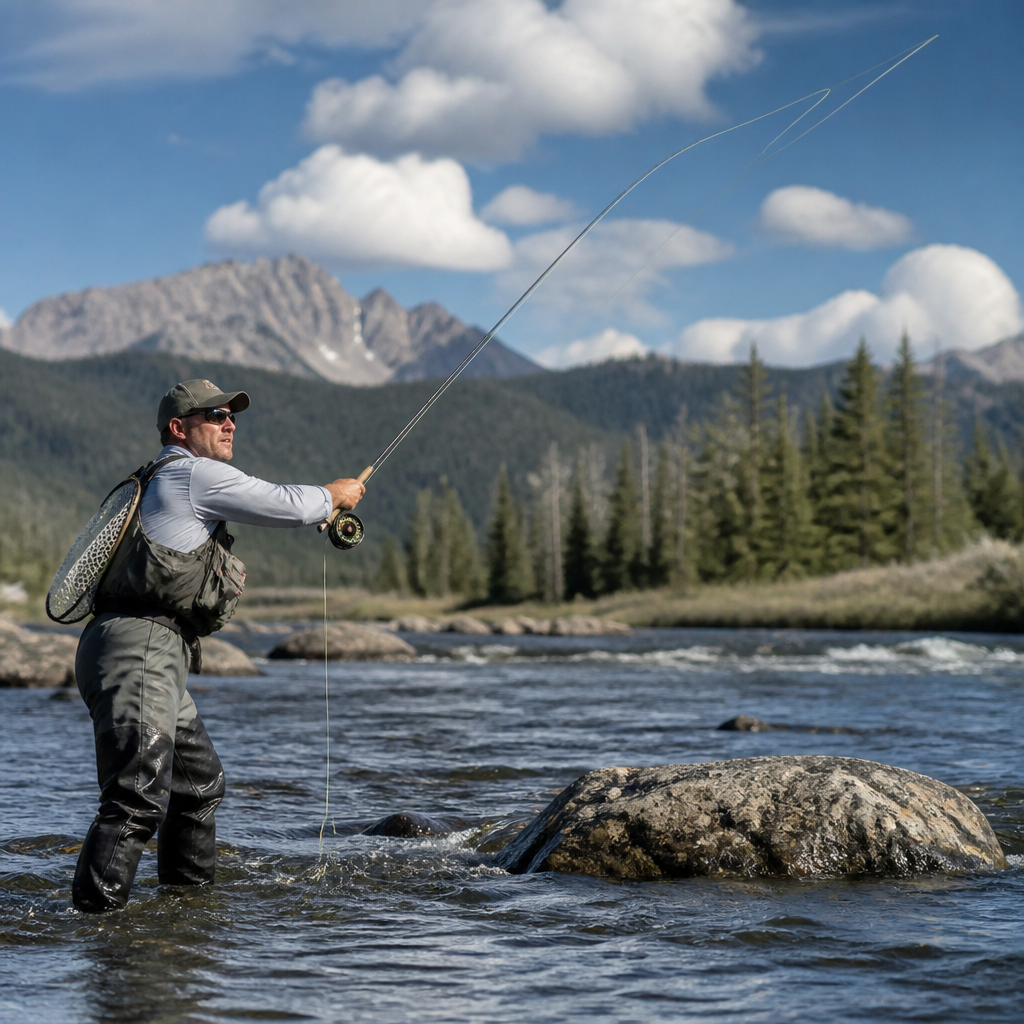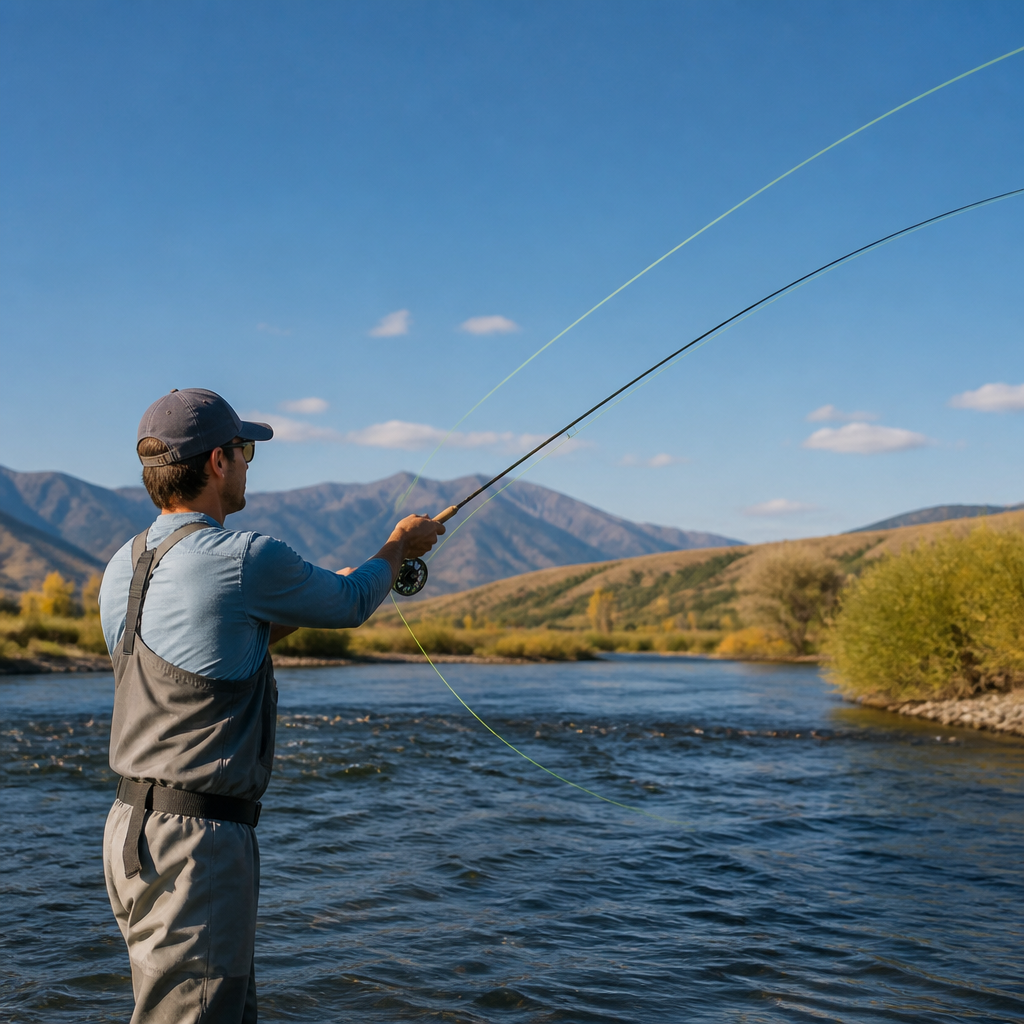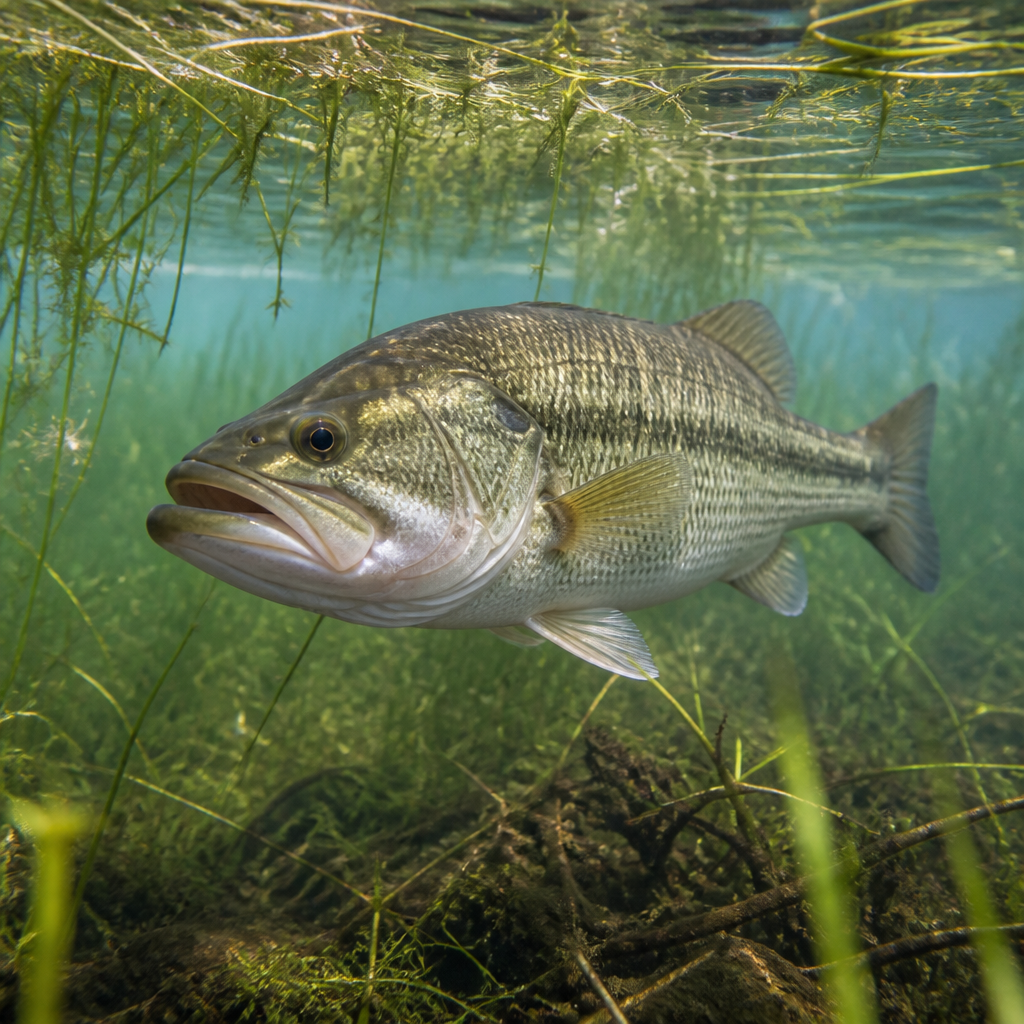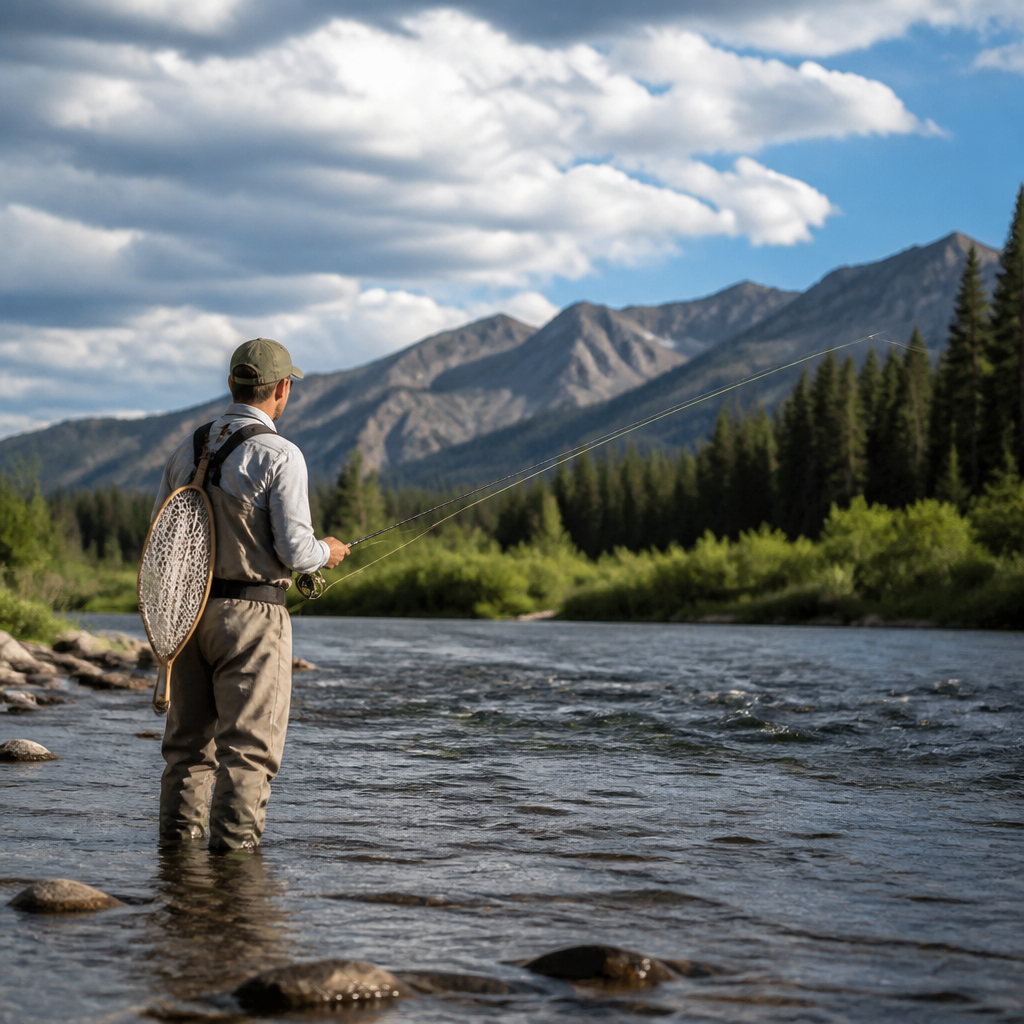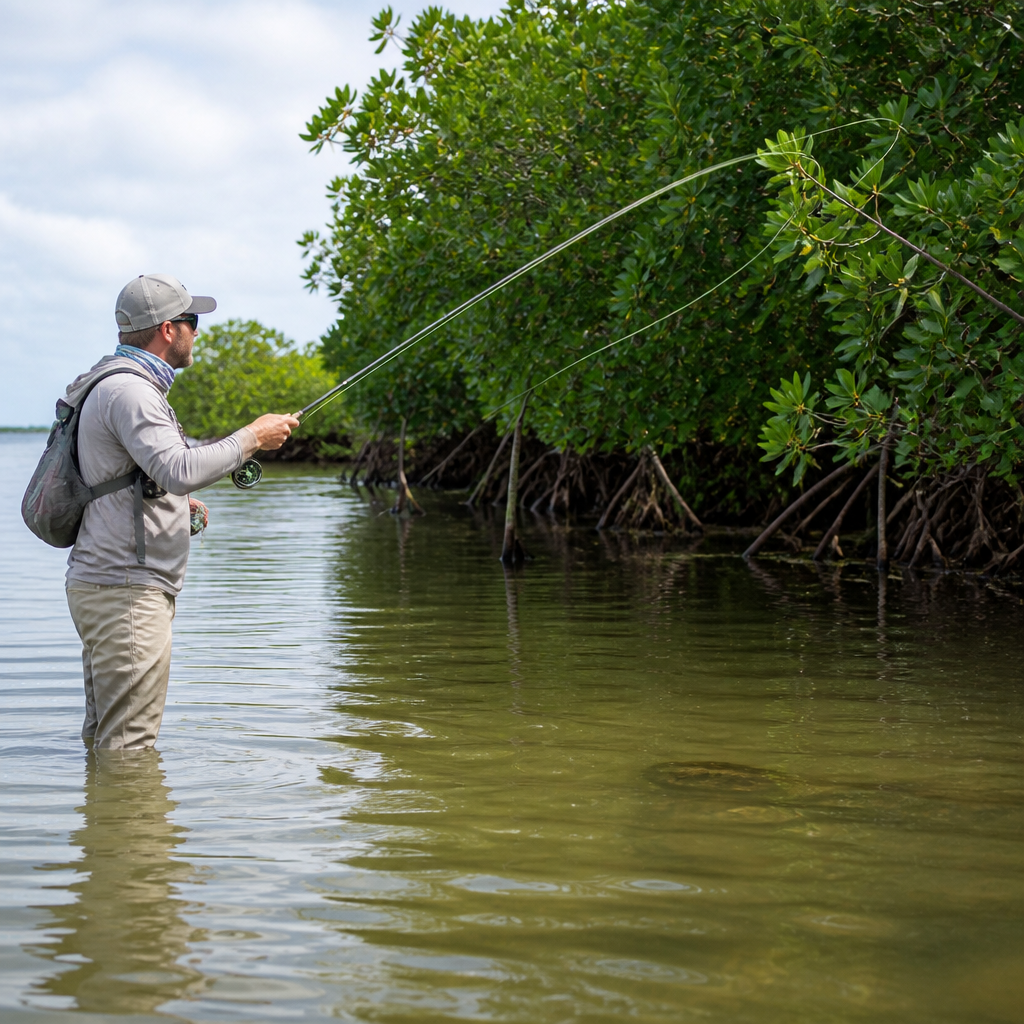
Fly fishing in mangroves demands a different mindset than open-flat sight fishing because the water, structure, current, and fish behavior are all compressed into a tight, obstacle-filled environment. In this setting, “mangroves” refers to salt-tolerant coastal trees with dense prop roots, shaded pockets, and tidal edges that create nursery habitat and ambush lanes for game fish. “Water types and conditions” means the combination of depth, clarity, salinity, current speed, tide stage, bottom composition, and wind exposure that determines where fish hold and how a fly should be presented. I have spent enough days poling skiffs and wading lee shorelines to know that success rarely comes from one magic fly; it comes from reading the water correctly before the first cast.
This matters because mangrove systems consistently hold high-value species such as snook, juvenile tarpon, redfish, sea trout, mangrove snapper, barracuda, and, in some tropical regions, permit and baby cubera snapper. These fish use mangroves for shade, bait concentration, and protection from current, but they do not use every shoreline equally. A ten-yard section with slightly deeper water, a clean tidal seam, and a hard bottom can outfish a hundred yards of featureless bank. Anglers who understand water conditions catch more fish, lose fewer flies in roots, and make better decisions about leaders, lines, boat position, and retrieve speed. That is why this article serves as a hub for the broader water-types conversation within fly fishing techniques and strategies: once you can identify productive mangrove water, every related skill becomes easier to apply.
The most useful way to think about mangrove fly fishing is as a matching exercise between fish behavior and conditions. Clear, calm water demands longer leaders, lighter flies, and precise presentations. Dirty, wind-stirred water often rewards shorter casts, louder flies, and aggressive retrieves tight to cover. Strong outgoing tide can pin bait against points and creek mouths, while weak incoming tide may spread fish deeper into flooded roots where they are harder to reach. Water temperature also shifts fish positions. In warm climates, a minor drop after a front can move snook off ultra-shallow banks into adjacent troughs, while early morning heat buildup may pull juvenile tarpon under the darkest overhangs. Reading those small changes is the core skill, and it is learnable.
As a hub article, this guide covers the full decision framework: how tidal flow changes feeding windows, how water color alters fly selection, how bottom type affects approach, how weather reshapes current and visibility, and how to fish major mangrove scenarios efficiently. The goal is not to reduce mangroves to clichés like “cast under the branches.” The goal is to explain why one shoreline turns on and another dies, then give you practical ways to adapt on the water. If you fish estuaries, backcountry creeks, tropical lagoons, or sheltered island edges, these principles will transfer directly and improve your catch rate.
How Mangrove Water Shapes Fish Position
Mangrove habitat is defined by edge complexity. Prop roots, undercut banks, fallen limbs, oyster growth, and narrow cuts create micro-structure that interrupts current and gives predators short ambush windows. Fish usually position where food comes to them with minimal energy cost. In practice, that means points, indentations, root gaps, and the mouths of drains matter more than continuous straight bank. When I first scan a shoreline, I am looking for three things: current interruption, depth change, and shade line. If two of those are present, I prepare to fish it carefully; if all three are present, it becomes a high-priority target.
Depth is relative. In many mangrove systems, a trough that falls from twelve inches to three feet is enough to hold snook or tarpon through a tide transition. Water just outside the roots often acts as a travel lane, especially on lower water when fish cannot move far back into cover. Conversely, on high water, some species push deep into flooded mangrove interiors where conventional edge casting reaches only the outer zone. That does not mean edge fishing stops working. It means productive fish are often the ones stationed at exits, corners, and places where flooded forage must eventually rejoin the main flow. The best anglers read the mangrove not as a wall of trees but as a series of doors and funnels.
Species use the same shoreline differently. Snook commonly face into current near root points or cuts and react to a sharply placed fly stripped past the ambush lane. Juvenile tarpon prefer softer flow, darker water, and protected pockets where they can roll for air and pin bait under overhangs. Redfish in mangrove-fringed marsh edges often tail over broken bottom or cruise parallel to roots on higher stages of tide. Mangrove snapper are less visible but highly predictable around shadow pockets with bait. Knowing the likely species changes how close you cast, how long you let the fly sink, and whether you retrieve steadily or in sharp pulses.
Tides, Current, and Feeding Windows
Tide is the engine of mangrove fishing. It controls access, bait movement, oxygen mixing, and fish positioning more than any other single factor. Outgoing tide is widely favored because it concentrates shrimp, crabs, and small baitfish as water drains from back creeks and flooded grass. That preference is justified, but it is incomplete. A hard outgoing tide can make presentation difficult if fish are buried so tight to roots that a fly sweeps past too quickly. Moderate moving water is usually better than extreme flow because it creates defined seams without eliminating control. In many fisheries, the first half of the outgoing and the first push of incoming produce the most consistent windows.
Incoming tide matters because it opens fresh feeding territory. Predators often stage at creek mouths, points, and deeper edges waiting for bait to reenter newly flooded habitat. This is especially true where shallow mud or grass warms quickly and drives life into the mangrove edge. On neap tides, when range is smaller, fish may remain on edges longer because the difference between accessible and inaccessible water is less dramatic. On spring tides, with larger range, movement is broader and timing becomes sharper. A one-hour delay can mean the difference between fish stacked on a drain and fish spread through acres of flooded roots.
Current direction also influences presentation angle. Casting directly into a root line while the current pulls the fly back out often looks more natural than dragging the fly against the flow. However, there are exceptions. Snook positioned under heavy cover frequently react best when a fly lands close, sinks momentarily, and is stripped out fast like a startled baitfish. Boat control becomes critical here. A push pole, electric motor, or strategic anchor can hold the casting angle long enough to make repeatable shots. Anglers who drift without control often blame the fish when the real problem is poor alignment with the current seam.
| Condition | Likely Fish Position | Best Presentation | Common Mistake |
|---|---|---|---|
| Early outgoing tide | Drain mouths, points, outer roots | Cast up-current, let fly sweep naturally, short strips | Standing too far from the seam |
| Strong outgoing tide | Eddies, deeper troughs, protected corners | Heavier fly, tighter line control, quartering casts | Using too much false casting in wind |
| First push of incoming | Creek mouths, shaded edges, bait entry lanes | Place fly tight to cover, moderate strips | Ignoring newly flooded side pockets |
| High slack water | Deeper shade, interior roots, isolated potholes | Slow sink, deliberate probing casts | Fishing obvious banks too quickly |
Moon phase amplifies these patterns. New and full moon periods generally increase tidal range, especially in tropical and subtropical systems, which can improve bait displacement but compress the bite into shorter windows. Local tide charts, Navionics mapping, and weather-adjusted observations are all more useful than a generic assumption that “moving water is good.” Wind can delay or exaggerate water levels in shallow bays, and barometric changes can alter real conditions enough to make printed predictions feel wrong. Serious mangrove anglers learn the chart, then verify it visually the moment they reach the first shoreline.
Water Clarity, Color, and Fly Selection
Water clarity is often the first condition anglers notice, but its practical value lies in how it changes fish tolerance, leader design, and fly visibility. Clear water generally favors stealth. Longer leaders in the nine- to twelve-foot range, fluorocarbon tippets where abrasion and sink rate matter, and smaller or more sparsely tied flies produce cleaner presentations. You can often watch fish track the fly, which is useful feedback but also exposes mistakes in speed and angle. In clear mangrove water, a fly that lands too hard or crosses a fish’s head unnaturally will be refused more often than one that enters quietly and passes just outside the root line.
Stained water is not bad water. In fact, many productive mangrove shorelines carry a tea color from tannins or a light green tint from plankton. Those colors can make predators feel secure and willing to move farther for a fly. Contrast becomes more important than realism. Black-and-purple, tan-and-orange, chartreuse-and-white, and natural olive over light bellies all have a place depending on bait presence and light level. In low visibility, I rely more on profile, subtle flash, and water displacement than on intricate coloration. A well-tied Deceiver, EP baitfish, shrimp pattern, or lightly weighted crab can outperform more detailed flies if fish can detect it better.
Muddy water from wind or prop wash presents a different challenge. Visibility may shrink to inches, and sight fishing becomes opportunistic rather than visual. Under those conditions, target the cleanest available water first: lee shorelines, incoming creeks, protected coves, and areas with firmer bottom that resist suspension. If you must fish dirty water, shorten the game. Cast close to structure, use a slightly heavier fly to maintain contact, and retrieve with distinct strips that let the fish home in through vibration and silhouette. This is where many anglers strip too slowly. In dirty water, a fly often needs enough motion to announce itself.
Sun angle affects perceived clarity as much as the water itself. Morning glare on eastern banks, afternoon glare on western banks, and overhead light on slick calm days all change visibility. Good glasses help, but positioning matters more. I often choose a shoreline based on having the sun over my shoulder, even if another bank looks equally fishy on the map. Clear water plus poor light can be harder to read than stained water with ideal sun. Treat visibility as a combination of water color, surface texture, and light direction, not a single variable.
Bottom Composition, Depth Changes, and Approach
Bottom type influences fish location because it affects forage, sediment stability, and how quietly you can approach. Hard sand, marl, shell, and mixed rubble usually fish differently from soft mud. Harder bottom often stays clearer under boat pressure and wave action, making it better for sight fishing and cleaner presentations. Mud can be extremely productive, especially for redfish and juvenile tarpon, but it clouds quickly and can hide subtle depressions that fish use as lanes. Oyster edges add food and current breaks but demand abrasion-resistant tippet and disciplined fish fighting because one surge across shell can end the fight fast.
Small depth changes are major structure in mangrove water. A trough along the edge, a pothole inside a cove, or a bar at the mouth of a drain can determine where fish station through tide transitions. Polarized glasses, side-imaging where legal and practical, and simple observation of current speed all help identify these features. Faster water over a darker line often marks a trough. Bait showering repeatedly from one spot usually reveals an edge. If a shoreline looks uniform but one section consistently carries mullet, glass minnows, or shrimp flicks, there is almost always a bottom or current reason.
Your approach should match bottom and depth. Over shallow hard bottom in clear water, stay farther out and make longer presentations to avoid pressure waves and hull slap. Over softer or slightly deeper water, you can often move closer if wind requires it, but avoid sudden corrections with the trolling motor near fish-holding shade. Wading is effective in some mangrove systems, yet it is not always superior. The biggest mistake I see wading anglers make is focusing only on water in front of them while ignoring how fish travel parallel to the bank. Before stepping in, look for rays, sharks, stingrays, and unstable mud, then plan your casting angles around likely travel lanes rather than random pockets.
Weather, Seasonal Shifts, and Tactical Adjustments
Weather changes mangrove water quickly. Wind increases turbidity, stacks water onto windward shorelines, and can turn a predicted low into fishable mid-depth water. On the protected lee, clarity may improve enough to restore sight fishing. Cold fronts in Florida and the Gulf region often drop water temperature and level at the same time, pushing snook and tarpon off extreme shallows and toward channels, marina edges, or deeper mangrove cuts. In tropical regions with smaller temperature swings, rainfall and salinity shifts may matter more, especially near river mouths where fresh water can spread tannin-colored plumes across backcountry creeks.
Seasonally, bait patterns reshape productive water. During mullet migrations, outer points and travel corridors can dominate because larger predators shadow moving schools instead of sitting deep in cover. When small glass minnows or shrimp are the primary forage, quiet bays, drains, and interior creeks become more important. Matching water condition to forage type is one of the fastest ways to improve results. If shrimp are flushing on an outgoing tide, fish may key on short hops near bottom. If finger mullet are skipping under roots, a longer-profile baitfish fly stripped with urgency often gets the better response. The water tells you what the menu is if you watch it closely.
The practical adjustment is to build a simple hierarchy each day. Start with the cleanest moving water that has shade, depth change, and bait. If that fails, check an alternate tide stage location such as a creek mouth or deeper edge. If wind ruins visibility, shift from pure sight fishing to targeted structure casting. Keep notes on actual conditions, not just catches. Over time, patterns emerge: perhaps your local fish prefer the last two hours of incoming on cloudy days, or maybe a certain bank only produces when northwest wind clears the water. That record becomes more valuable than any generic rule. Apply these water-type principles on your next mangrove trip, and you will fish each shoreline with purpose instead of guesswork.
Frequently Asked Questions
What makes fly fishing in mangroves different from fishing open flats?
Fly fishing in mangroves is fundamentally different from open-flat fishing because everything happens in a much tighter, more cluttered space. On open flats, anglers often have more room to spot fish at distance, lead them with longer casts, and make multiple presentation adjustments. In mangroves, fish are usually closer to structure, lanes are narrow, water depth changes quickly, and the roots, overhangs, and shaded pockets create very specific feeding windows. That means precision matters more than distance. A cast that lands a foot off target may be ignored, while a cast tucked cleanly along a root line or into a shadow seam can get eaten immediately.
Fish behavior also changes in mangrove environments. Predators use the prop roots, tidal edges, and ambush points as cover, so they are often set up to strike opportunistically rather than cruise predictably like fish on a broad flat. Current direction, tide stage, water clarity, and even the amount of shade can reposition fish from one pocket to the next. In practical terms, anglers need to think less about covering huge expanses of water and more about dissecting small, high-percentage targets. Quiet boat positioning, quick loading casts, controlled fly angles, and fast decision-making become major advantages.
Another key difference is fish-fighting strategy. On open flats, a hooked fish may run into open water. In mangroves, it may instantly try to wrap you around roots, oyster edges, or submerged branches. That changes tackle selection, drag setting, and how quickly you need to come tight after the eat. Mangrove fly fishing is a game of compressed opportunities: shorter windows, sharper angles, more structure, and less margin for error. For many anglers, that challenge is exactly what makes it so rewarding.
How do tides, current, and water conditions affect where fish hold in mangroves?
Tides and current are the engine of mangrove fishing. They control depth, bait movement, oxygen flow, visibility, and access to feeding zones. On higher water, fish can push farther into the edges, slide under overhanging branches, and hunt deeper into pockets that may be inaccessible or too shallow at lower stages. On falling tides, many species pull back toward drains, creek mouths, outer points, and the last deeper edges where bait is forced out of cover. On incoming tides, fish often stage where fresh water movement brings food into the system, especially along points, cuts, and shoreline bends that funnel bait past root lines.
Current speed is just as important as tide height. Moderate current often creates the best balance because it moves food naturally without making presentation impossible. Too little current can make fish less committed and more scattered. Too much current can make it difficult for fish to hold in certain pockets, and it can force anglers to adjust fly weight, casting angle, and retrieve speed. In stronger flow, fish frequently sit on the protected side of roots, on eddies behind points, or at the mouths of narrow drains where they can ambush prey with minimal effort. Reading these soft spots in moving water is one of the most valuable skills in mangrove fly fishing.
Water clarity, salinity, and bottom composition all influence how fish use the system. Clear water allows more sight-fishing opportunities but can also make fish more wary, especially in bright conditions. Slightly stained water is often excellent in mangroves because fish feel secure and feed aggressively at close range. Mud, sand, shell, grass, and marl bottoms each affect how your fly tracks and how visible it appears. In a muddy pocket, a heavily weighted fly may disappear too quickly, while in firmer sandy lanes it may look more natural. Salinity shifts, especially near estuaries, inlets, or after heavy rain, can reposition bait and game fish dramatically. The most consistent anglers treat mangroves as a living system and pay attention to the full combination of depth, clarity, current direction, tide stage, and bottom type rather than relying on a single variable.
What are the best fly presentation strategies around mangrove roots and shaded pockets?
The best presentations in mangroves are deliberate, accurate, and built around how fish use structure. In most cases, your goal is not simply to put the fly near the mangroves, but to place it where a predator expects food to appear: tight to a root edge, along a shadow line, across a current seam, or at the mouth of a small cut where bait gets flushed. Short, accurate casts are usually more productive than longer, riskier ones. The ideal presentation often lands with enough separation to avoid spooking the fish, then crosses naturally through the strike lane on the first few strips.
Angle matters a great deal. Casting straight into the roots can work in some situations, but many eats happen when the fly travels parallel to the edge or swings slightly across the face of the cover. That path keeps the fly in the strike zone longer and looks more like a shrimp, crab, or baitfish being swept along by current. In shaded pockets, fish may hold just inside dark water looking out toward the brighter edge. In those cases, landing the fly quietly outside the pocket and bringing it into the shade can trigger an aggressive reaction. In current, think about where the fish is facing. Most fish orient to the flow, so your presentation should enter the lane in a way that looks believable to an upstream-looking predator.
Retrieve style should match both the fly and the species, but erratic does not always mean better. Around roots, many effective retrieves are compact and controlled: short strips, brief pauses, subtle hops, and just enough movement to keep the fly alive without dragging it unnaturally through the structure. Overspeeding the fly often pulls it out of the zone too quickly. Under-speeding it can also be a mistake if the current is strong and the fish are keyed on fleeing bait. The first cast is often the best cast, so it pays to set up carefully, manage your line before delivering, and have a clear plan for where the fly will land, how it will sink, and what the first three strips will look like.
What tackle setup works best for fly fishing in mangroves?
A strong, versatile setup is usually best because mangrove fishing combines close-range casting precision with the need to pull hard on fish around structure. For many saltwater mangrove situations, an 8-weight or 9-weight fly rod is the sweet spot. It has enough power to cast medium-size baitfish, shrimp, and crab patterns into wind, enough backbone to pressure fish away from roots, and still enough feel for accurate short presentations. In areas with smaller fish or lighter flies, a 7-weight can be fun and effective, while heavier species or bigger current may justify stepping up to a 10-weight.
Your line choice should reflect how deep and tight the fishing is. A weight-forward floating line is the most common and versatile option because it allows quick pickup, repeated short shots, and controlled presentations to shallow edges, drains, and pockets. If fish are holding slightly deeper in channels or faster-moving cuts, an intermediate tip or clear intermediate line can help keep the fly in the strike zone longer without over-weighting the pattern. Leaders are generally shorter and stronger than what many anglers use on open flats. In mangroves, turnover, abrasion resistance, and fish control matter a lot. A stout leader helps drive the fly accurately and gives you a better chance of surviving contact with roots, shell, and rough mouths.
Fly selection should match local forage and water conditions, but practical fishability is just as important as profile. Baitfish patterns, shrimp flies, and small crab flies are all staples. Choose weights that allow the fly to drop naturally without burying in roots or bottom debris. Weed guards can be extremely useful when casting tight to structure. Colors should be adjusted to light and clarity: natural tans, olives, browns, and translucent tones often excel in clear water, while darker silhouettes or slightly brighter accents can stand out better in stained conditions or shade. Just as important as rod and fly choice is line management. In mangroves, stripped line tangles, deck clutter, and delayed hook sets cost fish. A clean casting area and a drag set firmly enough to stop the first surge can make a major difference.
What are the biggest mistakes anglers make when fly fishing mangroves, and how can they avoid them?
One of the most common mistakes is treating mangroves like open water and focusing too much on distance instead of precision. Many anglers cast past the best target, land too heavily, or fail to account for current and structure. In this environment, a short, accurate cast placed on the right edge is far more valuable than a long cast that drifts out of position. Another frequent error is moving too fast. Mangrove systems often look repetitive, but the productive water is usually made up of specific high-percentage features such as points, indentations, drains, undercut shade, isolated root clusters, and seams where current changes speed. Slowing down enough to identify those details will consistently improve results.
Another major mistake is poor boat or wading positioning. If your approach angle is wrong, you may only get one rushed cast, or worse, line up the fish so that any hookup immediately sends it deeper into the roots. Good positioning creates a cleaner casting lane and a better