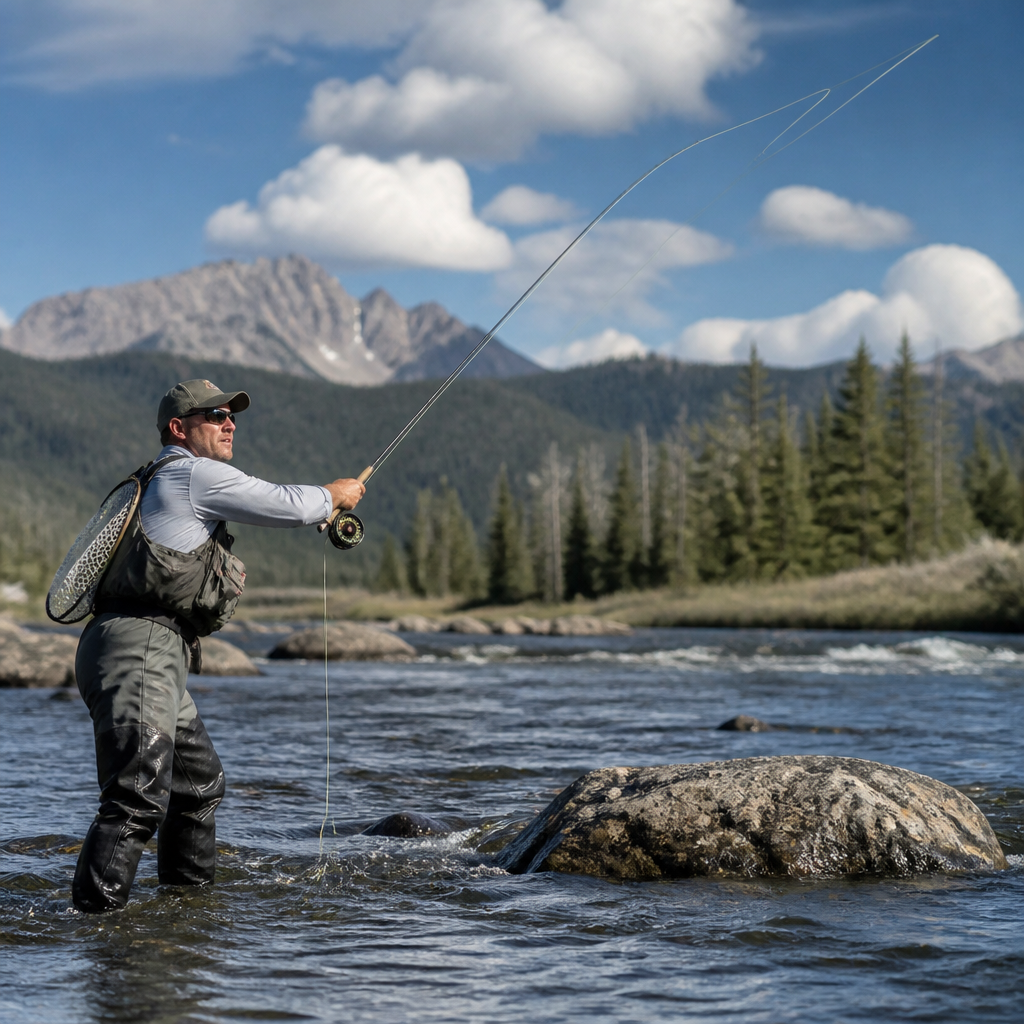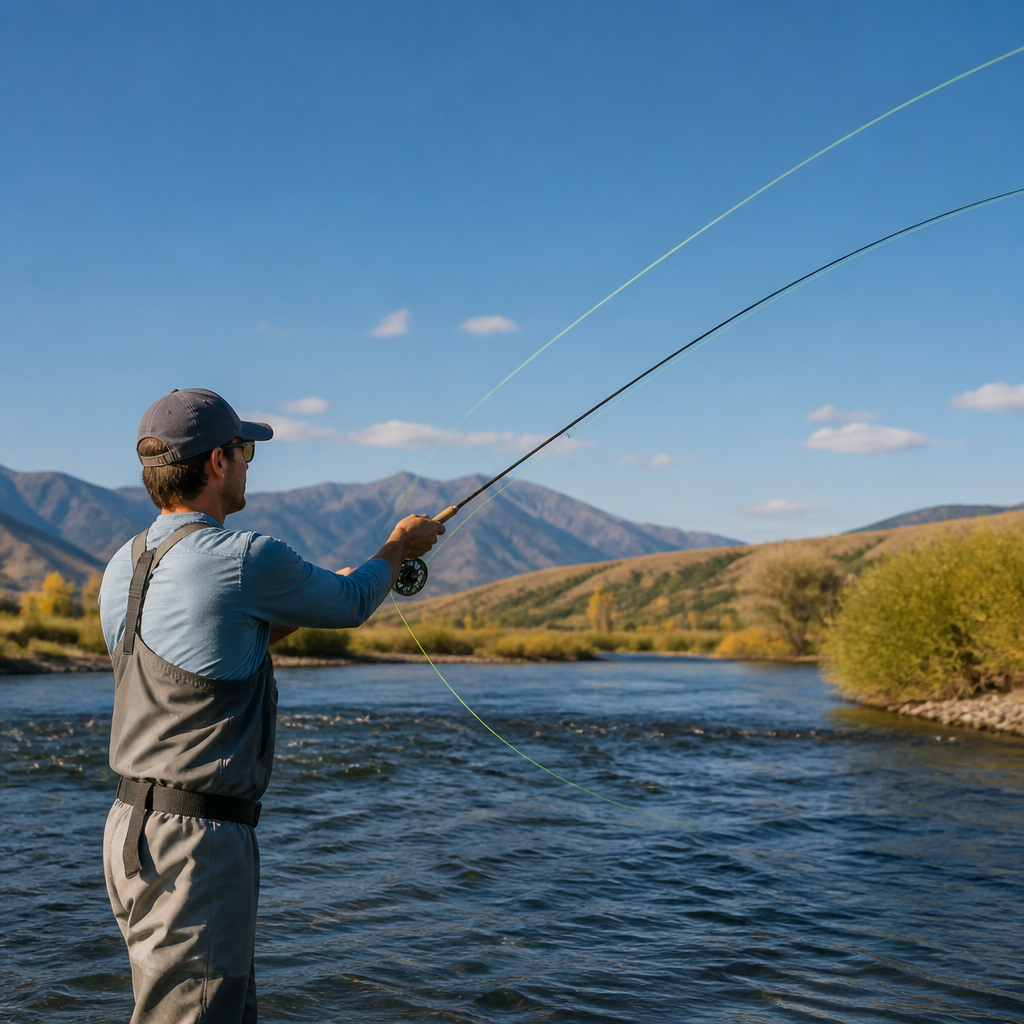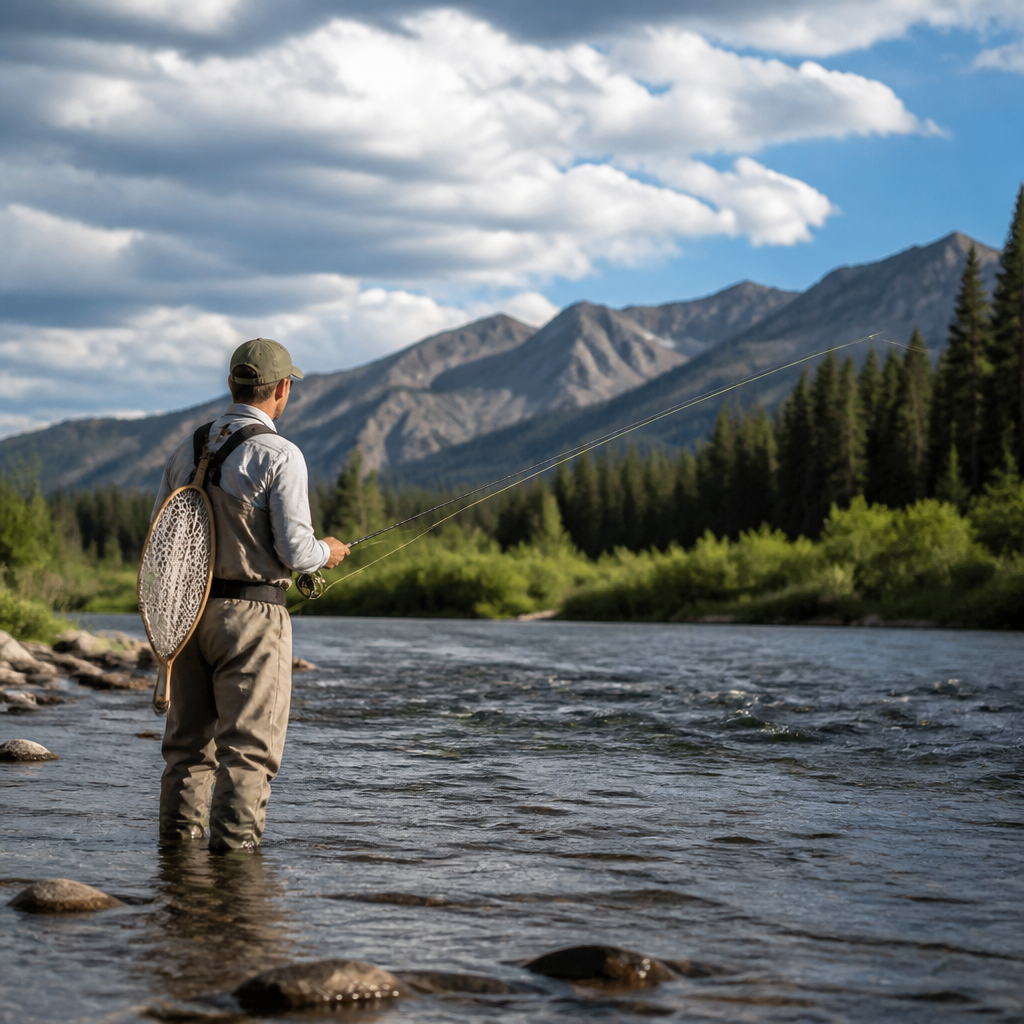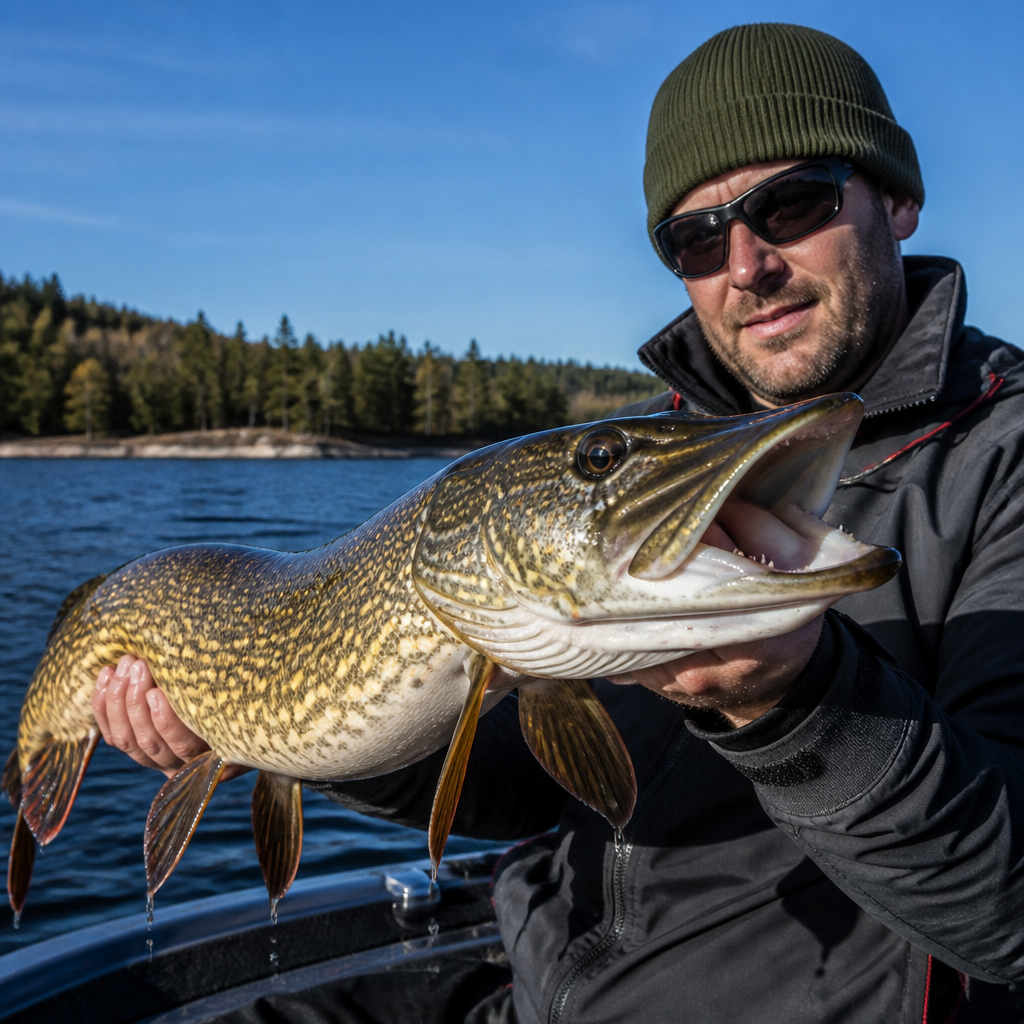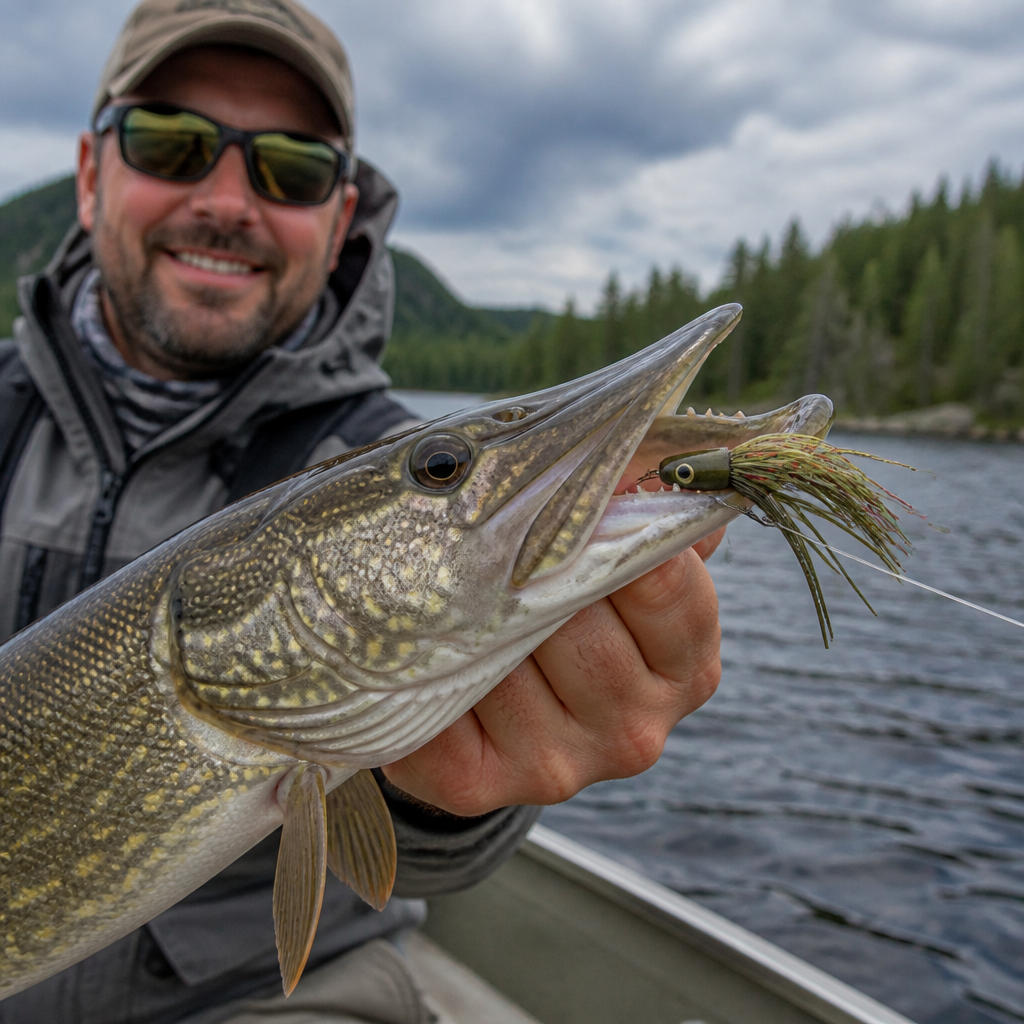
Fishing with tube flies gives anglers a highly adaptable way to present streamers, intruders, and baitfish patterns while protecting expensive hooks and improving landing efficiency. A tube fly is exactly what the name suggests: a fly tied on a small plastic or metal tube rather than directly on a hook shank, with the hook attached separately on the leader behind the fly. That simple design changes how the fly swims, how quickly hooks can be replaced, and how the pattern holds up after repeated fish. In my own steelhead and salmon fishing, tube systems have solved two constant problems: chewed-up flies and poor hook positioning on short-striking fish. For anglers focused on specialized techniques, tube flies deserve serious attention because they bridge traditional fly tying, modern rigging, and species-specific strategy.
This topic matters because tube flies are no longer limited to Atlantic salmon or Scandinavian sea trout culture. They are now a practical tool for steelhead, Pacific salmon, brown trout, pike, musky, and even saltwater species when anglers want modular rigging and better control over profile. The system also aligns with modern conservation-minded tackle choices. Because the hook is not built into the body, a fish often cannot leverage the weight of the fly to throw the hook during the fight, and damaged hooks can be swapped without discarding the fly. Understanding fishing with tube flies means understanding more than just tying materials. It requires knowledge of tube sizes, hook styles, junction tubing, sink systems, casting considerations, and presentation methods that match water temperature, current speed, and fish behavior. As a hub for specialized techniques, this guide explains the essential gear, the core methods, and the practical decisions that make tube flies effective on the water.
What tube flies are and when they outperform traditional flies
A tube fly consists of a hollow body, usually made from plastic, aluminum, brass, or lined metal tubing, dressed with materials such as marabou, flash, dubbing, fox, ostrich, or synthetic fibers. The leader passes through the tube, and a separate hook trails behind the fly, commonly held in place with soft junction tubing or by the tension of the knot. This arrangement lets anglers use a short-shank octopus, intruder, or trailer-style hook while maintaining a larger fly profile than the hook alone could support. In practice, that means you can fish a three-inch profile with a compact size 4 or size 2 hook, which often improves hookups on fish that nip at the back half of the pattern.
Tube flies outperform hook-shank flies in several specific situations. First, they excel when fish are aggressive but not fully committing, because you can position a sharp, small hook exactly where short takes occur. Second, they are ideal for expensive composite patterns built with jungle cock substitutes, rhea, or premium flash blends, since the fly body slides away from the fish during the fight and suffers less damage. Third, they are superior when regulations or conditions call for rapid hook changes. On many steelhead rivers, I carry one box of tube bodies and a separate small hook wallet, allowing me to switch from a heavy-wire barbless size 2 to a finer size 6 without replacing the fly itself. That flexibility is the main technical advantage of the system.
Essential tube fly gear and rigging components
The core gear for fishing tube flies is straightforward, but details matter. You need the flies themselves, leaders strong enough to manage the species and water type, appropriately sized hooks, junction tubing or hook-holding sleeves, and a rod line system matched to the fly’s weight and sink rate. Most river anglers use single hooks for steelhead and salmon because many fisheries either require them or strongly favor them for fish welfare. Popular hook models include Owner SSW, Gamakatsu Octopus, Ahrex trailer and salmon hooks, and Firehole stinger patterns. A short-shank hook reduces leverage during the fight and usually pins fish cleanly in the corner of the jaw.
Tube materials influence sink rate and profile. Plastic tubes are light and versatile, brass adds moderate weight, and copper or aluminum variants help get flies down without a large cone. Junction tubing is usually silicone or soft vinyl and should grip the hook eye firmly without kinking the leader. Rod choices depend on species and line systems: a six- or seven-weight single hander works for trout and light steelhead applications, while seven- to nine-weight two-hand rods dominate larger steelhead and salmon rivers. Lines can range from floating heads with polyleaders to Skagit systems and integrated sink-tip setups. Because many tube flies create more wind resistance than hook-shank flies, compact, powerful leaders and balanced casting systems matter more than raw rod power alone.
| Component | Best Use | Practical Recommendation |
|---|---|---|
| Plastic tube | Shallow water, unweighted patterns | Use for soft hackles, muddlers, and light baitfish tubes |
| Brass or metal tube | Moderate depth, faster current | Choose when you want sink without a bulky conehead |
| Short-shank single hook | Steelhead, salmon, trout | Match size to the trailer position, often sizes 2 through 8 |
| Junction tubing | Hook alignment and retention | Test grip before fishing so the hook stays straight while casting |
| Skagit or sink-tip line | Large rivers, winter swings | Pair with weighted tubes for controlled depth and broadside swing |
| Floating line with polyleader | Summer runs, shallow seams | Use with light tubes for waking or near-surface presentations |
Choosing tube fly patterns by species, water type, and season
Pattern selection starts with profile, sink behavior, and visibility, not just color. For steelhead, classic intruder-style tubes, sparse marabou tubes, and compact rabbit-strip patterns cover most conditions. In summer and fall, smaller tubes in black, purple, pink, or orange often fish well on floating or intermediate systems. In winter, larger profiles in black and blue, chartreuse combinations, or dark flies with a hot spot become useful because they hold shape in cold, colored water and create a strong silhouette. Atlantic salmon anglers frequently rely on slimmer, more refined tubes with hair wings and subtle flash, especially in low, clear water where excess bulk can spook fish.
For trout, tube flies shine as articulated baitfish imitations and compact streamers. On stillwaters, a small tube damsel or leech can be tied with minimal weight and paired with a precise hook size, giving a clean swimming action. For pike and musky, larger synthetic tubes make sense because hooks can be replaced after damage from teeth, and heavy fluorocarbon or wire bite tippets can pass through robust tubing systems. In saltwater, baitfish tube flies have a niche advantage when species mangle standard flies; changing only the hook preserves the body. A useful rule is to choose tubes by water clarity and current: slim flies for clear, slow conditions; fuller profiles for murk, depth, and pushy flows. That principle is more reliable than chasing trend colors.
Presentation strategies that make tube flies effective
The best strategy for fishing with tube flies is to think in terms of speed, angle, and depth. On swing presentations, depth control comes first. If the fly does not travel where fish are holding, color and pattern matter very little. In cold steelhead water, I often start with a short cast at a modest downstream angle, let the tube settle under tension, and then maintain a controlled broadside swing. A tube fly with a soft rear station pulses as current pressure builds, and the trailing hook sits exactly where a fish usually grabs. Mends should support sink, not kill movement. Too much upstream mend can deaden the fly; too little can skate it above the holding zone.
Tube flies are also effective on strips, dangles, and short-leash presentations. For trout or salmon holding in softer buckets, a downstream cast followed by a hang-down pause often triggers takes because the fly breathes without moving far. On stillwaters, a balanced tube pattern can be stripped in varied cadences while the separate hook remains exposed and efficient. In pocket water, high-stick swings and short lobs allow anglers to lead a compact tube through slots where bulky conventional flies are awkward. Because hook placement is modular, anglers can tune the rig for the way fish eat. If fish are swiping short, run a slightly smaller tube body with the same hook, or shorten the junction so the point rides closer to the materials’ tailing edge.
Advanced rigging, casting, and fish-fighting tactics
Advanced tube fly fishing is mostly about refinement. Hook position should be deliberate. A hook riding too far behind the fly can foul more often and may miss fish that eat mid-body. Too far forward, and short strikers never find steel. Most successful setups place the bend just at or slightly behind the end of the wing. Leader stiffness also matters. A very limp tippet can let the hook hinge erratically, while an overly stiff butt-to-tippet transition can reduce natural movement in small tubes. For many steelhead situations, leaders in the 10- to 15-pound range balance turnover, abrasion resistance, and movement. For Atlantic salmon in clear water, anglers often step down in diameter and fly size together.
Casting tube flies requires matching mass distribution to line choice. Heavier metal tubes cast best on sustained-anchor spey casts or compact overhead strokes with open loops. Light but wind-resistant tubes may need a slightly shorter leader and a more positive stop to turn over cleanly. During the fight, avoid overplaying one benefit of tubes and ignoring fundamentals. While the sliding fly body reduces leverage, pressure angles still matter. Keep steady side pressure, especially with barbless single hooks, and do not lift too high when a fish is close. Check junction tubing regularly; if it loosens, hook alignment suffers. Also inspect tube interiors for sharp edges that can abrade leaders. Those small maintenance steps prevent failures that anglers often blame on hooks alone.
Building a specialized tube fly approach for your waters
To make tube flies a dependable part of your system, build a compact progression for the waters you actually fish. Start with three profile classes: slim, medium, and full. Then carry each in shallow, moderate, and deep versions. That matrix covers more situations than owning dozens of colors. On my home steelhead rivers, a slim summer tube on plastic, a medium brass tube for average flows, and a fuller winter tube on a weighted platform handle nearly every run. The same logic applies to trout streamers: a sparse baitfish tube for clear conditions, a balanced leech tube for lakes, and a heavier sculpin-style tube for deep banks.
This specialized technique rewards observation and disciplined adjustments. Track where fish grab the fly, how quickly a pattern sinks, and whether the fly maintains profile at the end of the swing. Use that information to alter tube length, material density, hook size, or line tip before changing colors at random. If you manage the system correctly, tube flies give you durable patterns, fast hook replacement, and precise presentation control across species. That is why they remain one of the smartest modular tools in modern fly fishing. Build a small, organized tube kit, practice the rigging at home until it is automatic, and fish them with intention on your next trip.
Frequently Asked Questions
What is a tube fly, and why do many anglers choose it over a traditional hook-tied fly?
A tube fly is a fly pattern tied on a short plastic, metal, or hybrid tube instead of directly on a hook shank. The hook is added separately by threading the leader through the tube and attaching a hook behind the fly. That design gives anglers several practical advantages. First, it protects the fly itself. When a fish is hooked, the fly can often slide up the leader away from the fish’s teeth, jaw pressure, and head shakes, which helps preserve expensive or time-consuming patterns. Second, it makes hook replacement simple. If a hook becomes dull, bent, or damaged, you can swap it out without retiring the entire fly. Third, tube flies let you fine-tune hook size and style to match water conditions, target species, and local regulations.
Many anglers also prefer tube flies because they are extremely versatile in the water. They can be tied slim for sand eel, minnow, or baitfish imitations, or built with larger profiles for intruders and aggressive streamer patterns. Because the hook is not fixed into the dressing in the same way it is on a standard fly, the fly often moves more freely and can produce a lively, undulating action. Tube flies are especially popular for steelhead, salmon, trout, and saltwater species where durability, modular rigging, and profile control matter. In short, tube flies are not just a different way to tie a fly; they are a system that gives you more control over presentation, hook performance, and fly longevity.
What gear do I need to fish tube flies effectively?
Fishing tube flies does not require a completely different setup, but a few specialized components make the system work properly. The fly itself is tied on a tube, commonly made from plastic, aluminum, brass, or tungsten. Plastic tubes are lightweight and excellent for general use, while metal tubes add weight and help the fly sink more quickly. You will also need appropriately sized hooks, usually short-shank singles or doubles depending on the species, regulations, and your personal preference. Many anglers favor short-shank hooks because they improve holding power while reducing leverage during the fight. Some setups also use junction tubing, a small piece of soft tubing that helps hold the hook in position behind the fly.
Leader choice is important as well. Your leader must be strong enough for the species you are targeting and stiff enough to prevent constant fouling, especially with larger streamers or intruder-style patterns. For trout, that may mean a sturdy fluorocarbon or nylon tippet in an appropriate breaking strength; for salmon, steelhead, or saltwater fish, much heavier material is common. Rod and line selection should match the size and weight of the tube fly. Floating lines work well for shallow presentations, while sink-tip or full-sinking lines are often better for deeper runs or faster current. If you regularly fish heavier tubes, larger profiles, or weighted patterns, use a rod with enough backbone to turn them over cleanly. The goal is balance: a setup that casts the tube efficiently, keeps it swimming naturally, and gives you dependable hook control when a fish eats.
How should I rig a tube fly so it tracks properly and hooks fish well?
Proper rigging starts by threading your leader through the tube from front to back. Once the leader exits the rear of the tube, tie on your hook using a strong, dependable knot suited to your tippet material. In many tube fly systems, the hook then sits close behind the fly, often lightly secured with junction tubing so it stays aligned during the cast. The exact distance between the fly and hook matters. If the hook rides too far back, short strikes may improve, but the fly can lose a natural profile and foul more easily. If the hook sits too tightly into the tail materials, the fly may not swim as freely and hookup efficiency can suffer. A balanced placement usually leaves the hook close enough to maintain the intended silhouette while remaining exposed for solid penetration.
Hook orientation is another key detail. Some anglers rig the hook point up to reduce bottom snagging, especially when swinging flies near structure or fishing shallow, rocky water. Others prefer point-down orientation depending on the fly style and how they expect fish to take it. You may need to test both. The size of the hook should complement the fly rather than overpower it. Oversized hooks can deaden movement and make the pattern feel rigid, while undersized hooks may miss opportunities with short-striking fish. After rigging, inspect the setup by pulling the fly through the water beside you if possible. A properly rigged tube fly should track straight, pulse or swim naturally, and keep the hook positioned consistently. Good rigging is not just about attaching components; it directly affects presentation, hookups, and the lifespan of the fly.
What are the best strategies for fishing tube flies in rivers, lakes, and saltwater?
Tube fly strategy begins with understanding that these patterns excel when you want a strong profile, mobile materials, and flexible hook options. In rivers, tube flies are often deadly on the swing for steelhead and salmon. Cast across or slightly downstream, allow the fly to sink to the desired depth, and let it sweep under tension through likely holding water. Mends can help control sink rate and angle, and small variations in speed often make a major difference. In colder water, slower swings and deeper presentations tend to work better, while warmer or more aggressive fish may respond to a faster, broader swing. For trout rivers, tube flies can also be stripped like streamers through seams, undercut banks, and along structure where predatory fish are looking for baitfish.
In lakes, tube flies are effective when retrieved on intermediate or sinking lines with deliberate pauses, varied strip lengths, and occasional speed changes. Because tube flies can be tied in slim baitfish forms or larger leech and attractor styles, they adapt well to stillwater scenarios. In saltwater, they shine for species that key on baitfish, especially when you need durable patterns that can withstand repeated strikes and abrasive mouths. Match the fly’s weight and line choice to depth, current, and bait size. One of the biggest strategic advantages of tube flies across all environments is that you can carry multiple hook sizes and styles and adjust quickly without changing the fly body. That means you can respond to missed strikes, changing regulations, or shifting fish behavior in minutes. Fish them with intent: choose depth carefully, vary retrieve style, and let the tube’s motion and modular design work in your favor.
How do I choose the right tube fly size, weight, and pattern for different fishing conditions?
Selecting the right tube fly starts with the same fundamentals that guide all fly choice: forage, water clarity, current speed, depth, and fish mood. Size should reflect both what the fish are likely feeding on and how visible you need the fly to be. In clear water or when fish are pressured, smaller and slimmer tube flies often produce more natural presentations. In stained water, high flows, or situations where you need to trigger aggression, larger profiles with more movement can be more effective. Color follows similar logic. Natural baitfish shades, olive, white, black, and tan are reliable standards, while brighter colors such as pink, orange, chartreuse, and purple can be excellent for attracting attention in off-color water or provoking territorial strikes from salmon and steelhead.
Weight determines where the fly fishes in the water column and how it behaves during the cast and retrieve. Lightweight plastic tubes are excellent when you want a slower sink and more neutral drift or swing. Brass and tungsten tubes help get the fly down faster without relying entirely on a heavier line. That can be especially useful in deep runs, faster current, or saltwater channels where maintaining depth is critical. Pattern style should match the role you want the fly to play. Streamlined baitfish tubes are ideal when fish are chasing forage, while intruder-style tubes create a larger visual footprint with relatively little material weight, making them excellent for cold water and broad swinging presentations. The most effective approach is to build a small but intentional selection: a range of sizes, sink rates, and color profiles that lets you cover shallow, mid-depth, and deep water efficiently. With tube flies, thoughtful selection gives you a powerful combination of action, adaptability, and fishability.