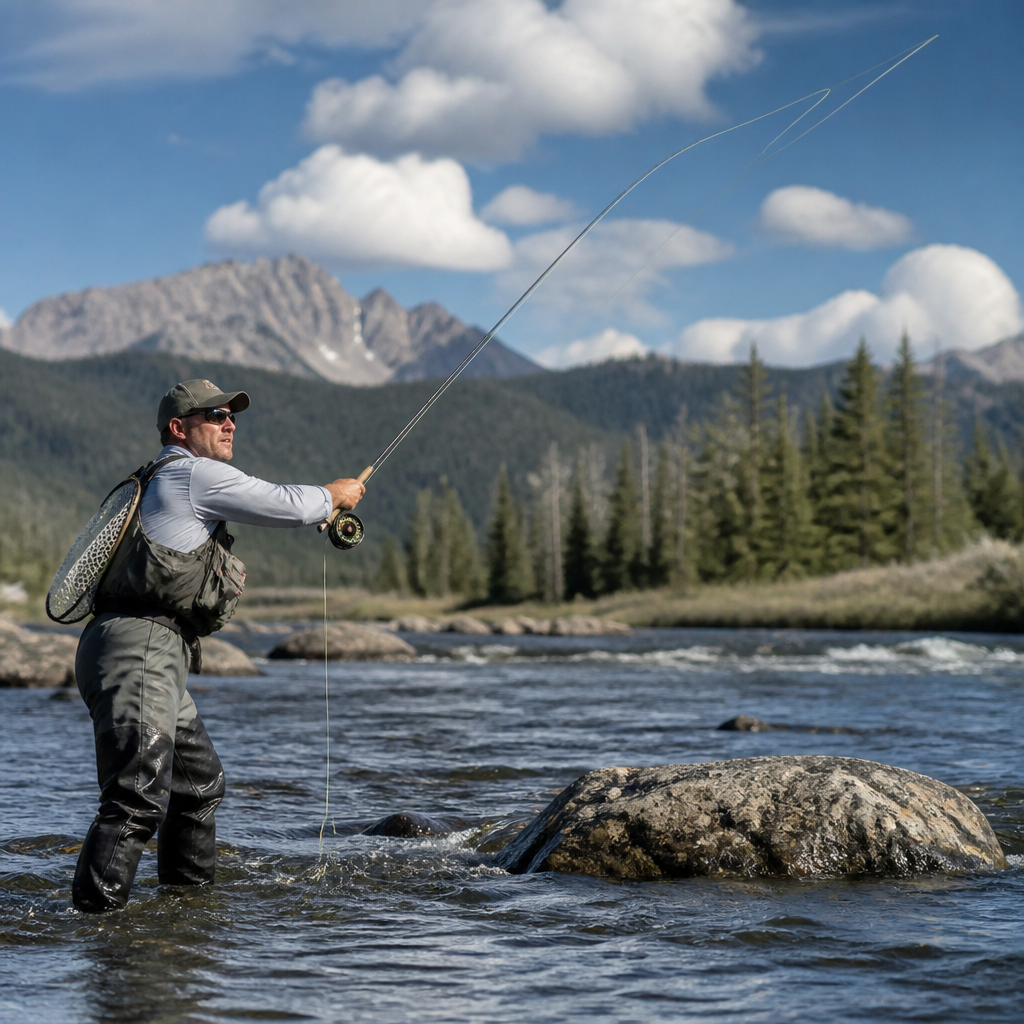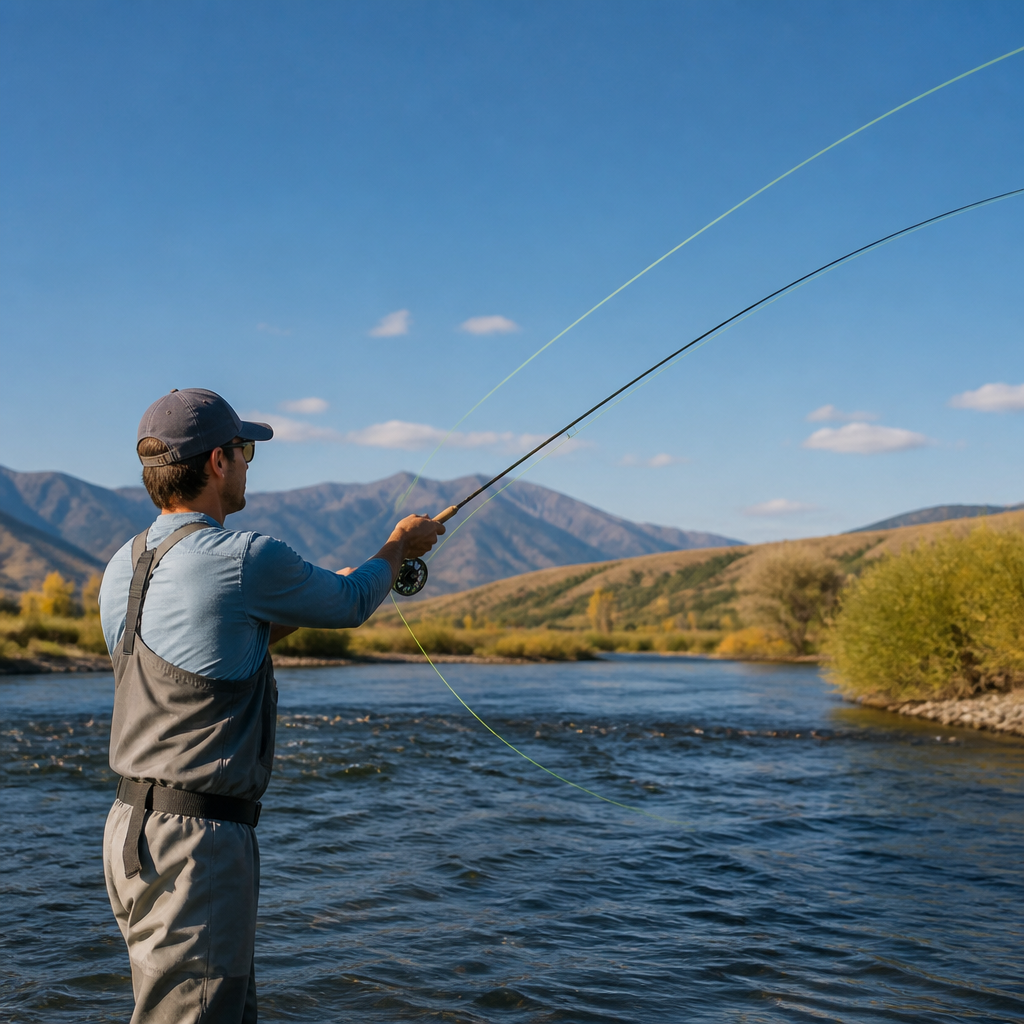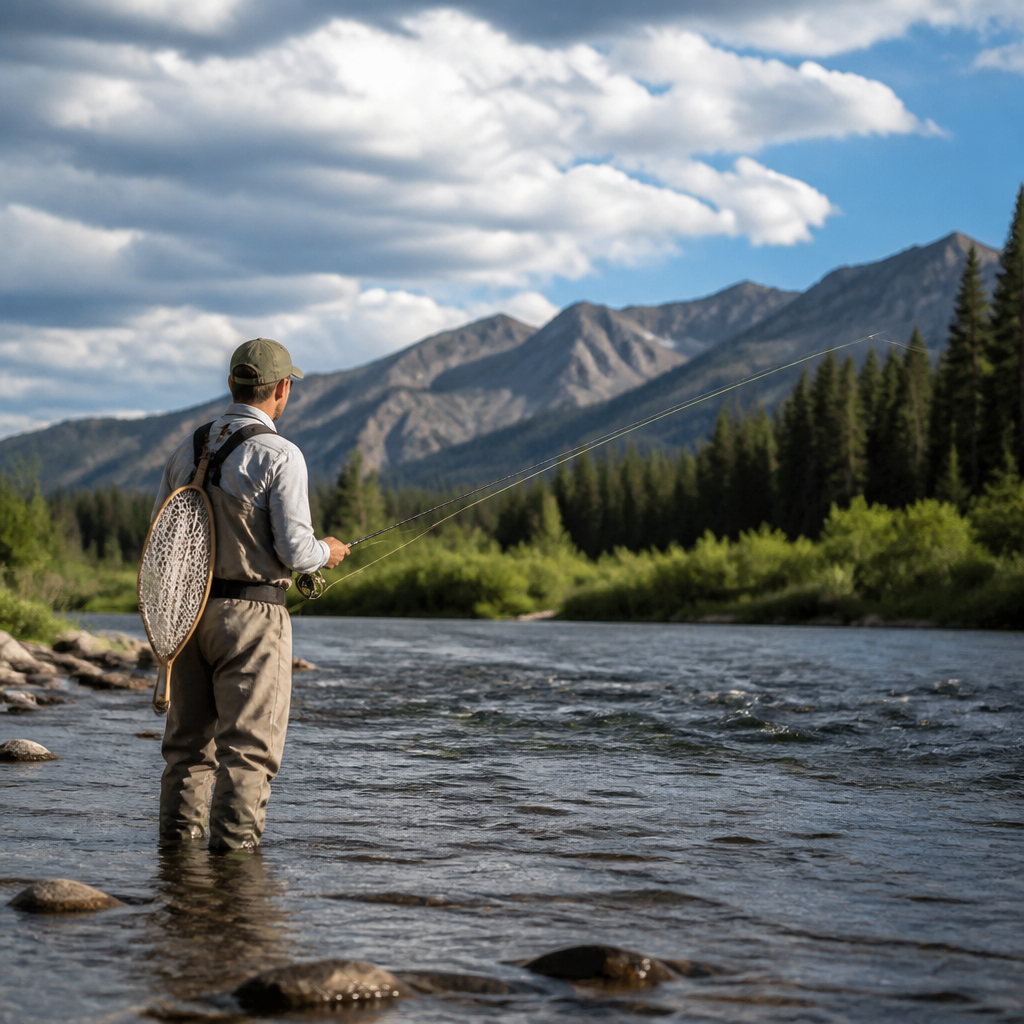
Matching the hatch is the practice of choosing a fly that imitates the insects trout are feeding on at a specific place and time, then presenting that fly in a way that matches the insect’s behavior. In fly fishing, “the hatch” refers to aquatic insects emerging, drifting, skittering, or falling onto the water, creating a concentrated feeding opportunity. When anglers talk about “matching the hatch,” they mean reading the food source carefully enough to select the right size, shape, color, stage, and presentation. It sounds simple, but in real fishing it is one of the most nuanced and reliable ways to catch selective trout.
This skill matters because trout rarely feed randomly. In streams, rivers, spring creeks, and tailwaters, trout often lock onto a narrow food form for surprisingly long periods. A fish rising steadily may ignore ten inaccurate casts, then eat immediately when the pattern, drift, and profile align with what it expects. I learned this lesson the hard way on technical Western tailwaters where fish refused attractors but ate plain mayfly emergers the instant I changed down one hook size and reduced drag. Matching the hatch is not about blind imitation. It is about observation, diagnosis, and controlled presentation.
For beginners, the phrase can sound intimidating because it suggests you need an entomology degree and a fly box containing hundreds of exact replicas. You do not. The foundation is understanding the major insect groups trout eat, the life stages that matter, and the visual triggers trout use when deciding whether to rise, chase, sip, or ignore a fly. Most successful hatch matching starts with broad categories: mayflies, caddisflies, midges, stoneflies, terrestrials, and noninsect food like scuds or baitfish. Then you refine your choice by watching the water, the weather, and trout behavior.
As a hub topic within techniques and strategies, matching the hatch connects directly to dry fly fishing, nymphing, reading water, presentation, leader setup, and seasonal planning. If your cast is solid but trout still refuse your fly, hatch matching is often the missing piece. It helps answer practical questions every angler asks: What are trout eating right now? Why are fish rising but not taking my fly? Should I fish a dun, emerger, spinner, or nymph? How precise do I really need to be? Once you can answer those questions quickly, your fly selection becomes deliberate instead of hopeful.
What Matching the Hatch Really Means on the Water
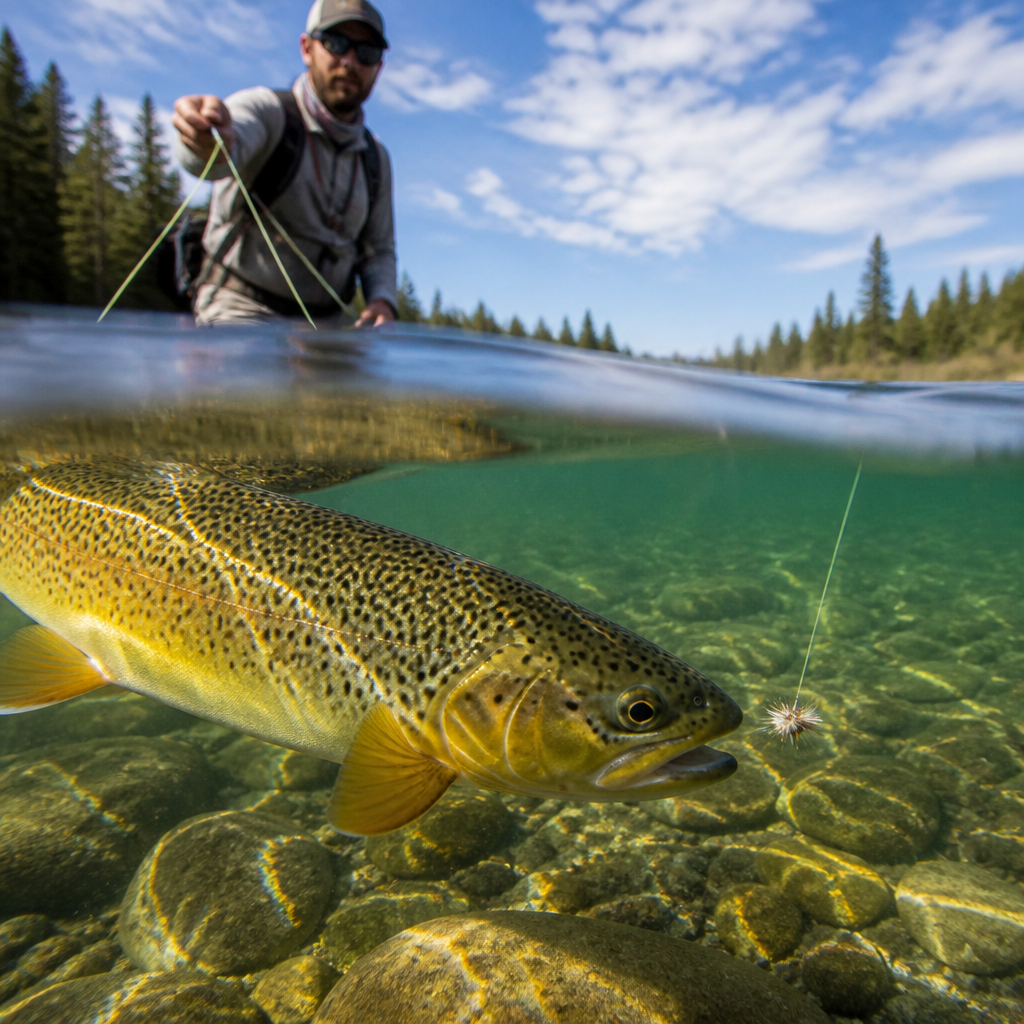
At a practical level, matching the hatch means identifying the food item trout are keyed on and imitating the part of that food source trout find easiest to capture. That last point is essential. Trout do not always feed on the most visible life stage. Anglers often notice fluttering adults and tie on a high-floating dry, while trout are actually taking emergers trapped in the film just below the surface. On many rivers, especially during mayfly hatches, the emerger phase outfishes a dun because insects are vulnerable, slow, and concentrated at that stage.
The best hatch matching uses three filters. First is profile: does the fly resemble the natural in shape and silhouette? Second is size: a close size match often matters more than exact color. Third is behavior: does the fly drift, sink, twitch, skate, or hang in the film like the natural? In my experience guiding new anglers, behavior is the factor they underestimate most. A perfect caddis imitation skated unnaturally through a feeding lane fails faster than a generic caddis drifting with the right speed and angle. Trout are efficient feeders, and efficient feeders notice motion errors immediately.
Precision is most important on slow, clear water where trout have time to inspect food. On freestone streams with broken current, a rough match is often enough because fish make faster decisions. This is why the same angler can succeed with a parachute Adams on a pocket-water river yet get refused repeatedly on a spring creek until switching to a sparse size 20 pattern with a finer tippet. Matching the hatch is situational, not dogmatic. The goal is not perfection for its own sake. The goal is selecting the level of imitation the water and the fish demand.
The Main Insect Groups Every Angler Should Recognize
Most hatch matching begins with a few insect families rather than dozens of species names. Mayflies are the classic dry fly hatch. They usually have upright wings, slender bodies, and two or three tails. Trout eat them as nymphs, emergers, duns, and spent spinners. Caddisflies look more mothlike, with tent-shaped wings; their larvae, pupae, and adults are all important, and many species hatch in explosive numbers. Midges are tiny two-winged insects available almost year-round, especially on tailwaters, and they matter far more than many anglers expect. Stoneflies are larger insects common in many rivers, with nymphs that drift before hatching and adults that can skitter or fall back onto the water.
Then there are terrestrials, which are not aquatic hatches but function similarly because trout key on them seasonally. Grasshoppers, ants, beetles, and inchworms can dominate summer feeding, especially when water is low and trout shift to bank-oriented feeding lanes. In lakes and spring creeks, chironomids, scuds, and damselflies may deserve as much attention as classic river insects. The point is not memorizing Latin names. It is recognizing enough structure to eliminate wrong choices quickly. If you see upright wings and sailboat silhouettes drifting downstream, you are likely in a mayfly event, not a caddis hatch.
A simple field method works well: observe an insect, then ask four questions. Is it slender or bulky? Does it have upright wings, tent wings, or no visible wings? Is it tiny, medium, or large compared with common hook sizes? Is it on the water, in the air, or drifting subsurface? Those answers usually guide you to the right family and the right life stage. A basic streamside kit should include a seine or fine mesh net, a small magnifier, and fly boxes organized by insect type and stage. Good organization saves time when trout are feeding actively and the window is short.
Life Stages Matter More Than Most Fly Names
One of the biggest breakthroughs for developing anglers is realizing that trout often focus on life stages, not fly names. A mayfly begins as a nymph, rises to emerge, rides the surface as a dun, then later returns as a spinner to mate and die. A caddis begins as a larva, transforms into a pupa, then hatches into a fast-moving adult. Each stage sits in a different part of the water column, moves differently, and presents a different level of vulnerability. If trout are taking insects in the film, changing from a dry adult to a soft-hackle emerger can transform the day.
On many difficult rivers, the emerger is the most important stage to understand. Emerging insects are delayed by the surface tension of the water, which traps them at exactly the level trout can intercept with minimal effort. This is why low-riding patterns such as RS2s, comparadun emergers, shuttlecocks, soft hackles, and CDC designs are staples on technical water. Spinner falls are another overlooked event. After mating, spent mayflies collapse flush to the surface with wings outstretched. Trout feeding on spinners often reject upright-wing duns because the silhouette is wrong even if the body color seems close.
Caddis present a different puzzle. Adults can bounce, skate, and lift off quickly, so dead-drifting an adult caddis is not always enough. During a caddis emergence, trout may take ascending pupae just below the film, and a pupa pattern swung at the end of the drift can imitate this behavior better than a standard dry. Stoneflies add yet another variation because many species crawl to shore before emerging, making nymphal migration and egg-laying adults more important than a classic surface hatch. Understanding life stages helps you stop changing flies randomly and start making evidence-based adjustments.
| Food Source | Key Life Stage | Common Trout Cue | Useful Fly Approach |
|---|---|---|---|
| Mayfly | Emerger | Gentle sips in consistent lanes | Low-riding emerger or soft hackle in the film |
| Mayfly | Spinner | Flat rises during calm evening light | Spent-wing pattern with drag-free drift |
| Caddis | Pupa | Slashy rises and quick takes | Pupa dead-drifted, then lifted or swung |
| Midge | Pupa/Emerger | Tiny dimples in slick water | Small midge emerger on fine tippet |
| Stonefly | Nymph | Subsurface feeding near banks and seams | Dead-drifted stonefly nymph near bottom |
| Terrestrial | Adult | Opportunistic rises tight to banks | Hopper, ant, or beetle with accurate placement |
How to Observe a Hatch and Read Trout Behavior
Good hatch matching starts before the first cast. Watch the water for rise forms. A full head-and-tail rise often suggests larger surface insects, while subtle dimples can indicate midges or emergers. Look at overhanging vegetation, spider webs, exposed rocks, and your waders for clues about what is active. Seine the drift below a riffle to sample nymphs and emergers. Turn over a streamside rock and check for clingers, crawlers, cased caddis, or stonefly shucks. If you catch a trout where regulations and ethics allow handling, a quick look in the mouth corner or throat pump sample can confirm what it has been eating.
Timing also matters. Many mayflies emerge during specific temperature and light windows. Blue-winged olives often appear during cool, overcast conditions. Pale morning duns usually hatch late morning to early afternoon depending on season and elevation. Midges can hatch in winter when little else is active, especially on nutrient-rich tailwaters. Sulphurs, tricos, green drakes, salmonflies, and caddis all follow recognizable seasonal patterns on rivers where they are established. Local fly shops, hatch charts, and state fishery reports are useful references, but they work best when combined with your own observations because daily conditions shift timing substantially.
Trout behavior gives additional answers. Fish feeding rhythmically in one lane are often selective and easier to decode than trout rising sporadically across many currents. Refusals matter. If trout inspect and turn away, your size, silhouette, or drag is wrong. If they ignore the fly completely, you may be on the wrong food source or depth. I often tell anglers to spend two minutes watching for every minute they want to spend changing patterns. That ratio sounds slow, yet it usually speeds up success because the right adjustment—such as downsizing from 16 to 18 or switching to a spinner—comes from evidence instead of guesswork.
Choosing the Right Fly: Size, Color, Profile, and Presentation
When selecting a fly, start with size because trout commonly reject flies that are too large or too small even when color is close. Hook size offers a fast comparison, but body length matters too because some hooks run long or short. Next evaluate profile. A sparse mayfly emerger, a high-floating parachute, and a spent spinner can all match the same insect family while showing completely different silhouettes to the fish. Color matters, but usually within ranges. Olive, gray, tan, cream, and rusty tones cover many situations. Exact shade becomes more important in clear, flat water and less important in turbulent runs.
Presentation completes the match. A natural dead drift is critical for duns, spinners, and many nymphs. Emergers often perform best when they hang in the film at the end of the drift. Caddis pupae may need a lift. Adult caddis can skate. Terrestrials may land with a little splat near a grassy bank. Leader design influences all of this. Longer leaders and finer tippet reduce drag on slow water, while shorter, stronger leaders help turn over larger foam terrestrials or stoneflies. Floatant placement also matters: keeping the thorax high and the abdomen low can make an emerger look convincingly trapped.
A useful decision sequence is simple. First, identify the likely insect family. Second, match the life stage trout are taking. Third, get the size right. Fourth, choose the most believable profile. Fifth, adjust presentation before changing patterns repeatedly. Many anglers reverse this order and burn time cycling through flies when the real problem is drag or depth. Named patterns such as the Pheasant Tail, Zebra Midge, Elk Hair Caddis, Parachute Adams, Comparadun, Sparkle Dun, RS2, and CDC emerger remain standards because they match broad categories well and can be tuned through size and presentation to fit local conditions.
Common Mistakes and a Practical System for Beginners
The most common mistake is overcommitting to exact imitation before gathering evidence. Beginners often tie on whatever hatch pattern has the strongest reputation and fish it everywhere. The better approach is diagnostic. If trout are not visibly feeding, begin with confidence patterns representing likely subsurface food, then refine when you see activity. Another mistake is ignoring nonhatch food. Trout may feed heavily on sow bugs, scuds, cranefly larvae, worms, or baitfish depending on the system. Matching the hatch includes matching the dominant food source, even when it is not a classic insect emergence.
Another frequent error is assuming refusals are always about the fly. On spring creeks, micro-drag causes many refusals. On pocket water, the fly may be fine but drifting too high because the tippet is too stiff. During spinner falls, anglers often cast directly over fish and line them, scattering the pod. Technical water rewards line control, reach casts, slack management, and approach angles as much as fly choice. Polarized glasses help you see lanes and refusals. Fine tippet helps in clear water, but it introduces tradeoffs in landing time and breakoffs, so use the lightest diameter you can control responsibly.
For beginners, a practical system keeps things manageable. Carry a compact hatch box with general mayfly nymphs, pheasant-tail variants, soft hackles, midge pupae, a few caddis pupae, adult caddis, parachute dries, comparaduns, spinner patterns, ants, beetles, and hoppers. Organize by stage, not by brand name. Onstream, follow a checklist: observe rises, inspect naturals, choose the family, choose the stage, match size, test the drift, and only then change one variable at a time. Matching the hatch becomes much easier when you treat it as a repeatable process. On your next outing, slow down, watch closely, and let the trout tell you what matters.
Frequently Asked Questions
What does “matching the hatch” actually mean in fly fishing?
Matching the hatch is the process of selecting and fishing a fly that closely imitates the food trout are actively feeding on at that moment. In practical terms, it means observing the insects on or around the water, identifying their key characteristics, and choosing a pattern that matches their size, shape, color, and life stage. It also means presenting that fly in a way that reflects how the real insect behaves. A mayfly dun drifting naturally in the surface film should be fished differently than a caddis skittering across the surface or a nymph drifting below it.
The idea matters because trout often become highly selective during feeding events. When a hatch is underway, fish may ignore flies that are generally “close enough” and focus instead on one particular insect type or one stage of that insect’s life cycle. For example, trout may refuse adult flies if they are actually feeding on emergers trapped just under the surface. Matching the hatch helps anglers move beyond guesswork and make decisions based on what the fish are truly eating. At its core, it is not just about choosing the right fly from the box. It is about reading the water, understanding the food source, and presenting the imitation in a convincing, natural way.
Why is matching the hatch so important for catching trout?
Matching the hatch is important because trout are efficient feeders, and when insects are abundant, they often lock in on the most available and easiest food source. During a hatch, fish can become surprisingly specific. Instead of grabbing anything that resembles food, they may key in on a narrow range of insects in a particular size or stage. If your fly does not resemble what they are targeting, or if it behaves unnaturally, your chances of getting a take drop quickly.
This is especially true on pressured rivers, spring creeks, and clear water where trout have time to inspect a fly. In these situations, details matter. A pattern that is too large, too dark, too buoyant, or drifting incorrectly may be refused even if it looks similar to the insect from a distance. Matching the hatch improves success because it aligns your imitation with the trout’s immediate feeding preference. It turns your fly from a random offering into something the fish already expects to see. That said, it does not require perfection. Trout usually respond best to an imitation that captures the most important triggers: the correct profile, a believable size, an appropriate color tone, and a natural presentation. Those fundamentals consistently catch more fish than relying on luck alone.
What should beginners look for when trying to identify a hatch?
Beginners should start with the simplest and most useful clues rather than trying to become an entomologist overnight. The first thing to observe is where the activity is happening. Are trout rising gently in smooth water, slashing aggressively at the surface, or feeding just below it? Their behavior often reveals what stage of the insect they are taking. Subtle sips may suggest tiny dries or emergers, splashy rises can point to caddis adults, and bulges just under the film often indicate emerging insects.
Next, look for the insects themselves. Check the air above the water, the surface film, streamside rocks, spider webs, and your landing net after a drift. If possible, capture a few insects gently and examine the basics: size, general color, body shape, and whether they are nymphs, emergers, duns, spinners, or adults. Focus first on broad categories. Mayflies usually have upright wings and slender bodies. Caddis resemble small moths with tent-like wings. Midges are much smaller and more delicate. Stoneflies tend to be longer and more robust, often found near banks or crawling on rocks.
A helpful beginner approach is to match four core features: size first, then silhouette, then stage, then color. Size is often the most important factor because trout commonly reject flies that are too big or too small. Shape helps narrow the insect family, while life stage determines how the fly should sit or move in the water. Color matters, but exact shades are usually less critical than anglers assume. If you can identify what type of insect is present and choose a fly with the right overall proportions and behavior, you are already doing the most important work involved in matching the hatch.
Do I need an exact imitation, or is a close match usually enough?
In most situations, a close match is enough, especially if the fly captures the important characteristics that trout notice first. Exact imitation can be useful during heavy hatches or on very selective fish, but fly fishing is rarely about creating a perfect museum replica of an insect. Trout respond to key triggers, not to every microscopic detail. If your fly has the right size, the correct general profile, an appropriate color family, and moves naturally, it will often be effective even if it is not identical to the real thing.
Where anglers get into trouble is by focusing too much on minor details while overlooking major ones. A beautifully tied fly in the wrong size usually underperforms an average-looking fly in the right size. Likewise, the perfect color means little if the fish are feeding on emergers and you are presenting a high-floating adult dry. Presentation and stage often outweigh fine visual precision. In many cases, a suggestive pattern can outperform an exact imitation because it remains versatile and fishes well across slightly different conditions.
That said, there are moments when precision matters more. Flat water, clear conditions, light tippets, and repeated refusals are signs that trout may be scrutinizing your imitation closely. In those cases, downsizing, switching to a slimmer silhouette, or changing from an adult pattern to an emerger can make a major difference. The best mindset is practical rather than rigid: begin with a close, confident match and refine from there based on how the fish respond.
How do I present a fly so it matches the insect’s behavior, not just its appearance?
Presentation is the second half of matching the hatch, and many anglers would argue it is the more important half. Trout are not only looking at what the insect looks like, but also how it behaves in the water. A fly that resembles the right insect but drags unnaturally across the current often gets ignored. To match behavior, you need to think about where the natural insect is in the water column and how it moves. Nymphs generally drift below the surface with the current. Emergers struggle upward and may pause in or just under the film. Adult mayflies usually drift quietly, while caddis may flutter, skate, or skitter. Terrestrials such as ants and beetles often fall in unexpectedly and drift helplessly.
For dry flies, the goal is usually a drag-free drift that allows the pattern to float naturally at the current’s speed. Good casts, proper mending, and careful line control are essential. If fish are taking emergers, letting the fly sit low in the film or adding a subtle twitch can sometimes help. For nymphs, success often depends on depth and drift. The fly should move naturally near the level where trout are feeding, which may require split shot, an indicator, or tight-line techniques to maintain contact without adding unnatural tension. If you are fishing caddis adults, a little motion may be realistic, especially when naturals are active and skittering.
The key is to let the real insects teach you how to fish. Watch what happens on the water and imitate that behavior as closely as possible. If naturals are drifting dead still, your fly should do the same. If they are struggling, pulsing, or skating, your presentation can reflect that. Beginners often improve dramatically once they stop thinking only in terms of pattern selection and start asking a better question: “How is the real insect moving right now?” When you combine a believable fly with a believable presentation, matching the hatch becomes far more effective.