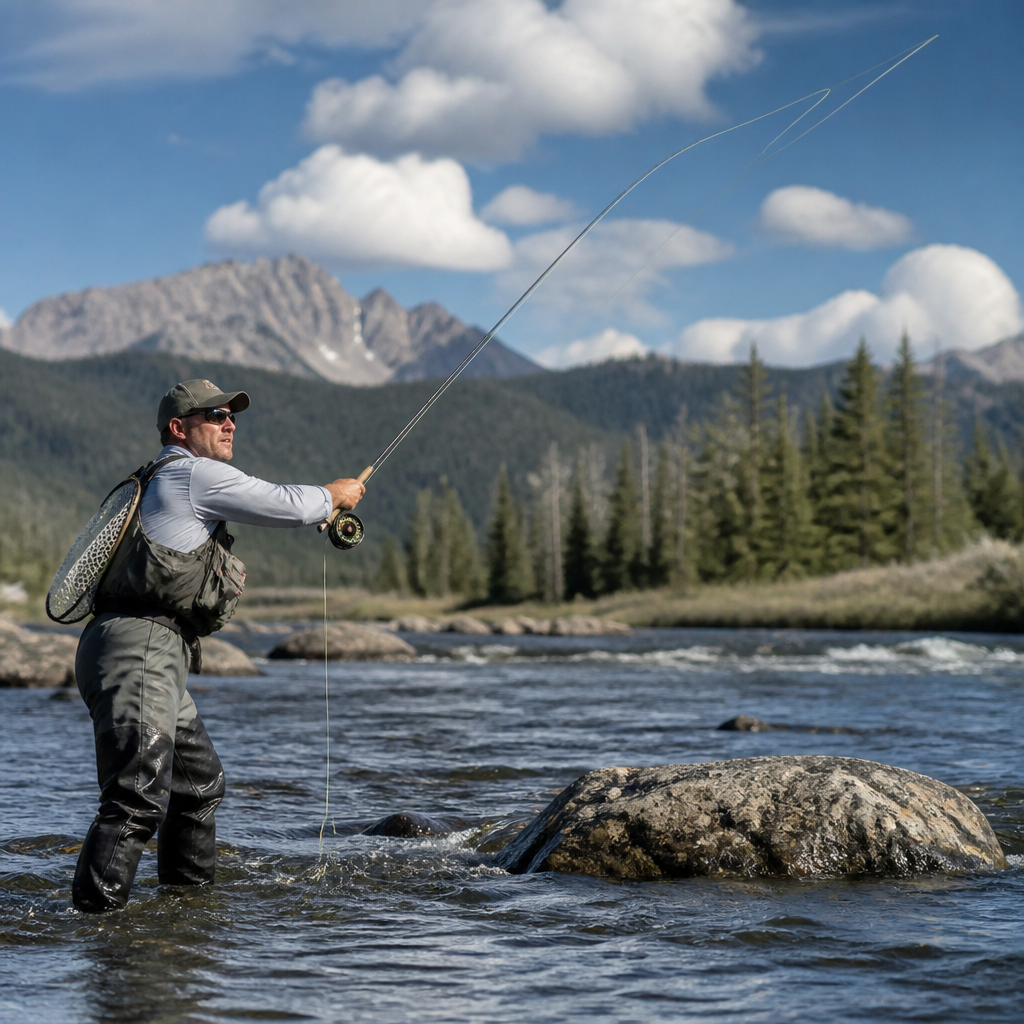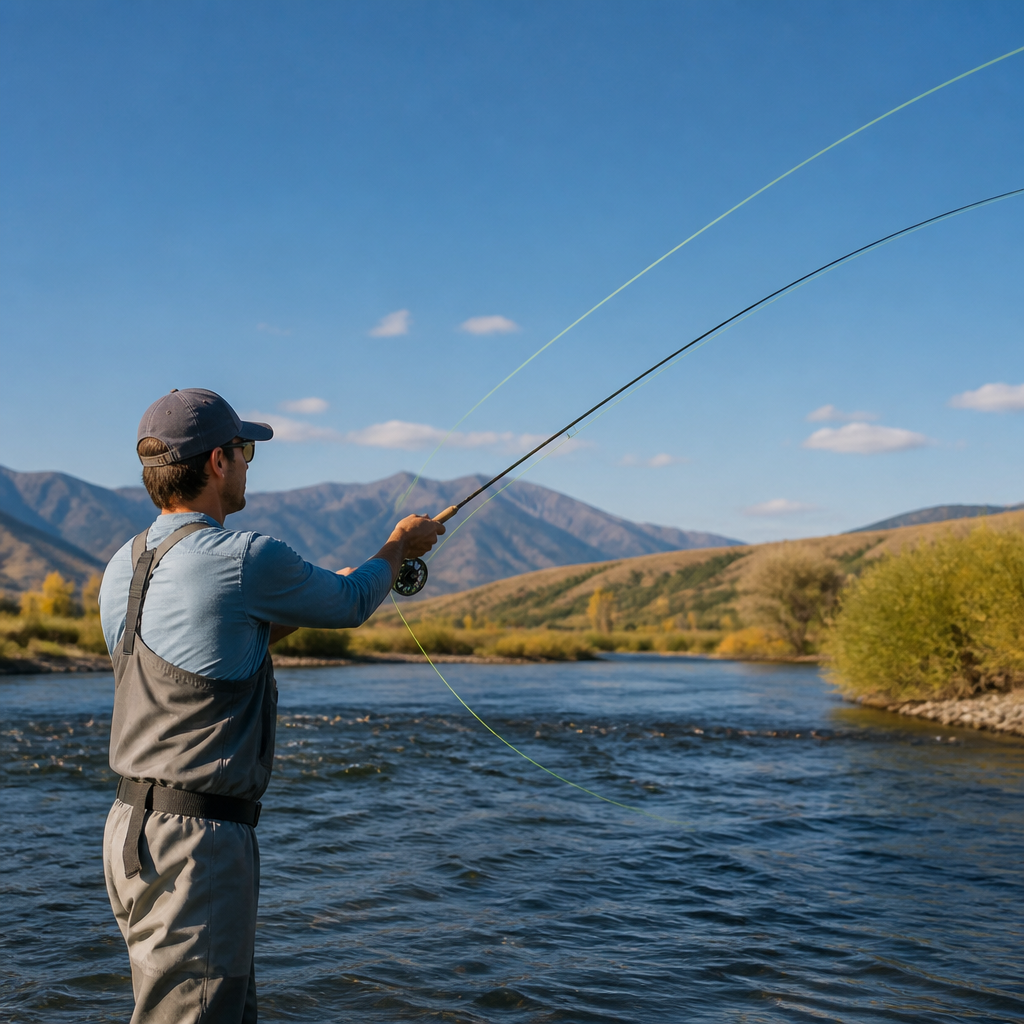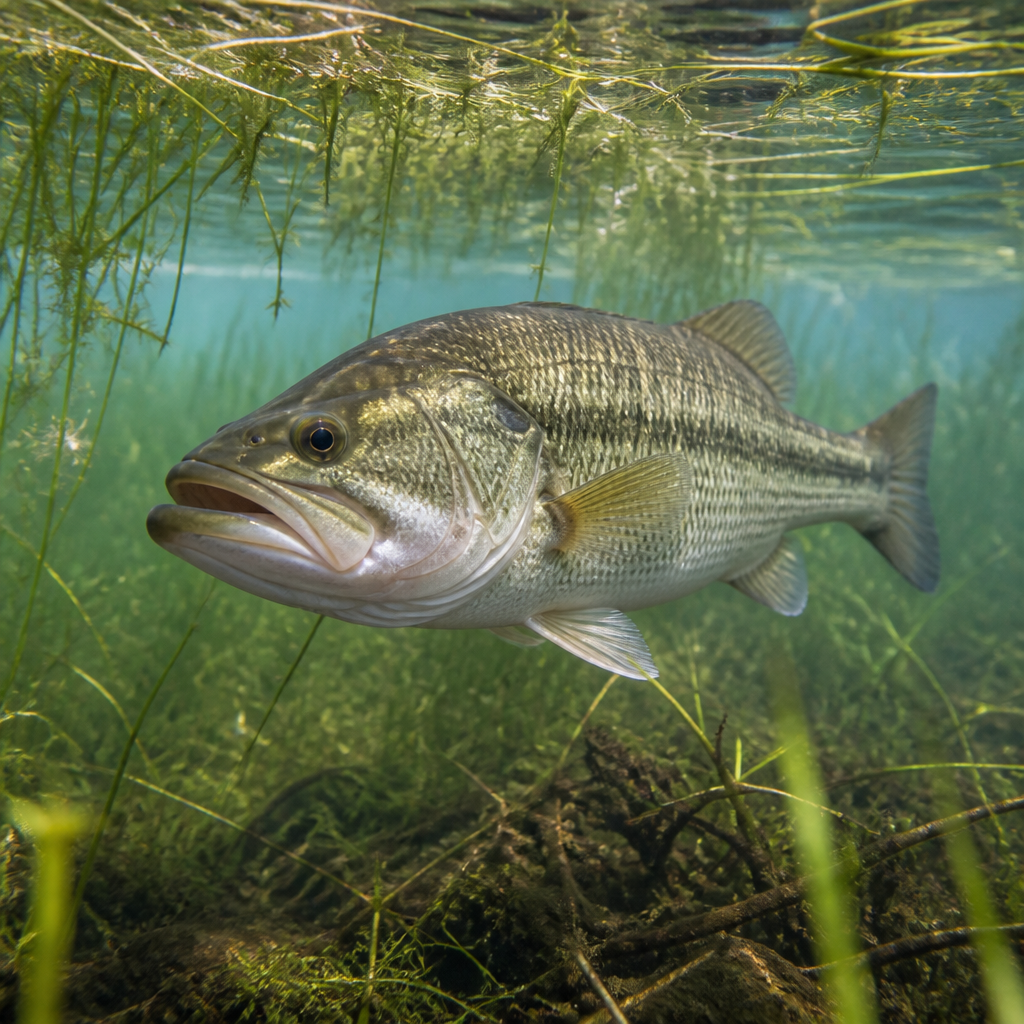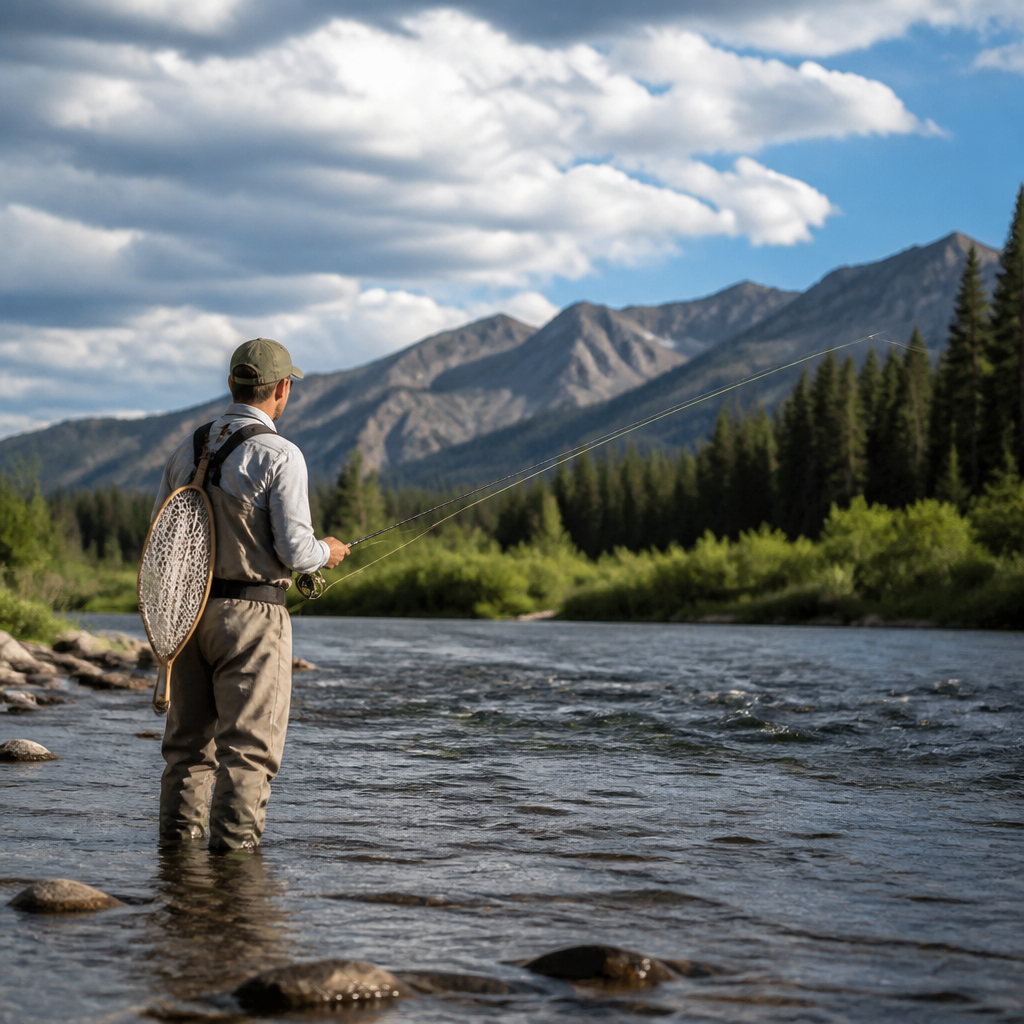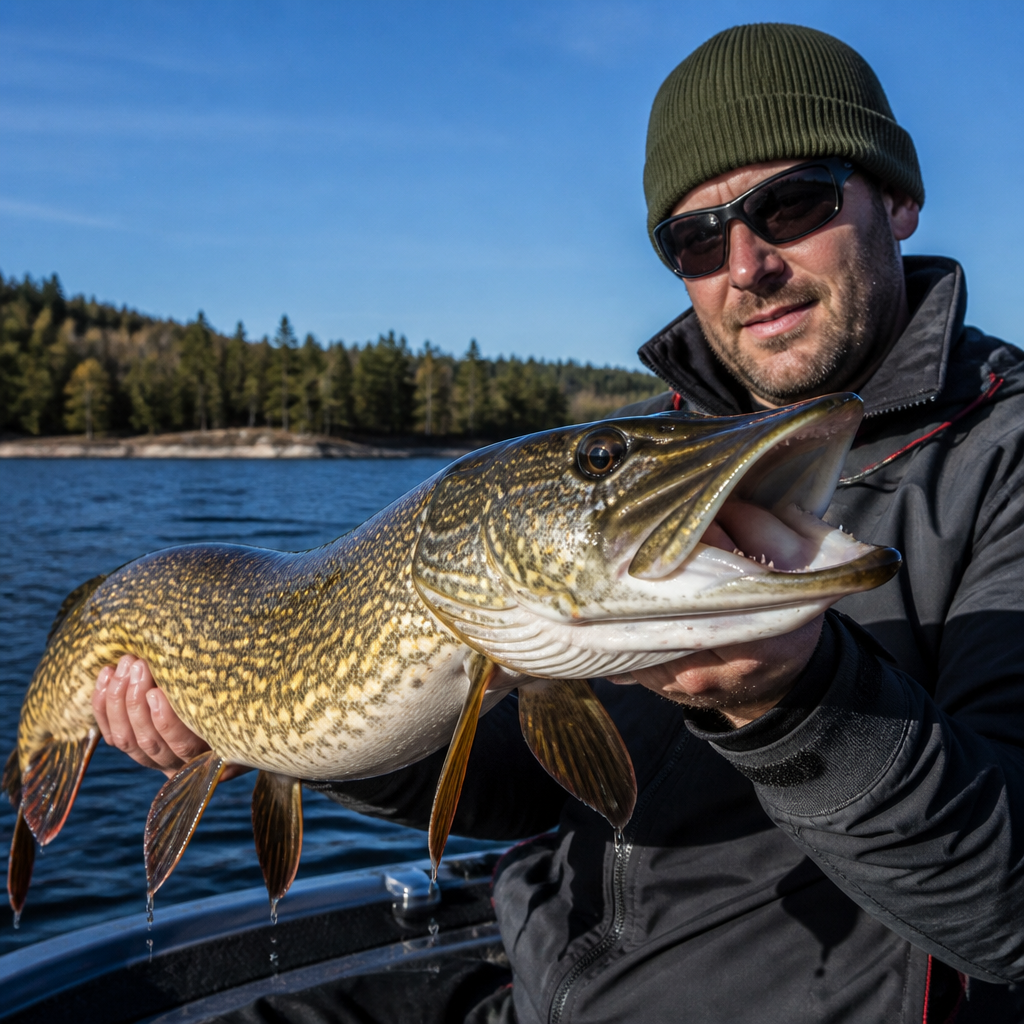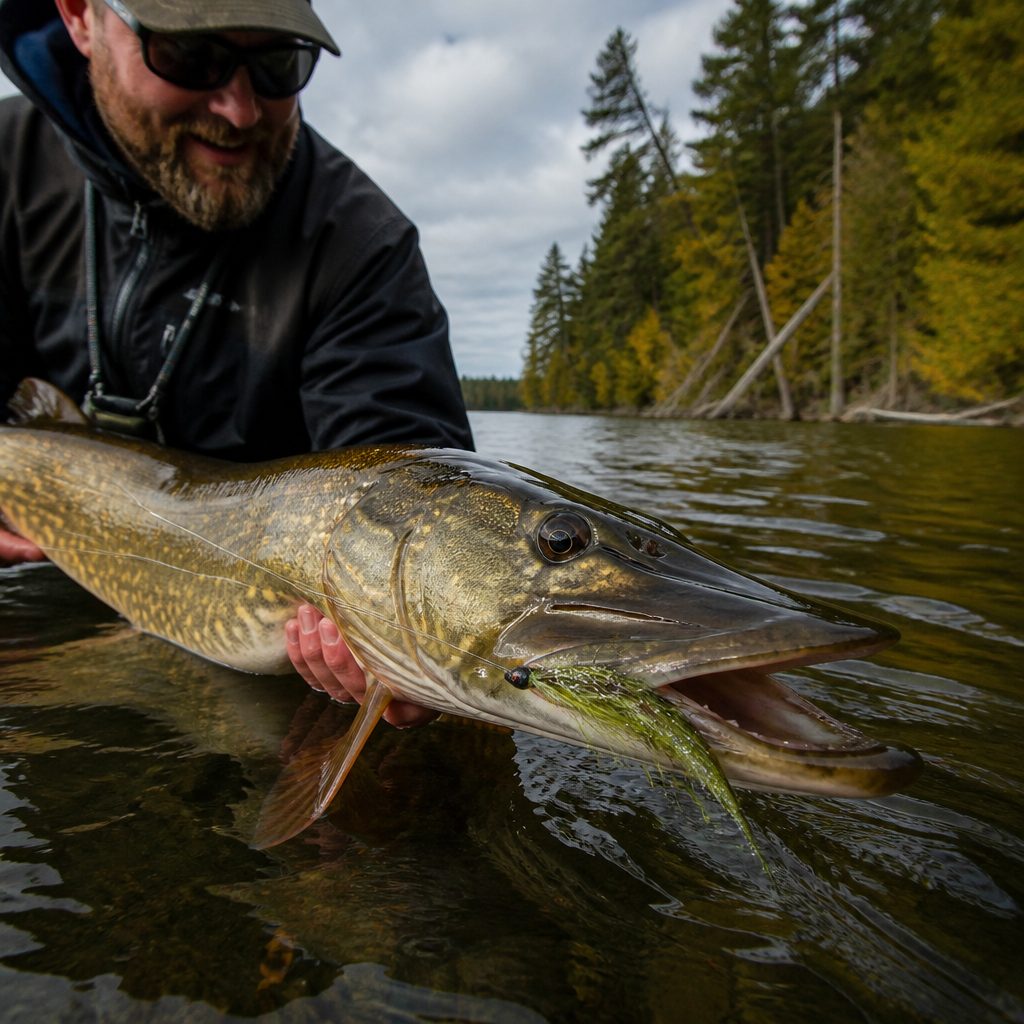
Streamer fishing for pike is one of the most visual, aggressive, and rewarding ways to target Esox lucius, because it matches how these apex predators actually hunt. In practical terms, streamer fishing means presenting an artificial baitfish, leech, or creature pattern with purposeful movement so the fly suggests wounded prey, territorial intrusion, or an easy meal. Pike respond because they are built for ambush: long bodies, explosive acceleration, broad jaws, and hundreds of sharp teeth designed to trap fish, frogs, and waterfowl. When anglers understand that biology, they stop guessing and start choosing patterns, retrieves, and locations that align with the fish’s instincts.
I have fished streamers for pike across shallow weedy lakes, slow rivers, reed-lined bays, and cold shoulder-season reservoirs, and one lesson repeats everywhere: success comes from controlling three variables at once—depth, profile, and speed. A perfect-looking fly fails if it tracks above the fish, arrives too quickly for cold water, or collapses into a lifeless silhouette. A simple pattern can outfish expensive designs when it holds shape, pushes water, and stays in the strike zone. That is why streamer fishing deserves its own hub within techniques and strategies. It is not merely “fly fishing with bigger flies.” It is a system involving tackle balance, seasonal movement, forage matching, hook-up mechanics, fish handling, and pattern selection tailored to pike behavior.
This matters because pike are widespread, accessible, and often under-targeted by fly anglers who assume the learning curve is steep. It is manageable when broken into parts. The core questions are straightforward: where are pike holding, what are they eating, how deep are they positioned, and what retrieve triggers commitment instead of follows? Answer those well and streamer fishing becomes consistent rather than occasional. This article serves as the central resource for streamer fishing for pike, connecting the tactical pieces that support every specialized subtopic, from early-season presentations to fly design, lines, leaders, and figure-eight finishes at the boat.
The foundation begins with behavior. Pike are classic ambush predators, but they are not stationary logs waiting all day. They reposition with temperature, light, oxygen, wind, bait distribution, and spawning cycles. In spring they often use warming shallows and adjacent drop-offs. In summer they may slide into cabbage edges, current seams, deeper weedlines, or windblown structure with cooler, oxygenated water. In fall they feed heavily, often favoring larger prey and longer windows of activity. Streamer fishing excels across all of these phases because it lets an angler cover water horizontally, pause in openings, and keep a large meal visible long enough to provoke a response.
Essential Tackle for Streamer Fishing for Pike
The most efficient setup for streamer fishing for pike is usually a 9-foot 8- to 10-weight rod, paired with a reel that has a dependable drag and a fly line matched to depth and fly size. An 8-weight handles average fish and moderate flies well, especially in calmer conditions. A 9-weight is the all-around sweet spot. A 10-weight becomes useful when casting oversized articulated patterns, dealing with heavy wind, or fishing sinking heads all day. Rod choice is less about fighting strength than cast efficiency and reducing fatigue, because pike flies carry water and create air resistance that quickly exposes underpowered tackle.
Fly lines should be selected by water depth and cover, not habit. A floating line with an aggressive front taper is ideal over shallow weeds, reeds, and flooded grass where you want the fly to ride above vegetation and hover on pauses. An intermediate line covers much of the middle ground in bays, flats, and slow rivers. Fast-sinking integrated lines or shooting heads are valuable on steep edges, deeper basins, and late-season fish that stop rising for a moving fly. I carry all three because pike often shift vertically within the same day as sun, wind, and baitfish movement change.
Leader construction is simple but critical. A short, stout leader turns over large streamers better than a trout-style tapered leader. Many anglers use 4 to 6 feet of 30- to 40-pound mono or fluorocarbon, then attach a bite tippet. The bite section can be knotable wire, single-strand titanium, or heavy fluorocarbon in the 60- to 100-pound range where legal and appropriate. Wire remains the most dependable choice when fish are engulfing flies deeply. A lost trophy due to bite-off is preventable, and ethical pike fishing means planning for teeth, not hoping around them.
Where Pike Hold and How to Read Productive Water
Pike location is rarely random. The best water combines concealment, feeding lanes, and access to depth. In natural lakes, start with emerging weeds in spring, mature cabbage beds in summer, and sharp weed edges or adjacent basins in fall. In rivers, look for backwaters, soft current behind points, slough mouths, undercut banks, and weeded side channels where baitfish collect. In reservoirs, flooded timber edges, tapering points, creek mouths, and wind-driven coves can all concentrate fish. Structure matters, but the presence of forage matters more. If perch, roach, shiners, juvenile panfish, or suckers are present, pike are usually nearby.
Wind is one of the strongest positioning factors. A moderate wind that pushes plankton and bait into a shoreline or bay often activates pike. I routinely begin on the windward side unless water is excessively muddy. Light conditions also shape positioning. Bright sun can tighten fish into weeds, shade lines, and submerged wood, while overcast conditions let them roam edges and open pockets more freely. Water temperature sharpens these movements further. Pike are comfortable in cool water, but prolonged summer warmth can push larger fish toward deeper, cooler zones during midday, with feeding windows early and late.
Electronics help, but visual clues still matter. Watch for nervous bait, swirls in reed gaps, birds working fry, and transitions where sand meets weed or rock meets cabbage. Healthy vegetation is especially important because it supports oxygen, hides prey, and gives pike ambush cover. Dead, slimy weeds are generally less reliable. The biggest mistake I see is fishing attractive cover too quickly. Pike often sit in one clean lane or pocket within a larger weed bed. Repeated casts from different angles can reveal fish that ignored a first pass.
Best Streamer Patterns for Pike and When to Use Them
The best streamer patterns for pike share a few traits: strong silhouette, durable materials, secure hooks, and movement at slow speed. You do not need dozens of flies, but you do need a purposeful range of sizes, sink rates, and profiles. In clear water, natural baitfish colors such as olive-white, perch bars, silver-gray, and tan are dependable. In stained water, black, chartreuse, orange, and firetiger variants increase visibility. Flash helps in low light, but too much flash can reduce realism in clear, calm conditions.
Classic pike streamers include Deceivers, Hollow Fleyes, Bucktail baitfish, articulated synthetic patterns, rabbit-strip streamers, and bulked-up game changers. Bucktail shines because it sheds water and casts better than many soft synthetics while maintaining profile. Rabbit offers unmatched motion, especially on pauses, but can become heavy. Articulated patterns track with a natural swimming action and often trigger larger fish, though they demand stronger casting mechanics. Tube flies are also effective because they allow easy hook replacement and can reduce leverage during the fight.
| Pattern style | Best conditions | Main advantage | Typical size |
|---|---|---|---|
| Bucktail baitfish | Wind, long casting, mixed depths | Easy turnover with stable profile | 5 to 8 inches |
| Rabbit-strip streamer | Cold water, slow retrieves, pressured fish | High motion on the pause | 4 to 7 inches |
| Articulated synthetic | Big fish water, fall feeding windows | Large silhouette with lifelike swim | 6 to 10 inches |
| Tube fly | Toothy fish, heavy use, easy hook changes | Durability and better hook positioning | 5 to 9 inches |
Size should follow forage and season rather than ego. In spring, 4- to 6-inch flies often match smaller prey and slower fish. Summer allows broader experimentation, especially around perch and panfish forage. Fall is when truly large streamers, sometimes 8 to 10 inches, can be excellent because pike seek maximum calories per chase. Still, large flies are not automatically better. If fish are following without eating, downsizing or thinning the profile often converts interest into strikes.
Retrieve Styles, Hookups, and Boat-Side Triggers
Retrieve is the trigger most anglers control best, and pike reward deliberate variation. A standard starting retrieve is two medium strips followed by a brief pause. That creates a dart-dart-hang cadence that resembles a wounded baitfish. In cold water, longer pauses and slower pulls are often superior because pike will track and then inhale when the fly suspends or drops. In warm water or during active feeding windows, harder strips with occasional acceleration can provoke competitive strikes. The key is to watch followers. A pike that tracks steadily may want a pause; a fish that fades off may need a sudden burst.
Strip-set mechanics are essential. Do not trout-set. When a pike eats, keep the rod low, drive the line back with firm repeated strips, and only lift once tension is solid. Their mouths are hard and bony in places, and a single soft lift often results in a brief connection and quick escape. Sharp hooks matter more than many realize, especially after contacting reeds, wood, or fish teeth. I check points constantly and replace or hone them the moment they drag on a thumbnail.
Many pike are lost beside the boat because anglers stop the fly too early. Always finish with a wide oval or figure-eight boatside move. This is standard in musky fishing and equally important for pike. Predators often follow under the fly without revealing themselves until the final seconds. A smooth turn keeps the fly moving, changes direction in a triggering way, and gives the fish one more chance to commit. Use longer rod reach on sinking lines to keep the fly tracking cleanly through the turn. Countless fish that seemed uninterested have eaten during that last maneuver.
Seasonal Strategies and Common Mistakes
Spring streamer fishing for pike usually centers on warming water near spawning areas, emergent vegetation, and dark-bottom flats. Fish may be shallow for much of the day, and a floating or intermediate line with moderate-size streamers often covers them well. Summer demands more attention to oxygen, shade, and weed health. Early morning and evening can be best, though windy afternoons also produce when bait gets pushed into structure. Fall is prime time for larger fish and larger flies, particularly near deep weed edges, points, and bait-rich basins where pike prepare for winter.
The most common mistakes are predictable. Anglers fish too fast in cold water, too shallow when the sun climbs, or too light a leader around big fish. They cast only to the obvious weedline and ignore nearby pockets, transitions, and secondary edges. They bring one line instead of adjusting to depth. They use flies that look impressive in hand but foul easily or collapse in the water. They quit on follows rather than changing cadence, color, or angle. Pike give feedback quickly, and successful streamer anglers treat each follow as information, not frustration.
Handling and release should also be part of strategy. Use long pliers, quality hook cutters, and a large knotless net. Keep fish in the water as much as possible, support the body horizontally, and avoid prolonged photo sessions, especially in warm conditions. Heavy tackle shortens fights and improves recovery. Responsible fish care is not separate from effective technique; it is part of the standard for pike fishing done well.
Building a Streamer Fishing Hub and Next Steps
As a hub topic within techniques and strategies, streamer fishing for pike should lead anglers into specialized decisions rather than pretend one article can replace every detail. The core system is now clear: choose tackle that casts large flies efficiently, fish waters that combine cover with forage, select patterns by profile and visibility, vary retrieve based on fish mood and temperature, and finish every cast with a boatside trigger. Once those pieces are in place, the next layer is refinement. That includes dedicated articles on floating versus sinking lines, leader formulas for wire and heavy fluorocarbon, seasonal fly boxes, fly-tying materials, river-specific approaches, and advanced figure-eight execution.
The main benefit of streamer fishing is control. You control depth with line choice, speed with cadence, profile with pattern design, and presentation angle with boat position or wading approach. That control makes pike behavior easier to read and repeat. It also makes the method exciting, because strikes are often visual and follows teach you something every time. If you want to become consistent with pike on the fly, start by simplifying your box, carrying the right lines, and focusing on where bait and healthy cover intersect. Then build outward from this hub into the specific streamer fishing tactics that fit your water, season, and preferred style.
Frequently Asked Questions
What makes streamer fishing so effective for pike compared to other fly presentations?
Streamer fishing is especially effective for pike because it closely imitates the type of prey these fish are biologically designed to attack. Northern pike are classic ambush predators. They do not usually spend energy sipping tiny food items one at a time. Instead, they position themselves near weed edges, drop-offs, reeds, timber, and other structure, then explode on baitfish, juvenile perch, suckers, roach, and anything else that looks vulnerable. A streamer plays directly into that instinct by presenting a moving, visible target that suggests an injured baitfish, a fleeing intruder, or an easy meal.
Another reason streamers work so well is that they allow the angler to trigger both feeding and reaction strikes. Pike often eat out of pure predatory intent, but they will also lash out at a fly that invades their space or behaves erratically. A well-designed streamer with a broad profile, strong movement, and clear silhouette can provoke that violent response even when fish are not actively chasing schools of bait. This is why pike streamer takes are often so visual and aggressive: the fly is not just present, it is communicating vulnerability and urgency.
Streamers also give the angler a high degree of control over depth, speed, and action. By changing line type, fly weight, retrieve cadence, and pause length, you can fish shallow weed flats, mid-depth transition zones, or deeper edges where larger fish often hold. That adaptability is important because pike behavior changes with water temperature, light levels, forage location, and season. A streamer can be stripped fast to imitate fleeing prey, crawled slowly through cold water, or pulsed in place around cover to tempt a following fish into committing.
Finally, streamer fishing is effective because it presents a large, visible meal worth the effort. Pike are opportunists, but they are also built to capitalize on substantial prey items. A bigger fly profile often helps larger fish make the decision to strike. In short, streamer fishing works because it matches pike anatomy, pike behavior, and pike feeding psychology better than almost any other fly approach.
What are the best streamer patterns and colors for pike?
The best pike streamers are patterns that push water, show a strong silhouette, and maintain an appealing profile during the retrieve and the pause. Pike are not usually selective in the delicate, trout-like sense, but they do respond strongly to flies that look alive and substantial. Effective patterns commonly imitate baitfish, leeches, frogs, or generalized “creature” prey. Hollow-tied baitfish, deceiver-style flies, bunny strip streamers, synthetic predator patterns, and articulated flies are all proven choices because they combine movement with bulk.
In terms of design, profile often matters more than exact imitation. Pike are accustomed to targeting prey from the side or below, often in stained water or around vegetation. A fly that shows a broad shoulder, flowing tail, and clear head-to-tail shape is easy for them to track and kill. Materials such as bucktail, flash, rabbit strips, SF blend, and other synthetic fibers are popular because they create motion without becoming too heavy to cast. Articulated flies are also valuable because they produce a wounded, hinging action that can trigger fish that are following but not fully committed.
Color choice should be based on water clarity, light conditions, and local forage. In clearer water, natural patterns such as white, olive, perch, silver, gray, and tan often excel because they resemble common baitfish. In stained water, darker or higher-contrast colors like black, red, orange, chartreuse, and firetiger can stand out better. White remains one of the most versatile pike colors because it is visible, baitfish-like, and easy to see during the retrieve. Black is another underrated option, especially in low light, because it creates a strong silhouette. Bright accent colors can also help provoke territorial or reaction strikes.
Fly size matters as much as color. Many productive pike streamers fall in the 5- to 10-inch range, though smaller flies can be excellent during cold water periods or when forage is small. Large flies often appeal to larger fish, but they should still be castable and fishable for long periods. The best approach is to carry a range of patterns: a few slim baitfish flies for pressured fish, some larger profile streamers for hunting big pike, and a handful of bright attractor-style patterns for dirty water or aggressive conditions.
How should you retrieve a streamer when targeting pike?
The most effective retrieve for pike is rarely random. It should be deliberate, varied, and based on how pike are positioned and how actively they are feeding. As a starting point, think in terms of making the fly look vulnerable. Pike often key on prey that appears injured, separated, or indecisive, so a retrieve that combines motion with hesitation is often more effective than one that is simply fast and steady. Long strips, short bursts, sudden pauses, and directional changes can all suggest a struggling baitfish.
A very reliable baseline retrieve is a strip-pause cadence. Two or three firm strips followed by a brief pause often gives the fly enough life to attract attention, then enough slack to flutter, hang, or stall in a way that invites the strike. Many pike eat on the pause, especially if the fly suspends or sinks slowly with materials that continue moving after the line stops. This is why streamers with rabbit, marabou, or flowing synthetic fibers can be so dangerous: they keep “breathing” even when the angler is doing nothing.
Retrieve speed should match water temperature and fish mood. In warmer water, pike may respond well to aggressive strips that force a reaction. In cold water, a slower retrieve with longer pauses often works better because fish are less willing to chase. Around weed edges or visible cover, it often pays to accelerate the fly as it clears the structure, since that is when a hidden pike may commit. If a fish follows without eating, changing speed near the boat or shore can trigger a last-second strike. Figure-eight or broad sweeping motions at the end of the retrieve are particularly important because pike frequently track a fly all the way in before deciding.
The key is experimentation. If fish are showing but not eating, change one variable at a time: strip length, pause duration, retrieve speed, or fly depth. Sometimes the difference between a follow and a crushing take is simply extending the pause by a second or making the fly dart more violently. Pike streamer fishing rewards anglers who treat the retrieve as part of the pattern itself, not just a way to bring the fly back.
Where should you look for pike when fishing streamers?
Pike are structure-oriented predators, so the best places to fish streamers are areas that combine cover, ambush lanes, and access to food. Weed beds are among the most classic pike locations because they provide concealment and hold baitfish. Focus on outside weed edges, pockets in submerged vegetation, sparse cabbage beds, and transitions where open water meets cover. Pike often sit just inside or beside these zones, waiting to surge out and intercept prey. Casting parallel to the weed line is frequently more effective than casting straight into it because the fly stays in the strike zone longer.
Reed lines, fallen timber, docks, creek mouths, shallow bays, and points can also be excellent. In lakes, pike often patrol flats adjacent to deeper water, especially if bait is present. In rivers, slower backwaters, current breaks, sloughs, and eddies near vegetation can hold fish. Any place that lets a pike remain concealed while monitoring prey movement is worth attention. Larger fish in particular often prefer edges and transitions rather than featureless open water, even though they may move out to feed at certain times.
Seasonality matters. In spring, pike are often found in shallow, warming water, especially near spawning areas and newly emerging vegetation. During summer, they may remain in productive weed systems but shift deeper or position in cooler, better-oxygenated zones during bright or hot periods. In fall, pike often feed heavily and may concentrate near baitfish schools, steep edges, and dying weed lines. Understanding these seasonal movements helps you choose both where to cast and how deep to fish your streamer.
Visual clues are helpful too. Watch for bait activity, cruising fish, nervous water, openings in weeds, and places where wind pushes forage. Wind can be a major advantage because it concentrates food and positions predators. If you are covering a large area, prioritize spots that offer multiple ingredients at once: weeds, depth change, current or wind influence, and visible bait. Pike rarely hold in truly random places. If you think like an ambush predator, likely streamer water becomes much easier to identify.
What tackle and leader setup do you need for streamer fishing for pike?
Pike streamer fishing demands tackle that can cast large, wind-resistant flies, control strong fish, and withstand extremely sharp teeth. Most anglers do well with rods in the 8- to 10-weight range, with a 9-weight being one of the most versatile choices. That size has enough backbone to throw bulky flies, handle sink-tip or full sinking lines, and pressure large fish around weeds and structure. Reels