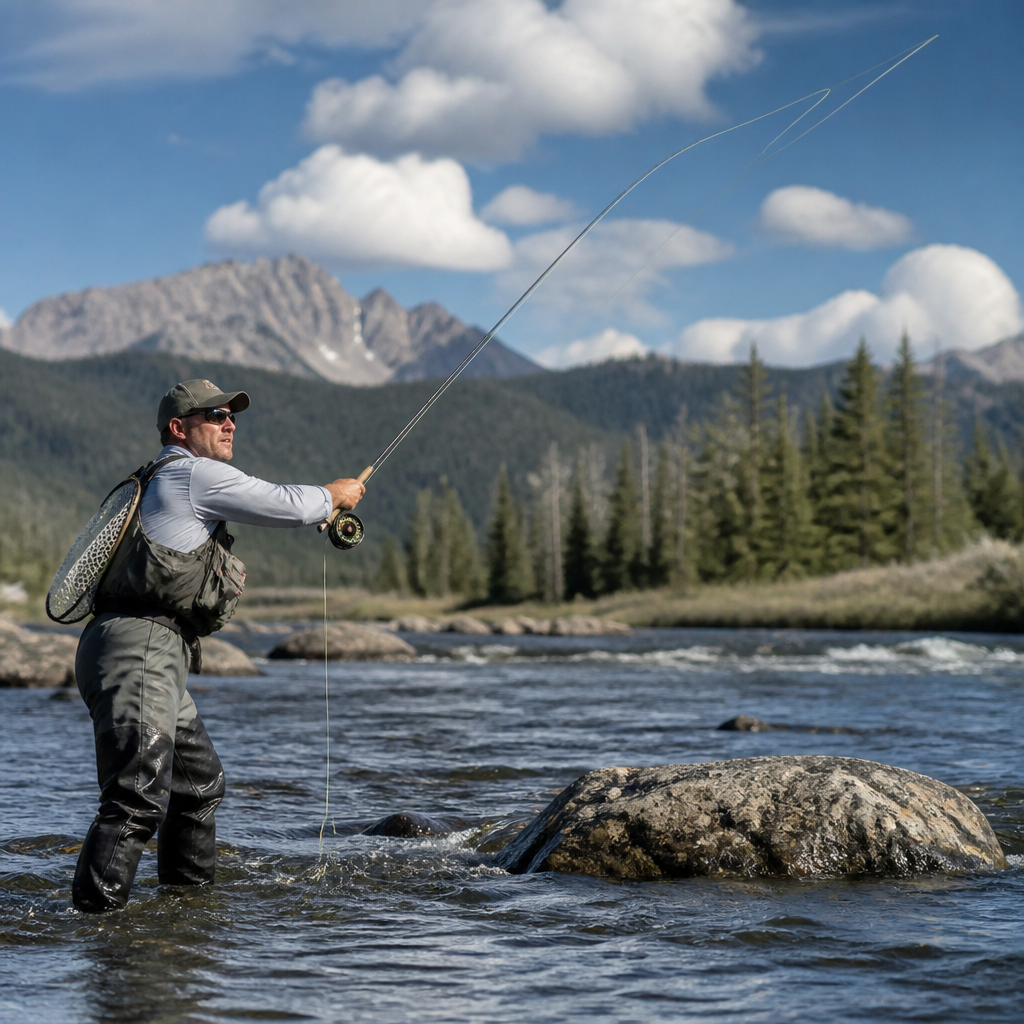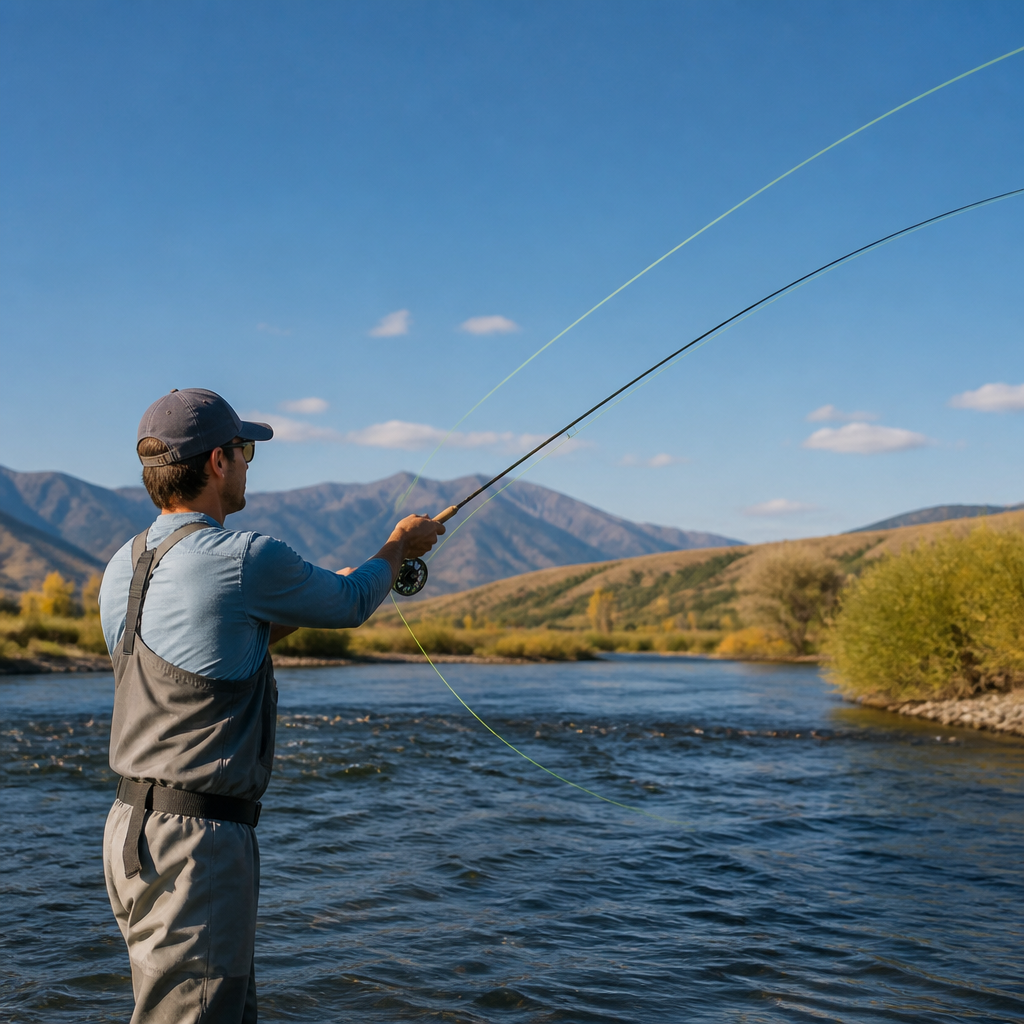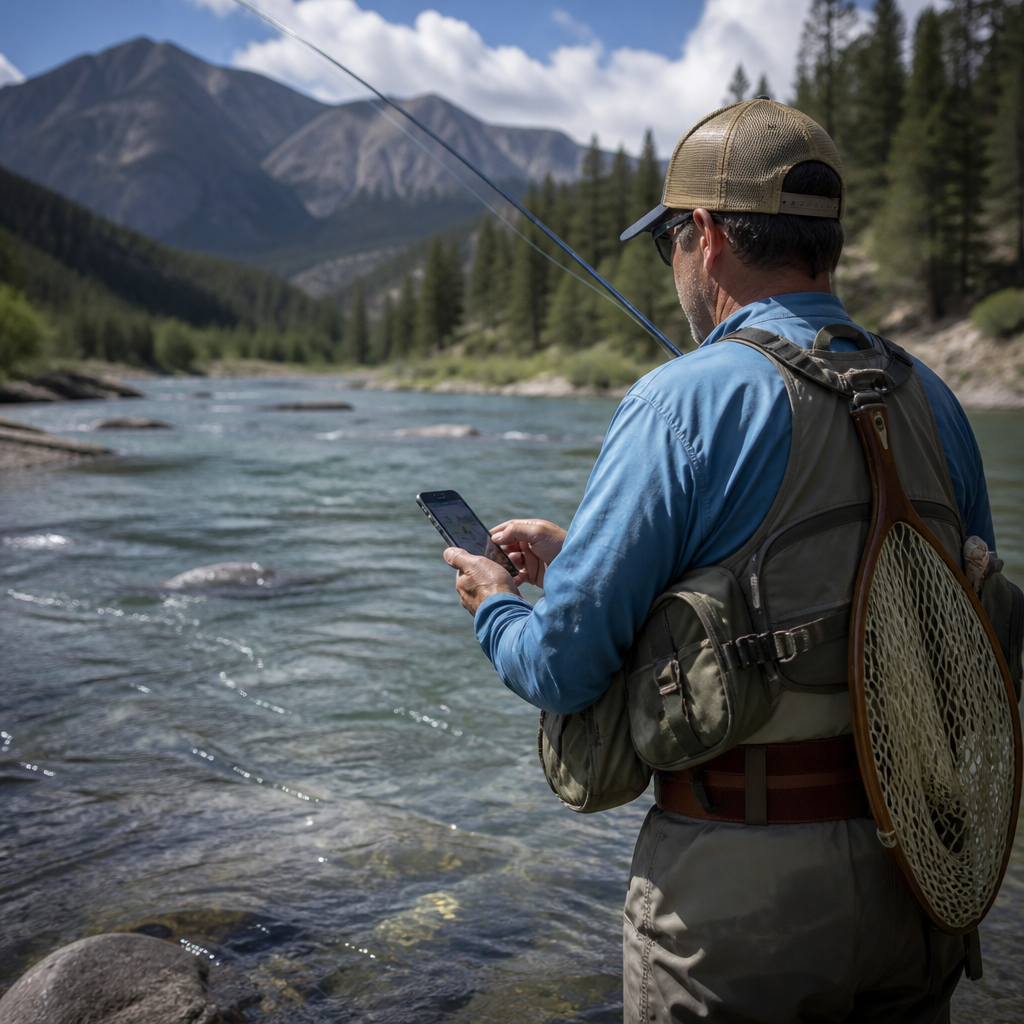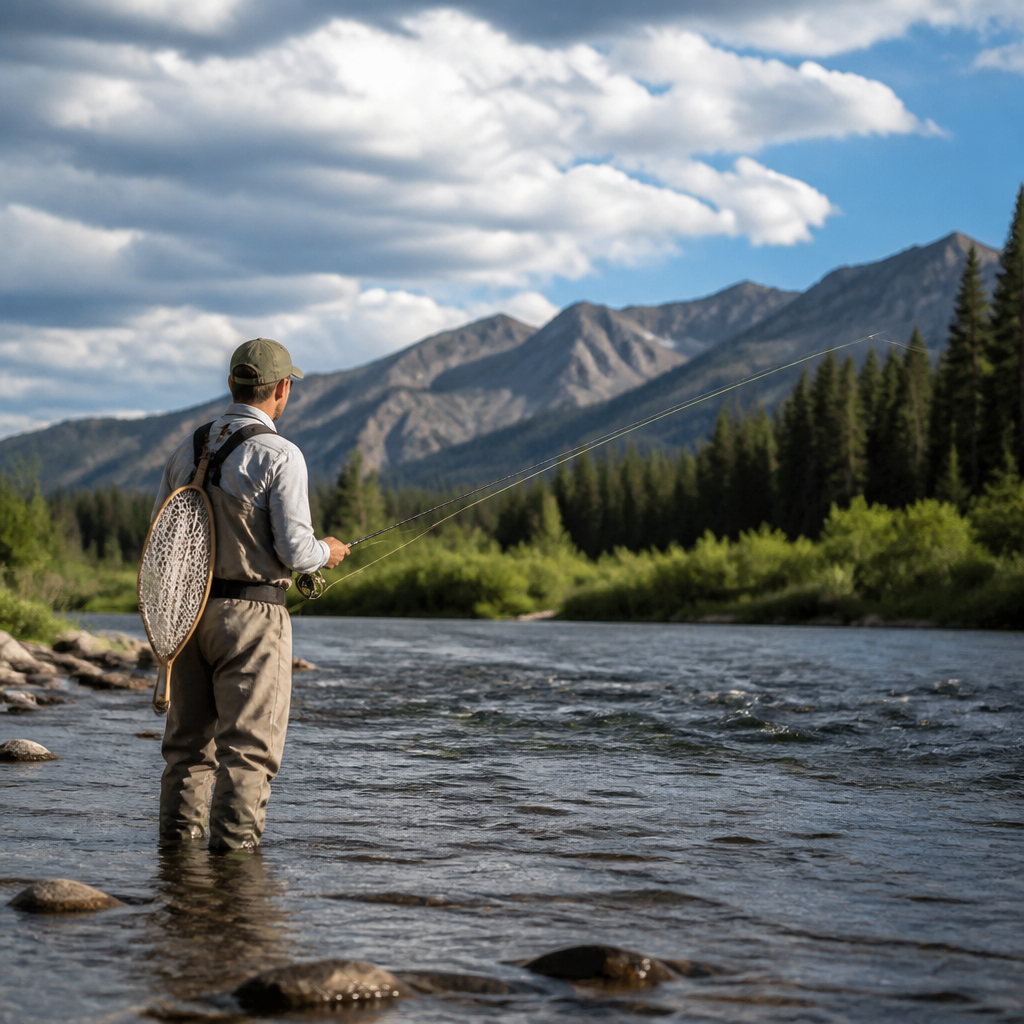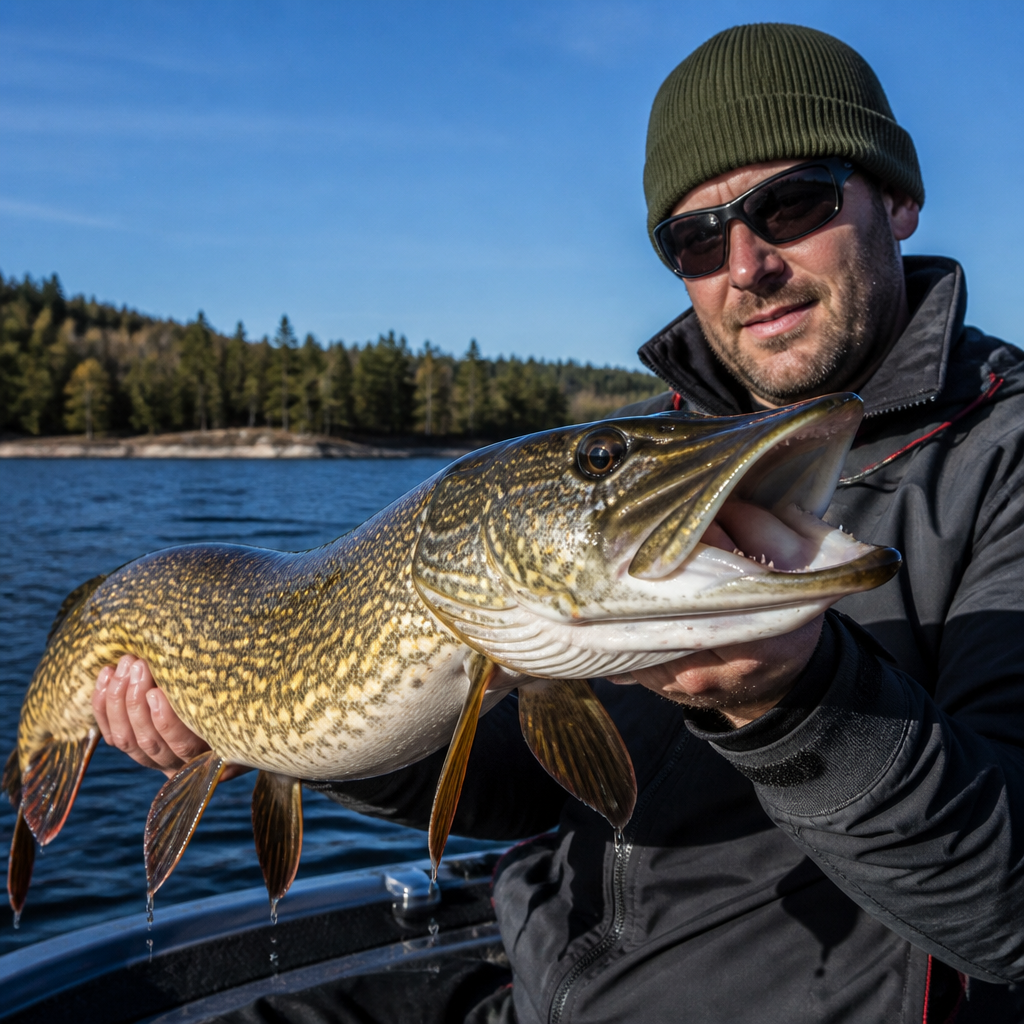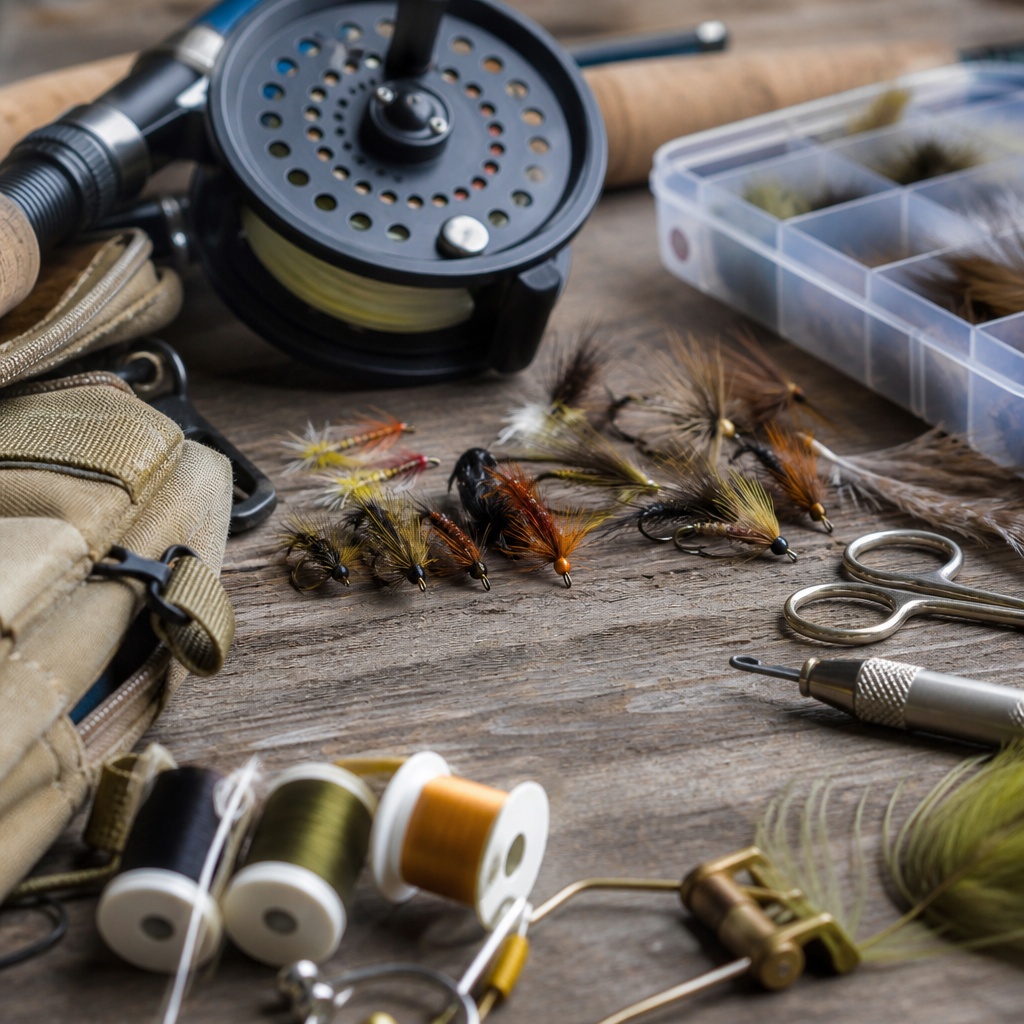
Customizing your fly gear turns standard equipment into a system matched to your casting stroke, target species, home water, and fishing style. In practical terms, customization means modifying rods, reels, lines, leaders, packs, accessories, and rigging so each component works together with less waste and more control. Advanced fly fishing techniques depend on that fit. When your gear is tuned correctly, mending becomes cleaner, drift management gets easier, hook sets improve, and repeated presentations cause less fatigue. I have learned this on rivers where a stock setup felt acceptable at dawn and frustrating by noon, especially when wind shifted, hatches changed, or fish moved from shallow riffles to deeper seams.
For experienced anglers, the goal is not to buy the most expensive setup; it is to remove friction from every step between spotting a fish and landing it. That matters because small inefficiencies compound. A reel with the wrong retrieve feel slows line pickup on a fast eat. A generic leader formula collapses under a bushy dry fly. A pack layout that buries split shot or tippet wastes valuable minutes during a short feeding window. Customizing your fly gear addresses these problems systematically. It supports specialized approaches such as euro nymphing, streamer fishing, technical dry fly work, stillwater presentations, and saltwater sight fishing, while also helping you transition between methods without carrying unnecessary clutter.
This hub article covers advanced techniques for customizing fly gear at a high level, with practical detail. It explains how to match rod action to application, balance reel and line choices, build purpose-driven leader systems, organize accessories for efficiency, and adapt for different fisheries. It also clarifies tradeoffs: more specialization can improve performance, but it can reduce versatility if taken too far. If you want your equipment to support better presentation, faster decision-making, and more consistent results, the smartest next step is not another random purchase. It is a deliberate custom plan built around how, where, and why you fish.
Match Rod Action, Length, and Grip to Technique
Rod customization starts with identifying the presentations you use most often, because action and length directly influence line control. Fast-action rods recover quickly, throw tight loops, and handle wind better, which makes them valuable for streamers, long nymph rigs, and saltwater shots. Moderate actions protect lighter tippets and load at shorter distances, which helps with dry fly accuracy and close-range casting on smaller rivers. Length matters just as much. A 10-foot 3-weight built for euro nymphing gives superior reach, better contact, and easier lead control than a standard 9-foot rod, while a 9-foot 5-weight remains a broad all-around choice for trout anglers who switch between dries, nymphs, and small streamers.
I usually advise anglers to evaluate rod fit by three metrics: recovery speed, tip stability, and tracking. Recovery speed affects loop shape after the stop. Tip stability determines whether the rod tip wobbles and throws tailing tendencies into the cast. Tracking describes how straight the rod follows the casting plane. If one of those feels off, the problem may not be your stroke alone. Customizing can include changing fighting butt size, grip shape, or even adding a subtle balancing counterweight in the reel selection process. Half-wells grips often suit all-purpose trout work, while full-wells grips offer more support for heavier rods and two-handed pressure. Small ergonomic changes reduce hand fatigue during long streamer sessions.
Some anglers also personalize guide layouts and wraps when building or commissioning a custom rod. That is not cosmetic trivia. Guide spacing can influence line slap, shooting efficiency, and recovery feel, especially on long rods used for contact nymphing. High-frame stripping guides may improve line flow on cold days when memory is an issue. Recoil-style guides can reduce weight, though they bring tradeoffs in sound and feel. The best rod customizations are technique driven. If your advanced fly fishing techniques require aerial mends, tuck casts, or repeated roll cast pickups, choose dimensions and components that reinforce those exact jobs rather than chasing a generic “do everything” build.
Dial In Reel Balance, Drag, and Retrieval Speed
A fly reel is more than a line holder once you begin fishing technical conditions or stronger fish. Customizing here means balancing the rod correctly, selecting a drag system suited to your quarry, and matching arbor size to the way you recover line. On trout rods, balance affects wrist strain and tip control. A slightly heavier reel can make a long rod feel more neutral in the hand, which matters when high-sticking for hours. On stillwater and saltwater outfits, large-arbor reels retrieve line faster and reduce coiling, helping you stay tight after a strip set or a fish charging the boat.
Drag choice should be deliberate. Click-and-pawl reels remain excellent for light-line dry fly fishing where finesse and simplicity matter. Sealed disc drags are the standard for larger trout, steelhead, salmon, carp, pike, and saltwater species because they deliver consistent resistance under load and resist water intrusion. Smooth startup inertia is critical. If a drag sticks at the start, light tippets pop. I have seen anglers blame knots when the real issue was a poorly maintained drag stack. Routine service, clean backing arbor surfaces, and accurate backing tension during spooling all contribute to real performance.
Retrieve orientation and handle feel are often overlooked customization points. If you switch between species, test whether your retrieve direction supports your dominant hand for strip setting and rod control. Some anglers fighting bonefish or false albacore prefer the rod in the dominant hand at all times and retrieve with the opposite hand to eliminate awkward transfers. Handle knob size also matters in cold or wet conditions. A larger textured knob is easier to grab with numb fingers. These details sound minor until a fish runs forty yards and turns back toward you. Then every fraction of a second in line pickup counts.
Choose Fly Lines and Heads for Specific Presentations
Fly line is the most influential customization lever in the entire setup because it determines how the rod loads and how the fly turns over. Many advanced problems trace back to the wrong taper. Weight-forward trout tapers with longer front sections excel at dry fly delicacy and controlled mends. Aggressive compact heads load fast-action rods quickly and turn over indicators, split shot, and bulky streamers with less false casting. Integrated shooting heads shine for distance and reduced hinge points, while separate head systems give unmatched flexibility for changing sink rates in stillwater, surf, or big-river streamer work.
Line selection should account for grain weight, head length, rear taper behavior, core type, and coating stiffness. For example, a euro nymphing setup often replaces a conventional fly line with a thin level competition line or specialized mono-style system to reduce sag and improve contact. A tropical saltwater line uses a stiffer core so it will not turn limp on hot decks, while a coldwater line stays supple during winter trout fishing. Scientific Anglers, Rio, Airflo, and Cortland each publish taper and grain data; serious anglers should study those charts instead of relying only on line weight labels, which can obscure major differences in head mass.
| Technique | Ideal Line Style | Why It Works |
|---|---|---|
| Technical dry fly | Long-belly or finesse weight-forward floating line | Improves delicate turnover, controlled mends, and drag-free drifts |
| Indicator nymphing | Short-head power taper floating line | Turns over indicators, shot, and multi-fly rigs efficiently |
| Euro nymphing | Thin competition line or mono-style system | Reduces sag, increases sensitivity, and improves contact |
| Streamer fishing | Sink-tip or integrated sinking head | Gets flies down quickly and maintains tension during strips |
| Stillwater | Interchangeable full sink or intermediate head system | Covers multiple depths without changing reels |
One advanced tactic is marking line reference points with a permanent micro mark or whipped indicator tag near the head transition so you can repeat productive casting distances and mend positions. Another is carrying spare spools or cassette systems to switch from floating to intermediate or Type 3 sinking lines as conditions change. The point of fly line customization is precision. When a line complements your rod and intended presentation, casting becomes simpler, not harder, and your fly spends more time fishing effectively.
Build Leader and Tippet Systems with Purpose
Advanced anglers do not treat leaders as disposable add-ons. They design them as energy-transfer systems. Leader length, butt stiffness, taper rate, and terminal diameter all influence turnover, slack presentation, sink rate, and drift. For technical dry fly fishing, a 12- to 15-foot leader with a supple tippet can buy extra separation from wary trout. For hopper-dropper rigs, a stronger butt section and stiffer midsection help carry weight and resist collapse. For streamers, many anglers shorten dramatically and use straight fluorocarbon or a simple stepped leader to improve turnover and depth control.
Material choice is situational. Nylon generally floats better and offers more stretch, which helps on dry flies and shock absorption. Fluorocarbon sinks faster, is more abrasion resistant, and often works better for subsurface rigs. The refractive-index discussion gets overstated, but its density advantage is real in nymphing and streamer applications. Knots matter just as much as material. Blood knots keep profiles slim in tapered leaders, while triple surgeon’s knots are faster and more forgiving streamside. For attaching flies, the improved clinch remains common, but a Davy knot can be excellent for tiny dries, and a non-slip loop knot gives streamers freer action.
Customization also means standardizing your formulas so you can rebuild quickly. I keep a few proven systems: a long dry fly leader, a compact indicator leader, a contact nymph leader with a sighter, and a short streamer leader. Once you know the butt and tippet sections that behave correctly with your line, stop reinventing them every trip. Label spools, pre-tie sections, and store them in small zip sleeves or leader wallets. Consistency is a competitive advantage in serious fishing. It reduces streamside guesswork and lets you troubleshoot presentation problems logically instead of changing three variables at once.
Organize Accessories and Packs for Speed on the Water
Customizing your fly gear is incomplete if your tools are poorly organized. Efficient layout increases fishing time and reduces mistakes. The best pack setup places highest-frequency items where your hands naturally go: nippers, forceps, floatant, indicators, split shot, and primary tippet sizes. Lower-frequency items like spare reels, rain layers, and camera gear can ride deeper. Sling packs are excellent for mobility and quick access; chest packs keep tools centered and visible; lumbar packs reduce shoulder fatigue and work well for anglers who wade hard. There is no universal winner. The right choice depends on your casting style, layering system, and how often you kneel, scramble, or fish from a boat.
Use retention deliberately. Zingers are useful for nippers and forceps but can create noise and tangles if overused. I prefer one retractable tool and secure pockets for the rest. Waterproof pouches protect phones, licenses, and leader packets. Magnetic fly patches speed up changes, but they should not replace dry storage for delicate flies after use. Boat anglers should separate terminal tackle by technique in labeled micro boxes: indicators and anchor flies in one, dry-dropper components in another, streamer leaders and sink tips in a third. That setup reduces mental load when conditions shift quickly.
Do not ignore clothing and wading customization. Studded boots, aluminum bars, or rubber soles each suit different bottoms, and the wrong choice affects safety and stealth. Wader belt placement, layering thickness, and stripping basket position all influence casting mechanics and comfort. On saltwater flats, I customize with a hard-sided fly box that resists crush, a stripping guard for line management, and sun gloves that preserve dexterity. These are small decisions, but they keep advanced techniques functioning under real conditions rather than just in theory.
Adapt Your System to Water Type, Species, and Seasonal Change
The final layer of customization is environmental. A trout angler fishing spring creeks needs a different system than one covering freestone pocket water, and both differ from someone targeting redfish or smallmouth. Water clarity, current speed, average casting distance, fish behavior, forage size, and legal regulations should all shape your setup. On clear technical rivers, longer leaders, thinner tippets, muted pack colors, and soft presentations matter. On heavy pocket water, shorter leaders, more aggressive line tapers, and visible sighters improve contact and strike detection. For bass and pike, wire or heavy bite tippets may be mandatory, along with rods that can move large flies without exhausting the caster.
Seasonal shifts should trigger gear audits. Spring runoff often calls for stronger tippet, heavier flies, and lines that turn over indicators and split shot. Summer dry fly periods reward longer leaders, better floatants, and lighter boxes focused on hatch matching. Fall streamer fishing favors sink tips, articulated patterns, and rods with lifting power. Winter requires cold-tolerant line coatings, simple rigs, and gloves that still permit knot tying. I treat every seasonal transition as a reset point: clean reels, inspect fly lines for cracks, replace worn boot laces, check hook points, and rebuild leaders. Preventive maintenance is part of customization because reliability is performance.
As the hub for advanced techniques within a broader techniques and strategies library, this article points toward a simple truth: the best customized fly gear is coherent. Each part supports the others, and every decision traces back to presentation, fish behavior, and efficiency. Start by auditing your current setup honestly. Note where you lose time, miss fish, or fight your equipment. Then make one targeted upgrade at a time—rod fit, reel balance, line taper, leader system, or pack organization—and test the result on the water. Customization done well makes advanced fly fishing techniques easier to execute and more repeatable. Build that system carefully, and your gear will finally work like an extension of your intent.
Frequently Asked Questions
What parts of fly gear should you customize first to see the biggest improvement on the water?
The smartest place to start is with the parts of your system that most directly affect presentation, control, and efficiency: fly line, leader setup, and how the rod and reel balance in your hand. Many anglers immediately think about cosmetic upgrades or adding accessories, but the biggest performance gains usually come from tuning the pieces that influence casting tempo, line management, drift quality, and hook-setting power.
Fly line is often the first upgrade worth making because it determines how your rod loads and how effectively you can deliver specific rigs. If you fish nymphs, streamers, dry flies, or mixed techniques, matching line taper and grain profile to that use matters far more than simply buying a premium line. A rod that feels average with the wrong line can feel precise and responsive with the right one. Customization here might mean moving half a line size heavy for quicker loading at short range, choosing a longer head for better mending, or selecting a specialized taper for turning over bulky indicators or articulated flies.
Leader and tippet customization comes next because factory leaders are only a starting point. Adjusting butt-section stiffness, total leader length, taper transition, and terminal tippet diameter changes how energy transfers from fly line to fly. For technical dry-fly fishing, a longer, more refined taper can improve slack presentation and reduce drag. For streamer work, a shorter, more aggressive leader increases turnover and direct contact. For nymphing, the leader may become an entire strike-detection system, built around visibility, sink rate, and angle control.
Balance is another high-value adjustment that many anglers overlook. A rod and reel combination that feels tip-heavy can create fatigue, slow reaction time, and reduce consistency over a long day. Customizing grip feel, reel weight, fighting butt length, and even where tools are carried on your body can make repeated casting, mending, and stripping more natural. If your setup supports your natural casting stroke instead of fighting it, your accuracy and stamina usually improve right away.
After those fundamentals, focus on organization and access. Customize packs, lanyards, floatant placement, nipper location, net carry, and spare spool storage so the tools you use most are available without breaking rhythm. The goal is not to carry more gear. The goal is to remove hesitation, wasted movement, and clutter so every component contributes to smoother execution on the water.
How do you match customized fly gear to your casting stroke and fishing style?
Matching gear to your casting stroke means being honest about how you naturally cast, not how you think you should cast. Some anglers have a compact, fast stroke with crisp stops and high line speed. Others use a longer, smoother stroke with more open loops and a measured tempo. Advanced customization works best when gear supports those natural mechanics rather than forcing a style that feels artificial or inefficient.
If you cast with a faster tempo and tend to apply power quickly, you may do well with a line that stabilizes the rod early and a leader formula that preserves turnover under pressure. If your stroke is more relaxed and progressive, you may prefer a line that carries smoothly in the air and allows more delicate timing through the back cast and forward stroke. Rod action, line taper, and total rig weight all affect how forgiving or demanding a setup feels. Customization might involve testing multiple line profiles on the same rod, trimming a line tip for specific turnover behavior, or selecting a reel weight that changes how the rod tracks through the stroke.
Your fishing style matters just as much. A dry-fly angler usually prioritizes line control, reach, mending ease, and subtle presentation. That might lead to a longer rod, a line with refined front taper, and a leader system designed to land softly and create controlled slack. A streamer angler may favor a setup tuned for quick loading, powerful turnover, and efficient stripping ergonomics, including specialized lines, shorter leaders, and packs arranged for constant fly changes. A tight-line nymph angler may customize nearly everything around sensitivity and contact: leader construction, sighter color, rod length, reel balance, and minimal excess hardware.
One of the most practical ways to customize for your style is to think in terms of scenarios instead of individual products. Build systems for specific jobs such as small-stream dry flies, indicator nymphing on larger rivers, stillwater chironomid fishing, or bank streamer work. When each setup is configured around a clear task, it becomes easier to choose lengths, tapers, storage, and accessories that work together. This systems approach reduces compromise and helps you fish more decisively.
Most importantly, test one variable at a time. If you change rod, line, leader, and fly size all at once, you will not know what helped or hurt. Advanced anglers refine gear by isolating variables, taking notes, and paying attention to outcomes like loop shape, turnover consistency, mending range, drift length, and landing percentage. That process is what turns customization from guesswork into a repeatable advantage.
What are the best advanced ways to customize leaders, tippet, and rigging for different techniques?
Leader and rigging customization is where a standard fly outfit becomes a precision tool. This is also where many experienced anglers gain a major edge, because small adjustments in stiffness, diameter, length, and attachment order can dramatically change presentation, sink rate, visibility, and strike detection. The key is to understand that there is no universally correct formula. There is only the right formula for a specific fly size, water type, depth, current speed, and presentation goal.
For dry flies, advanced customization usually centers on controlling turnover and drag. A longer leader is not automatically better. What matters is whether the butt section carries energy efficiently and whether the final taper allows the fly to land softly without kicking over too aggressively. If the fly lands with tension, the tippet may be too short or too stiff. If the cast collapses, the leader may be too long, too limp, or poorly matched to the line and fly size. Some anglers add short transition sections to fine-tune turnover instead of replacing the whole leader, which is often more efficient and more precise.
For nymphing, rigging becomes highly technical because leader design affects depth, contact, and strike detection. You may customize the butt section to improve casting of weighted flies or indicators, insert a colored sighter for visual tracking, and vary tippet diameter to balance sink rate against durability. Split shot placement can also be customized in a more intelligent way than simply adding weight above the flies. Spacing, amount, and proximity to the flies all influence how quickly the rig gets down and how naturally it drifts once it does. In faster water, compact weight placement may help achieve depth sooner. In softer currents, more distributed weighting can create a smoother, less abrupt drift.
Streamer leaders are generally shorter and stouter, but there is still plenty of room for refinement. If you want maximum action from the fly, especially with lighter or neutrally buoyant patterns, material stiffness and connection style matter. If you want direct contact and immediate control for strip sets, keeping the leader simple and efficient often performs better than overbuilding it. In sinking-line applications, leader length becomes especially important. Too long, and you weaken depth control and directness. Too short, and you may compromise fly movement or reduce separation between line and fly.
Knot choice, connection type, and modularity also belong in advanced rigging. Tippet rings, loop-to-loop systems, quick-change streamer leaders, and pre-built technique-specific leader wallets can save time while preserving consistency. The best customization is not only what fishes well, but what can be repeated quickly in changing conditions. If your ideal rig takes too long to rebuild streamside, it is not fully optimized. Efficiency matters just as much as theory when fish are feeding, light is changing, or current seams shift throughout the day.
How can customizing packs, accessories, and layout improve efficiency and reduce fatigue?
Pack and accessory customization may seem secondary compared with rods and lines, but it has a direct effect on efficiency, concentration, and physical comfort. On the water, every unnecessary reach, zipper, pocket search, or awkward body twist interrupts decision-making and presentation. Over a full day of fishing, those small inefficiencies create fatigue and often lead to missed opportunities. A well-customized carry system keeps essential tools accessible, balanced, and logically arranged around how you actually fish.
Start by identifying your highest-frequency actions. Which tools do you reach for most often? Usually that includes nippers, forceps, floatant, tippet, indicators, split shot, and a small rotation of fly boxes. Those items should be placed where they can be accessed with minimal movement and preferably with one hand. The best arrangement depends on whether you wade deeply, fish from a boat, hike between spots, or constantly change flies. A chest pack may excel for one angler, while a sling, hip pack, or minimalist vest setup may better suit another. The right choice is the one that keeps your center of movement free and your hands working naturally.
Weight distribution matters more than many anglers realize. Overloading the front of your body can affect posture and make long periods of casting more tiring. A poorly arranged sling can shift during wading or interfere with your stripping arm. A backpack-style setup may