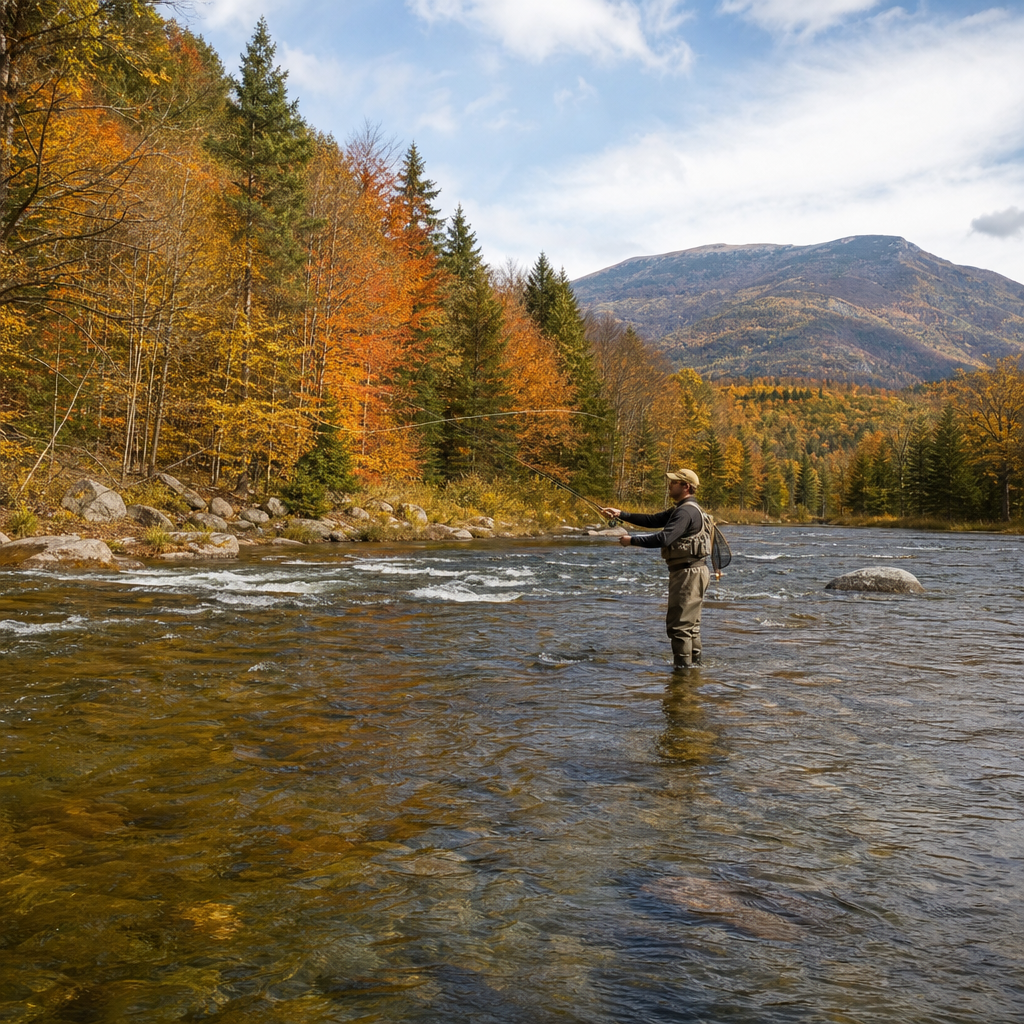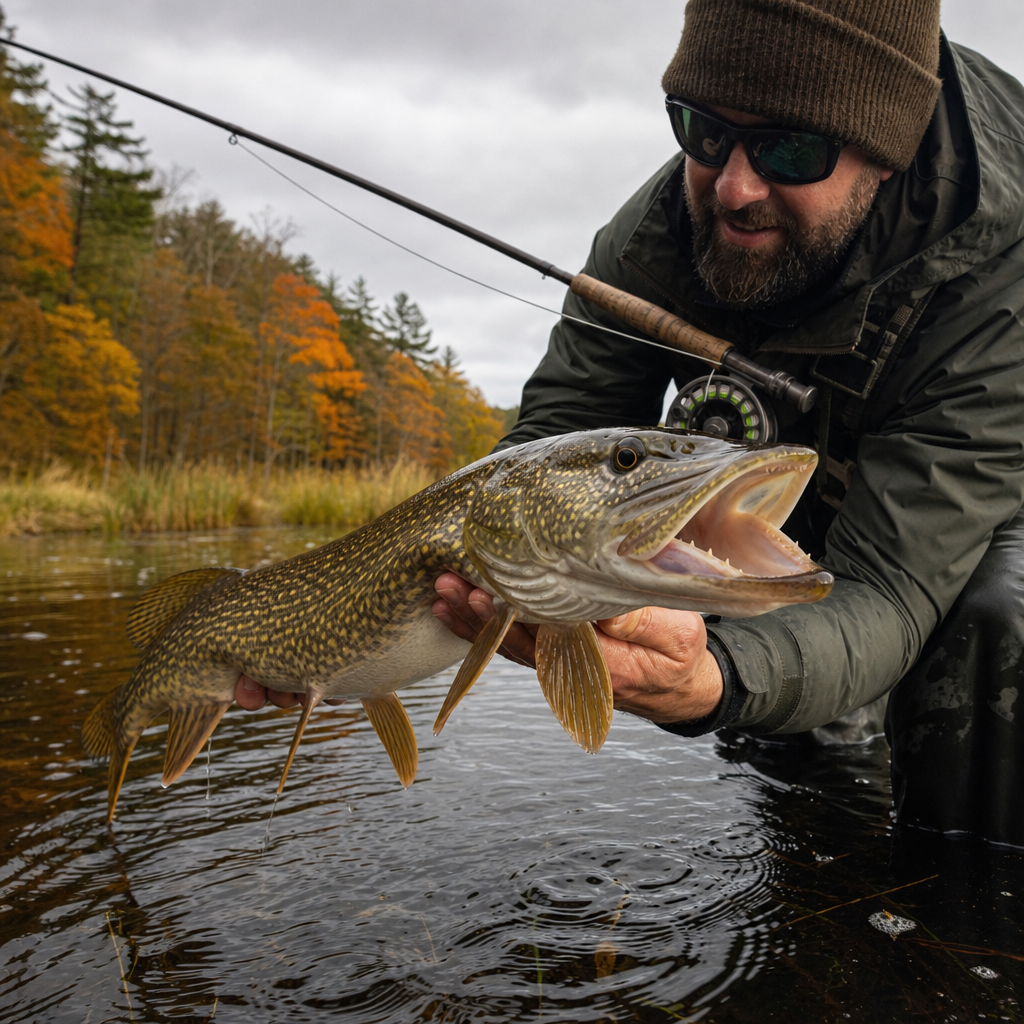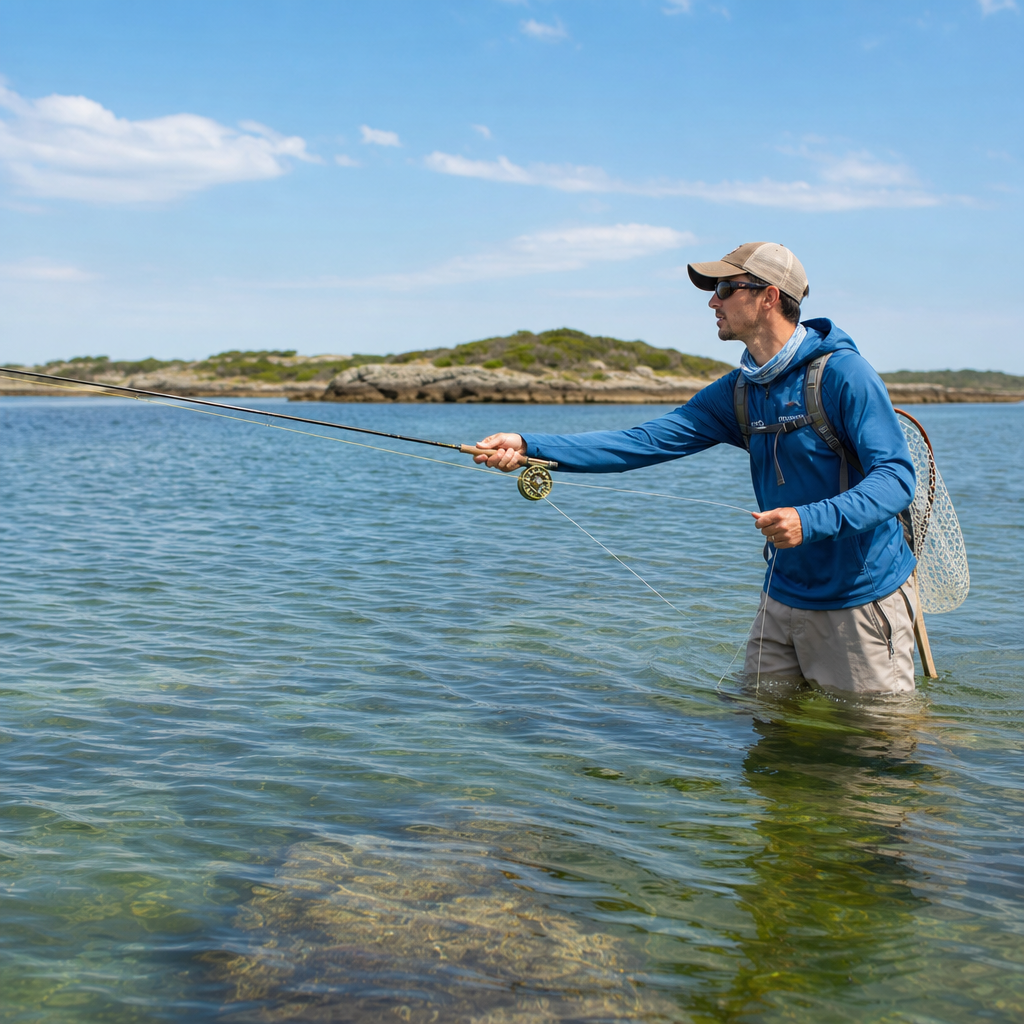
Summer fly fishing in saltwater rewards anglers who understand how heat, tides, bait movement, and fish behavior intersect, because the season changes not just where fish hold, but how they feed, how long they stay active, and which presentations trigger a strike. In practical terms, summer fly fishing means targeting saltwater species during the warmest months, when water temperatures rise, daylight extends, boating pressure increases, and oxygen levels can drop in shallow backwaters. Saltwater fly fishing refers to using a weighted or unweighted artificial fly, specialized fly rod, fly line, leader, and stripping technique to imitate baitfish, shrimp, crabs, or other forage in coastal environments such as flats, marshes, beaches, jetties, inlets, and nearshore structure. This matters because summer can be the most productive and the most punishing season: fish often feed aggressively at dawn, dusk, tide changes, and during bait concentrations, yet they can become selective, deep, nocturnal, or highly boat shy by midday.
I have spent many summers guiding and scouting estuaries, surf lines, and grass flats, and the pattern is consistent across regions: anglers who succeed are rarely the ones making the most casts. They are the ones reading current seams, noticing mullet nervous water, matching fly profile to available forage, and managing heat, glare, and fish stress. Summer also concentrates opportunity. Tarpon migrate along beaches and bridges, striped bass push into rips and cooler inlets in the Northeast, redfish prowl flooded grass and oyster edges, snook stack under dock shade, seatrout hold over potholes and bars, and false albacore slash bait when late-summer runs begin. A hub article on summer fly fishing must therefore do two jobs at once: explain the universal principles that apply everywhere and show how to adapt them to specific saltwater situations.
The core variables are straightforward. Water temperature influences metabolism and oxygen. Tides position fish and move food. Wind affects casting angle, drift, and visibility. Sun angle changes how clearly fish and bait can be seen. Salinity and rainfall alter estuary conditions. Boat traffic and beach crowds shift feeding windows. Once those variables are understood, summer fly fishing becomes less mysterious. You stop asking, “What fly should I throw?” and start asking better questions: “Where is the coolest moving water?” “What forage is pinned here?” “How long can this fish be fought safely?” Those questions lead to better decisions, more consistent catches, and more responsible handling during the hottest part of the year.
How Summer Changes Saltwater Fish Behavior
Summer changes fish location first, then mood. Warm water speeds metabolism, so gamefish often need to feed regularly, but if temperature climbs too high and dissolved oxygen drops, they reduce activity or move to places where current, depth, or shade create relief. On a grass flat, that may mean redfish sliding off exposed shallows into troughs by midmorning. Around bridges, snook may spend bright hours tucked in shadow lines, then ambush bait in current at first light or after sunset. Along surf beaches, migrating tarpon often travel predictably in calm morning windows before boat wake and direct overhead light make them harder to approach.
One of the most useful summer insights is that fish rarely vanish; they reposition. Speckled trout that were easy on a dawn flat may shift to deeper shell edges or channels once the sun is high. Striped bass in summer rivers commonly seek out oxygenated rips, boulder fields, and estuary mouths where tidal exchange cools the water. Bonefish on tropical flats may still tail in skinny water, but their most comfortable feeding periods often align with moving water and lower sun angles. If an area looked alive in spring and seems empty in summer, assume the fish changed depth, timing, or current preference before assuming they left entirely.
Feeding windows also tighten. In many summer fisheries, the best action clusters around sunrise, the first push of incoming water, the last hour of outgoing flow, thunderstorms that cool the surface, or nighttime dock-light bait concentrations. I plan summer sessions around two or three hours of prime conditions rather than trying to force an all-day bite. That approach matters because saltwater fly fishing is an efficiency game. Short, accurate presentations during peak fish activity outperform random casting through dead water every time.
Where to Find Fish in Summer Saltwater
Finding fish in summer is about locating temperature moderation, food concentration, and current advantage. Flats remain important, but not all flats are equal. A broad ankle-deep flat with no nearby channel can turn lifeless under intense heat, while a flat intersected by potholes, creek mouths, mangrove edges, or drain cuts often stays productive because fish can slide between feeding and refuge zones without traveling far. Beaches fish best where troughs, bars, bait schools, and current breaks meet. In marsh systems, the mouths of small creeks can be excellent on falling tides because shrimp and minnows are forced into predictable lanes.
Structure gains value in summer. Docks, bridge pilings, jetties, rock groins, sod banks, oyster bars, and mangrove points all create shade or ambush current. Snook, jack crevalle, and schoolie tarpon commonly use shadow edges as feeding lanes. Redfish and black drum work oysters and muddy points where crabs and shrimp are dislodged. Bluefish, Spanish mackerel, and albies attack rain bait at beaches and inlets where current corrals small forage. If you are new to an area, start with places where moving water pinches around structure. That is the simplest repeatable formula in summer saltwater fly fishing.
Watch the signs above the water as closely as the water itself. Terns dipping on micro bait, pelicans bombing mullet schools, nervous water pushing against a bank, shrimp flicking at a creek mouth, and slicks forming over a submerged edge all point to feeding activity. Even seemingly negative signs help. If mullet are showering continuously but no predators show, a shark or large tarpon may be underneath. If bait is packed tightly under a dock, the shade and current there deserve a cast. Summer rewards anglers who treat each clue as evidence rather than scenery.
Tides, Light, and Weather: The Summer Timing Formula
The best summer fly fishing usually happens when at least two timing factors align: moving water, favorable light, and manageable heat. Tides are often the strongest driver because they move bait and refresh oxygen. Incoming tides can flood grass, fill potholes, and bring cooler ocean water into estuaries. Outgoing tides can drain shrimp, crabs, and glass minnows from marshes into tight channels. Which is better depends on the species and terrain, but slack tide is consistently the least productive period because food and predators lose the conveyor belt effect that current provides.
Light determines both sight-fishing quality and fish comfort. Early and late sun gives anglers better contrast on many flats, especially with the right lens color, and fish are generally less wary before overhead glare turns them edgy. Midday can still fish well if there is cloud cover, wind chop, or deeper structure. Summer thunderstorms complicate the picture. A storm can briefly cool water and trigger feeding, yet lightning, runoff, and rapidly changing wind make safety nonnegotiable. I would rather lose a tide than gamble with a graphite rod under building electrical weather.
Use this simple framework when planning a trip.
| Condition | What It Usually Means | Best Adjustment |
|---|---|---|
| Early incoming tide at sunrise | Bait pushes shallow; fish cruise edges and flats | Start shallow with shrimp or baitfish flies |
| Strong outgoing tide in marsh creeks | Forage funnels through drains | Fish creek mouths and current seams |
| Bright calm midday | Fish become spooky or move deeper | Lengthen leaders, downsize flies, target shade or channels |
| Windy beach or inlet | Current breaks and bait concentrations form | Cast across seams with heavier lines and sparse flies |
| Night around dock lights or bridges | Bait gathers in illuminated current | Present small translucent flies on swing or short strips |
This timing formula is useful because it prevents overcomplication. Summer saltwater fishing can look chaotic, but fish still respond to current, visibility, forage, and comfort. Build your day around those four factors and your odds improve quickly.
Tackle, Lines, and Fly Selection for Hot-Weather Saltwater
The standard summer saltwater setup is an 8- to 10-weight rod, a corrosion-resistant large-arbor reel, and a smooth drag backed by at least 150 to 250 yards, depending on species. An 8-weight covers schoolie stripers, redfish, seatrout, smaller snook, and beach blues. A 9-weight is the all-around choice for mixed inshore work. A 10- or 11-weight becomes more practical for adult tarpon, heavy current, bigger flies, and windy beaches. Tropical fly lines hold up better in heat because coldwater lines can soften, coil poorly, and shoot inconsistently on hot decks.
Line choice matters as much as rod choice. Floating lines excel on flats, over grass, and for surface-oriented fish. Intermediate lines are deadly along beaches, in channels, and when bait sits just under the surface. Sink-tip and full-sinking lines earn their place around inlets, bridges, and deeper rips where a fly must enter the feeding lane quickly. Leaders in summer often range from 9 to 12 feet for sight-fishing, shorter for heavy wind or structure. Fluorocarbon is commonly used for abrasion resistance and lower visibility, while shock tippets are essential for tarpon and other abrasive mouths under IGFA-style class systems.
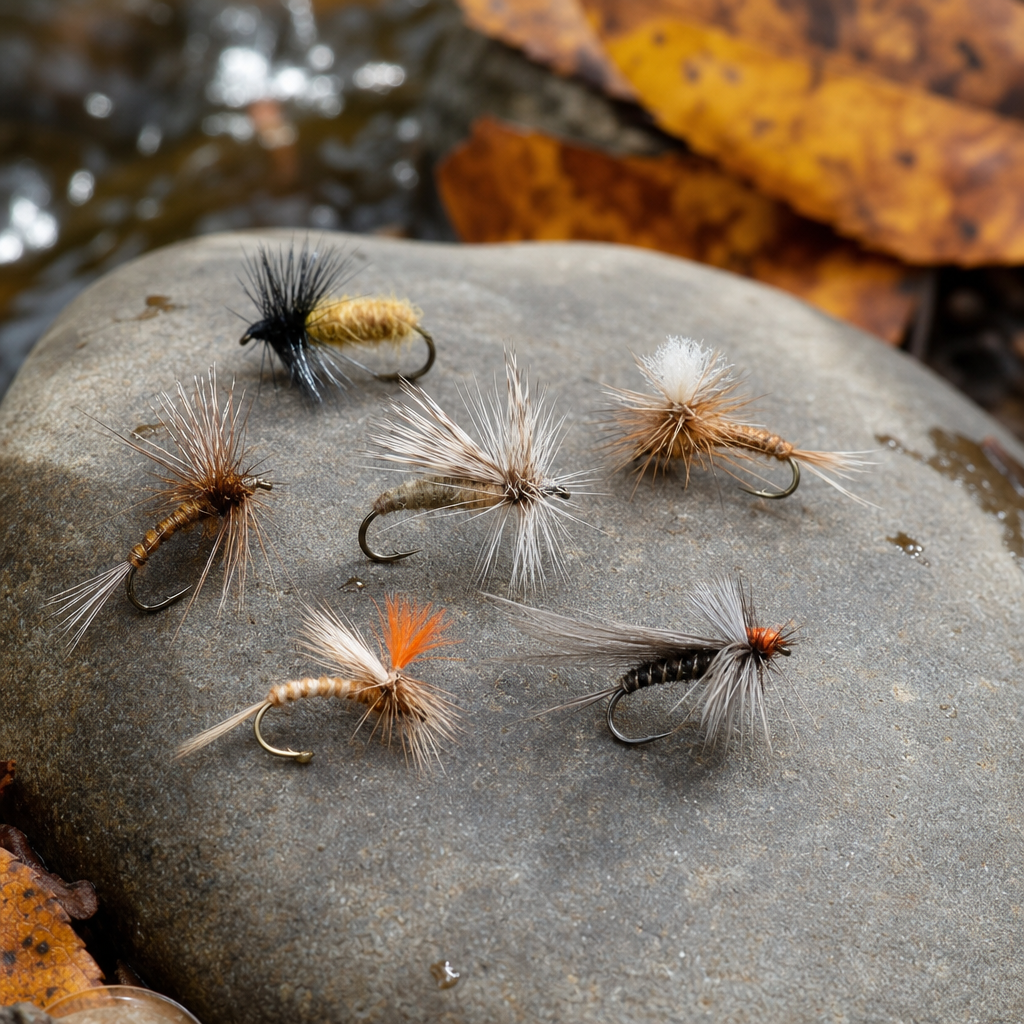
Choose flies by forage profile first, then size, then sink rate, then color. That order prevents the common mistake of obsessing over color while ignoring what fish are actually eating. If bay anchovies are present, a slim white-and-olive baitfish pattern is more logical than a bulky mullet imitation. If shrimp are popping from a grass edge, a lightly weighted shrimp fly that lands softly is usually the better answer. Crab patterns matter around permit, redfish, and drum on crustacean-heavy flats. Reliable summer flies include Clouser Minnows, Deceivers, EP baitfish, shrimp sliders, Seaducers, Gurglers, crab patterns, and small anchovy imitations tied sparse enough to move naturally in warm water.
Presentation and Technique That Convert Sightings Into Strikes
In summer, presentation quality outweighs fly quantity. Most failures happen because the cast lands too close, too far, too heavy, or at the wrong angle to the fish’s path. Lead cruising fish enough that the fly enters their field of view naturally, then move it with purpose. Redfish often respond to short strips or a gentle crawl. Snook frequently want a decisive strip that suggests an escaping baitfish near cover. Tarpon can require a long lead, immediate line management, and a strip set timed to the fish’s mouth flare rather than to the visual excitement of the eat.
Current should shape your retrieve. In moving water, the fly already has life, so exaggerated stripping can look unnatural. On a bridge edge, for example, a broadside swing with intermittent strips often outperforms a frantic straight-line retrieve because injured bait rarely outruns heavy current. On calm flats, the opposite may be true: subtle movement can keep a shrimp pattern from spooking fish. Always ask what the forage is doing in that exact environment. Glass minnows dart. Crabs kick and settle. Mullet push and glide. Your retrieve should reflect that behavior.
Hooking and landing technique are especially important in warm water. Strip set with the line hand instead of lifting the rod tip, particularly on tarpon, snook, jacks, and other hard-mouthed fish. Clear line efficiently to the reel, then use side pressure to shorten the fight. A long, vertical tug-of-war in high water temperatures is hard on fish. When possible, angle fish away from structure early, apply maximum safe pressure, and prepare release tools before the cast. Summer catch-and-release is only responsible when the landing process is deliberate and quick.
Species-Specific Summer Strategies and Responsible Fish Care
Each summer saltwater species has a repeatable pattern. Redfish are dependable around flooded grass, potholes, oyster edges, and marsh drains, especially where shrimp and small crabs are active. Seatrout often stage over grass beds, sandy potholes, and current edges, with larger fish preferring lower light or deeper structure. Snook favor dock lines, mangrove points, beaches, and passes with current. Tarpon track migration routes along beaches, channel edges, bridges, and harbor mouths. Striped bass in summer concentrate where current and oxygen remain high. False albacore, when present later in the season, demand fast reactions, slim flies, and long accurate casts into moving feeds.
Responsible fish care is not optional in summer. High temperatures increase post-release mortality, especially after long fights, extended air exposure, or deep handling. Use barbless or de-barbed hooks where regulations and conditions allow. Keep fish in the water while removing the fly. Support larger fish horizontally rather than hanging them vertically by the jaw. Revive only as long as needed in clean moving water and release when the fish kicks with strength. If water temperatures are extreme or a species is visibly stressed, the ethical decision may be to stop targeting it during the hottest part of the day or altogether. Check local regulations because seasonal closures, gear restrictions, and handling rules are increasingly common in heat-sensitive fisheries.
Summer fly fishing in saltwater becomes far more productive once you treat the season as a system instead of a random bite. Warm water, current, forage, light, and fish stress all interact, and the anglers who account for each variable catch more fish with fewer wasted casts. Start with timing: prioritize dawn, dusk, night, and moving tides. Then focus on location: channels beside flats, drains, shade lines, beaches with troughs, and structure that compresses bait. Match your fly to the dominant forage, present it at the right angle, and fight fish efficiently. Those fundamentals travel well whether you are stalking redfish in a marsh, scanning for tarpon on a beach, or probing dock shadows for snook.
As a hub for summer fly fishing, this guide should help you make smarter decisions before you ever step on the skiff or sand. The season rewards preparation more than brute effort. Check the tide chart, watch the weather, inspect water temperatures, organize a rod and line matched to the depth and wind, and carry a short list of proven baitfish, shrimp, and crab patterns. Most importantly, fish with intention and handle every catch with care. If you want better summer results, build your next trip around one species, one tide phase, and one type of structure, then refine from there. That simple discipline is how consistent saltwater fly anglers improve.
Frequently Asked Questions
What are the best times of day to fly fish in saltwater during summer?
The best summer windows are usually early morning, late evening, and any period when moving water lines up with lower light. In hot-weather saltwater fishing, timing matters because rising water temperatures can push fish out of shallow feeding areas or make them noticeably less active during the middle of the day. At dawn, flats, marsh edges, creek mouths, and beaches often hold bait that has stayed shallow overnight, and game fish take advantage of that brief comfort zone before the sun gets high. The last few hours of daylight can be just as productive, especially when bait gathers along current seams, points, bars, and shorelines.
Tides often matter as much as the clock. A strong moving tide in the morning may outperform a slack sunset, while an evening flood tide may light up a flat that was dead at sunrise. In summer, many saltwater species feed hardest when current delivers shrimp, crabs, mullet, silversides, or glass minnows directly to them. If you can combine moving water, active bait, and lower light, you are stacking the odds in your favor. Cloud cover, wind, and storms can also extend a bite into hours that would otherwise fish poorly under bright summer sun.
Midday is not always a lost cause, but anglers typically need to adjust. Fish may slide into deeper troughs, channels, bridge shadow lines, dock shade, inlet edges, or cooler water with more oxygen. That means summer success often comes from fishing smarter rather than simply fishing longer. If your schedule allows, plan your trips around dawn patrols, dusk sessions, or tide changes instead of the hottest part of the day.
How do heat and water temperature affect saltwater fish behavior in summer?
Heat changes nearly everything in summer saltwater fly fishing. As water temperatures climb, fish often become more selective about where they hold and when they feed. Warm water carries less dissolved oxygen, which can make shallow back bays, mud-bottom coves, and stagnant marsh pockets less comfortable, especially in calm conditions and late in the day. Fish respond by seeking current, depth, shade, structure, and cleaner water flow. That is why channels, inlets, troughs, creek mouths, bridges, jetties, and wind-blown shorelines can become far more important in summer than they are in cooler seasons.
Feeding behavior also shifts. Many species become most aggressive during short windows instead of feeding steadily throughout the day. You may see fish push bait at first light, disappear as the sun climbs, and then reappear when current increases or light fades. Predators often conserve energy in the heat, so presentations that drift naturally into their holding lane can outperform repeated blind casting. In some situations, fish still feed heavily, but they do it in slightly deeper water or along sharper transitions where temperature and oxygen are better.
For the angler, this means reading conditions carefully. Look for signs of stressed water, such as lifeless shallow flats with no bait activity, or areas where baitfish seem scattered and nervous rather than settled. By contrast, current-rich water, rip lines, surf troughs, and shaded structure often show life even on very hot days. Understanding the effect of temperature helps you stop forcing poor water and start focusing on places where fish can comfortably feed. In summer, finding the right water quality is often more important than covering the most water.
What flies and presentations work best for summer saltwater species?
In summer, the best flies are usually the ones that match local bait and can be presented at the right depth with the right speed. Baitfish patterns, shrimp flies, crab flies, and small translucent imitations all have a place, depending on the species and habitat. If fish are keyed in on glass minnows, anchovies, silversides, or juvenile mullet, slim baitfish flies in white, olive, tan, chartreuse, and pearl are reliable choices. On flats and marsh edges, shrimp and crab patterns become especially important when redfish, bonefish, striped bass in certain estuary settings, or other inshore predators are tailing or cruising slowly.
Presentation is usually more important than fly color alone. In hot water, fish may not want to chase a fly stripped aggressively across the surface unless they are actively busting bait. More often, a controlled presentation wins: a lead cast placed ahead of the fish, enough sink time to reach the feeding zone, and short strips or pauses that imitate an injured or unaware prey item. Along beaches and inlets, faster strips can be effective when predators are corralling bait, but over grass flats, potholes, and marsh drains, a slower, more natural retrieve often draws more consistent strikes.
Depth control is critical. Weighted flies, unweighted flies, intermediate lines, and sinking lines all have their moment. If fish are holding just off the edge of a flat in a trough or channel, a fly that rides too high may never enter the strike zone. Likewise, a heavily weighted pattern can hang bottom in skinny water and ruin the presentation. Summer anglers do best when they carry a range of patterns and focus on matching not only the hatch, but also the water depth, current speed, clarity, and mood of the fish. A simple, well-placed fly moving naturally through the right lane will outfish a complicated pattern presented poorly almost every time.
How should I adjust my strategy for tides, current, and bait movement in summer?
Summer saltwater fly fishing is often a game of intercepting fish where tide and bait concentrate them. Rather than thinking only in terms of high tide or low tide, it helps to focus on movement. Moving water positions bait and gives predators an efficient feeding opportunity. On outgoing tides, shrimp, crabs, and small baitfish are often swept from marshes, creeks, and backwater ponds into drains and channels, creating predictable ambush points. On incoming tides, fish may push onto flooded flats, mangrove edges, spartina shorelines, or sandbars to feed where prey has become newly accessible.
Current creates structure even where the bottom looks featureless. Rips, eddies, seam lines, troughs, points, cuts, and bars all redirect bait and give fish a place to sit with minimal effort. In summer, when fish may be less willing to roam widely in hot water, these current-defined feeding stations become even more important. If you see nervous bait, showers of minnows, shrimp skipping, birds dipping, or surface pushes along a seam, that is often a sign that predators are using current to pin prey. Your job is to present the fly so it enters the same travel lane naturally rather than dragging unnaturally across it.
One of the most effective adjustments is staying mobile and fishing the tide progression instead of camping on a single spot. A marsh drain may be best at the start of an outgoing tide, a channel edge may turn on midway through the fall, and an inlet point may peak when current is strongest. The same principle applies on beaches and flats, where bait shifts with water level, wind direction, and light. Summer rewards anglers who think dynamically: where is the bait now, where will it move next, and where can fish feed efficiently as conditions change? When you fish those intersections, your chances improve dramatically.
What gear, leader setup, and fish-handling practices are most important for summer saltwater fly fishing?
A solid summer setup starts with tackle matched to the species, wind, and fly size. For many inshore applications, 7- to 9-weight rods cover a wide range of conditions, while larger fish, heavy wind, or bigger flies may call for a 10-weight or heavier. Floating lines are excellent for flats, marshes, and surface-oriented fish, but intermediate or sinking lines become valuable around beaches, channels, inlets, and deeper structure. Reels should have a dependable drag and enough backing for strong, fast saltwater fish that can make long runs in warm conditions.
Leader selection should support both stealth and turnover. In clear summer water, longer leaders may help with spooky fish on shallow flats, while shorter, stronger leaders are often better for wind, docks, jetties, surf, and larger baitfish patterns. Fluorocarbon tippet is a common choice because of its abrasion resistance and sinking properties, particularly around shell, rocks, or bridge structure. The key is balancing delicacy with practicality. If your leader is too light, you may struggle to land fish quickly in hot water, and extended fights can be hard on them.
Fish handling becomes especially important during summer because elevated water temperatures can increase stress and reduce recovery. Fight fish efficiently, keep them in the water as much as possible, wet your hands before touching them, and avoid long photo sessions. If a fish appears exhausted, support it gently in current until it kicks away strongly. Barbless hooks or crushed barbs can make release faster and safer for both fish and angler. Summer success is not only about catching fish, but also about treating them responsibly when conditions are toughest. Good gear, smart leader choices, and careful handling all contribute to better outcomes on the water.