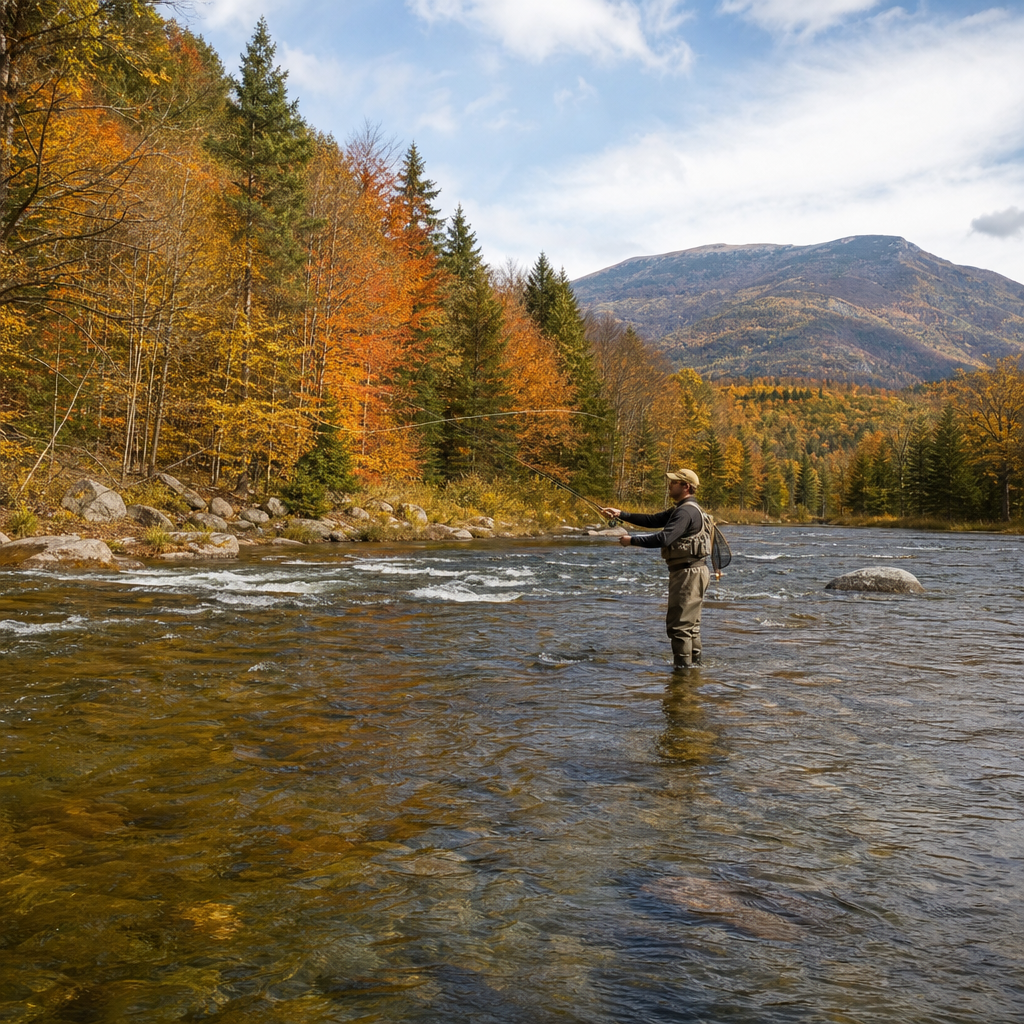
Fly fishing in hot weather demands a different mindset than spring or fall, because summer conditions change fish behavior, reduce dissolved oxygen, and raise real safety concerns for anglers. Summer fly fishing usually means targeting trout, bass, panfish, carp, or warmwater species when air temperatures are high, streamflows are lower, and water temperatures can climb into stressful ranges. In practical terms, hot-weather fly fishing is not simply the same sport in lighter clothing. It requires temperature awareness, timing, careful fish handling, hydration, sun protection, and a willingness to walk away when conditions become harmful. I have learned that the anglers who do best in midsummer are rarely the ones casting hardest at noon; they are the ones who read water, fish early and late, and adjust techniques to what heat does to rivers and fish.
Understanding summer fly fishing begins with a few core concepts. Water temperature affects fish metabolism, feeding windows, and survivability after release. Dissolved oxygen generally drops as water warms, which is especially important for trout and salmonids that evolved for colder systems. Low summer flows also make fish more cautious, concentrating them in shaded runs, deeper pools, spring seeps, oxygenated riffles, and structure that offers both current relief and cover. For anglers, hot weather adds dehydration, heat exhaustion, sunburn, slippery algae-covered rocks, and afternoon thunderstorm risk. These are not side issues. They directly shape where to fish, when to fish, what species to target, and how to protect a fishery during stressful periods.
This summer fly fishing hub covers the full picture: how heat changes fish location and feeding, safe temperature guidelines, productive summer tactics, gear choices, insect patterns, warmwater alternatives, and fish-friendly handling practices. It matters because the best summer anglers consistently combine success with restraint. They know that a great day is measured not just by numbers, but by good decisions made under changing conditions. If you want to fish effectively through summer while protecting yourself and the resource, the key is to treat hot weather as a set of conditions to solve, not a season to endure.
How hot weather changes fish behavior
The first rule of fly fishing in hot weather is that fish react to temperature before they react to your fly. As water warms, metabolism changes, but not in a simple straight line. Many species feed actively in warm conditions up to a point, then reduce activity sharply when oxygen becomes limited or stress rises. Trout are the clearest example. In many freestone rivers, brown and rainbow trout move toward faster seams, heads of pools, shaded banks, tributary inflows, and deeper slots where temperatures stay lower and oxygen stays higher. Midday fish often refuse long chases, so presentations must be precise and efficient. In contrast, smallmouth bass frequently become more active in summer, especially around dawn, dusk, and after dark, using ledges, boulders, weed edges, and current breaks to ambush prey.
Summer also tightens feeding windows. During heat waves, fish often feed hardest from first light through midmorning, then again in the last hour or two before dark. On many rivers I have monitored with a stream thermometer, a few degrees gained between 10 a.m. and 2 p.m. were enough to shut down trout action completely. That does not mean fish disappear. It means they become selective, territorial, or stationary. Understanding this helps anglers avoid wasting energy. Instead of covering miles of marginal water in bright sun, focus on oxygen-rich lies, shaded structure, and periods when water temperatures are trending downward rather than upward.
Water temperature guidelines every summer angler should know
If there is one metric that should guide summer fly fishing, it is water temperature. Carrying a stream thermometer is as important as carrying nippers. For trout, many experienced anglers begin to get cautious once water reaches about 65 degrees Fahrenheit. At 68 degrees, catch-and-release stress increases substantially, especially after prolonged fights. Around 70 degrees and above, many responsible anglers stop targeting trout altogether, particularly in low-flow rivers. Some fisheries agencies issue voluntary or mandatory afternoon closures during these periods. Those closures are not political gestures; they are based on the combined effects of warm water, low oxygen, and delayed mortality after release.
Warmwater species operate on a different scale. Smallmouth bass, largemouth bass, carp, bluegill, and many sunfish remain fishable in conditions that would be risky for trout. That makes species switching one of the smartest summer strategies available. The table below summarizes practical warm-season guidelines.
| Species or Condition | Useful Temperature Range | Primary Summer Tactic | Caution Point |
|---|---|---|---|
| Trout in freestone rivers | 50–65°F | Fish dawn, riffles, shade, spring inflows | Use extreme care above 65°F; consider stopping at 68°F+ |
| Trout in tailwaters | 45–60°F | Nymph deep, watch dam releases and dissolved oxygen | Temperature can be safe while low oxygen or crowding still stresses fish |
| Smallmouth bass | 65–80°F | Streamers, poppers, dawn and dusk structure fishing | Handle carefully during extreme heat and low flow |
| Largemouth bass and panfish | 70–85°F | Weeds, edges, frog water, topwater at low light | Watch for harmful algal blooms in ponds and lakes |
| Carp | 65–85°F | Sight fish flats, mud lines, edges, and cruising lanes | Avoid overplaying fish in shallow stagnant water |
These numbers are not universal laws, because groundwater influence, elevation, dissolved oxygen, and fish strain all matter. Still, they are reliable planning thresholds. Check USGS gauges, state agency river reports, dam release schedules, and local shop updates before you fish. The more precise your understanding of temperature trends, the better your decisions will be.
Best times and places to fish in summer
The best summer fly fishing usually happens when the environment gives fish a reason to move. That means low light, cooler water, insect activity, or current that concentrates food. Early morning remains the most dependable window on many trout streams. Overnight cooling often drops temperatures enough for active feeding at first light, especially near riffle tails, pocket water, undercut banks, and heads of pools. Evening can be equally strong when direct sun leaves the water and spinner falls, caddis activity, or terrestrial movement brings fish up. On some rivers, the final hour before darkness is the only period when larger trout expose themselves in shallow feeding lanes.
Location matters as much as time. In hot weather, look for confluences with colder tributaries, deep runs with broken surface chop, canyon sections with long shade, and reaches below dams that maintain stable cold releases. On lakes and ponds, focus on weed edges, drop-offs, inflowing creeks, and windblown banks that collect food and oxygenate the surface. For bass and carp, marinas, bridge pilings, riprap, laydowns, and shaded banks can be excellent summer structure. One lesson repeated across fisheries is simple: heat compresses fish into the best habitat. If a section combines cooler water, oxygen, cover, and food, it will often hold a disproportionate number of fish.
Summer flies and presentations that work
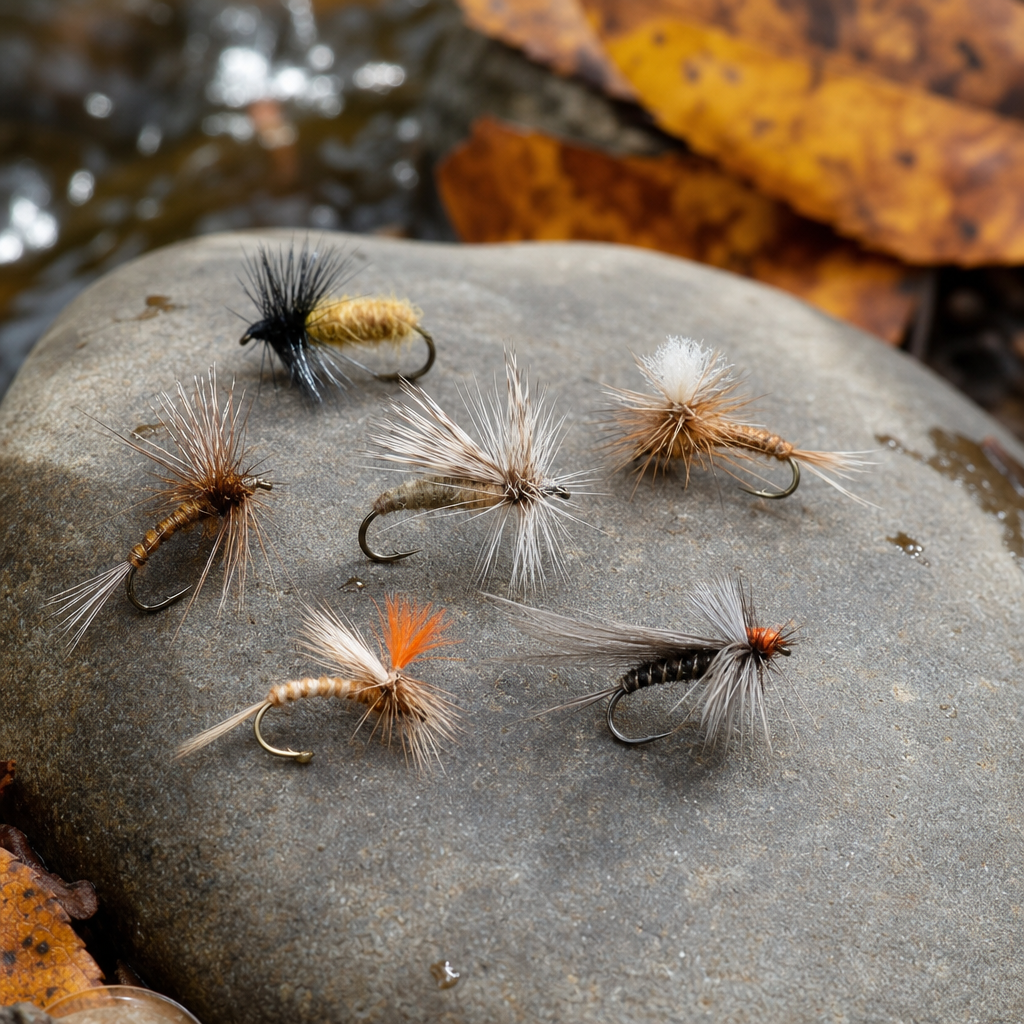
Hot-weather fly selection should reflect the foods fish can find easily in summer. For trout, terrestrials become central. Ants, beetles, hoppers, and inchworm patterns can carry a day when classic mayfly hatches are sparse or brief. A size 14 or 16 foam beetle drifted tight to grassy banks often outperforms more delicate choices because summer fish expect land insects to fall in. Ant patterns, especially black or cinnamon, are reliable when fish are selective. During caddis-heavy evenings, elk hair caddis, CDC caddis, and soft hackles remain staples. In low clear water, smaller nymphs such as pheasant tails, perdigons, zebra midges, and unweighted droppers can be more effective than bulky rigs that splash and drag.
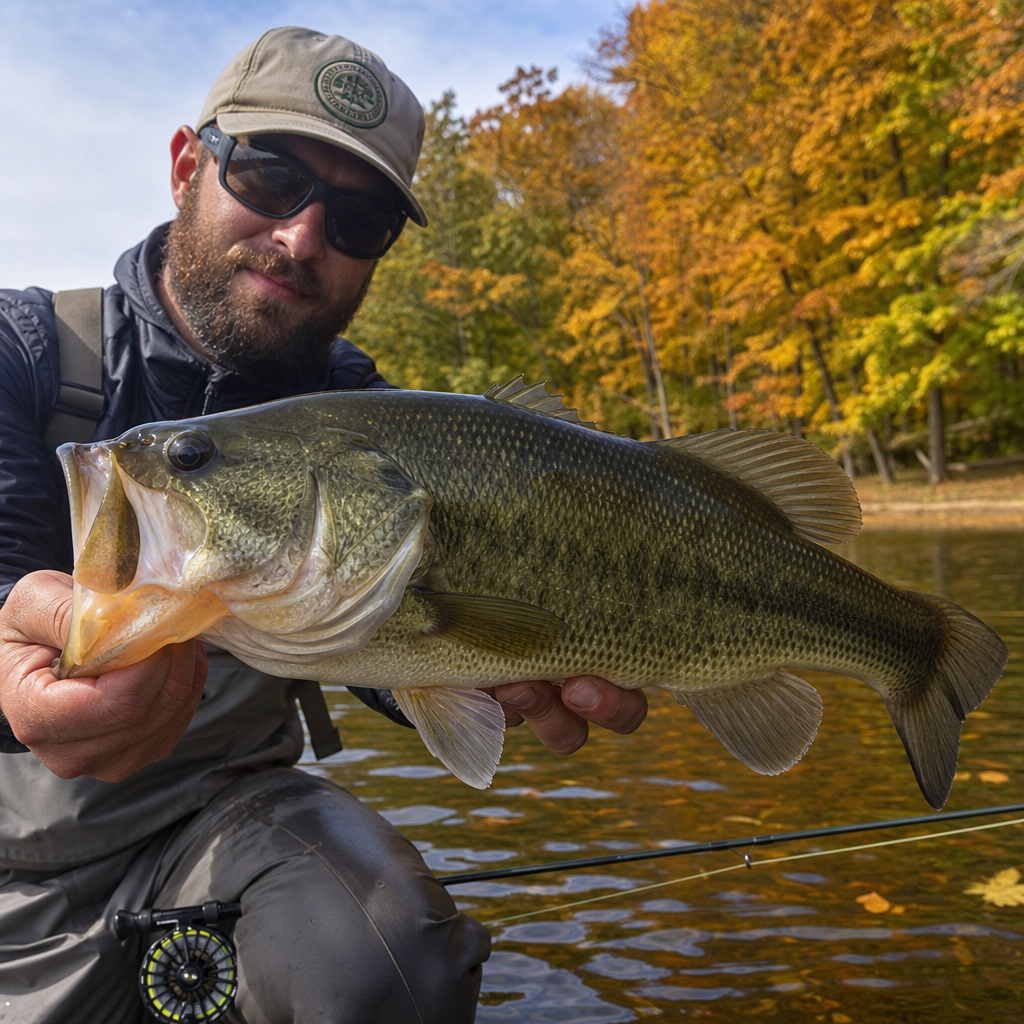
For warmwater species, summer is streamer and topwater season. Smallmouth bass routinely crush deer hair poppers, foam divers, baitfish streamers, and crayfish patterns around rocks and current seams. Largemouth bass favor weedless sliders, frogs, gurglers, and larger baitfish profiles over submerged vegetation or beside wood. Carp require a different game: subtle, accurate presentations with flies that suggest nymphs, crayfish, worms, or carp-specific hybrids that land softly and sink predictably. Whatever the species, the presentation usually matters more than the exact pattern. In hot weather, fish often sit in narrow lanes with a short strike window. A fly six inches off target may be ignored, while the same fly on the correct line gets eaten immediately.
Leader design and drift control also deserve attention. Summer’s lower, clearer water often calls for longer leaders and finer tippet for trout, especially during bright conditions. On the other hand, bass around cover may require short, stout leaders that turn over wind-resistant flies and pull fish away from wood. I regularly switch between these systems on the same trip when moving from cold tributary trout water to evening warmwater fishing. Matching the leader to the job is one of the easiest performance gains in summer angling.
Wading safety, heat management, and storm awareness
Many anglers think of summer as the easiest season physically, but hot-weather fly fishing creates its own hazards. Dehydration builds gradually and can reduce judgment before you notice thirst. Bring more water than you think you need, and use electrolytes on long days. Lightweight sun hoodies, broad-brim hats, quality polarized sunglasses, and sunscreen are not optional if you are spending hours on reflective water. Wet wading can be comfortable, but slick rocks covered with algae are often more dangerous in summer than icy stones in winter. Felt, rubber with studs where legal, and a wading staff each reduce risk, but none replace deliberate foot placement.
Afternoon thunderstorms are another serious summer pattern, especially in mountain regions. If you hear thunder, leave the water immediately. A fly rod is a poor place to be during lightning, and canyons can make storm timing deceptive. Heat illness also deserves direct attention. Early symptoms include headache, dizziness, cramps, nausea, and unusual fatigue. If those appear, stop fishing, get into shade, cool down, and rehydrate. The best anglers I know treat these steps as standard operating procedure, not as signs of weakness. Safety is part of success, because it keeps judgment sharp when conditions are changing quickly.
Handling fish responsibly in warm water
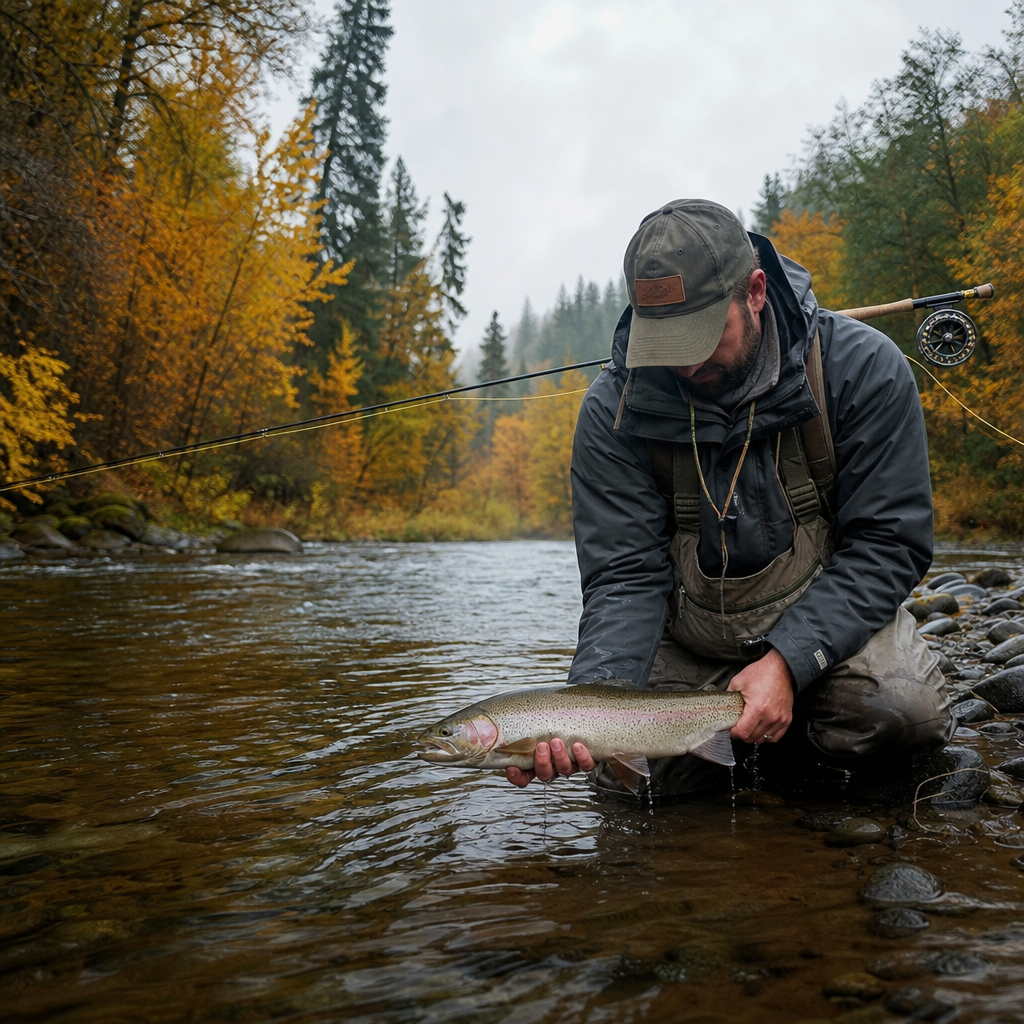
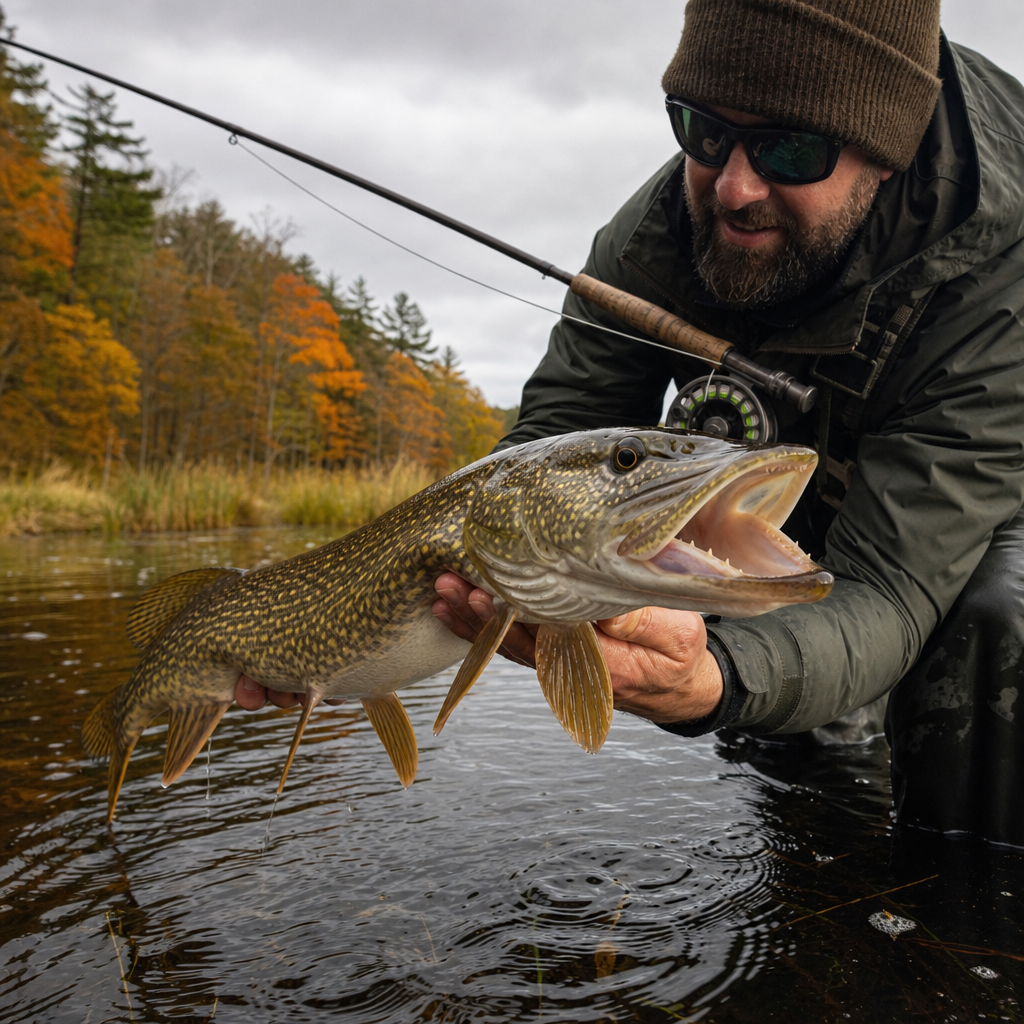
Catch-and-release only works when released fish survive and recover well, and summer is when that assumption deserves scrutiny. In warm water, fight fish quickly with tackle heavy enough to end the battle efficiently. Keep the fish in the water while unhooking whenever possible. Use rubberized nets, wet your hands, avoid squeezing the body, and skip hero shots that require prolonged air exposure. Research frequently cited by fisheries biologists shows that even short air exposure can impair recovery, especially when fish are already stressed by high temperature and low oxygen. For trout in marginal conditions, the most responsible photograph is often no photograph at all.
There is also an ethical point that experienced anglers recognize over time: restraint protects future fishing. If your thermometer reads high, if fish are taking too long to revive, or if the river is obviously strained, move to a colder tributary where legal, switch species, or end the session. Summer fly fishing success is not about forcing a plan. It is about making good choices as conditions unfold.
Building a complete summer fly fishing plan
A strong summer strategy starts before you leave home. Check stream temperatures, flows, weather radar, and sunrise time. Pack species-specific gear so you can pivot from trout to bass or carp without wasting the day. Build an itinerary around the coolest and most productive windows: trout at dawn, a break during peak heat, then warmwater fishing in the evening. Include backup locations with shade, dam influence, or public access to deeper water. This hub page is the foundation for that approach, because summer fly fishing is best understood as a system of linked decisions rather than a single tactic.
The main benefit of learning fly fishing in hot weather is consistency without compromising the resource. Read temperature first, fish during low-light windows, target oxygen-rich structure, use summer-specific flies, protect yourself from heat and storms, and handle fish with urgency and care. When trout conditions become unsafe, switch confidently to bass, panfish, or carp and keep learning the season instead of fighting it. Use these principles to plan your next outing, then explore each related summer topic in greater depth and build a warm-weather program that is both productive and responsible.
Frequently Asked Questions
What changes most about fly fishing when the weather gets hot?
Hot weather changes far more than angler comfort. It affects fish behavior, water chemistry, feeding windows, and fish survival after release. As air temperatures rise, shallow water warms quickly, and warm water holds less dissolved oxygen than cool water. That matters because many game fish, especially trout, are highly sensitive to both heat and low oxygen. In summer, they often stop feeding aggressively during the middle of the day, move into deeper runs, shaded banks, spring seeps, faster riffles, or other areas where oxygen levels are better, and become much more selective about when they expend energy.
For anglers, that means a successful summer approach usually looks very different from a spring or fall routine. Instead of fishing late mornings through the afternoon, the best opportunities are often at first light and in the last hour or two before dark. Instead of covering lots of exposed, sunlit water, you may need to focus on shaded structure, undercut banks, pocket water, deeper pools, or tributary mouths where temperatures are slightly cooler. Fly choice can change as well, with terrestrials, hoppers, ants, beetles, small baitfish patterns, warmwater poppers, and subsurface flies becoming especially important depending on the species.
Equally important, hot-weather fly fishing requires a stronger conservation mindset. On marginal trout water, there are days when the most responsible decision is not to fish at all, particularly when water temperatures climb into stressful ranges. In warmwater fisheries, the fishing may remain excellent, but safe handling, quick fights, and proper hydration still matter. In short, summer fly fishing is not just the same sport in lighter clothing. It requires timing, observation, restraint, and species-specific decision-making.
How warm is too warm to fly fish for trout?
There is no single universal cutoff that applies to every river, every trout species, and every local regulation, but as a general rule, trout fishing becomes increasingly risky as water temperatures approach the upper 60s Fahrenheit. Many anglers begin monitoring closely once water reaches around 65 degrees Fahrenheit, and by about 68 degrees, stress levels can become significant, especially if fish are fought hard or released poorly. At 70 degrees and above, many trout fisheries enter a danger zone where dissolved oxygen is low and post-release mortality can rise sharply. In those conditions, even trout that swim away may not survive.
The best practice is to carry a reliable stream thermometer and use it. Check temperatures where and when you are actually fishing, not just what a weather app says about the air. Water can vary significantly between a shaded headwater, a broad valley section, a tailwater, and a slow pool downstream. It is also smart to know whether local agencies or land managers issue voluntary closures, mandatory restrictions, or “hoot owl” regulations that prohibit fishing during the warmest parts of the day. Those rules exist for good reason and should be treated seriously.
If temperatures are creeping upward, adjust before the river forces the decision for you. Fish at dawn, end early, target colder tributaries only where legal and ethical, or switch species entirely and pursue bass, panfish, or carp in waters better suited to summer conditions. One of the marks of an experienced hot-weather angler is knowing when not to chase trout. Protecting fish during stressful periods helps preserve the fishery and reflects a more responsible approach to summer fly fishing.
What are the best times of day and locations to target fish in summer?
In hot weather, the best fishing is usually concentrated in the coolest and most oxygen-rich periods of the day. Early morning is often the top window, especially for trout, because overnight cooling gives fish a chance to recover and feed before sunlight warms the water again. Evening can also be productive, particularly if the day cools meaningfully and insect or terrestrial activity increases near dusk. Midday can still produce fish in some waters, but it is usually less consistent for coldwater species and may be the least responsible time to fish when water temperatures are already high.
Location matters just as much as timing. In rivers and streams, fish often hold in faster riffles, heads of pools, shaded banks, deeper troughs, plunge pools, undercut banks, and areas influenced by springs or cooler inflows. In lakes and ponds, they may slide deeper during bright, hot periods and move shallower during low light. Warmwater species such as bass and panfish often position near weeds, timber, docks, shaded edges, lily pads, and current breaks, while carp may cruise flats early and then shift depending on pressure, sun angle, and water clarity.
The key is to think in terms of temperature, oxygen, cover, and energy efficiency. Fish in summer often want a place where they can stay relatively comfortable without burning too many calories. If you approach each piece of water by asking where a fish can find shade, current, depth, oxygen, and food at the same time, you will make far better decisions than if you simply fish the same stretches that were productive in cooler seasons.
What flies and techniques work best for fly fishing in hot weather?
The best summer flies depend on the species and the water, but hot-weather success often comes from matching seasonal food sources and adjusting presentation to fish that are less willing to chase. For trout, terrestrials are often major players in summer. Foam hoppers, ants, beetles, and small attractor dries can be extremely effective, especially along grassy banks, under overhanging trees, and in late summer meadow water. Early and late in the day, you may also see productive dry-fly windows tied to caddis, mayflies, midges, or stoneflies. When fish are holding deeper or refusing surface flies, nymphs, small streamers, and lightly weighted patterns drifted cleanly through oxygen-rich lanes can produce better.
For bass and panfish, summer is prime time for surface action. Poppers, sliders, gurglers, and other topwater flies can be excellent around structure during low-light periods. As the sun gets higher, baitfish patterns, crayfish flies, and small subsurface streamers often take over. Carp anglers may find success with subtle nymphs, buggy patterns, and small flies presented carefully to cruising or tailing fish. In all cases, presentation tends to matter more when fish are stressed by heat. A shorter, more accurate cast into likely holding water often outperforms long blind casting.
Technique should also reflect fish welfare. Use tackle strong enough to land fish quickly, especially trout in warm water. Avoid overplaying fish on light tippet simply for sport when conditions are already stressful. Cover water efficiently during the cool windows, fish likely holding areas first, and pay close attention to how fish respond as temperatures rise. The most effective summer anglers combine good fly selection with smart timing, precise presentations, and a willingness to change depth, speed, and species as conditions evolve.
How can anglers stay safe and handle fish responsibly in extreme summer heat?
Personal safety and fish care are both central parts of hot-weather fly fishing. On the human side, heat illness is a real risk, especially when anglers are wading, hiking, rowing, or standing in direct sun for long hours. Start by wearing lightweight, breathable sun-protective clothing, a good hat, polarized sunglasses, and sunscreen on exposed skin. Drink water before you feel thirsty, bring more than you think you need, and consider adding electrolytes if you are sweating heavily. Take breaks in shade, avoid overexertion during the hottest part of the day, and recognize warning signs such as dizziness, nausea, headache, cramps, confusion, or unusual fatigue. Those symptoms can escalate quickly if ignored.
Fish handling in summer should be equally disciplined. Land fish fast with appropriately balanced gear, keep them in the water as much as possible, wet your hands before touching them, and avoid long photo sessions. If a trout is clearly exhausted in warm water, the ethical choice is to skip the hero shot and prioritize recovery. Rubber nets help reduce damage to fins and protective slime. Barbless hooks or pinched barbs can speed release. If water temperatures are high enough to make survival questionable, the best fish-handling strategy is not catching fish in the first place.
Finally, think beyond individual fish. Summer often means low flows, slippery rocks, concentrated fish, afternoon thunderstorms, and remote access in high heat. Check stream conditions, weather forecasts, and any emergency alerts before you go. Tell someone where you are headed, especially in less-traveled areas. Respect closures and thermal refuges where fish gather in cooler water, and avoid repeatedly targeting visibly stressed fish. The safest and most successful hot-weather angler is the one who treats summer conditions with respect, plans carefully, and puts long-term fishery health ahead of a single day’s catch count.