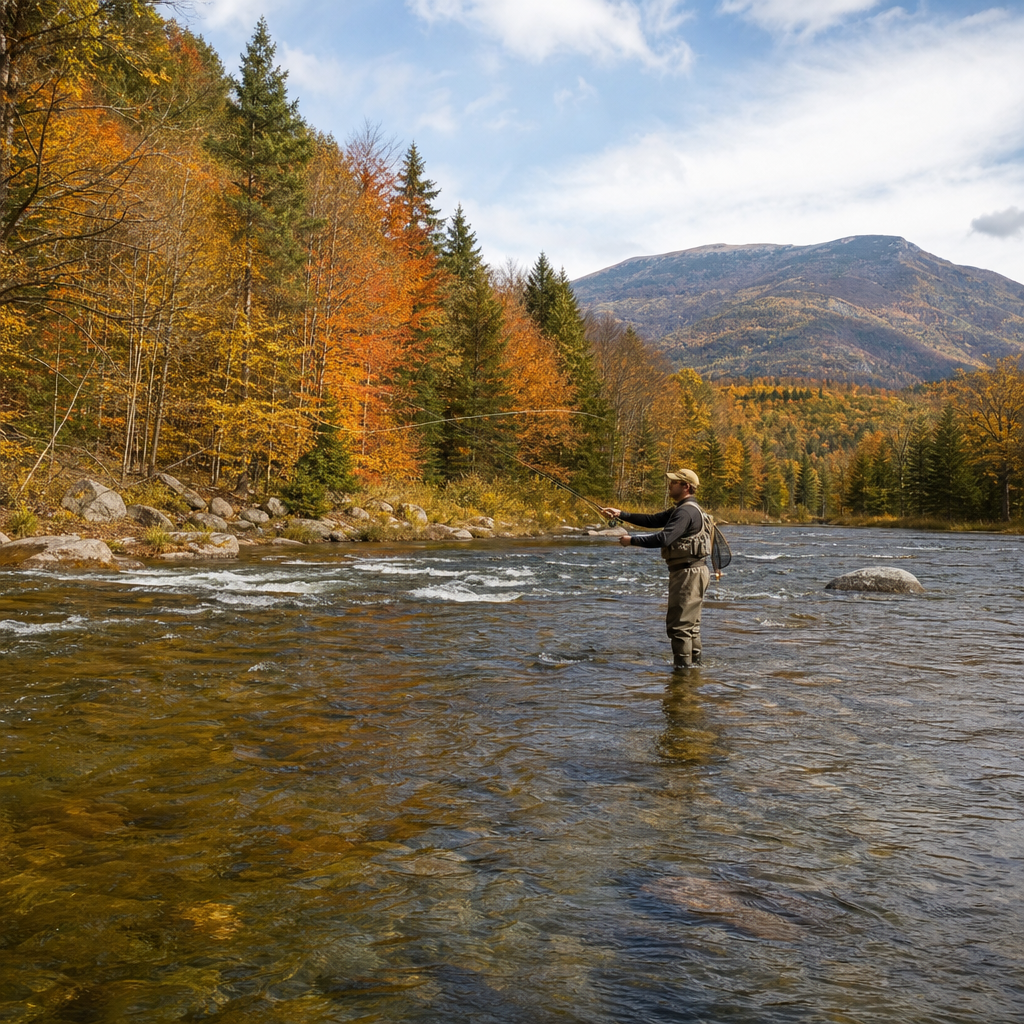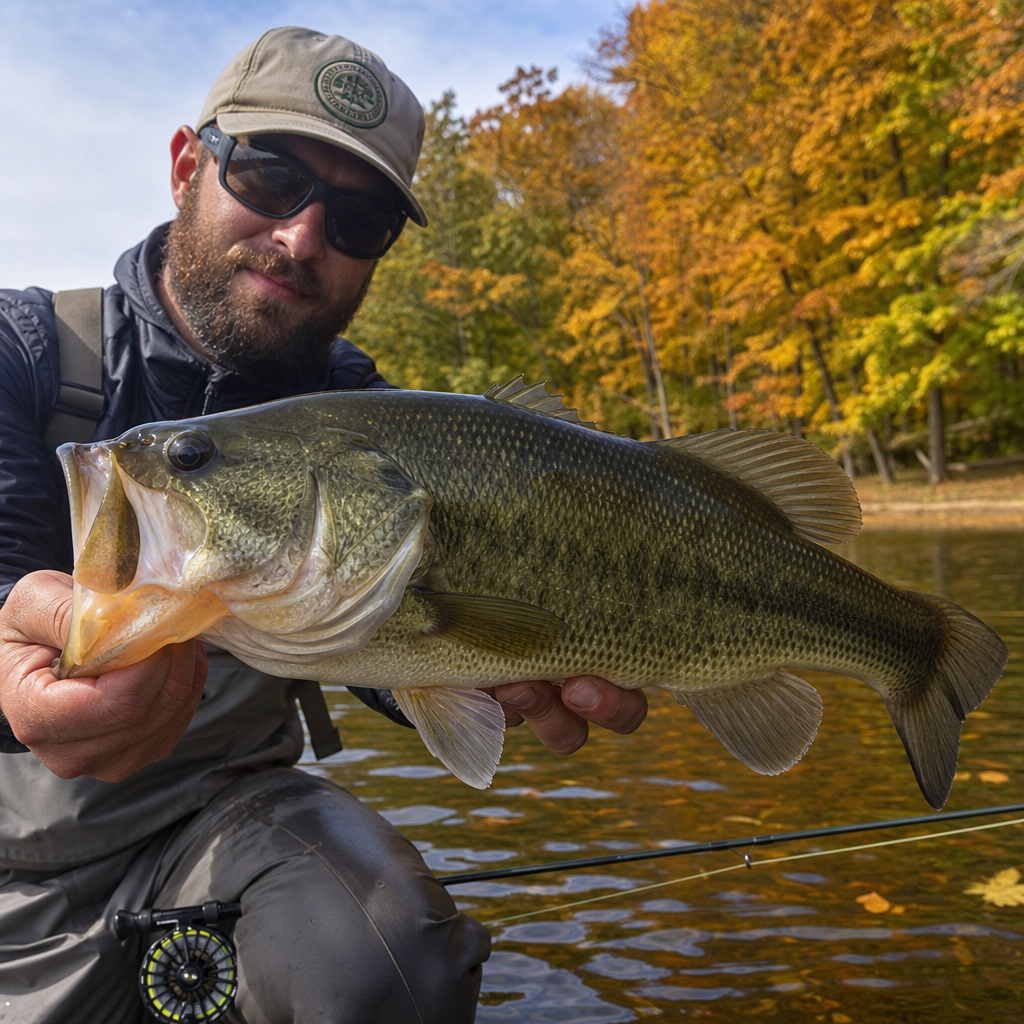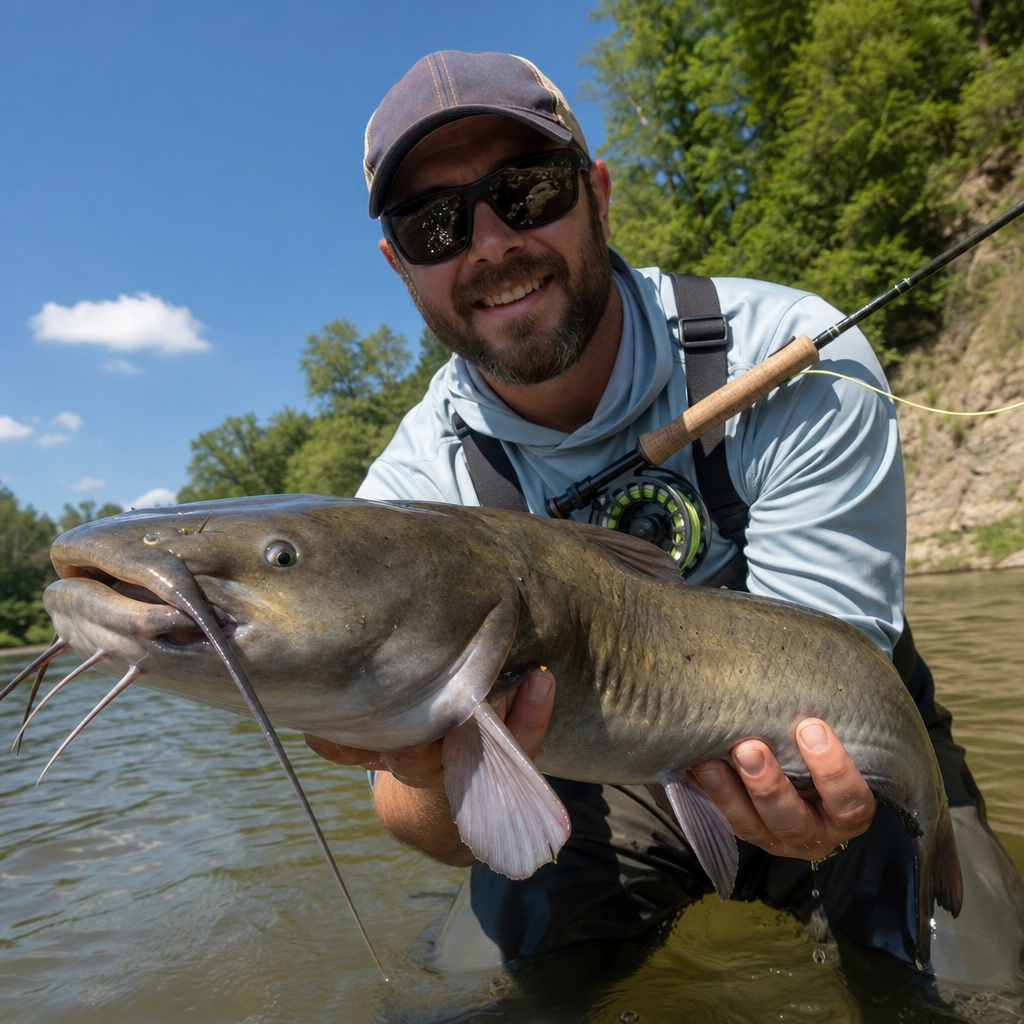
Summer fly fishing for catfish rewards anglers who understand how heat, oxygen, light, and current reshape fish behavior from June through early September. In practical terms, summer fly fishing means presenting flies during the warmest, most biologically active stretch of the year, while catfish refers primarily to channel catfish, blue catfish, and flathead catfish in North America. Each species responds differently to rising water temperatures, bait availability, and daylight patterns, so a one-size-fits-all approach rarely works. I have spent many hot mornings and late nights chasing catfish with a fly rod on rivers, farm ponds, reservoirs, and tailwaters, and the patterns are consistent: find cooler water, stable food sources, and low-light windows, and your odds rise fast.
This sub-pillar hub covers the fundamentals of summer fly fishing for catfish, from reading seasonal conditions to choosing tackle, flies, and presentations that match where fish hold in hot weather. It matters because summer is both the easiest and the hardest season for catfish on fly. Fish feed heavily, but midday heat, low dissolved oxygen, thick vegetation, recreational boat traffic, and stained water can shut down obvious water. Anglers who know what summer conditions do to catfish can still catch fish consistently. If you want a reliable starting point for warm-weather planning under the broader seasons and conditions category, this guide lays out the essential principles clearly, with enough detail to help you fish smarter on your next trip.
How Summer Conditions Change Catfish Behavior
Summer changes catfish location more than many fly anglers realize. As water warms, fish seek a balance between food, oxygen, and security. Channel catfish often move along current seams, rocky banks, riprap, culvert inflows, and shallow flats after dark because these areas concentrate insects, minnows, crayfish, and cut-bait scent from other anglers. Blue catfish, especially in big rivers and reservoirs, often hold near ledges, channel edges, dam discharge, and tributary mouths where current brings oxygen and bait. Flatheads usually stay tighter to wood, undercut banks, bridge pilings, and deep cover during daylight, then slide shallower to hunt live prey at night.
The key summer variables are water temperature, dissolved oxygen, current, and light level. Once surface temperatures climb into the upper seventies and eighties, catfish often avoid stagnant shallows during bright midday periods unless wind, springs, shade, or inflow improve oxygen. That does not mean fish disappear. It means they reposition. In rivers, I look first for moving water because current is an oxygen delivery system. In lakes and ponds, I start with windblown banks, feeder creeks, aeration zones, and deeper edges adjacent to shallow feeding shelves. If a thunderstorm cools the water slightly and raises flow, catfish frequently become more aggressive for a short window.
Spawn timing also matters. Channel catfish commonly spawn when water reaches roughly 75 to 85 degrees Fahrenheit, usually in cavities such as riprap gaps, logjams, and bank holes. During that period, feeding can become irregular. After the spawn, many fish resume predictable feeding patterns and can be especially responsive around current and shoreline structure. Blue catfish may scatter with forage schools, while flatheads remain the most structure-oriented and ambush-driven of the three. Knowing whether your local fish are pre-spawn, spawning, or post-spawn explains a lot of otherwise confusing summer results.
Best Summer Water Types and Prime Holding Areas
The best summer water for fly fishing catfish is any place that combines food, cover, and oxygen without forcing fish to expend unnecessary energy. On smaller rivers, focus on outside bends with wood, below riffles, eddies behind boulders, bridge shade, and the soft edge where fast water meets slower current. These areas let catfish sit efficiently while intercepting drifting forage. On larger rivers, wing dikes, barge tie-offs, current breaks below islands, and scoured holes near navigation structure can be excellent if you can present safely. Tailwaters are often outstanding because dam releases moderate temperature and raise oxygen, though flows can change quickly.
Reservoir catfish can be more nomadic, but they still use repeatable summer features. Creek channels entering main-lake flats, submerged roadbeds, points with wind exposure, marinas with lights, riprap causeways, and areas near baitfish schools all deserve attention. Night fishing around lighted docks can be productive for channel cats because insects draw bait, and bait draws predators. In ponds and small lakes, fish often patrol weed edges, aerator plumes, overflow pipes, and the first drop from shallow mud flats. Mud-bottom ponds also reward anglers who fish after sunset when catfish move shallow to feed on insect larvae, worms, and small sunfish.
Shade is not a minor detail in summer. Overhanging trees, bridge decks, bluff walls, and dock shadows can hold fish throughout the day, particularly when water is clear enough for light penetration to matter. I have seen midday catfish ignore flies in open water but eat immediately when the same pattern landed on the dark side of a piling. Also watch for subtle inflows. Even a small trickle from an irrigation ditch or spring seep can create a temperature and oxygen difference large enough to stack fish in an otherwise difficult stretch.
Tackle, Lines, Leaders, and Essential Gear
Summer catfish on fly do not require exotic gear, but they do demand tackle with lifting power and abrasion resistance. A 7- to 9-weight rod covers most channel catfish situations, while an 8- to 10-weight is better for larger blue catfish, heavy current, or big weighted flies. For flatheads around wood, a strong 9-weight is a sensible minimum because fish dive for cover immediately after the take. Reels matter less for drag sophistication than for durability, backing capacity, and smooth startup inertia. A sealed drag helps if you are fishing muddy rivers or launching from sandy banks.
Fly lines should match depth and water type. A weight-forward floating line is ideal for shallow ponds, bank edges, night fishing, and indicator or greased-line presentations. A sink-tip handles current seams, riprap edges, and moderate depths well. Full-sinking lines, especially in intermediate to type III or type VI densities, shine in reservoirs, tailwaters, and deeper river holes where catfish hold close to bottom during daylight. Leaders can be short and practical. I usually fish 4 to 7 feet of 0X to 20-pound mono or fluorocarbon for channels, and 16- to 25-pound material for heavier cover or larger blues and flatheads. Turnover matters more than delicacy.
Carry forceps, a jaw gripper only if used carefully, a rubberized net, headlamp with red light mode, pliers for heavy hooks, and a stripping basket if fishing from steep riprap or in wind. Gloves help when landing big fish, but avoid cloth gloves that snag in teeth or gill plates. Catfish have abrasive pads and strong pectoral spines, so controlled handling prevents both fish injury and angler mistakes. If you fish from a kayak or raft in summer, a personal flotation device is nonnegotiable, especially on warm nights when fatigue and low visibility increase risk.
Best Flies, Sizes, and Summer Presentation Strategies
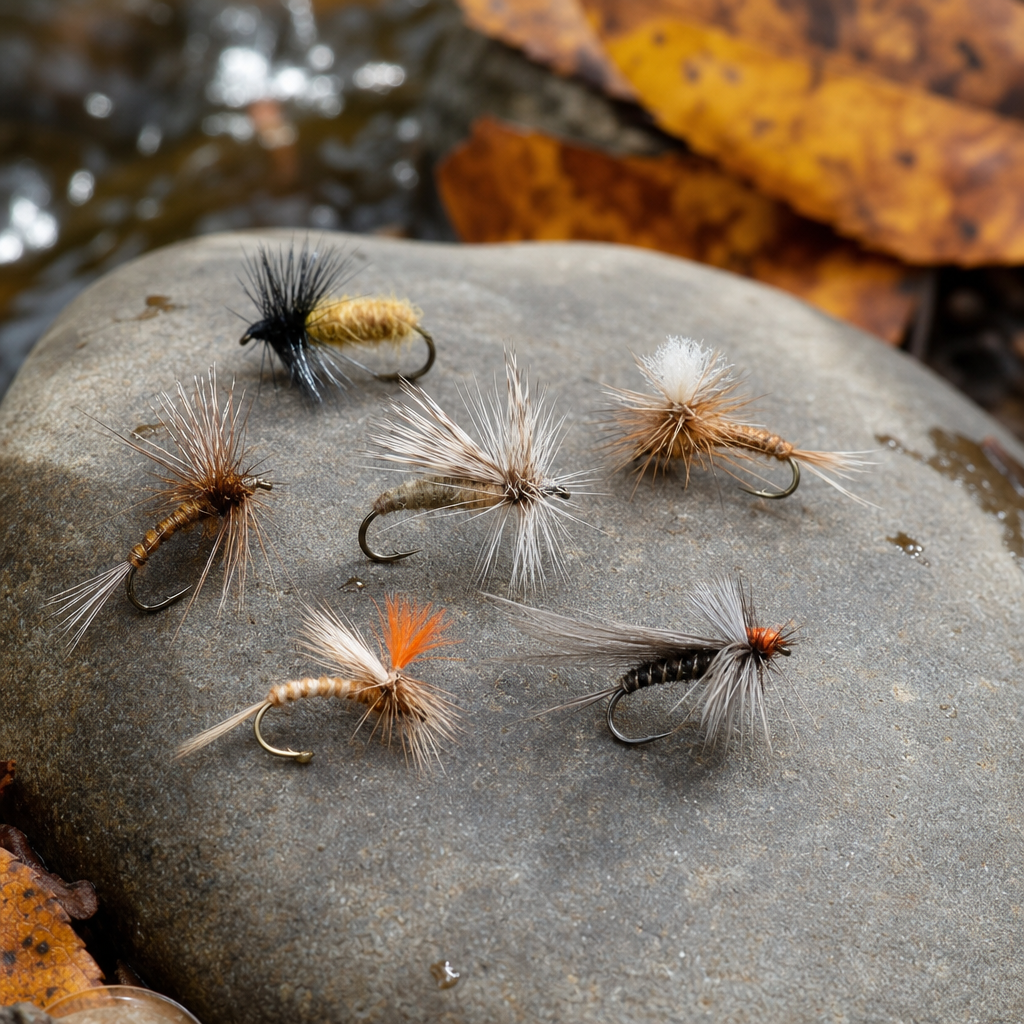
The best summer catfish flies imitate the food catfish can locate easily in warm water: baitfish, crayfish, leeches, dragonfly nymphs, hellgrammites, and scent-trailing wounded prey. Catfish do not feed only by smell, despite the stereotype. Their lateral line, hearing, and low-light vision are all important. That is why flies that push water, pulse, and maintain a clear profile consistently outperform patterns chosen only for color. Good starting options include Clouser Minnows, Woolly Buggers, rabbit-strip leeches, NearNuff crayfish, Sculpzillas, Game Changers in compact sizes, and heavily weighted craw patterns tied on stout hooks.
Color depends on water clarity and light. In stained water, black, purple, dark olive, and black-and-blue create strong silhouettes. In clearer ponds and tailwaters, olive, white, tan, rust, and chartreuse-over-white can be excellent. Summer often favors larger flies than spring because forage is bigger and fish are willing to chase during feeding windows, but oversizing can reduce hookups when channel cats are keyed on insects or small bait. Most of my reliable summer catfish flies are size 2 to 2/0, with compact 3/0 patterns reserved for blues and flatheads.
| Condition | Recommended Fly | Line Choice | Best Retrieve |
|---|---|---|---|
| Shallow pond at dusk | Black Woolly Bugger size 2 | Floating line | Slow strips with pauses |
| River seam near riprap | Olive/white Clouser size 1/0 | Sink-tip | Short hops near bottom |
| Deep reservoir ledge | Weighted crayfish size 2 | Full-sinking line | Drag and lift crawl |
| Wood cover for flatheads | Rabbit leech black 2/0 | Sink-tip | Slow swing, then stall |
Presentation is usually more important than fly pattern. In hot water, catfish often want the fly near bottom, moving slowly enough to track but not so slowly that it loses presence. On rivers, cast slightly upstream or across, let the line sink, then use short strips and controlled swings through current seams. In lakes, count down to depth, then retrieve with steady pulses and occasional long pauses. At night, I fish slower than most anglers think necessary. Many takes come when the fly is barely moving or hanging below the rod tip. If fish are active around the surface because of shad or insect activity, an unweighted baitfish pattern or deer-hair slider can work, but subsurface remains the core summer approach.
Timing, Weather, and Seasonal Windows That Produce
The best time for summer fly fishing for catfish is usually low light: first light, last light, and the first few hours after dark. These windows combine cooler temperatures, reduced light pressure, and increased movement from baitfish and invertebrates. Night fishing is especially effective for channel cats and flatheads in shallow margins, around riprap, and over mud flats. On many waters, the difference between 3 p.m. and 10 p.m. is dramatic. The same shoreline that appears lifeless in the afternoon can hold actively feeding fish after sunset.
Weather shifts can improve summer fishing quickly. A falling barometer before a storm often triggers feeding, while the first safe period after rain can be excellent if runoff is not so muddy that oxygen crashes in small waters. Wind helps in lakes because it pushes plankton, then baitfish, then predators. A sustained breeze on one bank can make that side vastly better than a calm shoreline. Moon phase influences some night anglers’ results, but in my experience location and oxygen matter more than lunar theory. Bright moonlight may move fish slightly deeper or tighter to cover in clear water, but catfish still feed if forage is present.
Pay close attention to water-release schedules below dams and to summer algae blooms in ponds and reservoirs. Scheduled generation can create a short feeding surge as current increases. By contrast, severe algae blooms can produce low oxygen at dawn, making early morning worse than evening. If fish roll lethargically at the surface in a pond, that can signal oxygen stress rather than active feeding. In that case, search for inflow, aeration, or wind-mixed water instead of blindly covering shoreline.
Common Mistakes, Fish Care, and a Smart Summer Plan
The biggest mistake in summer fly fishing for catfish is fishing where you want fish to be instead of where conditions allow them to be. Anglers often pound obvious shallow banks at noon, retrieve too fast, use leaders that are too light for cover, or refuse to change line density when fish hold deeper. Another common error is ignoring safety and fish care in extreme heat. Warm water reduces available oxygen and increases post-release stress. Fight fish efficiently, keep them in the water while unhooking when possible, and avoid prolonged photo sessions on hot rocks or kayak decks.
A smart plan starts with a simple sequence. First, identify the most oxygenated section of water available: current, wind, inflow, shade, or depth transition. Second, pick structure that concentrates food within that area, such as riprap, wood, a channel edge, or a weed line. Third, match your line to the depth and your fly to the dominant forage, usually baitfish or crayfish. Fourth, fish the prime light window thoroughly before moving. This matters because catfish often travel predictable routes and may not appear on a spot until conditions line up. Last, keep notes. Water temperature, moonlight, release schedules, and successful retrieves reveal patterns quickly over a summer.
Summer fly fishing for catfish is at its best when you treat the season as a set of conditions, not a generic calendar label. Heat pushes fish toward oxygen, darkness expands shallow feeding, and current organizes movement. If you understand those three truths, your fly choices and presentations become much simpler. Start with moving or wind-affected water, fish low-light periods, present sturdy flies near bottom, and adjust for species-specific behavior. This hub gives you the framework for all summer fly fishing articles in the seasons and conditions topic, whether you are targeting channel cats in farm ponds, blue cats in big rivers, or flatheads under timber after dark. Put the principles to work on your next outing, keep careful notes, and summer catfish will become one of the most dependable warm-season targets on a fly rod.
Frequently Asked Questions
What makes summer a good time to fly fish for catfish?
Summer can be one of the most productive times to target catfish on a fly because warm water increases their activity, feeding windows, and willingness to move for food. From June through early September, lakes, reservoirs, and rivers are at their most biologically active. Baitfish are abundant, insect life is heavy, and crayfish, sunfish, shad, and other prey are concentrated around structure, current seams, and oxygen-rich water. That creates more predictable feeding opportunities for anglers who understand where catfish position during heat and bright light.
Channel catfish, blue catfish, and flathead catfish all respond to summer conditions a little differently. Channel cats are often the most accessible on fly tackle because they feed aggressively on a wide range of food sources and frequently patrol flats, current edges, submerged timber, riprap, and the mouths of feeder creeks. Blue catfish tend to relate more to current, deeper channels, and schools of bait, especially in big rivers and reservoirs where moving water and oxygen levels matter. Flatheads are more structure-oriented and often feed during low-light periods, holding tight to wood, undercut banks, logjams, and deeper cover during the day before becoming more active at dusk and after dark.
The key advantage of summer is not just that catfish eat more, but that their movements become easier to anticipate. Heat, oxygen, light, and current shape where they spend their time. Early and late in the day, fish may slide shallower to hunt. During the brightest, hottest hours, many move toward shade, depth, current, or any area with better oxygen. If you match your timing and presentation to those shifts, summer can offer some of the most exciting and consistent catfish fly fishing of the year.
When is the best time of day to fly fish for catfish in hot summer weather?
The best time of day is usually early morning, late evening, and into the night, especially during extended heat waves or in waters that warm quickly. Those periods typically combine lower light, slightly cooler water, and greater catfish movement into shallower feeding areas. Catfish are highly adaptable, but in summer they often become more comfortable roaming and hunting when sunlight is reduced and surface temperatures are less extreme.
At daybreak, look for fish transitioning from nighttime feeding zones toward nearby cover, channel edges, or deeper holding water. This can be an excellent time to swing or strip flies along shallow flats, gravel bars, riprap banks, bridge pilings, and creek mouths. In the evening, the pattern often reverses. As the light drops, catfish may push back onto shallow structure, current breaks, and shoreline edges to feed on baitfish, crayfish, and injured prey. Night fishing can be especially productive for larger channel cats and flatheads because these fish often become bolder and feed more confidently after dark.
That said, midday is not automatically a lost cause. If you can locate oxygen-rich water, shade, or current, fish can still be caught in the hottest part of the day. Tailraces, below dams, spring-fed stretches, deep outside bends, inflowing tributaries, and heavily shaded timber can all hold active catfish when open, stagnant water is less favorable. In rivers, current often matters more than the clock because moving water can keep oxygen levels higher and bait more concentrated. In reservoirs and ponds, timing becomes more important because shallow water can heat rapidly and push fish into more limited holding zones.
Where should you look for channel catfish, blue catfish, and flathead catfish during summer?
Start by thinking in terms of three basic needs: food, cover, and oxygen. In summer, catfish are not randomly scattered. They gather around places that give them efficient access to prey while minimizing stress from heat and low oxygen. Productive water often includes current seams, drop-offs, submerged wood, bridge pilings, riprap, feeder creek mouths, deep holes adjacent to flats, and any area where moving water brings food past a predictable holding spot.
Channel catfish are usually the easiest species to locate because they use a wide range of summer habitat. In rivers, look around eddies, current breaks behind boulders, outside bends, logjams, cut banks, and shallow-to-deep transitions near feeding flats. In lakes and reservoirs, focus on riprap, creek channels, windblown points, flats near structure, and areas where bait or insects collect. Channels often move shallower than anglers expect during low light, especially where they can cruise for easy meals.
Blue catfish are more likely to hold in deeper channels, along ledges, near dam-generated current, and anywhere schools of shad or other baitfish gather. In big rivers, confluences, holes below current funnels, and long seam lines can all be key locations. In reservoirs, blues often relate to submerged river channels, points dropping into deep water, humps near current, and open-water bait concentrations. They can travel, so a spot with current and forage may be more important than a single visible piece of structure.
Flathead catfish are the most cover-oriented of the three. During the day, they commonly hold tight to heavy wood, root wads, undercut banks, boulders, and deep snags where they feel secure. They often feed by ambush and may not move far in bright conditions. As evening approaches, they may slide onto adjacent flats, edges, or channel shelves to hunt. When targeting flatheads on a fly, it often pays to identify the heaviest cover available and then work the nearby travel lanes during low light rather than trying to force fish out of the thickest structure in full sun.
What flies and presentations work best for summer catfish?
The best summer catfish flies are usually large, durable, easy-to-track patterns that suggest the foods catfish are already eating. Baitfish flies, leech patterns, crayfish imitations, worm-style flies, and bulky streamers all have a place. Catfish are famous for using scent in conventional angling situations, but on fly tackle they will absolutely respond to vibration, profile, movement, and an easy target. You do not need highly technical trout-style imitation. You need a fly that pushes water, stands out, and can be presented slowly and naturally in the strike zone.
For channel cats, medium to large streamers in dark colors, olive, black, brown, white, chartreuse, or combinations with flash often produce well. Woolly Bugger-style flies, rabbit-strip leeches, baitfish patterns, and crayfish flies are all reliable. Blue catfish often respond to larger baitfish profiles fished around current and depth changes, while flatheads frequently favor bigger, slower-presented offerings near heavy cover where they can ambush prey. Weighted flies or flies paired with sinking lines are often necessary to get down quickly in deeper water or stronger current.
Presentation is usually more important than exact pattern choice. In warm water, catfish may be willing to chase at times, but they are often best targeted with controlled, deliberate retrieves. Short strips, slow crawls, bottom-hugging swings, and pause-heavy retrieves can all be effective. In rivers, let the current help animate the fly. Cast slightly upstream or across current, mend as needed, and allow the fly to sink and swing into likely holding water. Around wood or riprap, bring the fly close to cover and keep it in the zone as long as possible. Many takes feel like extra weight, a soft stop, or a sudden thump rather than a sharp grab, so strip-setting and staying connected matter.
Night fishing can call for even more emphasis on silhouette and vibration. Dark flies that create a strong profile against the surface glow or moonlit water can be excellent, particularly for channels and flatheads in shallow feeding areas. If fish are not responding, adjust depth first, then speed, then fly size. Catfish are often willing, but only if the fly is moving through the level of the water column where they are actually holding.
What tackle, conditions, and safety factors should anglers consider for summer fly fishing for catfish?
A sturdy outfit is important because summer catfish are powerful fish that often live around wood, rock, current, and other line-damaging structure. For most channel catfish situations, a 7- to 9-weight rod is a practical starting point. If you are targeting bigger blue catfish or flatheads, especially in current or heavy cover, a 9- or 10-weight may be the better tool. Strong reels with smooth drags help, but catfish are often won or lost more by rod control, leader strength, and keeping fish away from snags than by pure reel performance. Floating lines work in shallow or low-light situations, while sink-tip or full-sinking lines are often better for daytime depth, ledges, and deeper river runs.
Leaders do not need to be delicate. These fish are not generally leader shy, and abrasion resistance matters far more than finesse. Strong fluorocarbon or tough monofilament tippets are common choices, especially around timber and rock. A simple, stout setup that turns over larger flies and survives rough structure is usually the most practical approach. Landing gear also matters. A quality net, lip-grip tool if you