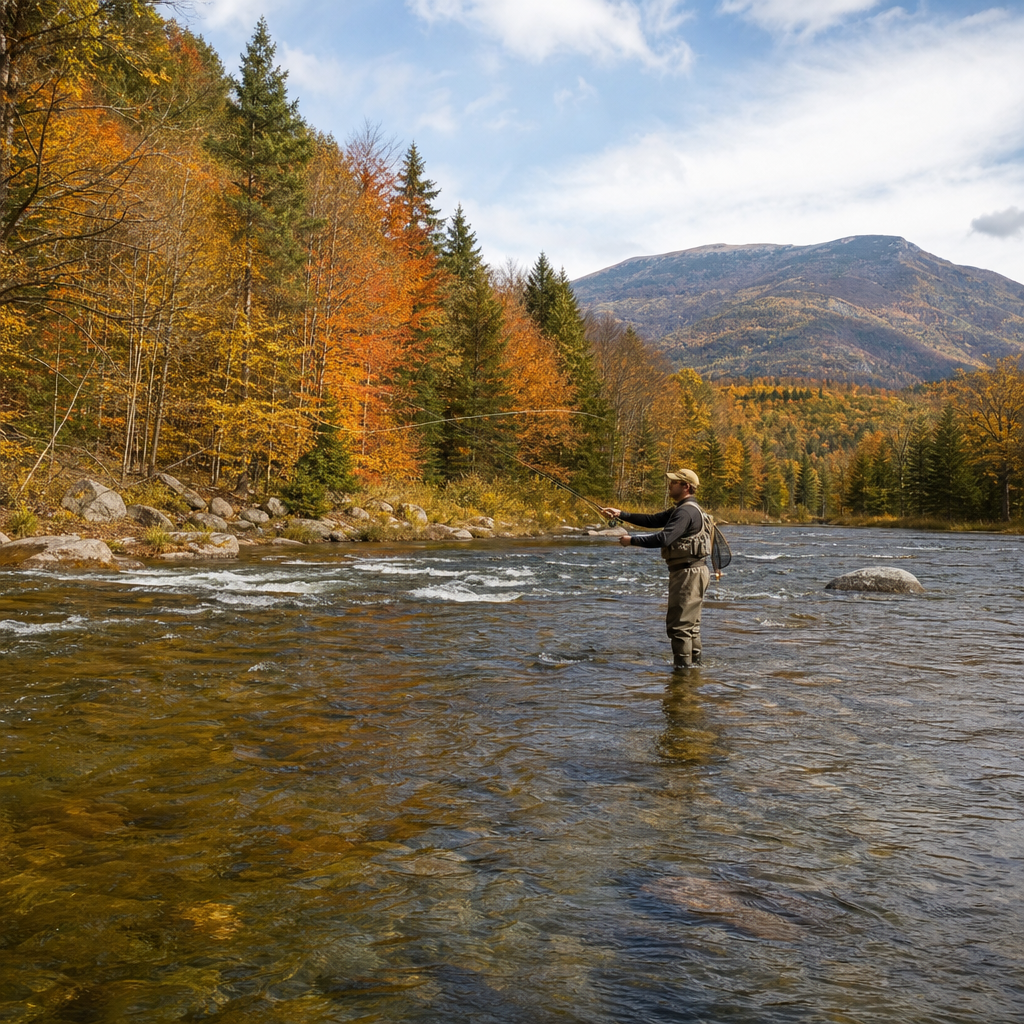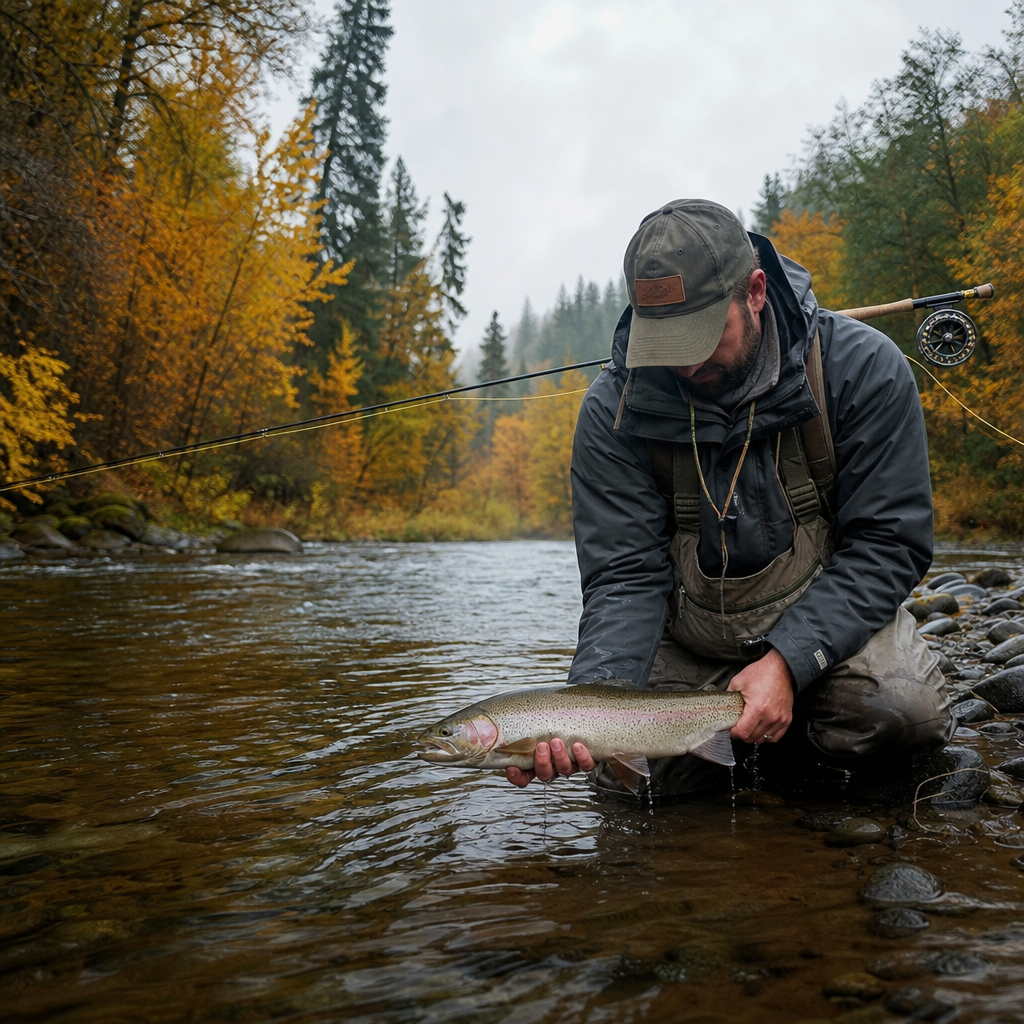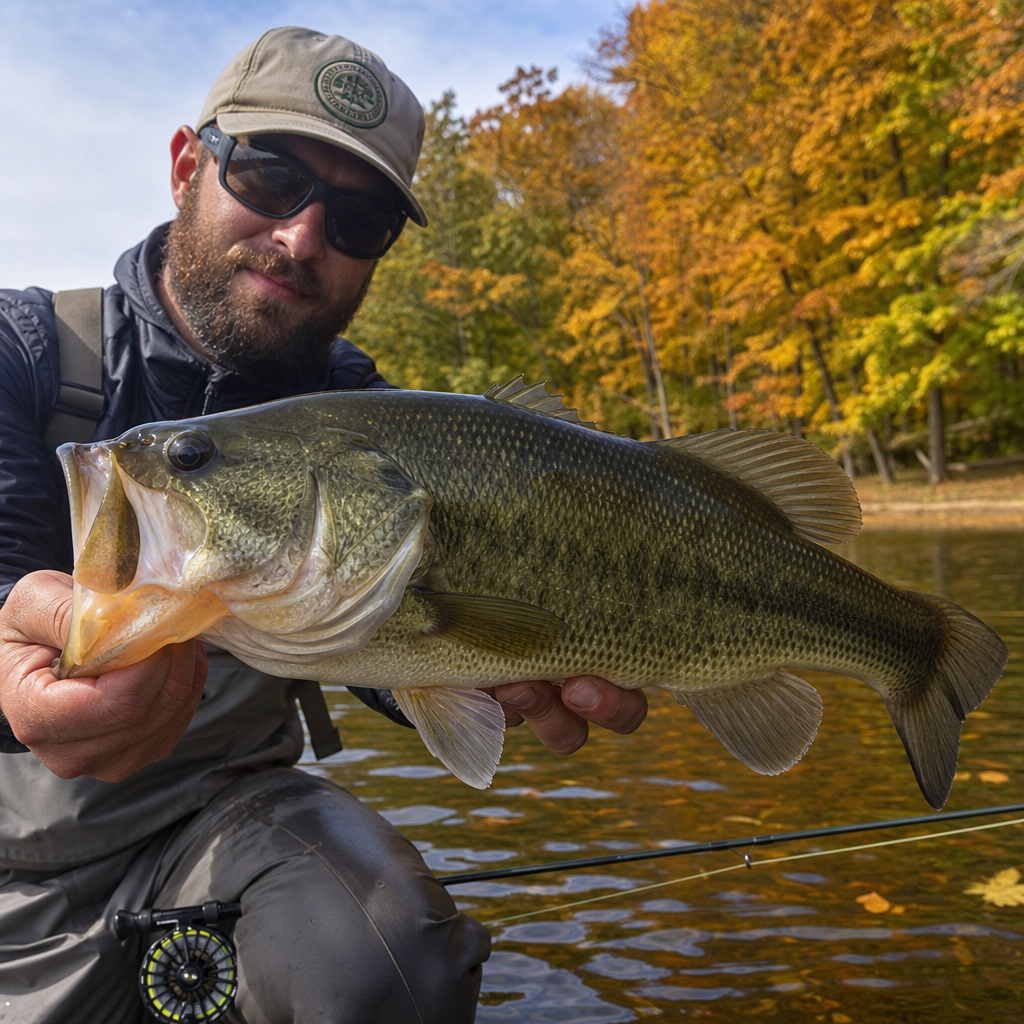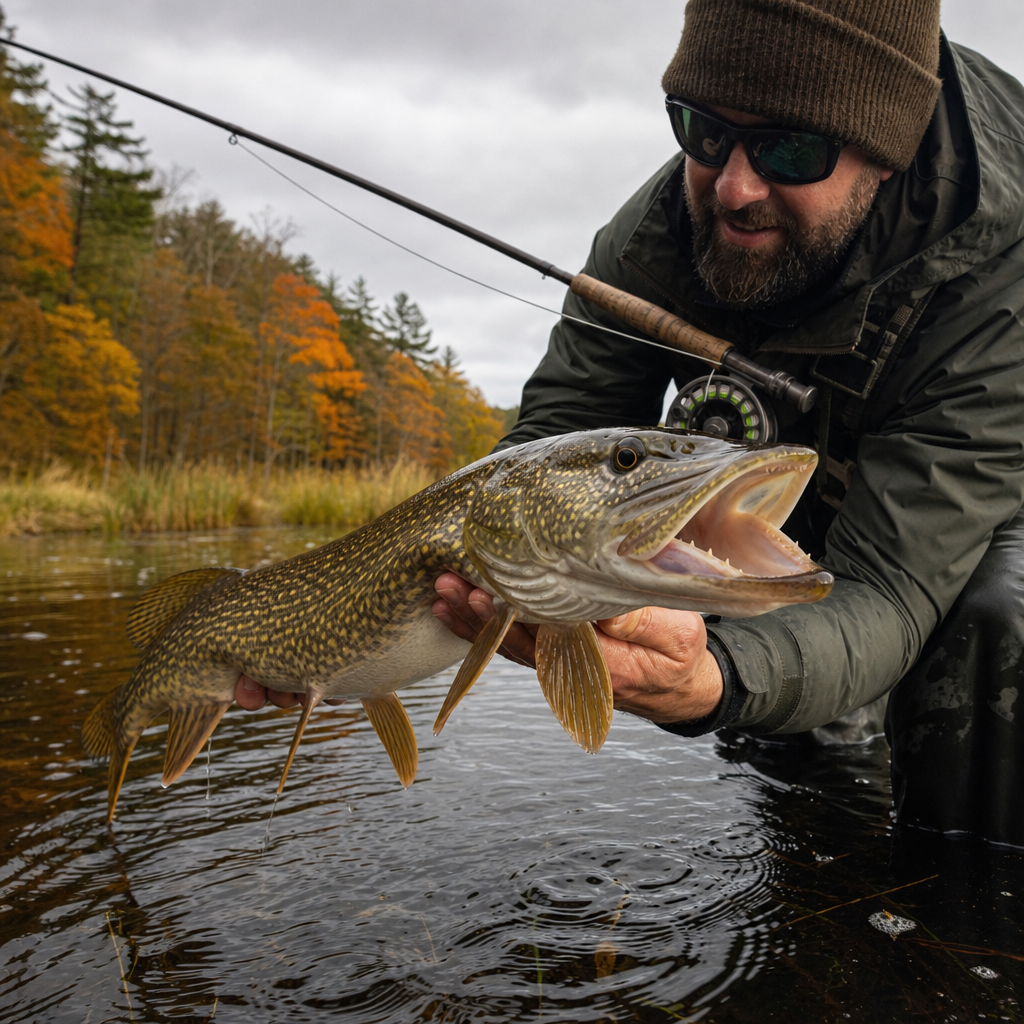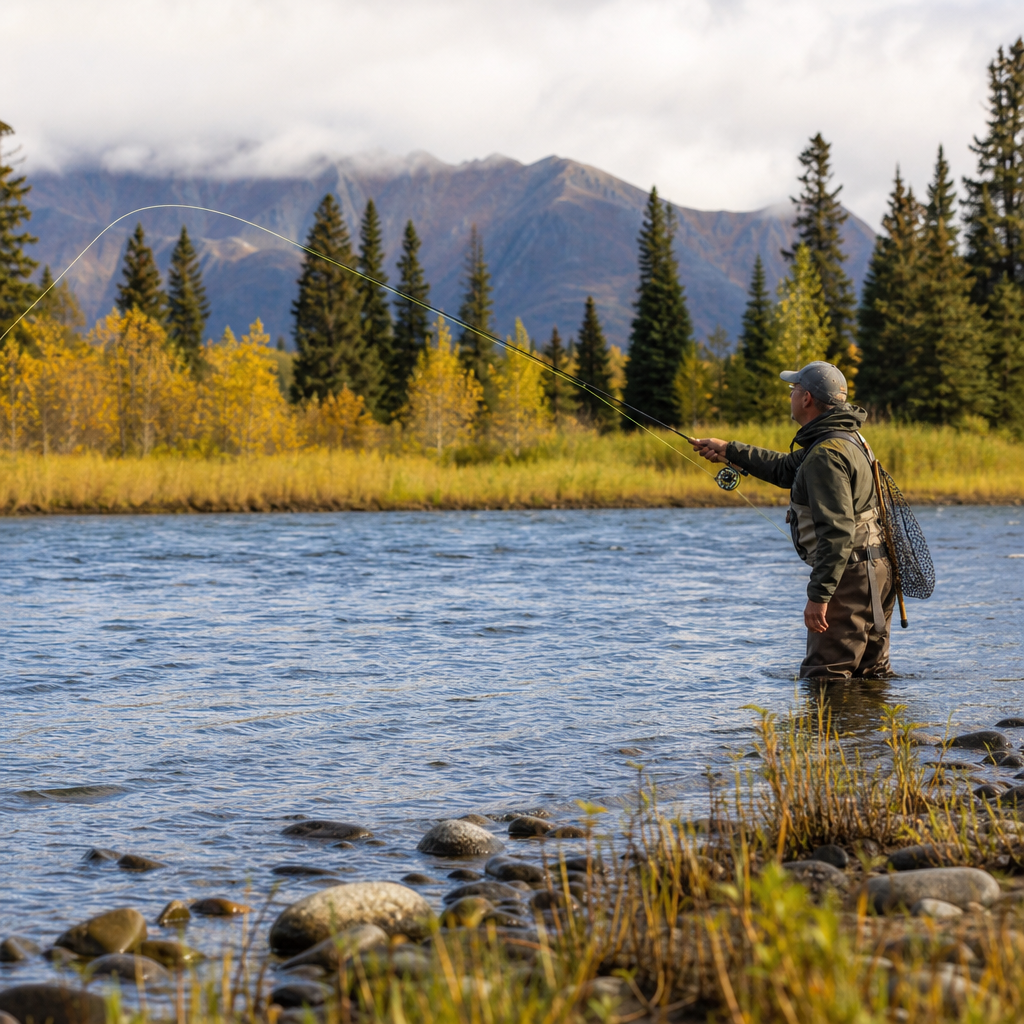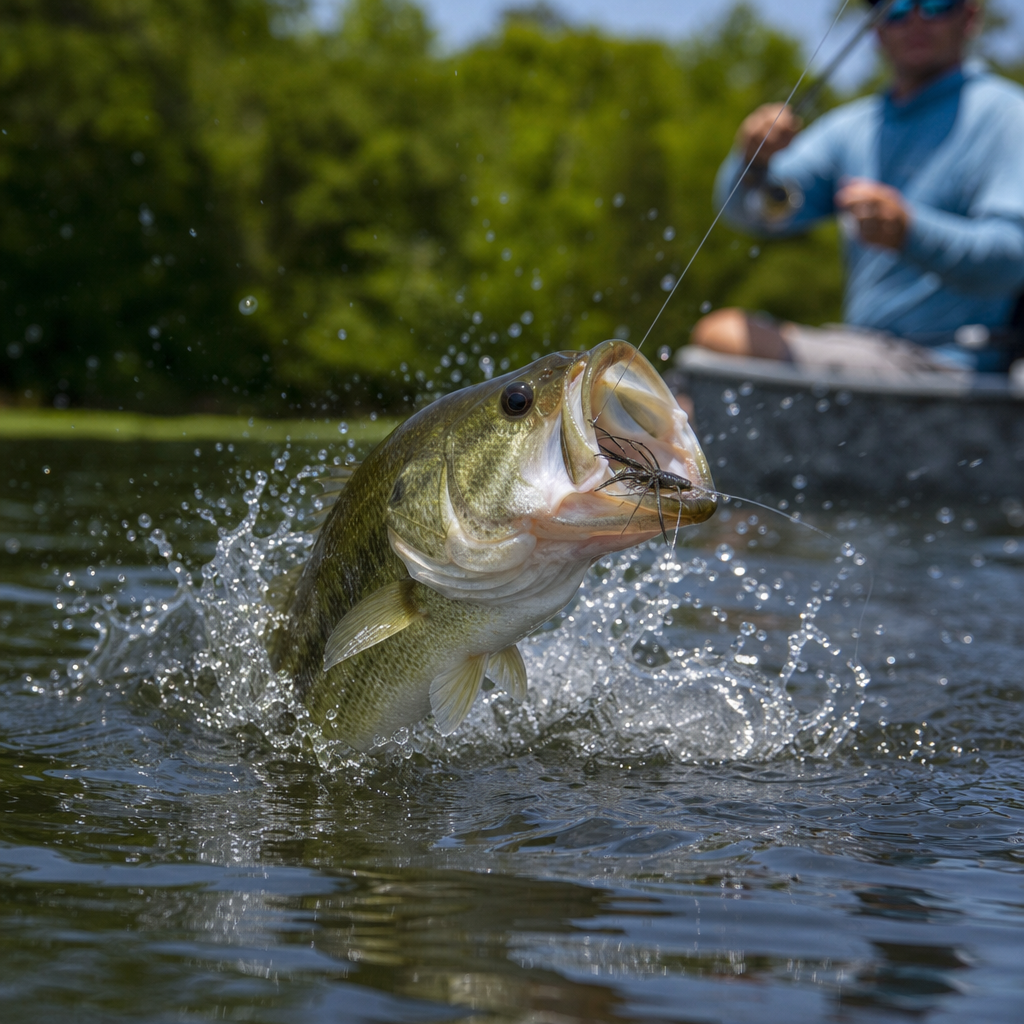
Summer fly fishing for bass reaches its peak when heat pushes fish shallow at dawn, concentrates forage along weed lines, and turns a simple floating bug into the most visual strike in freshwater angling. In this hub guide, summer fly fishing means targeting bass during the warmest months by matching tactics to higher water temperatures, stronger plant growth, lower midday oxygen, and the feeding windows that open around low light, shade, current, and weather changes. Topwater action refers to presentations that stay on or just under the surface, including deer-hair poppers, foam sliders, gurglers, frogs, and waking baitfish flies that trigger explosive takes from largemouth and smallmouth bass. I have planned entire summers around those few hours when cicadas start buzzing, bluegills dimple the surface, and bass pin bait against pads or rocky banks, because those windows can outproduce a full day of blind casting. This topic matters because summer is often dismissed as difficult, yet anglers who understand seasonal fish behavior can find dependable action, larger fish, and some of the highest-percentage opportunities of the year. As a hub article under Seasons and Conditions, this page explains the core principles behind summer fly fishing and points you toward the key variables that shape every successful warm-weather bass trip.
The foundation is water temperature. As temperatures rise into the seventies and low eighties, bass remain active, but they stop using water the same way they did in spring. Largemouth often slide into milfoil edges, lily pad fields, wood cover, marinas, and shaded banks where ambush angles are strong and sunlight is reduced. Smallmouth frequently relate to current seams, boulder fields, shoals, bridge shade, and windblown banks where moving water keeps oxygen levels higher. Summer fly fishing therefore is not one pattern but a system of reading conditions: morning versus afternoon, flat calm versus breeze, natural lakes versus rivers, clear water versus stained water, and stable weather versus approaching fronts. Topwater is central because warm water boosts surface feeding around insects, frogs, and baitfish, while low-light periods let bass hunt upward with confidence. A good summer bass angler learns when to stay on top, when to drop a fly just below the film, and when to leave a productive-looking area because the sun angle or water temperature has shifted enough to reduce the bite.
Why topwater dominates summer bass fly fishing
Topwater dominates summer bass fly fishing because it intersects biology, habitat, and timing better than almost any other approach. In warm months, bass frequently feed up. Bluegill and shad gather around grass and docks, dragonflies hover over emergent vegetation, frogs move through pads, and terrestrial insects fall from overhanging trees. Surface flies exploit that upward-looking feeding posture. A floating pattern also stays above the thick summer cover where conventional subsurface flies can foul, bury in grass, or sink into timber before the fish sees them. On many lakes I fish, the best topwater bite starts before sunrise, builds through first light, then returns during the final hour before dark, especially after a hot, bright day that forces bass under shade. Night can be excellent too. Large bass often leave heavy cover after dark and feed by silhouette, making black deer-hair divers, oversized gurglers, and slow-moving mouse or frog patterns surprisingly effective around docks, riprap, and calm weed edges.
Topwater is not always the loudest presentation. One common mistake is assuming every summer bass wants a hard pop. In slick, clear water, a subtle slider that pushes a V-wake often outfishes a noisy bug because it suggests a vulnerable bluegill or baitfish without alarming pressured fish. In stained water or wind, a cupped-face popper that spits water can help bass locate the fly. The rule is simple: match disturbance to visibility and mood. Aggressive fish around active bait may crush a hard chug on the pause, while neutral fish buried under docks may only eat after a gentle twitch that keeps the fly in the strike zone. This is why dedicated summer bass anglers carry several surface styles rather than relying on a single popper shape all season.
Reading summer water: where bass set up
Location matters more in summer because productive habitat becomes concentrated. On natural lakes, begin with outside weed edges, isolated holes in vegetation, pad lanes, reeds, submerged timber, and points that touch deep water. Largemouth use these edges as feeding stations, especially when bluegills are spawning nearby. A bluegill bed can pull quality bass into water that looks too shallow to hold them through the day. On reservoirs, prioritize creek mouths, tapering points, flooded bushes, marinas, riprap, and bluff shade early and late. Current from generation schedules can activate otherwise dormant fish, so if you fish tailwaters or river-fed impoundments, monitor release timing closely. In rivers, smallmouth bass often position where current delivers food without requiring constant effort: seams beside boulders, the downstream side of islands, shaded cut banks, deeper runs below riffles, and eddies near wood.
Shade is its own pattern in summer fly fishing. Docks, pontoon lifts, bridge pilings, overhanging sycamores, and steep banks that block afternoon sun can all hold bass when open water looks lifeless. I treat shade lines as moving structure. At sunrise, fish may roam grassy flats. By late morning, they tighten to the darkest available edge. Accurate casts become more important than long casts. A bug landed six inches from a pontoon float or tight to a pad stem will often outfish one dropped three feet away. Wind deserves equal attention. A light breeze can improve a topwater bite by breaking up the surface and pushing plankton, bait, and bluegills into one shoreline. Strong wind, however, may force a shift toward more aerodynamic foam bugs, shorter leaders, and protected banks where a clean presentation is still possible.
Best flies, tackle, and leader choices
For dedicated summer bass work, a 7- to 9-weight rod covers nearly everything. A 7-weight excels for smaller poppers, gurglers, and river smallmouth; an 8-weight is the all-around choice; a 9-weight helps turn over large deer-hair divers, frog patterns, and wind-resistant flies around dense cover. Pair the rod with a weight-forward floating line that has an aggressive front taper. Bass bug tapers are built to carry air-resistant flies, and they make a clear difference compared with general trout tapers. Leaders can stay simple. A 7.5- to 9-foot leader ending in 12- to 20-pound tippet works for most topwater situations. In cover, heavy mono or fluorocarbon tippet turns flies over better and gives you authority to pull fish away from pads, dock cables, and brush. For floating presentations, mono is often easier to manage than fluorocarbon because it tends to stay higher and remains more supple.
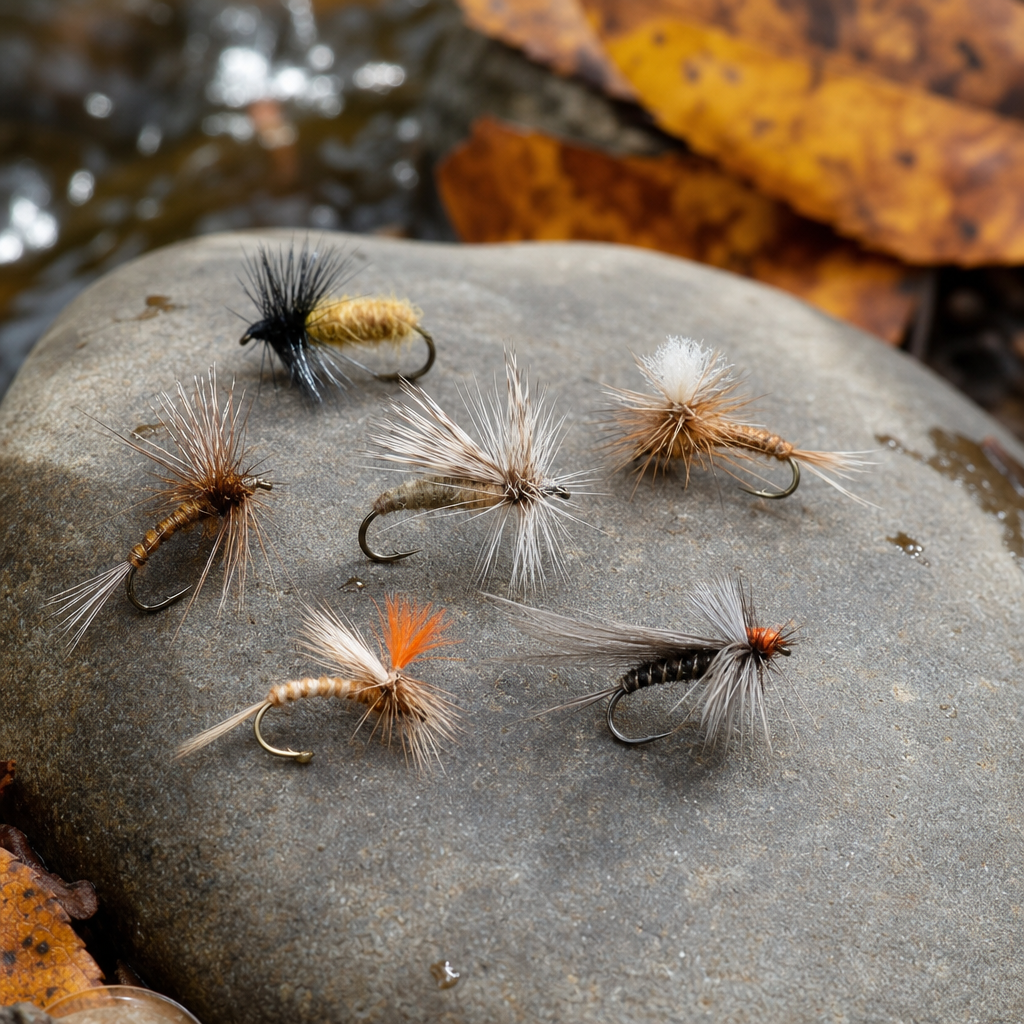
Fly selection should reflect forage and cover. Poppers call fish from distance and shine in stained water, wind, or low light. Sliders and divers imitate wounded baitfish and bluegills, making them ideal around grass edges and shaded banks. Gurglers are versatile because they can pop, wake, or swim just under the film. Foam frogs excel in pads and matted vegetation where a weedless presentation is essential. Baitfish patterns tied sparse with synthetic materials become useful when bass chase young shad, perch, or alewives near the surface. Color matters less than profile and contrast, but there are dependable standards: black at night, white or shad tones around baitfish, chartreuse for stained water, and bluegill blends of olive, yellow, orange, and barred rubber legs around panfish beds.
| Condition | Best Fly Style | Tackle Adjustment | Why It Works |
|---|---|---|---|
| Calm, clear dawn | Slider or gurgler | 7-8 weight, 9-foot leader, 12-16 lb tippet | Subtle surface push matches cautious fish |
| Windy bank with stain | Cupped-face popper | 8-9 weight, bass bug line, 16-20 lb tippet | Noise and splash help fish locate the fly |
| Lily pads and mats | Weedless foam frog | 8-9 weight, shorter leader, heavy tippet | Slides through cover and lands in tight pockets |
| River smallmouth in current | Gurgler or diver | 7-8 weight, compact leader | Tracks well in seams and imitates fleeing bait |
| Night fishing around docks | Black deer-hair bug | 8 weight, stout leader | Strong silhouette and slower retrieve draw big strikes |
Presentation, retrieve, and timing strategies
Retrieve style is where most summer topwater success is won or lost. The best starting rule is to fish slower than your instinct suggests. After the cast, let the rings fade. Many strikes happen during the first dead pause as the fly settles like a stunned bluegill, cicada, or frog. Then work the fly with short strips, rod-tip twitches, or a steady hand-twist depending on pattern type. Poppers often shine with a pop-pop-pause cadence. Sliders and gurglers usually produce more consistently with tiny strips that keep them moving forward without too much commotion. Around bluegill beds, I like a bug to sit almost motionless, then pulse once and rest again; bass patrol the perimeter and often eat after staring at the fly for several seconds. In current, cast slightly across and let the fly swing into soft water before stripping, because bass frequently hold on the seam waiting for food to wash by.
Timing revolves around temperature, light, and oxygen. Early morning is reliable because shallow water is coolest and forage is active. Evening can be even better, particularly after stable hot weather. Cloud cover may prolong the bite into midday, while bright overhead sun typically compresses feeding into shade and tighter structure. After thunderstorms, the bite may improve if barometric change and wind activate surface prey, but safety comes first; lightning and graphite rods do not mix. During prolonged heat waves, topwater may still work at dawn, yet fish often slide deeper once the sun climbs. That is the moment to remember that this hub covers summer fly fishing broadly. Topwater leads the season, but successful anglers stay flexible enough to switch to a weighted baitfish, crayfish, or swimming worm when bass stop committing upward.
Common summer mistakes and how to build a full-season hub strategy
The biggest summer mistake is fishing pretty water instead of high-percentage water. Bass rarely scatter evenly across a lake in July and August. They group around oxygen, shade, forage, and efficient ambush points. Another mistake is using trout habits on bass water: overly light tippet, delicate false casting over fish, and constant fly changes instead of improving angle or retrieve. I also see anglers leave too quickly after one unproductive pass. Summer fish often need repeated presentations from different directions, especially around docks and grass points. Conversely, some anglers stay too long in dead water because it looks fishy. Give a prime target a thoughtful sequence, then move. Covering water with intention is more important than blind persistence.
As a hub article, this page should guide your larger summer fly fishing plan. Break the season into repeatable categories: low-light topwater, midday shade fishing, river current patterns, pond and lake vegetation strategies, night bass on flies, post-storm adjustments, and warm-water safety for fish handling. Each deserves its own deeper article, but the framework is consistent. Identify the dominant forage, find the coolest or most oxygen-rich available water, and choose the least complicated presentation that keeps the fly where bass can track it. Carry polarized glasses, monitor surface temperature, pinch barbs for faster releases, and avoid extended fight times when water gets very warm. If you want more fish this summer, start and end each trip with topwater, map every productive shade line and weed edge, and build your outings around those windows when bass are most willing to explode on a fly.
Frequently Asked Questions
What makes summer such a productive time for fly fishing for bass on topwater?
Summer is prime time for topwater bass on the fly because seasonal conditions push fish and forage into predictable patterns. As water temperatures rise, bass often feed most aggressively during low-light windows such as dawn, dusk, and overcast periods, when they feel comfortable moving shallow. At the same time, weed growth expands, baitfish gather along edges, bluegills hold near cover, and insects become more active, all of which create ideal ambush opportunities. For the fly angler, this means a floating bug, popper, slider, or diver can be presented exactly where bass expect to attack from below.
Another major factor is visibility and strike behavior. In summer, bass frequently key on easy, high-profile meals near the surface, especially around shaded banks, docks, laydowns, lily pads, and grass lines. Warm weather also encourages explosive reaction strikes, which is why topwater fishing becomes so visual and exciting during this season. Instead of guessing whether a fish ate deep, you can watch the entire sequence unfold: the wake, the boil, the pause, and then the surface detonation. When conditions line up, few methods match the efficiency and excitement of covering shallow water with surface flies in summer.
What are the best times of day to fish topwater flies for bass in hot summer conditions?
The best time is usually early morning, especially the first hour or two of daylight. Overnight cooling often improves shallow-water comfort, and bass use that window to feed before direct sun raises surface temperatures and increases light penetration. During this period, fish commonly patrol shorelines, points, weed edges, submerged timber, and pockets in vegetation. A floating bug placed tight to cover can draw immediate attention because bass are already positioned upward and hunting in the shallows.
Evening is often the next-best window, particularly when the day has been hot and stable. As the sun gets low, shadows lengthen, insect activity increases, baitfish move, and bass once again slide into feeding positions. Cloud cover, wind, incoming weather, or light rain can also extend productive topwater periods well beyond the traditional dawn-and-dusk pattern. Midday is usually tougher in summer, but not always a lost cause. Shade lines under docks, bridges, overhanging trees, matted weeds, spring-fed banks, and current seams can still hold active fish. In those situations, precise casts and slower presentations can still produce solid topwater eats when open, sunlit water seems dead.
Where should I focus when looking for summer bass on topwater with a fly rod?
Start with shallow structure and cover that combine food, shade, and ambush potential. Weed lines are especially important in summer because they concentrate bait and create a clear edge where bass can hide and attack. Focus on irregularities such as points in the grass, inside turns, cuts, holes, and transitions from sparse weeds to thicker growth. Lily pads, reeds, flooded brush, fallen trees, dock pilings, riprap banks, and shoreline timber are all high-percentage targets because they give bass both concealment and a short strike path to the surface.
Current is another overlooked advantage in warm weather. In rivers and flowing reservoirs, bass often hold where moving water brings oxygen and food, especially near eddies, current seams, submerged wood, shaded banks, and rocky shelves. On natural lakes and ponds, look for places where wind pushes forage into coves, pockets, and vegetation edges. Shade is a major trigger in summer, so don’t ignore anything that reduces light and heat: marina slips, pontoon shadows, overhanging bushes, bluff walls, bridge corners, and cut banks can all hold fish that are willing to rise to a well-placed bug. If you consistently target areas that offer cover, forage, and comfort, your topwater success rate will improve dramatically.
Which flies and presentations work best for summer topwater bass fishing?
Poppers, foam bugs, sliders, divers, and deer hair bugs are the core tools for summer topwater bass. Poppers are excellent when you want to call fish up with noise and surface disturbance, especially in low light, stained water, or around thicker cover. Sliders and subtle foam bugs excel when bass are feeding but seem cautious, because they land softer and can be twitched with a more natural, vulnerable look. Divers and swimming bugs are useful when fish want a little commotion but not a loud chug. Color choices should match visibility and confidence more than exact imitation; black, white, chartreuse, frog shades, yellow, and bluegill-like patterns all have their place depending on light level and water color.
Presentation matters as much as fly choice. In hot summer conditions, many anglers move the fly too fast. A better approach is often to cast tight to cover, let the rings disappear, and then begin with short strips, twitches, or gentle pops. That pause is critical because bass frequently inspect a bug before committing. Around pads, wood, and docks, make repeated casts from slightly different angles to the same target, since a fish may not strike on the first pass. In open lanes along weed edges, an alternating rhythm of pop-pause-pop or twitch-twitch-pause often triggers followers. When a bass blows up and misses, resist ripping the fly away. Pause briefly, then give a small twitch. Many fish come back and finish the eat if the fly appears stunned instead of escaping.
How do I adjust my summer fly fishing strategy when bass stop hitting topwater consistently?
When the surface bite fades, the first adjustment should be location and timing, not necessarily abandoning topwater immediately. Move from exposed shallows to nearby comfort zones such as deeper weed edges, shade, current seams, wood adjacent to drop-offs, and areas with better oxygen. Fish may still be willing to take a surface fly, but only if it’s presented in a place that feels safe and efficient. Downsizing the bug, switching from a loud popper to a quieter slider, lengthening pauses, and making more accurate casts tight to cover can turn refusals back into committed strikes.
If those adjustments do not work, conditions may be telling you that bass have temporarily shifted off the surface. Bright sun, post-front pressure, very warm stagnant water, and heavy recreational traffic can all suppress topwater feeding. At that point, it is smart to probe just under the film or a little deeper with a subsurface option such as a swimming baitfish, damselfly nymph, or lightly weighted leech pattern. Often, the best summer strategy is to use topwater during low-light feeding windows and then transition deeper as the day develops. That flexible approach keeps you aligned with bass behavior instead of forcing a surface pattern after the fish have changed mood, depth, or position.