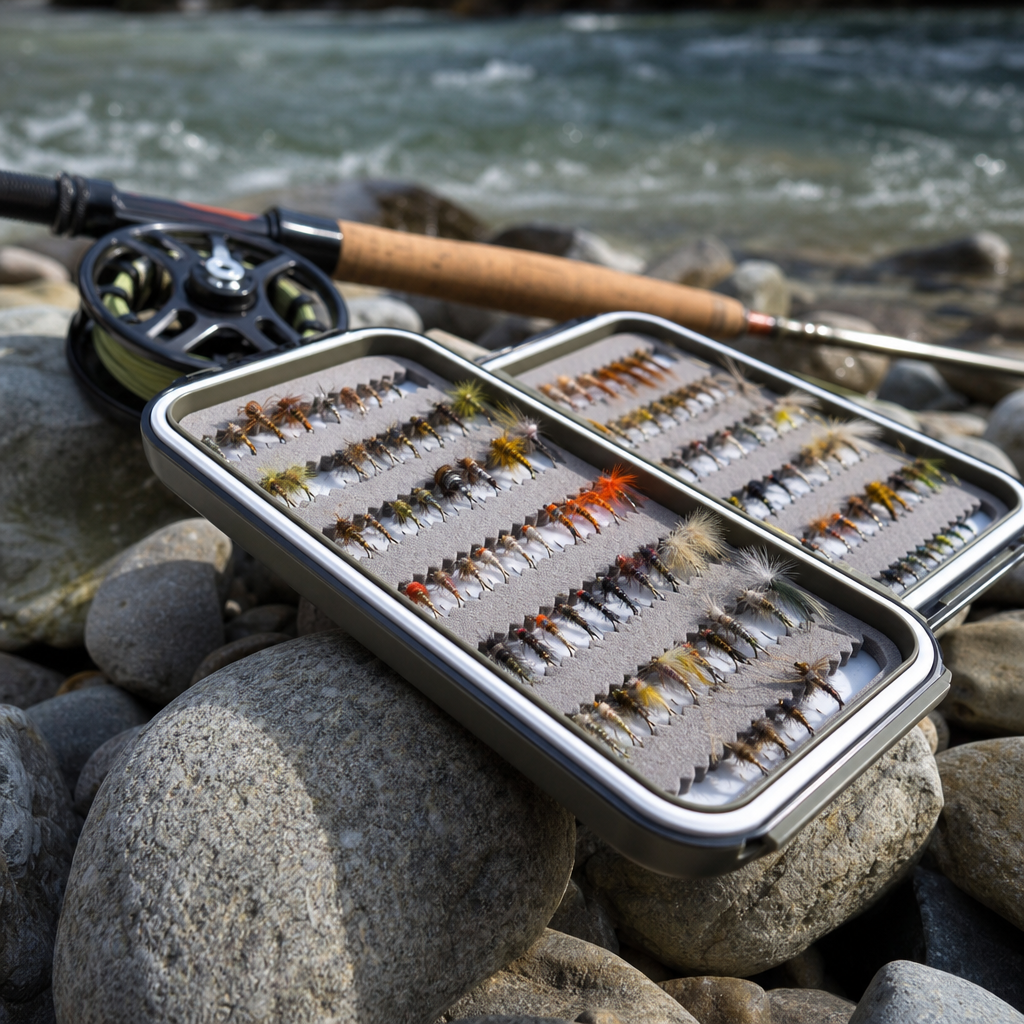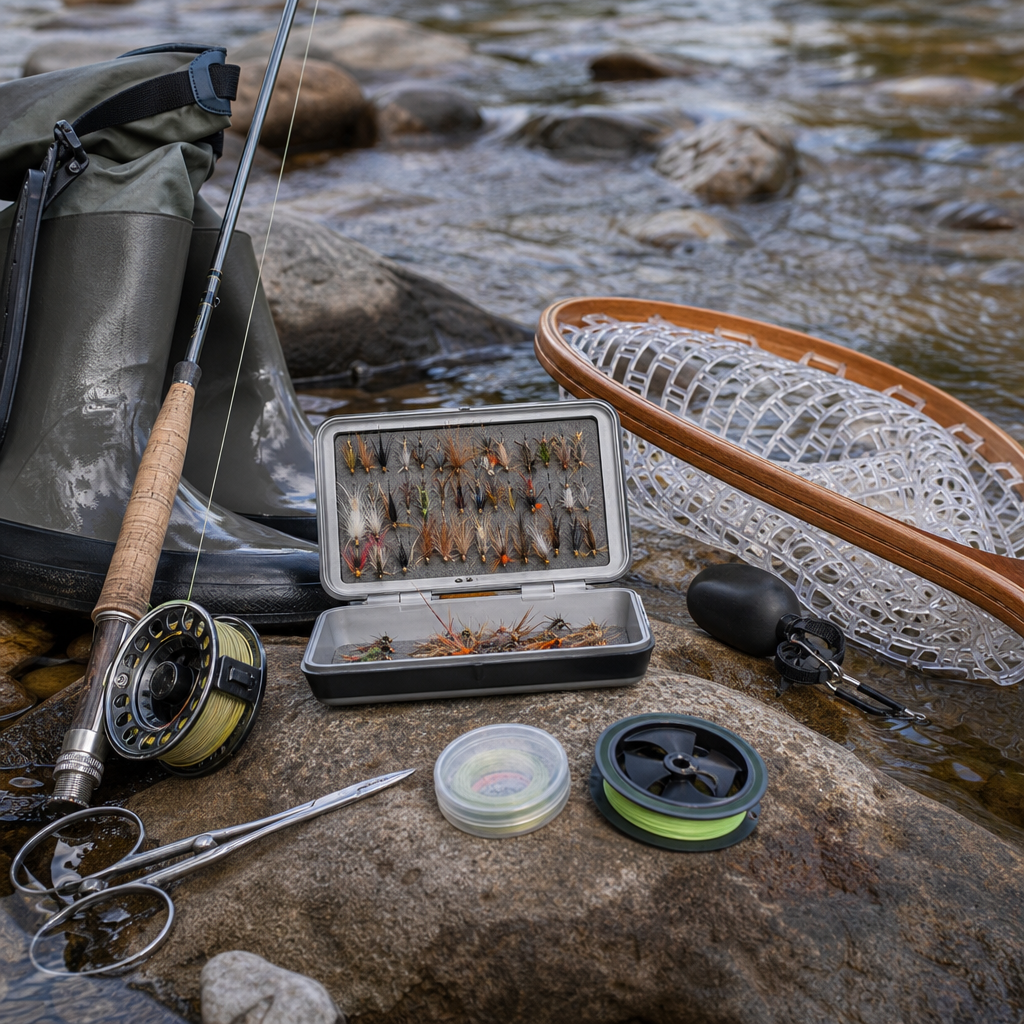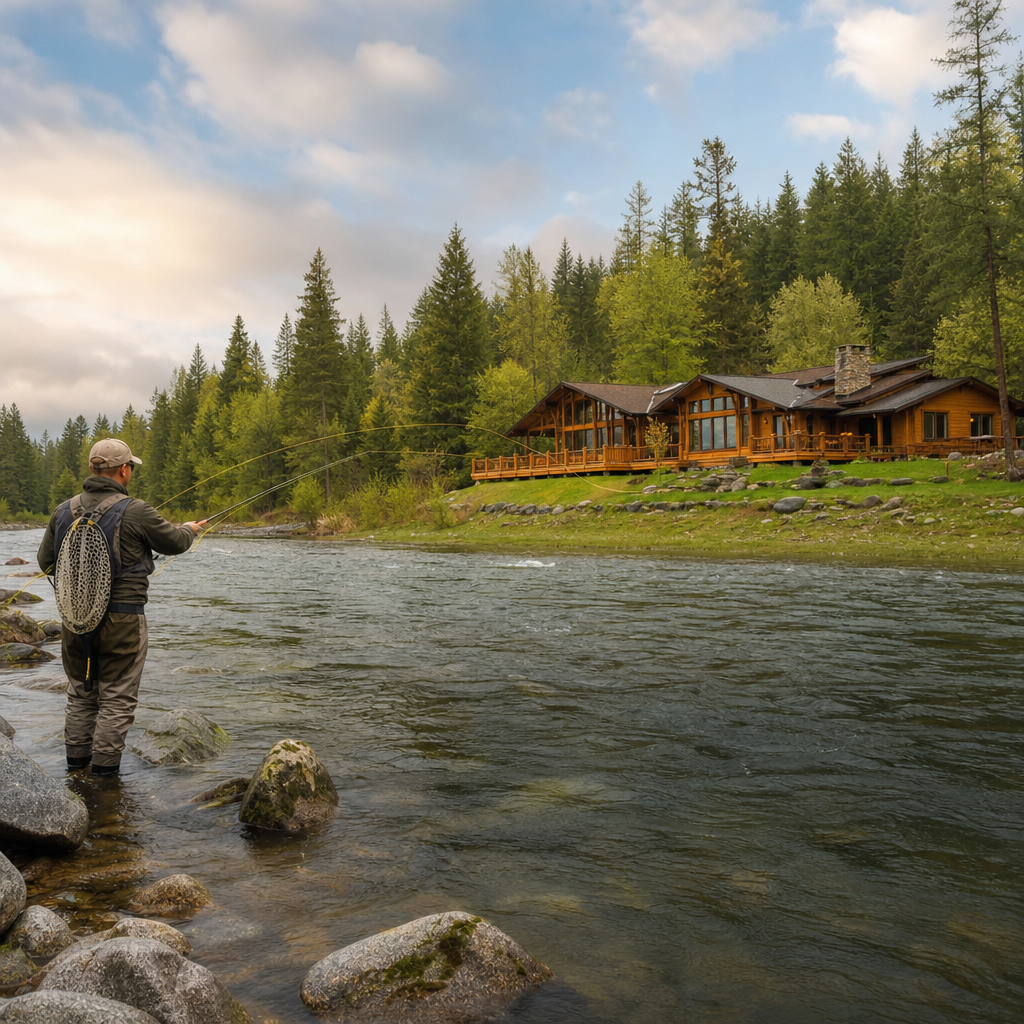
Best fly fishing lodges and resorts combine access to exceptional water, reliable guiding, comfortable accommodations, and the kind of logistics that let anglers focus on casting instead of planning. In practical terms, a lodge is more than a place to sleep near a river. It is a basecamp that shapes the entire trip: what species you target, how much water you can cover, how well local hatches are understood, and whether beginners, families, or hard-core anglers leave satisfied. After years of comparing destination programs, interviewing guides, and evaluating itineraries from Alaska to Patagonia, I have found that the best properties succeed because they balance fish quality with execution. Great scenery alone does not make a great fly fishing destination. Consistent guide standards, honest expectations, safe boats, clean gear rooms, and smart seasonal timing matter just as much.
For readers researching travel and destination reviews, this hub article serves two purposes. First, it answers the core question: which kinds of fly fishing lodges and resorts are worth booking, and why? Second, it helps you compare destinations by species, budget, comfort level, travel complexity, and trip style. Some anglers want wild rainbow trout in remote Alaska, others want technical spring-creek fishing in Montana, sea-run brown trout in Tierra del Fuego, giant trevally on the flats of the Seychelles, or salmon and steelhead in British Columbia. The right choice depends on more than catch numbers. You need to understand guide-to-guest ratios, wading difficulty, boat time, weather volatility, conservation practices, and what “all-inclusive” actually includes. This article breaks down those factors in plain terms so you can shortlist the right lodge, ask better booking questions, and use this page as a starting point for deeper destination-specific reviews across the broader travel and destination reviews category.
What Makes a Fly Fishing Lodge or Resort Truly Excellent
A top-tier fly fishing lodge or resort delivers four essentials: productive water, competent guiding, efficient operations, and a guest experience matched to the price. Productive water means more than high fish counts. It means a fishery with healthy habitat, enough access to avoid crowding, and seasonal windows when your target species is realistically available. Competent guiding includes local entomology knowledge, boat handling, instruction quality, safety judgment, and the ability to adapt when conditions change. Efficient operations show up in airport transfers, meal timing, fly selection, loaner gear quality, and backup plans when weather shuts down one river or flat. Guest experience is where many lodges separate themselves. The best ones are honest about whether the trip is built for wade anglers, skiff anglers, couples, photographers, or serious trophy hunters.
I evaluate lodges using a simple hierarchy. First comes the fishery, because no amount of luxury compensates for poor access or overpressured water. Second comes guide quality. A polished dining room means little if your guide cannot teach a reach cast, read a tide, or position a drift boat properly. Third comes consistency. The strongest operators deliver the same standards week after week, not just during peak season. Finally, I look at value rather than just price. A modest lodge on famous water with elite guides can outperform a luxury resort that depends on marketing and scenery. This framework helps readers compare destinations fairly, especially when online photos make every property look similar.
Top Destination Types for Trout, Salmon, Saltwater, and Mixed-Species Trips
The best fly fishing lodges and resorts usually fall into destination categories rather than a single universal ranking. Alaska leads for remote wilderness trout, char, and salmon combinations, particularly in Bristol Bay systems where floatplanes open access to lightly pressured rivers. Montana, Idaho, and Wyoming dominate for classic Western trout experiences with strong DIY extensions, excellent casting schools, and varied lodging from riverside cabins to full-service ranch resorts. British Columbia remains a benchmark for steelhead and salmon, with iconic lodge programs on the Skeena tributaries and coastal systems. Patagonia offers large trout, dramatic scenery, and an appealing blend of spring creeks, freestone rivers, and estancia-based hospitality. For saltwater, the Seychelles, Belize, Mexico’s Yucatán, the Bahamas, and Christmas Island all stand out, but each serves a different angler profile depending on target species and casting demands.
Matching destination to expectation is critical. An angler who wants numbers and forgiving presentations may love Alaska during a salmon migration because resident trout and char can be aggressive and visible. That same angler may struggle on New Zealand backcountry rivers, where sight fishing to large trout requires stealth, long leaders, and precise first casts. Similarly, a couple seeking a scenic resort with spa amenities may prefer a Montana lodge near blue-ribbon rivers over a remote steelhead camp reached by multiple charter flights. Serious saltwater anglers chasing permit or giant trevally need to understand that success rates are lower, weather can erase entire sessions, and physical demands are higher. The best destination reviews explain these tradeoffs clearly instead of pretending every trip suits every guest.
How to Compare Lodges Before You Book
Before booking a fly fishing lodge or resort, compare the details that affect actual fishing time. Ask how many anglers fish per guide and whether boats are shared. Confirm the primary waters used during your travel window, not just the marquee river shown in brochures. Clarify whether the package includes license fees, loaner rods, premium flies, waders, liquor, satellite internet, and transfers from the nearest commercial airport. Review cancellation terms and emergency evacuation protocols. If a lodge advertises “private water,” ask how much frontage it truly controls and how frequently beats are rotated. When evaluating saltwater properties, ask about skiff quality, maximum run time to productive flats, and whether the operation can fish different wind directions.
| Factor | Why It Matters | What to Ask |
|---|---|---|
| Guide ratio | Affects instruction, flexibility, and boat space | Is it one guide per one or two anglers? |
| Season timing | Determines species availability and conditions | What are the realistic target species this week? |
| Access model | Controls pressure, travel time, and variety | Do you fish wade-only, skiff, drift boat, or fly-out water? |
| Inclusions | Prevents surprise costs | Are flies, alcohol, transfers, and gear included? |
| Skill fit | Improves satisfaction and safety | Is the program suited to beginners, intermediates, or experts? |
| Nonfishing amenities | Important for couples and mixed-interest groups | Are there spa, hiking, wildlife, or dining options? |
I also recommend evaluating communication before you send a deposit. The best operations answer detailed questions directly and do not dodge difficult topics like low-water years, wildfire smoke, wind, or insect timing. If a booking agent cannot explain why week three differs from week six, that is a warning sign. Strong lodge managers will tell you exactly who should book a trip, who should not, and what level of casting skill is needed to enjoy it.
Standout Regions and the Lodging Styles That Work Best
Different fisheries reward different lodging models. In Alaska, fly-out lodges justify higher rates because floatplane mobility is the product. When weather allows, they can switch from one drainage to another and keep guests on fresh fish. In the American West, riverside lodges and ranch properties work well because road access is reliable and fisheries are spread across multiple float and wade options. In Patagonia, estancia lodges excel by combining private access, horseback-supported mobility, and cultural atmosphere with serious fishing. On Caribbean flats, compact beachfront lodges often outperform larger resorts because early starts, skiff efficiency, and guide coordination are more important than broad amenity lists.
British Columbia offers a good example of why style matters. A steelhead camp focused on two-handed casting can be ideal for dedicated anglers who value river time over comfort. You may stay in a simple lodge, eat hearty meals, and spend long days swinging flies through classic runs. That trip can be extraordinary even without luxury touches because the core product is access to a narrow seasonal opportunity. By contrast, a family-oriented trout resort near Bozeman or Jackson often succeeds through versatility: half-day guided floats, casting lessons on lawn ponds, good wine lists, and nearby hiking. Neither model is inherently better. The best fly fishing lodge or resort is the one designed around the fishery and the guest profile, rather than one trying to imitate every other property in the market.
Best Picks by Traveler Type and Budget
If you are a first-time destination angler, start with a lodge that offers patient guides, stable weather windows, and multiple techniques. Western trout lodges in Montana or Idaho are usually safer choices than technical permit camps or remote steelhead operations. Couples often do best at full-service resorts where one guest can fish while the other enjoys horseback riding, spa treatments, or scenic tours. Hardcore anglers seeking trophies should look at places that are transparent about low numbers but high upside, such as sea-run brown trout lodges in Tierra del Fuego or giant trevally operations in the Indian Ocean. Families should prioritize short transfer times, flexible meal schedules, and beginner-friendly waters with visible action.
Budget matters, but value matters more. A domestic lodge with easy access may outperform an international “deal” once you add charter flights, hotel nights, excess baggage fees, and tips. In my experience, the sweet spot for many anglers is the upper-midrange lodge that charges enough to employ veteran guides and maintain boats properly but does not overspend on unnecessary luxury. Premium properties can absolutely be worth the cost when they secure scarce access, top guide talent, or fly-out capability that dramatically improves fishing odds. The key is to understand what you are paying for. If the answer is only décor and marketing photography, keep looking. If the answer is superior access, stronger guiding, and better trip design, the price can be justified.
Red Flags, Sustainability, and How This Hub Helps You Choose
Not every lodge that appears in glossy roundups deserves a booking. Red flags include vague claims about “world-class fishing” without seasonal specifics, poor communication around equipment needs, no clear safety plan, and testimonials that focus only on food or scenery. Be cautious with operations that overpromise catch rates, especially for species like permit, steelhead, Atlantic salmon, or giant trevally where success depends heavily on conditions and angler execution. Another warning sign is a property that treats conservation as decoration. The best lodges support catch-and-release protocols where appropriate, use barbless-hook policies when needed, respect local communities, and operate within permit structures that protect the fishery. On trout streams, that may mean rotating beats and limiting pressure. In saltwater, it includes careful fish handling, reduced air exposure, and guides trained to revive fish properly.
This travel and destination reviews hub is designed to help you move from broad research to confident selection. Use it to narrow the field by species, destination style, budget, and travel complexity, then dive into detailed regional reviews that examine specific lodges, seasons, and trip reports. The main takeaway is simple: the best fly fishing lodges and resorts are not always the most luxurious or the most expensive. They are the operations that align fishery quality, guide skill, honest communication, and guest expectations. Start by identifying your target species and comfort level, then compare access, seasonality, and inclusions with discipline. If you do that, you will book smarter, fish better, and avoid the disappointments that come from choosing a destination on photos alone. Explore the related destination reviews next and build your shortlist with facts, not hype.
Frequently Asked Questions
What makes a fly fishing lodge or resort truly worth booking?
The best fly fishing lodges and resorts do much more than put you near a famous river. A worthwhile property combines excellent water access, knowledgeable guides, smooth daily logistics, strong meals, comfortable lodging, and a trip structure that matches the kind of angler you are. In other words, the lodge should improve your fishing experience from the moment you arrive, not just give you a bed between outings. Great operations remove the usual friction points by handling transportation, licenses, boat launches, fly recommendations, meal timing, and local planning so you can spend your energy fishing instead of coordinating details.
Water quality and access are usually the first things to evaluate. A top lodge should offer either private water, exclusive access, easy proximity to productive public stretches, or a reliable rotation of fisheries that keeps the experience fresh and effective. Species matter too. Some lodges are built around trout in classic rivers, while others focus on salmon, steelhead, bonefish, permit, tarpon, or mixed warmwater opportunities. The best choice depends on whether you want technical dry-fly fishing, streamer days, saltwater flats, beginner-friendly action, or a realistic shot at trophy fish.
Guide quality is just as important as the setting. Strong guides understand seasonal hatches, water levels, weather shifts, fish behavior, and how to teach different skill levels without making the day feel rigid. A good guide can turn average conditions into a productive day and help beginners progress quickly, while still challenging experienced anglers. Beyond that, a truly bookable lodge offers clean and comfortable rooms, dependable equipment options, thoughtful food, and a staff that knows how to support both serious anglers and non-fishing guests. When all of those pieces come together, the trip feels seamless, and that is usually the difference between a decent stay and a memorable fishing lodge experience.
How do I choose the best fly fishing lodge or resort for my skill level and goals?
Start by being honest about what you want from the trip. Some anglers want numbers, some want size, some want scenery, and some want a relaxed vacation where a few hours on the water is enough. The best lodge for a beginner is not always the best lodge for an advanced angler, and the best family-friendly resort may not satisfy someone focused on long technical days chasing difficult fish. Defining your goals upfront makes the selection process much easier and usually leads to a much better trip.
If you are new to fly fishing, look for a lodge with patient guides, forgiving water, strong instruction, and a reputation for helping people learn. Beginner-friendly lodges often provide casting support, equipment, clear daily structure, and fisheries where fish are available enough to keep the experience encouraging. If you are intermediate or advanced, you may care more about variety of water, access to less-pressured fish, advanced tactics, sight-fishing opportunities, or guides who can adapt to specific techniques like euro nymphing, dry-dropper fishing, streamer fishing, or saltwater presentations.
Trip style also matters. Some lodges specialize in full-service fishing-focused itineraries where every day is built around dawn departures, boats, lunch on the water, and evening strategy for the next day. Others feel more like broad outdoor resorts with fishing as one amenity among many. If you are traveling with a spouse, family, or non-angling friends, ask whether the property offers spa services, hiking, wildlife viewing, fine dining, kid-friendly programming, or other activities. Also consider physical demands. Wading-intensive fisheries can be challenging for some guests, while drift boat, jet boat, or flats skiff programs may be more accessible. The right lodge is the one that aligns its water, guides, comfort level, and pace with the exact outcome you want from the trip.
When is the best time to visit a fly fishing lodge or resort?
The best time to go depends entirely on species, region, and the kind of fishing you want to experience. There is no universal “best month” for every lodge. A trout lodge may be at its peak during a famous hatch, while a saltwater destination might be most productive during a weather window that improves visibility and fish movement. Salmon and steelhead destinations often revolve around tightly defined runs, and tropical lodges can vary by tides, wind, rainfall, and seasonal migrations. That is why timing should be one of the first booking questions you ask, not an afterthought.
For trout-focused lodges, many anglers target periods of stable flows, active insect hatches, and moderate water temperatures. Spring can bring strong nymphing and early dry-fly opportunities, summer may offer classic hatch fishing and easier access, and fall often attracts anglers interested in aggressive fish, streamer fishing, and lighter crowds. In colder or snowmelt-driven regions, runoff can dramatically affect conditions, so understanding local river timing is essential. For saltwater lodges, wind levels, water clarity, and target species behavior can matter as much as raw fish numbers. Bonefish may be available most of the year in some places, while permit and tarpon tend to have more specific seasonal peaks.
The smartest approach is to match your timing to your priorities. If you want the most consistent action, ask about the lodge’s most reliable weeks. If you want a famous hatch or a chance at larger fish, your ideal dates may be narrower. If you care about fewer crowds, shoulder season can be appealing, provided conditions still line up. A reputable lodge should be able to explain not only when fishing is good, but why it is good at that time. That level of clarity is often a sign you are dealing with an experienced operation that understands its fishery and wants to set realistic expectations.
Are fly fishing lodges and resorts suitable for beginners, families, and non-angling guests?
Many are, but suitability varies widely from one property to another. Some fly fishing lodges are highly specialized and built almost entirely for dedicated anglers who want long days, early starts, and a strong fishing-first atmosphere. Others are much more inclusive, with comfortable amenities, flexible schedules, and activities that make the trip enjoyable even for guests who never pick up a rod. That distinction is important, especially if you are planning a mixed-group vacation rather than a pure fishing expedition.
For beginners, the key factors are instruction quality, pace, and access to productive water that does not require advanced technique from the very beginning. Good beginner-friendly lodges offer patient coaching, appropriate gear, and guides who enjoy teaching. They often structure outings so newer anglers can experience early success while still learning fundamentals such as casting, line control, presentation, fish fighting, and basic stream or flats reading. If children are involved, ask whether the lodge has age recommendations, shorter trip options, loaner gear sized for younger anglers, and staff comfortable working with kids.
For families and non-angling travelers, the overall property experience becomes just as important as the fishing. Strong all-around resorts may include excellent dining, scenic common spaces, nature tours, horseback riding, paddling, hiking, birding, spa treatments, or cultural excursions. Room layout matters too. Couples may be fine with a traditional lodge room, but families often need cabins, multi-room suites, or private homes. If one guest wants serious guided fishing and another wants a relaxing vacation, the best resorts can support both without making either person feel like an afterthought. Before booking, ask specifically how they handle mixed groups, first-time anglers, and non-fishing days. The best operations answer those questions clearly and confidently because they have done it many times before.
What should I ask before booking a fly fishing lodge or resort?
Before you commit, ask questions that reveal how the lodge actually operates day to day. Start with the fishery itself: what species are targeted, what methods are most common, what the average day looks like, and how seasonal conditions affect the experience. Ask whether fishing takes place on private water, public water, or a mix, and how much travel time is involved each day. A lodge that looks close to great water on a map may still require long drives or boat transfers, while another may have outstanding access directly from the property. Those details affect both convenience and the amount of effective fishing time you get.
You should also ask about guide ratios, guide experience, boat or wading expectations, and what level of physical ability is required. Some anglers are happy with full-day wade trips over uneven ground, while others prefer drift boats, rafts, or skiffs. Clarify whether gear is included, what flies are provided, whether rods and waders are available, and whether the lodge can accommodate left-handed casters, beginners, or specialized techniques. If you have a particular goal such as landing a permit, fishing dry flies only, or learning streamer tactics, say so before booking. A trustworthy lodge will tell you whether those goals are realistic during your travel window.
Finally, review the full trip logistics and financial details. Ask what is included in the nightly or package rate, whether alcohol, guide gratuities, transfers, fishing licenses, flies, and tackle are extra, and what the cancellation policy looks like. Confirm room types, meal plans, internet availability, and whether non-angling activities are included or separately priced. If you are traveling internationally, ask about arrival airports, customs considerations, medical access, weather contingencies, and communications on the property. Lodges that answer these questions in