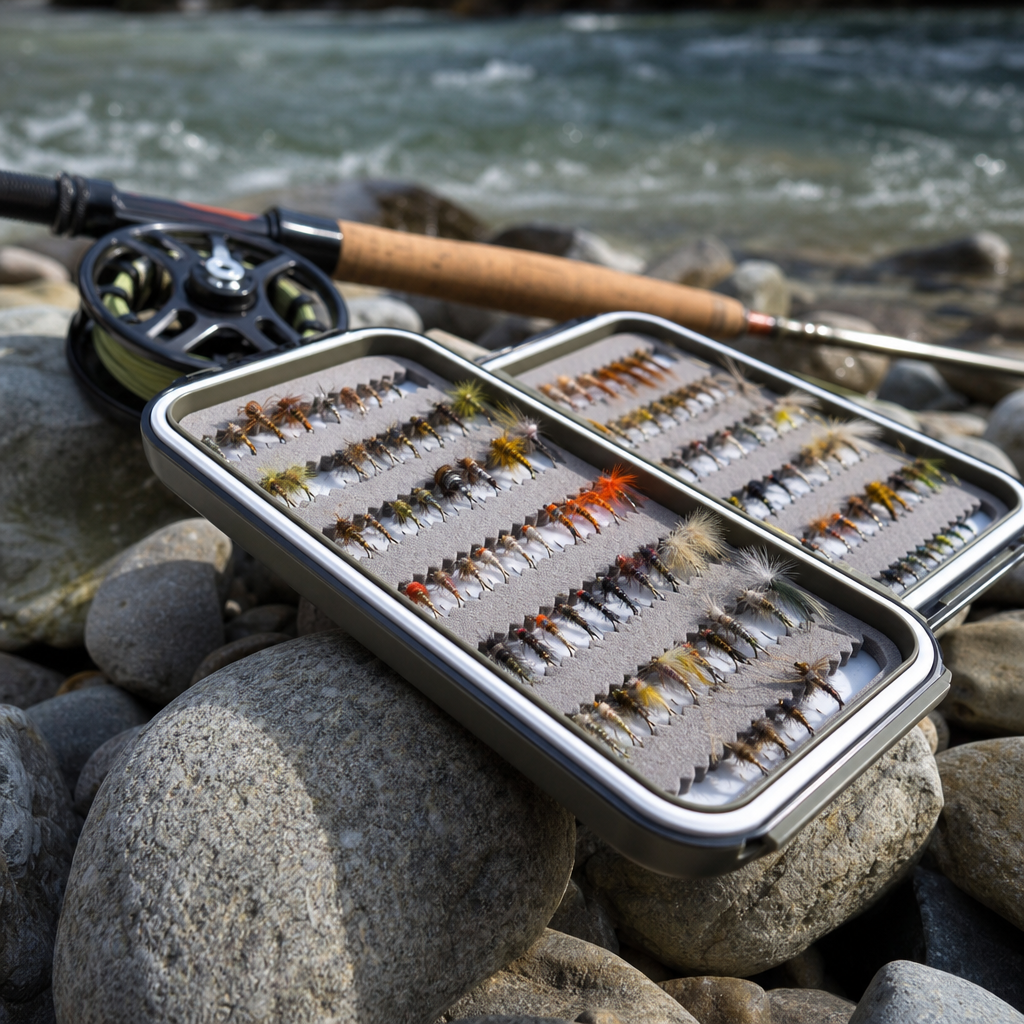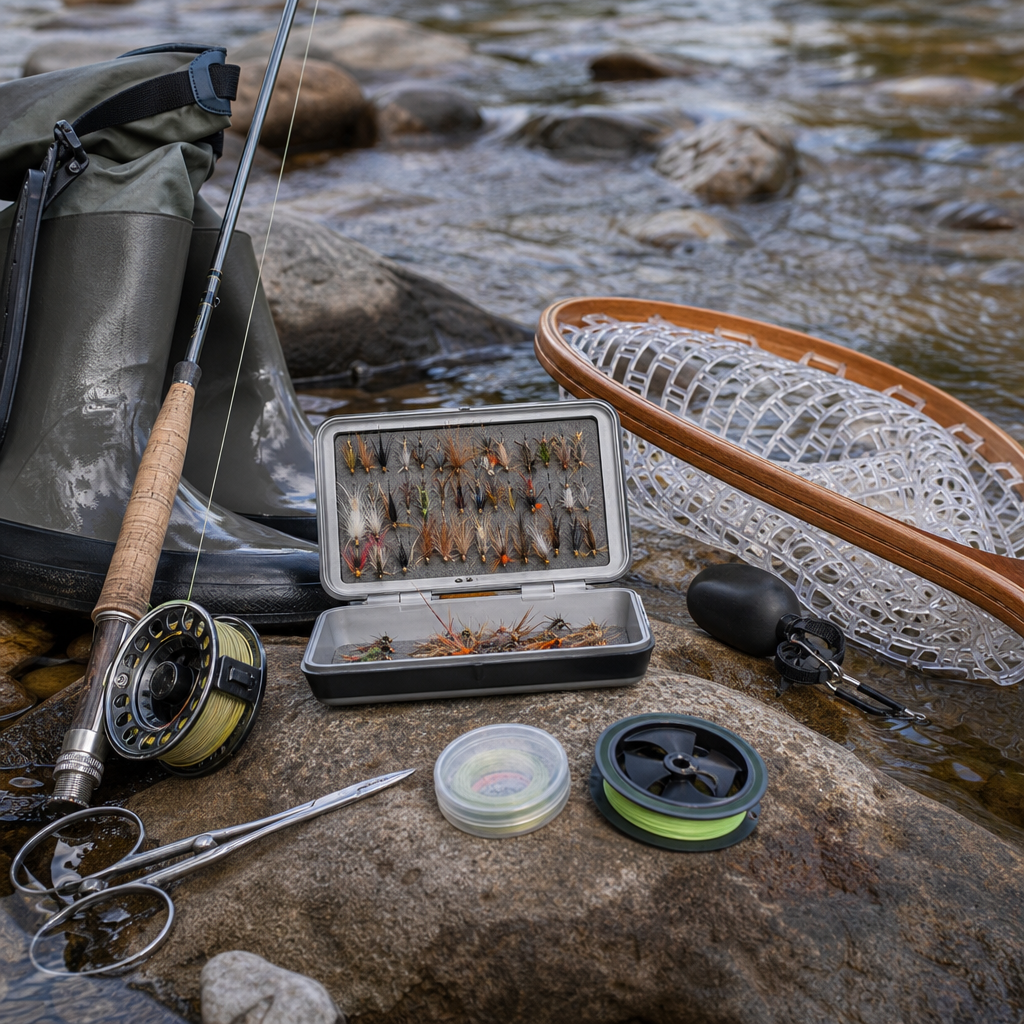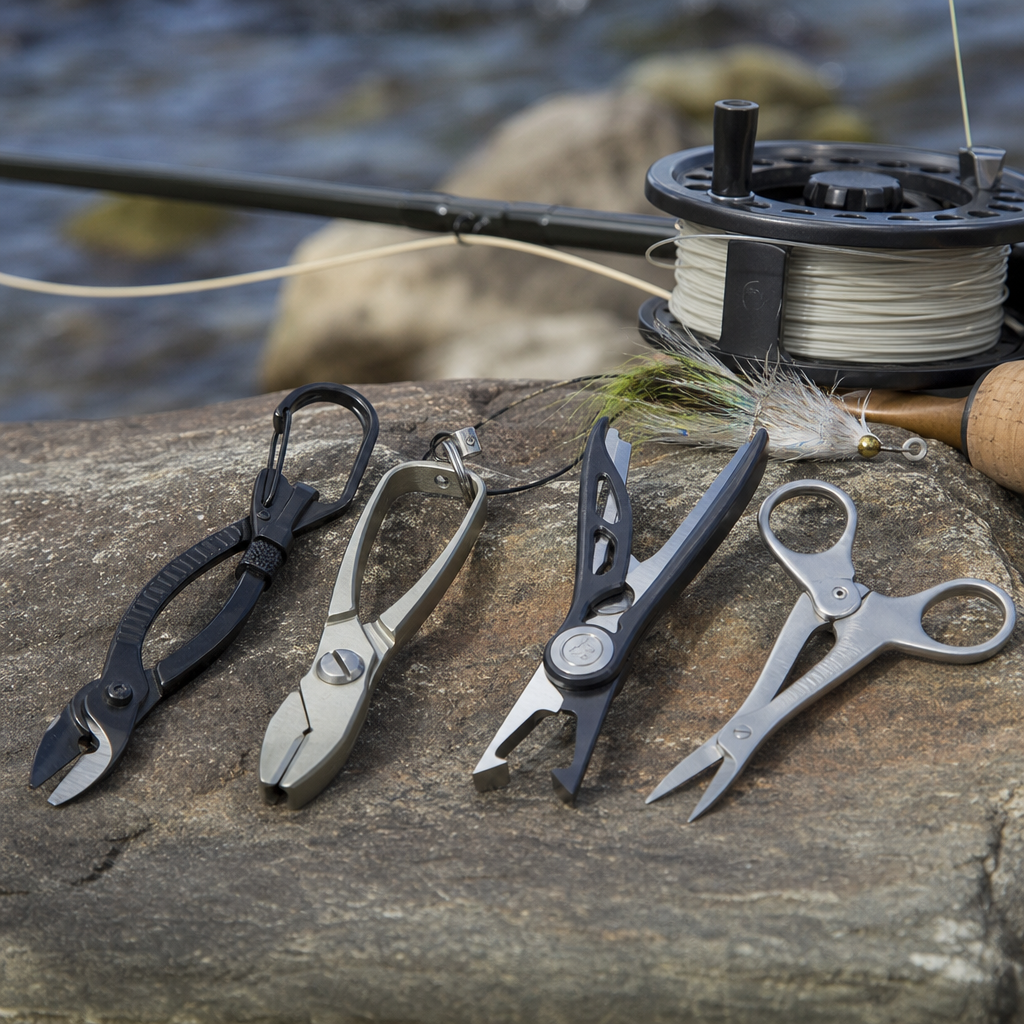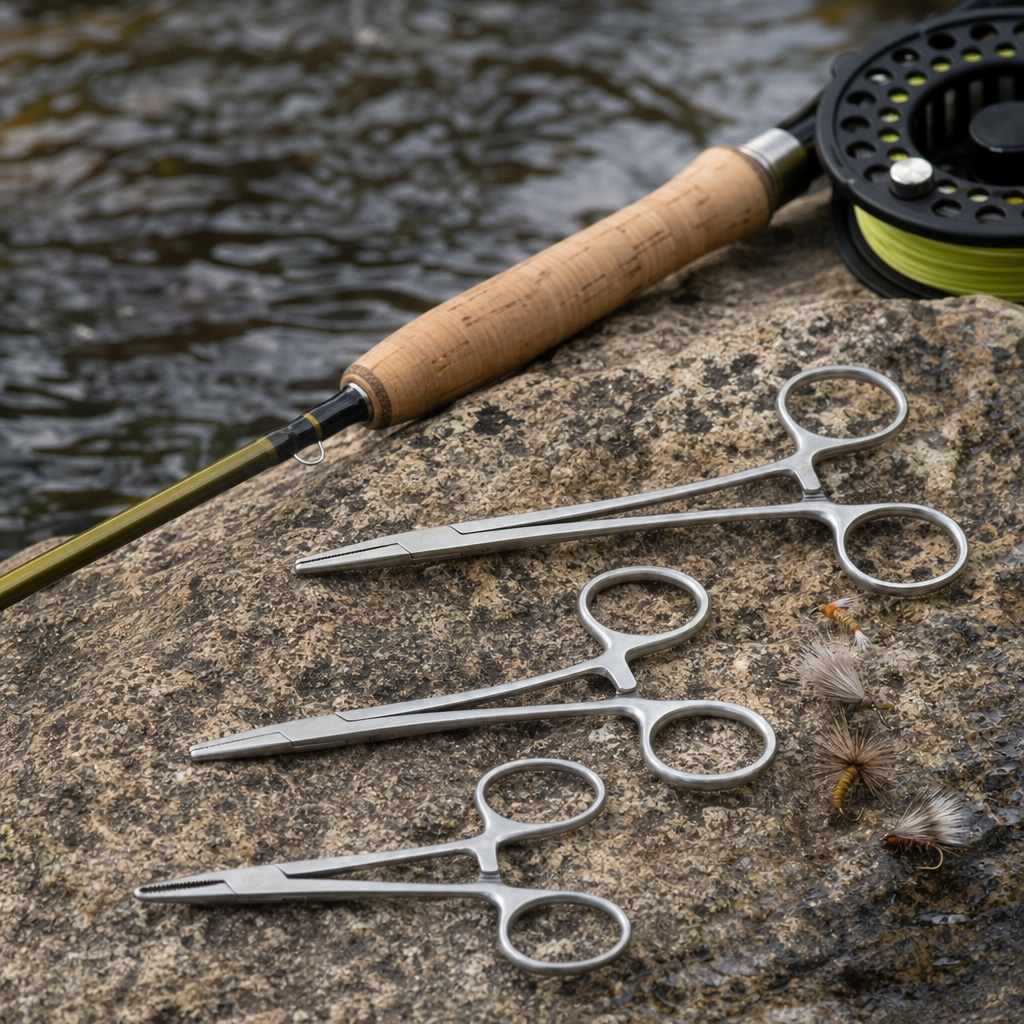
Europe offers some of the most rewarding fly fishing on earth, combining wild trout rivers, technical grayling water, Atlantic salmon beats, and alpine lakes within relatively short travel distances. The best fly fishing destinations in Europe are not defined by scenery alone. They stand out because they match fish species, seasonal hatches, access rules, guiding standards, and conservation quality with the kind of experience an angler actually wants. For readers researching travel and destination reviews, this hub matters because a great trip depends less on marketing photos than on timing, water type, and practical logistics.
Fly fishing in Europe covers several distinct categories. Chalkstreams are spring-fed rivers with stable temperatures and clear flows, often associated with dry-fly presentation and selective trout. Freestone rivers run colder and faster, shaped by rainfall and snowmelt, with more variable flows and powerful fish. Salmon rivers require different tackle, permits, and expectations than trout streams. Lake fishing, especially in Iceland and Scandinavia, can mean stalking Arctic char in crystal water or stripping streamers for large brown trout. I have planned and evaluated enough destination trips to know that the right question is not simply where to go, but where to go for your budget, skill level, target species, and preferred fishing style.
Europe matters to traveling anglers because it delivers extraordinary diversity in a compact geographic area. In one season, you can fish mayfly hatches in England, sea trout in Wales, grayling in Slovenia, Atlantic salmon in Norway, and wild brownies in Spanish mountain rivers. Just as important, many European fisheries are embedded in long management traditions. Catch-and-release rules, beat systems, habitat restoration, and licensed guides are common. That structure can make destinations feel complicated at first, but it usually results in better fish stocks, lower crowding, and more predictable quality. The sections below break down the strongest destination types, who they suit, and what to consider before booking deeper regional guides.
England and Scotland: classic trout and salmon water
England remains essential for anyone serious about dry-fly history and technical trout fishing. The River Test, Itchen, and other southern chalkstreams are benchmarks for clear-water presentation, precise casting, and sight fishing to educated brown trout. These rivers are famous for good reason: clean gravels, stable flows, rich weed beds, and prolific mayfly, caddis, and midge life create conditions that consistently produce selective fish. Access is often expensive because many stretches are privately controlled beats, but the quality is real. If your goal is one refined day on iconic water rather than a budget week of exploration, few destinations in Europe compare.
Scotland broadens the picture. The River Tay, Spey, Dee, and Tweed are globally recognized salmon systems, while lochs and smaller rivers provide excellent wild brown trout opportunities. Scottish salmon fishing is rooted in the beat system, where rods rotate through named pools, often with a ghillie advising on fly choice, sink-tip depth, and line angle. That tradition can feel formal to newcomers, yet it is one reason fishing pressure is managed effectively. For trout anglers, the Highlands and island lochs offer a different experience: wind, mobile fish, loch-style boat tactics, and opportunistic dry-fly sport during terrestrial and buzzer activity. England suits technical trout purists; Scotland suits anglers who want heritage, variety, and the possibility of salmon.
Slovenia, Austria, and the Alps: sight fishing in clear water
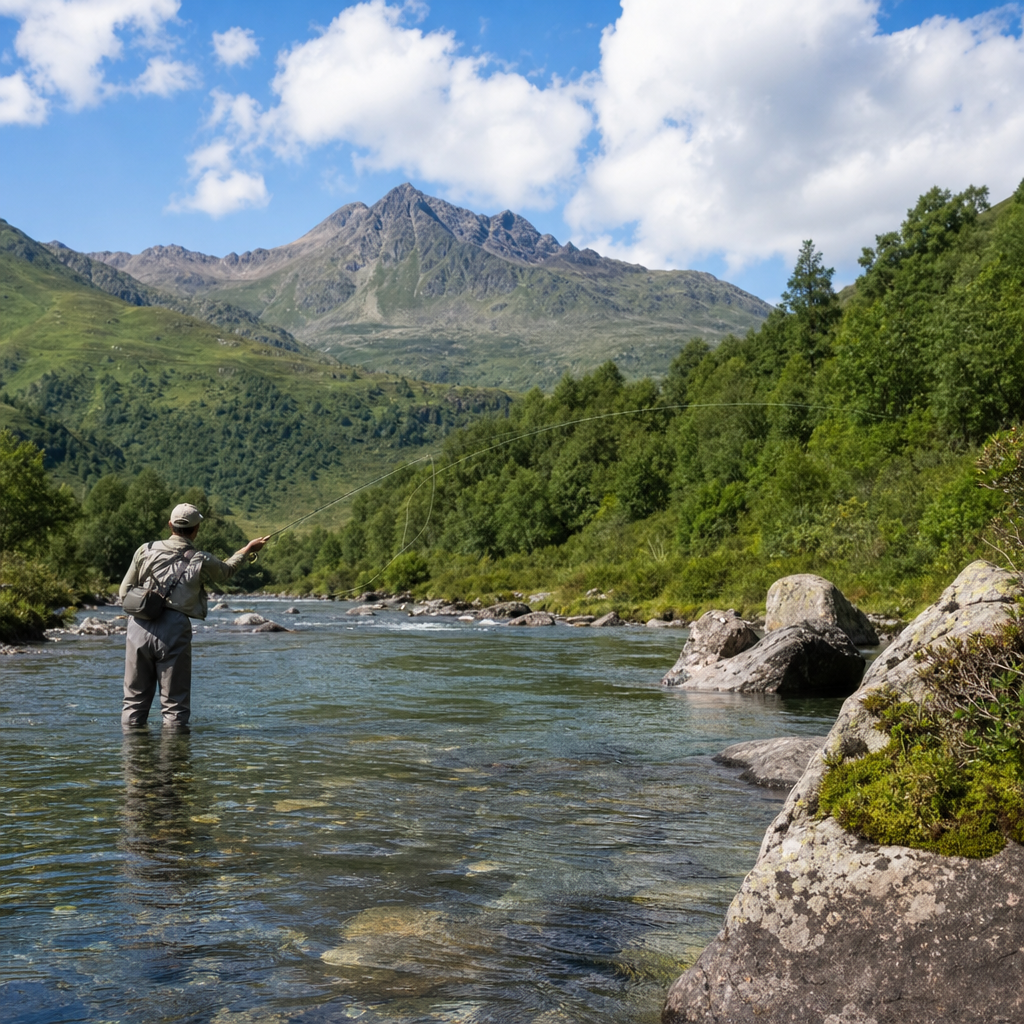
If you want dramatic scenery with accessible, high-quality trout and grayling fishing, the Alpine region is one of the best fly fishing destination clusters in Europe. Slovenia is often the first recommendation because the Soča, Sava Bohinjka, Idrijca, and Unica combine clear water, strong insect life, and excellent fish management. The Soča is famous for marble trout, a striking native species often pursued with streamers, nymphs, and large dries in turquoise water. The Sava Bohinjka offers more classic trout and grayling fishing, with productive hatches and easier wading in many sections. Permit systems are generally straightforward, and local clubs maintain waters carefully.
Austria deserves equal consideration, especially for anglers who value infrastructure, lodging quality, and mixed river access. Tyrol and Salzburg offer mountain rivers, meadow streams, and stocked-but-well-managed beats where visiting anglers can fish effectively without excessive local knowledge. On the best Austrian waters, brown trout and grayling are the core draw, and nymphing is often highly productive outside hatch windows. The main tradeoff in both Slovenia and Austria is seasonality. Snowmelt and summer heat can affect river levels and clarity, and the most famous stretches are no secret. Still, when conditions align, Alpine fishing gives travelers an exceptional mix of visual appeal and consistent action.
Scandinavia and Iceland: salmon, char, and wilderness value
For anglers prioritizing wild fish, low population density, and a genuine sense of remoteness, Scandinavia and Iceland are hard to beat. Norway is Europe’s headline Atlantic salmon destination, with rivers such as the Gaula, Alta, Orkla, and Lakselva carrying global prestige. These are serious fisheries where water height, run timing, and local guidance matter enormously. A productive salmon week may involve long hours of disciplined swinging with double-hand rods, changing fly size and sink rate to match conditions. Costs can be high, particularly on famous beats, but the standard of fishery management and the scale of the experience justify the reputation.
Sweden and Finland offer broader value. In Swedish Lapland, rivers and lakes hold grayling, brown trout, char, and pike, often in settings that feel almost untouched. Finland’s northern waters provide similar appeal, with less international hype than Iceland and often better budget flexibility. Iceland sits in a category of its own. Beyond elite salmon rivers, it offers world-class Arctic char and brown trout fishing in lakes and spring creeks. Places like Lake Thingvallavatn are known for large trout, while smaller systems can provide astonishing sight-fishing opportunities. The limitation is obvious: permits, guides, and accommodation can be expensive. Yet if the objective is wild fish in pristine landscapes, few European destinations deliver more consistently.
Spain, France, and the Pyrenees: underrated technical trout fishing
Spain is still underestimated by many traveling fly fishers, which is surprising given the quality of its trout water. The Pyrenees and the limestone and freestone rivers of northern Spain offer wild brown trout in beautiful, often lightly pressured settings. Regions such as Aragón, Navarra, and Catalonia have rivers where pocket water, riffles, and glides demand versatile tactics: short-line nymphing in broken currents, small attractor dries in summer, and careful presentation in clear pools. Spain can be especially appealing for anglers who prefer independent travel. Costs are generally lower than elite chalkstreams or Icelandic programs, food and lodging are excellent, and nonfishing travel options are abundant.
France adds depth with Pyrenean and alpine streams, classic rivers in Jura and Franche-Comté, and broad opportunities for trout, grayling, and even pike on fly in some regions. What makes France appealing is variety. You can build a trip around small-stream dry-fly fishing, larger rivers suited to modern nymphing, or mixed-family travel with a few fishing days integrated. The challenge in both Spain and France is that access rules and permit systems vary by region, and some top waters require advance planning. For anglers willing to do that homework, these countries reward skill and flexibility with less crowded, highly fishable water.
How to choose the right European destination
The best destination depends on matching your expectations to the fishery. When I review a trip, I start with six variables: target species, preferred technique, budget, mobility, tolerance for technical fishing, and appetite for wilderness versus comfort. A salmon angler comfortable with low odds and high emotional payoff should not evaluate a Norwegian river by the same standard as a trout angler seeking thirty shots a day in Slovenia. Likewise, a beginner looking for forgiving water may enjoy Austrian managed beats more than the River Itchen, where one poor cast can educate an entire run.
| Destination type | Best for | Main species | Typical challenge | Budget level |
|---|---|---|---|---|
| English chalkstreams | Technical dry-fly anglers | Brown trout | Selective fish, premium access | High |
| Scottish rivers and lochs | Heritage trips and salmon seekers | Atlantic salmon, brown trout | Variable conditions, formal beats | Medium to high |
| Slovenian and Austrian Alps | Scenic trout and grayling travel | Brown trout, grayling, marble trout | Crowding on famous waters, seasonal flows | Medium |
| Norway, Sweden, Finland | Wild fish and remote settings | Salmon, char, grayling, trout | Logistics, weather, distance | Medium to high |
| Iceland | Premium wilderness and trophy potential | Arctic char, brown trout, salmon | High costs, limited availability | High |
| Spain and France | Independent trout travel | Brown trout, grayling | Regional permits, research required | Low to medium |
Timing is equally important. Mayfly periods in southern England can be magical but short. Alpine rivers may fish best after runoff stabilizes. Norwegian salmon rivers depend heavily on water levels and run progression. In Iceland, char and trout windows differ by system. Booking a famous place at the wrong week often produces a worse trip than booking a lesser-known river at the perfect time. The strongest destination reviews therefore focus on calendar fit, not just reputation. Before committing, ask what species are most active then, how water conditions usually behave, and whether local guides are included or merely optional.
Planning, permits, tackle, and conservation realities
European fly fishing rewards preparation. Permits may be sold by clubs, private estates, lodges, or national systems, and the rules can change from one river section to the next. Many waters require barbless hooks, catch and release for wild fish, or disinfection protocols to prevent the spread of pathogens such as Gyrodactylus salaris in salmon regions. Ignore those details and you risk more than inconvenience; you can lose fishing time or damage sensitive fisheries. On destination trips I usually confirm four things in writing: exact beat access, daily rotation rules, tackle restrictions, and whether a guide handles transport between sections.
Tackle should reflect the fishery rather than generic packing lists. Chalkstream trout fishing often calls for 4- to 5-weight rods, long leaders, and precise dry flies or small nymphs. Alpine rivers reward euro-nymph setups, versatile 9-foot 5-weights, and wading gear suited to cold currents. Salmon destinations typically require switch or double-hand rods, interchangeable tips, and strong reels with reliable drags. Conservation also deserves attention when choosing where to spend money. Destinations with habitat restoration, science-based stocking restraint, native fish protections, and transparent catch reporting usually offer better long-term value. Read local regulations, support reputable guides, and use this hub to compare specific destination reviews before you book your European fly fishing trip.
The best fly fishing destinations in Europe are the ones that fit your angling goals with the fewest compromises. If you want iconic dry-fly tradition, head to England’s chalkstreams. If salmon history and broad landscape appeal matter most, Scotland and Norway stand out. If you want clear water, visual fishing, and balanced costs, Slovenia and Austria are excellent choices. If wild character and remote travel are the priority, Sweden, Finland, and Iceland belong near the top of your list. And if you value independence, strong food culture, and underrated trout rivers, Spain and France deserve far more attention than they usually get.
Across all of these regions, the same principle holds: successful destination travel is built on matching species, season, access, and technique. The most expensive beat is not automatically the best trip. The most famous river is not automatically the best fit. Smart anglers compare regulations, hatch timing, guide quality, and travel logistics before they compare glossy photos. That approach saves money, reduces frustration, and leads to better days on the water.
Use this hub as your starting point for travel and destination reviews, then move deeper into individual river, country, and lodge guides based on the style of fishing you want most. Narrow your shortlist, verify the season, and book with clarity. Europe has a destination that matches your fly fishing ambitions; the key is choosing it deliberately.
Frequently Asked Questions
What are the best countries in Europe for fly fishing trips?
The best country depends on the type of fly fishing experience you want, because Europe offers several distinct styles within a relatively compact region. For wild brown trout and technical dry-fly fishing, countries such as Slovenia, Bosnia and Herzegovina, Spain, and parts of France stand out. Slovenia’s Soča system is especially well known for clear water, strong catch-and-release culture, and the unique marble trout, while Spain offers excellent mountain rivers and prolific hatches in regions like León and the Pyrenees. If grayling is your priority, Austria, the Czech Republic, and parts of southern Germany have long-established reputations for clean rivers and highly refined nymphing and dry-fly opportunities.
For Atlantic salmon, Norway, Iceland, Scotland, and Ireland are the most recognized destinations, although each comes with different costs, access structures, and expectations. Norway is famous for large river systems and the possibility of powerful fish in dramatic settings, while Iceland is known for tightly managed beats, highly organized lodges, and strong guiding standards. Scotland offers heritage, variety, and easier pairing with trout fishing, and Ireland can be a good option for anglers who want a broader mix of salmon, sea trout, and stillwater fishing.
If alpine scenery, sight-fishing, and stillwater options matter as much as river fishing, destinations in Switzerland, Austria, northern Italy, and Scandinavia become very attractive. In practical terms, the “best” fly fishing destination in Europe is usually the one that aligns species, water type, season, budget, and access rules with your goals rather than the one with the most famous photographs.
When is the best time of year to fly fish in Europe?
The best time to fly fish in Europe varies significantly by region, species, river type, and elevation. In general, late spring through early autumn covers the main trout and grayling season across much of the continent, but the details matter. May and June are often excellent for river trout because water levels begin to settle after snowmelt in many areas, insect activity increases, and fish become more consistently surface-oriented. In central and southern Europe, this can be one of the most rewarding periods for dry flies, emergers, and light nymphing.
July and August can be superb in higher-altitude fisheries, alpine valleys, and northern latitudes where cooler water temperatures and long daylight hours support strong fishing. These months are also popular for travelers because weather is generally more stable and access is easier. However, midsummer can be less predictable on lower, warmer rivers, where heat, reduced flows, and angling pressure may make early mornings and evenings more productive than the middle of the day.
September and October are often outstanding for grayling in countries where the season remains open and water temperatures stay favorable. Autumn can bring fewer crowds, clearer water, and very technical but rewarding fishing. Salmon timing is even more river-specific. Early, middle, and late runs differ across Norway, Scotland, Ireland, and Iceland, so anglers targeting salmon should always research individual rivers rather than relying on general national advice. The most reliable approach is to choose your target species first, then match it to the best regional window.
Do I need a guide or special permits to fly fish in Europe?
In most European destinations, you will need some combination of permits, day tickets, club access, beat reservations, or national and regional licenses, and the rules can change not only by country but by province, watershed, and even individual river section. Europe does not function as one uniform fly fishing system. In some places, such as parts of Slovenia, Austria, or Spain, anglers commonly purchase a daily permit for a specific stretch of water. In salmon destinations, particularly in Scotland, Norway, and Iceland, access may be organized by named beats with limited rods per day, often booked well in advance.
A guide is not always mandatory, but hiring one is often the smartest decision, especially if you are traveling internationally and want to maximize limited time. A knowledgeable local guide can simplify licensing, explain local etiquette, match flies to current conditions, and help you understand rules around catch-and-release, hooks, wading restrictions, and protected species. In highly technical or tightly regulated fisheries, that local knowledge can make the difference between a frustrating trip and a productive one.
There are also conservation-related considerations. Some rivers are entirely catch-and-release, some allow only barbless hooks, and some restrict methods during sensitive spawning periods or low-water conditions. Before traveling, anglers should confirm season dates, valid permit types, beat boundaries, and fish handling expectations directly through official fishery sources, outfitters, or local guides. Europe rewards preparation, and proper access planning is part of successful fly fishing there.
What species can I realistically target on a European fly fishing holiday?
Europe offers impressive species diversity for fly anglers, and the realistic target list depends on where you go and how specialized your trip is. Wild brown trout are the cornerstone species across much of the continent and are available in freestone rivers, spring creeks, chalkstreams, alpine streams, and lakes. Grayling are another major attraction, particularly in central and northern Europe, where they provide elegant, highly technical fishing and can extend the quality of a trip well beyond the classic trout window.
Atlantic salmon are a headline species in several premier destinations, especially Norway, Iceland, Scotland, and Ireland. These fisheries can be expensive and often require more planning, but they attract anglers looking for powerful migratory fish and traditional beat fishing culture. Sea trout are also available in select coastal and river systems and can be a compelling target for anglers who enjoy the crossover between freshwater and migratory fish behavior.
Beyond the classics, some regions add genuinely distinctive options. Slovenia is famous for marble trout, which many traveling anglers place high on their list because of their rarity and beauty. Scandinavia offers Arctic char in some waters, while alpine and northern lakes may provide pike, perch, or other species suitable for fly tackle depending on local management. In practical trip-planning terms, brown trout and grayling are the most accessible and reliable targets for most visitors, while salmon and specialty species usually require more focused timing, budget, and logistics.
How do I choose the right European fly fishing destination for my experience level and budget?
The best way to choose is to start with your preferred fishing style, then narrow your options by skill level, budget, and travel complexity. If you are relatively new to fly fishing or want a forgiving destination with lots of action, look for trout and grayling regions with good guiding infrastructure, easy wading, and clear permit systems. Parts of Slovenia, Austria, and Spain are often appealing because they combine beautiful rivers, established outfitting, and multiple water types within a manageable distance. These destinations can be excellent for anglers who want a mix of scenery, instruction, and realistic chances at success.
If you are more experienced and specifically want technical dry-fly fishing, selective trout, or lightly pressured wild fish, then famous but more demanding waters may be worth the extra effort. Chalkstreams in England, selective grayling rivers in central Europe, or specialized spring creeks can deliver exceptional fishing, but they often reward precision, local knowledge, and flexible expectations. For anglers focused on trophy salmon or high-end private beats, destinations like Iceland and premier Norwegian rivers can be world-class, though they usually sit at the upper end of the budget range.
Budget matters more in Europe than many first-time visitors expect, because costs can include licenses, beat fees, accommodations, rental cars, guides, and sometimes mandatory local arrangements. A destination may look affordable on airfare alone but become expensive once access is added. The smartest planning approach is to compare the full trip cost against the quality of fishing days you are likely to get. In many cases, a moderately priced trout or grayling destination with strong guides, reliable conditions, and simpler access will provide a better overall experience than a famous fishery that strains your budget and limits your flexibility.