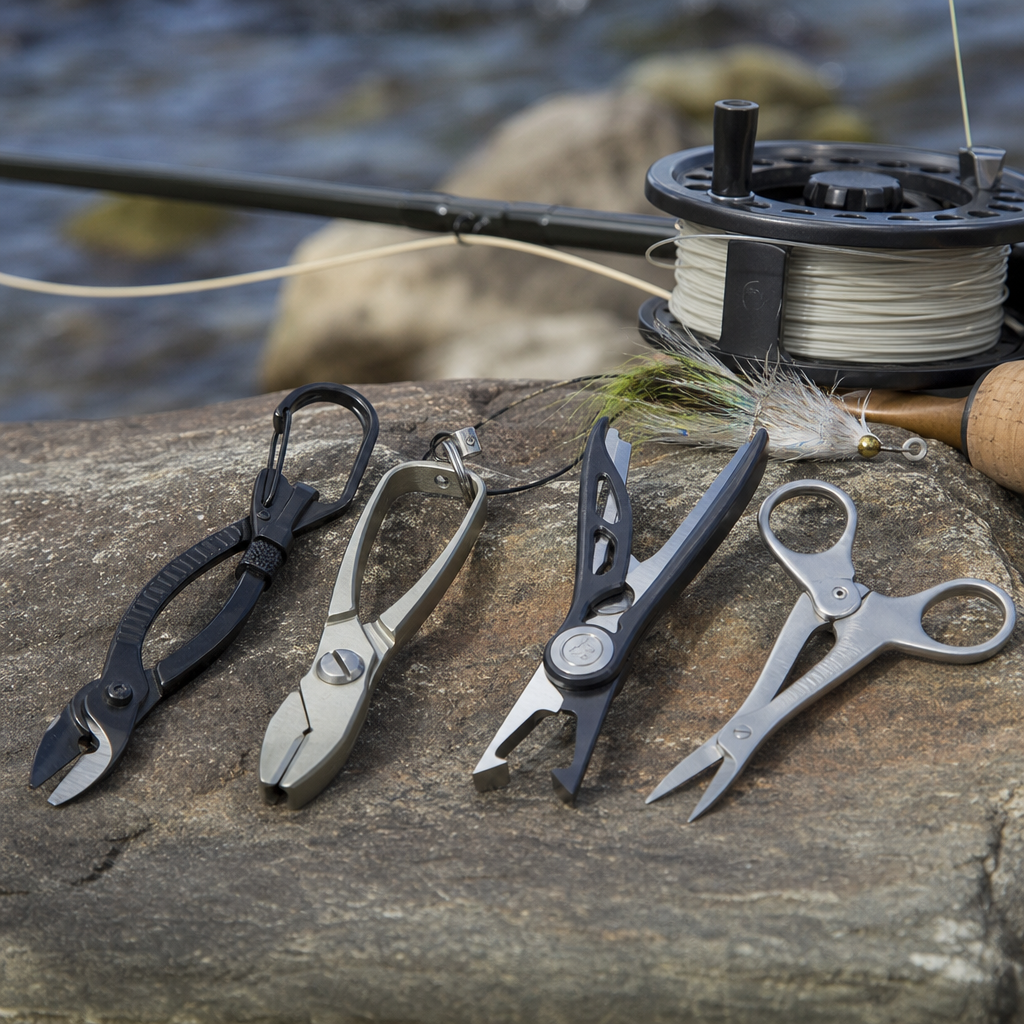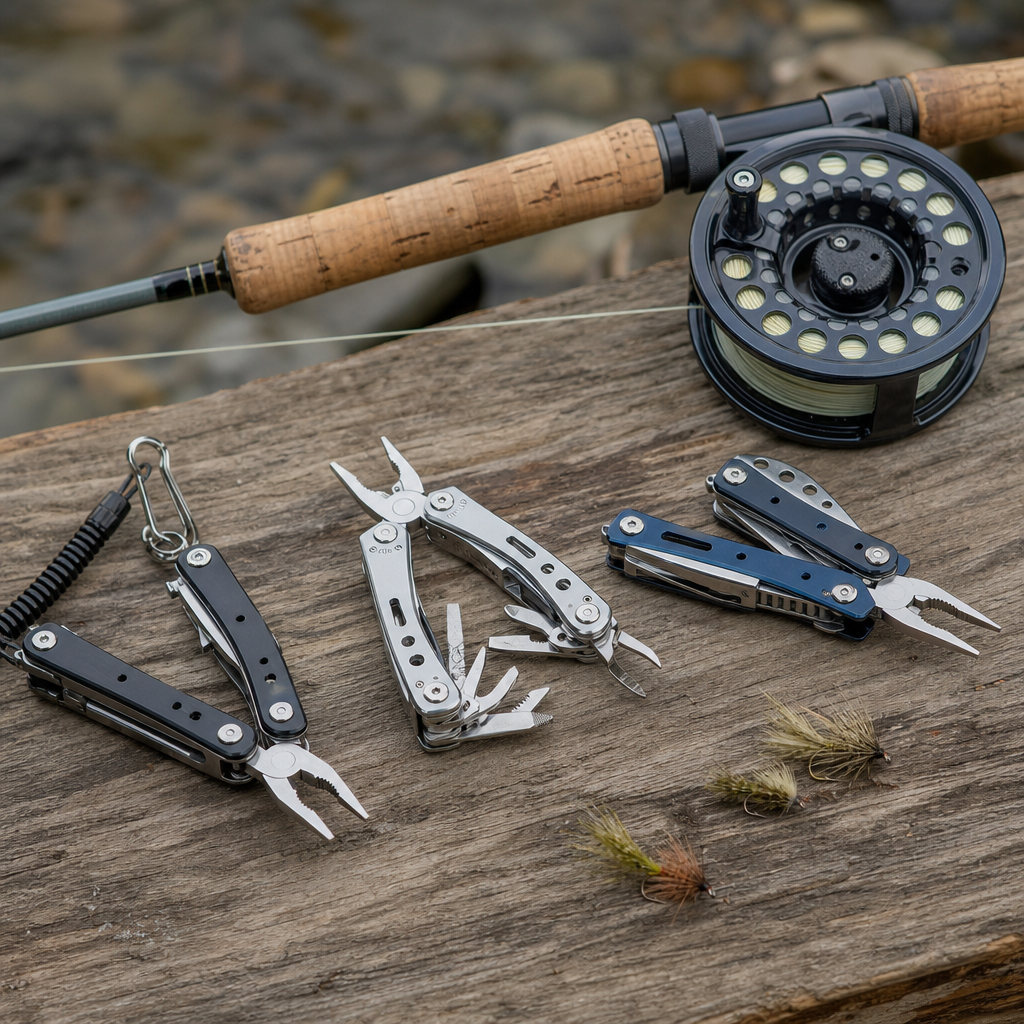
Fly fishing multi-tools earn a permanent place on a vest, pack, or lanyard because they solve the small problems that interrupt time on the water. In one compact accessory, anglers get forceps for hook removal, nippers for trimming tippet, picks for clearing hook eyes, and sometimes hemostats, line gauges, knot tools, or zingers. A good fly fishing multi-tool is not a gimmick. It is a practical piece of streamside equipment that reduces fumbling, speeds rig changes, and keeps essentials in reach when fish are rising and seconds matter.
I have tested fly fishing accessories for years on trout rivers, stillwaters, and salt marsh edges, and multi-tools consistently separate into clear tiers once you use them in cold hands, bad light, and wet conditions. On a shop floor, many tools look similar. On the water, differences in jaw alignment, spring tension, cutting performance, corrosion resistance, and carry options become obvious. This review of the top fly fishing multi-tools is designed as a hub for accessory reviews, helping readers compare leading options, understand which features truly matter, and identify where a specialized tool still outperforms an all-in-one design.
For most anglers, the right choice depends on three variables: target species, fishing environment, and rigging style. A trout angler fishing 5X and 6X tippet values precise nippers and a clean eye needle. A bass or pike angler needs stronger plier jaws and safer hook removal. A saltwater angler should prioritize aluminum, titanium, or high-grade stainless construction over convenience features that corrode after one season. Price matters, but reliability matters more. A failed spring, chipped cutter, or slipping grip can cost fish and waste a day. The best fly fishing multi-tools balance durability, ergonomics, and task-specific performance rather than trying to include every possible feature.
Because this page serves as an accessory reviews hub, it also points readers toward the broader logic behind fly fishing gear selection. The best recommendation is not always the most expensive tool. It is the one that fits your hand, matches your fishing, and remains dependable after repeated exposure to grit, moisture, and pressure.
What Makes a Great Fly Fishing Multi-Tool
The top fly fishing multi-tools do four jobs exceptionally well: remove hooks safely, cut mono and fluorocarbon cleanly, manage small terminal tackle, and stay accessible while wading or moving through brush. If any one of those functions fails, the tool stops being useful. Sharp cutters matter because ragged tag ends weaken knots. Properly aligned jaws matter because split shot, flies, and tiny barbs require control, not brute force. Corrosion resistance matters because a sticky hinge quickly turns a convenient accessory into dead weight.
In practical testing, I focus on six criteria. First is cutter performance on nylon, fluorocarbon, and braid. Second is jaw precision, especially for pinching barbs and gripping size 18 to 24 flies. Third is ergonomics: finger loops, handle shape, grip texture, and one-handed use. Fourth is retention, including sheaths, retractor compatibility, and lanyard friendliness. Fifth is durability, with attention to springs, rivets, and coatings. Sixth is maintenance. Some tools rinse clean and keep working; others trap grit in pivots and begin to bind after a few trips.
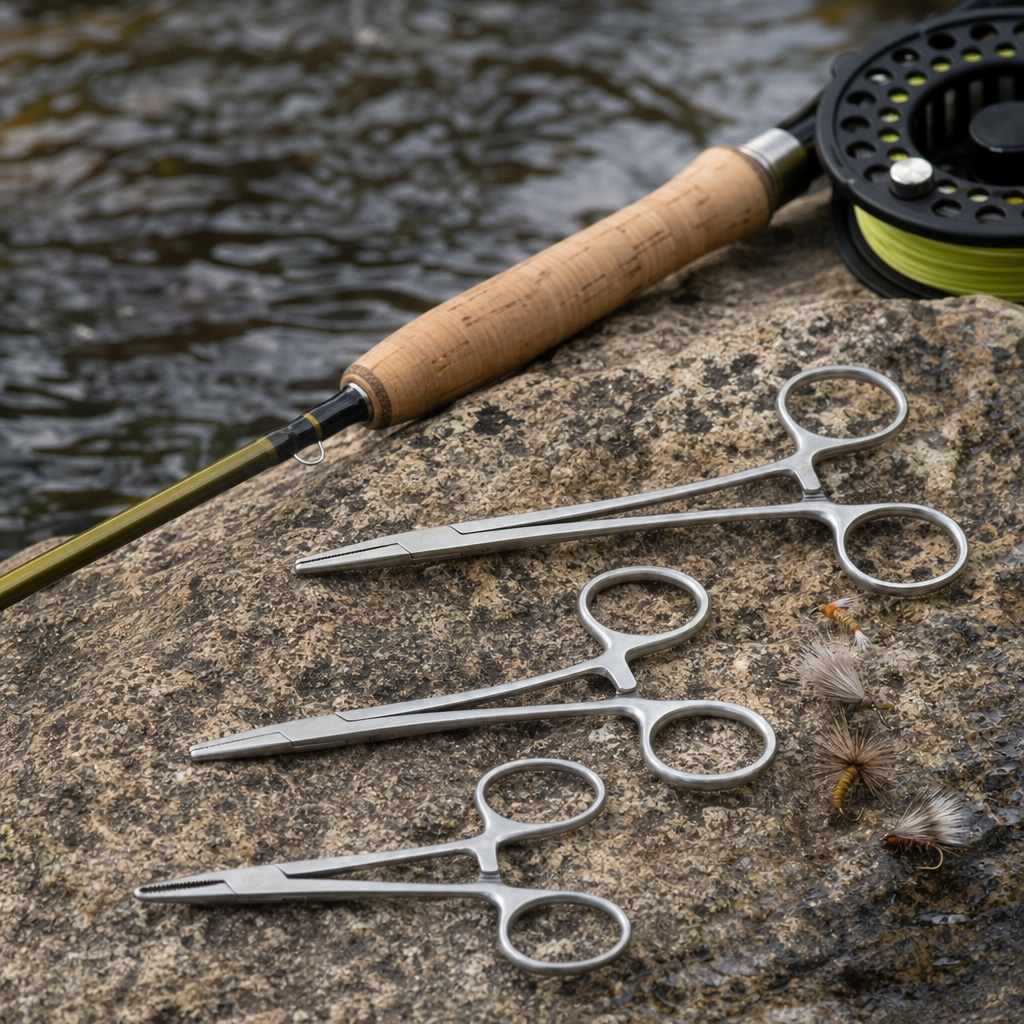
Feature lists can be misleading. More attachments do not automatically create more value. Many anglers are better served by a highly refined pair of fishing hemostats with integrated cutters than by a bulky folding gadget with mediocre versions of each function. Weight and simplicity count, especially for long days on freestone rivers where every hanging item catches fly line or snags brush.
Top Fly Fishing Multi-Tools Reviewed
The benchmark choice for many freshwater anglers is the Loon Rogue Quickdraw Forceps. They are technically forceps rather than a classic folding multi-tool, but in fly fishing this category often overlaps. The Quickdraw integrates scissor blades, a comfy grip, and a useful hook-eye cleaning point. In use, the locking mechanism is smooth, and the grip remains secure when wet. For trout anglers changing flies constantly, this tool performs the highest-frequency jobs better than many more complicated products. Its limitation is obvious: it is not built for heavy saltwater abuse or oversized hooks.
Dr. Slick’s Cyclone Nipper and scissor-forceps combinations are also near the top because they reflect how fly anglers actually work. Dr. Slick has long been respected in tying and streamside tools, and that experience shows in precise tips and dependable cutters. The best Dr. Slick models feel purpose-built for technical trout fishing, where tidiness and accuracy matter more than leverage. They are not flashy, but they are effective, repair-friendly, and widely available.
Gerber’s Magniplier and other fishing plier models deserve attention for anglers crossing between fly and conventional tactics. These tools offer stronger jaws, replaceable cutters, and better support for larger hooks or heavier tippet. I recommend them more for warmwater and inshore use than delicate dry-fly applications. They solve the hook-removal problem well, but they can feel oversized when threading 6X through a tiny eye in low light.
Rising’s hemostats and combo tools stand out for machining quality, anodized finishes, and excellent carry systems. They are premium tools with premium pricing, but they justify the cost for anglers who fish often and want equipment that resists wear. The fit and finish are noticeably above average, and the accessories integrate neatly into modern sling-pack setups. Their main drawback is cost relative to simpler hemostats that handle the same core tasks for less money.
| Tool | Best For | Main Strength | Main Limitation |
|---|---|---|---|
| Loon Rogue Quickdraw Forceps | Trout anglers | Excellent all-around streamside utility | Not ideal for heavy saltwater use |
| Dr. Slick scissor-forceps models | Technical freshwater fishing | Precise jaws and dependable cutters | Less leverage on larger hooks |
| Gerber Magniplier | Bass, pike, inshore species | Strong plier jaws and replaceable cutters | Bulky for small-fly tasks |
| Rising combo tools | Frequent anglers wanting premium build | Outstanding machining and retention options | High price |
Best Choices by Fishing Style and Environment
For trout fishing, compact forceps-based multi-tools remain the smartest buy. They are lighter, easier to manage on a zinger, and more precise with barbless flies, split shot, and fine tippet. On spring creeks and tailwaters, I reach first for tools from Loon or Dr. Slick because they let me clip, clear, and remove hooks without adding bulk. That matters when repetitive small motions dominate the day.
For bass, carp, steelhead, and pike, plier-style tools gain ground. Heavier wire hooks, larger flies, and toothier fish require more jaw strength and safer hand positioning. In those situations, a true fishing plier from Gerber or a similar brand often outperforms a trout-focused forceps design. These tools are less elegant, but they are more capable when pressure and reach matter.
Saltwater changes the buying equation completely. Corrosion is relentless, and many freshwater-friendly tools fail quickly around surf, spray, and skiff decks. For flats or inshore use, anodized aluminum pliers with stainless internals, replaceable tungsten carbide cutters, and a reliable sheath are worth the extra cost. Rinsing after use helps, but metallurgy decides long-term survival. If a manufacturer does not specify marine-ready materials, assume the tool is better suited to freshwater.
Travel anglers should also consider serviceability. Replaceable cutters, accessible fasteners, and common sheath attachments make a tool easier to live with over years of use. A premium tool that can be maintained often costs less over time than repeatedly replacing cheap accessories that loosen, rust, or cut poorly after a season.
Features That Matter More Than Marketing
The most overhyped feature in this category is the total number of functions. Many products advertise ten or more capabilities, yet anglers repeatedly use only four or five. What matters more is execution. A tool with excellent cutters, aligned jaws, and a practical carry system beats a feature-packed model with awkward deployment. This is especially true in fly fishing, where small inaccuracies create immediate frustration.
Cutting performance deserves special attention. Nylon and fluorocarbon behave differently, and not every cutter handles both equally well. Serrated scissor inserts are often better on fine tippet than broad anvil-style cutters. Tungsten carbide excels for durability, especially if you occasionally cut braid or wire. If your knots begin slipping or your tag ends look crushed rather than clean, the problem may be the tool, not your technique.
Retention is another make-or-break issue. The best fly fishing multi-tool is useless if it falls off midriver. Secure sheaths, coiled lanyards, zingers, and positive attachment points matter as much as the tool itself. I strongly prefer systems that let the tool return to the same location every time, because consistency reduces fumbling and accidental drops during fast rig changes.
Finally, comfort matters more than many buyers admit. Finger loops that are too tight, handles with sharp edges, or tools that twist under pressure become irritating within a full day. If you fish often, those small ergonomic issues outweigh cosmetic appeal very quickly.
How This Accessory Reviews Hub Helps You Choose Better Gear
As the hub for accessory reviews within product reviews and recommendations, this page is meant to do more than rank items. It helps readers understand where a multi-tool fits within the larger system of fly fishing accessories. Nippers, zingers, floatant holders, tippet spools, fly boxes, and packs all interact. A bulky tool may be acceptable on a raft but annoying on a minimalist chest pack. A premium plier may be essential in the salt but unnecessary on a dry-fly creek.
That is why accessory reviews should be read together, not in isolation. The right multi-tool supports your rigging workflow, storage setup, and target species. If you carry dedicated nippers and forceps already, adding a multi-tool may duplicate functions without improving efficiency. If you prefer a stripped-down lanyard kit, a compact all-in-one tool can remove clutter and simplify your setup. Good recommendations come from observing that whole system in real use.
In my testing, the most satisfied buyers are not the ones who chase the largest list of features. They are the anglers who match tool type to fishing style, prioritize corrosion resistance and cutter quality, and choose reliable retention. That simple framework leads to better purchases across nearly every accessory category.
Final Verdict on the Top Fly Fishing Multi-Tools
The best fly fishing multi-tools are the ones that make streamside tasks faster, cleaner, and safer without adding unnecessary bulk. For most trout anglers, a premium forceps-based option from Loon or Dr. Slick offers the best balance of precision, cutting ability, and portability. For larger species or mixed-technique anglers, a stronger plier-style tool such as Gerber’s fishing models brings more leverage and durability. For saltwater, corrosion-resistant materials and replaceable cutters are nonnegotiable.
The broader lesson is simple: buy for your actual fishing, not the packaging. Judge tools by cutter quality, jaw alignment, ergonomics, corrosion resistance, and retention before you consider extra functions. That approach saves money and prevents disappointment. As you continue exploring accessory reviews, use this hub to compare related tools and build a setup that works as a complete system, not as a pile of disconnected gadgets. Choose one dependable multi-tool, fish with it hard, maintain it properly, and let performance on the water guide your next upgrade.
Frequently Asked Questions
What features matter most when choosing the best fly fishing multi-tool?
The most important features are the ones you will actually use on the water, not the longest list on the package. For most anglers, the core functions are reliable forceps for hook removal, sharp nippers for cutting tippet and leader material, and a built-in needle or pick for clearing varnish or debris from small hook eyes. Those three features handle the majority of streamside tasks. After that, it is worth looking at build quality, corrosion resistance, comfort in hand, and how easily the tool can be accessed while wearing a vest, sling pack, or chest pack.
Material quality is especially important because fly fishing tools are exposed to moisture, grit, fish slime, and repeated opening and closing. Stainless steel is common and generally dependable, while higher-end coatings or alloys can improve corrosion resistance, particularly for anglers who fish saltwater or brackish environments. Jaw alignment on the forceps should be tight and precise, the hinge should feel smooth rather than sloppy, and the nippers should make a clean cut without fraying light tippet. If a tool includes extras like a hook hone, line gauge, knot tool, or retractable attachment point, those should complement the main functions rather than make the tool bulky or awkward.
Ergonomics also separate a good multi-tool from one that stays clipped to your pack and never gets used. A strong tool should be easy to operate with cold hands, wet fingers, or while standing in current. Lightweight designs are appealing, but not if they feel flimsy. The best fly fishing multi-tools balance portability with real utility, helping you unhook fish, change flies, and solve small rigging problems quickly so you spend more time fishing and less time digging through pockets.
Are fly fishing multi-tools really better than carrying separate nippers and forceps?
That depends on how you fish, but for many anglers, a well-designed fly fishing multi-tool is more convenient than carrying separate accessories. The biggest advantage is efficiency. When forceps, nippers, and a hook-eye cleaner are combined into one compact piece of gear, you reduce clutter and keep your most-used tools in one place. That can make a real difference during repetitive tasks like trimming tag ends, removing flies from a fish’s mouth, or clearing a tiny hook eye after changing patterns. On the water, those seconds add up.
A multi-tool also helps simplify gear management. Instead of attaching several individual tools to separate zingers or stuffing them into vest pockets, you can keep one tool on a retractor or lanyard and know exactly where it is. That matters when you are balancing on slick rocks, kneeling at the riverbank, or trying to make a fast fly change during a hatch. For anglers who value a streamlined setup, especially on small streams or during walk-and-wade trips, a compact multi-tool can feel much more practical than juggling multiple separate tools.
That said, separate tools can still be the better choice for anglers with very specific needs. Some dedicated nippers cut better than combo tools, and some stand-alone forceps offer better reach, stronger jaws, or superior control for deep hook removal. Guides, competitive anglers, and technical anglers who demand maximum performance from each tool may prefer specialized pieces. The best approach is to think about your actual fishing style. If you want fewer items, faster access, and solid all-around functionality, a quality fly fishing multi-tool is often the smarter option. If you prioritize top-tier performance in every single category, separate tools may still have the edge.
How durable should a fly fishing multi-tool be, and what should I expect at different price points?
Durability matters because a fly fishing multi-tool is not just a convenience item; it is a tool you may use dozens of times in a day. A dependable model should withstand repeated opening and closing, occasional drops on rocks, constant clipping and unclipping, and long exposure to damp conditions. At a minimum, the hinge should remain tight, the cutting edges should stay sharp through regular tippet trimming, and the jaws should not flex or misalign under normal pressure. If a tool rusts quickly, loosens after a few trips, or develops uneven nippers early on, it is not a good long-term investment.
At lower price points, many multi-tools offer useful basic functionality, but tolerances and finishing may be less refined. You may notice rougher hinge action, softer cutting surfaces, or coatings that wear quickly. These tools can still be perfectly serviceable for occasional trout anglers or beginners building their first kit, but they may not hold up as well under heavy seasonal use. Mid-range tools often represent the best value because they usually improve on steel quality, corrosion resistance, jaw precision, and attachment hardware without becoming overly expensive.
Premium fly fishing multi-tools typically justify their higher cost with better materials, cleaner machining, stronger springs or pivots, replaceable cutter components in some cases, and improved long-term reliability. They often feel more precise in use, especially when working with fine tippet or tiny flies. If you fish often, travel for trips, or want one tool that can stay on your vest for years, paying more for quality can make sense. In most reviews, the top performers are not always the ones with the most features; they are the ones that keep working smoothly after repeated use in real fishing conditions.
Which anglers benefit the most from carrying a fly fishing multi-tool?
Almost any fly angler can benefit from one, but they are especially useful for anglers who value speed, organization, and mobility. If you fish small streams, hike into backcountry water, or spend long days wading where easy access to gear matters, a multi-tool can become one of the most-used items on your setup. It gives you immediate access to essentials without forcing you to stop and search through boxes or pockets. That is a major advantage when changing flies often, adjusting rigs for shifting current conditions, or handling fish quickly and responsibly.
Beginners benefit because a multi-tool reduces the number of loose accessories they need to manage. Instead of learning where separate forceps, nippers, and eye-cleaning tools are stored, they have one compact item that handles the basics. Intermediate and experienced anglers appreciate them for different reasons: less clutter, faster rig changes, and better on-water efficiency. They are also valuable for anglers who fish in cold weather, where dexterity drops and simple tool access becomes much more important.
There are also certain use cases where a multi-tool is especially practical. Euro nymph anglers, dry-fly anglers who switch patterns frequently, and stillwater anglers making repeated leader adjustments all benefit from having multiple functions in one place. Guides often carry dedicated tools as well, but many still keep a multi-tool close at hand because it handles routine tasks quickly. In short, the anglers who benefit most are the ones who want to solve small problems immediately, keep essentials within reach, and avoid interruptions that break rhythm on the water.
How do you maintain a fly fishing multi-tool so it performs well season after season?
Proper maintenance is straightforward, but it makes a major difference in how long the tool lasts and how well it performs. After each outing, especially if you fish in rain, muddy conditions, or saltwater, rinse the tool with fresh water and dry it thoroughly. Pay special attention to the hinge, spring area, and cutting surfaces, since those spots tend to collect grit and moisture. Even stainless tools can develop corrosion or stiffness over time if they are repeatedly stored wet in a vest pocket or pack.
It also helps to inspect the nippers and jaws regularly. If the cutting edges begin to dull, you may notice frayed tippet ends or the need to squeeze harder than usual. If the forceps no longer meet cleanly, hook removal becomes less precise and more frustrating. A drop of light lubricant at the pivot can keep the action smooth, but use it sparingly so the tool does not attract excess dirt. If your model includes replaceable parts or screws, check them occasionally to make sure nothing is loosening through repeated use. Any integrated hook-eye cleaner or pick should be cleaned after use, since dried head cement, paint, or debris can build up on the tip.
Storage matters too. Keep the tool in a dry, ventilated place between trips rather than sealed away while damp. If you use a zinger or retractor, make sure the attachment point is secure and not wearing thin. Good maintenance is not complicated, but it protects your investment and preserves the features you rely on most. A well-cared-for fly fishing multi-tool should stay sharp, smooth, and dependable through many seasons of streamside use.