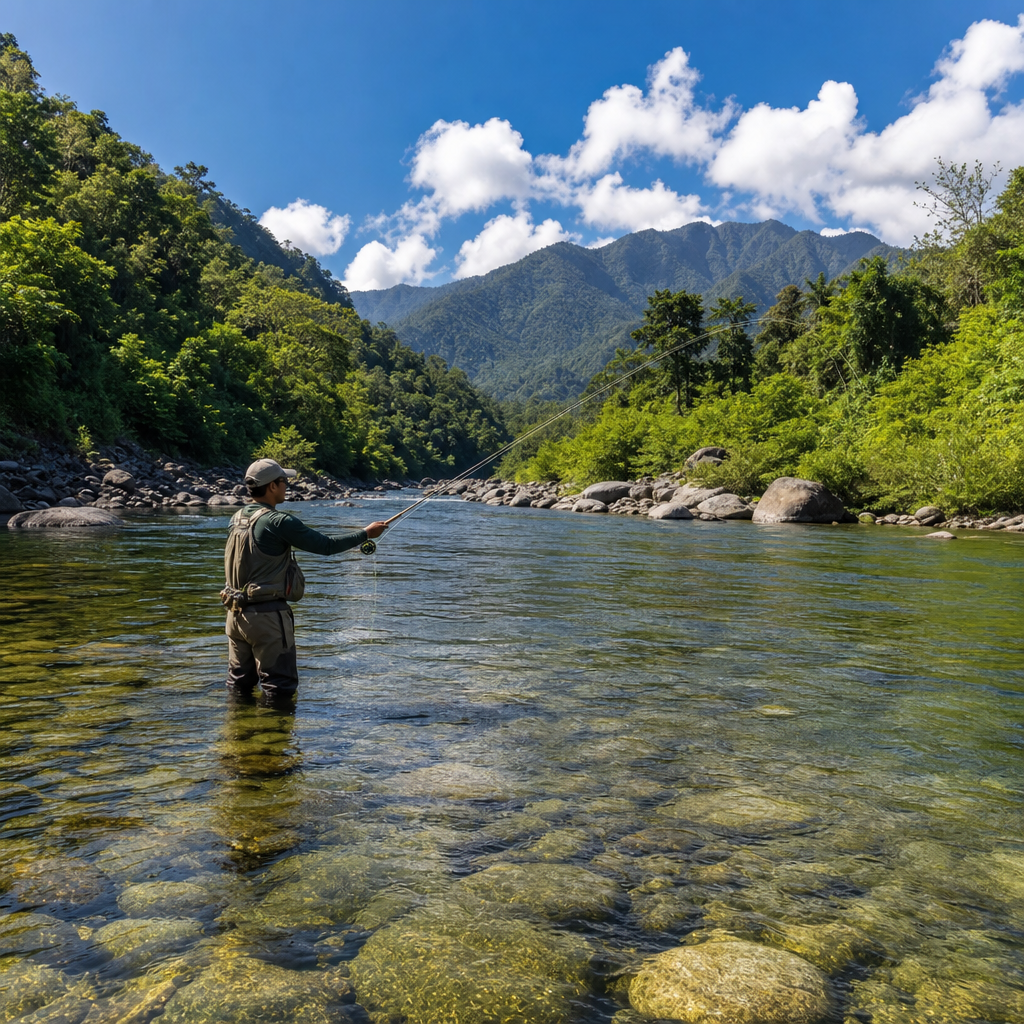
Fly fishing in the Philippines rewards anglers with a rare mix of tropical flats, volcanic lakes, mountain streams, and saltwater drop-offs that can all be reached within one archipelago. For anyone researching fly fishing destinations in Asia, the Philippines deserves a central place because it combines diverse fisheries with year-round warm weather, English-speaking guides, and access points that range from urban coastlines to remote island lodges. In practical terms, fly fishing means presenting a lightweight artificial fly with a specialized rod, reel, and weighted line rather than casting conventional lures. That matters here because many Philippine species feed selectively in shallow water, around mangroves, or along reef edges where precise, quiet presentations consistently outperform heavier tackle. I have planned trips across Luzon, Visayas, and Mindanao, and the pattern is clear: success depends less on brute force and more on reading tides, matching forage, and choosing the right island for the season. This article serves as a hub for fly fishing in Asia through the Philippine lens, covering premier locations, target species, seasonal strategy, travel logistics, and the limitations anglers should understand before booking.
Why the Philippines stands out for fly fishing in Asia
The Philippines has more than 7,600 islands, and that geography creates extraordinary habitat variety. In one trip, an angler can sight-cast to juvenile trevally on white-sand flats, strip baitfish patterns for peacock bass in freshwater impoundments, and throw poppers at reef predators in blue water. Compared with more established fly fishing destinations in Asia such as the Maldives, Christmas Island stopovers through the region, or Japan’s trout rivers, the Philippines is less systematized and less heavily marketed. That is not a weakness; it means many fisheries still feel exploratory. However, it also means anglers must prepare carefully because reliable skiff operations, fly-specific guides, and detailed hatch-style information are less standardized than in famous trout destinations.
What makes the country particularly attractive is species density rather than one single marquee fishery. Giant trevally, bluefin trevally, golden trevally, milkfish, barracuda, queenfish, bonefish in select areas, mangrove jack, grouper, tarpon in brackish systems, snakehead, tilapia, carp, and peacock bass all enter the conversation depending on region. The fisheries are also spread across tourism infrastructure that already handles international visitors well. Major gateways such as Manila, Cebu, Clark, and Davao connect efficiently to domestic airports serving Palawan, Boracay, Bohol, Siargao, and Cagayan de Oro. For traveling fly anglers, that reduces transfer friction, which is often the hidden cost in destination fishing.
Another advantage is climate flexibility. The dry season generally runs from November to May, but local conditions differ sharply by coast. The Amihan northeast monsoon and Habagat southwest monsoon affect wind direction, rainfall, and marine clarity. A destination that is blown out on one side of the archipelago may fish beautifully on another. That gives the Philippines a practical edge as a hub page under fly fishing destinations in Asia: it offers enough regional variation that a well-timed itinerary can usually find fishable water somewhere in the country.
Premier saltwater fly fishing locations
Palawan is the headline province for saltwater fly fishing in the Philippines. Around El Nido, Taytay, and the broader northern Palawan coastline, anglers encounter seagrass flats, mangrove creeks, channels, and reef drop-offs that support trevally, snapper, barracuda, reef species, and occasional milkfish. The area’s visual appeal is famous, but its fishing value lies in clean water and habitat transitions. On incoming tides, predators patrol mangrove mouths and sandy edges where shrimp and small baitfish wash out. On higher water, fish spread across turtle grass and coral rubble. Guides familiar with these movements can position anglers for short, accurate casts rather than blind prospecting.
Busuanga and Coron are also noteworthy, especially for anglers who want a mix of flats and deeper reef structure. The region is better known for diving, yet its protected bays and outer reefs create productive fly water when wind allows. Fast-sinking lines and larger baitfish patterns help around current lines and bommies, while floating lines are effective on calmer inside flats. Siargao, on the other hand, offers a more surf-influenced profile. The island is globally known for waves, but estuaries, channels, and adjacent reef systems can produce trevally, queenfish, and jacks. Timing around weather is critical because open-ocean swell and wind can shut down visibility.
Cebu and Bohol provide practical access for anglers who want strong tourism infrastructure without sacrificing opportunity. Around Mactan, Olango, and Bohol’s coastal systems, anglers can target trevally, needlefish, small tunas offshore, and mixed reef species. These are not always classic flats in the Caribbean sense; many productive zones are patchy, tidal, and structure-rich. That changes fly selection and leader design. Weed guards, abrasion-resistant tippet, and quick shots to moving fish matter more than long, delicate presentations. In Western Visayas, the waters around Boracay and neighboring islands can fish well for pelagics during favorable windows, particularly where bait concentrations pull predators toward current seams.
| Location | Primary Fly Targets | Best Conditions | Practical Notes |
|---|---|---|---|
| North Palawan | Trevally, barracuda, snapper, milkfish | Dry months, moderate tides, clear mornings | Best all-around option for dedicated saltwater fly trips |
| Busuanga and Coron | Trevally, reef predators, queenfish | Light wind, moving current, stable weather | Excellent mix of inside bays and outer reef edges |
| Cebu and Bohol | Jacks, trevally, needlefish, small tunas | Calm seas, early starts, coordinated boat access | Easy logistics for mixed fishing and family travel |
| Siargao | Trevally, queenfish, estuary species | Protected water during manageable swell periods | More weather-sensitive than central island options |
Freshwater and brackish opportunities
Freshwater fly fishing in the Philippines is less internationally visible, but it can be surprisingly productive. Lake Caliraya in Laguna is the most commonly discussed venue because it supports peacock bass, a highly visual and aggressive target that adapts well to fly tactics. Introduced peacock bass feed around points, flooded timber, weed edges, and shoreline cover, especially during low-light periods. Intermediate lines, 2/0 streamers, and short leaders are standard. I have found that boat positioning is the deciding factor here; if the cast lands parallel to structure instead of across it, hookup rates increase dramatically because the fly stays in the strike zone longer.
Laguna de Bay and connected waterways can hold tilapia, carp, catfish, and occasional brackish species near river mouths, though water quality and access are inconsistent. In Mindanao and parts of Luzon, reservoir and river systems may offer snakehead-style opportunities in weedy margins, but these are highly local and often require current intelligence from residents or multispecies guides rather than dedicated fly operations. For anglers willing to experiment, these waters reward adaptable tactics: floating lines, unweighted baitfish flies, gurglers, and terrestrials all have a place.
Brackish environments deserve special attention because they blur the line between freshwater and saltwater. Estuaries near mangroves can hold juvenile tarpon, small snook-like ambush predators, jacks, and resident bait species. These systems are ideal when offshore weather deteriorates. They also fit anglers who prefer shorter, more technical sessions with frequent shots under overhangs, beside bridge pilings, or along current breaks. The tradeoff is that local access may be informal. Hiring a boatman who understands tides and navigation can be more important than hiring a conventional sportfishing captain unfamiliar with fly casting angles.
Target species, tackle, and fly selection
The smartest way to plan fly fishing in the Philippines is by matching tackle to habitat, not just species names. For tropical flats and inshore saltwater, an 8- to 10-weight outfit covers most situations. An 8-weight handles smaller trevally, bonefish-like opportunities, and general flats work, while a 10-weight offers better control around coral and mangroves. Reels need sealed drags because heat, salt, and sudden long runs expose weak systems immediately. Tropical fly lines are essential; standard temperate lines soften too much in Philippine heat and lose casting stability.
For flies, shrimp and crab patterns work on flats, while baitfish profiles dominate channels, reefs, and estuaries. EP-style minnows, Clouser Minnows, Deceivers, Brush Flies, and poppers all produce. Color choice should follow water clarity and prey type. White, chartreuse, tan, and olive remain the most consistent. In milkfish scenarios, specialized algae or vegetation-imitating flies may be required, and that fishery can be frustrating even for experienced anglers because feeding behavior is exacting. For peacock bass and other freshwater predators, size matters more than finesse. Streamers that push water and trigger reaction strikes outperform subtle patterns in stained impoundments.
Leader construction should be simple and strong. In saltwater, many anglers overcomplicate leaders when a short butt section tapering to 16- to 20-pound fluorocarbon will handle common flats work. Around barracuda or sharp reef structure, bite tippet or heavier shock tippet becomes necessary. Polarized sunglasses are not optional; they are the primary fish-finding tool. Lightweight sun protection, waterproof boat bags, stripping guards, and hook files also earn their place quickly. Because local tackle shops may not stock specialized fly gear, anglers should arrive fully rigged with spare lines, leaders, and core fly patterns.
Seasonality, travel planning, and common mistakes
The best time for fly fishing in the Philippines depends on location, but most visiting anglers should begin planning around the dry season from roughly December through May. March to May often brings calmer seas and stronger visibility in many saltwater areas, though heat intensifies and afternoon breezes can build. Typhoon exposure is a real consideration, especially from June through October, and even outside direct storm tracks, passing systems can dirty water and disrupt domestic flights. For that reason, itinerary design should include buffers. I generally recommend at least one spare day before and after any remote fishing leg.
Travel logistics are manageable if approached systematically. International arrivals typically route through Manila, Cebu, or Clark, then continue by domestic air to Puerto Princesa, Busuanga, Siargao, Caticlan, Tagbilaran, or Davao depending on destination. Weight limits on smaller domestic carriers can affect rod tubes, boots, and camera gear. Booking private boat days through resorts may be convenient, but anglers should ask detailed questions: Is the crew experienced with fly line management? Is the casting deck clear? Do they understand poling, current positioning, and fish spotting? A boat optimized for trolling is rarely ideal for fly fishing.
The most common mistakes are predictable. First, anglers underestimate wind and overestimate casting distance; a reliable 50-foot cast with one false cast beats a heroic 80-foot attempt every time. Second, they bring trout habits to tropical water, using light tippet and delicate hooks where abrasion resistance and hook strength matter more. Third, they ignore tide charts. In the Philippines, moving water often determines everything, especially around mangroves, channels, and reef passes. Finally, some travelers treat the country as one uniform fishery. It is not. Local guidance, seasonal flexibility, and realistic expectations are what turn a scenic island trip into a successful fly fishing destination experience.
Fly fishing in the Philippines is not a copy of better-known tropical fisheries, and that is exactly why serious anglers should pay attention. The country offers a broad, flexible portfolio of fishing options within Asia: Palawan for flagship saltwater exploration, Busuanga and Coron for mixed reef and bay opportunities, Cebu and Bohol for accessible inshore trips, Siargao for weather-dependent adventure, and inland waters such as Lake Caliraya for peacock bass and other freshwater experiments. Across those regions, the central lesson is consistent. Match your destination to the season, build tackle around habitat, and prioritize guides or boatmen who understand fly presentations rather than generic boat fishing.
The main benefit of choosing the Philippines is diversity backed by practical access. You can chase trevally on tropical flats, switch to estuary fish when offshore winds rise, or add freshwater days without leaving the archipelago. The limitations are real: infrastructure is uneven, dedicated fly operations are still developing, and weather planning matters more than brochures suggest. But for anglers who prepare well, those tradeoffs are acceptable because the fisheries remain varied, scenic, and comparatively underpressured. As a hub for fly fishing destinations in Asia, the Philippines belongs near the top of any shortlist.
If you are planning your next Asia fly fishing trip, start by selecting one Philippine region, one primary target species, and one travel window with backup weather options. That simple framework will narrow choices fast and lead to a more productive, enjoyable trip on the water.
Frequently Asked Questions
What makes the Philippines a standout fly fishing destination in Asia?
The Philippines stands out because very few countries offer such a wide range of fly fishing environments within a single island chain. An angler can target fish on tropical saltwater flats, cast along reef edges and drop-offs, explore volcanic lakes, and even fish cooler mountain streams without leaving the country. That diversity is a major advantage for travelers who want more than one style of fishing in the same trip. Instead of committing to only flats fishing or only freshwater fishing, visitors can build an itinerary that includes multiple fisheries and techniques.
Another major strength is accessibility. The archipelago has well-traveled domestic air routes, ferry connections, and a large number of coastal communities where fishing knowledge is part of daily life. English is also widely spoken, which makes logistics, guiding, and trip planning easier than in many other parts of the region. For international anglers, that translates into smoother communication about tides, tackle, transportation, and local conditions. The warm climate also supports year-round fishing opportunities, although the best timing depends on monsoon patterns, regional weather, and the species being targeted.
Just as important, the Philippine setting offers a rare mix of adventure and practicality. Some fisheries are close to cities and tourism infrastructure, while others feel remote and lightly pressured. That means the destination appeals both to experienced fly anglers looking for sight-fishing challenges and to newer anglers who want comfortable entry points. In short, the Philippines earns its reputation by combining biodiversity, scenic variety, travel convenience, and genuine fly fishing potential in one destination.
What are the premier locations for fly fishing in the Philippines?
The best locations depend on whether an angler prefers saltwater, freshwater, or a combination of both. In saltwater, Palawan is often one of the first regions mentioned because of its clear flats, extensive coastline, mangrove systems, and access to productive reef structure. It offers strong potential for sight-fishing in shallow water as well as opportunities near channels and edges where predatory fish patrol. The area is especially attractive for anglers who want a visually spectacular setting paired with serious saltwater potential.
Cebu, Bohol, and parts of Negros also deserve attention for coastal fly fishing. These regions provide a mix of reef flats, beaches, estuaries, and nearshore drop-offs where anglers can pursue aggressive tropical species. In some areas, urban proximity makes day trips possible, while other shorelines feel much more secluded. For anglers willing to explore with local guides or knowledgeable boatmen, these Visayan islands can produce varied fishing with the added benefit of excellent travel infrastructure.
For freshwater anglers, volcanic and upland systems are part of the appeal. Lake fisheries in Luzon and Mindanao can offer opportunities for species adapted to stillwater conditions, while mountain streams in higher elevations provide a very different experience, often requiring lighter tackle and more precise presentation. These inland environments may not resemble classic trout rivers in North America or Europe, but they can still deliver technical and rewarding fly fishing. The premier locations are ultimately those that match your target species, preferred style, and tolerance for travel between islands. A well-planned trip often combines one marquee saltwater destination with a freshwater side excursion for a broader view of what Philippine fly fishing can offer.
What species can anglers target with a fly rod in the Philippines?
The Philippines offers a broad species list, especially in saltwater, and that variety is one of the destination’s greatest strengths. On the flats and along shallow coastal areas, anglers may encounter species such as trevally, queenfish, milkfish in select circumstances, and other fast-moving tropical predators that respond well to properly presented baitfish or shrimp patterns. Around reef edges, channels, and drop-offs, larger and more powerful fish may appear, making quick casting, strong drag systems, and durable leaders especially important. The exact species mix changes from one island group to another, but the overall pattern is consistent: there is real opportunity for visual, high-energy fishing in warm water.
In estuaries, mangrove-lined shorelines, and brackish areas, the species profile broadens even more. These habitats can hold ambush feeders and structure-oriented fish that reward accurate casts and careful fly selection. Anglers who enjoy reading current seams, roots, points, and tidal movement often find these areas particularly engaging. Because many Philippine fisheries are influenced by tide cycles, species activity can change quickly depending on water depth, bait movement, and light conditions.
Freshwater options vary by region and are often more location-specific. Volcanic lakes and reservoirs may hold species suitable for streamer fishing or subsurface presentations, while mountain streams can require a much lighter, more delicate approach. Although the Philippines may not be globally famous for one single iconic fly rod species in the same way some destinations are known for tarpon or trout, it is highly compelling for anglers who enjoy variety, adaptability, and the chance to pursue fish in multiple environments during the same trip. That mix of species and settings is exactly what makes the country so interesting to exploratory fly anglers.
When is the best time to go fly fishing in the Philippines?
Fly fishing is possible year-round in the Philippines, but the best time depends heavily on region, weather patterns, and your target fish. Because the country is spread across a large archipelago, local conditions can differ significantly from one island group to another. In general, anglers often aim for drier periods with more stable weather, calmer seas, and better water clarity, especially if sight-fishing on flats is a priority. Clear water and manageable wind are major advantages when spotting fish, making precise presentations, and moving safely between islands or coastal zones.
Monsoon seasons are a key factor. Depending on where you are fishing, wind direction, rainfall, and storm risk can influence access and fishing quality more than temperature does. The tropical climate keeps water warm for much of the year, but heavy weather can reduce visibility, affect boat travel, and make some areas temporarily less productive. That does not mean fishing shuts down completely; in many places, experienced local guides simply adjust tactics, target species, or fish more protected water. However, if you are traveling internationally and want the highest odds of favorable conditions, planning around the more settled regional weather windows is wise.
The best approach is to choose your target area first and then confirm seasonal timing with current local knowledge. Ask specifically about prevailing winds, tide strength, water clarity, and recent storm activity, not just average monthly weather. If you want a mixed trip with both freshwater and saltwater elements, also factor in river flow, lake levels, and travel days between islands. A flexible schedule usually produces the best results. In practical terms, the Philippines is not a one-month-only destination; it is a place where timing should be fine-tuned to the exact fishery you plan to fish.
What gear, flies, and preparation do you need for a successful fly fishing trip in the Philippines?
Preparation starts with matching your tackle to the type of water you plan to fish. For saltwater flats, reef edges, and coastal species, a fast-action 8- to 10-weight rod is often the core setup, paired with a corrosion-resistant reel and a dependable drag system. Tropical fly lines are important because standard temperate lines can soften too much in heat. Leaders should be selected based on water clarity, fish behavior, and the presence of abrasive structure. If you are fishing near coral, rocks, mangroves, or sharp-jawed species, bring plenty of leader material and expect to retie often. For freshwater lakes and streams, lighter rods may be more appropriate, especially where finesse and shorter casts matter more than raw lifting power.
Fly selection should cover baitfish, shrimp, crab, and general attractor patterns for saltwater, with streamers, nymph-like subsurface options, and small surface patterns for freshwater opportunities. Color choice often depends on light and water clarity, but proven tropical combinations such as white, tan, olive, chartreuse, and combinations with flash are good starting points. Durable patterns matter because heat, salt, and aggressive fish can wear flies down quickly. It is also smart to bring more than you think you need, particularly if you are visiting remote islands where specialty replacements may be difficult to find.
Beyond tackle, tropical preparation is essential. Lightweight sun-protective clothing, a quality hat, polarized sunglasses, flats boots or secure wading footwear, and waterproof gear storage all make a major difference. Hydration, sunscreen, and basic travel medical supplies should be treated as necessities, not extras. Anglers should also research licensing, access rules, catch-and-release expectations, and local conservation practices before arrival. Perhaps most importantly, go in with a flexible mindset. Philippine fly fishing rewards anglers who can adjust to tides, weather, transport changes, and the realities of fishing across islands. With the right gear and expectations, that flexibility becomes part of the experience rather than an obstacle.