Fly fishing in Morocco offers one of Africa’s most overlooked freshwater adventures, combining wild trout rivers, high Atlas mountain reservoirs, and a long tradition of angling in landscapes better known for deserts and surf. In practical terms, fly fishing means presenting an artificial fly with a weighted line rather than a sinker, while a destination hub article gathers the core information an angler needs before drilling into river-specific guides, species profiles, and seasonal reports. Morocco matters within the broader Africa fly fishing conversation because it is accessible from Europe, politically stable for travel planning, and ecologically diverse enough to support both indigenous and introduced trout fisheries. I have found that many traveling anglers arrive expecting only warmwater opportunities, then leave surprised by clear freestone streams above cedar forests, technical stillwater sessions on windy lakes, and the need for disciplined presentation at altitude. As a gateway to fly fishing in Africa, Morocco teaches an important lesson: the continent is not a single fishery but a mosaic of climates, elevations, and management systems. Understanding Morocco helps anglers frame comparisons with South Africa’s trout streams, Kenya’s highland rivers, Tanzania’s mixed freshwater systems, and the cold tailwaters that exist in scattered mountain regions elsewhere on the continent. The best results come from matching tactics to hydrology, season, and local regulations rather than treating the country as a generic destination.
For most visitors, the primary target is trout, especially brown trout in mountain rivers and rainbow trout in selected stocked waters, though some reservoirs also produce carp and black bass opportunities that reward adaptable fly anglers. Key terms matter before planning. Freestone rivers rise and fall with rainfall and snowmelt, tailwaters are controlled by dams, reservoirs fish more like lakes than rivers, and terrestrial fishing refers to imitating land insects such as beetles, ants, and grasshoppers blown onto the water. Morocco’s productive trout zones sit mainly in the Middle Atlas and High Atlas, where elevation moderates temperatures and creates seasonal windows very different from lowland North Africa. This article serves as the Africa hub by showing where Morocco fits, what regions deserve attention, how to build strategy around weather and water level, what tackle works, and where travel logistics can make or break a trip. Anglers researching fly fishing destinations in Africa often ask the same questions first: Is Morocco worth it, when should I go, what species can I catch, and do I need a guide? The short answer is yes, spring and autumn are prime, trout are the headline species, and a guide is strongly recommended for access, permits, and reading local water. The deeper answer is in the sections below.
Why Morocco deserves a leading place in Africa fly fishing
Morocco deserves serious attention because it compresses multiple fishable environments into a relatively short travel radius. From Marrakech or Fez, you can reach mountain streams, reservoirs, and upland valleys within a day, which is not always possible in larger African countries where distances are greater and road logistics are more demanding. In my experience planning destination itineraries, that density matters as much as fish numbers. A seven-day trip can include technical river fishing, exploratory stillwater sessions, and cultural travel without requiring domestic flights between every stop. Morocco also benefits from established tourism infrastructure, from riad lodging to mountain guesthouses, which makes mixed angling and family travel easier than in more remote fisheries.
The country’s position within Africa is distinctive. South Africa is often the continent’s best-known fly fishing destination because of developed trout regions and guided lodge circuits. Kenya has notable highland trout water but less broad angling visibility. Morocco sits between them in practical appeal: easier than many anglers assume, less crowded than European trout rivers, and more seasonally complex than marketing brochures suggest. Fish density is not uniformly high, and some waters are managed inconsistently, but the scenery, mobility, and chance to fish lightly pressured streams create genuine value. For an Africa-focused destination portfolio, Morocco functions as a strategic entry point for anglers seeking trout without immediately committing to long-haul safaris or expensive private concessions.
Best fly fishing regions and waters in Morocco
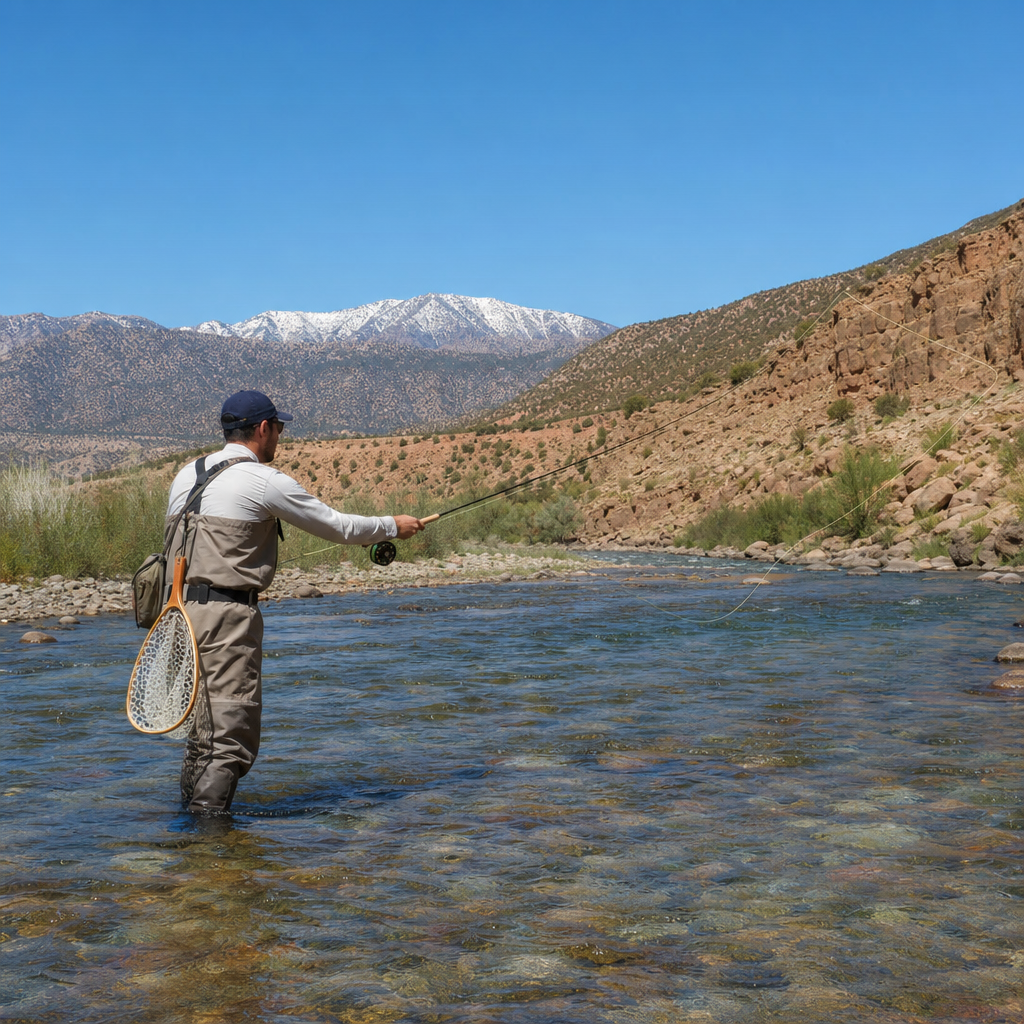
The Middle Atlas is the starting point for most trout-focused itineraries. Around Ifrane, Azrou, and the cedar-covered uplands, streams and cold-water lakes provide the classic image of Moroccan fly fishing. This region’s elevation supports cooler summer temperatures, and spring flows can be excellent after winter precipitation. Rivers here are often modest in size, requiring short accurate casts, drag-free drifts, and a willingness to stalk fish from low positions. Public information on named beats can be uneven, which is another reason local guiding matters. Oum Er-Rbia headwaters and associated tributaries are frequently discussed among anglers because they hold trout water with a mix of pocket water, runs, and small pools.
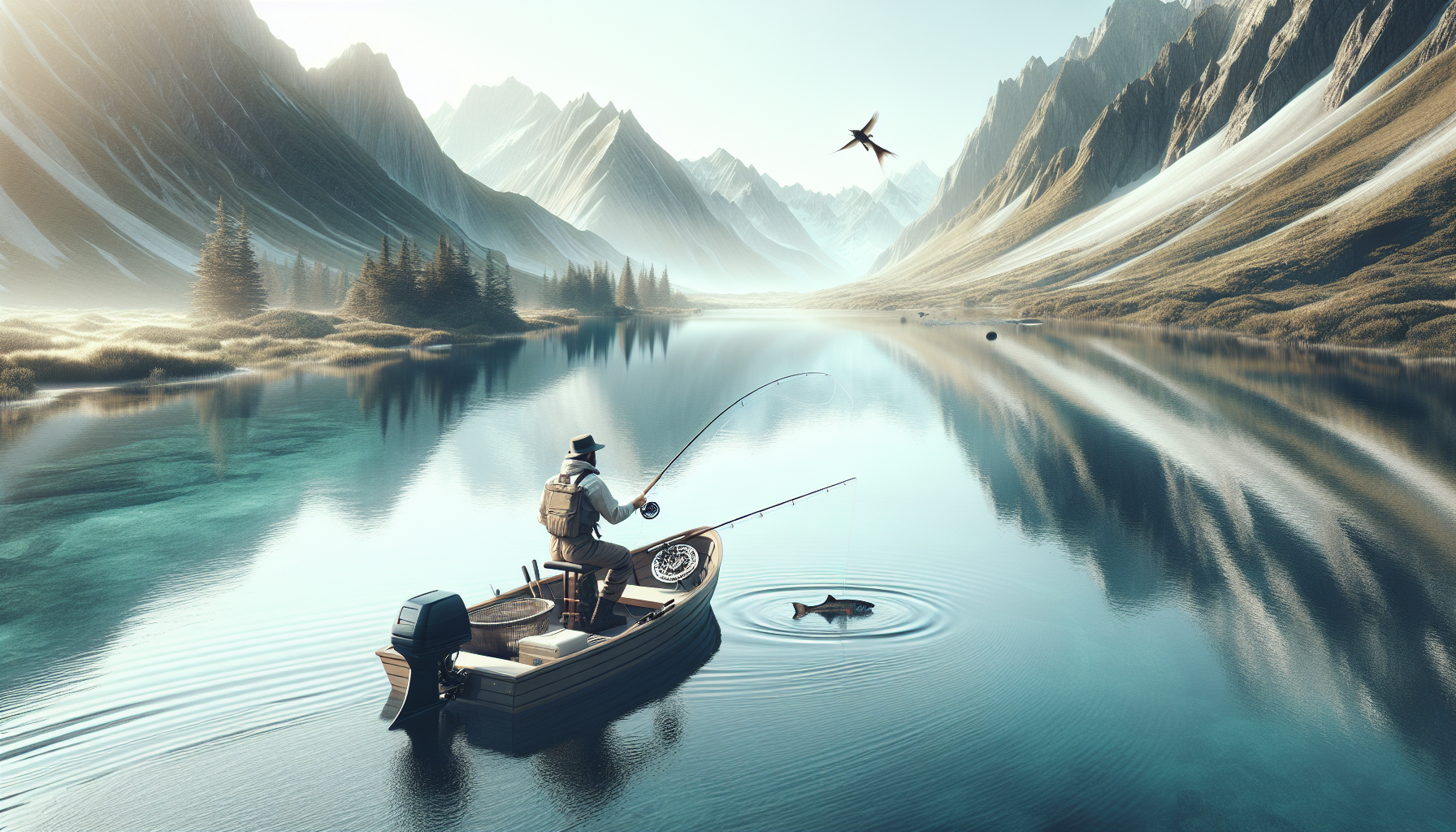
The High Atlas, particularly waters accessible from Marrakech toward mountain valleys and upland reservoirs, adds another layer. Here, trout fishing can feel more remote, and conditions are shaped by snowpack, summer heat, and storm-driven turbidity. Narrow freestone streams often reward Euro nymphing, high-stick short-line methods, and opportunistic dry-fly fishing during midday insect activity. Some reservoirs in Atlas regions are better known to local anglers than international travelers and can offer productive sessions when rivers run too high or too warm. Reservoir fishing usually demands a different rhythm: covering shorelines, watching wind lanes, and fishing intermediate lines or balanced indicator rigs around structure.
To frame the main options clearly, use this regional comparison when building an itinerary:
| Region | Primary Water Type | Main Species | Best Timing | Most Effective Methods |
|---|---|---|---|---|
| Middle Atlas | Small to medium trout streams, upland lakes | Brown trout, some rainbow trout | April to June, September to October | Dry-dropper, tight-line nymphing, small stream dry flies |
| High Atlas | Freestone rivers, reservoirs | Brown trout, rainbow trout, carp in some lakes | May to early July, late September | Short-line nymphing, streamers in lakes, terrestrials |
| Reservoir systems nationwide | Stillwater | Rainbow trout, carp, black bass depending on water | Spring and autumn | Booby-style retrieves, chironomids, baitfish patterns |
Not every productive water is heavily publicized, and that is normal in Morocco. Some of the best sessions I have seen happened on modest tributaries that looked too small on a map but held enough oxygen, cover, and insect life to support wild fish. Anglers who expect famous-name rivers with signposted access points may find the destination opaque. Anglers willing to research provinces, work with local contacts, and adapt daily can discover excellent water.
Species, seasons, and what to expect from the fishing
Brown trout are the species that define Morocco’s mountain fly fishing identity. In many streams they are not especially large, but they are beautifully marked, quick to punish poor presentation, and highly responsive to changing temperatures and flow. A typical fish may run modest in size, yet the challenge comes from clear water, tight holding lies, and abrupt weather shifts. Rainbow trout are more common in managed or stocked environments, particularly some lakes and reservoirs, where they may provide more consistent action than wild river fish. This distinction matters. If your goal is numbers, stillwater or stocked fisheries may outperform a romantic search for wild trout in difficult freestone conditions.
Seasonality in Morocco is driven by altitude. Spring is usually the prime window because snowmelt and rainfall refresh systems, insect life becomes active, and daytime temperatures remain manageable. However, spring can also produce high, cold, or discolored water after storms, especially in freestone systems. Early summer can be excellent at altitude but declines quickly as lower rivers warm. Autumn is often underrated. Stable flows, fewer travelers, and terrestrials still in play can create technical but rewarding fishing. Mid-summer works best only on the highest and coldest waters, and even there, anglers should prioritize early morning and evening. Winter is generally limited for trout travel planning, though regional regulations and weather must be checked carefully before any trip.
Across Africa, these seasonal lessons repeat in different forms. Morocco’s high-country trout timing has more in common with upland fisheries in Kenya or Lesotho-linked southern systems than with lowland warmwater rivers. That makes Morocco a valuable reference point for anglers building an Africa fly fishing calendar. If you can read snowmelt, elevation, and temperature charts here, you will be better prepared for other African trout destinations.
Proven strategies, flies, and tackle for Moroccan waters
A 4-weight or 5-weight rod between 8 and 9 feet covers most Moroccan trout fishing. On tight streams, a shorter rod can help under vegetation, while a 10-foot 3-weight or 4-weight excels for contact nymphing in pocket water. Floating lines are standard for rivers, but stillwater anglers should pack an intermediate line and, if targeting deeper trout in reservoirs, a sink-tip or full-sinking option. Leaders should not be overly complicated: 9-foot tapered leaders ending in 4X or 5X handle dry flies well, while nymph anglers often build custom leaders for sighter systems and tungsten flies.
The most reliable river strategy is controlled, efficient prospecting rather than waiting for obvious hatches. Moroccan streams often reward a two-fly setup with a heavier anchor nymph and a smaller dropper, worked through seams, plunge pools, and undercut edges. Patterns that consistently earn space in my box include Pheasant Tails, Hare’s Ears, perdigons, Frenchies, caddis larvae, and small jig nymphs in sizes 14 to 18. For dry flies, Elk Hair Caddis, Parachute Adams, small stimulators, beetles, foam ants, and hopper patterns cover much of the practical surface game. When fish refuse standard dries, downsizing and extending the tippet usually matters more than changing to an exotic pattern.
In reservoirs, fish behavior is more influenced by wind, depth, and light penetration. Shore anglers should target points, drop-offs, inflow zones, and wave-stirred banks where food concentrates. Slow figure-of-eight retrieves with chironomid imitations, small baitfish streamers, damsel nymphs, or leech patterns often outperform fast stripping. Carp on the fly, where available, require a separate mindset altogether: quiet wading, polarized glasses, and accurate presentations of small nymphs or worm-style flies near feeding fish. This versatility is one reason Morocco belongs in a wider Africa destination hub. The same trip can test classic trout drifts and stillwater problem-solving within a few hours’ drive.
Guides, permits, access, and planning a successful trip
The biggest operational mistake visiting anglers make is assuming access will work like western Europe or the United States. In Morocco, information can be fragmented, local rules may change, and water conditions are not always published in a way that helps a traveler decide quickly. Hiring a guide for at least the first days is usually the smartest investment. A strong guide provides more than casting tips. They know permit requirements, current fishability, road conditions, productive backup waters, and whether a certain stream is worth the drive this week rather than last month. They also bridge language gaps in rural areas and help anglers avoid unproductive wandering.
Before travel, confirm current license rules through local outfitters, regional angling associations, or tourism contacts in the target province. Regulations may cover seasons, bag limits, protected waters, and access restrictions near reservoirs or managed fisheries. Use standard travel discipline: carry copies of documents, pack felt-free wading boots where invasive species rules apply, and bring layered clothing because Atlas mornings can be cold even when cities are warm. If you are building a broader Africa fly fishing itinerary, Morocco pairs well with destination-style travel because major entry cities have strong air links to Europe and onward connections.
Good trip planning also means realistic expectations. Morocco is not a numbers-at-all-costs fishery, and not every day will produce textbook dry-fly fishing. The reward is variety, low pressure on many waters, and the chance to fish remarkable landscapes where trout water intersects Berber villages, cedar forest, and snow-lined ridges. For many anglers, that combination is exactly what makes a destination memorable rather than merely productive.
Morocco’s role in a broader Africa fly fishing hub
As the Africa hub under fly fishing destinations, Morocco should be understood as both a standalone trip and a benchmark for the continent’s diversity. It shows that Africa includes cold-water trout fisheries, not only tigerfish, Nile perch, or saltwater flats. It also demonstrates how local knowledge, altitude, and hydrology shape success more than broad stereotypes about climate. Anglers who explore Morocco often become more curious about other African fisheries because they see how much nuance the continent holds. A trout angler may start here, then compare Morocco with South Africa’s Drakensberg streams, Kenya’s Aberdare waters, or stillwater fisheries scattered across upland regions.
The main takeaway is simple. Fly fishing in Morocco is worthwhile when you approach it as a serious mountain and reservoir fishery, not an afterthought added to a city break. Focus on the Middle Atlas and High Atlas, prioritize spring and autumn, fish adaptable nymph and dry-dropper tactics, and use local guidance to solve access and timing. That approach consistently produces the best outcomes. If you are building your Africa fly fishing plans, use Morocco as the starting hub: map the regions, identify the species, narrow the season, and then move into detailed river and itinerary guides for your next trip.
Frequently Asked Questions
What makes fly fishing in Morocco unique compared with other trout destinations?
Fly fishing in Morocco stands out because it combines genuine wild-trout water with scenery and cultural context that most anglers do not expect from North Africa. Many travelers associate Morocco with the Sahara, medinas, and Atlantic surf, but the country also has cold freestone streams, high-elevation lakes, and mountain reservoirs in the Atlas range that support excellent freshwater fishing. That contrast is part of the appeal: one trip can include alpine valleys, cedar forests, Berber villages, and clear rivers holding trout.
From a fishing perspective, Morocco is especially compelling because it remains relatively underfished compared with many famous European destinations. On the right waters, anglers can find long stretches of river with little pressure, making the experience feel exploratory rather than crowded. The fishing often rewards adaptability more than rigid technique. You may move from small-stream dry-fly presentations in pocket water to nymphing deeper runs or probing reservoirs with streamers, sometimes all in the same trip.
Another distinguishing feature is the setting of the fisheries themselves. High Atlas waters can be remote, weather-driven, and seasonal, which means conditions matter a great deal. Snowmelt, summer heat, and water levels all influence where fish hold and how they feed. For anglers who enjoy reading water, adjusting flies, and earning fish in dramatic landscapes, Morocco offers a distinctive mix of challenge and discovery that is very different from more standardized lodge-based trout destinations.
Where are the best places to fly fish in Morocco?
The best fly fishing in Morocco is generally associated with the Atlas Mountains, where cooler water and higher elevations create suitable habitat for trout. The Middle Atlas and High Atlas regions are the key areas to research first. Rivers, streams, and reservoirs around mountain zones tend to offer the most consistent opportunities, especially where spring-fed flows or dam-regulated systems help maintain water quality and temperature.
For moving water, anglers should focus on clear upland rivers and tributaries with broken current, plunge pools, riffles, and undercut banks. These streams can produce exciting dry-fly and nymph fishing, particularly in sections that are less accessible and therefore less pressured. In smaller waters, stealth is critical. Fish are often concentrated in oxygen-rich runs, seams, and pocket water, and a careful approach can make a major difference.
Reservoirs and mountain lakes are another important part of the Moroccan fly fishing picture. These stillwaters can offer larger fish and more consistent action during periods when rivers are running too high, too warm, or too low. In lakes and reservoirs, anglers often do well with streamers, wet flies, and teams of nymphs fished from the bank or from small boats where permitted. Wind, light levels, and depth changes play a bigger role here than in rivers.
Because access, regulations, and local conditions can vary, the smartest approach is to treat Morocco as a destination with several promising zones rather than a single famous river. A destination hub article is useful precisely because it helps anglers understand the broad geography first, then narrow down choices based on season, species, access, and fishing style. If your goal is to maximize quality water, concentrate on higher-elevation Atlas fisheries and plan enough flexibility to adjust based on real-time conditions.
When is the best time of year to go fly fishing in Morocco?
The best time to fly fish in Morocco depends heavily on elevation, snowpack, and whether you plan to target rivers, streams, lakes, or reservoirs. In general, spring through early autumn is the most relevant fishing window, but the best specific period often falls after the most disruptive snowmelt and before the hottest summer conditions reduce flows in lower-elevation water. In mountain regions, late spring and early summer can be excellent once rivers begin to clear and stabilize.
Summer can still fish well, especially in higher-altitude streams and reservoirs where temperatures remain moderate. Early mornings and evenings are often the most productive during warmer periods, and terrestrial patterns may become increasingly important as the season progresses. By contrast, lower and more exposed waters can become difficult in peak heat, both because of fish stress and reduced activity. Anglers who prioritize ethical fishing should avoid targeting trout in water that is uncomfortably warm.
Autumn can also be attractive, particularly where flows recover and temperatures ease. Fish may feed more confidently, and angling pressure can be lighter. However, weather becomes less predictable in the mountains, and some waters may be affected by seasonal closures or spawning considerations. That is why confirming current regulations and local advice is essential before traveling.
The single most important planning principle is flexibility. Morocco’s trout fishing is strongly shaped by mountain weather and water conditions, so the “best” time is not just a month on the calendar. It is the period when your chosen waters have fishable flows, suitable temperatures, and manageable access. If possible, build your trip around a regional weather check and recent fishing reports rather than relying only on general seasonal averages.
What flies, tackle, and techniques work best for fly fishing in Morocco?
A versatile trout setup is the best starting point for Morocco. For rivers and streams, a 4- or 5-weight rod is a practical all-around choice, capable of handling dry flies, light nymph rigs, and small streamers. In tighter headwater-style water, a shorter rod can help with presentation and maneuverability, while larger rivers and reservoirs may justify a 6-weight, especially when fishing streamers or dealing with wind. Floating lines cover most river scenarios, and a sink-tip or intermediate line can be useful for lakes and reservoirs.
In terms of flies, Morocco generally rewards classic trout logic rather than highly specialized patterns. Dry flies that imitate mayflies, caddis, terrestrials, and attractor insects can all be effective, especially in broken pocket water where fish have little time to inspect the offering. Nymphs are often essential and should include a range of beadhead patterns, pheasant-tail-style imitations, hares-ear variations, and caddis larvae or general-purpose searching flies. Streamers come into play in deeper pools, stained water, and stillwaters where larger fish may respond to movement.
Technique should be matched to the type of water in front of you. On smaller mountain streams, short, accurate casts and drag-free drifts are usually more important than distance. High-sticking and tight-line nymphing can be extremely effective in fast, rocky runs. In calmer glides and pools, a longer leader and finer presentation may be needed, especially in clear conditions. On reservoirs, covering water methodically, changing retrieve speeds, and paying attention to drop-offs and wind lanes can significantly improve results.
Just as important as tackle is strategic adaptation. If fish are refusing dries, switch to a nymph dropper. If pocket water is unproductive in bright sun, target shaded banks, deeper slots, or faster oxygenated current. If river conditions are poor, shift to stillwater rather than forcing the day. Morocco rewards anglers who bring a balanced trout kit and remain flexible enough to adjust flies, depth, presentation, and location as conditions evolve.
Do you need a guide for fly fishing in Morocco, and what practical planning tips should anglers know?
You do not always need a guide to fly fish in Morocco, but hiring one can be an excellent decision, especially for a first trip. A knowledgeable local guide can help with access, current regulations, permit requirements, route planning, and the practical reality of which waters are fishing well at that moment. That local insight is particularly valuable in a destination where river conditions can change quickly and where productive water may be spread across different valleys, elevations, and reservoir systems.
Even experienced traveling anglers benefit from local help in Morocco because logistics can be more complex than in heavily developed fly fishing destinations. Road quality, driving times, weather shifts, and mountain access can all affect your day. A guide also shortens the learning curve on local fish behavior, preferred flies, and presentation styles. If your time is limited, guided days at the start of a trip can help you build a stronger plan for any independent fishing that follows.
From a planning standpoint, anglers should verify licensing rules, seasons, and any protected or restricted areas before fishing. It is also wise to confirm whether catch-and-release is encouraged or required on specific waters. Bring layered clothing for major temperature swings, especially in the Atlas Mountains, where mornings can be cold and afternoons warm. Good wading footwear is important because many streams are rocky and uneven. Sun protection, hydration, and a realistic travel schedule matter as much as fly selection.
Finally, approach Morocco with the mindset of a traveling angler rather than a checklist tourist. Allow time for changing conditions, local advice, and the possibility that your best day may come on water you had not originally planned to fish. That is part of the country’s appeal. With the right preparation, flexible expectations, and respect for local regulations and communities, fly fishing in Morocco can be both highly productive and genuinely memorable.