Fly fishing in Uganda rewards anglers with something rare in modern travel: genuinely wild water, diverse species, and landscapes that still feel lightly touched by mass tourism. For anyone researching fly fishing in Africa, Uganda deserves a central place because it combines the Nile system, highland streams, crater lakes, and access to East Africa’s broader angling culture in one destination. In practical terms, fly fishing means presenting an artificial fly with a weighted line rather than a heavy lure, while a fly fishing destination hub brings together the regions, species, seasons, tactics, and trip-planning details that help anglers decide where to go next. Uganda matters because it offers multiple fisheries within manageable travel distances, from powerful Nile perch and tiger fish water to cooler streams where lighter tackle and more delicate presentation make sense.
I have found that Uganda surprises even experienced traveling anglers because expectations often start with safari, gorillas, and big game, not with sight lines, current seams, and stripping baskets. Yet the country sits in the upper Nile basin and around productive lakes and rivers that support predator and forage systems ideal for fly anglers willing to adapt. It also works well as a regional hub within Africa. A trip focused on Uganda can be extended to Kenya, Tanzania, Zambia, or the Indian Ocean coast, giving anglers a broader East and Southern Africa itinerary. That makes this page useful not only for planning a Uganda-specific trip, but also for understanding where Uganda fits within fly fishing in Africa overall.
The key to success here is matching technique to water type. Fast current near Jinja asks for strong rods, aggressive streamers, and careful boat positioning. Papyrus-edged lakes demand accurate casts, weedless patterns, and an understanding of how oxygen, cover, and baitfish movement shape feeding windows. Highland creeks and smaller tributaries call for stealth, short leaders, and compact flies. Water clarity changes with rain, and that matters more in Uganda than in many textbook trout fisheries because tropical runoff can transform productive water overnight. If you understand seasons, species behavior, and access logistics, Uganda becomes less of a mystery and more of a versatile, high-upside destination.
As a hub article for fly fishing destinations in Africa, this guide covers the best fly fishing spots in Uganda, the techniques that consistently work, the species most anglers target, and the planning details that affect results on the water. It also points toward the wider African picture: Uganda is not a copy of South African stillwater trout fishing, not a replacement for Zambia’s classic tiger fisheries, and not an Indian Ocean flats destination. Its appeal is variety. Anglers can fish iconic sections of the Nile, remote lakes, and mixed freshwater systems in a single country while building a broader understanding of African fly fishing opportunities.
Why Uganda stands out within African fly fishing
Uganda stands out because it condenses several African freshwater experiences into one compact destination. The country is defined by Lake Victoria, Lake Kyoga, Lake Albert, the Victoria Nile, the Albert Nile, and countless satellite waters, all shaped by equatorial rainfall and elevation differences. That geography creates fisheries for apex predators and smaller opportunistic species in close proximity. In Africa, fly anglers often choose between specialist destinations: tiger fish in Zambia, yellowfish in South Africa, trout in the Kenyan highlands, or bass and estuary species elsewhere. Uganda gives a more mixed portfolio, which is valuable for traveling anglers who want both action and exploration.
Jinja is the best-known anchor point. Historically famous as the source region of the Nile, it has long attracted anglers targeting Nile perch in moving water and adjacent lake systems. Changes in dam infrastructure have altered some classic rapids, but the area still matters because current, bait concentration, and access by boat keep it productive. Beyond Jinja, Murchison Falls National Park and the Nile corridor offer another level of scale, with strong flows and predator habitat that can reward anglers who fish large flies with discipline. Smaller lakes and sheltered backwaters broaden the options, especially during periods when main-river conditions run high or dirty.
Uganda also stands out because it remains underrepresented in mainstream angling media. That means information is thinner, but pressure can be lower. In my experience, destinations with less published detail often demand more preparation yet offer more discovery. Uganda fits that pattern. You need to think about guides, security, transport, park regulations, and boat quality more carefully than you would in a mature lodge circuit, but the payoff is access to water where fish are less conditioned to constant fly presentations. For anglers who enjoy figuring out a fishery rather than simply repeating a lodge playbook, Uganda is deeply appealing.
Top fly fishing spots in Uganda
The top spot is the Nile around Jinja. This area offers current edges, eddies, drop-offs, and bait-rich structure where Nile perch and other predatory species hunt. Productive water often lies where fast and slow currents meet, especially near submerged timber, rock lines, and wash zones below turbulent sections. Boat control matters as much as casting skill. Guides who can hold position just off the seam give anglers better swing angles and more time in the strike zone. Early morning and late afternoon are usually strongest, particularly when light levels push bait tighter to structure.
Murchison Falls and the surrounding Nile system rank next for scale and drama. The constricted water and downstream runs create oxygenated holding areas and ambush lanes. This is not delicate fishing. It is heavy fly work with large-profile patterns, abrasion-resistant leaders, and an expectation that fish may hit close to the boat after following through broken current. National park access rules and wildlife considerations shape the day, so planning with local operators is essential. The reward is fishing in one of Africa’s most visually striking freshwater environments.
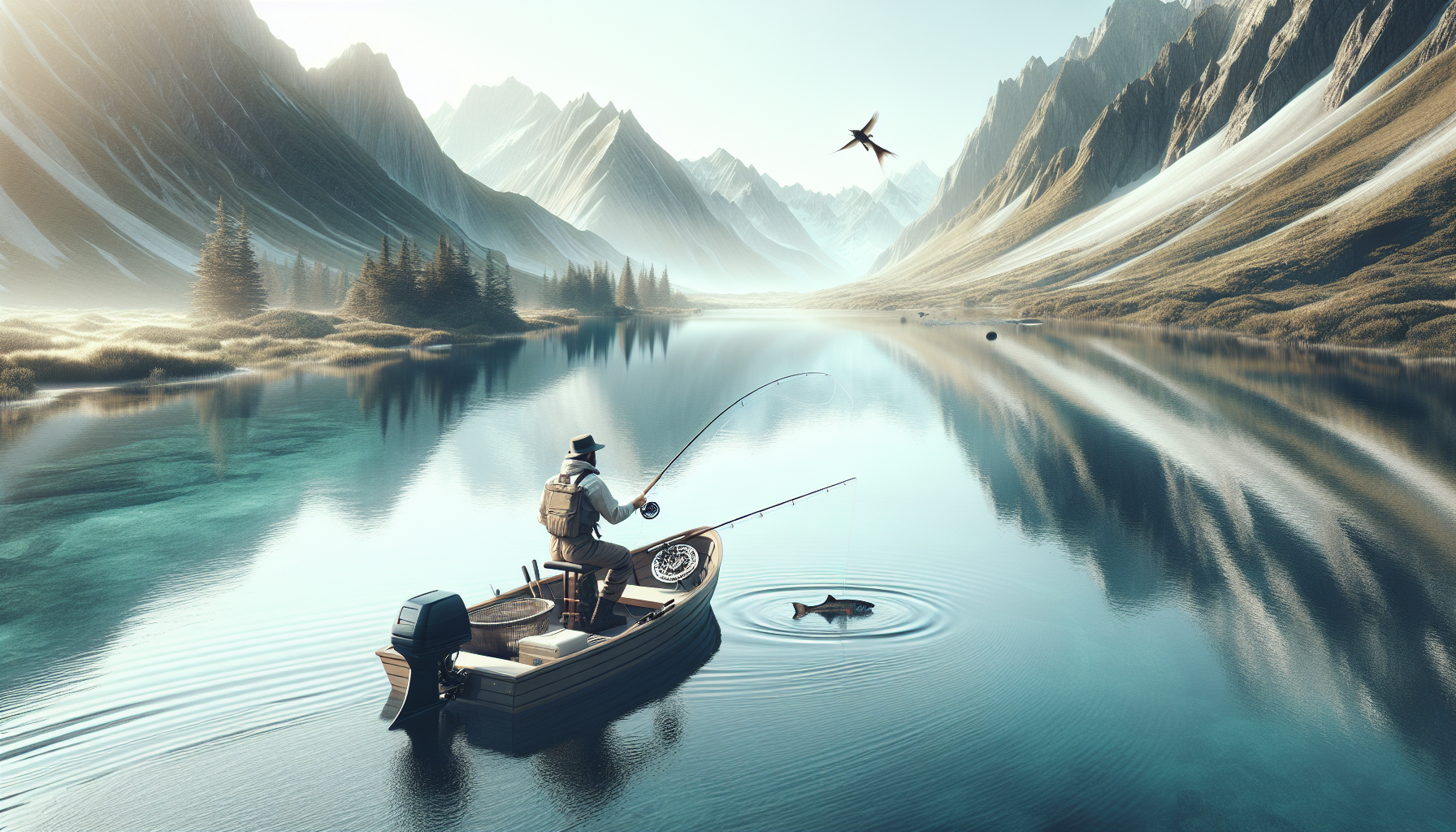
Lake Victoria’s Ugandan sector is another major option, especially for anglers interested in covering broader water with sinking lines and searching tactics. Protected bays, weed margins, and inflows can all produce. On calmer days, the lake allows more methodical drifts and longer retrieves than the main river. Smaller crater lakes and regional stillwaters can also be worth attention when conditions line up, especially where tilapia, juvenile baitfish, and insect life attract mixed predators. These waters are less standardized than famous global fly fisheries, which is precisely why local knowledge matters so much.
| Location | Primary species | Best approach | Main challenge |
|---|---|---|---|
| Jinja and upper Nile | Nile perch, catfish, mixed predators | Boat fishing with large streamers on sink lines | Changing flow and structure |
| Murchison Nile | Nile perch, catfish | Heavy tackle near current seams and drop-offs | Logistics, park access, powerful water |
| Lake Victoria bays | Nile perch, tilapia-oriented predators | Search patterns along weed edges and inflows | Wind, vast water, variable clarity |
| Smaller lakes and tributaries | Mixed species | Stealth, shorter casts, adaptable fly selection | Limited public information and access |
Species, seasons, and what anglers should expect
Nile perch is the headline species for many visiting fly anglers. These fish are built for violent takes, short bursts of brute force, and ambush feeding around structure. On fly, they are usually targeted with large baitfish imitations tied on strong hooks, often in white, chartreuse, black, or olive combinations that push water and show silhouette. Fish size varies widely by location, but even modest fish pull hard enough to expose weak tackle choices immediately. Catfish are another realistic target and often show up when flies are worked deep and slow near bottom structure or during lower-light periods.
Tiger fish can enter the Uganda conversation depending on exact water and regional travel plans, but anglers should be careful not to assume Uganda mirrors the classic tiger destinations farther south. Some itineraries marketed broadly as East African predator fishing blur these distinctions. Uganda is best approached as a Nile perch and mixed warmwater destination first. Tilapia and smaller species may not be primary trophies on fly, but they matter as ecological indicators because they influence predator positioning. Where bait and juvenile cichlids stack near reeds, inflows, or shade, larger fish are rarely far away.
Seasonally, the dry periods generally offer the most reliable access and clearer water, though exact timing shifts by region. Uganda typically sees drier windows from roughly December to February and from June to August, with heavier rains more common in the transitional months. Clearer water improves both fish location and fly presentation, especially in lakes and slower river margins. During rainy periods, runoff can add color, raise levels, and move fish tighter to structure or into sheltered zones. That does not make fishing impossible, but it changes the game. In stained water, I favor larger profiles, stronger contrast, and slower retrieves that let fish track by vibration and silhouette rather than sight alone.
Tackle, flies, and core techniques that work
For Uganda, a practical fly setup starts with 8- to 10-weight rods, depending on the size of flies, current strength, and target species. An 8-weight can handle lighter lake work and smaller predators, but a 9- or 10-weight is the safer all-around choice for Nile perch. Reels need strong drags, not because every fish will run like a saltwater species, but because heavy current and close-quarters structure magnify pressure instantly. Fly lines should include an intermediate and at least one fast-sinking option. Floating lines have niche uses in shallow margins and for specific presentations, yet most productive Uganda predator fishing happens subsurface.
Leader design should be simple and strong. I prefer short, stout leaders in the 20- to 40-pound class for most perch work, adjusted for fly size and cover. Shock material can be useful where abrasive mouths, timber, or rock are constant factors. Fly choice should emphasize movement and visibility. Deceivers, Clouser-style baitfish patterns, hollow-tied streamers, and bulky synthetic baitfish all have a place. White and chartreuse are staples, black remains indispensable in dirty water or low light, and olive works when fish are tracking natural forage in clearer conditions. Weighted flies help maintain depth during the first strips after the cast, which is often where follows convert.
Technique is straightforward in concept and demanding in execution. Cast beyond the structure or seam, allow the fly to reach the target depth, then strip with purpose. The best retrieve speed depends on water temperature, clarity, and fish mood, but many anglers make the mistake of retrieving too quickly in turbulent freshwater. Predators often respond better to a strip-pause cadence that gives the fly time to hang, wobble, or drop. Hook sets should be firm strip strikes, not trout-style lifts. On boats, communication with the guide is critical: angle, drift speed, and casting lane can change by the minute, and small positioning improvements often produce the only eat of the session.
Planning a Uganda fly fishing trip and using it as an Africa hub
Most international anglers arrive through Entebbe, then transfer by road or domestic connection depending on the fishery. Jinja is the easiest entry point for first-time visitors because it has established tourism infrastructure, reasonable lodging options, and straightforward access to the Nile. Murchison requires more coordination but can be combined with wildlife viewing, which makes it attractive for mixed-interest trips. Hiring a local guide or operator is not optional if you want efficient fishing. They provide current access information, boat handling, regional safety guidance, and the local pattern recognition that online trip reports rarely capture accurately.
Gear planning should account for airline limits, heat, sun exposure, and limited tackle resupply. Bring spare fly lines, heavy hooks, split rings if you also carry conventional backup gear, pliers, hook files, and polarized glasses with low-light and bright-light lenses. Quick-dry clothing, sun gloves, and waterproof bags make a bigger difference than many anglers expect. Health and travel preparation matter too. Check visa rules, vaccinations, malaria guidance, and park permit requirements well before departure. Uganda is friendly to independent travelers, but serious anglers lose fishing time when they treat logistics as an afterthought.
As a sub-pillar within fly fishing destinations in Africa, Uganda is best understood as a launching point for broader exploration. Anglers who fish Uganda often next consider Kenya for highland trout, Tanzania for mixed freshwater and coastal options, Zambia for classic tiger fish, or South Africa for yellowfish, trout, and stillwater diversity. That is why this page functions as a hub: Uganda introduces the variety, improvisation, and water-reading skills that African fly fishing often demands. If you are building an Africa itinerary, start with Uganda’s Nile and lakes, then expand by species, climate, and travel style. The continent rewards anglers who think in systems rather than isolated hotspots.
Fly fishing in Uganda offers more than a box to tick on a destination list. It gives anglers a chance to fish iconic African water with methods that reward judgment, adaptability, and careful preparation. The best spots are the Nile around Jinja, the Murchison system, and selected bays and stillwaters connected to the country’s major lakes. The most effective techniques rely on heavy enough tackle, large baitfish flies, depth control, and disciplined retrieves matched to current and clarity. Success depends less on secret patterns than on reading structure, respecting seasons, and working with reliable local guides.
For anglers exploring fly fishing in Africa, Uganda deserves attention because it combines accessibility, species diversity, and real exploratory value. It can stand alone as a focused trip or anchor a broader East African itinerary. Start by choosing your primary water type, build tackle around Nile perch and mixed predators, and plan around the drier seasons for the most consistent conditions. Then use this Uganda guide as your hub for the wider Africa destination network. If you are ready to expand beyond familiar trout or saltwater circuits, put Uganda on your shortlist and begin mapping the waters that suit your style.
Frequently Asked Questions
What makes Uganda a standout destination for fly fishing in Africa?
Uganda stands out because it offers an unusual concentration of fishable environments within one country. Anglers can explore sections of the Nile system, smaller rivers, highland streams, crater lakes, and stillwaters without needing to cross multiple borders or commit to one narrowly defined style of fishing. That variety matters in fly fishing, where water type often determines everything from tackle and fly choice to presentation and target species. In Uganda, you can move from broad moving water to intimate stream settings and then to lake margins, all while fishing landscapes that still feel wild and relatively uncrowded.
Another major advantage is that Uganda remains less commercialized than many better-known global fly fishing destinations. For travelers who value the experience of discovery, this is a serious draw. The scenery is dramatic, the birdlife and surrounding wildlife are exceptional, and the sense of remoteness adds to the appeal. Uganda also sits within the wider East African angling tradition, so it can serve both as a destination in its own right and as part of a broader regional fishing journey. For anglers researching where to fly fish in Africa, Uganda deserves attention not just because it has fishable water, but because it offers true diversity, adventure, and the kind of natural setting that makes each day on the water feel memorable.
Where are the best places to go fly fishing in Uganda?
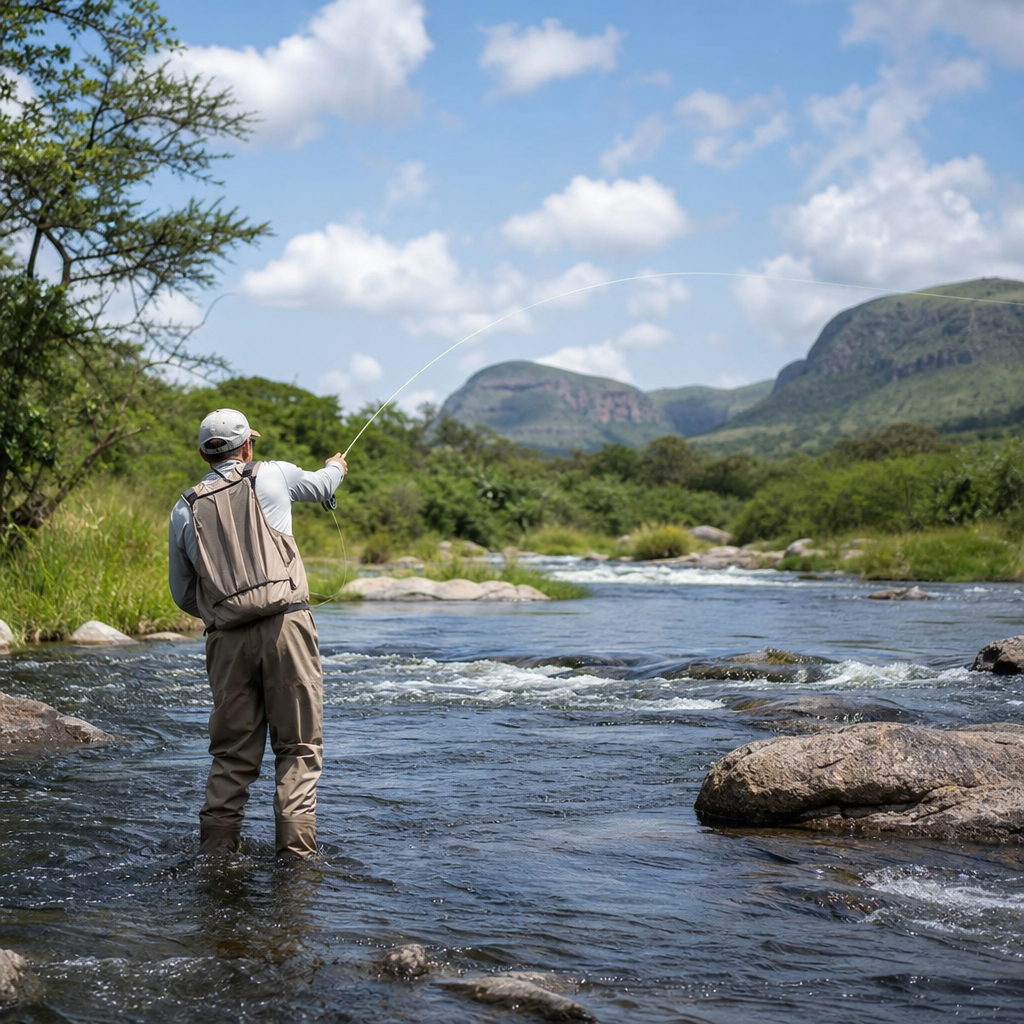
Some of the most promising fly fishing opportunities in Uganda are connected to the Nile system and the country’s many smaller rivers and lakes. The Nile is the obvious headline water, especially in areas where current, structure, seams, and eddies create feeding zones for predatory and opportunistic fish. These sections can reward anglers who enjoy reading moving water and adapting techniques to changing flow conditions. Depending on location and season, river stretches with calmer margins, submerged structure, and current breaks can all be productive.
Beyond the Nile, Uganda’s highland streams and smaller rivers are particularly appealing for anglers who prefer a more technical, observation-based approach. These waters often call for lighter tackle, stealth, and careful presentation. In addition, crater lakes and other stillwaters offer a different rhythm entirely, where fish may patrol drop-offs, reed lines, shallow margins, and windward banks. These venues can be ideal for stripping streamers, fishing nymphs under indicators, or presenting small patterns to cruising fish where appropriate.
The best location ultimately depends on what kind of fly fishing experience you want. If you enjoy larger water and the possibility of powerful fish, the Nile system deserves top consideration. If you prefer scenic, quieter, more technical fishing, upland streams and smaller rivers are often more rewarding. If versatility and access matter most, lakes and mixed stillwater environments can be excellent choices. Because local conditions can shift with rainfall, water levels, and seasonal patterns, the smartest approach is to narrow your target region first and then refine your exact fishing plan with current local information.
What species can you target on the fly in Uganda?
Uganda’s appeal lies partly in the fact that fly anglers are not confined to a single iconic species. Depending on the water you fish, you may encounter a mix of predatory fish, river species that respond to baitfish imitations, and stillwater fish that can be taken on nymphs, streamers, or even surface patterns in the right circumstances. The exact species available will vary by drainage, altitude, and habitat type, but the broader point is that Uganda rewards anglers who are open-minded and adaptable rather than locked into one rigid style.
In larger river systems, baitfish patterns are often a sensible starting point because many fish in these waters are aggressive feeders that react to movement, flash, and profile. In smaller streams or calmer water, more subtle presentations may be necessary, especially where fish have time to inspect the fly. Around lake edges and structured shoreline areas, fish may cruise or hold near vegetation, rocks, or depth changes, making streamer fishing, nymphing, and opportunistic surface presentations all relevant depending on conditions.
For most visiting anglers, success comes from focusing less on compiling a species list in advance and more on matching tactics to habitat. A good fly angler in Uganda pays attention to current speed, water clarity, forage, and fish behavior. That flexibility opens the door to a much richer experience. Instead of chasing one name on paper, you are fishing living systems that can produce varied and exciting encounters across very different environments.
What fly fishing techniques work best in Uganda’s rivers and lakes?
Effective technique in Uganda depends heavily on water type, but a few core principles apply almost everywhere: accurate presentation, line control, and willingness to change depth and retrieve until fish reveal a preference. In rivers, especially larger ones, streamer fishing is often one of the most practical and productive approaches. Casting across or slightly downstream, allowing the fly to sink, and then retrieving through seams, eddies, and structure can trigger aggressive takes. In faster water, getting the fly down quickly matters, so weighted flies, sink-tip lines, or full sinking setups may be useful depending on current strength and depth.
In smaller rivers and highland streams, the emphasis often shifts toward finesse. Shorter casts, careful approach, and natural drifts become more important. Nymphing can be highly effective where fish hold behind rocks, in pocket water, or along softer current lanes. In low, clear water, small flies and longer leaders may help reduce refusals. If fish are active near the surface, dry flies or lightly presented emerger-style patterns can also have a place, especially during periods of insect activity.
On lakes and stillwaters, anglers should think in terms of zones and movement. Fish may hold along weed beds, drop-offs, reed margins, inflows, or wind-pushed shorelines where food collects. A slow hand-twist retrieve, short strips, or a more assertive baitfish-style retrieve can each work depending on what fish are feeding on. Depth control is crucial in stillwater fly fishing, so changing line density, fly weight, and countdown time before beginning the retrieve often makes the difference between a quiet session and consistent action. In all Ugandan waters, the most successful fly anglers are the ones who stay observant and adjust quickly rather than repeating the same presentation all day.
What gear, flies, and trip planning tips should first-time fly anglers know before fishing in Uganda?
For a first trip, versatility should guide your packing. A medium-weight outfit suitable for general freshwater work is often a strong foundation, but anglers planning to fish both smaller streams and larger rivers may benefit from bringing more than one rod. A lighter setup can make technical stream fishing more enjoyable, while a heavier rod offers better control when casting larger streamers, handling sinking lines, or dealing with stronger fish in big water. Reels should have reliable drag systems, and fly lines should match the environments you expect to fish, ideally including at least a floating line and one option for fishing deeper water.
In terms of flies, baitfish imitations, streamers, nymphs, and a selection of general attractor patterns are sensible starting points. Color choice should reflect water clarity and light conditions: more natural tones often work in clear water, while darker or brighter flies can be useful in stained conditions or lower visibility. It is also wise to carry flies in multiple weights so you can control depth without constantly changing your entire setup. Leaders and tippet should cover a range of strengths because Uganda’s waters can demand both stealth and abrasion resistance depending on the venue.
Trip planning matters just as much as tackle. Water levels, rainfall, access routes, and local regulations can all influence how and where you fish. Because some of Uganda’s best fly fishing is in relatively undeveloped areas, advance research is essential. Confirm access permissions, transportation timing, and whether you need a local guide for safety, navigation, or current fishing knowledge. A guide can be especially valuable on a first visit because they will shorten the learning curve dramatically and help you fish more efficiently. Finally, plan for the broader environment as well as the fishing: sun protection, proper wading footwear, insect precautions, hydration, and careful logistical preparation all contribute to a better and safer experience on the water.