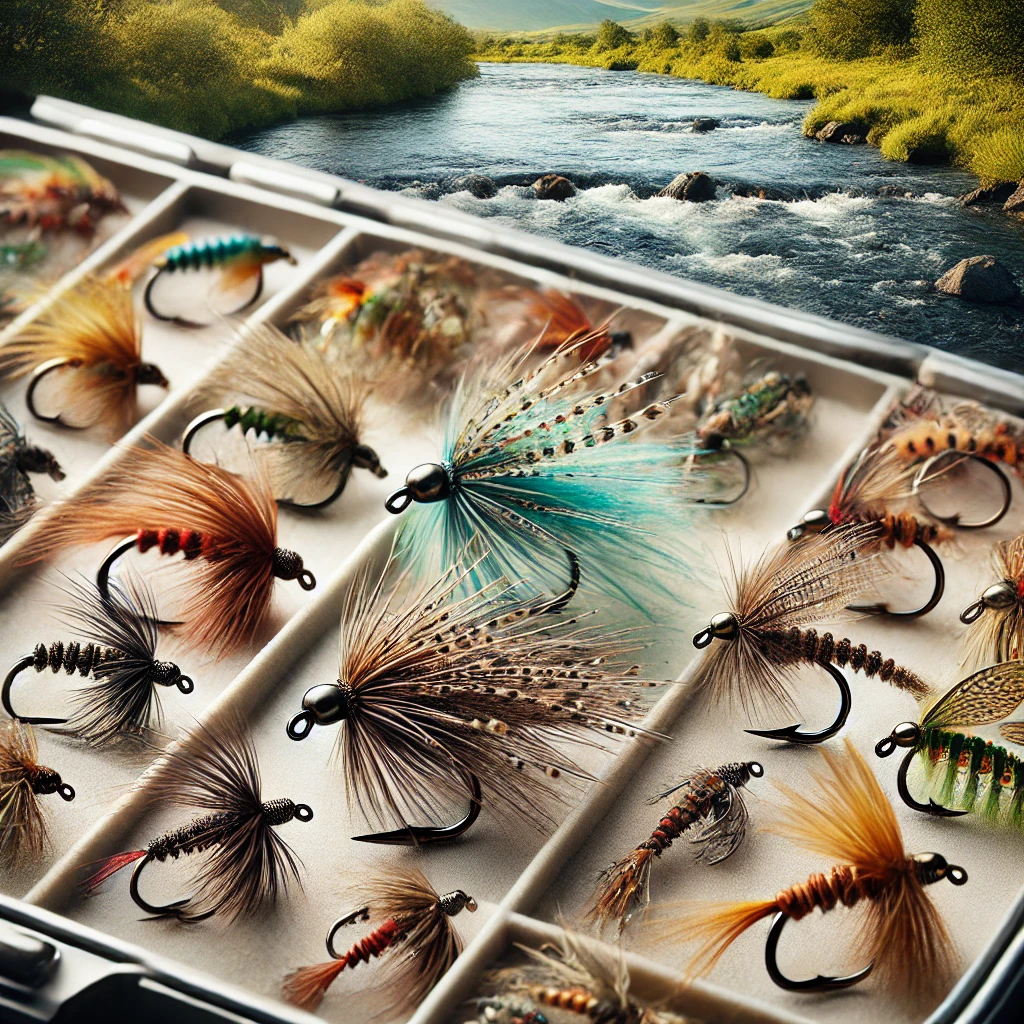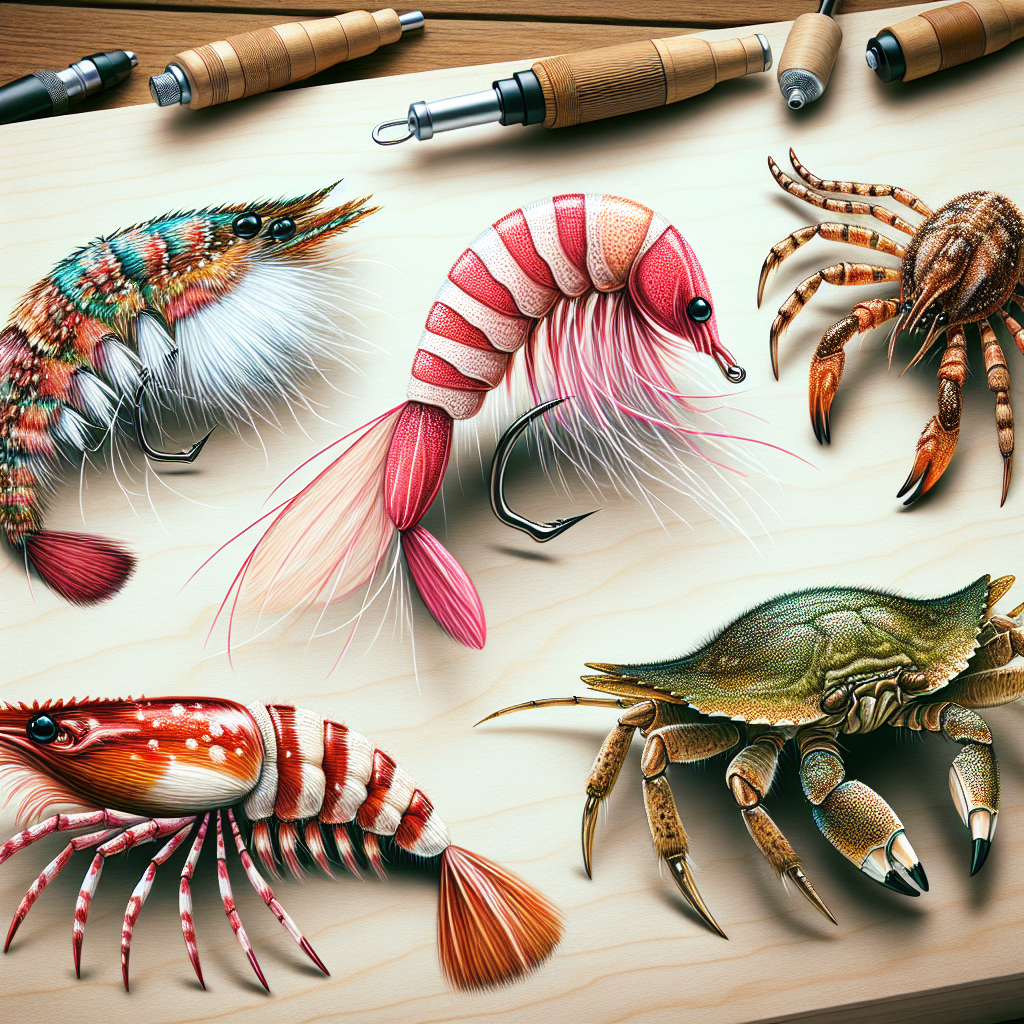
Fly fishing in saltwater offers a unique and exhilarating experience, especially when targeting species that are drawn to shrimp and crab patterns. These flies mimic the natural prey of many saltwater fish, making them a staple in any angler’s fly box. In this article, we’ll explore the different types of shrimp and crab patterns, how to tie them, and tips for using them effectively.
The Importance of Shrimp and Crab Patterns
Shrimp and crab patterns are vital for saltwater fly fishing because they imitate two of the most common and nutritious food sources for a variety of fish species. Redfish, bonefish, permit, and striped bass are just a few examples of fish that can’t resist these patterns. Understanding the behavior and appearance of these prey items can significantly increase your chances of success.
Why Fish Love Shrimp and Crabs
Shrimp and crabs are abundant in many saltwater environments, making them a reliable food source for predatory fish. Their movements and sizes vary, providing opportunities for different types of fly patterns to be effective under various conditions.
- Shrimp: Known for their erratic swimming and darting movements, shrimp are a favorite target for many fish. Their transparent bodies with occasional bright colors make them both challenging and rewarding to imitate.
- Crabs: Crabs move slowly and often scuttle along the bottom, making them easy targets for fish looking for a substantial meal. Their hard shells and unique shapes require specific tying techniques to mimic effectively.
Types of Shrimp Patterns
Shrimp patterns can be divided into several categories based on their design and intended use. Here are some popular types:
1. EP Shrimp
The EP Shrimp pattern is renowned for its lifelike appearance and movement in the water. It’s tied using EP Fibers, which help create a translucent effect similar to that of a real shrimp.
- Materials: EP Fibers, lead eyes, monofilament thread, epoxy.
- Tying Tips: Use a combination of colors to match the local shrimp population. Ensure the eyes are placed correctly to give the fly a realistic look.
2. Crazy Charlie
Originally designed for bonefish, the Crazy Charlie is an incredibly versatile shrimp pattern that works well in various saltwater environments.
- Materials: Craft fur, bead chain eyes, Mylar tinsel, monofilament thread.
- Tying Tips: Keep the body slim and use light materials to allow the fly to sink slowly, mimicking the natural descent of a shrimp.
3. Mantis Shrimp
The Mantis Shrimp pattern imitates the appearance and movement of the actual mantis shrimp, known for its aggressive hunting behavior.
- Materials: Deer hair, rubber legs, synthetic fibers, lead eyes.
- Tying Tips: Focus on creating a bushy body with plenty of movement. The rubber legs should extend well past the hook to mimic the mantis shrimp’s distinctive appearance.
Types of Crab Patterns
Crab patterns are equally diverse and effective. Here are some of the most popular types:
1. Merkin Crab
The Merkin Crab is a go-to pattern for targeting permit and other crab-eating species. Its realistic appearance and movement make it a favorite among saltwater anglers.
- Materials: Craft fur, rubber legs, lead eyes, monofilament thread.
- Tying Tips: Ensure the fly sits with the hook point up to avoid snagging on the bottom. The use of lead eyes helps achieve this orientation.
2. Raghead Crab
The Raghead Crab is another effective pattern, particularly for permit and bonefish. It’s designed to mimic the various crab species found in saltwater flats.
- Materials: Chenille, rubber legs, monofilament thread, lead eyes.
- Tying Tips: Use a combination of tan and brown chenille to match the natural coloration of crabs. The legs should be tied in a way that they splay out to give a lifelike appearance.
3. Fleeing Crab
The Fleeing Crab pattern is designed to imitate a crab in motion, which can trigger a predatory response from fish.
- Materials: Deer hair, synthetic fibers, monofilament thread, lead eyes.
- Tying Tips: Focus on creating a wide, flat body that moves enticingly in the water. The addition of synthetic fibers can add shimmer and attract attention.
Tying Techniques and Tips
Creating effective shrimp and crab patterns requires attention to detail and an understanding of the materials. Here are some general tips for tying these flies:
1. Match the Hatch
Observe the local shrimp and crab species in the area you plan to fish. Match the colors, sizes, and shapes as closely as possible. This increases the chances of fooling fish into thinking your fly is the real deal.
2. Use Durable Materials
Saltwater environments can be harsh on flies. Use durable materials that can withstand the corrosive effects of saltwater and the abrasive nature of sand and rocks.
3. Incorporate Movement
Movement is crucial for shrimp and crab patterns. Use materials like rubber legs, marabou, and synthetic fibers to add lifelike motion to your flies. This can make a significant difference in attracting fish.
4. Add Weight Strategically
The weight of your fly affects its presentation. For shrimp patterns, a lighter fly that sinks slowly can mimic the natural descent of a shrimp. For crab patterns, a heavier fly that sinks quickly and sits hook point up can better imitate a crab.
Fishing Techniques for Shrimp and Crab Patterns
Knowing how to fish these patterns effectively is just as important as tying them correctly. Here are some techniques to consider:
1. Slow and Steady Retrieves
For crab patterns, a slow and steady retrieve works best. This mimics the natural movement of a crab scuttling along the bottom. Pause occasionally to let the fly settle, imitating a crab’s natural behavior.
2. Erratic Strips
Shrimp patterns benefit from an erratic retrieve. Use short, quick strips to imitate the darting motion of a shrimp. Vary the speed and length of the strips to see what triggers a response from the fish.
3. Sight Fishing
Sight fishing can be incredibly effective with shrimp and crab patterns. Look for feeding fish and present your fly ahead of them. Allow the fish to see the fly and make a natural approach.
4. Fishing the Tides
Tides play a crucial role in saltwater fishing. Fish tend to feed more actively during incoming and outgoing tides. Plan your fishing trips around these times for the best results with shrimp and crab patterns.
Conclusion
Shrimp and crab patterns are essential flies for any saltwater fly angler. Their effectiveness in imitating the natural prey of many fish species makes them invaluable. By understanding the different types of patterns, how to tie them, and how to fish them effectively, you can enhance your fly fishing experience and increase your chances of success.
Whether you’re targeting bonefish in the flats or redfish in the marshes, having a variety of shrimp and crab patterns in your fly box will prepare you for any situation. Experiment with different patterns, tying techniques, and fishing methods to find what works best for you. With practice and patience, you’ll become proficient in using these essential saltwater flies.