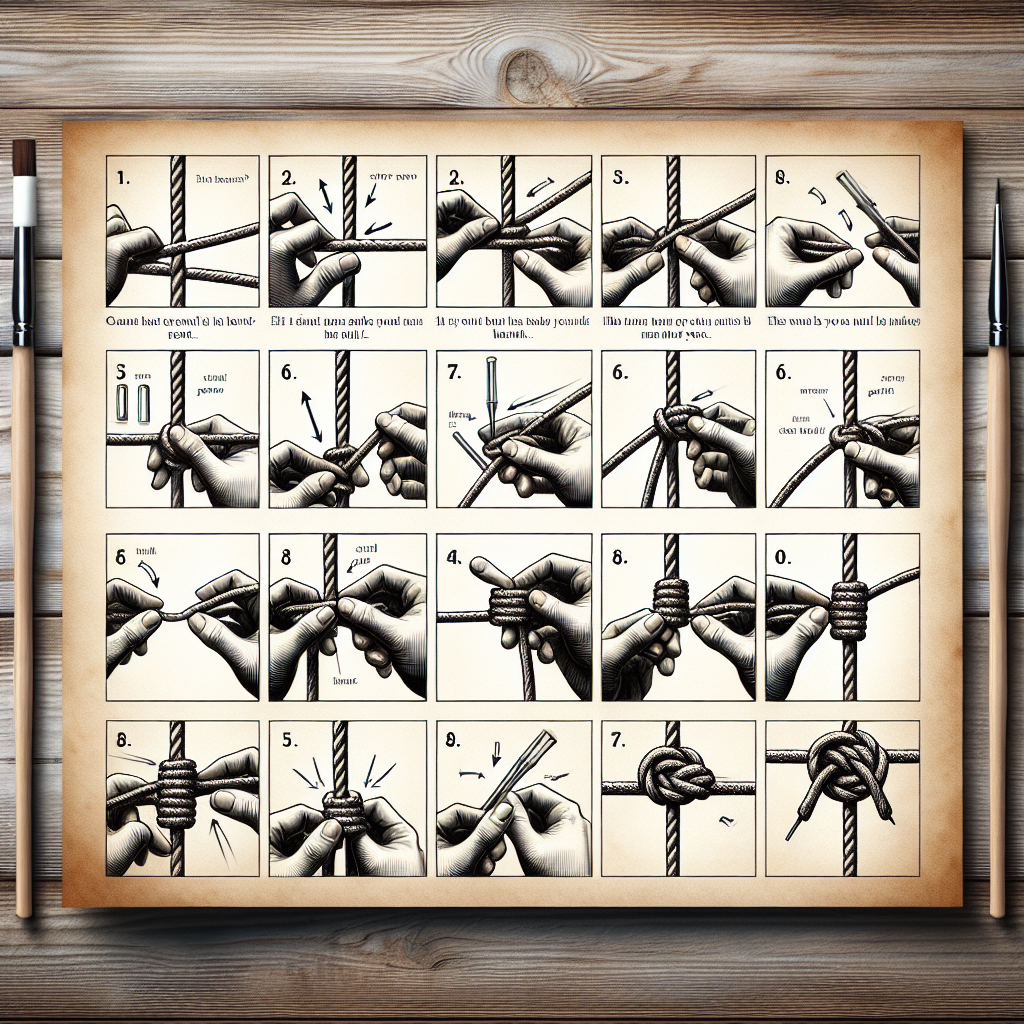
Fly fishing is both an art and a science, combining knowledge, technique, and patience to lure fish into your fly. A crucial component of this craft is mastering various knots, which serve different purposes from securing your line to ensuring your tackle stays intact. One knot that all serious fly anglers should know is the Nail Knot. This knot, much revered and often used, forms the basis for many successful fishing adventures.
Introduction
The Nail Knot is an essential skill in the toolkit of any fly fisherman. The connection between your fly line and leader is often one of the most critical junctures in your setup. A poorly executed knot here can easily result in a lost fish, potentially ruining an otherwise perfect day on the water.
Understanding how to tie the Nail Knot, and knowing when to apply this particular knot, can dramatically improve your chances of success. Unlike some simpler knots, the Nail Knot offers a compact and streamlined connection—ideal when you’re striving for that perfect, friction-free presentation.
In this guide, we’ll explore not only how to tie the Nail Knot but also delve into the circumstances under which it proves most useful. We’ll break down each step in a clear, manageable way, helping you integrate the Nail Knot seamlessly into your fly fishing repertoire. By the time you finish this article, you’ll have a solid grasp of the Nail Knot and its many applications, potentially transforming your fly fishing endeavors.
Understanding the Nail Knot
The Nail Knot gets its name from the nail or similar cylindrical object traditionally used to tie it. This knot is particularly valuable for creating a smooth connection between your fly line and leader. One of the standout features of the Nail Knot is its ability to create this connection without creating a bulky obstruction that can catch on guides or other elements of your fly fishing setup.
For fly anglers, the streamlined nature of the Nail Knot translates to smoother casts and less friction going through the guides, ultimately aiding in a more natural fly presentation. Knots such as the Blood Knot or the Surgeon’s Knot may be easier to tie in certain circumstances, but the Nail Knot holds a special place due to its utility in joining lines of significantly different diameters.
The Nail Knot can be somewhat tricky to master initially, often requiring practice and patience. However, once you’ve internalized the technique, it becomes a quick, reliable solution in various on-the-water situations. Whether you’re on a riverbank or floating downstream in a boat, the ability to confidently tie a Nail Knot can make a substantial difference in your fishing success.
Step-by-Step Guide to Tying the Nail Knot
Now that we’ve covered why the Nail Knot is so useful, let’s dive into the details of tying it. For simplicity, we’ll break this process down into manageable steps. Make sure to follow each step closely, practicing as you go to build muscle memory.
- Start by placing a nail, needle, or similar cylindrical object alongside the end of your fly line.
- Lay the leader (or tippet) along the same length of nail and fly line, ensuring they run parallel.
- Begin wrapping the leader around the fly line and the nail, starting at the thicker end (closest to the eye of the nail). Make 5-7 wraps, depending on your comfort level and the materials you’re using.
- After making your wraps, gently pass the end of the leader through the space between the nail and the fly line, pulling it through the wraps.
- Slowly remove the nail or cylindrical object, ensuring the loops stay intact.
- Carefully hold the wrapped loops and begin tightening the leader by pulling the end simultaneously, ensuring the coils cinch down evenly around the fly line.
- Once tight, trim off any excess ends of the leader and fly line, securing your Knot. Ensure everything is secure by testing it gently.

When to Use the Nail Knot
The Nail Knot isn’t a one-size-fits-all solution but shines in specific scenarios. Understanding when to deploy this knot can enhance your fly fishing experience dramatically. Here are some key instances where the Nail Knot proves indispensable:
- Leader to Fly Line: The most common use of the Nail Knot is attaching the leader to the fly line. Its streamlined profile ensures smooth casting and minimal friction.
- Line Repair: If you need to splice sections of the mainline together, the Nail Knot provides a seamless connection.
- Backing to Fly Line: For a strong connection that requires moving seamlessly through the guides, turn to the Nail Knot.
In general, the utility of the Nail Knot lies in its capability to join lines of significantly different diameters without creating a noticeable bulk. This feature is especially beneficial when switching between different types of gear or setups.
Tips for Perfecting Your Nail Knot
Like any skill, perfecting the Nail Knot requires practice and the application of specific techniques. Here are some pro tips to keep in mind as you refine your nail knot tying skills:
- Practice on Larger Materials: Before moving to your actual fishing line and leader, practice the knot using larger ropes or strings. This makes it easier to see the wraps and understand the mechanics, building confidence as you go.
- Use a Knot-Tying Tool: Although traditionally tied with a nail, various knot-tying tools on the market can simplify this process significantly. These tools hold your lines and provide guides to make your wraps easier and more consistent.
- Keep Your Lines Tight: Ensuring that your lines are tight and your wraps are even is crucial for creating a strong, compact knot. Check your work frequently as you tie to make sure everything stays neat and secure.
- Lubricate with Water: Before tightening the knot completely, dip it in water or apply some saliva. This lubrication helps the lines slide more smoothly, resulting in a tighter, more secure knot.
Integrating these tips into your practice sessions will expedite your path to mastery, allowing you to tie the Nail Knot confidently and efficiently while out in the field.
Common Pitfalls and How to Avoid Them
Even experienced anglers can run into issues while tying the Nail Knot. Being aware of common pitfalls and knowing how to circumvent them can save precious time and energy while out on the water:
- Uneven Wraps: If your wraps aren’t even, the knot may not cinch down properly. Keep your wraps consistent in tension and placement around the fly line.
- Unintentionally Snagging Lines: Running the leader through the wraps without keeping your lines taut can cause snagging, leading to frustration and weaker knots. Practice maintaining tension as you pass the leader through the wraps.
- Improper Tightening: Tightening the knot too quickly or unevenly can disrupt the wraps and compromise the knot’s strength. Tighten slowly and methodically, ensuring the wraps cinch down consistently.
- Ignoring Moisture: Neglecting to wet the knot before tightening can lead to friction, which risks weakening the line. Always wet your knot for smooth and secure tightening.
By acknowledging these potential issues, you can remain vigilant and proactive in addressing them, ensuring your Nail Knot remains a reliable and robust connection in all fly fishing situations.
Additional Resources
To further improve your fly fishing skills and deepen your understanding of knot tying, consider exploring additional resources. Books, online tutorials, and even local fishing clubs can offer valuable insights and hands-on experience:
- Books: “The Orvis Fly-Fishing Guide” by Tom Rosenbauer and “An Introduction to Fly Fishing” by Roderick Haig-Brown are excellent starting points.
- Online Videos: Platforms like YouTube offer numerous tutorials from seasoned fly fishermen demonstrating the Nail Knot and other essential knots step-by-step.
- Local Fishing Clubs: Joining a local fishing club can provide opportunities for mentorship and practical experience under the guidance of experienced anglers.
Utilizing these resources can enhance both your theoretical knowledge and practical skills, allowing you to tie the Nail Knot and other knots with greater confidence and proficiency.
Conclusion
Mastering the Nail Knot is a milestone in any fly angler’s journey, serving as a testament to their skill and dedication to the craft. This knot’s ability to create a seamless connection between lines of varying diameters, while maintaining a compact profile, makes it an indispensable tool in your fly fishing arsenal. From attaching your leader to your fly line to repairing lines and creating backing connections, the Nail Knot holds a special place in the world of fishing knots.
Despite its initial complexity, the Nail Knot is a skill that, once acquired, enhances your overall fishing experience significantly. By following the step-by-step guide provided, practicing diligently, and integrating the given tips, you can master the Nail Knot quickly and efficiently. Remember to stay aware of common pitfalls and continuously refine your technique.
The resources mentioned above can serve as valuable companions in your ongoing journey to becoming a proficient fly angler. As you continue to learn and apply new skills, the Nail Knot will become second nature, enabling smoother casts, fewer breakages, and more successful fishing outings.
Embrace the challenge of mastering the Nail Knot and enjoy the improvements it brings to your fly fishing adventures. With practice, patience, and a willingness to learn, you’ll find yourself more prepared and confident on the water, ultimately enhancing your overall fly fishing experience.