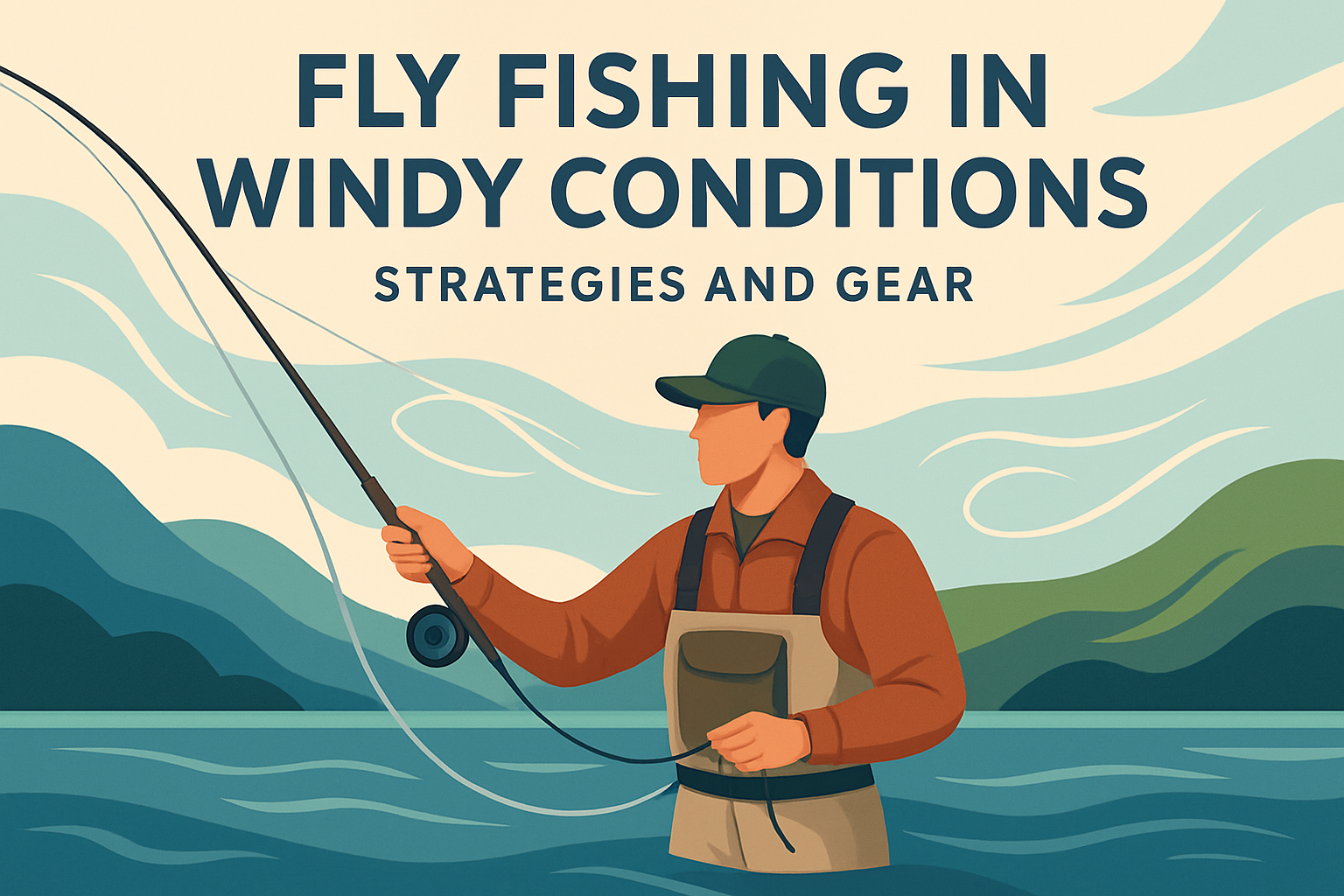
Fly fishing is a fascinating sport that combines the tranquility of nature with the thrill of the chase, offering an unparalleled experience for anglers. However, when the wind picks up, the peaceful activity can rapidly transform into a challenging endeavor, demanding skill, knowledge, and the right tools to succeed. Understanding how to effectively fly fish in windy conditions is essential, whether you are a seasoned angler or a newcomer to the sport. Wind introduces variables that can hinder casting, affect the presentation of the fly, and ultimately impact your success. This article delves into the intricacies of fly fishing in windy conditions, offering insights into strategies, gear, and techniques that can help you navigate these challenges with ease.
The Importance of Understanding Wind Conditions
Wind plays a significant role in fly fishing, often determining where and how you cast your line. In windy conditions, the dynamics of casting change dramatically. For instance, a strong breeze can limit the accuracy of your casts, making it difficult to place your fly in the desired spot. Moreover, wind impacts the fly’s movement on the water, affecting the natural presentation that is crucial for enticing fish. Understanding local wind patterns becomes imperative, as they can vary widely depending on the terrain and bodies of water. In areas such as open lakes or coastal regions, the wind is often a constant companion. Conversely, in sheltered rivers or valleys, wind patterns might be more intermittent but still present significant challenges when gusty.
Consider a day fly fishing on Wyoming’s North Platte River, known for its strong winds. Even seasoned anglers find it challenging to keep their line untangled and maintain a natural drift. By using wind-focused strategies and skills, many succeed on such waters—demonstrating the importance of understanding and managing wind conditions while fly fishing.
Strategizing Your Casting Technique
One of the primary obstacles anglers face in windy conditions is casting accuracy and distance. Harnessing the wind to your advantage requires adaptations in casting technique. The two most effective strategies for successful casting in the wind are the low-sidearm cast and the double-haul cast.
1. Low-Sidearm Cast: This casting technique involves casting the rod lower to the water, which helps reduce wind resistance. By keeping the rod tip near the water’s surface, the angler minimizes the exposure of the line to crosswinds. It’s particularly helpful when the wind is blowing from the side. To master the low-sidearm cast, practice keeping your elbow close to your body and making swift, controlled motions.
2. Double-Haul Cast: The double-haul cast is a more advanced technique that involves pulling on the line with the non-dominant hand while the rod moves forward and backward. This creates additional line speed and momentum, allowing the line to cut through the wind more easily. Anglers often use this technique to achieve longer casts without losing control, even in challenging conditions.
An example of this is fly fishing on Montana’s Bighorn River, where consistent gusty winds can challenge even the most experienced anglers. By mastering these casting techniques, anglers can effectively combat adverse wind conditions and land their fly exactly where desired.
Below is a quick breakdown of techniques:
- Low-Sidearm Cast: Keep rod low, reduce wind impact
- Double-Haul Cast: Increase line speed, add control
Selecting the Right Gear for Windy Days
When it comes to equipment, not all rods, lines, and flies are created equal, especially when the wind is howling. Choosing the right gear is vital for maximizing efficiency and success on the water.
Rods and Lines
Selecting a fly rod with a higher weight rating (at least a 6-weight or higher) can provide the necessary backbone to cast into the wind effectively. Additionally, a fast-action rod, which flexes mostly near the tip, allows for quicker and more powerful casts, thus reducing the impact of wind.
- Fast-Action Rods: These rods allow for swift line speed, crucial for cutting through windy conditions.
- Heavy Fly Lines: A heavier line, often matched to a higher-weight rod, adds weight and momentum, enabling the line to move effectively in the wind.
Flies and Leaders
Windy conditions can disrupt the fly’s natural presentation. Streamlined flies, such as weighted nymphs or those with minimal hackle, tend to perform better. Shortening your leader length can also reduce the adverse effects of wind on fly presentation.
For instance, consider fishing the windy flats of Bonefish Key, where heavier flies like weighted clousers and shorter leaders pair well with the ever-present breeze. This setup allows anglers to maintain control over their presentation, ensuring a more successful fishing excursion.
Crafting a Strategic Approach to Wind
Understanding and predicting wind patterns can significantly enhance your fly fishing experience. Being aware of prevailing wind directions and choosing locations that offer natural windbreaks, such as cliffs or trees, can mitigate the impact. Furthermore, changing your approach or angle to work with the wind, rather than against it, often yields better results.
Another key aspect is timing your fishing sessions to coincide with lower wind velocities, often found during early morning or late afternoon. Planning your fishing day around these times can improve casting conditions and increase your chances of success.
For example, on New Zealand’s South Island, where wind gusts are common, anglers often plan their sessions for early mornings, when conditions tend to be calmer. This strategic planning allows them to use the wind to their advantage or to minimize its impact.
Real-World Success and Applying Knowledge
To truly master fly fishing in windy conditions, the application of knowledge, persistence, and adaptation are crucial. Whether you are battling the gusts on a coastal flat or a mountain stream, understanding and intertwining the discussed strategies, from selecting appropriate gear to adopting suitable casting techniques, will lead to success.
| Strategy | Description | Application |
|---|---|---|
| Choose Right Gear | Rods and lines adapted for wind | Use 6-weight+ rods, heavier lines |
| Master Casting | Techniques like double-haul | Practice sidearm, double-haul |
| Plan Fishing Time | Fish during low wind periods | Early morning or late afternoon |
Every successful fly angler facing windy conditions attests to these methods. Anglers who visit Colorado’s Big Thompson River, often pummeled by powerful canyon winds, find these strategies indispensable for maintaining fly control and enticing those elusive trout.
Conclusion: Embrace the Challenge and Succeed
Fly fishing in windy conditions requires a comprehensive understanding of how wind affects casting, presentation, and gear choice. By employing specialized casting techniques, choosing appropriate rods and lines, and planning fishing excursions strategically, anglers can navigate the inherent challenges of windy days with confidence and skill. The benefit to the angler is twofold: improved performance and a more enjoyable experience, even when nature tests one’s mettle.
Remember that practice is paramount. The more you engage with these techniques, the more adept you become at turning potentially frustrating windy conditions into an opportunity for catching fish. Your next step? Get out there and put these strategies to the test. Adjust your technique, refine your gear selection, and embrace the wind as a worthy adversary in this timeless sport. By doing so, you’ll enhance not only your skills but also your enjoyment of the beautiful art of fly fishing.
Frequently Asked Questions
1. How does windy weather affect fly fishing, and what challenges might I face?
Windy weather can significantly affect your fly fishing experience, presenting various challenges that can be frustrating if you’re not prepared. First, wind causes difficulties in casting, as strong gusts can alter the direction and accuracy of your line, making it hard to land the fly exactly where you want it. This can lead to tangles, poor presentations, or spook fish with unintentional splashes. Additionally, wind adds an element of noise and surface disturbance, which can mask subtle takes from fish, making it harder to detect bites. Finally, strong winds can contribute to fatigue, as you might find yourself exerting more energy to maintain control and accuracy in your casting technique. Understanding these challenges is key to adjusting your approach and improving your chances of success when the weather turns breezy.
2. What specific techniques can improve my casting in windy conditions?
Mastering specific casting techniques can significantly enhance your fly fishing effectiveness on windy days. One of the most helpful techniques is the “sidearm cast,” which allows you to cast lower to the water’s surface, minimizing the wind’s impact on your line. By keeping your line closer to the water, you reduce the likelihood of the wind catching it, improving both distance and accuracy. Additionally, tightening your casting loops can also help combat wind; this involves creating a more narrow path for your line during forward and backward casts, maintaining more control over its trajectory. Another useful technique is the “double haul” cast, which involves pulling on the line with your non-dominant hand to generate extra line speed, effectively cutting through the wind. With practice, these techniques will become invaluable tools in your casting arsenal, enhancing both your confidence and enjoyment of fly fishing in windy conditions.
3. What gear adjustments should I make to tackle windy conditions while fly fishing?
Windy conditions demand thoughtful gear adjustments to optimize your fly fishing setup. One critical adjustment involves selecting the right fly line. A heavier line, such as a weight-forward floating line, is ideal in the wind because it provides more mass and momentum, making it easier to cut through gusty conditions. Additionally, consider shortening your leader; a shorter leader provides more control and reduces the sagging and drag commonly affected by the wind. When it comes to fly choice, opt for heavier patterns or those with aerodynamic designs, as these will cast more smoothly and accurately in the breeze. Furthermore, using flies with bright colors can enhance visibility in choppy conditions, helping you keep track of the fly’s location and detect bites more easily. With these gear adjustments, you’ll be better prepared to tackle whatever Mother Nature throws your way.
4. How can reading the water aid in dealing with wind during fly fishing?
Reading the water is an invaluable skill that can aid in adapting to windy fly fishing conditions by helping you make informed decisions about where to focus your efforts. Observing the water’s surface pattern, you can identify sheltered areas or natural windbreaks where the impact of the wind is reduced. Targets like banks, islands, or overhanging vegetation can create calmer pockets of water where fish might seek refuge from turbidity caused by wind. Additionally, understanding wind-generated currents and wave action allows you to anticipate where food sources may collect and thus where fish might concentrate. By fishing on the leeward side of obstacles, you position yourself to encounter fish taking advantage of these protective zones. Ultimately, developing a keen eye for water conditions not only improves your fishing success but also deepens your connection with the environment around you.
5. Are there any specific safety considerations when fly fishing in windy conditions?
Safety should always be paramount when fly fishing in windy conditions, as unpredictable weather can quickly escalate into challenging situations. First and foremost, always wear eye protection, like polarized sunglasses, since the wind can make it challenging to control your line, increasing the risk of getting hit by the hook or debris. It’s also crucial to remain aware of your surroundings, particularly branches or obstructions that might entangle your line or cause accidents when casting in narrow spaces. Assess your footing carefully, as windy conditions can create slippery terrain, such as loose rocks on shorelines or shifting gravel beds. If you’re wading, ensure you have a solid footing before casting, and avoid fast-moving water, which can become more treacherous under windy conditions. Lastly, prioritize layers and protective clothing to stay comfortable and protect against wind chill, enabling you to stay focused and reactive to the changing environment. Keeping these safety tips in mind ensures you’ll have a safe and enjoyable fly fishing experience, regardless of the wind’s strength.