Fly fishing is a beloved pastime for many outdoor enthusiasts. The tranquility of being on the water, the challenge of mimicking nature with carefully crafted flies, and the thrill of that first tug when a fish takes the bait all contribute to its appeal. However, not all times of day are created equal when it comes to fly fishing. Dawn and dusk, the so-called “golden hours,” offer unique opportunities that anglers can exploit for greater success. Understanding why these times are special, learning the techniques best suited for them, and being aware of the equipment required can significantly enhance your fly-fishing experience. This article explores the reasons dawn and dusk are prime times for fly fishing and provides detailed guidance to help you make the most of these magical moments.
Why Dawn and Dusk Are Prime Times for Fly Fishing
The light conditions during dawn and dusk create an ideal environment for both fish and anglers. At these times, the low light adds an element of stealth for fishing because it reduces shadows and makes fish less skittish. On top of that, temperatures during the early morning and late evening are generally more comfortable. This not only affects the angler’s stamina but is also more conducive to fish activity, especially during hot summer months when fish may seek cooler depths later in the day.
Furthermore, the insect life that many fish species feed on is generally more active at these times. Insects take advantage of the humidity and cooler temperatures, making them more likely to flutter and hover around the water’s surface. As a result, this is when fish are also likely to feed more aggressively. Understanding the behavior of fish and their food sources at dawn and dusk can sharpen your fly fishing strategy and increase your catch rate.
Techniques for Effective Dawn Fly Fishing
Fishing at dawn provides the earliest bird anglers with a unique edge. To optimize your efforts, consider employing certain techniques best suited for these initial hours of light.
- Matching the Hatch: Pay attention to the insects and flies emerging at this time. “Matching the hatch” means selecting flies that closely resemble the insects most active and visible to the fish. At dawn, caddisflies, mayflies, and stoneflies often emerge. Having an assortment of these fly patterns in your tackle box can make all the difference.
- Positioning and Presentation: With cooler air and water, fish may be closer to the surface at dawn. Cast your fly to areas where shadows line the banks or where overhanging trees drop insects. A fly presented quietly and accurately increases your chance of success.
- Slow Movement: Water tends to be calmer and more still at dawn, making it crucial to be as stealthy as possible. Use slow, deliberate movements to avoid spooking the fish.
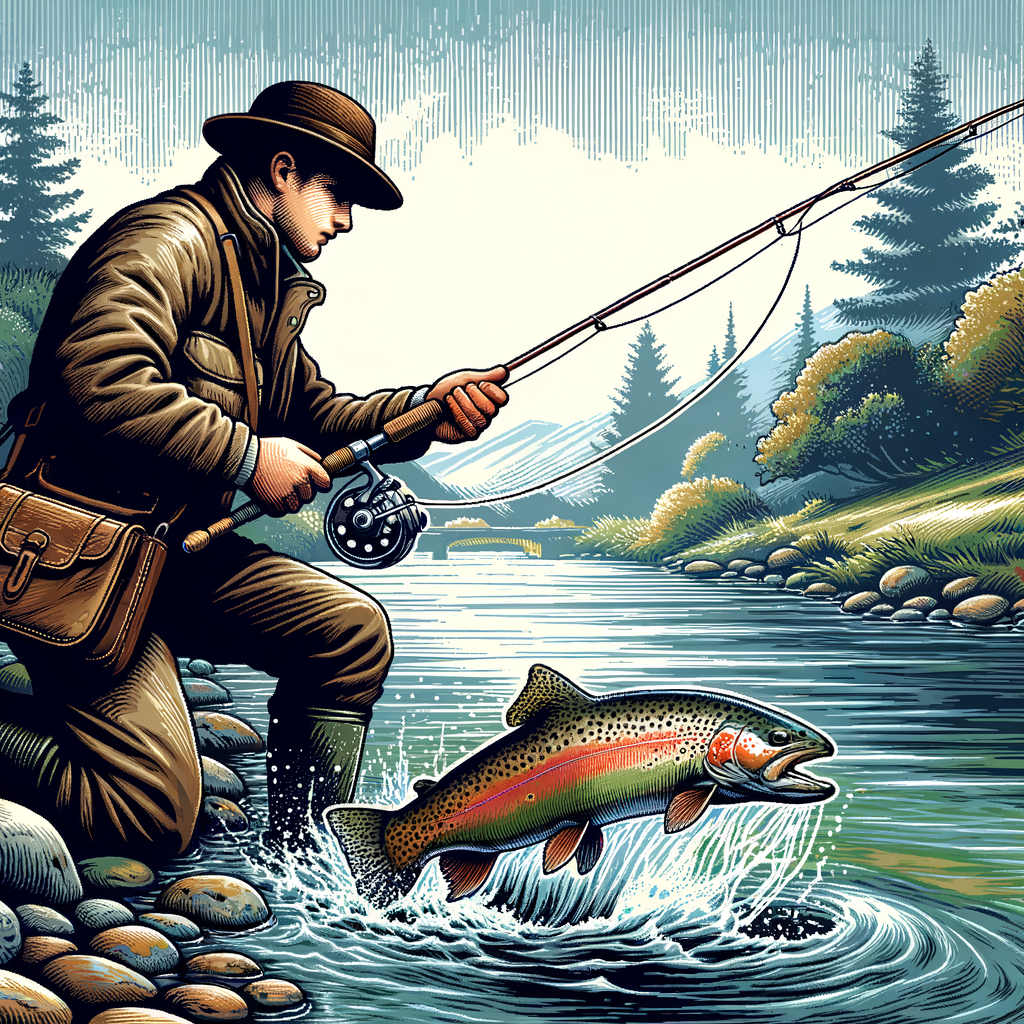
Consider the example of an seasoned angler in the Smoky Mountains who consistently catches a slew of rainbow trout at dawn. He attributes his success to carefully matching hatches with local blue-winged olive and tiny black midge flies. Standing knee-deep in misty river water, he is conscious of making gentle casts and letting his fly drift naturally with the current.
Techniques for Successful Dusk Fly Fishing
As the day winds down, another golden opportunity arises with dusk fishing. This time of day calls for its own set of techniques.
- Topwater Flies: Dusk is an ideal time to use topwater flies like poppers and foam bugs. Their buoyancy and movement simulate large aquatic insects or small amphibians, which are appealing to fish feeding near the surface.
- Use of Strike Indicators: During the dim light of dusk, it can be challenging to see your line clearly. Strike indicators can help you know when a fish has taken your fly, increasing your response time.
- Pay Attention to Sound: Dusk is a quiet time both above and below the water. Take advantage of this by being aware of rises and splashes, which may indicate active fish.
An example of this technique in practice is seen in the sunset riverbanks of Idaho. Anglers report that the key to their evening success involves a steely focus on the sound of trout rising to the surface to take a fly. They use brightly colored topwater flies that are easier to track in the fading light, allowing them to remain aware of any subtle disturbances on the water surface.
Essential Equipment for Dawn and Dusk Fishing
Fly fishing when the light is low brings unique challenges that can be addressed with the right gear. Consider this list of equipment that can enhance your experience:
| Equipment | Usage | Reason for Suitability |
|---|---|---|
| Polarized Sunglasses | Reduce glare from the water | Increase your ability to see fish and flies |
| Headlamp or Handheld Light | Illuminate your path | Safety and ease of equipment setup |
| Fly Box with Bright Colors | Organize flies efficiently | Quick selection in low-light conditions |
| Waders | Keep dry and warm | Comfort in cooler morning and evening temperatures |
Every angler has their favorite gear, but these essentials can provide added advantages when fly fishing at dawn and dusk. For instance, a headlamp becomes invaluable when setting up your tackle in the predawn hours, while polarized sunglasses not only protect your eyes but also help you better see through the glare as light levels increase throughout the day.
The Role of Weather and Water Conditions
Dawn and dusk fishing can be profoundly influenced by weather and water conditions. For example, during cloudy days, the transition between light and dark may lengthen, providing an extended window of favorable fishing conditions at dawn and dusk. Conversely, on clear sunny days, this transition period may be short, necessitating precise timing and preparation.
Water levels are another factor that can significantly affect fishing success. High water levels due to recent rain may create murky conditions, making it difficult for fish to see your fly. Conversely, low water conditions might make fish more easily spooked, requiring an even more delicate approach. Adapting to these variables is key to successfully intercepting feeding fish at dawn and dusk.
Real-world scenarios such as the rapidly changing weather of mountain streams in the Appalachians, where thunderstorms can suddenly alter water clarity and levels, illustrate the need for a flexible approach. An angler must not only prepare for these variations but also adjust their choices in flies and techniques accordingly to maintain success.
Tips for Improving Fly Selection and Tactics
An integral component of successful fly fishing involves choosing the right fly for the dynamic conditions of dawn and dusk. Different flies and tactics might be crucial depending on the specific conditions of the day.
- Experiment with Fly Types: While matching the local hatch is crucial, don’t be afraid to experiment with attractor patterns or terrestrial imitations when fish are less responsive. Sometimes a flashy fly can provoke a bite when nothing else works.
- Adjusting Tactics: As temperatures and light levels shift, be prepared to modify your presentation. It may be beneficial to start with fast retrieves at dawn when fish are actively feeding and switch to slower, more deliberate presentations as the day extends into evening.
- Stay Informed: Keeping a log of successes and failures at different times can provide insight into what works best for particular conditions. Share experiences with other anglers; it can be as invaluable as learning from your own practice.
One angler’s success along Canada’s Bow River emphasizes this approach. By maintaining a detailed journal of his experiences and varying his fly box, he was able to identify patterns that led to consistent catches of trout during the golden hours.
Conclusion: Ready to Make a Splash
Fly fishing at dawn and dusk offers unique opportunities for anglers to connect with nature, hone their skills, and, most importantly, catch more fish. By understanding the advantages these times of day provide, anglers can match their tactics accordingly. Techniques that exploit the low-light conditions, the right equipment, and an understanding of variable weather and water conditions all contribute to a successful outing. Experimentation and learning from experience are key, making each fishing trip a valuable lesson.
The magical moments of dawn and dusk shouldn’t be missed by passionate fly fishermen eager to improve their craft. So, as you prepare for your next trip, remember these tips, enjoy the experience, and make the most out of the golden hours on the water. Ready your gear, set your alarm, and embrace the serene joys of fly fishing as the sun rises or sets. Your perfect cast is just waiting to happen.
Happy fishing!
Frequently Asked Questions
1. Why is fly fishing at dawn and dusk so effective?
Fly fishing at dawn and dusk is often seen as prime time because these periods align with the natural behavior of fish and their food sources. During the first light of dawn, fish are starting to feed after the night and are more likely to be actively hunting for food. Dusk, on the other hand, offers the last opportunity for fish to eat before the night sets in. The low light conditions at these times can make fish less wary of predators and more prone to take risks, thereby increasing the likelihood of them striking your fly. The dimness of these hours also allows anglers to exploit shadows and the natural cover that fish use to ambush prey. Furthermore, insects like mayflies, which are an important part of many fish diets, are often more active during these hours as well, leading to a natural increase in feeding activity just when you’re casting your line.
2. What kind of equipment should I use for fly fishing during these golden hours?
When fly fishing at dawn and dusk, having the right equipment can make a dramatic difference in your success. It’s important to opt for a rod with good sensitivity so that you can feel even the faintest nibbles as fish feed more tentatively under low light conditions. A lighter rod, usually in the 4-to-6-weight range, is often preferred for targeting species like trout. Opt for flies that mimic the local insect population, as fly fishers often succeed by matching their lures to whatever bugs are most prevalent at that time of day. Wet flies are particularly effective during dawn and dusk as they replicate the natural ‘hatches’ or insect emergences. Additionally, using polarized sunglasses can help cut down glare on the water and improve your vision, even under low-light conditions. A good headlamp is also a handy tool to keep in your kit, helping you tie knots and attend to tackle in the dimness without losing your vision to darkness.
3. How can weather conditions affect dawn and dusk fly fishing?
Weather plays a significant role in fly fishing, particularly during dawn and dusk. Overcast days can extend these prime hours, as the fish are more likely to continue feeding without the harsh interruption of sunlight. On the other hand, bright, clear mornings can sometimes cause fish to retreat faster into deeper, cooler, and darker waters where they feel safer. Wind is another factor; moderate breezes can stimulate fish into feeding by creating more surface disturbance, which mimics the natural conditions of insects landing on the water. Rain can also stir up feeding activity by washing more bugs into the water, but too heavy of a downpour might scatter fish due to increased sediment and water movement. Understanding how weather can modify fish behavior will help you make informed decisions about your tactics and strategies when fly fishing during these key times.
4. Is there specific attire recommended for fly fishing at dawn and dusk?
Your clothing not only keeps you comfortable but also can affect your fishing success—especially during these prime hours. The cooler temperatures that can accompany dawn and dusk necessitate layers to maintain your body heat without restricting movement. Choose clothing that is moisture-wicking and quick-drying because wetness from dew or water splashes can quickly lead to a chill. Camouflage or earth-toned attire is often recommended to prevent alerting the fish to your presence. Additionally, insect repellant clothing or accessories can be vital as the activity of biting bugs tends to peak during these hours as well. Waterproof waders will keep you dry and allow you to maneuver with ease through the water. Don’t forget a comfortable and secure-fitting hat, as it provides shade from the low sun and extra protection from insects.
5. What are some additional tips for improving success when fly fishing at dawn or dusk?
Beyond having the right gear and understanding fish behavior, there are several other strategies to maximize your success during these peak times. One critical tip is to scout your fishing spot ahead of time if possible. Familiarizing yourself with the water and potential casting areas during the daylight can give you a heads up once the light begins to fade. Also, pay close attention to water movement patterns; fish might be more concentrated in specific currents or eddies and knowing these can offer a major advantage. Approach your angling spot quietly and cautiously, as disturbances can easily spook fish in the calm environment of the dawn and dusk waters. Maintain a patient mindset; these are peaceful hours and the atmosphere often leads to a more relaxed style of fishing. Finally, never underestimate the value of local knowledge. Speak to regional anglers if possible to gather pertinent information about fish activity patterns and insect hatches specific to the season and location you’re fishing in. By combining these strategic tips with your personal fishing style, you’ll enhance your fly fishing experience during these magical golden hours.