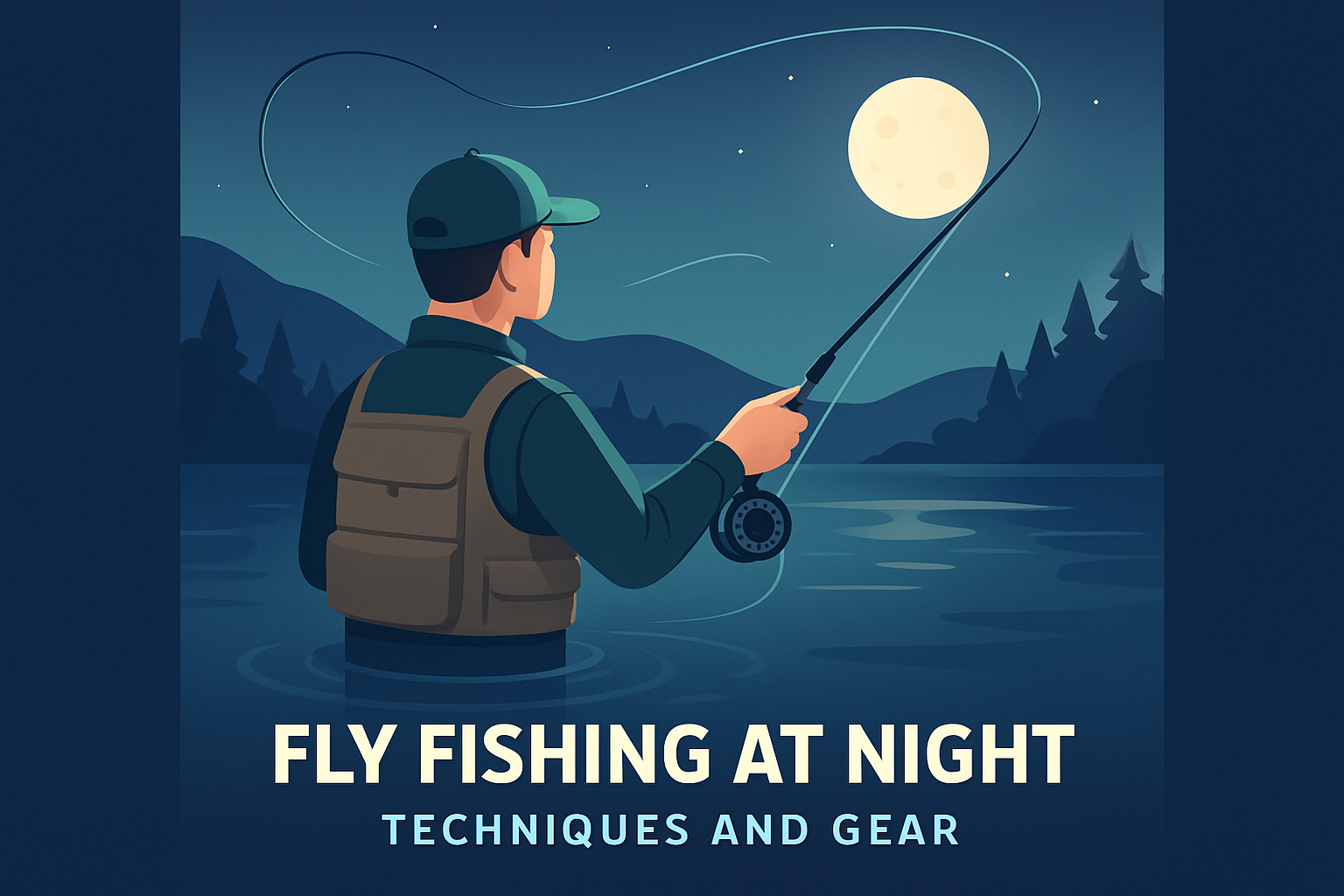
Fly fishing at night is a mystical experience. Imagine standing knee-deep in a shimmering, moonlit river. The world around you is silent, save for the soft gurgling of water and occasional rustle of nocturnal animals. As you cast your line into the seemingly endless black abyss, you become part of an ancient tradition. Night fishing isn’t just a continuation of daylight pursuits—it’s an entirely different game that requires unique skills and equipment. It can be intimidating but enormously rewarding.
Navigating the complexities of night fishing means delving into specialized gear and mastering techniques that differ significantly from daytime fishing expeditions. Fly fishing, an art in itself, introduces an added layer of intricacy when darkness falls. But why, you may wonder, does night fishing matter? For many, it’s about solitude and tranquility, a deeper connection with nature, and the opportunity to catch that elusive, trophy-worthy fish that eludes anglers under the sun. Beyond the practical benefits, fishing at night can evoke a profound sense of peace and focus, creating memories that last a lifetime.
In this article, we explore the essential techniques, the must-have gear, and real-world examples of night fly fishing adventures. By the end, you’ll have the knowledge to craft your own nighttime fishing experience, promising both relaxation and exhilaration under the night sky.
Understanding the Basics of Night Fly Fishing
Before you venture into the world of nighttime fly fishing, it’s crucial to grasp the basic techniques. In contrast to daytime fishing, where visibility is high, night fishing requires you to rely on other senses. You need to listen to the sounds of the water, feel the currents, and develop an intuitive sense of where fish might be hiding.
One effective technique is the “swing and mend.” This involves casting your line across the current and allowing it to drift naturally while adjusting its angle. By mending, or repositioning the line, you ensure your fly is moving in a manner that attracts fish. The sensation of a fish’s subtle nibble at night can be thrilling and should ignite your senses.
Take the story of Sarah, an avid angler who became enamored with night fishing. On her first attempt, she faced the challenge of pitching black surroundings and limited visibility. But with patience and practice, Sarah mastered the swing and mend technique. Her first catch—a sizeable trout—was a testimony to adapting her skills to the conditions unique to night fishing.
The Importance of Specialized Gear
Equipping yourself with the right gear can make or break your night fly fishing experience. First and foremost, lighting is essential. A headlamp with a red light option is ideal, as it preserves night vision while providing sufficient illumination to tie knots and manage your gear.
Additionally, your fly selection should differ from daytime fishing. Larger flies with subtle movements are often more effective, as they mimic the profile of night-active insects or small fish gliding in the water. Flies with bioluminescent or glow-in-the-dark materials can also be an advantage, making them more visible in low light.
Bill, a seasoned night fisher from Montana, swears by the use of large, dark-colored flies. On one summer night, he successfully caught his personal best—a formidable bass—using a black woolly bugger jig. His approach emphasizes the need for gear adaptations beyond the norm to ensure a successful outing.
Staying Safe While Night Fishing
Safety should always be a priority, especially when fly fishing at night. Being aware of your surroundings and having a plan in place can mitigate potential risks. Start by familiarizing yourself with the area during the day. Identifying potential hazards like rocks, sudden drop-offs, or swift currents can prevent accidents at night.
Fishing with a partner or at least informing someone of your plans is wise, especially if you’re in a remote location. Carry emergency gear, including a first-aid kit, whistle, and a fully charged mobile phone with GPS capabilities.
James provides a cautionary tale about night fishing safety. On a moonless night, he lost his footing and found himself momentarily submerged. Fortunately, his partner was nearby and ready to assist. The incident reinforced to James and others the importance of avoiding solo excursions and being prepared for unexpected mishaps.
| Recommended Night Fishing Gear | Function |
|---|---|
| Red-light Headlamp | Preserves night vision |
| Glow-in-the-Dark Flies | Increases visibility in low light |
| Windproof Jacket | Provides warmth and protection |
| Floating Line with Stripper | Facilitates easier casting |
Understanding Fish Behavior at Night
Fish behavior at night differs significantly from that during the day. Many species become more active and may move closer to the shoreline to feed, taking advantage of the reduced predation risks in low light. It’s vital for anglers to understand these shifts to adjust their strategies accordingly.
Fishing expert Mike’s experience highlights this well. While targeting largemouth bass at dawn yielded mixed results, fishing during nocturnal hours proved to be abundantly fruitful. The bass were drawn toward the shallow, warmer waters, actively feeding on insects and smaller fish. Mike attributes his success to observing these behavioral patterns and adapting his approach.
The Role of Environmental Factors
Environmental conditions play a pivotal role in determining the success of your night fishing endeavor. Effective night fishing involves keen perception of water temperature, moon phase, weather patterns, and atmospheric pressure—factors that profoundly influence fish activity and feeding habits.
The lunar cycle, specifically the fullness of the moon, can greatly impact fish activity. Many anglers find that fishing during a new moon increases their catch rate, as fish are bolder in dimly lit environments.
Alice discovered the importance of these factors during a trip to a secluded lake. By planning her fishing excursion around a new moon period, she achieved an impressive haul of over a dozen fish. Her understanding of environmental preferences and timing played a key role in her success, demonstrating the necessity of planning according to natural influences.
Planning Your Night Fishing Expedition
Careful planning can lead to an optimal night fishing experience. Start by selecting a suitable location with a known fish presence and safe access points. Research and prepare all equipment in advance to ensure everything is in top condition and ready for use.
Next is timing—ideal hours typically begin just as the sun sets and extend into the late night. Consider local regulations and seasonal variations that may affect fish population and behavior patterns.
Paul’s story illustrates this well. He planned a trip to a popular river spot, armed with local fishing reports and accurate weather predictions. His preparation afforded him a successful outing with multiple impressive catches. Paul stresses the importance of due diligence—your proactive efforts contribute to fruitful night fishing experiences.
Conclusion: Embracing the Night Fishing Challenge
Fly fishing at night, while demanding, offers an unparalleled fusion of nature, skill, and tranquility. The techniques and gear discussed are essential to overcoming the unique challenges and enriching your angling experience. From perfecting your cast in the moon’s glow to embracing the nocturnal world around you, night fishing extends an open invitation to deepen your relationship with the sport and nature.
While every fishing excursion will vary, the objective remains to forge memories through shared victories, personal milestones, and connections with nature itself. Exploring new techniques, investing in specialized gear, and prioritizing safety transform night fishing into a rewarding adventure.
As you ponder your next fishing expedition, consider venturing out beneath the stars. With this newfound knowledge and appreciation for night fishing’s intricacies, embark on a journey that offers unique challenges and unparalleled rewards. Now, grab your gear, prepare your flies, and step into the night. Under the vast, starry sky, you may find not just the catch of the day but the experience of a lifetime.
Frequently Asked Questions
1. What makes fly fishing at night different from daytime fishing?
Fly fishing at night is an experience like no other and significantly different from fishing during the day. When the sun goes down, a whole new world opens up. The environment becomes serene and quiet, with only the sounds of nature accompanying you. The river takes on a mystical quality, shimmering under moonlight, offering a unique beauty. But it’s not just the surroundings that change; your approach has to adapt too. At night, fish like trout become more active and less cautious, making them more likely to take risks. They rely more on their sense of touch and sound in the dark, leading you to use flies that create vibrations or have a particular scent. You’re also challenged by the lack of visibility, which tests your skills in a different way. Casting into what feels like an endless void requires a good understanding of the water’s layout that you gain during the day. Your sensory perceptions become acutely tuned, guiding your hands and instincts as you feel the line dance through the air and water.
2. What kind of gear do I need for fly fishing at night?
Night fishing demands a shift in your standard fly fishing gear. First off, a headlamp becomes indispensable; you need reliable hands-free lighting to tie knots and wade safely. Choose one with multiple settings, including a red light that preserves night vision. Your choice of flies is also crucial. Opt for larger, darker-colored flies that silhouette well against the water’s surface, mimicking nocturnal insects that predatory fish seek at night. Consider patterns with a slight shimmer or noise-making components. A good quality fly rod, between 9 to 10 feet with a sturdy yet sensitive build, is optimal. Since you’ll be dealing with cooler nighttime temperatures, dress in layers — moisture-wicking base layers, mid-layers for insulation, and a waterproof outer layer. Additionally, a waist or chest pack is recommended to keep essentials close by without impeding your movement in the water. Lastly, wading boots with good grip are critical, as you’ll need secure footing in the murky waters.
3. Are there any safety tips I should keep in mind when fly fishing at night?
Safety is a top priority when night fishing. Before heading out, familiarize yourself with the fishing area during daylight to avoid any hidden obstacles. Always let someone know of your plans, including when and where you expect to fish, and check in with them as soon as possible after you’re done. A high-quality, LED flashlight or headlamp is vital for visibility, so ensure it’s fully charged or carry extra batteries. Wear a personal flotation device if fishing in deeper waters, and be cautious of your footing as rocks and underwater debris can be more treacherous at night. Remember to periodically scan the environment for wildlife; some areas might have nocturnal animals that you wouldn’t encounter during the day. Most importantly, maintain your situational awareness — avoid getting too engrossed in fishing to the point you lose track of your surroundings.
4. What techniques work best for casting while fly fishing at night?
Casting at night involves a few modifications from your daytime technique. One strategy is to utilize shorter, more precise casts since you’re often targeting closer, known spots that you’ve scouted during daylight hours. Your aim is to make gentle presentations to minimize water disturbance, as nocturnal fish are highly sensitive to vibrations and sounds. To increase your odds, keep your casts parallel to the bank where fish hunt for food. Listen intently to the water and feel for any tug or resistance that suggests a fish strike. Practicing roll casting can be particularly useful at night since it allows you to reposition your line with minimal backcasting, critical when visibility is low. Also, make slight mend adjustments to counteract current drifts, ensuring your fly maintains a natural movement in the water.
5. What types of fish are most active for fly fishing at night, and when is the best time to catch them?
Many species are more active during the night, with trout being particularly notable. These fish tend to feed more aggressively after the sun sets, seizing opportunities they may be too cautious to take during the day. Bass and catfish are also known for their nocturnal feeding patterns, taking advantage of the cover of darkness to hunt. The best times for night fishing often coincide with the phases of the moon — on clear nights with a full moon, the increased light can encourage more fish movement and surface activity. However, even on moonless nights, the cover of darkness brings certain insects to life, which in turn attract hungry fish. Target the few hours just after sunset and just before sunrise, as these transition periods can trigger heightened feeding behaviors in fish.