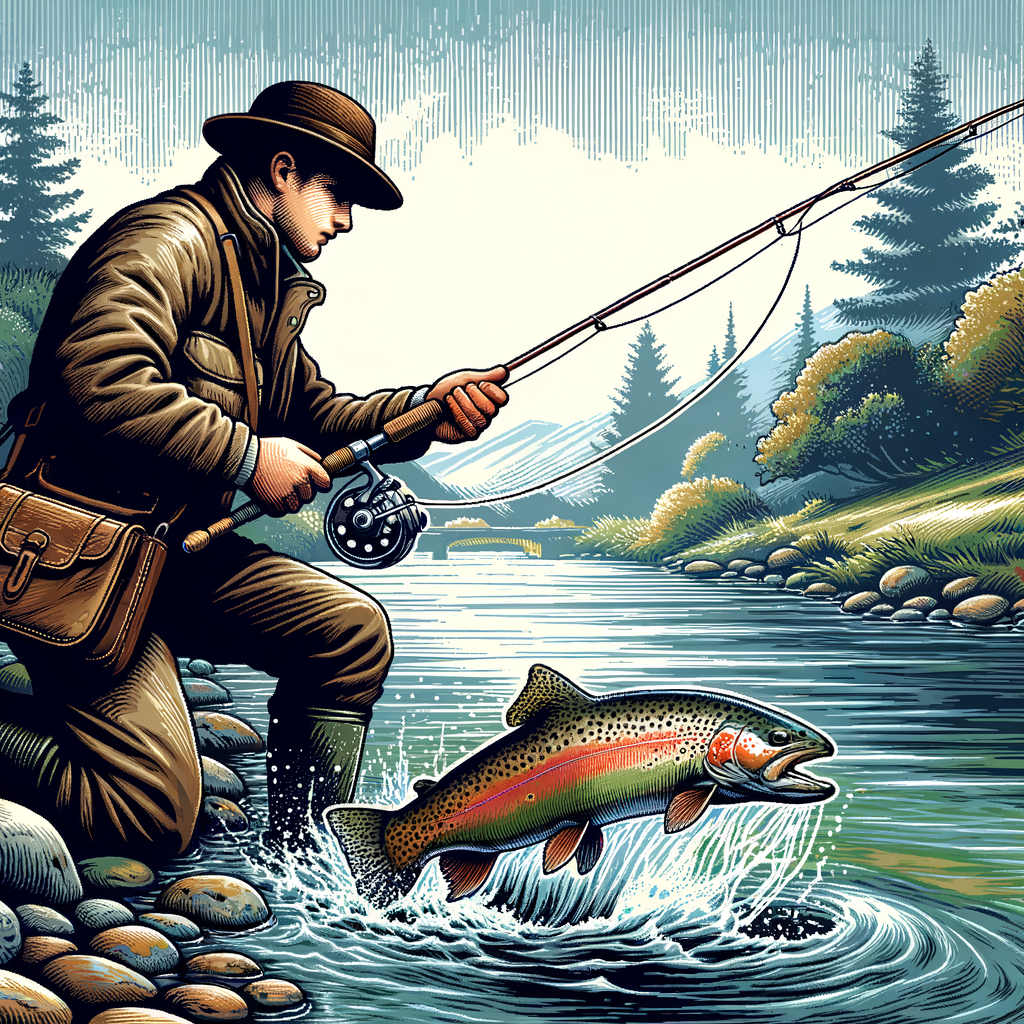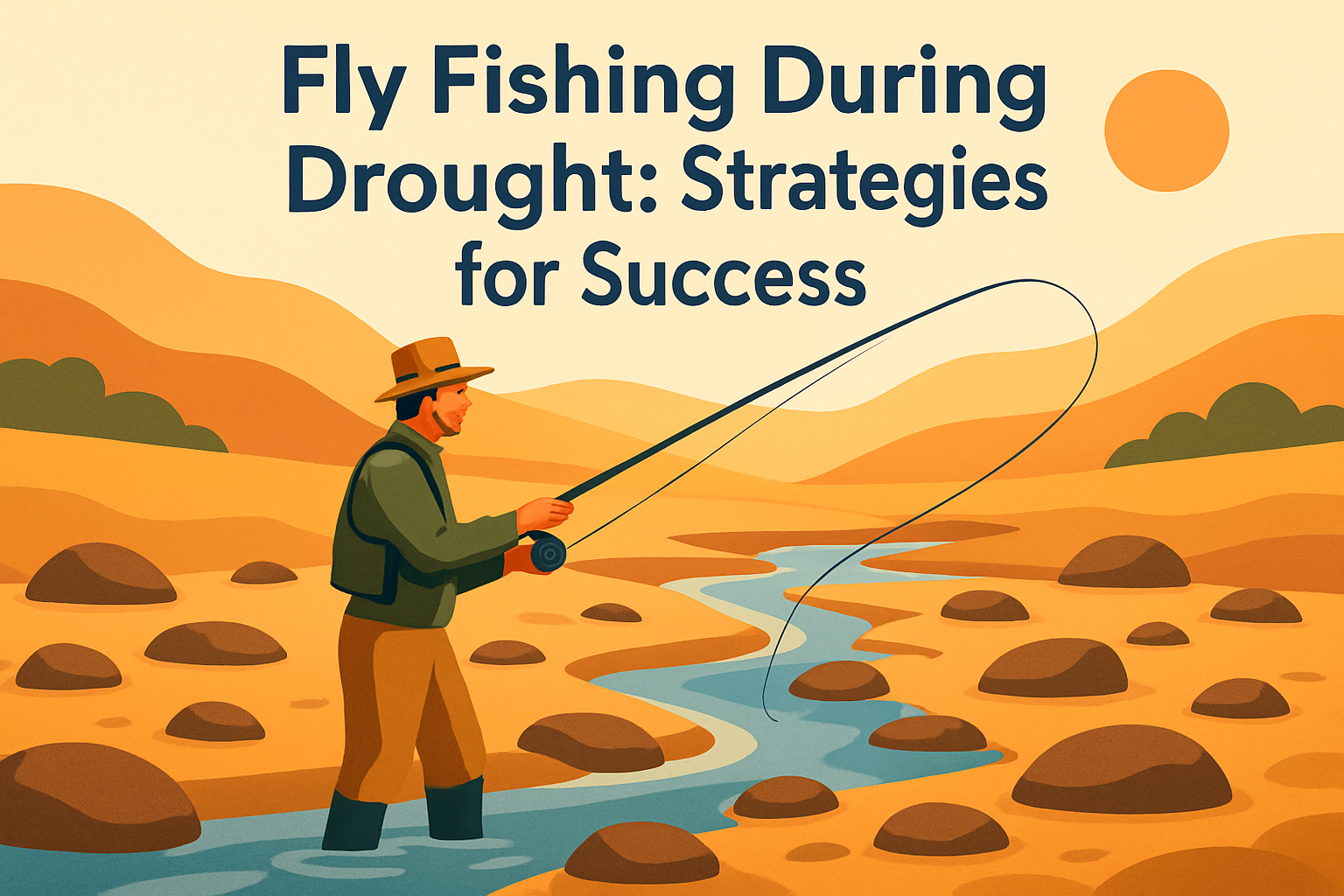
Fly fishing is a much-loved pastime by many outdoor enthusiasts who relish the challenge of catching fish using artificial flies cast with a fly rod, reel, and specialized weighted line. It’s a pursuit that requires skill, patience, and an understanding of aquatic ecosystems. Drought conditions, however, present unique challenges for fly fishers, as water levels drop and temperatures rise, leading to stressed fish and altered behaviors. Droughts have become more frequent and severe due to climate change, causing significant disruptions to both ecosystems and recreational activities. Understanding how to adapt your fly fishing strategies during these periods is crucial not only for success in catching fish but also for ensuring the well-being of aquatic environments.
In regions where water becomes scarce, the impact on fly fishing can be profound. The ecology of water bodies changes, influencing fish behavior, feeding patterns, and habitat conditions. As the environment shifts, fly fishers need to adapt their techniques and strategies. Successful fly fishing during drought conditions means understanding these changes and adjusting one’s approach to ensure both an enjoyable and sustainable fishing experience. It matters because responsible fly fishing practices help in conserving water habitats and fish populations, allowing future generations to enjoy the sport.
Understanding Drought and Its Impact on Fly Fishing
Drought occurs when there is a prolonged period of below-average precipitation, leading to water shortages in an area. For a fly fisher, this means the streams, rivers, and lakes where they typically fish may experience lowered water levels, increased temperatures, and reduced flow. Such conditions can stress fish populations and affect their behavior, making fly fishing more challenging. Fish tend to become more lethargic during droughts as warmer water holds less dissolved oxygen, making it harder for them to breathe. Additionally, reduced water flow results in fewer insects, which serve as food for fish.
Consider the example of the drought-stricken rivers in the American West. Here, anglers have noticed a shift in prime fishing times to early morning or late evening. This adaptation is due to fish seeking cooler, more oxygen-rich waters during the daytime heat. Fly fishers must understand the local ecology and work closely with environmental agencies to monitor river conditions, adhering to any regulations imposed to protect fish populations, such as restricted fishing hours or limitations on catches.
Key Strategies for Fly Fishing During Drought
Adapting to the conditions set by drought involves checking water temperatures and flows before heading out. A thermometer becomes an essential tool, allowing anglers to ensure they fish within safe temperature ranges that do not further stress the fish. As a general guideline, many fly fishers avoid fishing in water temperatures exceeding 70°F (21°C) because higher temperatures reduce fish survival rates after catch and release.
Another strategy is choosing the right time of day to fish. Fish are more active during cooler parts of the day, such as early morning or dusk. This time also coincides with increased insect activity, improving chances of success. Insect hatches are more predictable during these times, allowing anglers to select flies that closely match what fish are naturally feeding on.
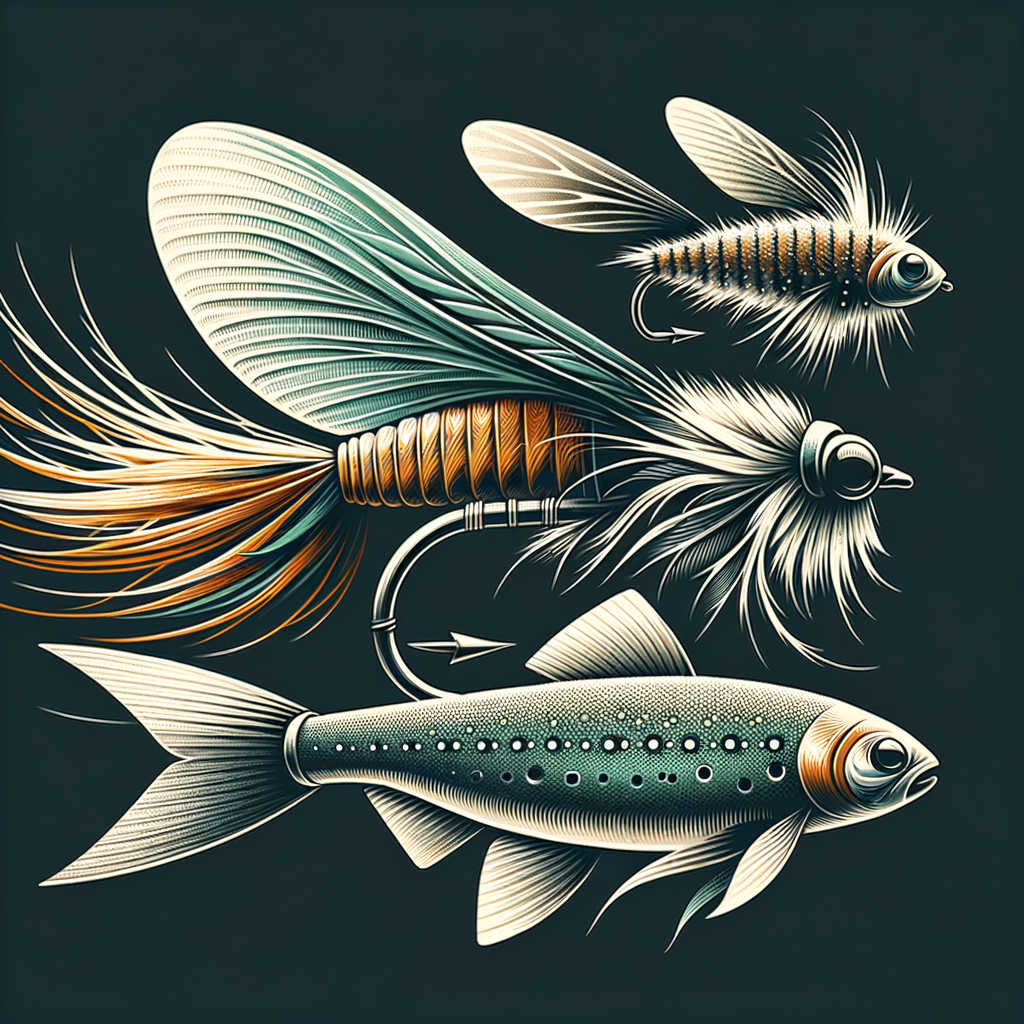
Adjusting fly selection is also important. As insect populations decrease during a drought, fish may become less selective about what they eat. Fly fishers can use larger or more visible flies to attract attention in turbid water conditions that often accompany low flow levels.
| Strategy | Description |
|---|---|
| Check Water Temperature | Ensure the water temperature is safe for fish and fishing activities |
| Adjust Fishing Times | Fish during cooler parts of the day to reduce stress on fish |
| Fly Selection | Use flies that match the current insect activity and fish feeding patterns |
Conservation and Responsible Practices
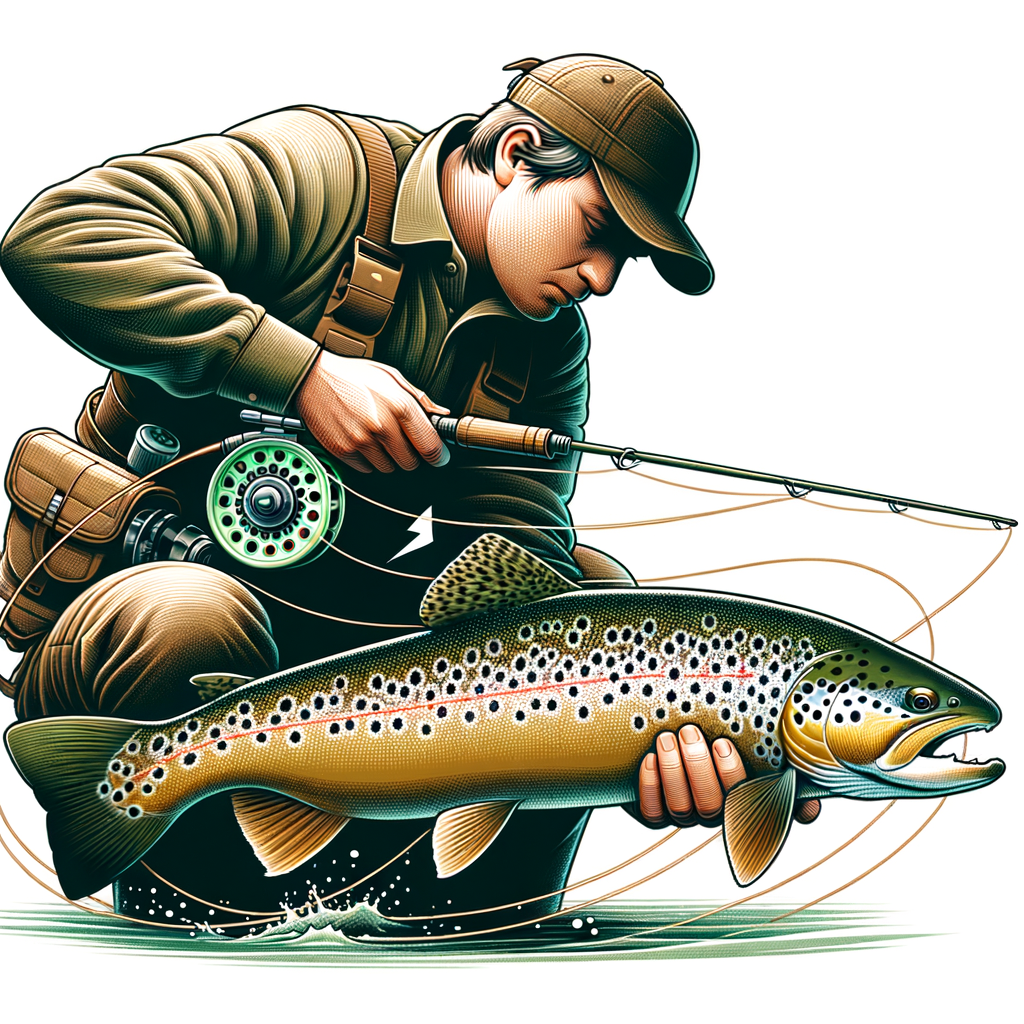
One of the most crucial aspects of fly fishing during drought is adopting conservation-minded practices. These ensure the long-term sustainability of fish populations. Catch and release is a common practice, but it is especially important during drought to improve the likelihood of fish survival. For example, wetting hands before handling fish, using barbless hooks, and minimizing the time fish are out of the water are recommended practices to reduce fish stress.
Moreover, staying informed about local regulations is vital. Environmental agencies may impose restrictions during drought conditions to safeguard aquatic ecosystems. These can include limiting fishing in certain areas, mandating release in water bodies with critically low fish populations, or even closing streams temporarily. A real-world example is the seasonal closures or catch-and-release mandates implemented on several California rivers during droughts, aimed at balancing recreation with conservation.
Gear Adjustments for Drought Conditions
In addition to strategy changes, gear adjustments can play a significant role in successful fly fishing during a drought. Lightweight rods and lines are often recommended as they allow for more delicate presentations of flies in low, clear water. Delicate casts are less likely to spook fish, which are already stressed by environmental conditions.
For those who wade in the water, opting for rubber-soled wading boots can minimize streambed disturbance and reduce the introduction of invasive species that might further stress fish during droughts. Using fluorocarbon tippet materials can also be beneficial as they are less visible and provide stealthy presentations, especially under clear water conditions common during drought.
Deciphering Fish Behavior and Habitats
Understanding fish behavior and habitat during drought is crucial. Fish seek refuge in deeper pools where they find more stable temperatures and higher oxygen levels. Therefore, targeting these areas improves chances of catching fish. Anglers must also keep an eye on riffles and runs where higher oxygen levels may attract fish.
The knowledge of previous drought patterns can also guide decisions. For instance, after a significant drought in Colorado, researchers noted that trout congregated near underground springs where the water was cooler. Studying past patterns allows fishers to be proactive and anticipate fish movements, enhancing catch rates even in challenging conditions.
Real-World Adaptations and Success Stories
Adaptation is the name of the game. Fly fishers around the world have embraced innovative techniques in response to the challenges posed by drought conditions. For instance, in New Zealand, fishers have started using low-impact rafts and kayaks to access remote fishing locations. This approach not only reduces human pressure in concentrated areas but also allows anglers to explore new spots that may be unaffected by drought conditions.
Furthermore, the use of technology, like mobile apps for monitoring water conditions and fish behavior, has bolstered efforts to adapt. These apps provide real-time data on water temperatures, flow rates, and fish movements, empowering anglers to make informed decisions on when and where to fish. A prime example can be found in the Pacific Northwest, where adhering to the catch-and-release guidelines coupled with utilizing technology has led to a more sustainable fishing experience.
Community Efforts and Conservation Initiatives
In addition to individual efforts, community-driven conservation initiatives have gained momentum as a response to the challenges posed by drought. Local clubs and fishing organizations often organize workshops to educate anglers on sustainable practices and conduct river clean-up events to ensure the health of water bodies during stress periods.
Participate in community efforts such as habitat restoration and conservation projects. Engaging with conservation groups can help rebuild fish habitats that have been degraded by droughts, including replanting bankside vegetation and restoring natural flow patterns. These contributions not only enhance fishing prospects but help sustain biodiversity in affected regions.
Conclusion: Navigating Drought for Sustainable Fly Fishing
The challenges posed by drought to the sport of fly fishing also present anglers with opportunities to innovate and contribute positively to the environment. Understanding the dynamics of drought, adapting techniques, using appropriate gear, and embracing sustainable practices are all strategies fly fishers can utilize to succeed during these difficult times. By protecting fish populations and actively engaging in conservation efforts, anglers ensure that they not only enjoy their passion responsibly but also protect the environment for future generations.
By implementing the strategies outlined here, fly fishers can contribute to a healthier aquatic environment while also enjoying the unique challenges that drought conditions present. Share these findings with fellow anglers, participate in community conservation initiatives, and stay informed about environmental conditions and regulations. Ultimately, successfully navigating the complexities of drought during fly fishing requires a commitment to learning, adapting, and conserving, ensuring the sport remains enjoyable and environmentally responsible.
Frequently Asked Questions
1. How does drought impact fly fishing conditions and fish behavior?
Drought conditions significantly affect fly fishing by altering the aquatic environment and fish behavior. During a drought, water levels in rivers, streams, and lakes drop, leading to a reduction in available habitat for fish. As the water becomes shallower, fish are forced into more concentrated areas, making them more visible and potentially more wary of anglers. Additionally, with less water, there are fewer places for fish to hide from predators or seek cooler temperatures. Drought also leads to warmer water temperatures, which can be stressful for fish, especially species like trout that thrive in cooler waters. As temperatures rise, the amount of dissolved oxygen in the water decreases, which can further stress fish and cause them to become lethargic or feed less actively. This means that fly fishermen need to be more strategic about the times they fish, perhaps aiming for early mornings or late evenings when the water is coolest and fish are more likely to feed.
2. What are some strategies fly fishers can use to target fish during a drought?
Fly fishers can employ several strategies to effectively target fish during drought conditions. Firstly, anglers should focus on fishing during the cooler parts of the day, such as early morning or late evening, when fish are more likely to be active. Secondly, because low water levels often result in clearer water and more wary fish, using longer leaders and smaller flies can help present a more natural offering. Thirdly, it’s essential to read the water effectively; fish are likely to be found in deeper pools, undercuts, and shaded areas where temperatures are slightly cooler. Understanding these microhabitats can lead to more successful fishing. Furthermore, adapting to potentially limited insect hatches by carrying a wide variety of fly patterns can be beneficial, allowing fishermen to match whatever hatches may occur during drought conditions closely. Lastly, being mindful of water temperatures is critical. Once water temperatures rise above a certain threshold, particularly for species like trout, it’s advisable to give the fish a break to prevent additional stress that could lead to mortality.
3. How can fly fishers ethically fish during drought conditions?
Ethical fly fishing during drought conditions involves several conscientious practices to ensure the sustainability and health of fish populations. One of the primary considerations is understanding fish stress. Since drought increases water temperature and decreases oxygen levels, fish are more vulnerable. Anglers should avoid fishing in water temperatures that are too high for the species they are targeting—generally above 68 degrees Fahrenheit for trout. If the water is too warm, consider targeting more warm-water species that are less impacted by higher temperatures. When catching fish, using barbless hooks facilitates easier and quicker release, reducing handling time. Additionally, using appropriate tackle to land fish quickly minimizes exhaustion for the fish. Regulated catch-and-release practices should be strictly followed, and anglers should support fish in an upright position in the water while they recover. Staying informed about any restrictions or regulations put in place due to drought conditions by local fisheries management is equally important to ensure compliance and conservation.
4. What equipment modifications might be necessary for successful fly fishing in low water conditions?
When fly fishing in low water conditions during a drought, certain equipment modifications can significantly improve success rates. One key adjustment is the choice of fly line. A lighter line, such as a dry fly or nymphing line, allows for more delicate presentations that won’t spook fish in shallower, clearer water. Utilizing a longer leader, perhaps 9 to 12 feet long, helps keep the fly away from any disturbances caused by the line landing on the water. Additionally, using finer and more transparent tippets can reduce visibility, making the fly presentation appear more natural to the fish. Flies should also be carefully selected—a variety of smaller, more realistic patterns typically work best in these conditions. Lastly, bringing polarized sunglasses is highly advantageous. They enhance the ability to spot fish in clear, low water, allowing for more targeted casting and reducing blind fishing. This equipment tailoring can help anglers adjust to the unique challenges presented by drought conditions.
5. How can fly fishers adapt their skills to improve success rates during droughts?
Adapting skills for fly fishing success during droughts includes honing observation and casting techniques. Anglers must become adept at reading water more thoroughly, identifying the subtle clues of fish location in altered habitats. Practicing stealth is crucial; approaching fishing spots quietly and carefully can prevent spooking fish in the low water levels common during droughts. Developing precise casting abilities enables fishermen to place flies accurately into tight, small pockets where fish are likely congregating. Mastery in mending line is also valuable to present flies in a drag-free drift, compensating for the slow currents and ensuring the fly appears natural. Furthermore, being versatile with fly patterns and techniques, such as using dry flies, nymphs, or streamers appropriately, according to fish behavior cues, can make a substantial difference. Overall, a keen understanding of how drought modifies fish behavior and aquatic environments, combined with practiced adaptations in fly fishing techniques, can greatly enhance success rates even in challenging drought conditions.