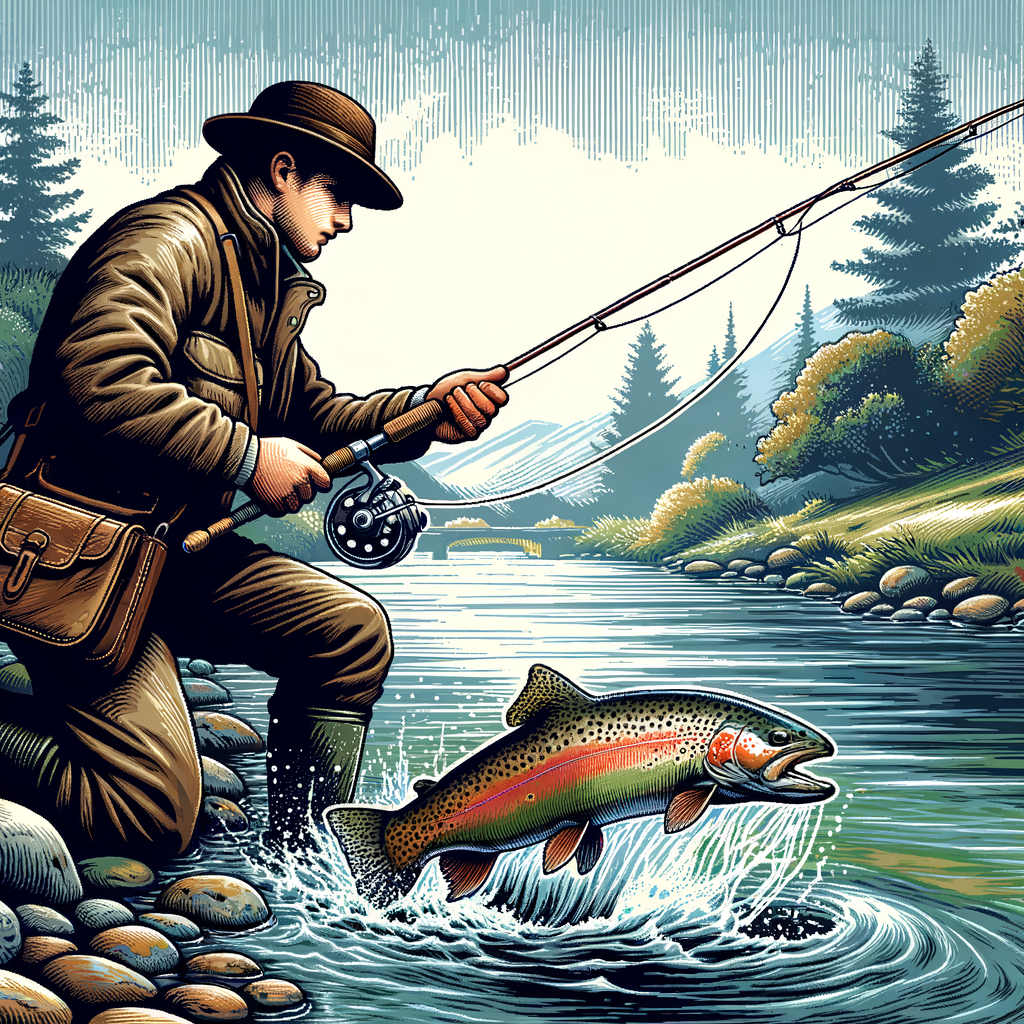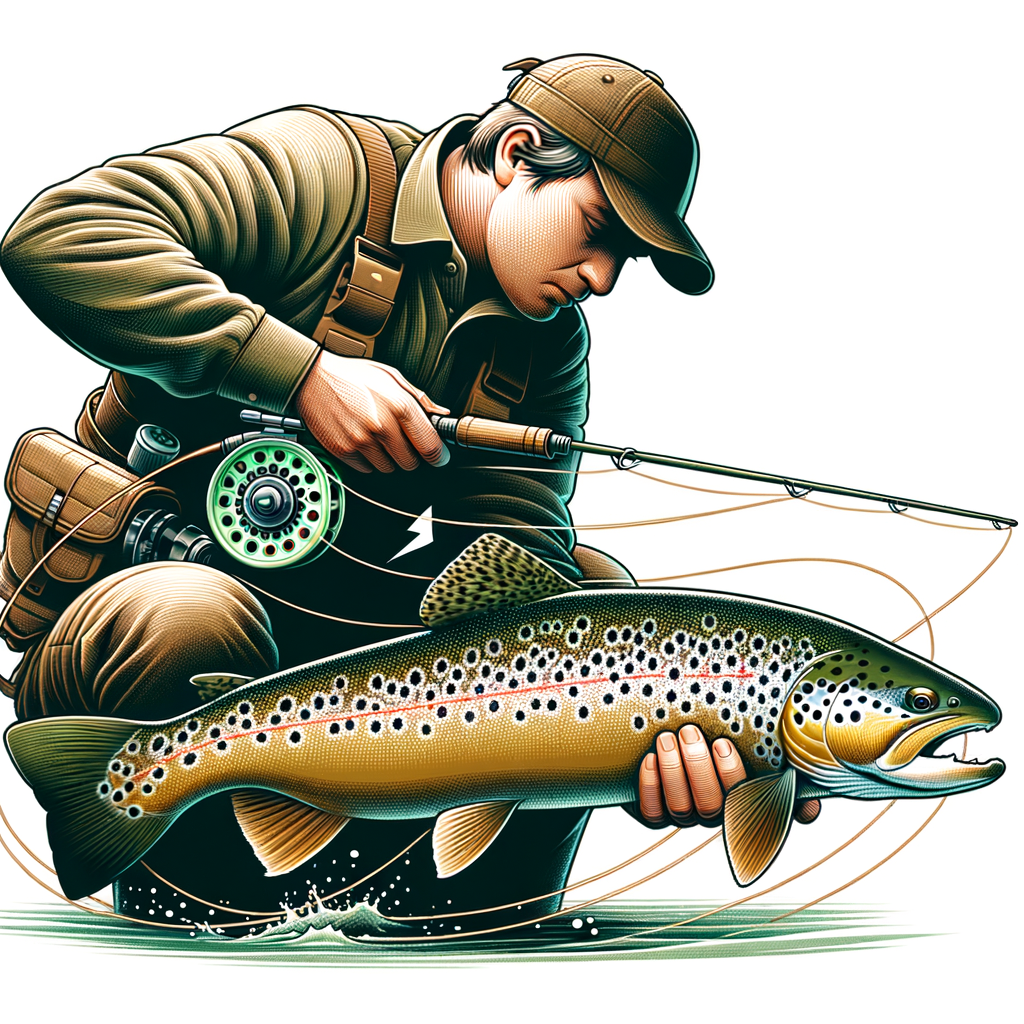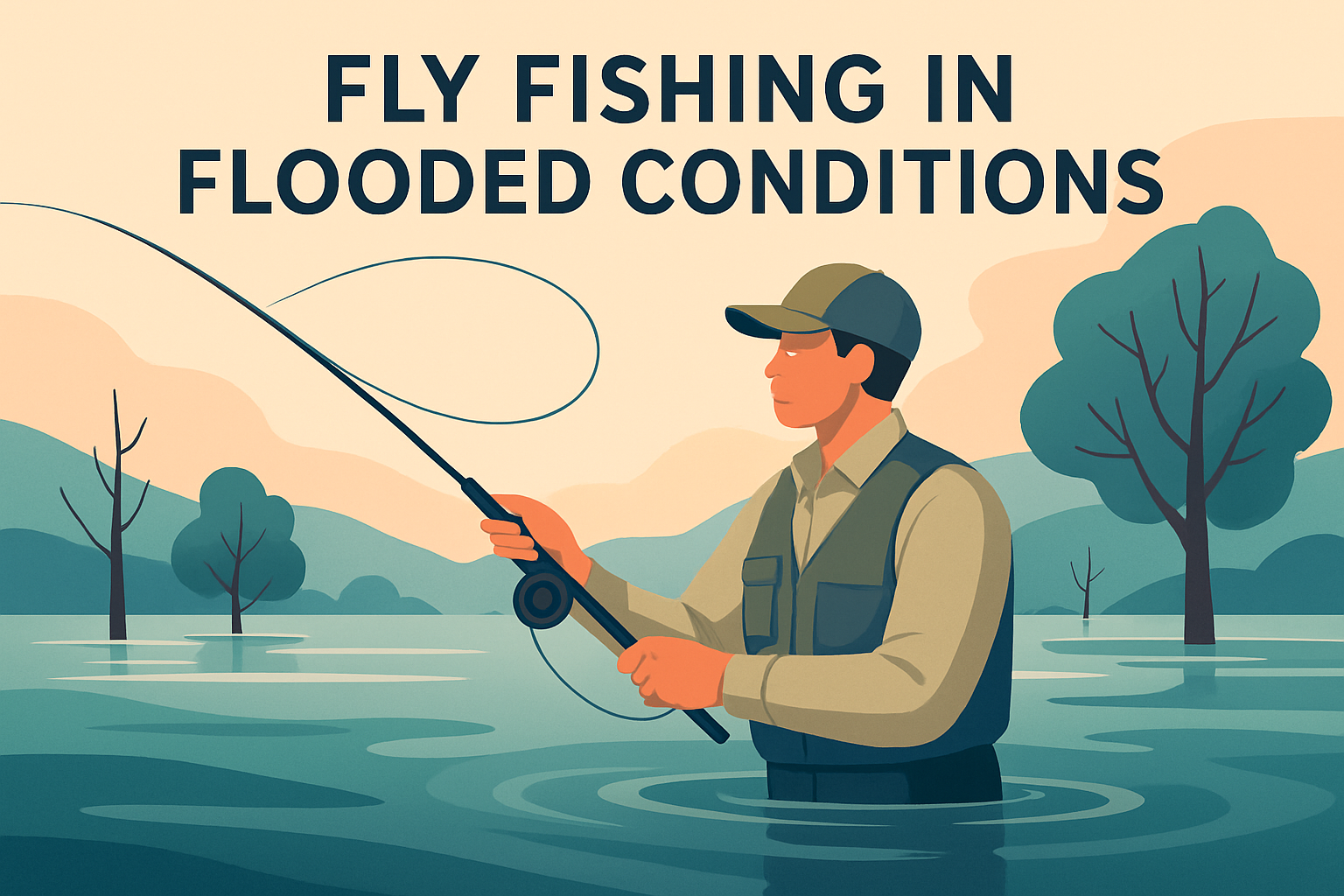
Fly fishing is a popular angling method that uses a lightweight lure, known as an artificial fly, to catch fish in freshwater and saltwater. The essence of fly fishing lies in the angler’s ability to mimic the movements of insects on the water surface, enticing fish to bite. This method, while often associated with tranquil rivers and serene experiences, becomes significantly more complex and challenging when conducted in flooded conditions. Understanding the nuances of fly fishing in such an environment is crucial not only for the success of the fishing endeavor but also for ensuring safety and adapting to the dynamic changes that flooding causes in aquatic ecosystems.
Flooded conditions occur when excess water overflows riverbanks or other bodies of water, often caused by heavy rainfall, snowmelt, or dam releases. These conditions dramatically alter the behavior of fish and the environment in which they live. Fish might move to deeper waters for safety, or they may scatter more widely in search of food. This unpredictability makes fly fishing in these conditions both a challenging and rewarding endeavor. Anglers who understand how to adapt their techniques will not only increase their catch rate but also gain an enriched experience through the sport.
Why does this matter? As climate variability increases occurrences of unseasonal floods, understanding how to effectively fish in these conditions ensures that anglers can continue to pursue their passion while respecting environmental changes. Grasping the intricacies of fly fishing in flooded waters also reinforces responsible angling practices, promoting both conservation and personal advancement in fly fishing skills. Let’s delve into the essential aspects you need to know about navigating this challenging yet rewarding scenario.
Understanding Fish Behavior in Flooded Waters
Flooded environments significantly alter fish behavior, driven by the drastic changes in current, water temperature, and available food sources. During floods, fish are often on the move, searching for quieter waters to conserve energy. They may also be spread out due to the increased water volume, which requires anglers to modify their search patterns. The key is understanding these behavioral shifts to position oneself advantageously.
For instance, consider the experience of seasoned angler Mark Jensen in 2022 when the Yellowstone River experienced significant flooding. Fish that normally congregated in the deeper, central channels shifted to the river’s edge, seeking refuge from the strong currents. This meant that Mark had to abandon his usual fishing spots and adapt by casting his flies closer to the inundated bank areas. By doing so, he successfully increased his catch by targeting the zones where fish were sheltering.
Anglers need to focus on areas where water flow slows, such as behind natural barriers, near submerged trees, or around man-made structures. These locations serve as sanctuaries for fish escaping the main current. Recognizing these patterns and adjusting fishing strategies accordingly enhances the chances of success and ensures a safe and enjoyable fishing experience.
Adapting Your Fly Selection
Choosing the right fly is a crucial aspect of successful fly fishing. In flooded conditions, the increased water volume and altered water chemistry can affect the visibility of your flies. Additionally, turbulent waters may dislodge different types of insects, changing the diet available to fish during such events. Therefore, adapting your fly selection to the current conditions is essential.
In 2021, angler Sarah Thompson was fishing on the Colorado River during an unexpected flood. Typically, she relied on small, colorful dry flies. However, with the water becoming murkier due to sediment, she observed that these flies were not as effective. By switching to larger, darker wet flies, which better mimicked the silhouette of prey fish and insects in such conditions, she was able to capture the attention of more fish.
This example underscores the importance of carrying a versatile fly box with varying sizes and colors. Being flexible and willing to test different combinations in response to changing conditions ensures that your fly fishing efforts remain productive despite challenging circumstances. Here’s what to consider when choosing your fly:
- Use larger flies for better visibility in murky waters.
- Opt for darker colored flies to match natural prey silhouettes.
- Experiment with different patterns to find what the fish are feeding on post-flood.
Safety Precautions in Flooded Conditions
Flooded conditions are inherently more dangerous than regular fly fishing environments due to swift currents and unstable ground underfoot. Safety should always be the top priority for any angler, regardless of skill level. Taking the necessary precautions before heading out can prevent accidents and ensure an enjoyable fishing expedition.
Consider the story of experienced angler Tom Richards, who ventured out during the spring floods in Montana in 2023. Though equipped with skills, he underestimated the power and speed of floodwaters and was swept off his feet, sustaining minor injuries. Fortunately, he was wearing a life vest, which provided him buoyancy until he paddled to safety. This incident highlights the unpredictability and danger of fishing in flooded conditions.
Here’s a comprehensive table to help guide you on essential safety measures:
| Safety Measure | Description |
|---|---|
| Wear a Life Vest | Ensures buoyancy in case of slips or falls in strong currents. |
| Stay Informed | Check weather forecasts and river conditions before heading out. |
| Fish with a Partner | Provides immediate assistance in case of emergency. |
| Use a Wading Staff | Helps maintain balance in slippery and unpredictable terrains. |
By integrating these safety measures into your pre-fishing routine, you not only protect yourself but also ensure that you can enjoy the experience without unnecessary risks.
Adapting Casting Techniques
Fly casting in flooded conditions requires a different approach compared to calm waters. The increased volume and velocity of water necessitate modifications to casting techniques to ensure precise and effective lure placement. The goal is to place the fly in areas where the fish are likely hiding from the stronger currents.
An example to consider is the adjustment made by fly fishing instructor Linda Chen when she held a workshop in a flooded stream in New York in 2022. Typically using a traditional overhead cast, Linda had to switch to a roll cast technique. This approach allowed her to effectively deliver the fly to her target without the fly line getting swept away by the current before it sank.
In flood conditions, embracing techniques like the roll cast or sidearm cast can be particularly effective. These methods allow for more control over the line and fly placement in rapidly changing water landscapes. Practicing these techniques before fishing trips ensures that anglers are well-prepared to adapt to whatever the environment presents.
Embracing the Challenge
Fly fishing in flooded conditions, though daunting, presents a unique opportunity for anglers to test their adaptability and persistence. Every moment on the water becomes a learning experience, encouraging skills development and a deeper appreciation for the sport. Success in these conditions often requires patience, observation, and willingness to adapt strategies continuously.
Consider the experience of Shaun Miller, who declared a victory over the unpredictable waters in the flooded rivers of Oregon in 2022. By exploring new techniques, locations, and equipment, Shaun not only made impressive catches but also developed a deeper understanding of fish behavior and the impact of environmental changes on aquatic life.
Embracing the challenge of fishing under these conditions can lead to significant personal growth for any angler and a profound sense of accomplishment. It’s about transforming obstacles into opportunities, expanding one’s skill set, and ultimately, cultivating a more profound connection with nature.
Conclusion: Takeaways and Next Steps
Fly fishing in flooded conditions demands more than just traditional angling skills—it calls for agility, adaptability, and enhanced environmental awareness. Understanding fish behavior during floods, adapting your fly selection, ensuring safety, adjusting your casting techniques, and embracing the inherent challenges are all pivotal components of this overarching experience.
The key takeaway for any angler is that being prepared both mentally and physically for these conditions leads to more successful and enjoyable fishing outings. Integrating the principles and strategies discussed not only increases the likelihood of catching fish but also enhances overall safety and the fulfillment derived from the sport.
As a call-to-action, consider setting aside time to practice these techniques in controlled environments, such as local ponds or lakes, where conditions are predictable. This will help build confidence before tackling the demands of flood-influenced waters. Equipping oneself with knowledge and a versatile gear setup can make all the difference, transforming potentially daunting outings into rewarding adventures. So gear up, stay informed, practice safety, and embark on your next fly fishing journey with confidence and curiosity!
Frequently Asked Questions
1. How does fly fishing in flooded conditions differ from regular fly fishing?
When you’re fly fishing in flooded conditions, the game changes significantly. Unlike typical fly fishing where precision and patience are key, flooded scenarios require adaptability and a sharp understanding of altered fish behavior. Normally, fish are found in predictable areas such as pools and riffles, but when the water is high, they may be pushed into unusual spots like floodplains or near the banks. This is because fish follow the baitfish and aquatic insects, which get displaced by the current. Your usual fly patterns might need adjustments as well; in darker and swirling floodwaters, fish rely less on sight and more on feel, so fly patterns that create vibrations might be more effective.
2. What equipment adjustments should be made for fly fishing in high water?
The right equipment is essential when fly fishing in flooding conditions. First and foremost, consider using a rod with a bit more backbone. A seven or eight-weight rod, as opposed to the more common five-weight for trout, gives you the strength needed to handle faster waters and potentially larger, displaced fish. Your line might also need to adjust; floating lines work, but sinking lines or sink tips can get your fly down to the fish more effectively. Footwear is another crucial consideration; waterproof boots with good traction can be a game-changer when navigating slippery, muddy banks.
3. What safety precautions should I take when fly fishing during a flood?
Safety cannot be stressed enough when fly fishing in flood conditions. Flooded waters can be unpredictable and powerful, so always scout the area carefully before setting foot in the water. Never underestimate the strength of the current — even slow-seeming water can have a powerful undertow. Wear a personal flotation device, and consider wading with a buddy for extra safety. Investing in a sturdy wading staff can help maintain balance and test water depths and currents. It’s also wise to familiarize yourself with an escape plan if the situation drastically changes. Always have an eye on the weather, and don’t overstay your visit, especially if conditions start to worsen.
4. What strategies can help increase my success rate in flooded waters?
Successful fly fishing in flooded waters requires strategic thinking. Start by targeting areas where fish might seek refuge from strong currents, such as banks, eddies, or backwaters. These spots might not be where you’d usually cast, but in a flood, fish can often be found close to the banks or in newly accessible areas. In terms of fly selection, opt for larger, more visible patterns such as streamers or large nymphs that stand out in muddy conditions. Using flies that move a lot of water, like those with rubber legs or articulated streamers, can be appealing by mimicking distressed prey. Don’t cast blindly; instead, focus on casting to likely holding spots and be patient, as flooded fish might be a tad spooked and need time to get interested.
5. How does rain impact fly fishing during a flood?
Rain can have a significant impact on fly fishing during a flood. As rain continues to fall, it can bring additional challenges. For one, increased rain affects water clarity; cloudy or muddy water makes it harder for fish to see flies. While this makes things more difficult for the angler, it also means fish are less spooked since they can’t see you as clearly. Be aware that rain might contribute to rapidly rising waters, which can change the conditions unpredictably. If you’re fly fishing in moderate rain without thunder or lightning, it can actually be beneficial, as it energizes oxygen levels and stimulates fish activity. Adjust tactics accordingly by using brighter flies or those that create noise or vibrations to grab the attention of fish navigating the spotty visibility.