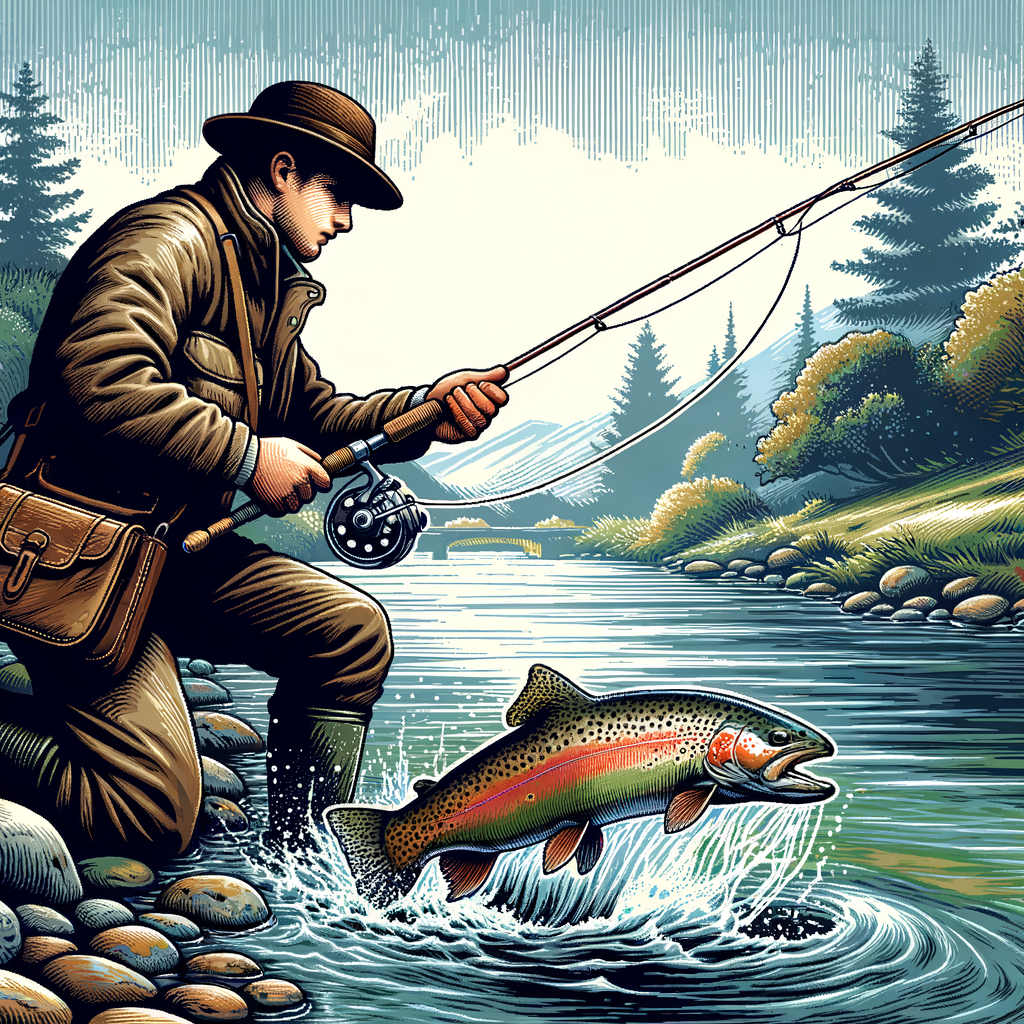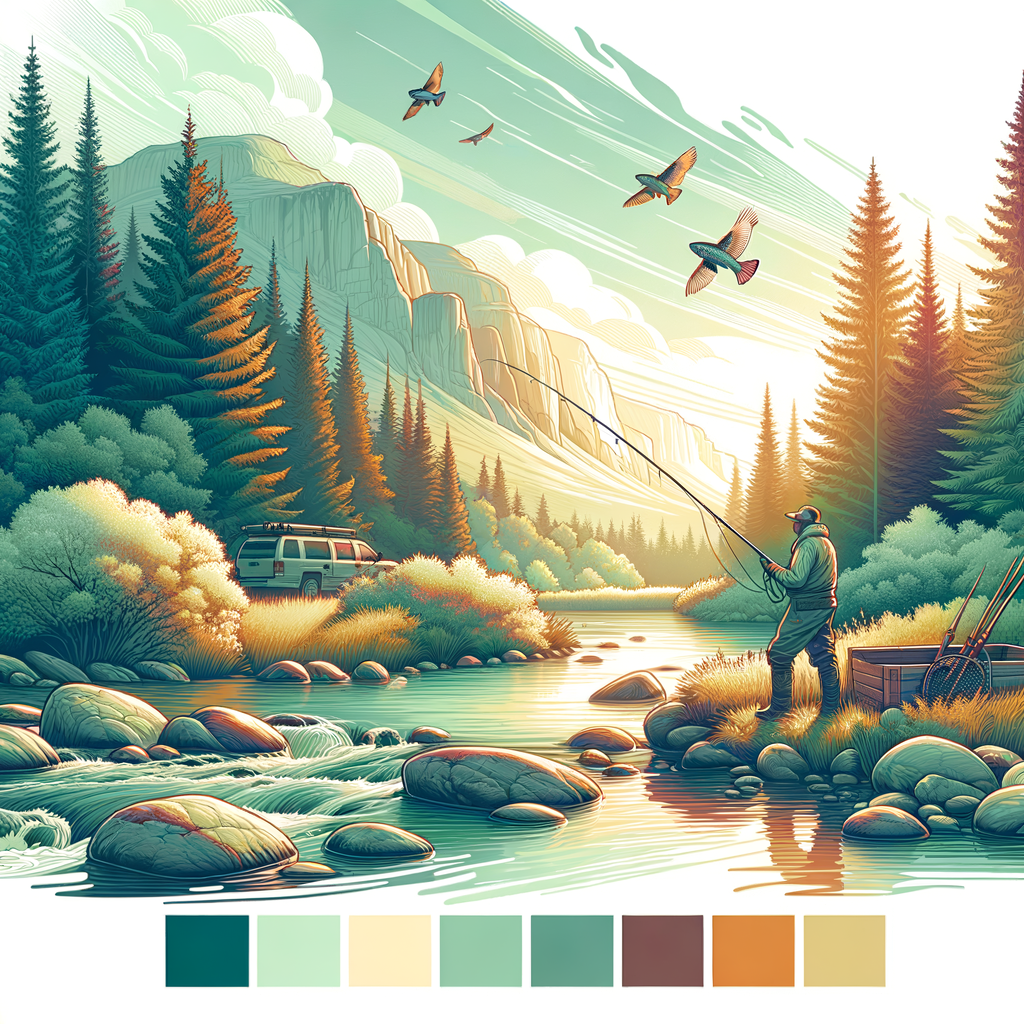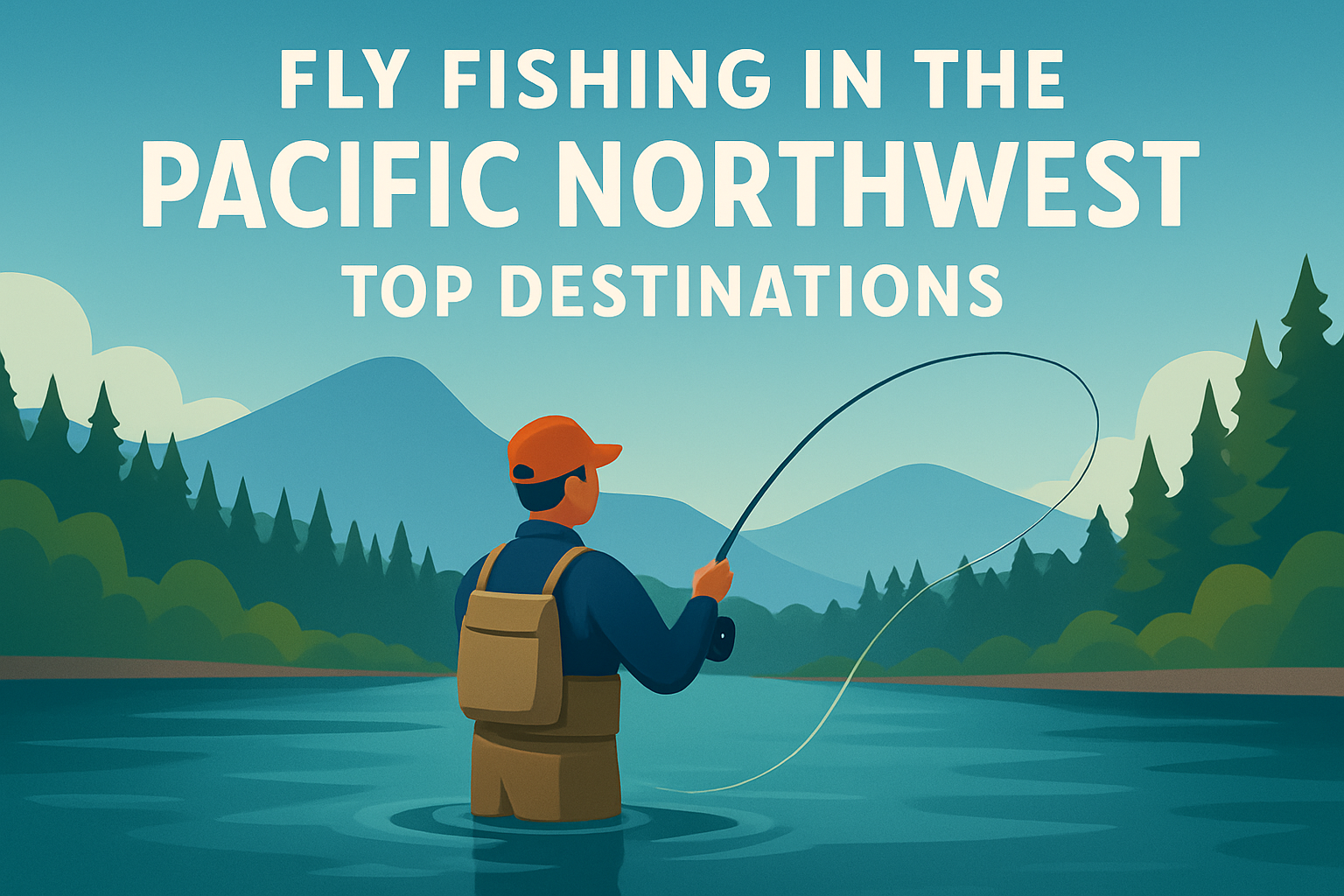
Fly fishing in the Pacific Northwest combines cold, oxygen-rich water, prolific insect life, and a remarkable mix of native and migratory fish, making the region one of North America’s most rewarding destinations for anglers. The Pacific Northwest generally includes Washington, Oregon, Idaho, and portions of western Montana and British Columbia in common travel planning, though most U.S. anglers focus on Washington, Oregon, and Idaho when building an itinerary. In fly-fishing terms, the region is defined by salmon and steelhead rivers, glacier-fed trout streams, spring creeks, alpine lakes, and broad tailwaters shaped by snowpack and seasonal runoff. That diversity matters because technique, timing, and fish behavior change dramatically from one watershed to the next. An angler casting a Skagit head for winter steelhead on Washington’s Olympic Peninsula faces a completely different challenge than someone matching pale morning duns on Idaho’s Henrys Fork. Understanding where to go, when to go, and what each river offers is the key to a productive trip.
The Pacific Northwest matters to fly fishers not only because of scenery but because it compresses many of the sport’s most iconic experiences into one region. You can chase sea-run cutthroat in tide-influenced rivers, swing intruders for chrome-bright steelhead, drift salmonfly patterns beside basalt canyons, or stalk selective rainbow trout in glassy tailouts. The area also has a deep angling culture shaped by conservation battles, hatchery debates, tribal fishing rights, and strict wild-fish regulations. Rivers like the Deschutes, Snake, Yakima, and Clearwater are not interchangeable destinations; each has distinct hatches, access conditions, and management rules. Choosing wisely can mean the difference between a memorable week and a frustrating one. The best destinations balance fishable flows, reliable insect activity, public access, and a realistic match between the water and your skill level.
This guide highlights top fly-fishing destinations across the Pacific Northwest with an emphasis on what makes each place special in practical terms. Rather than offering a generic list, it explains the species present, the best seasons, common tactics, and the kind of angler most likely to enjoy each river. It also addresses the realities that serious travelers consider, including wading difficulty, boat access, guide value, and weather variability. Whether your goal is a first trout trip in the West or a dedicated steelhead expedition, knowing the strengths of each fishery helps you invest your time, money, and energy in the right water.
Olympic Peninsula Rivers, Washington
For many anglers, the Olympic Peninsula is the Pacific Northwest distilled into one destination: rain-soaked forests, emerald rivers, and a legitimate chance at wild steelhead. Systems such as the Hoh, Sol Duc, Bogachiel, Calawah, and Queets have long attracted fly fishers willing to endure tough weather for the possibility of hooking a powerful sea-run fish. Winter steelhead season generally peaks from late December through March, depending on river and run timing. These fish often respond to swung flies on two-handed rods, especially in softer walking-speed water, though some conditions favor nymphing or indicator techniques. Water levels are critical. A river can move from ideal green clarity to unfishable brown after a strong Pacific storm, so flexible travel plans are essential.
The Peninsula is best for anglers who value the experience as much as numbers. Wild steelhead are scarce compared with historic abundance, and catch rates can be modest even with a guide, but the fish are unforgettable. Most anglers fish 12.5- to 13.5-foot Spey rods in 6- or 7-weight sizes with Skagit heads, sink tips, and intruder-style flies in black, blue, pink, or purple. Boat fishing from rafts or drift boats expands access and efficiency, especially on rivers with long glides and limited bank approach. Regulations change frequently to protect wild stocks, so checking Washington Department of Fish and Wildlife emergency rules before travel is mandatory. If conditions align, few places in the lower 48 offer a more iconic steelhead setting.
Deschutes River, Oregon
The Deschutes is one of the West’s classic multi-species fly-fishing rivers and a standout destination because it offers excellent trout fishing and a celebrated summer steelhead run in a landscape unlike the rainforest image many people associate with the Northwest. Flowing through central Oregon’s high-desert canyon country, the lower Deschutes is known for redband trout, stonefly hatches, caddis activity, and steelhead entering from the Columbia. Trout anglers often fish the river from spring through fall, with salmonflies appearing around late May and early June in many sections. Summer evenings can produce superb caddis dry-fly action, while nymphing with stonefly droppers remains productive throughout the season.
Steelheaders typically target the lower river from late summer into fall, swinging traditional wet flies or modern tube flies on floating or intermediate lines depending on water temperature and depth. Towns like Maupin serve as gateways, and both guided day trips and multi-day camp floats are popular. The river’s gradient, wind, and long hikes into certain reaches mean it rewards prepared anglers. Felt or sticky rubber soles, ample water, and awareness of rattlesnakes and heat are practical necessities. What makes the Deschutes especially valuable is consistency. Even when hatches are not explosive, the river usually offers a fishable plan, whether that means prospecting riffles with a Chubby Chernobyl and beadhead dropper or covering steelhead runs at first light.
Henrys Fork and South Fork Snake, Idaho
Idaho delivers some of the finest trout fishing in the region, and the combination of the Henrys Fork and South Fork Snake gives traveling anglers two world-class but very different experiences within reach of each other. The Henrys Fork is famous for technical dry-fly fishing, especially around Railroad Ranch and Harriman State Park, where large rainbow trout feed selectively on hatches such as green drakes, flavs, and pale morning duns. Success there often depends on fine leaders, accurate drag-free drifts, and patience. Nearby sections like Box Canyon provide a contrasting experience with faster pocket water, stronger currents, and more forgiving prospecting with nymphs and attractor dries.
The South Fork Snake, by contrast, is often a float river defined by long riffles, grassy banks, side channels, and aggressive native Yellowstone cutthroat trout. During summer, dry-dropper rigs, hopper patterns, and streamer fishing can all be effective. Guides frequently use drift boats to cover miles of productive structure, and windy afternoons are common enough that casting control matters. Together, these rivers showcase why Idaho is central to Pacific Northwest fly-fishing travel: one river tests technical dry-fly skills at a high level, while the other offers abundant visual fishing and broad access to productive trout water. Anglers planning several days can diversify tactics and improve odds by fishing both systems in the same trip.
Yakima River, Washington
The Yakima is Washington’s only major blue-ribbon trout river and one of the most approachable top destinations in the region, especially for anglers based near Seattle. Because it flows east of the Cascades, it avoids some of the extreme precipitation swings seen in coastal steelhead rivers, and its float-friendly character makes it productive for guides and do-it-yourself anglers alike. Rainbow trout and westslope cutthroat are the primary quarry. Depending on season, anglers can fish blue-winged olives, March browns, salmonflies, golden stones, caddis, terrestrials, and streamers. Spring and fall are often especially productive because water temperatures are moderate and insect activity is strong.
The Yakima excels as an all-around destination because it accommodates multiple skill levels. Beginners can learn basic mending, indicator nymphing, and dry-dropper techniques from a drift boat, while experienced anglers can hunt heads-up risers in side seams and foam lines. Popular reaches near Cle Elum, Ellensburg, and Canyon Road see regular pressure, but the river’s length spreads anglers out. Wind can be a factor, particularly in the afternoon, and summer heat may shift the best fishing toward mornings and evenings. For visitors who want dependable trout action without committing to difficult wading or remote logistics, the Yakima is one of the smartest choices in the Pacific Northwest.
| Destination | Primary Species | Best Timing | Best Fit For |
|---|---|---|---|
| Olympic Peninsula | Wild steelhead | Winter to early spring | Experienced anglers seeking iconic swinging water |
| Deschutes | Redband trout, summer steelhead | Late spring through fall | Anglers wanting trout and steelhead options |
| Henrys Fork | Rainbow trout | Late spring through summer hatches | Technical dry-fly specialists |
| South Fork Snake | Cutthroat trout | Summer through early fall | Float anglers who enjoy dry-dropper fishing |
| Yakima | Rainbow trout, cutthroat | Spring and fall | Travelers wanting accessible trout water |
Metolius, McKenzie, and Crooked Rivers, Oregon
Oregon’s interior and western-slope trout waters add important variety for anglers who want options beyond the Deschutes. The Metolius River, spring-fed and exceptionally clear, is famous for cautious trout and a beautiful forest setting near Camp Sherman. It is not always easy fishing, but insect diversity and stable flows make it a compelling destination for anglers who appreciate subtle dry-fly opportunities and delicate presentations. Fish can inspect patterns closely in this clear water, so long leaders and precise drifts are essential. The reward is a sophisticated trout fishery in one of Oregon’s most scenic river corridors.
The McKenzie River, especially in its upper reaches, offers classic freestone character with riffles, runs, and eager coastal cutthroat and rainbow trout. It is historically associated with the McKenzie-style drift boat, and floating allows anglers to cover productive dry-fly water efficiently. Farther east, the Crooked River below Bowman Dam is a productive tailwater known for prolific midge and blue-winged olive activity and strong numbers of trout, though fish can be selective. These three rivers illustrate Oregon’s depth: the Metolius for technical finesse, the McKenzie for mobile dry-fly fun, and the Crooked for reliable tailwater action when runoff affects freestones elsewhere. A well-planned Oregon trip can combine all three depending on season and goals.
Clearwater and Snake Basin Steelhead Water, Idaho
For anglers focused on steelhead with a stronger chance of numbers than many coastal rivers currently provide, Idaho’s Clearwater and related Snake Basin tributaries deserve serious attention. The Clearwater River, along with systems such as the Salmon and Grande Ronde depending on run year and regulations, can offer excellent opportunities for large A-run and B-run steelhead. These fish are powerful, often averaging larger than many coastal steelhead, and they occupy broad runs well suited to Spey tactics. Fall is a key season, though exact timing varies with water temperatures, dam counts, and river section. Because these fish migrate far inland, they represent one of fly fishing’s most extraordinary biological journeys.
The Clearwater is particularly appealing because it can remain fishable in conditions that would shut down smaller coastal streams. Long gravel bars, broad tailouts, and defined holding water make it accessible for swung-fly presentations, while nymphing can also be effective in certain flows and temperatures. Towns such as Lewiston and Orofino provide practical bases with guides, lodging, and current fishing reports. As with all steelhead travel, expectations should be realistic, but this is one of the region’s best choices for anglers who specifically want to fish two-handed rods and cover classic runs methodically. When fish are present and water is in shape, few experiences match the grab of an inland steelhead on a tight line.
How to Choose the Right Pacific Northwest Destination
The best destination depends less on reputation than on matching your objective to the river. If you want visual trout fishing with frequent dry-fly chances, prioritize the Henrys Fork, South Fork Snake, or Yakima during hatch windows. If your dream is swinging for steelhead, choose the Olympic Peninsula for winter atmosphere or the Clearwater and Deschutes for classic summer and fall runs. If stable flows matter because you are planning far in advance, tailwaters and spring creeks such as the Crooked and Metolius are safer than storm-sensitive coastal rivers. Budget matters too. A float trip on the South Fork Snake or Yakima may deliver more consistent action per day than a weather-dependent steelhead hunt.
Preparation improves outcomes everywhere. Study state regulations, including wild-fish release rules, selective gear requirements, and seasonal closures. Carry layered clothing because mountain mornings can begin near freezing even in summer, while desert rivers may exceed 90 degrees by afternoon. Bring local fly patterns rather than relying solely on generic assortments. On the Henrys Fork that may mean precise PMD cripples and spent spinners; on the Deschutes, size 8 to 12 stonefly dries and caddis emergers; on steelhead rivers, sink-tip systems matched to current speed and water temperature. Hiring a guide for at least one day often shortens the learning curve dramatically by clarifying access, timing, and productive holding water.
Fly fishing in the Pacific Northwest stands out because no single style defines it. The same region supports exacting dry-fly fishing, forgiving attractor fishing, streamer sessions for aggressive trout, and some of the most storied steelhead water in North America. Top destinations such as Washington’s Olympic Peninsula and Yakima, Oregon’s Deschutes, Metolius, McKenzie, and Crooked, and Idaho’s Henrys Fork, South Fork Snake, and Clearwater each offer a distinct combination of species, seasonality, and technique. That range allows anglers to choose water that matches both ambition and ability, whether the goal is a first western trout on a hopper or a hard-earned steelhead on a swung fly.
The strongest trips begin with honest planning. Pick a river whose peak season aligns with your travel window, learn the local regulations, and prepare for the specific demands of that fishery rather than treating the Pacific Northwest as one uniform destination. Trout anglers should pay close attention to hatch calendars and river access, while steelheaders should build flexibility around flows and weather. In practical terms, that means reserving lodging early, monitoring stream gauges, and carrying the right rod, line, and wading setup for the water you will actually fish. Good preparation does not guarantee success, but it consistently turns uncertainty into opportunity.
If you are deciding where to start, choose the destination that best fits your preferred species and technique, then commit to learning that river well. Book a guide, study seasonal reports, and spend time observing current seams, insect activity, and fish behavior before you ever make the first cast. The Pacific Northwest rewards anglers who pay attention, adapt, and return often. Pick your river, tie the right flies, and plan your next trip with purpose.
Frequently Asked Questions
1. What makes the Pacific Northwest such a great place for fly fishing?
The Pacific Northwest stands out because it brings together almost everything fly anglers look for in one broad region: cold, clean water, healthy river systems, strong insect life, and an impressive range of fish species. When people talk about fly fishing in the Pacific Northwest, they usually mean Washington, Oregon, and Idaho first, though many anglers also include parts of western Montana and British Columbia when planning bigger trips. What makes the region especially appealing is how much variety it offers without losing the classic fly-fishing feel people come for.
A big reason the area fishes so well is water quality and temperature. Many rivers here are fed by snowmelt, mountain springs, and forested watersheds. That creates cold, oxygen-rich conditions that trout, steelhead, and salmon need to thrive. Fish tend to be more active and healthier in these environments, and that gives anglers a better shot at productive days on the water. These rivers often run through dramatic landscapes too, from volcanic terrain and dense evergreen forests to open valleys and canyon country, so the experience is not just about catching fish. It is also about being in places that feel wild and alive.
Another major advantage is the insect life. Productive fly fishing depends heavily on aquatic insects, and the Pacific Northwest has a strong base of mayflies, caddisflies, stoneflies, midges, and terrestrials depending on season and river type. That means anglers can often fish dries, nymphs, and streamers with confidence. On some rivers, you may find classic hatch-driven trout fishing where matching the insect matters. On others, especially larger steelhead systems, the appeal is more about swinging flies through beautiful runs for migratory fish that return from the ocean with incredible power.
The fish diversity is one of the region’s biggest draws. In the Pacific Northwest, anglers can target rainbow trout, cutthroat trout, bull trout in some waters where legal and managed appropriately, brook trout in select areas, and, of course, steelhead and salmon in certain river systems and seasons. In many places, native fish still matter deeply to the identity of the river, and that adds another layer of significance to the experience. Some streams are ideal for technical dry-fly trout fishing. Others are famous for large migratory fish that demand patience, skill, and long days of covering water.
The region also gives anglers a wide range of fishing styles. If you like small-stream fishing, there are mountain creeks and pocket water sections where stealth and short casts matter. If you prefer larger western rivers, there are broad systems with long riffles, deep runs, and drift-boat access. If you enjoy stillwater fly fishing, the inland lakes and reservoirs of the region also offer excellent opportunities, though river fishing usually gets the most attention. This mix means a single trip can include several different styles of fly fishing without needing to travel across the country.
Finally, the Pacific Northwest has a strong angling culture. There are experienced guides, quality fly shops, conservation-minded local communities, and a long history of fly fishing tradition. That makes planning easier for visiting anglers and helps newcomers learn faster. In short, the region is great because it offers beauty, diversity, challenge, and genuine fishing opportunity all at once. It is one of those rare places where both first-time visitors and seasoned anglers can find exactly the kind of trip they want.
2. What are the top fly fishing destinations in the Pacific Northwest?
The Pacific Northwest has many standout fisheries, but a few destinations consistently rise to the top because of their quality, scenery, and reputation among fly anglers. The “best” destination depends on what kind of fishing you want, but there are several places that belong on almost any serious list.
In Washington, the Yakima River is one of the most popular and dependable trout fisheries. It is often considered the state’s best blue-ribbon trout stream and is known for strong populations of rainbow trout, excellent drift-boat fishing, and long fishable seasons. The Yakima is especially attractive because it offers relatively consistent action, a variety of insect hatches, and water that is accessible from multiple points. It is a very good choice for anglers who want classic western river trout fishing without needing to hike deep into remote country.
Also in Washington, the Olympic Peninsula is a major destination, especially for anglers interested in steelhead and salmon. Rivers such as the Hoh, Sol Duc, Bogachiel, and Queets are legendary. These rivers are rain-fed, often dramatic in appearance, and closely tied to the region’s identity as a wild steelhead stronghold. Fishing here can be challenging and conditions can change quickly, but for many anglers, swinging flies for steelhead in these rivers is one of the most iconic Pacific Northwest experiences available.
In Oregon, the Deschutes River is one of the most famous fly-fishing destinations in the entire West. It offers a mix of trout fishing and, in season, opportunities for steelhead. The river is known for powerful redband trout, strong hatches, and classic riffle-run water that fishes beautifully with nymphs, dries, and swung flies. The lower Deschutes in particular has a reputation for rugged scenery, canyon winds, and highly rewarding fishing. It is a place many anglers return to again and again because it has depth, character, and a strong sense of place.
Another Oregon favorite is the McKenzie River. It is famous not only for fishing but also for its history, including its connection to the development of the McKenzie-style drift boat. The river is scenic and offers opportunities for trout in a setting that feels timeless. The Rogue River also deserves mention, particularly for anglers interested in salmon and steelhead. It is one of Oregon’s best-known rivers and offers a wide range of water types and access options.
In Idaho, the Henry’s Fork region is often mentioned alongside the best trout waters in the country, even though some anglers group it more with the greater Rocky Mountain West. Still, in practical travel planning for Pacific Northwest anglers, it is very much part of the conversation. The Henry’s Fork is famous for technical dry-fly fishing, selective trout, and world-class hatches. Nearby waters like the South Fork of the Snake River and other Idaho trout streams make the state a major destination for anglers who want large trout rivers and serious hatch-focused fishing.
The Clearwater River in Idaho is another important destination, especially for steelhead. It offers a different style of fishing than a delicate spring-creek presentation. Here, anglers often focus on covering big water for strong migratory fish, and success can come down to timing, river conditions, and persistence.
If you are building a top-destinations shortlist, a very strong lineup would include Washington’s Yakima River and Olympic Peninsula rivers, Oregon’s Deschutes and Rogue, and Idaho’s Henry’s Fork and Clearwater. Each one offers something different. Some are best for trout, some for steelhead, and some give you a shot at both depending on season. The real strength of the Pacific Northwest is that there is not just one great destination. There are several, and each has its own personality, techniques, and ideal time to visit.
3. When is the best time to go fly fishing in the Pacific Northwest?
The best time to go depends on which fish you want to target, what kind of water you enjoy fishing, and how comfortable you are dealing with changing weather and river conditions. One of the most important things to understand about fly fishing in the Pacific Northwest is that there is no single perfect season for everything. Instead, the region offers different highlights throughout the year.
Spring can be excellent for trout fishing, especially as insect activity begins to increase and rivers start waking up after winter. However, spring can also bring runoff, especially in snowmelt-driven systems. That means some rivers may be high, cold, and difficult to fish during certain windows. On the other hand, tailwaters and lower-elevation rivers can fish very well. Spring often rewards anglers who stay flexible and choose rivers with stable flows. It is also a beautiful season to visit, with green landscapes, fewer crowds in some areas, and active fish willing to take nymphs and early-season dries.
Summer is one of the most popular times for fly fishing in the region, and for good reason. Many trout streams are fully accessible, hatches are stronger and more consistent, and weather is generally easier to deal with. Rivers like the Yakima and the Deschutes become prime summer destinations. Summer is often the season when visiting anglers can enjoy the broadest range of options, from dry-fly fishing on trout streams to backcountry exploration and even some early steelhead opportunities in certain systems. The tradeoff is that popular rivers can get busy, and low water or rising temperatures in some places may affect fish behavior and regulations.
Late summer into early fall is often considered one of the best overall periods. Water temperatures can become more favorable after peak summer heat, trout feed aggressively, and terrestrial patterns like hoppers can be very effective on some rivers. This is also when certain steelhead fisheries begin drawing serious attention. Early fall combines good fishing with beautiful scenery, more stable weather, and in many places a nice balance between summer access and autumn conditions.
Fall is a favorite season for many experienced anglers. Trout fishing can be excellent, with fish feeding heavily before winter. Steelhead opportunities improve in several rivers, and the overall feel of the region changes in a way many anglers love. Cooler mornings, colored leaves, lighter crowds in some places, and active fish make autumn a very attractive time to plan a trip. If your goals include both trout and steelhead, fall can be one of the smartest times to visit.
Winter is more specialized but absolutely worthwhile for the right angler. On the Olympic Peninsula, winter steelhead season is legendary. This is the season for anglers who do not mind cold weather, rain, changing river flows, and the reality that success may require patience. Winter fishing in the Pacific Northwest is often less about numbers and more about pursuing memorable fish in dramatic conditions. It can be physically demanding, but it also offers some of the most iconic fly-fishing experiences in the region.
The best practical advice is to match your trip timing to your target species. If you want reliable trout fishing and easier travel, summer and early fall are usually strongest. If you want the classic steelhead experience, especially in famous rivers, fall and winter often matter more. Always check local regulations, seasonal closures, water temperatures, and flow conditions before you go, because timing can shift from year to year depending on snowpack, rainfall, and fish returns.
4. Which fish species can you target in the Pacific Northwest, and where are they commonly found?
The Pacific Northwest is so appealing partly because of how many fish species fly anglers can pursue across the region. It is not a one-species destination. Instead, it is a place where you can chase trout one day and, depending on the river and season, pursue steelhead or salmon on another. That variety gives anglers a lot of freedom when planning a trip.
Rainbow trout are among the most widely targeted species and are a major reason many anglers visit. They are found in rivers across Washington, Oregon, and Idaho, and in some places they grow large and fight hard in fast current. On rivers like the Yakima and Deschutes, rainbow trout are a central draw. In Oregon’s Deschutes, many of these fish are redband trout, a form of rainbow trout known for their strength and adaptation to tougher conditions. These fish are highly respected by anglers because they often hit hard and use current aggressively once hooked.
Cutthroat trout are another signature fish of the region. Coastal cutthroat, in particular, are closely tied to Pacific Northwest fly fishing culture. They can be found in smaller streams, rivers, and some estuarine environments depending on location and life history. They may not always get the same spotlight as steelhead, but many anglers love targeting them because they are beautiful, willing fish that often live in intimate, scenic water. In some places, cutthroat fishing is one of the most enjoyable and overlooked experiences in the region.
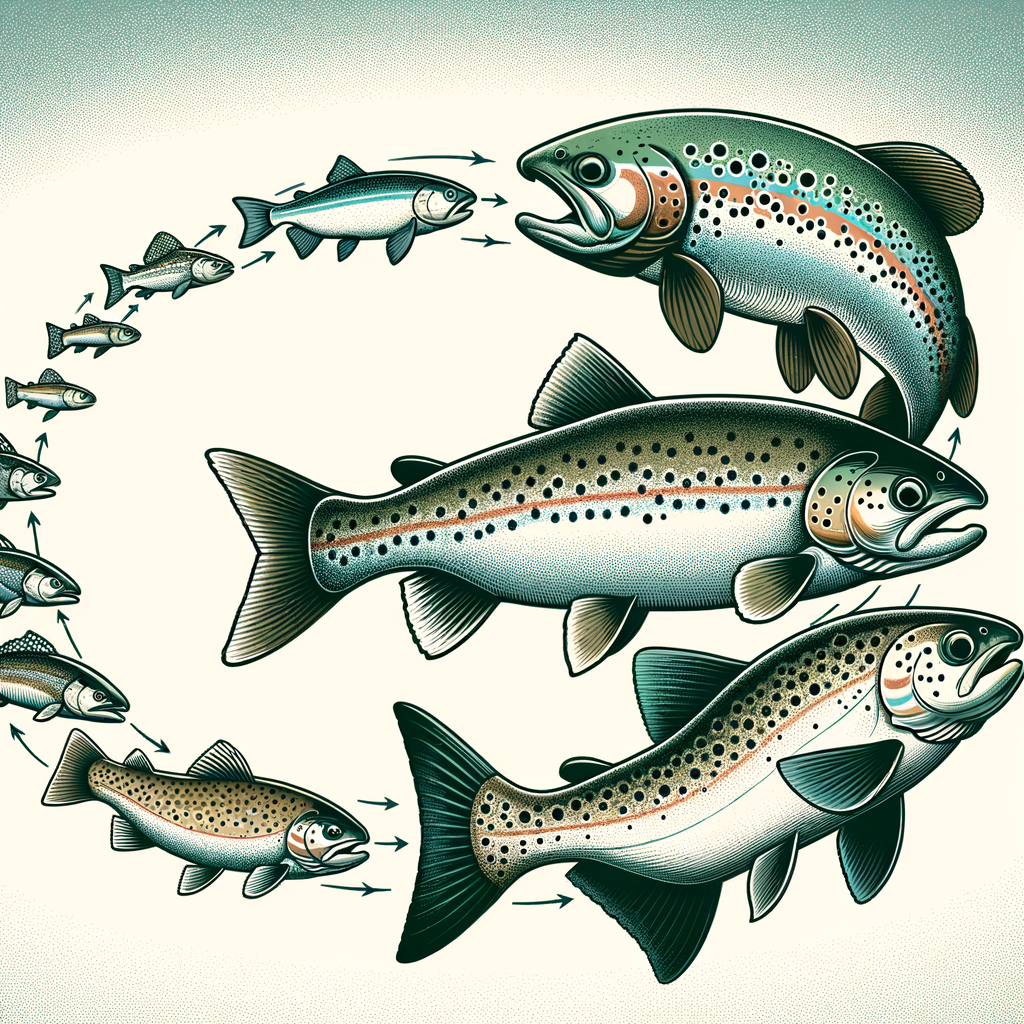
Steelhead are arguably the most iconic fly-fishing target in the Pacific Northwest. These are migratory rainbow trout that spend part of their life in the ocean before returning to freshwater rivers. They are famous for their strength, speed, and unpredictability. Washington’s Olympic Peninsula rivers, Oregon’s Rogue and Deschutes systems, and Idaho’s Clearwater are all well-known steelhead destinations. Steelhead fishing often involves long swings through likely holding water, careful presentation, and a willingness to put in serious time. It is often described as a game of patience and faith, but for many anglers, that is exactly what makes it so meaningful.
Salmon also play an important role in the region, though not every salmon fishery is a classic fly-fishing destination in the same way as a trout or steelhead river. Depending on regulations and seasonal runs, anglers may target species such as Chinook, Coho, or Sockeye in select waters. Salmon add to the regional identity because they shape ecosystems, support food webs, and influence the health and nutrient cycles of rivers. Even when anglers are not actively fishing for salmon, their presence matters to the broader life of the watershed.
Bull trout are present in some parts of the Pacific Northwest as well, though they are heavily regulated or protected in many waters. Anglers need to know local rules carefully because these fish are sensitive and conservation concerns are serious. In places where they are encountered, often incidentally, they are respected for their size, predatory nature, and importance to native ecosystems.
Brook trout and brown trout can also be found in select waters, though they are not as central to the regional identity as rainbows, cutthroat, steelhead, and salmon. Some alpine lakes and smaller streams hold brook trout, while certain rivers or stillwaters may have brown trout populations.
What really matters is matching the species to the destination. If you want technical trout fishing, Idaho and parts of Oregon are excellent. If you want sea-run fish and the chance at something truly powerful, Washington and parts of Oregon and Idaho shine. If you want a trip with species variety, the Pacific Northwest as a whole gives you that better than almost anywhere else. Just remember that fish presence, timing, and regulations vary a lot by river, so detailed trip planning always pays off.
5. How should I plan a fly fishing trip to the Pacific Northwest if I want the best experience?
Planning a great fly fishing trip to the Pacific Northwest starts with one simple question: what kind of angler experience do you want? This region is too diverse to approach with a vague plan. You will have a much better trip if you decide early whether you want trout, steelhead, salmon, or a mix of species; whether you prefer floating larger rivers or wading smaller water; and whether you want comfort and easy access or a more rugged, exploratory adventure.
The first step is choosing your primary destination based on season and target species. If your goal is consistent trout fishing with strong scenery and a relatively straightforward setup, the Yakima River in Washington or the Deschutes in Oregon are excellent starting points. If you are drawn to technical dry-fly fishing and famous trout water, Idaho should be high on your list. If your dream trip is centered on steelhead, especially in a setting that feels wild and classic, then Washington’s Olympic Peninsula rivers, Oregon’s Rogue or Deschutes, or Idaho’s Clearwater may make more sense.
Next, think seriously about timing. The Pacific Northwest is heavily shaped by weather, runoff, river flows, and fish migration. A river that is excellent one month may be difficult the next because of snowmelt, heat, low water, or seasonal closures. Research current conditions instead of relying only on general travel advice. Check streamflow data, local fly shop reports, state fish and wildlife updates, and fire or road conditions if you are traveling during late summer. This region rewards anglers who stay informed.
Hiring a guide can make a huge difference, especially if it is your first trip to a new river system. A good guide shortens the learning curve, helps with access, reads seasonal conditions, and can show you techniques that are specific to the fishery. This is particularly valuable on large rivers, drift-boat fisheries, and steelhead water, where understanding holding lies, presentation angles, and changing water levels can be the difference between a slow day and a memorable one. Even experienced anglers often book at least one guided day at the start of a trip to get dialed in.
Gear planning also matters. For trout fishing, many anglers bring a 4-, 5-, or 6-weight rod depending on river size and wind. For steelhead, switch rods and spey rods are common, along with appropriate lines and sink tips for the conditions. Waders, layering systems, rain gear, and solid wading boots are especially important in the Pacific Northwest because weather can change fast and riverbanks can be slick, rocky, or muddy. Polarized glasses are essential, and if you are floating or fishing remote areas, safety gear should not be treated as optional.
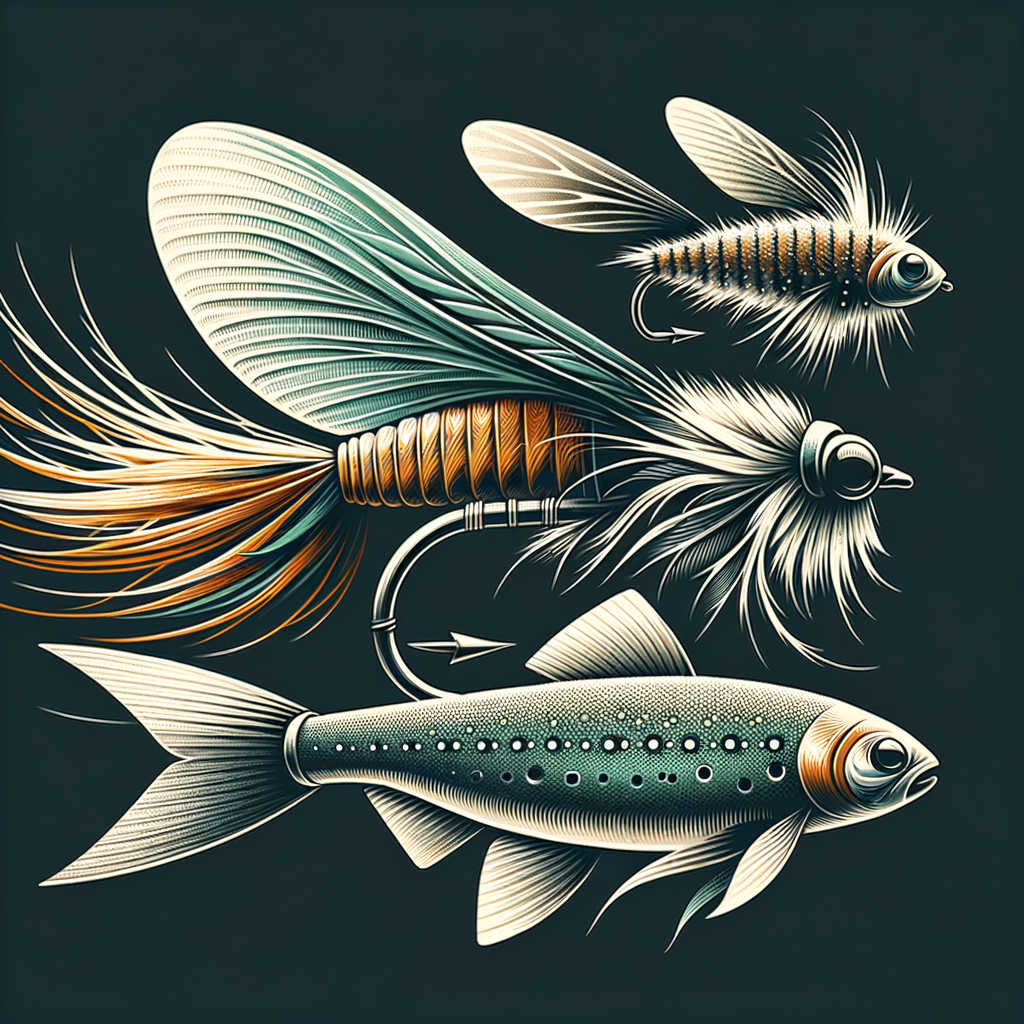
Flies should reflect the kind of water you are fishing. In trout rivers, standard patterns often include mayfly nymphs, caddis pupae, stonefly nymphs, dry flies matched to local hatches, attractor dries, and terrestrial patterns during warmer months. For steelhead, anglers commonly carry intruders, traditional wet flies, leeches, and other swung patterns suited to water clarity and depth. The exact fly selection varies by river and season, which is another reason local fly shops are so valuable. A good fly shop will not just sell you flies. It will help you fish smarter.
It is also important to understand regulations and ethics before you arrive. Rules in the Pacific Northwest can be very specific. Some waters have seasonal closures, gear restrictions, fly-only sections, selective harvest rules, hatchery versus wild fish distinctions, and special protections for vulnerable species. In many rivers, conservation is a major issue, especially where wild steelhead or native fish populations are under pressure. Responsible anglers should know the rules, handle fish carefully, respect private property, and stay current on changing regulations.
Finally, build flexibility into your itinerary. One of the smartest ways to plan a Pacific Northwest trip is to avoid tying everything to a single river unless conditions are very stable. If heavy rain blows out a coastal stream or runoff affects a freestone river, having a backup option can save your trip. Some anglers even plan road-trip-style itineraries through Washington, Oregon, or Idaho so they can follow conditions, hatches, and reports. This approach lets you experience more of the region and increases your odds of finding good fishing somewhere.
The best Pacific Northwest fly fishing trips usually come from a mix of preparation and adaptability. Choose your destination with purpose, match your timing to the fish, use local knowledge, respect the resource, and stay flexible once you are there. Do that, and you give yourself the best chance not just to catch fish, but to experience the region the way serious anglers remember it for years.