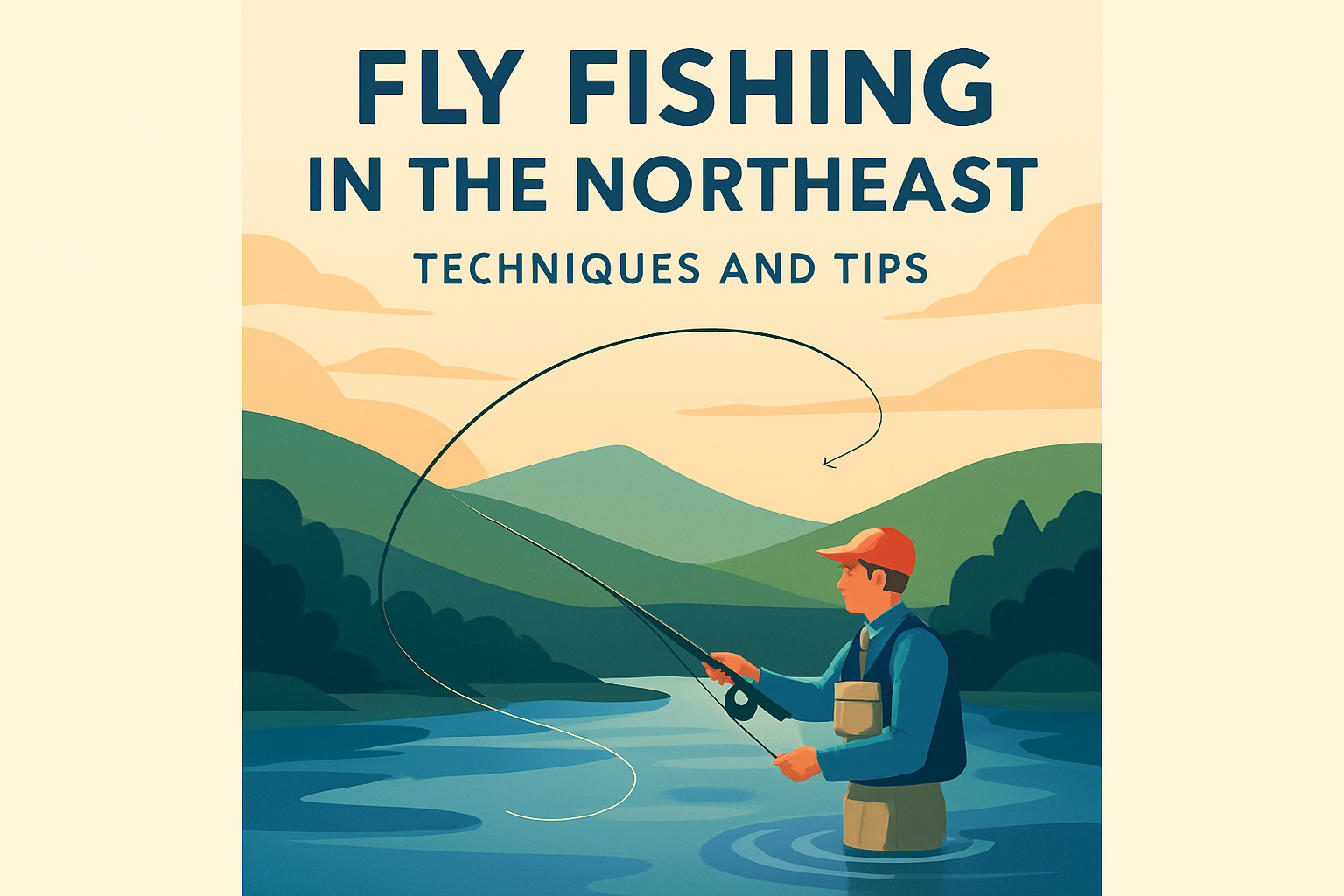
Fly fishing in the Northeast demands range, because the region spans cold freestone trout streams, broad tailwaters, weedy warmwater ponds, tidal estuaries, and rocky Atlantic surf. I have guided and fished across New York, Pennsylvania, Vermont, New Hampshire, Maine, Massachusetts, Connecticut, and New Jersey, and one lesson repeats everywhere: success comes from matching technique to water temperature, current speed, forage, and seasonal fish behavior. In practical terms, “fly fishing” means presenting an artificial fly with the weight of a fly line rather than a sinker, then controlling drift, depth, and motion with deliberate line management. In the Northeast, the most common targets are wild and stocked trout, landlocked salmon, smallmouth bass, striped bass, shad, and panfish, each requiring different tackle choices and presentation styles.
This matters because Northeastern waters are as rich as they are variable. A June mayfly hatch on a Catskills river rewards perfect drag-free drifts, while a September false albacore blitz off Rhode Island calls for rapid double-hauls and durable saltwater leaders. Anglers who understand local insect life, river hydrology, and fish positioning catch more fish and protect fisheries better. They also spend less on unnecessary gear. The best Northeast fly fishing techniques are not mysterious. They are repeatable systems: reading seams and structure, selecting the right fly size and profile, adjusting leader length and tippet diameter, and changing angle or depth before changing confidence. That practical framework is why this region remains one of North America’s most technically rewarding places to fish a fly.
Core tackle, rigging, and reading water
If someone asks what setup covers the most Northeastern fly fishing, my direct answer is a 9-foot 5-weight rod with a floating line for trout rivers, plus a 9-foot 8-weight for bass and saltwater. Those two outfits handle most situations well. For trout, I prefer a moderate-fast rod that protects 5X and 6X tippet during Hendrickson or Blue-Winged Olive hatches yet still turns over indicator nymph rigs. On larger rivers such as the Delaware, Farmington, or Upper Connecticut, a 10-foot 4- or 5-weight gives better mending reach and tighter contact on nymph drifts. In saltwater, an 8- or 9-weight with a sealed drag is standard because striped bass, school bluefish, and wind require more line speed, stronger leaders, and corrosion resistance.
Leader design matters more than many anglers realize. Dry-fly leaders in clear pools often run 9 to 12 feet, tapering to 5X or 6X. For weighted nymphs, I commonly shorten to 7.5 or 9 feet and add fluorocarbon tippet because thinner diameter cuts through current and sinks faster. Streamer leaders are shorter and stouter, often 0X to 3X, to turn over articulated patterns. In the surf, I build 7.5- to 9-foot leaders with 16- to 20-pound fluorocarbon for stripers and heavier bite tippet when bluefish are around. Knots should be simple and reliable: improved clinch, non-slip loop, blood knot, and triple surgeon’s knot cover nearly everything.
Reading water is the skill that ties gear to fish location. Trout in Northeastern rivers hold where current delivers food without forcing them to burn energy: seams, riffle tails, undercut banks, soft edges beside fast runs, and slots behind boulders. Bass favor current breaks, shade, wood, and rocky transitions. Stripers use tide lines, inlets, bridge shadow lines, and boulder fields where bait is compressed. Before making the first cast, study current speed, depth changes, structure, and where your fly can drift naturally. The best anglers I know spend more time assessing than casting, and that discipline consistently outperforms random water coverage.
Dry flies, nymphs, and streamers for trout
The Northeast is famous for dry-fly history, especially in the Catskills, where selective trout can make anglers obsess over size, silhouette, and drag. During mayfly hatches such as Hendricksons, Sulphurs, March Browns, and Tricos, the priority is a natural drift. Position slightly upstream or quartering across, cast above the feeding lane, and immediately mend to keep fly line from pulling the leader. If fish are rising steadily, match the stage they are eating. Duns require upright patterns; spent spinners demand flush-floating imitations. On difficult water, downsizing one fly size often helps more than changing pattern names. Good dry-fly technique in the Northeast is usually subtle, not clever.
Nymphing catches more trout over a full season because most feeding happens below the surface. In freestones from Pennsylvania to Maine, I use two main systems: an indicator rig for mixed depths and a tight-line rig for pocket water and short-range control. Indicator nymphing excels in runs where fish hold at varying levels. Tight-line methods shine when you need direct contact, quick hooksets, and precise depth control. Standard productive flies include Pheasant Tails, Hare’s Ears, Walt’s Worms, Zebra Midges, caddis larvae, stonefly nymphs, and jig streamers. Weight placement is critical. If you are not occasionally ticking bottom, your flies are probably too high in the water column.
Streamers become especially effective during high water, low light, fall aggression, and whenever larger trout are hunting baitfish. Across the Adirondacks, western Massachusetts, and Maine’s bigger rivers, I fish Woolly Buggers, Sculpzillas, Zoo Cougars, and articulated baitfish patterns on sink tips or weighted leaders. The key is changing presentation before changing fly color. Swinging broadside through current can trigger fish holding on structure; a downstream strip with pauses imitates wounded forage; a dead-drift streamer along a cutbank often surprises selective browns. Keep your rod tip low, maintain tension through the swing, and expect strikes at the hang-down. Larger trout in the Northeast frequently eat streamers with a shocking jolt, especially when water is stained.
Warmwater and saltwater tactics that produce
Northeastern fly anglers often overlook how good the region’s warmwater fishing is. Smallmouth bass in rivers such as the Susquehanna, Delaware, and Penobscot are ideal fly-rod fish because they crush topwater bugs, baitfish patterns, and crayfish flies from late spring through early fall. A 6- or 7-weight with a floating line covers most situations. At dawn or under cloud cover, deer-hair divers and foam poppers draw explosive takes around grass lines, boulders, and current seams. Once the sun rises, switch to Clouser Minnows, crayfish patterns, or jigged streamers near ledges and drop-offs. Retrieve speed matters. Smallmouth usually prefer a more assertive strip than trout, but pauses near structure are often what seal the eat.
For striped bass, location beats fly selection every time. In estuaries from Long Island to Cape Cod and coastal Maine, stripers move with tides and bait. I plan sessions around current, not the clock. Outgoing tides funnel sand eels, silversides, and juvenile herring through pinch points, while flood tides push fish onto flats and marsh edges. A 9-foot 8- or 9-weight rod, intermediate line, and sparse baitfish flies in olive, white, tan, and black are standard. The Clouser Minnow remains foundational because it casts well, sinks quickly, and tracks true in current. At night, larger profiles fished slowly around boulders and bridge lights consistently take bigger bass.
Shad runs on rivers like the Delaware and Connecticut create another overlooked fly opportunity. These fish respond to bright, sparse patterns swung on sink tips or floating lines with split shot where legal. The retrieve is minimal; angle and depth do the work. Landlocked salmon in New England lakes and rivers are similarly technical. During smelt runs, streamers become primary, but during insect events they can be surprisingly surface-oriented. The larger point is simple: fly fishing in the Northeast is not only about trout. Anglers willing to adapt line systems, leader strengths, and retrieve styles can fish productively nearly year-round.
Seasonal strategy, common mistakes, and conservation
Seasonal timing determines both fish behavior and ethical choices. In early spring, cold water slows metabolism, so trout often hold in softer currents and feed on small nymphs and midges. As temperatures climb into the roughly 50 to 65 degree range, hatches intensify and fish spread through riffles, runs, and tailouts. Summer requires caution. On many trout streams, once water temperatures approach 68 degrees Fahrenheit, fight stress and low dissolved oxygen increase mortality risk. Carry a thermometer. If temperatures rise, switch to bass, panfish, or saltwater. Fall brings streamer opportunities, spawning movements in some systems, and lower, clearer flows that punish sloppy wading and poor presentations.
The mistakes I see most often are consistent. Anglers cast before identifying the feeding lane. They fish one depth all day. They ignore wind direction in saltwater and current angle in rivers. They use leaders that are too heavy for clear, technical trout, then blame fly choice. They also move too fast. In productive water, make several controlled drifts from different angles before stepping forward. Another common error is poor fish fighting technique. Side pressure lands trout and bass faster than lifting straight up, and faster landings reduce stress. With stripers, especially in current, use the reel early and keep fingers clear when fish turn unexpectedly.
| Season | Primary Species | Best Techniques | Key Flies |
|---|---|---|---|
| Spring | Trout, shad, smallmouth | Nymphing, swung wets, streamers | Pheasant Tail, caddis larva, shad darts, Clouser |
| Summer | Trout, bass, stripers | Dry flies, topwater, estuary baitfish presentations | Sulphur dun, foam popper, sand eel, deceiver |
| Fall | Brown trout, salmon, stripers | Streamers, nymphs, night tides | Woolly Bugger, sculpin patterns, large black baitfish flies |
| Winter | Holdover trout, stocked fish, schoolie stripers in select areas | Small nymphs, slow streamers, deep presentations | Zebra Midge, egg patterns, small Clousers |
Conservation is part of good technique, not a separate virtue. Pinch barbs when practical, especially on trout streams with wild fish. Keep fish wet, support them gently, and avoid long photo sessions. On tidal flats and warm summer rivers, revive fish facing current only as long as necessary; excessive handling is as harmful as poor fighting technique. Follow local regulations, including seasonal closures and tackle restrictions, because many Northeastern fisheries depend on carefully managed spawning periods and stocking programs. The American Fly Fishing Trade Association, state fish and wildlife agencies, and U.S. Geological Survey flow and temperature data are all useful references. Skilled anglers use that information before leaving home, not after a slow day.
Fly fishing in the Northeast rewards anglers who think systematically. Choose tackle based on species and water type, not marketing categories. Read current, tide, and structure before you cast. Present dry flies with drag-free control, nymphs at the correct depth, and streamers with intention. When targeting bass or stripers, prioritize forage, current, and timing over pattern obsession. Most important, let the season dictate both tactics and ethics. Water temperature, insect activity, bait movement, and spawning behavior all matter more than favorite flies.
After years on Northeastern rivers, ponds, and coastlines, I can say the region’s greatest strength is variety. You can fish a Catskills spinner fall, drift pocket-water nymphs in Vermont, throw poppers to river smallmouth in Pennsylvania, and swing baitfish flies for stripers on a Massachusetts tide—all with transferable skills. Start with one river or shoreline, learn its seasonal rhythm, keep notes, and refine one variable at a time. If you do that, your catch rates will improve, your decisions will get faster, and your days on the water will become more consistent. Pick a local water, watch conditions closely, and fish it with purpose this season.
Frequently Asked Questions
What makes fly fishing in the Northeast different from other regions?
Fly fishing in the Northeast is defined by variety. In a relatively compact area, anglers move from icy freestone trout streams and technical tailwaters to weedy bass ponds, tidal estuaries, and open Atlantic surf. That diversity means there is no single “Northeast fly fishing” method. The most effective approach changes with water temperature, current speed, depth, available forage, and the seasonal behavior of the fish. A pocket-water trout stream in Vermont demands a very different presentation than striped bass feeding in a Rhode Island estuary or smallmouth bass cruising a river in Pennsylvania.
Another major difference is how quickly conditions can change. Snowmelt, cold rain, summer drought, leaf fall, and coastal wind all affect where fish hold and how they feed. In spring, cold water often calls for slower presentations and flies fished deeper. In summer, low clear flows may require lighter tippet, longer leaders, and stealth. In fall, baitfish movements and pre-spawn aggression can create excellent streamer opportunities. Because of this, anglers who do best in the Northeast are usually the ones who stay flexible. They do not force one technique everywhere. Instead, they read the water, pay attention to temperature and insect life, and adjust their rig, fly choice, and presentation accordingly.
What fly fishing techniques work best across different Northeast waters?
The best technique depends on the specific fishery, but a few core methods cover most situations. On cold trout streams, dead-drifting nymphs remains one of the most reliable approaches because fish often feed below the surface for much of the year. In fast freestone water, that usually means getting your flies down quickly with split shot or weighted flies and maintaining a natural drift through seams, plunge pools, and pocket water. In larger rivers and tailwaters, indicator nymphing or tight-line methods can both be highly effective, especially when fish are holding in defined lanes and feeding consistently near the bottom.
Dry-fly fishing is often at its best when insect activity becomes concentrated and fish begin looking up. Hendricksons, caddis, sulfurs, blue-winged olives, and terrestrials all create memorable surface action in the region, but success depends on accurate imitation and drag-free drifts. For many anglers, the key lesson is that a rise does not automatically mean fish are feeding on duns. Sometimes they are taking emergers or cripples just under the film, so changing to a softer hackle, emerger pattern, or smaller profile often makes the difference.
Streamers are essential whenever fish are feeding on baitfish, sculpins, crayfish, or larger prey. This matters not just for trout, but also for smallmouth, largemouth, pike, and striped bass. In high water, low light, or during fall aggression, a swung or stripped streamer can outproduce more delicate methods. In ponds and warmwater lakes, flies like poppers, baitfish patterns, and leeches become especially useful around weed edges, timber, and drop-offs. In estuaries and surf, line control, current awareness, and matching local bait such as sand eels, silversides, or juvenile bunker are often far more important than exact pattern selection. Across all these waters, the common thread is simple: fish the depth and speed that match the conditions rather than relying on one favorite style.
How should I adjust my fly selection and presentation with the seasons in the Northeast?
Seasonal adjustment is one of the biggest keys to consistent success. In early spring, water is often cold and fish conserve energy, so smaller, slower presentations usually shine. Trout tend to hold in softer current near deeper runs, tailouts, and slower seams beside faster flow. Nymphs imitating early-season mayflies, midges, caddis larvae, and stoneflies are dependable, and streamers fished slowly can move larger fish when water has a little color. As hatches build, dry flies and emergers become more important, but presentation remains critical because fish are often selective in cold clear water.
Late spring into early summer usually brings some of the region’s classic hatch fishing. This is when matching size, profile, and stage matters most on many trout rivers. It is also when runoff, dam releases, and fluctuating flows can still complicate things, so anglers need to pay attention not just to insects, but also to river conditions. Summer creates a split in strategy. Cold trout water remains productive at dawn, dusk, and on overcast days, while warmwater opportunities expand dramatically. Smallmouth bass, largemouth bass, carp, and panfish become excellent targets in rivers and ponds. Terrestrials such as ants, beetles, and hoppers can be outstanding on trout streams, while poppers and baitfish flies excel in stillwater and river margins.
Fall is one of the Northeast’s most versatile seasons. Trout often feed aggressively ahead of winter, streamer fishing can be exceptional, and many rivers see renewed insect activity with blue-winged olives, caddis, and midges. Smallmouth and striped bass key heavily on baitfish migrations, so larger streamers and more active retrieves come into play. In colder late-fall water, slowing down again becomes important. Winter narrows the range of productive water but can still offer very good fishing on tailwaters and moderate-flow rivers, especially with midges, small nymphs, and carefully controlled drifts. The broad rule is to let the season tell you both what fish are eating and how much energy they are willing to spend to get it.
What tackle setup is most versatile for fly fishing in the Northeast?
If you want one highly versatile trout setup, a 9-foot 5-weight rod is still the best all-around choice for much of the Northeast. It handles dry flies, nymph rigs, and moderate streamers well on a wide range of rivers and streams. Pair it with a reliable reel, a weight-forward floating line, and leaders in the 9- to 12-foot range, and you can fish most trout situations effectively. For smaller brushy brooks, a shorter 3-weight or 4-weight can be more enjoyable and precise. For bigger rivers, heavier nymph rigs, or larger streamers, many anglers prefer a 6-weight. If you regularly fish bass ponds, pike water, or light salt, a 7-weight or 8-weight opens up far more options.
Lines matter just as much as rods. A floating line covers most trout and warmwater fishing, but sink-tip and full-sinking lines become important for deep streamer work, lakes, and saltwater situations. Leaders should also match the technique. Longer, finer leaders help with wary trout in clear low water, while shorter, stronger leaders turn over streamers and poppers more effectively. In estuaries and surf, abrasion resistance, wind-cutting line design, and stronger tippet are especially important because current, rocks, and larger fish create a tougher environment.
As for flies, think in categories rather than huge numbers of exact patterns. Carry a practical range of nymphs, dries, emergers, streamers, terrestrials, and warmwater or saltwater baitfish patterns. Include multiple sizes, some weighted options, and both natural and attractor colors. Polarized glasses, a thermometer, wading staff for larger rivers, quality rain gear, and a compact pack round out a smart Northeast kit. A thermometer is especially underrated here because water temperature helps determine whether trout will be active, where bass may be positioned, and whether certain estuary species are likely to be feeding aggressively.
What are the most common mistakes anglers make when fly fishing in the Northeast?
The most common mistake is failing to adapt to conditions. Many anglers arrive with one confidence method and try to force it all day, even when the water clearly calls for something else. They fish dries when trout are feeding subsurface, strip streamers too fast in cold water, or stay shallow when fish are holding deep. In the Northeast, where one day may bring clear technical flows and the next brings stained, pushy water, rigidity usually costs fish. Successful anglers keep asking a few basic questions: How cold is the water? Where can fish hold without spending too much energy? What forage is most available right now? Is this a day for subtle presentations or aggressive ones?
A second major mistake is poor drift and depth control. On trout water especially, being close is not enough. If your nymphs are six inches too high, or your dry is skating unnaturally across conflicting currents, fish often refuse. Mending, line control, and reading seams matter more than many anglers realize. In warmwater and saltwater settings, the equivalent mistake is fishing the wrong retrieve speed or failing to account for current angle and bait movement. Presentation nearly always outweighs pattern obsession.
Other frequent errors include overlooking water close to shore, wading too quickly into productive holding zones, using tippet that is too heavy in clear low water, or too light around structure and larger fish, and ignoring weather windows. Dawn, dusk, cloud cover, and dropping light can transform the bite in both fresh and saltwater. Finally, many anglers underestimate the value of observation. Before making the first cast, it often pays to stop and look for insect activity, baitfish, bird behavior, rising fish, current seams, and temperature clues. The Northeast rewards anglers who treat each piece of water as its own puzzle and solve it with patience rather than habit.